
A wine shop and bar in Hamburg-Eimsbüttel where the retail shelves are also the furniture: tables sit between floor-stacked wine cases, collapsing the distance between browsing and drinking. Vineyard Weinhandel on Osterstraße 92 runs a small food menu alongside its bottle selection, making it one of the more honest expressions of how serious wine culture operates at the neighbourhood level in Hamburg.
Pearl is the En Primeur Club membership app — saves, bookings, and concierge access live there. Same editors, same standards.
- Address
- Osterstraße 92, 20259 Hamburg, Germany
- Phone
- +49 40 43213230
- Website
- vineyard-weinhandel.de
- Directions
- Get directions
 Saves & bookings on Pearl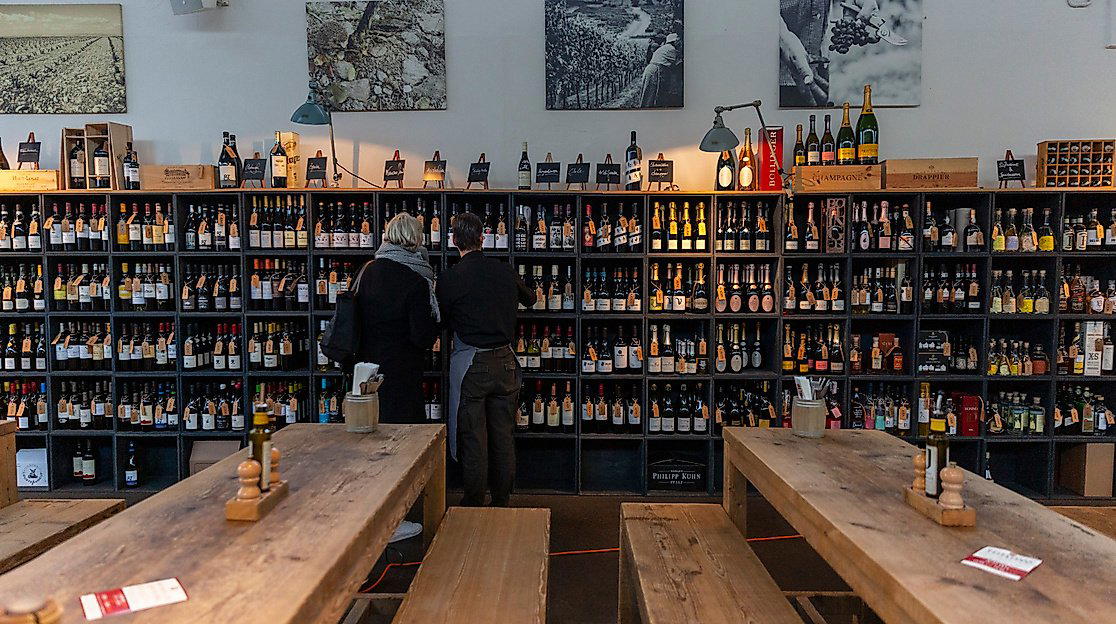
Where the Stock Is Also the Setting
Walk into Vineyard Weinhandel on Osterstraße 92 and the first thing that registers is not a dining room or a bar counter in any conventional sense. The tables sit between the wine cases. Bottles are stacked at shoulder height on all sides, close enough that you could reach over and read the label on whatever sits at eye level. The industrial character is deliberate: bare bones, no soft furnishings, no attempt to disguise the fact that this is primarily a place of commerce that has chosen to be hospitable about it. That tension between shop and bar is the defining quality of Eimsbüttel's wine retail scene, and Vineyard sits at its more considered end.
Hamburg-Eimsbüttel is a neighbourhood that has spent the last decade quietly becoming one of the city's more reliable addresses for independent food and drink operators. The Osterstraße corridor in particular draws a crowd that is curious rather than status-driven, more interested in a well-chosen producer than in whether the space photographs well. Vineyard fits that character. The industrial aesthetic is not a style choice bolted on for appeal; it is what happens when a wine shop takes its stock seriously enough to let the product fill the room.
The Wine-First Logic of the Format
In Hamburg's wine bar scene, venues generally split between those that treat wine as support for a kitchen and those that treat the kitchen as support for wine. Vineyard belongs firmly in the second group. The food menu is small by design. Across Germany, the most credible wine-focused spaces have adopted this structure as a matter of principle: the bottle is the point, and food is there to extend the session and frame what's in the glass rather than to compete with it. Comparable approaches appear at serious wine bars in Berlin and Munich, where restraint in the kitchen signals confidence in the cellar.
That sourcing logic matters here. A wine shop that also operates a bar has an unusually direct relationship with its producers. There is no separate sommelier programme building a list independently of a retail buyer; the selection in the cases and the selection poured by the glass come from the same curation decisions. For the drinker, this means the glass poured across the table is the same bottle available to take home, which is a more transparent way of doing things than the split inventories common at larger restaurant wine programmes. What you taste is what you can buy, without markup translation or format premium.
Eimsbüttel and the Character of the Neighbourhood
Osterstraße runs through the core of Eimsbüttel, and the stretch around number 92 is dense with independent operators, notably different in character from the higher-profile bar and restaurant clusters around the Reeperbahn or the Speicherstadt. The area draws a local crowd on weekday evenings and a broader mix on weekends, but the tone stays residential rather than destination-seeking. Venues here tend to earn repeat customers rather than one-off visitors, which puts pressure on quality and consistency in a way that tourist-adjacent addresses do not face in the same way.
For visitors coming from elsewhere in Hamburg, reaching Osterstraße from the city centre is direct. The U-Bahn serves Eimsbüttel well, and the neighbourhood rewards an evening that moves between a few stops rather than committing to a single address. Hamburg's bar and restaurant culture has enough depth that a night in Eimsbüttel can sit alongside an evening at Le Lion Bar de Paris or Buddels without feeling like a compromise. Vineyard occupies a different register than either, but that variety is part of how Hamburg's drinking culture holds together across neighbourhoods.
How Vineyard Fits Hamburg's Wider Drinking Scene
Hamburg's bar and drinks venues span a wide range of formats. Die Bank, in its converted banking hall near the Rathaus, operates at a different scale and spectacle entirely. Gröninger Privatbrauerei Hamburg anchors the beer-led end of the city's drinking traditions. Vineyard sits outside both of those axes, occupying the quiet specialist tier where wine knowledge and producer relationships matter more than concept or theatre.
Across Germany, the wine bar and wine shop hybrid has grown into a credible format precisely because it resists the inflation that affects stand-alone wine bar programmes. The Parlour in Frankfurt on the Main, Buck and Breck in Berlin, Goldene Bar in Munich, [Bar Trattoria Celentano in Cologne](), and Uerige in Dusseldorf each demonstrate how strongly local character shapes what a drinks venue becomes in a German city. Vineyard demonstrates Hamburg's particular version of that: unpretentious, neighbourhood-rooted, and relying on the quality of what is in the cases rather than the spectacle of how it is served.
The format also has regional parallels further north. [Kieler Brauerei am Alten Markt in Kiel]() shows how northern German drinking culture maintains a strong craft identity independent of the Hamburg scene, while international reference points like Bar Leather Apron in Honolulu illustrate how the specialist bar format travels across very different hospitality markets. The common thread is specificity: venues that know exactly what they are and do not try to be more than that tend to age well.
Planning a Visit
Vineyard Weinhandel is at Osterstraße 92, 20259 Hamburg, in the Eimsbüttel district. The format suits an unhurried evening: the small food menu means this is not a dinner-first destination, but rather a place to open a bottle from the shelf, sit between the cases, and take the selection seriously. For a broader view of where Vineyard sits within Hamburg's food and drink offer, see our full Hamburg restaurants guide.
How Vineyard Weinhandel Hamburg compares with similar nearby venues.
| Venue | Awards |
|---|---|
| Vineyard Weinhandel | Star Wine List (2026) |
Recognition history
Dated appearances from independent guides and award organizations, with the underlying list record or original source where available.
Star Wine List
Star Wine List
Continue exploring
More in Hamburg
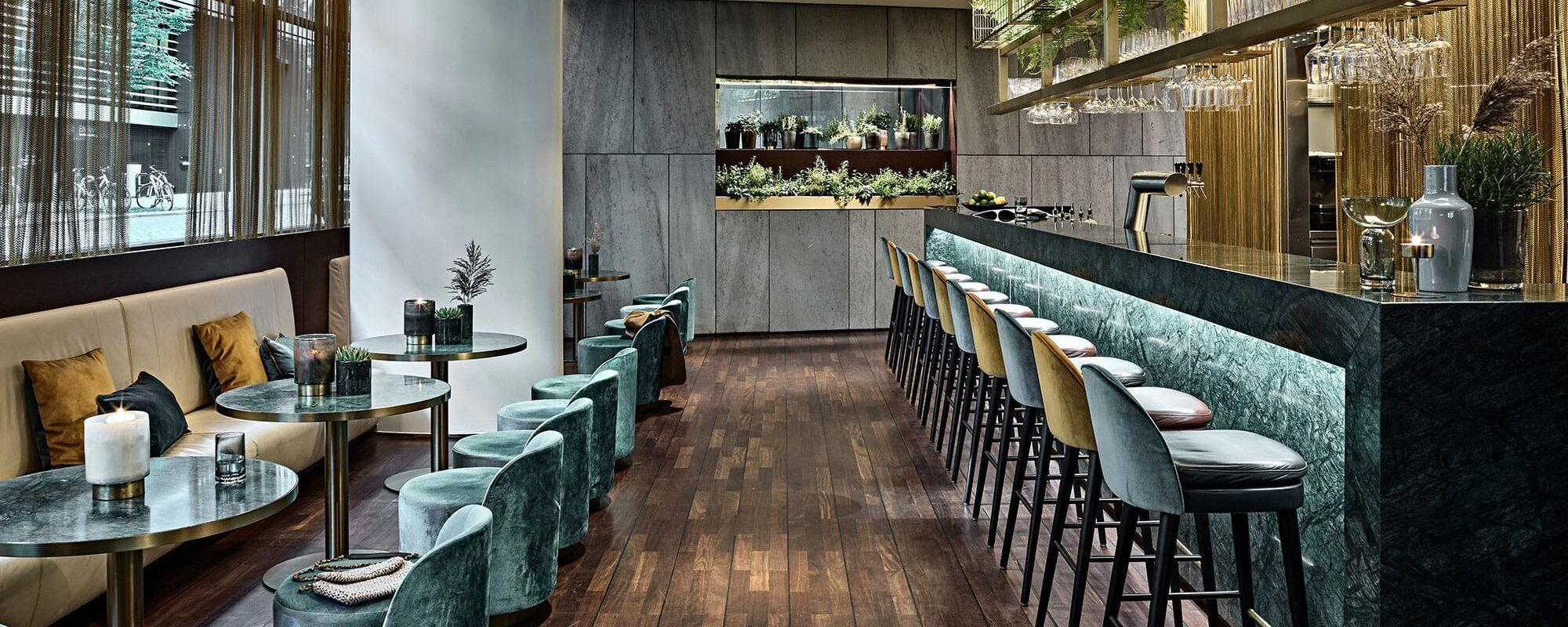
Bars in Hamburg
Browse all →
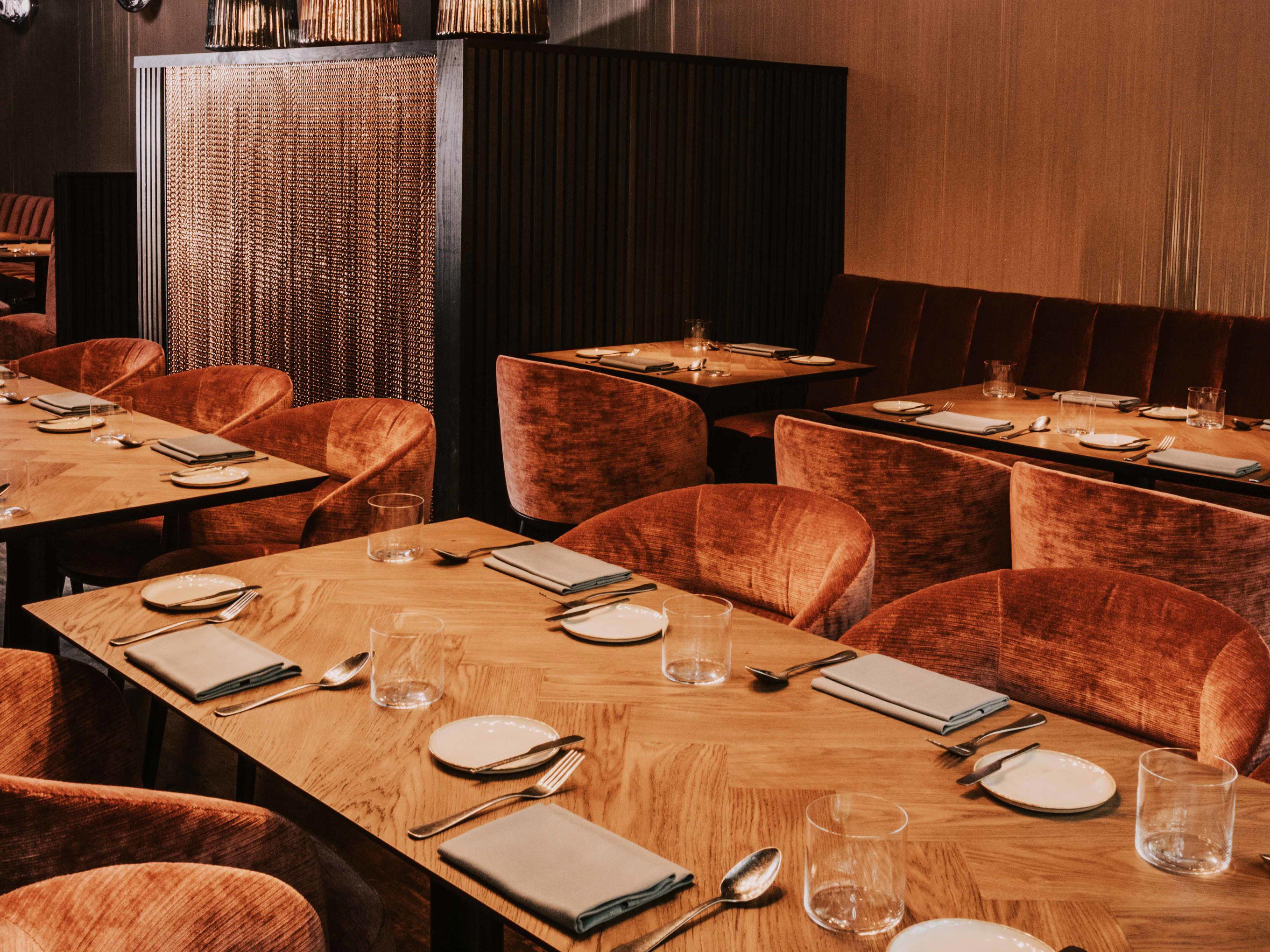
Restaurants in Hamburg
Browse all →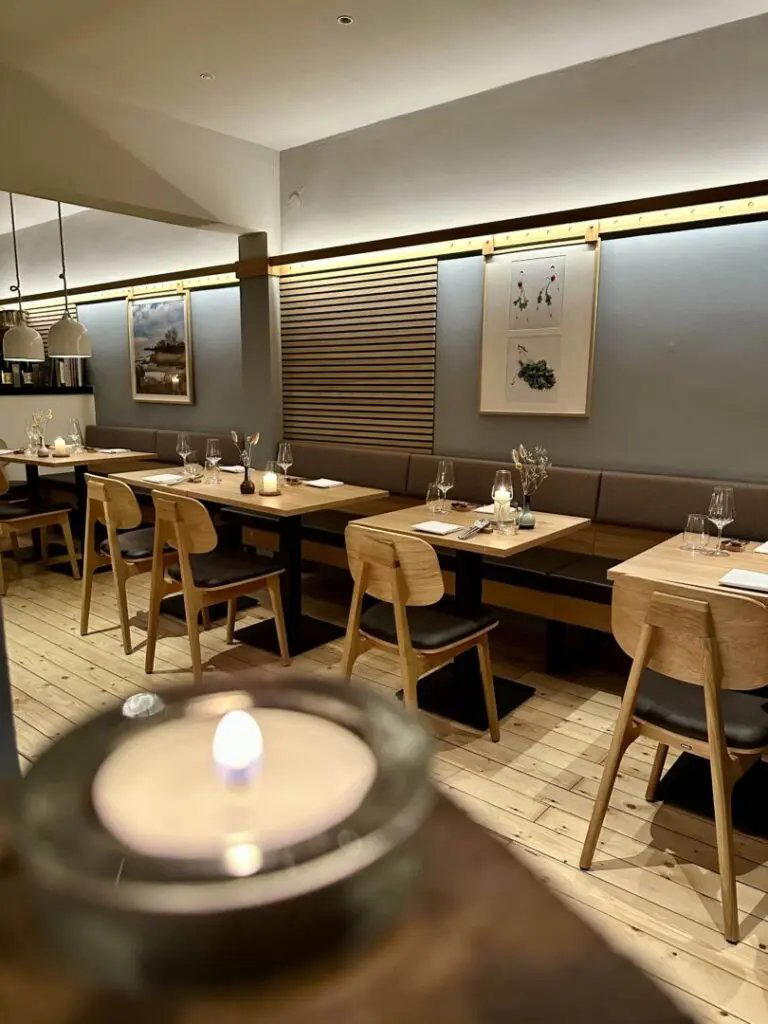
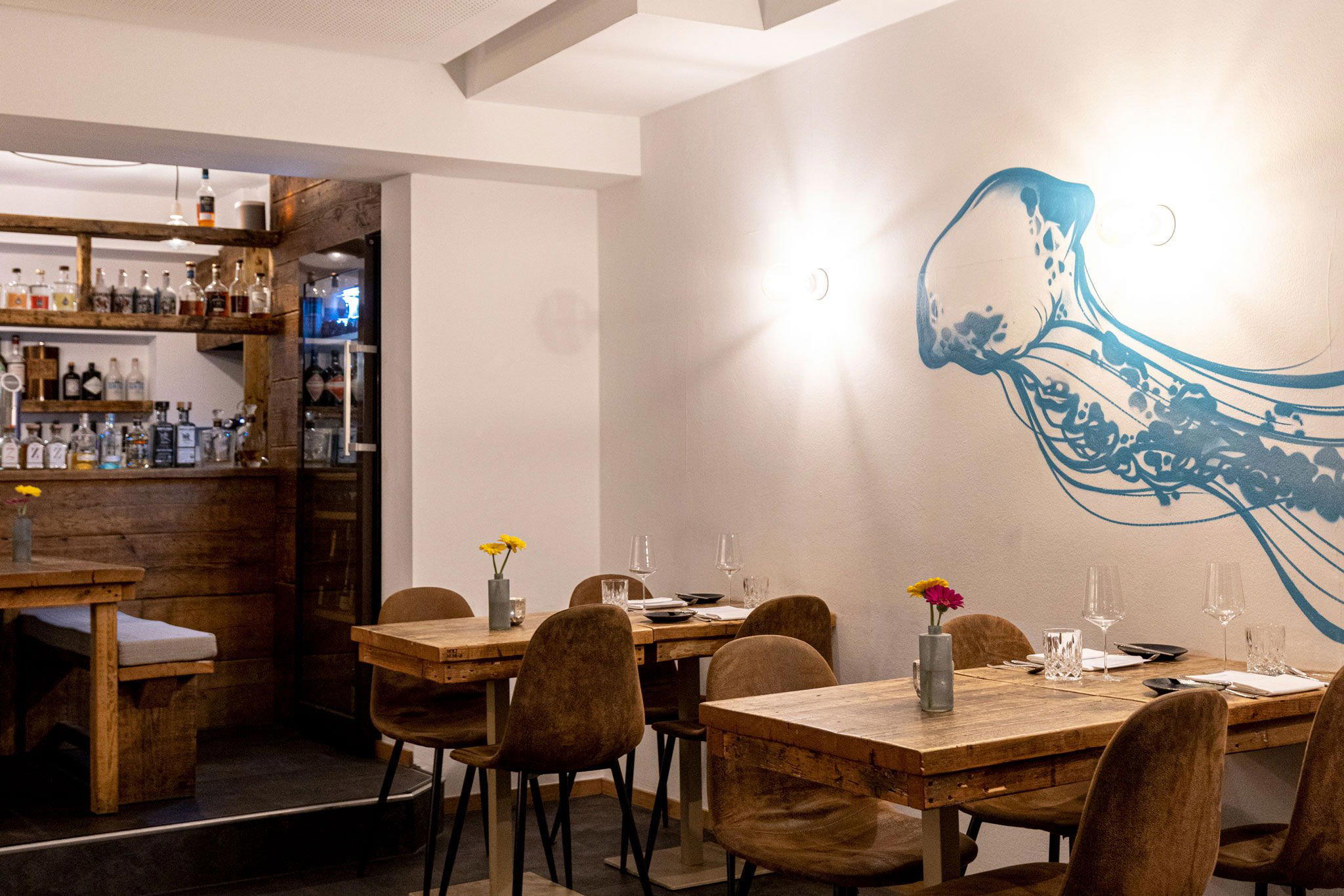
Hotels in Hamburg
Browse all →
Wineries in Hamburg
Browse all →
At a Glance
- Cozy
- Sophisticated
- Lively
- Date Night
- After Work
- Group Outing
- Casual Hangout
- Standalone
- Communal Tables
- Booth Seating
- Natural Wine
- Conventional Wine
- Gin
Current opening hours
- Monday
- 10:30 AM–11 PM
- Tuesday
- 10:30 AM–11 PM
- Wednesday
- 10:30 AM–11 PM
- Thursday
- 10:30 AM–11 PM
- Friday
- 10:30 AM–11 PM
- Saturday
- 10:30 AM–8 PM
- Sunday
- Closed
Hours can change for holidays and private events. Last verified .
Cozy with wooden benches, fireplace lounge area, busy and inviting atmosphere that gets packed.
Know Before You Go
- Getting there
- Osterstraße 92, 20259 Hamburg, Germany