


Michelin Selected · La Liste Top Hotels · Design Hotels Member
Positioned steps from Hamburg's Staatsoper on Drehbahn 49, SIDE Design Hotel brings a sharply contemporary sensibility to the city's Neustadt quarter. Its La Liste recognition (93 points, 2026) places it among Germany's most closely watched urban properties. The hotel draws a design-forward crowd for whom architecture and location are as deliberate a choice as the room rate.

Pearl is the En Primeur Club membership app — saves, bookings, and concierge access live there. Same editors, same standards.
- Address
- Drehbahn 49, 20354 Hamburg
- Phone
- +49 40 309990
- Website
- side-hamburg.de
- Directions
- Get directions
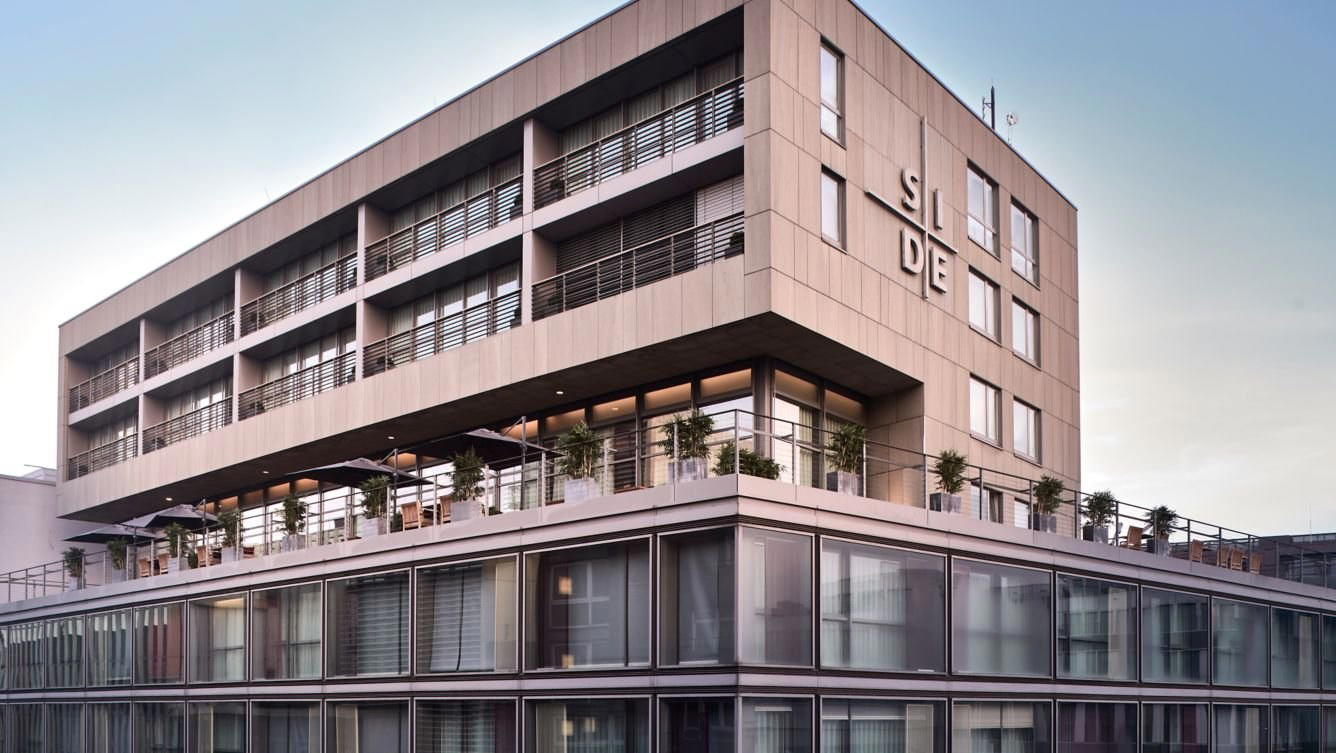
Drehbahn 49: Where Hamburg's Cultural Quarter Meets Contemporary Hospitality
The stretch of Neustadt between the Hamburger Staatsoper and the Binnenalster represents one of the city's more compressed concentrations of cultural and commercial life. Opera patrons, finance professionals, and overnight guests from across Europe share the same pavements, and the hotels along this corridor have adapted accordingly. The address at Drehbahn 49 sits inside that particular urban dynamic: close enough to the opera house to draw pre-performance visitors, central enough to serve as a base for virtually any corner of inner Hamburg, and positioned within a neighbourhood that rewards a traveller who wants to move on foot rather than by taxi. Our full Hamburg restaurants guide maps the wider dining and drinking scene that surrounds this part of the city.
The Design Proposition
Germany's premium urban hotel market has diverged into two broad camps over the past fifteen years. On one side sit the grand civic properties that trade on institutional weight and historic interiors: places like Fairmont Hotel Vier Jahreszeiten, where the Alster facade and century-old reputation are themselves part of the experience. On the other sit properties that treat architecture and spatial design as the primary editorial statement, where the building is not background but argument. SIDE Design Hotel belongs firmly in the second camp. Its public areas are conceived as social spaces rather than transitional lobbies, and the private rooms are calibrated toward quiet and containment rather than ornamental display. This is the model that has worked for design-led properties across European cities, from Milan to Copenhagen, and Hamburg's version of it occupies a specific niche in a city that has traditionally leaned toward the grand-hotel template.
La Liste's 2026 ranking awarded SIDE 93 points, placing it inside the upper tier of recognised German urban properties. La Liste aggregates critical sources across multiple national and international publications, so a score at this level reflects sustained recognition rather than a single editorial moment. For context, properties with scores in this range in other German cities include addresses with long-standing reputations; SIDE's inclusion in that bracket signals that its design-forward approach has translated into durable critical standing, not just aesthetic novelty at opening.
Location as Experience: The Neustadt Argument
Hamburg's hotel geography clusters around a handful of distinct zones. The Alster waterfront pulls the traditional luxury tier, with The Fontenay occupying a prominent lakeside position that makes water views integral to the stay. The Elbe corridor has its own logic, with Hotel Louis C. Jacob operating at the western end of the city in a quieter register. Newer additions such as Apotheke an der Elbphilharmonie have staked positions near the HafenCity cultural anchor. SIDE's Neustadt location sits outside all of these sub-markets and is better understood as part of the city's working commercial and cultural centre rather than a scenic or waterfront destination.
That distinction matters for how a stay here actually functions. The Staatsoper is around the corner, which makes pre-curtain logistics trivial. The main shopping corridor of Jungfernstieg is within walking distance. The Altstadt's historic merchant buildings, the Rathaus, and the network of canals that give Hamburg much of its visual character are all reachable without transport. For a traveller whose itinerary runs across multiple parts of the city rather than concentrating in one district, the Neustadt position is pragmatically advantageous in a way that more scenically spectacular locations are not.
Properties in Hamburg's east and west flanks, including east Hamburg and Gastwerk Hotel Hamburg, serve a different use case: travellers who want the hotel itself to anchor the experience, often in repurposed industrial spaces with strong design identities tied to specific districts. Garner Hamburg East and Conrad Hamburg represent further points on the city's accommodation map, each calibrated to different priorities. SIDE's central Neustadt address is the choice for those who want a design-led property without trading central access for aesthetic atmosphere.
Within the German Premium Hotel Field
Placed in the wider context of German hospitality, SIDE sits in a recognisable tier of urban design properties that have earned La Liste recognition without belonging to the resort or spa segment that dominates much of the country's premium market. Properties such as Hotel de Rome in Berlin and Excelsior Hotel Ernst in Cologne operate in comparable urban registers, each making a case for their city through architecture and location rather than through countryside amenity. The resort end of the German market, represented by addresses such as Althoff Seehotel Überfahrt in Rottach-Egern, Hotel Bareiss in Baiersbronn, Schloss Elmau Luxury Spa Retreat & Cultural Hideaway in Elmau, and Das Kranzbach Hotel & Wellness Retreat in Kranzbach, occupies a separate competitive set entirely. Other notable German properties across the country's range include Breidenbacher Hof Düsseldorf, BUDERSAND Hotel in Hörnum, Bülow Palais in Dresden, Der Öschberghof in Donaueschingen, Esplanade Saarbrücken, Gut Steinbach Hotel Chalets Spa in Reit im Winkl, and Hotel Ketschauer Hof in Deidesheim.
For international travellers building a European itinerary that includes Hamburg, comparison points might extend to design-led urban properties in other markets, including The Fifth Avenue Hotel in New York City, Aman New York, and Aman Venice, each of which anchors a similar proposition: architecture and address as the primary differentiators within their respective city markets.
Planning a Stay
SIDE Design Hotel Hamburg is located at Drehbahn 49, 20354 Hamburg, in the Neustadt district. The address places guests within walking range of the Staatsoper, Jungfernstieg, and the main Altstadt network. Hamburg's central station (Hamburg Hauptbahnhof) is reachable in under fifteen minutes on foot or by U-Bahn from nearby Gänsemarkt station, which is served by the U2 line. Travellers arriving from Hamburg Airport should allow approximately thirty minutes by S-Bahn (S1 line to Hauptbahnhof, then U2 to Gänsemarkt). Given the hotel's La Liste recognition and its central position, advance booking is advisable for Hamburg's peak periods, including the Christmas market season in late November and December and the summer months when the city's cruise and event calendar fills the calendar.
Same-City Peers
Comparable venues nearby, for context on price, style, and recognition.
| Venue | Cuisine | Price | Awards | Notes |
|---|---|---|---|---|
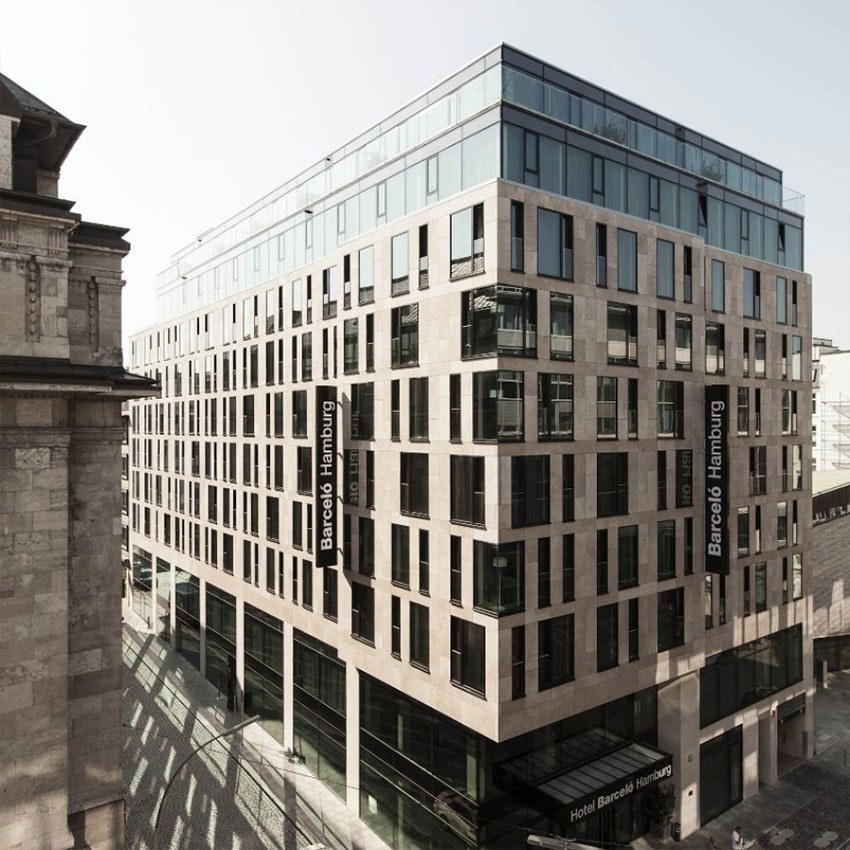
| SIDE Design Hotel HamburgThis venue — the venue you are viewing | ultra-modern tower of glass and natural stone with purist minimalism | Not listed | Michelin Selected · La Liste Top Hotels | Not listed |
| Hotel Atlantic Hamburg, Autograph Collection | Well-known grand hotel with timeless Hanseatic luxury. | Not listed | Michelin Selected · La Liste Top Hotels | St. Georg |
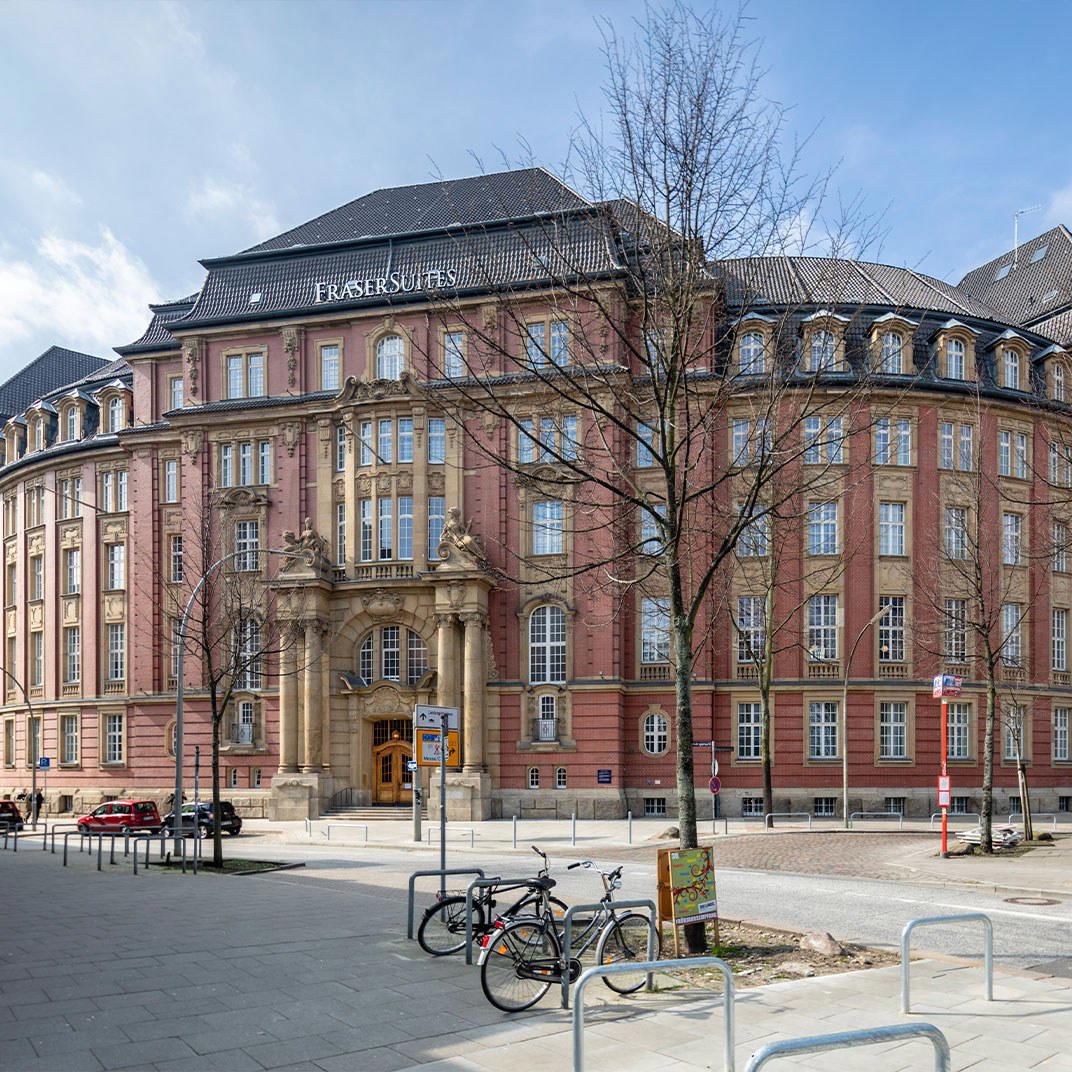
| Fraser Suites Hamburg | 5-star boutique serviced apartment hotel in a heritage building | Not listed | Michelin Selected | Hamburg-Altstadt |
| PIERDREI Hotel HafenCity Hamburg | Contemporary urban design hotel with distinctive features like rooftop caravans and family programming. | $100–200 | Michelin Selected | Hafencity |
| Conrad Hamburg | Contemporary luxury in historic Levantehaus building | Not listed | Michelin Selected · Star Wine List | Hamburg-Altstadt |
| east Hamburg | Modern design hotel in historic foundry | $100–200 | Michelin Selected · Preferred Hotels Member | St. Pauli |
Recognition history
Dated appearances from independent guides and award organizations, with the underlying list record or original source where available.
Michelin Selected
Michelin
La Liste Top Hotels
La Liste
Design Hotels Member
Design Hotels
Continue exploring
More in Hamburg
Hotels in Hamburg
Browse all →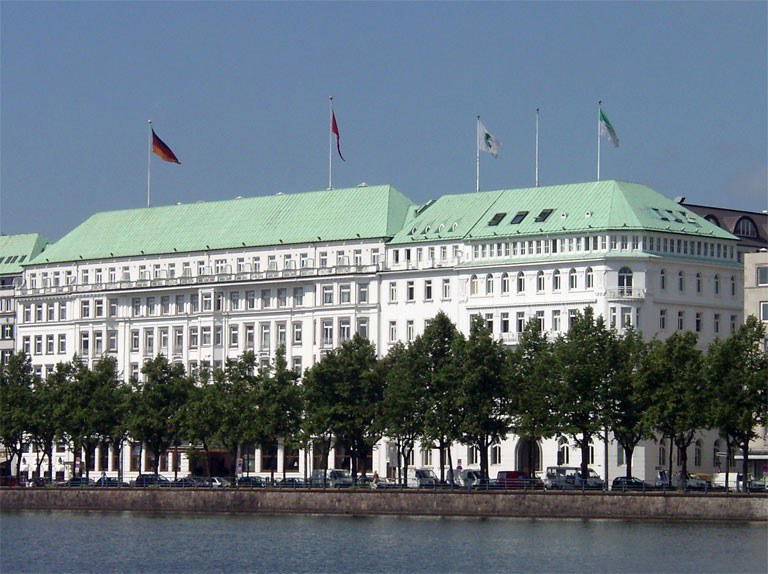
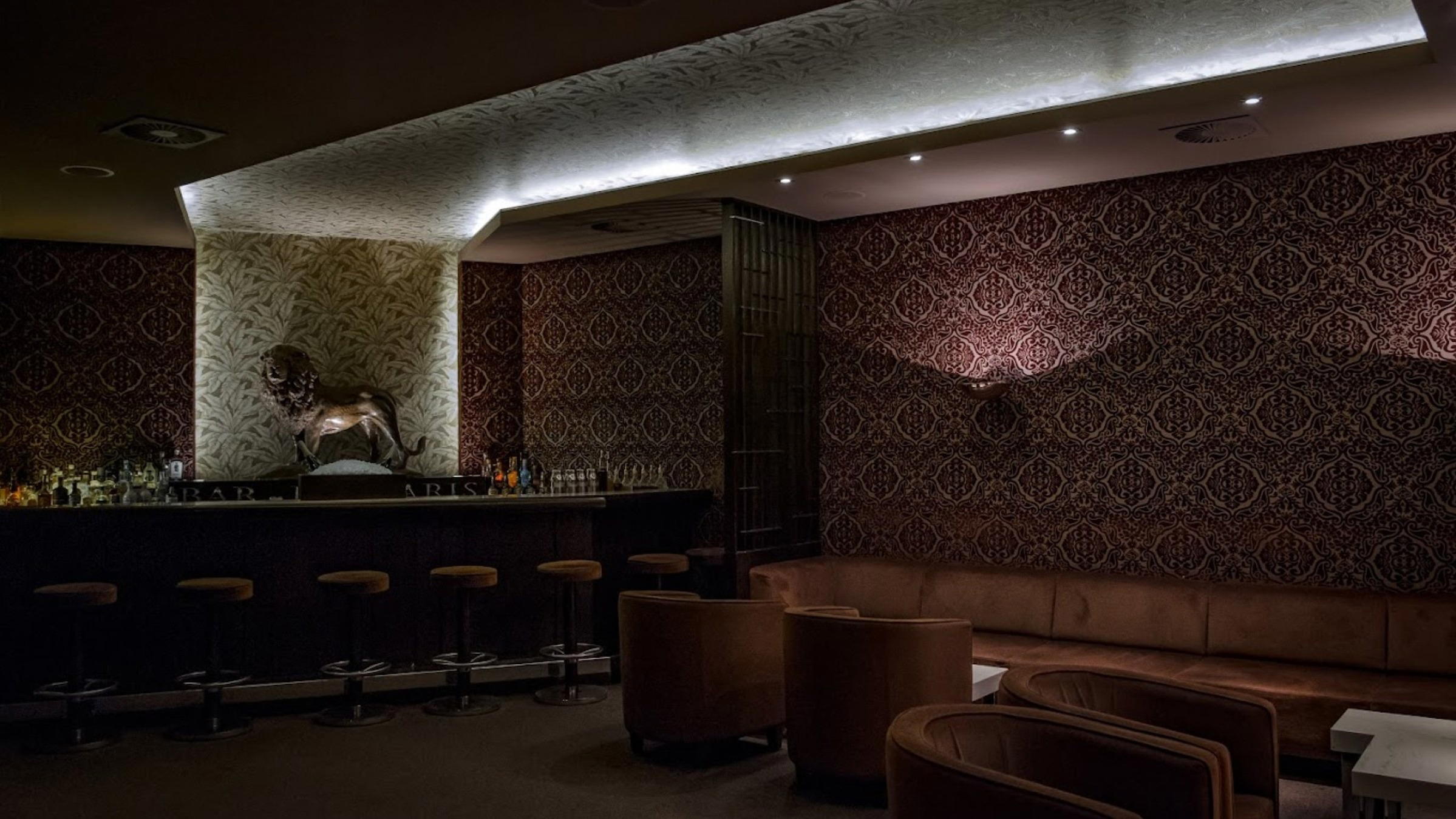
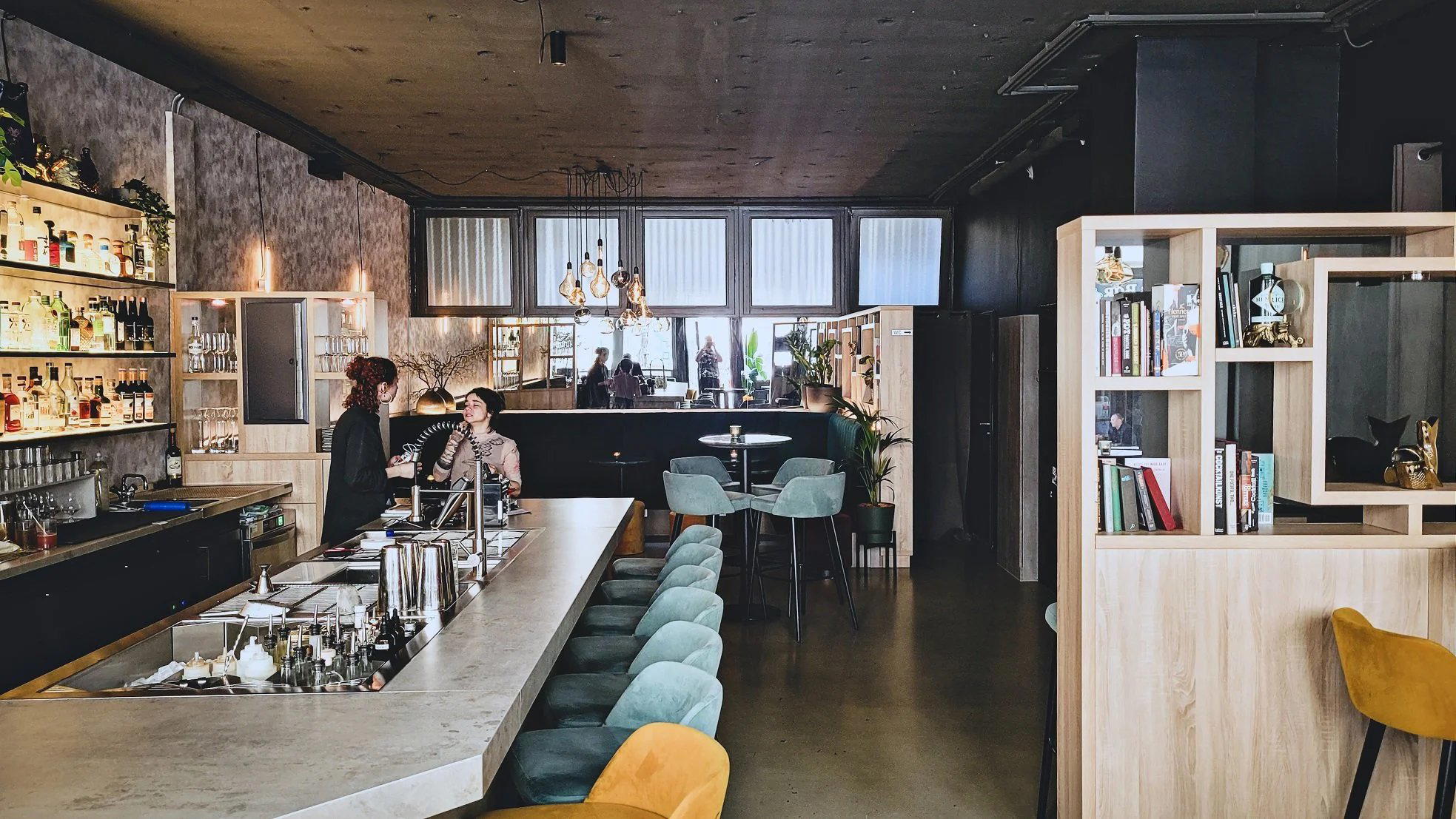
Bars in Hamburg
Browse all →

Restaurants in Hamburg
Browse all →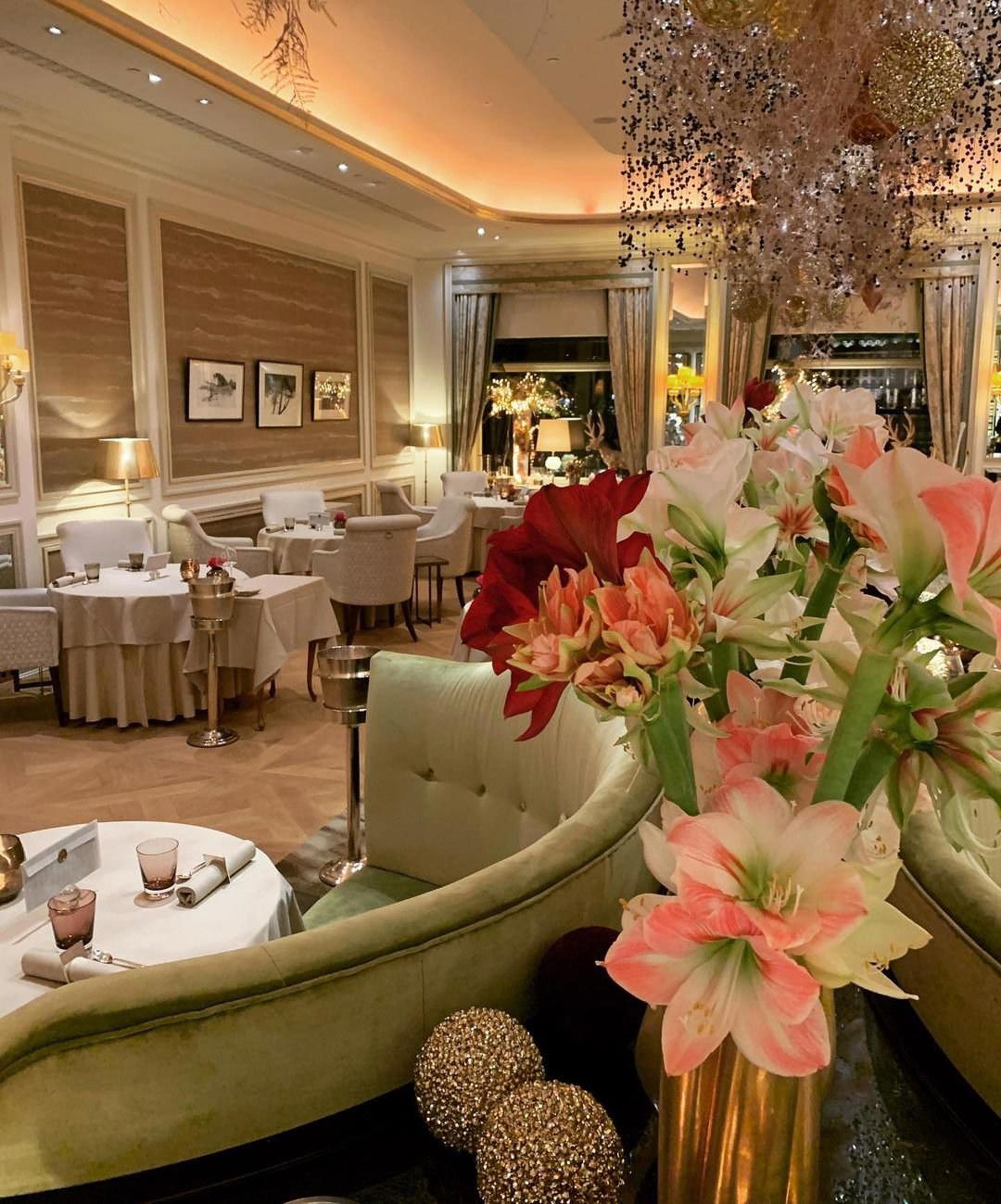
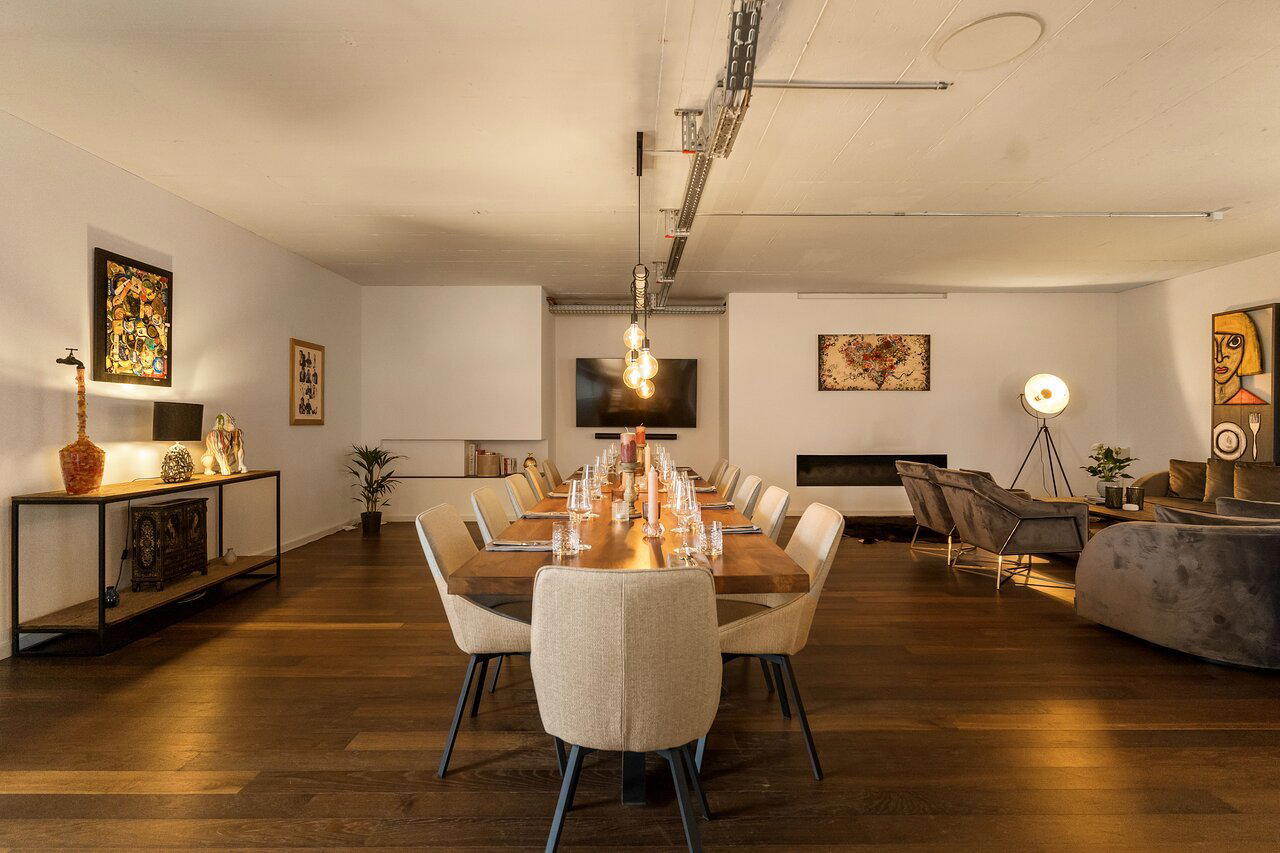
Wineries in Hamburg
Browse all →
Details
- Modern
- Minimalist
- Sophisticated
- Elegant
- Romantic Getaway
- Business Trip
- Weekend Escape
- Design Destination
- Wi Fi
- Indoor Pool
- Spa
- Fitness Center
- Room Service
- Concierge
- Restaurant
- Sauna
- Business Center
- Valet Parking
- Pool
- Skyline
- Elevator
- Step Free Entrance
Minimalist and purist design with harmonious warm tones, lively spa colorblocking, and relaxing spa atmosphere featuring soft lighting in the wellness oasis.