
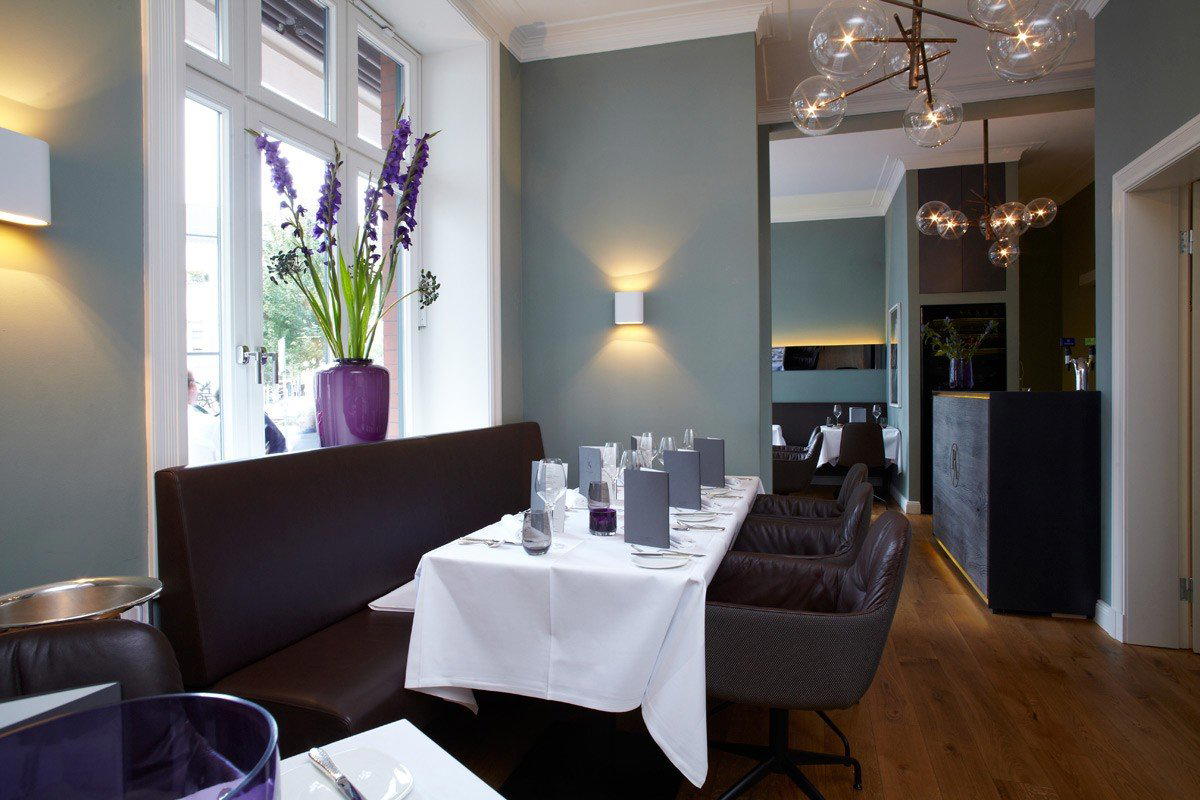
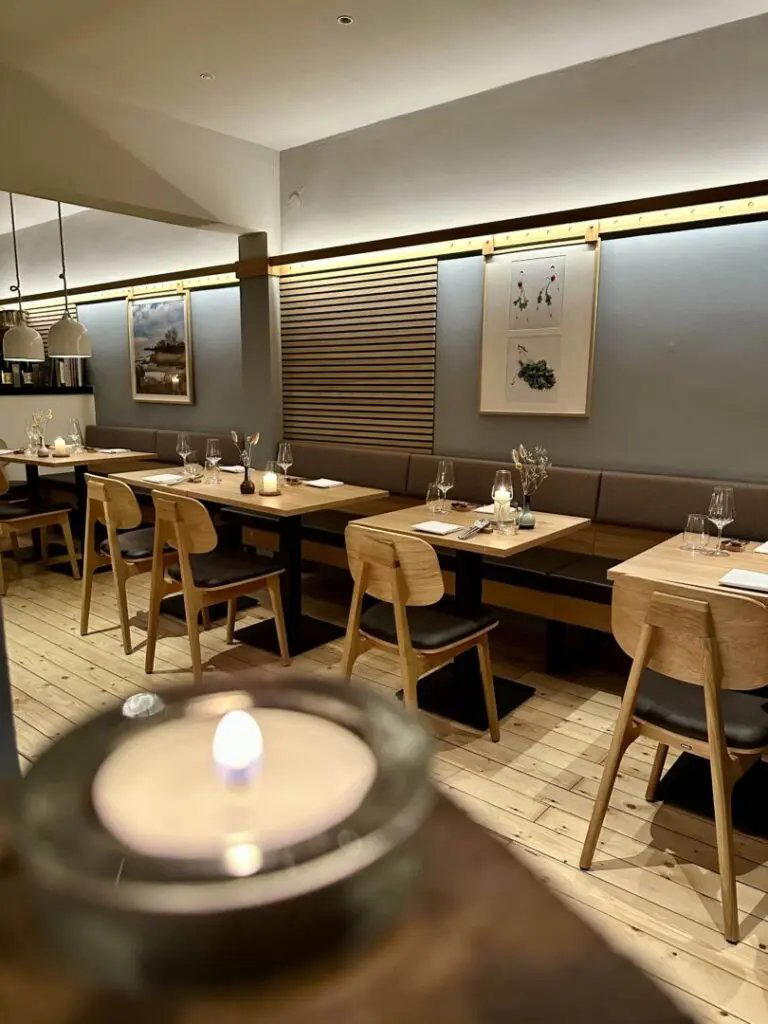
A 200-year-old farmhouse complex in Hamburg's western suburb of Groß Flottbek, Landhaus Flottbek sits 15 minutes from the city centre by S-Bahn yet operates at a remove from it. Its 26 rooms and suites draw on Scandinavian hospitality traditions across four distinct room styles, and the Hygge restaurant and bar anchors the property's identity in the Danish concept of cozy, considered conviviality.
Pearl is the En Primeur Club membership app — saves, bookings, and concierge access live there. Same editors, same standards.
- Address
- Baron-Voght-Straße 179, 22607 Hamburg
- Phone
- +49 40 8227410
- Website
- landhaus-flottbek.de
- Directions
- Get directions
 Saves & bookings on Pearl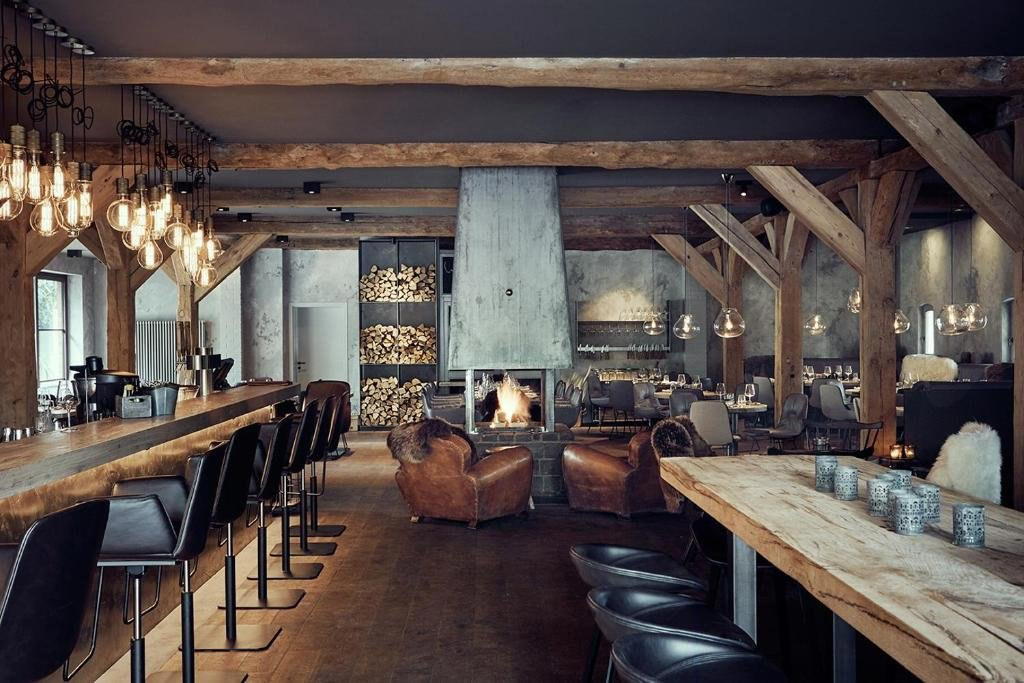
Suburban Hamburg and the Scandinavian Thread
Hamburg's hotel map splits predictably between waterfront grand dames and design-forward city addresses. The Fairmont Hotel Vier Jahreszeiten and The Fontenay occupy the premium lake-and-harbour tier, while east Hamburg and Gastwerk Hotel Hamburg claim the industrial-conversion corner of the market. Landhaus Flottbek Boutique Hotel occupies a different position altogether: a 26-room property in Groß Flottbek, one of Hamburg's western residential suburbs, that draws its hospitality logic not from the port city's maritime identity but from a tradition that predates Germany's ownership of this land entirely.
Groß Flottbek was Danish territory until the Second Schleswig War of 1864, and that geographical history is not merely decorative trivia. The broader Schleswig-Holstein region carries a cultural inheritance from both sides of the modern border, and the Scandinavian hospitality tradition that Landhaus Flottbek has chosen to foreground is grounded in that proximity. Hygge, the concept that gives the property's restaurant and bar its name, resists direct translation but orbits around warmth, ease, and a kind of deliberate coziness that is the opposite of formal luxury. That framing places Landhaus Flottbek in a particular lane: not the ceremonial grandeur of Hamburg's Alster-facing properties, but a more residential, low-key register of comfort.
The Farmhouse Complex and What It Communicates
The physical envelope matters here. Landhaus Flottbek occupies a farmhouse complex with approximately 200 years of architectural history, a footprint that immediately signals something different from the conversion hotels and new builds that dominate Hamburg's inner districts. Properties of this type, where the structure predates the hospitality use by generations, tend to set a particular atmospheric tone before a guest reaches the reception desk. The approach along Baron-Voght-Strasse, a quiet residential address in a suburb that feels considerably further from the Reeperbahn than its 15-minute S-Bahn journey would suggest, reinforces that sense of arrival into a calmer register.
Across Germany's boutique hotel segment, the farmhouse-to-hotel conversion has produced some of the country's most considered properties. Compare, for instance, the rural retreat logic of Hotel Bareiss in Baiersbronn or Das Kranzbach Hotel in Kranzbach, where the architecture itself does much of the hospitality work. Landhaus Flottbek applies a version of that principle to a suburban Hamburg context, where the competition is not mountain scenery but proximity to a major city and the value of genuine quiet within it.
Four Room Languages, One Tonal Register
Twenty-six rooms across four distinct styles is a meaningful design decision. It signals that the property is not trying to impose a single aesthetic vision across every key but is instead offering guests a choice of atmospheric register within a shared sensibility. The four styles, as the property frames them, move between a delicate cottage approach, a rustic-meets-elegant barn aesthetic, a Scandinavian urban modernism mode, and a Hamptons-inspired beach-house tone. What connects them is a shared commitment to a kind of luxury that avoids ostentation. The property's own framing, "well on the right side of ostentatious," captures a genuine tension in contemporary boutique hospitality: how to read as premium without reading as performative.
For guests choosing between room categories, the Scandinavian urban modernism rooms are likely to sit most coherently with the property's broader cultural framing through the Hygge concept, while the cottage and barn styles make the strongest case for the farmhouse setting itself. The beach-house register is the most atmospheric departure from the property's core identity, which may be precisely the point for guests looking for a lighter, more summery feel within the same building.
Hygge as a Hospitality Argument
The decision to name the on-site restaurant and bar after hygge is an editorial act on the property's part. Hygge entered international cultural conversation around 2016 as a Danish concept that hospitality brands quickly adopted, often superficially. At Landhaus Flottbek, the argument for it is grounded in something more structural: the suburban setting, the farmhouse scale, the 26-room count, and the Scandinavian-adjacent historical context of the Schleswig region collectively make hygge a more defensible frame than it would be at, say, a city-centre lifestyle hotel deploying the term as marketing shorthand. The restaurant and bar sit at the most visible expression of this identity within the property.
For context on what Scandinavian hospitality principles look like when applied at larger scale and with different geographical anchoring, BUDERSAND Hotel in Hörnum on Sylt, the North Frisian island that shares the Schleswig region's border-crossing history, offers a coastal counterpoint worth noting.
Getting There and Getting to Hamburg
The S-Bahn connection to central Hamburg is the practical anchor for a stay at Landhaus Flottbek. Fifteen minutes to the city centre means the property functions effectively as a base for Hamburg's cultural and culinary programme without requiring a car. The Elbphilharmonie, the harbour, and the city's restaurant district are all reachable within that travel window. For guests who prefer a slower approach to the city, the property's location between the suburb and the Elbe also supports access via traditional river barge, an option that shifts the journey from transit to experience.
Hamburg's inner-city hotel options for comparison include the harbour-adjacent Apotheke an der Elbphilharmonie, the Alster-facing Hotel Louis C. Jacob, and the St. Georg address of Conrad Hamburg. Against those, Landhaus Flottbek is not the choice for guests who want the city at their door. It is the choice for guests who want the city within reach but the hotel itself to operate at a different pace. For a broader view of where Landhaus Flottbek sits within Hamburg's hospitality options, see our full Hamburg guide.
Beyond Hamburg, travellers building a wider German itinerary might pair a Landhaus Flottbek stay with properties that share a similar commitment to architectural character and considered scale: Bülow Palais in Dresden, Hotel Ketschauer Hof in Deidesheim, or Excelsior Hotel Ernst in Cologne each represent different expressions of the boutique-heritage tier across German cities. For those extending further, Althoff Seehotel Überfahrt in Rottach-Egern, Schloss Elmau in Elmau, Der Öschberghof in Donaueschingen, and Gut Steinbach in Reit im Winkl offer resort-scale counterpoints in the south. European alternatives for guests comparing boutique-scale properties internationally include Aman Venice and, across the Atlantic, Aman New York or The Fifth Avenue Hotel in New York City.
How Landhaus Flottbek Boutique Hotel Hamburg Review compares with similar nearby venues.
| Venue | Awards |
|---|---|
| Landhaus Flottbek Boutique Hotel | Michelin 1 Key |
Recognition history
Dated appearances from independent guides and award organizations, with the underlying list record or original source where available.
Michelin 1 Key
Michelin
Continue exploring
More in Hamburg
Hotels in Hamburg
Browse all →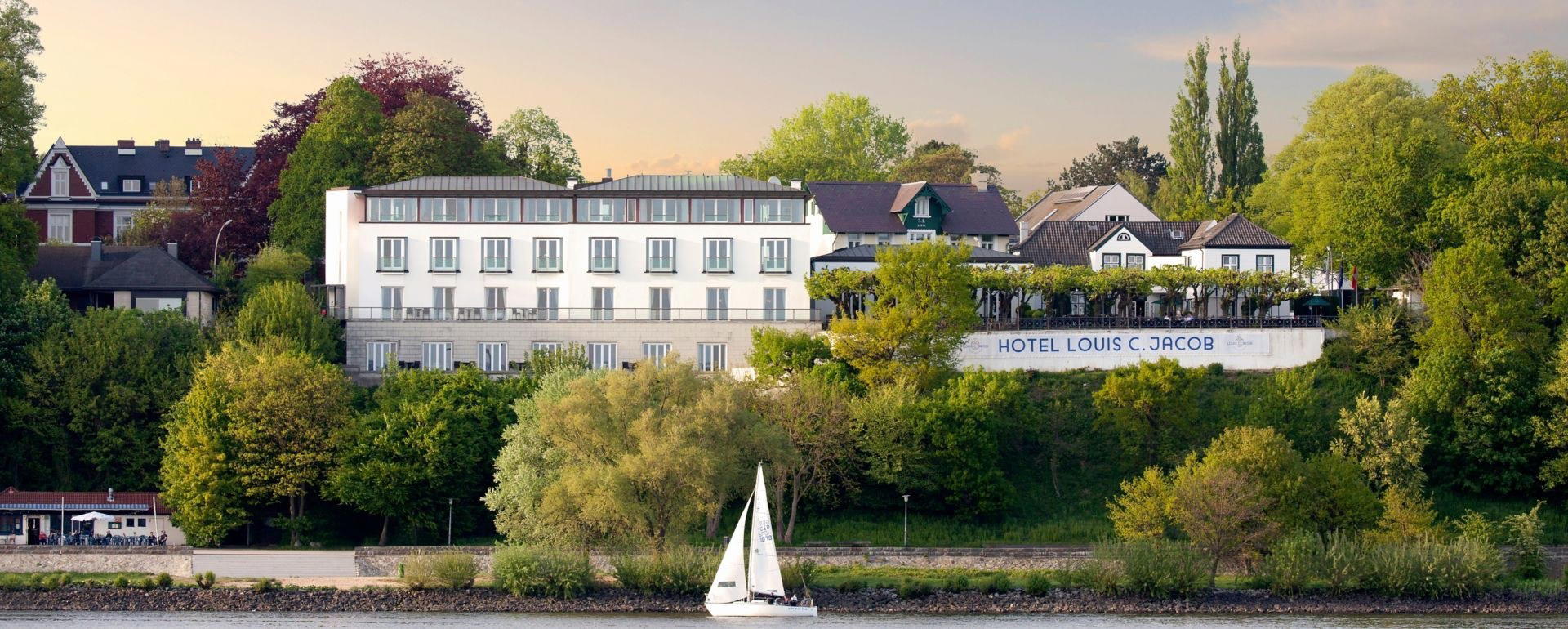
Bars in Hamburg
Browse all →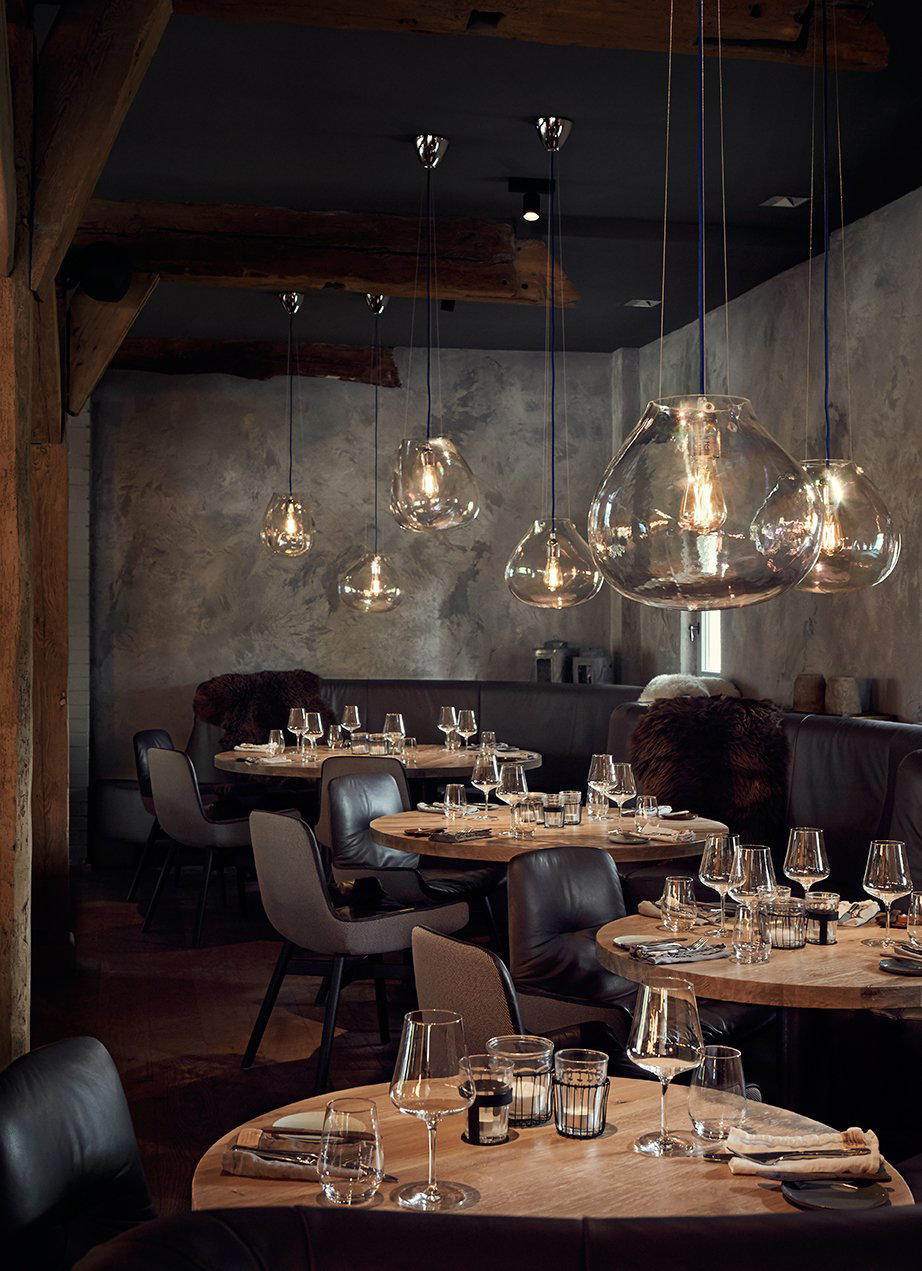
Restaurants in Hamburg
Browse all →
Wineries in Hamburg
Browse all →
At a Glance
- Cozy
- Romantic
- Quiet
- Elegant
- Rustic
- Romantic Getaway
- Weekend Escape
- Business Trip
- Garden
- Terrace
- Wi Fi
- Restaurant
- Bar
- Garden
- Business Center
- Concierge
- Laundry Service
- EV Charging
- Garden
- Wi Fi
- Restaurant
- Bar
- Garden
- Business Center
- Concierge
- Laundry Service
- EV Charging
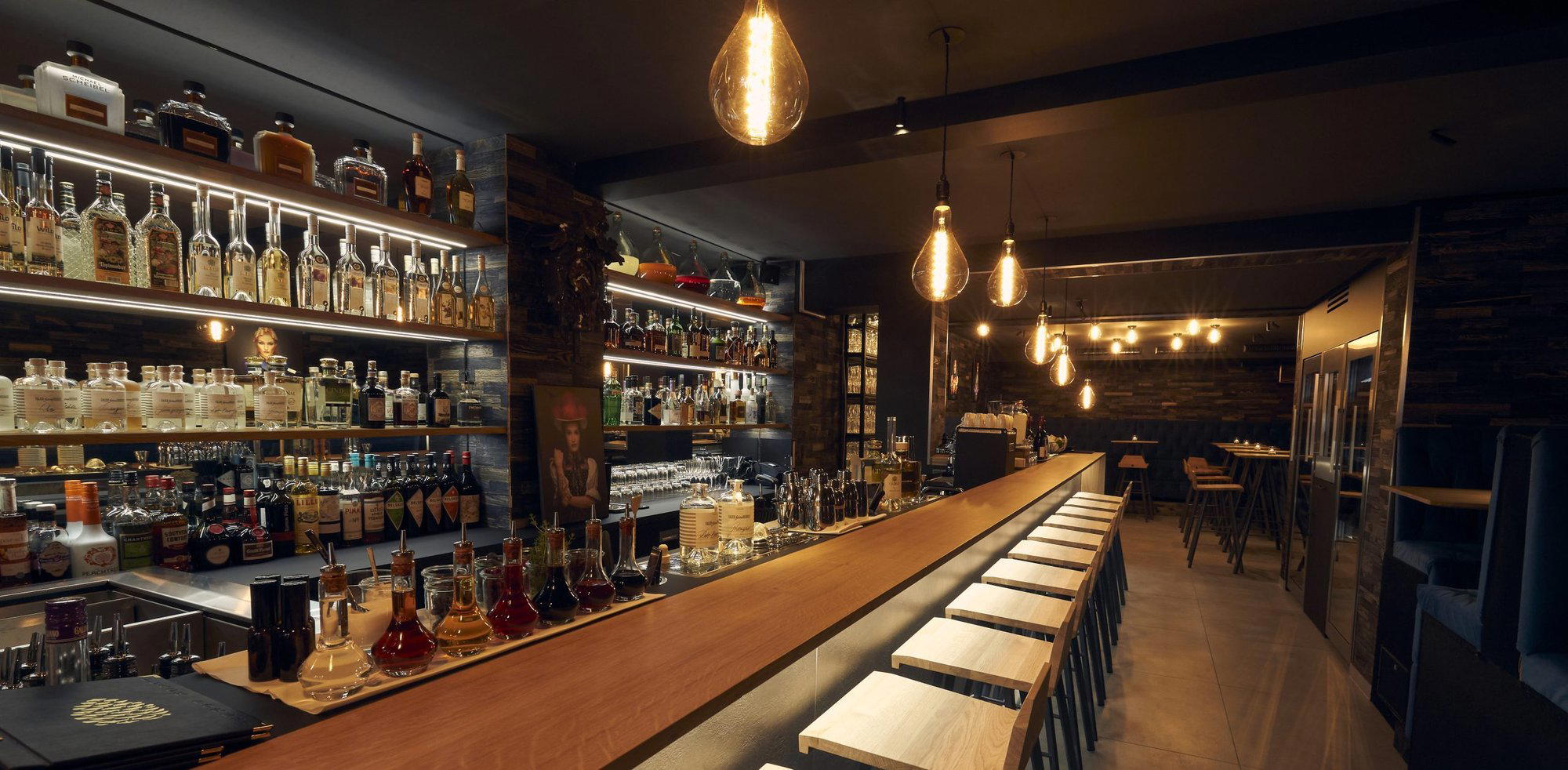
Cozy and elegant with warm lighting, featuring a fireplace in the restaurant barn and comfortable, discreet seating for intimate conversations.