

1 Michelin Star · We're Smart World 4 Radishes
Our verdict
Haebel holds a Michelin star in Hamburg's Schanzenviertel, operating at the €€€€ tier with a format that treats vegetable-forward cooking not as a concession but as a distinct creative direction. The Flora menu, which runs alongside the main offering, signals a kitchen that takes plant-based composition seriously. The room attracts a crowd that skews younger and more curious than the city's older fine-dining circuit.

Pearl is the En Primeur Club membership app, where members save venues, book tables and use the concierge.
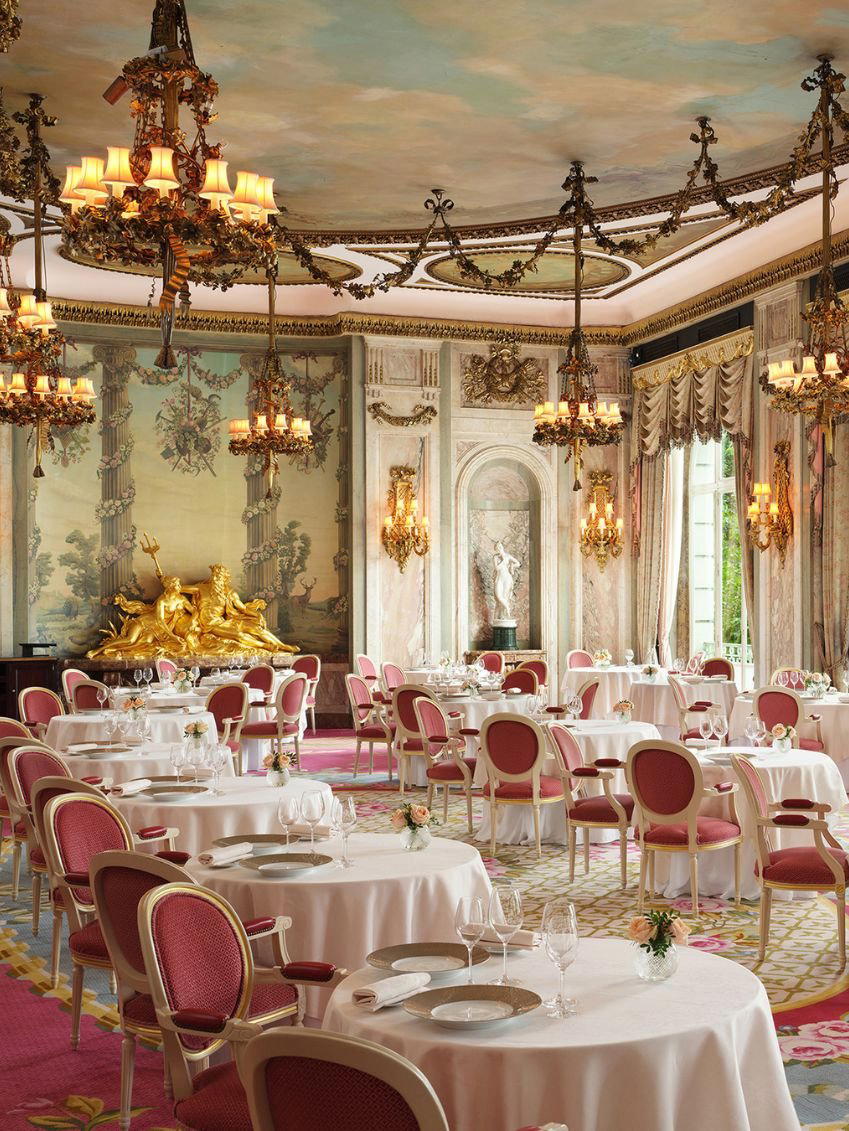
Schanzenviertel's Fine-Dining Counter-Current
Paul-Roosen-Straße sits in the heart of Schanzenviertel, a district where the dominant dining register has historically been casual: Vietnamese canteens, natural wine bars, late-night falafel. For a Michelin-starred restaurant to plant itself here rather than in the polished hotel corridors of the Innenstadt or along the Alster is itself a positioning statement. Hamburg's established fine-dining circuit, venues like Restaurant Haerlin (Creative French) and The Table Kevin Fehling (Creative), tends to operate in more architecturally formal settings. Haebel occupies different ground: a starred kitchen in a neighbourhood that didn't ask for one, drawing a crowd that probably wouldn't have walked into those other rooms.
That friction is intentional. The phrase applied to Haebel in its own orbit, a contemporary, hip restaurant where everyone is welcome, reads less like marketing language and more like a genuine positioning choice. In the broader German starred-restaurant context, where the formality dial has historically run high, placing a Michelin-recognized kitchen inside a neighbourhood built around accessibility and youth culture carries real editorial weight. Haebel earned its star in 2024 and retained it in 2025, confirming that the Michelin inspectors read the room the same way the regulars do.
The Flora Menu and the Argument for Plant-Forward Seriousness
Across European fine dining, vegetarian menus have moved through several iterations: the afterthought substitution, the separate (and usually shorter) tasting menu offered apologetically, and now, in a smaller number of kitchens, a fully developed parallel creative programme. Haebel's Flora menu falls into that last category. Named and positioned as a distinct offering rather than a dietary accommodation, Flora is the kitchen's vegetarian line, developed by Fabio Haebel and chef Kevin Bürmann as a co-equal creative direction rather than a modification of the main menu.
This approach aligns with a broader shift in high-end European cooking, where plant-forward technique has moved from ethical gesture to competitive differentiation. The argument the Flora menu makes is essentially this: that vegetables, grains, and dairy are not a restricted palette but a compositional challenge worth taking on at the highest level of craft. Kitchens that have made that argument convincingly, CODA Dessert Dining in Berlin being a related German example in terms of format discipline, have found that it attracts a guest who is neither exclusively vegetarian nor principally motivated by dietary constraint, but simply interested in what a kitchen can do within a defined set of boundaries.
Haebel's dual-menu architecture, with Flora running alongside the main creative programme, means the kitchen is effectively running two distinct developmental tracks. That is a meaningful operational commitment for a restaurant at this price tier, and it signals that the plant-based work is not a side project.
Sourcing, Seasonality, and the Sustainability Frame in Hamburg's Restaurant Scene
Germany's northern coast has a specific sourcing geography: the marshlands and vegetable farms of Schleswig-Holstein to the north, the Elbe estuary's fish and shellfish, and a proximity to Scandinavian supply networks that shapes how kitchens in this city think about raw material. Hamburg's Michelin-level restaurants have generally been attentive to provenance, though the intensity of that commitment varies considerably by house. The ethical sourcing conversation in German fine dining has accelerated since roughly 2020, with younger kitchens more likely to foreground supplier relationships and waste reduction as part of their identity rather than treating them as background operational decisions.
A kitchen running a dedicated vegetarian creative menu, as Haebel does with Flora, faces a more demanding sourcing challenge than one that builds around a protein-centred framework. Vegetable cookery at this level requires produce of a calibre and consistency that is harder to guarantee than a premium protein supply chain. It also demands a different kind of seasonal intelligence: the menu's creative range contracts and expands with what northern European agriculture actually delivers across twelve months, which is a more honest relationship with seasonality than a kitchen that bridges gaps with imported product. For restaurants in Hamburg's starred tier, that kind of material discipline carries weight with the guest demographic that Haebel appears to be attracting.
The Schanzenviertel setting reinforces this frame. The neighbourhood's market culture and its baseline expectation of ethical commerce create a local context in which a restaurant talking seriously about sourcing and plant-based cooking is more legible than it would be in a hotel fine-dining room. Haebel's address is not incidental to its argument.
Where Haebel Sits in Hamburg's Starred Landscape
Hamburg currently hosts a cluster of Michelin-recognized restaurants operating at the €€€€ price point, each with a distinct identity. The comparison set includes 100/200 Kitchen (Creative), which operates a high-concept format with significant critical recognition, and The Table Kevin Fehling (Creative), which sits at the upper edge of Hamburg's starred restaurants in terms of format weight. Against those peers, Haebel positions itself as the entry in this tier most legible to guests who find the older fine-dining codes alienating: the dress code formality, the hushed rooms, the performance of reverence that some starred kitchens still maintain.
At €€€€ pricing, guest tolerance for friction is low, and reviews tend to polarize. For comparison, Hamburg restaurants at lower price tiers routinely achieve 4.7 on far fewer reviews; at starred level, maintaining that score across nearly 500 assessments reflects genuine operational consistency.
For those exploring the wider Hamburg scene beyond the starred tier, Klinker and Witwenball offer distinct perspectives on the city's more casual but considered end of the market. The full picture of what Hamburg is doing across price tiers and formats is mapped in our full Hamburg restaurants guide.
Haebel in the Context of German Modern Cuisine
Germany's modern cuisine tier has diversified considerably over the past decade. The classical southern German and Black Forest tradition, represented by restaurants like Schwarzwaldstube in Baiersbronn and Vendôme in Bergisch Gladbach, remains a reference point for technique and seasonal rigour. But a younger strand of German fine dining, visible at places like JAN in Munich and ES:SENZ in Grassau, has moved toward formats that are lighter in ceremony and more direct in their creative argument. Aqua in Wolfsburg represents the older model of the destination fine-dining room embedded in a corporate hospitality context. Haebel sits closer to the younger strand, where the restaurant's neighbourhood identity and the kitchen's creative programme speak the same language.
The international frame is also relevant. The Modern Cuisine category that Haebel occupies is crowded at the starred level across Europe, with kitchens from Stockholm's Frantzén to FZN by Björn Frantzén in Dubai competing on format discipline and sourcing credibility. Within Germany specifically, a Hamburg restaurant that has built a dual creative programme around both omnivore and plant-forward cooking, and sustained a Michelin star across consecutive years, is operating in a niche that is less crowded than it might appear.
Planning a Visit
Haebel is located at Paul-Roosen-Straße 31 in Schanzenviertel, Hamburg's 22767 postal district, accessible by U-Bahn from the Feldstraße or Schlump stations. The restaurant sits at the €€€€ price tier, consistent with Hamburg's other starred operations. For those planning a wider Hamburg stay, the city's accommodation options are covered in our full Hamburg hotels guide, while the cocktail and wine context sits in our full Hamburg bars guide, our full Hamburg wineries guide, and our full Hamburg experiences guide.
What Do People Recommend at Haebel?
What the record does confirm: the Flora vegetarian menu is the kitchen's most discussed format signal, drawing guests who are specifically seeking a plant-forward tasting experience at Hamburg's starred level. The kitchen is led by Fabio Haebel and chef Kevin Bürmann, whose consecutive Michelin stars in 2024 and 2025 provide the clearest available credential for the overall creative programme. Guest reviews anchor at 4.7 across 480 assessments, suggesting consistent execution rather than a menu with pronounced highs and lows. For first-time visitors, the Flora menu is the directional choice most aligned with what distinguishes Haebel from the rest of Hamburg's €€€€ tier.
Frequently asked questions
What part of town is haebel in?
haebel is located at Paul-Roosen-Straße 31, 22767 Hamburg, Germany, Hamburg.
Does haebel have a Michelin star or similar recognition?
haebel has received recognition including: Flora is Haebel's vegetarian menu. Fabio Haebel and chef Kevin Bürmann together determine the chosen path and culinary creations. Haebel can call itself a contemporary hip restaurant where everyone is welcome. Young entrepreneurs find out w….
What do people recommend at haebel?
The Flora menu is the most discussed element at Haebel, a dedicated vegetarian tasting menu that sits at the core of the restaurant's identity rather than as an add-on. Haebel holds a Michelin star in both 2024 and 2025, and the consensus among guests points to the kitchen's modern cuisine approach as the draw. Chef Kevin Bürmann and Fabio Haebel shape the direction together, which gives the menu a collaborative authorship rarely foregrounded at this price point (€€€€). Visitors consistently flag the Flora menu as the reason to book over Hamburg's other starred options.
What's the price range at haebel?
Pricing at haebel is listed as €€€€.
Who is the chef connected to haebel?
The chef associated with haebel is Davide Guidara.
Comparable Spots, Quickly
A small set of peers for context, based on recorded venue fields.
| Venue | Cuisine | Price | Awards | Notes |
|---|---|---|---|---|
| haebelThis venue (the venue you are viewing) | Modern German Fine Dining | $150–200 | 1 Michelin Star · We're Smart World 4 Radishes | Not listed |
| The Table Kevin Fehling | Avant-Garde Fusion Fine Dining | $200–300 | 3 Michelin Stars · La Liste Top Restaurants | Creative |
| bianc | Modern Mediterranean Fine Dining | $200–300 | 2 Michelin Stars · La Liste Top Restaurants | Modern Mediterranean, Mediterranean Cuisine |
| Lakeside | Modern European Fine Dining | $200–300 | 2 Michelin Stars · La Liste Top Restaurants | German Lakeside |
| Landhaus Scherrer | Michelin-Starred North German Fine Dining | $150–200 | 1 Michelin Star · Star Wine List | Modern European, Classic Cuisine |
| Heimatjuwel | Modern Regional German Vegetarian Fine Dining | Not listed | 1 Michelin Star · We're Smart World 3 Radishes | German, Creative |
Recognition history
Dated appearances from independent guides and award organizations, with the underlying list record or original source where available.
Michelin 1 Star
Michelin
We're Smart World 4 Radishes
We're Smart World
Full recognition history (4 entries)
Michelin 1 Star
Michelin
Michelin 1 Star
Michelin
Continue exploring
More in Hamburg
Restaurants in Hamburg
All restaurants in Hamburg →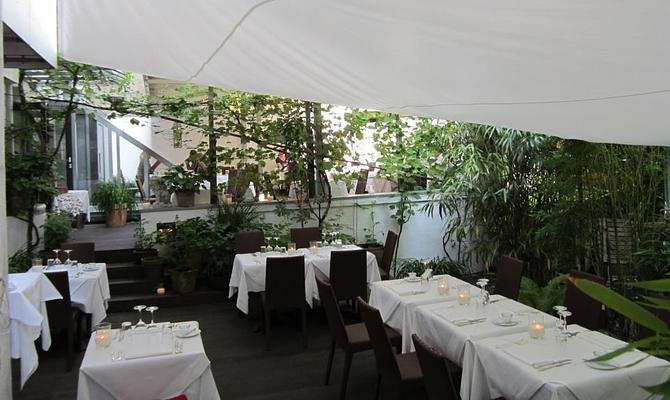
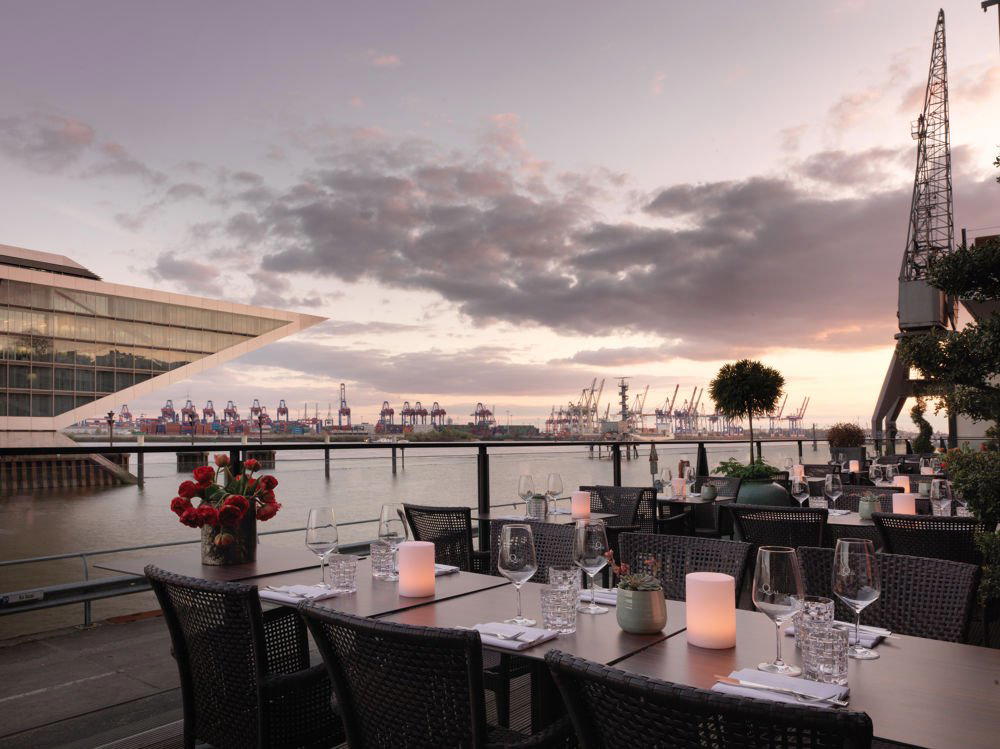
Bars in Hamburg
All bars in Hamburg →
Hotels in Hamburg
All hotels in Hamburg →
Wineries in Hamburg
Browse all →
Details
- Intimate
- Modern
- Cozy
- Elegant
- Date Night
- Special Occasion
- Open Kitchen
- Extensive Wine List
- Local Sourcing
- Organic
- Sustainable Seafood
- Street Scene
- Tasting Menu
- Vegetarian Friendly
Current opening hours
- Monday
- Closed
- Tuesday
- 6:30–10 PM
- Wednesday
- 6:30–10 PM
- Thursday
- 6:30–10 PM
- Friday
- 6:30–10 PM
- Saturday
- 6:30–10 PM
- Sunday
- Closed
Hours can change for holidays and private events. Last verified .
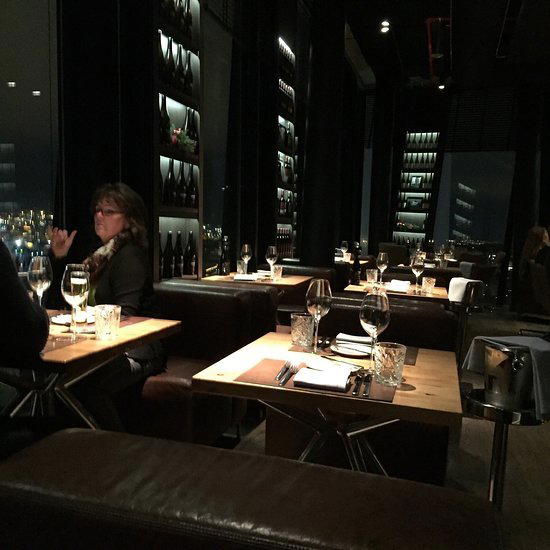
Intimate and relaxed atmosphere with simple stylish interior, large street-view windows, warm lighting, and urban St. Pauli vibe.