

A 19th-century Hanseatic property on Hamburg's Elbchaussee, Hotel Louis C. Jacob holds 85 rooms across two riverfront buildings, a Michelin 2 Keys rating, and a 97-point score from La Liste's 2026 Top Hotels ranking. Its dining operation spans a gourmet restaurant, a wine bistro, a cocktail bar, and the celebrated Linden Terrace overlooking the Elbe, all within a setting where historical architecture and a serious art collection coexist with contemporary hospitality standards.
Pearl is the En Primeur Club membership app — saves, bookings, and concierge access live there. Same editors, same standards.
- Address
- Elbchaussee 401-403, 22609 Hamburg
- Phone
- +49 40 822550
- Website
- marriott.com
- Directions
- Get directions
 Saves & bookings on Pearl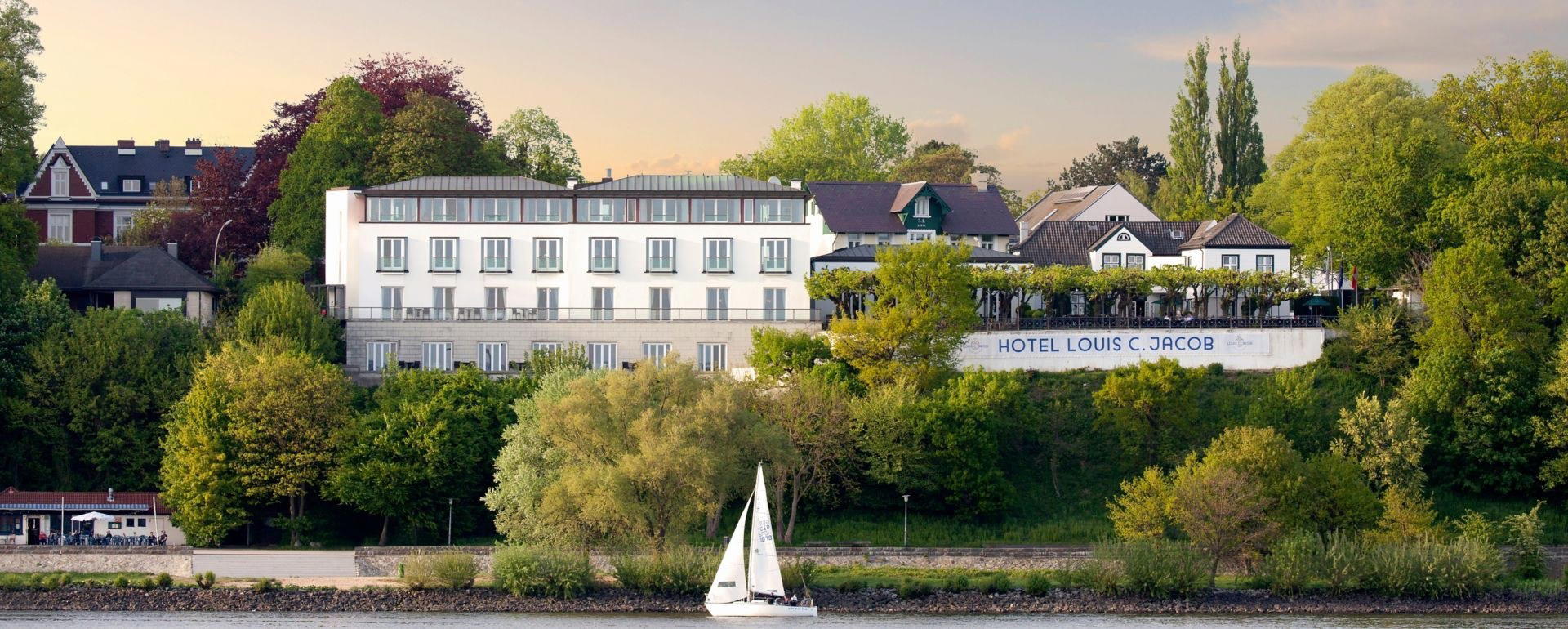
Where the Elbe Sets the Tone
Approaching along the Elbchaussee, Hamburg's long riverside boulevard that traces the northern bank of the Elbe westward from the city centre, the Hotel Louis C. Jacob announces itself through proportion rather than spectacle. Two 19th-century buildings, one on each side of the road, hold their ground among the chestnut trees and patrician villas that define this stretch of Hamburg. The area has long been the city's preferred address for understated wealth, a tradition of Hanseatic restraint that the hotel has absorbed and extended across more than a century of operation.
That restraint is not passivity. The interiors carry a density of art and historical object that reads more like a private collection than a hotel decoration scheme, room counts rarely cited in hotel marketing, yet the Louis C. Jacob's holdings would constitute a credible small museum. The 19th-century framework remains structurally intact, while finishes and room configurations have been updated over time to reflect what boutique-influenced luxury hospitality has taught the broader category about comfort and editing. The result sits in a specific tier: a historical property that has modernised selectively rather than wholesale, preserving character while removing friction.
The Elbe as Larder and Setting
Hamburg's position as a trading port has always given its food culture a particular relationship with provenance. Goods arriving through the harbour shaped the city's palate across centuries, and the Elbchaussee corridor, running west toward the market gardens and fishing communities of the river's lower reaches, carries that logic into the hotel's dining philosophy. The Jacobs Restaurant, the property's gourmet operation, draws from the regional supply chain that the Elbe corridor makes accessible: North Sea fish, produce from the Hamburg Metropolitan Region, and the kind of ingredient relationships that a long-established house with consistent kitchen leadership can build over time.
This is worth stating plainly because it distinguishes the Louis C. Jacob from Hamburg's newer hotel dining operations, where kitchen programs are often assembled around a signature chef on a shorter timeline. A property with this depth of history has the supplier relationships to match, and the Jacobs Restaurant's position within the Hamburg fine dining conversation reflects that. For guests comparing it against the city's wider gourmet hotel tier, properties like the Fairmont Hotel Vier Jahreszeiten or The Fontenay, the Louis C. Jacob offers something those larger-footprint addresses cannot replicate: the specific character of a riverfront house that has been in continuous operation long enough to have opinions about where its food comes from.
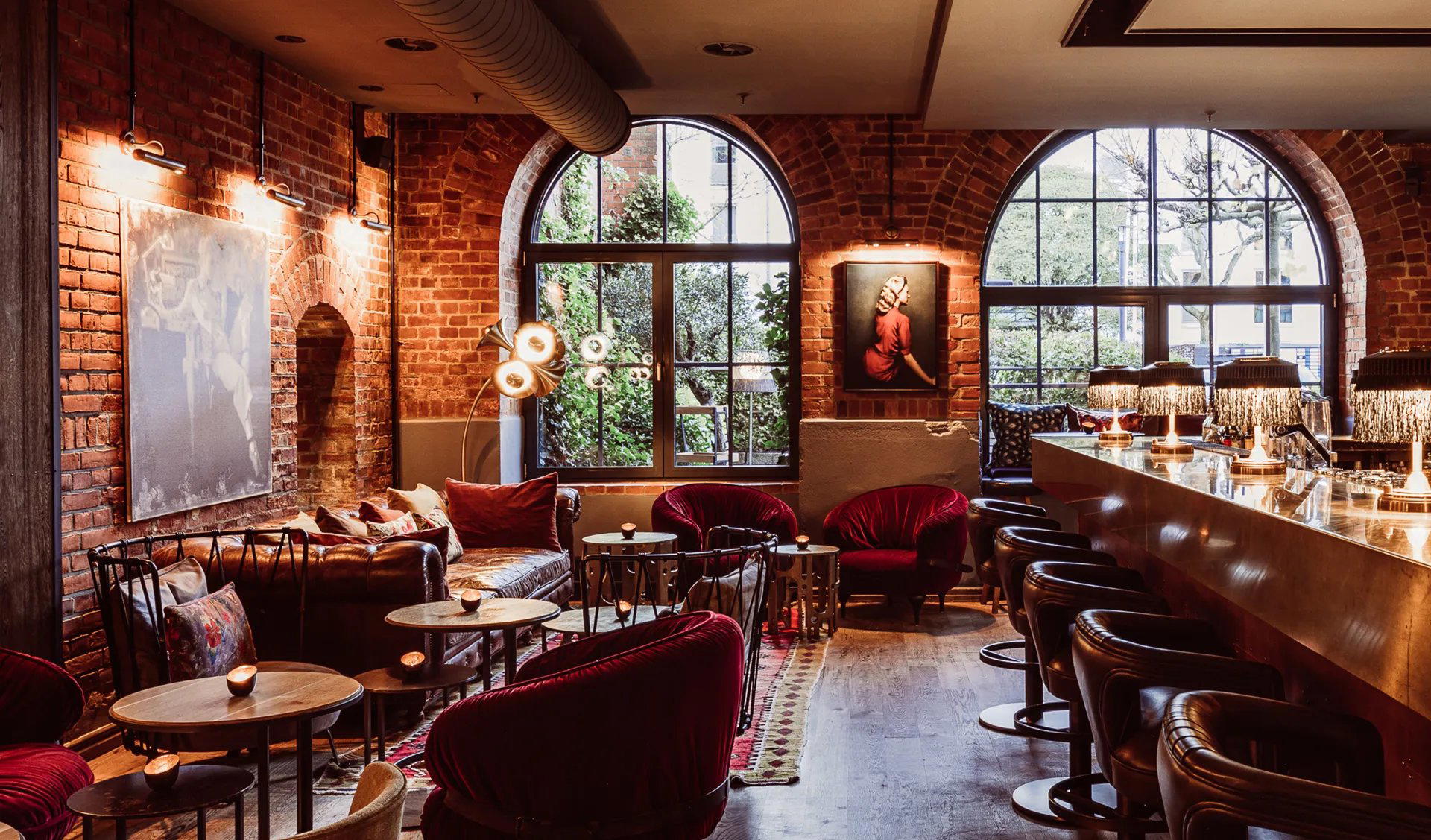
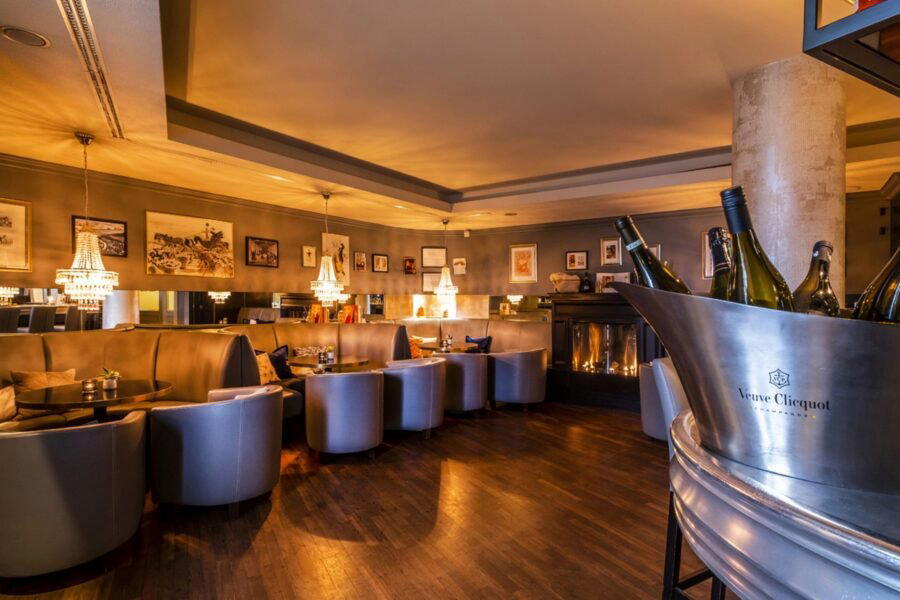
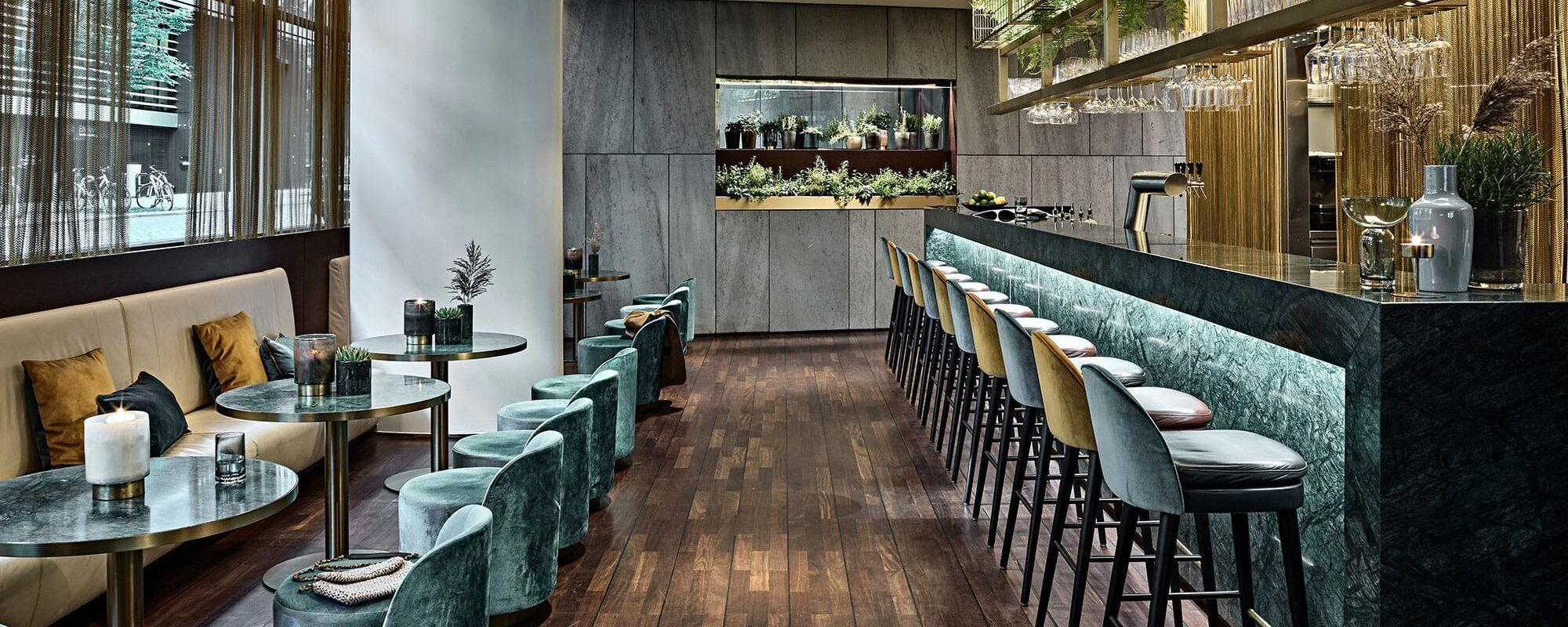
The broader dining offer reinforces this logic. Kleines Jacob, the wine bistro, operates as a lower-key counterpart to the main restaurant, the kind of format that works well when the cellar behind it has genuine depth, which a property of this age and standing tends to accumulate. The indoor cocktail bar and lounge complete the drinking tier. And then there is the Linden Terrace, the riverside terrace that sits directly above the Elbe and functions as the hotel's most distinctive asset when Hamburg's short warm season allows. Views down the river toward the port, the linden trees overhead, the particular light of a northern German summer afternoon: this is the setting that guests remember, and the one that most clearly earns the property's La Liste Leading Hotels score of 97 points for 2026.
Rooms, Distribution, and the River Question
The 84-room count across two buildings produces a range of configurations, and the distribution matters. Rooms and suites facing the Elbe carry the obvious premium of that river view and the associated morning light. Those facing the hotel's inner garden trade the panorama for a quieter, greener outlook that suits guests who find the river-side rooms too exposed. Decoration throughout works within a classic-contemporary register: historical mouldings and proportions, furniture and textiles that read as contemporary without discarding the period framework. Neither building has been stripped of its 19th-century character in favour of a neutral luxury aesthetic, which is an increasingly deliberate choice as the market fragments between heritage properties and design-forward boutique hotels.
Wellness provision is scaled to the property rather than positioned as a destination feature. A sauna, a small gym, and a relaxation room serve guests who want the facility without the hotel having overcapitalised on spa infrastructure at the expense of its core character. This positions the Louis C. Jacob differently from resort-oriented properties, compare the approach against Althoff Seehotel Überfahrt in Rottach-Egern or Schloss Elmau to understand where the Louis C. Jacob sits on that spectrum.
Hamburg's Luxury Hotel Tier and Where This Property Sits
Hamburg's upper hotel market is not monolithic. The city has large grand hotels with ballroom infrastructure, newer design-led entrants, and a handful of properties that occupy the historical continuity tier. The Louis C. Jacob belongs firmly to the last category, alongside the Grand Elysée Hamburg, though with a river setting and art collection that pull it into a different competitive frame. Against Hamburg's newer entries, east Hamburg, Gastwerk Hotel Hamburg, or Apotheke an der Elbphilharmonie, it offers age and provenance as active advantages rather than liabilities requiring renovation to overcome.
The Michelin 2 Keys rating, awarded in 2024, signals the kind of holistic hospitality standard that Michelin's hotel programme targets: not just a good restaurant attached to rooms, but a coherent guest experience across the property. Within Germany's broader hotel recognition landscape, the Michelin 2 Keys rating places the Louis C. Jacob in company that includes some of the country's most recognised historical addresses. For a wider German comparable set, consider Hotel Bareiss in Baiersbronn, Excelsior Hotel Ernst in Cologne, or Breidenbacher Hof in Düsseldorf as properties operating in a comparable historical-continuity tier.
Rates from $292 per night reflect positioning within Hamburg's upper mid-luxury band, priced to signal the category clearly. Booking directly with the property is the standard approach for a hotel of this type, and the Elbchaussee location, roughly 7 kilometres west of Hamburg's central station and 15 kilometres from Hamburg Airport, means guests should plan for a taxi or rideshare rather than relying on public transport, particularly when arriving with luggage.
For context beyond Hamburg, the Louis C. Jacob's combination of river setting, historical fabric, and serious dining aligns it with a European cohort that includes Aman Venice in its use of strong location as a structural asset, though the Hamburg property operates at a different price point and scale. Within Germany, Hotel Ketschauer Hof in Deidesheim and BUDERSAND Hotel in Hörnum offer coastal and rural counterpoints for travellers building a regional circuit.
Planning Your Stay
The Linden Terrace operates seasonally, and Hamburg's warmest and most reliably pleasant months run from June through early September, the window when the riverside setting delivers its full effect. Guests arriving outside that window will find the indoor dining venues and the art collection more central to the experience. The 85-room count means the property fills during Hamburg's trade fair calendar and summer peak, so advance planning applies. At $292 per night at entry-level, with the Michelin 2 Keys rating, the Louis C. Jacob sits at a level where guests arriving with clear expectations about its historical character and riverside position will find the stay consistent with what the awards and scores suggest. Those seeking Hamburg's more contemporary design hotel offer might look toward The Fontenay or Conrad Hamburg as points of comparison.
Category Peers
Comparable venues nearby, for context on price, style, and recognition.
| Venue | Cuisine | Price | Awards | Notes |
|---|---|---|---|---|
| Hotel Louis C. JacobThis venue — the venue you are viewing | Historic Hanseatic mansion blending classic charm with modern comfort | $$$$ | Michelin 2 Key | Not listed |
| Tortue Hamburg | Luxury design boutique hotel in historic city center building | $$$$ | Michelin 1 Key | Neustadt |
| The Fontenay | Modern architectural icon with light-filled atrium and exclusive urban resort feel overlooking Lake Alster. | $$$$ | Michelin 3 Key | Rotherbaum |
| Fairmont Hotel Vier Jahreszeiten | Timeless luxury grand hotel blending historic charm with modern opulence. | $$$$ | Michelin 3 Key | Neustadt |
| Landhaus Flottbek Boutique Hotel | Renovated historic country house with modern comforts | $$$ | Michelin 1 Key | Gross Flottbek |
| Hotel Atlantic Hamburg, Autograph Collection | Well-known grand hotel with timeless Hanseatic luxury. | $$$$ | 5-Star | St. Georg |
Recognition history
Dated appearances from independent guides and award organizations, with the underlying list record or original source where available.
La Liste Top Hotels
La Liste
Michelin 2 Keys
Michelin
Michelin 2 Keys
Michelin
Continue exploring
More in Hamburg
Hotels in Hamburg
Browse all →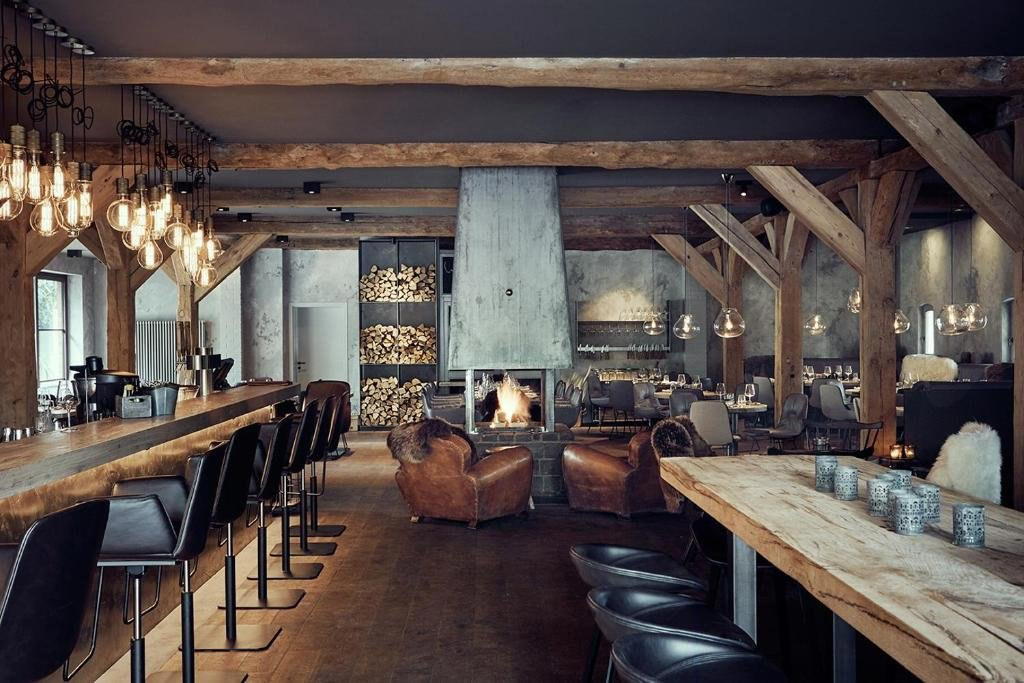
Bars in Hamburg
Browse all →
Restaurants in Hamburg
Browse all →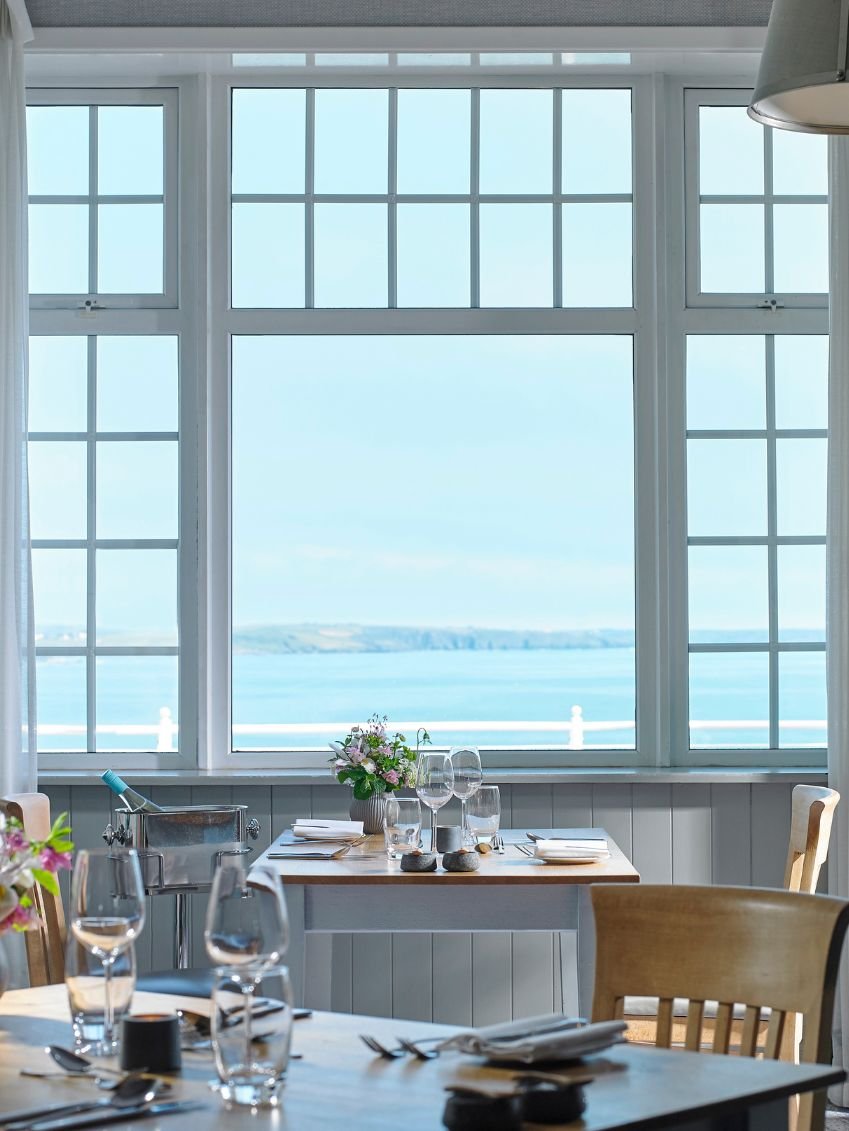
Wineries in Hamburg
Browse all →
At a Glance
- Elegant
- Sophisticated
- Classic
- Quiet
- Scenic
- Romantic Getaway
- Anniversary
- Weekend Escape
- Waterfront
- Garden
- Terrace
- Historic Building
- Wi Fi
- Spa
- Sauna
- Fitness Center
- Room Service
- Concierge
- Business Center
- Valet Parking
- Waterfront
- Garden
- Wi Fi
- Spa
- Sauna
- Fitness Center
- Room Service
- Concierge
- Business Center
- Valet Parking
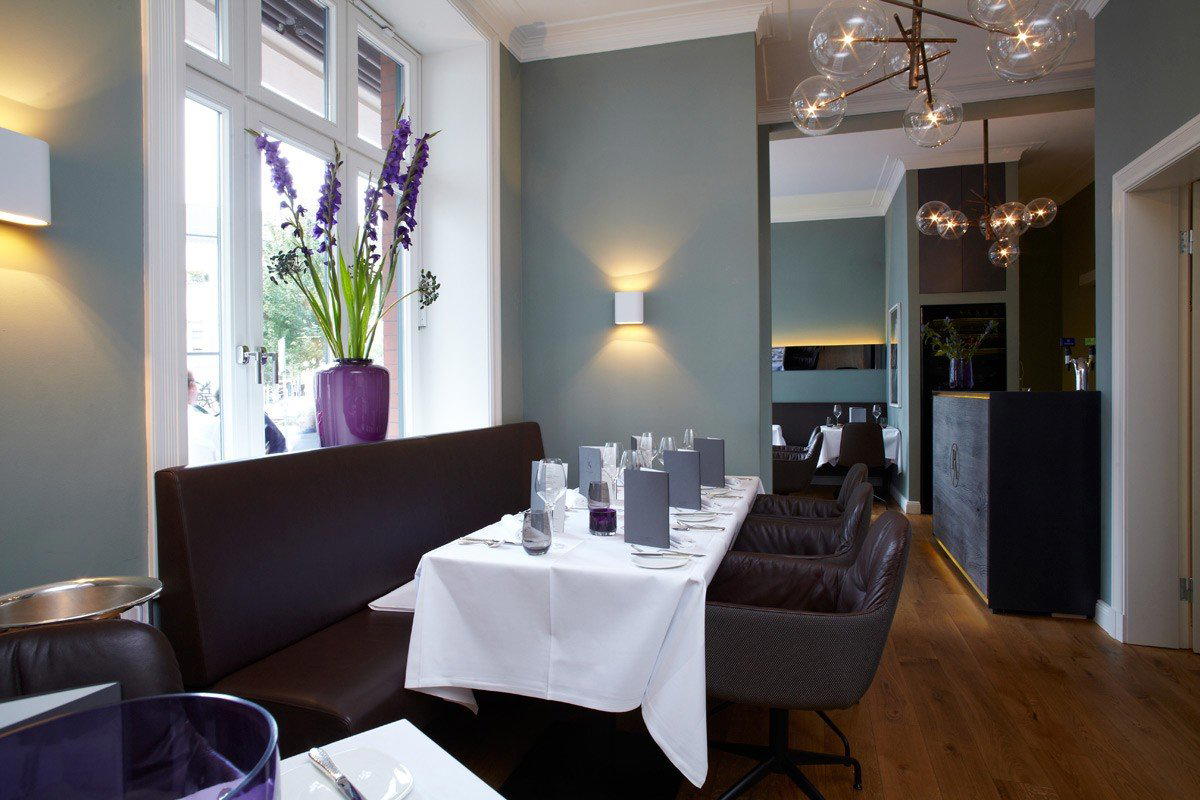
Timeless elegance with refined, reserved atmosphere, serene lighting, and beautiful views of the Elbe from the Linden Terrace.