

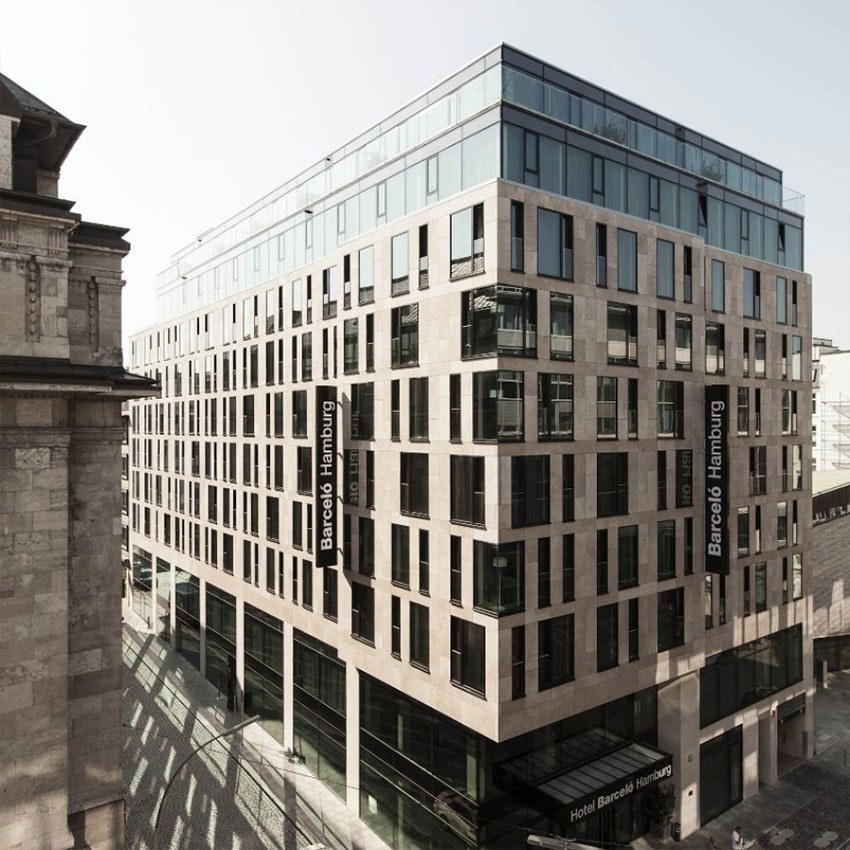
A French-inspired hotel at the heart of Hamburg's Stadthausbrücke district, Tortue Hamburg occupies 128 rooms across a design that runs from lobby to guestroom with consistent architectural intention. The Brasserie handles French cuisine; JIN GUI addresses the Asian end of the menu. A courtyard, multiple bars, and a recurring tortoise motif complete the picture.
Pearl is the En Primeur Club membership app — saves, bookings, and concierge access live there. Same editors, same standards.
- Address
- Stadthausbrücke 10, 20355 Hamburg
- Phone
- +49 40 33441400
- Website
- tortue.de
- Directions
- Get directions
 Saves & bookings on Pearl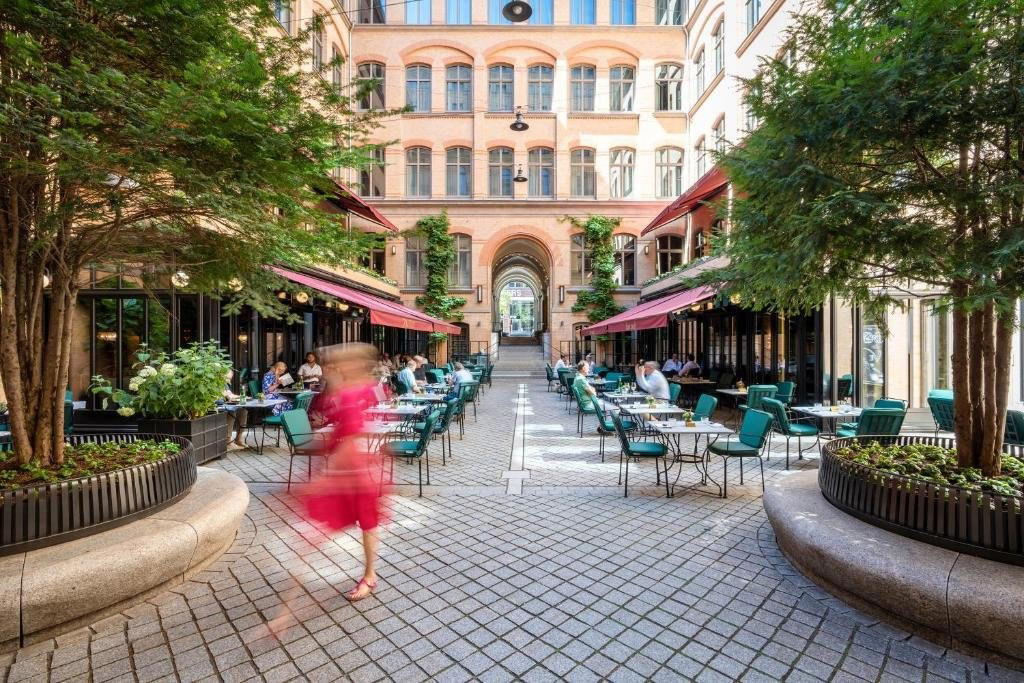
Hamburg's French-Inflected Hotel Scene and Where Tortue Fits
Hamburg's upper-tier hotels tend to divide into two camps: the grand-dame properties clustered around the Alster, and a newer cohort of design-conscious addresses that have arrived since the mid-2010s to serve a different kind of traveller. The Fairmont Hotel Vier Jahreszeiten and Hotel Louis C. Jacob anchor the traditional end of that spectrum, with histories long enough to have acquired institutional reputations. Tortue Hamburg, sitting at Stadthausbrücke 10 in the city centre, belongs to the second camp: modern in sensibility, French in reference point, and deliberate about atmosphere from the moment you arrive.
The Stadthausbrücke address is not peripheral. The hotel sits close to the Fleetinsel canal network and within walking distance of the Rathaus and the broader Neustadt quarter, a positioning that places guests inside Hamburg's historical and commercial core rather than on its scenic residential fringes. For visitors whose itinerary depends on density of access, that matters more than lakeside views.
The Arrival, the Lobby, and What the Tortoise Signals
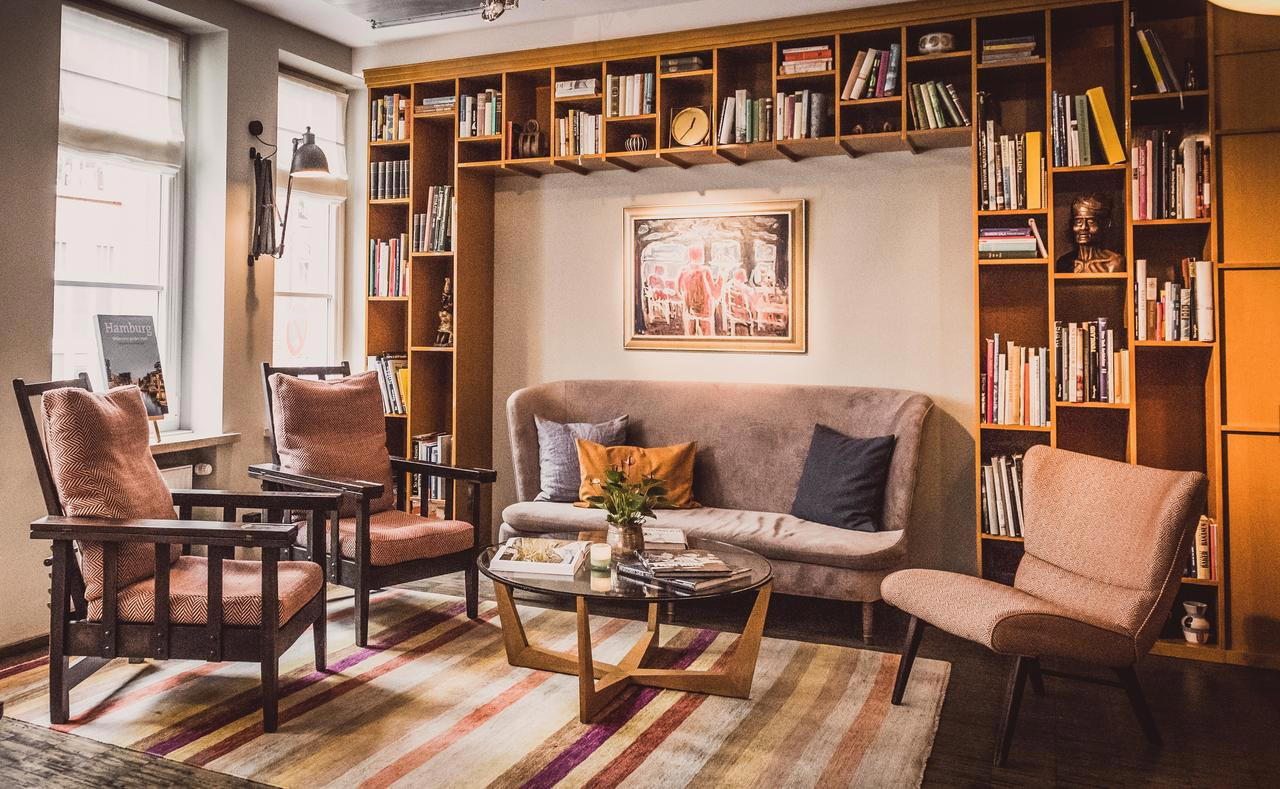
The hotel's identity is stated physically before it's explained. A recurring tortoise motif, statues, lamps, pictures distributed across the property, gives the interior a coherent visual grammar without becoming a theme park. The French word tortue means tortoise, and the translation does double work: it names the hotel and announces its cultural alignment with French design sensibility. That alignment is carried through consistently, from lobby finishes to guestroom treatment, creating the kind of spatial continuity that distinguishes properties built around an idea from those assembled from a specification sheet.
With 128 rooms, Tortue Hamburg sits in a scale bracket that is neither boutique nor large-group. It is large enough to absorb conference-adjacent demand but small enough that the design remains legible across the property. Comparable Hamburg properties at this scale include The Fontenay and Conrad Hamburg, each of which occupies a distinct aesthetic register. Where The Fontenay leans into lakeside restraint, Tortue Hamburg works with a more urban, historically layered palette.
Two Restaurants, One Property, Different Registers
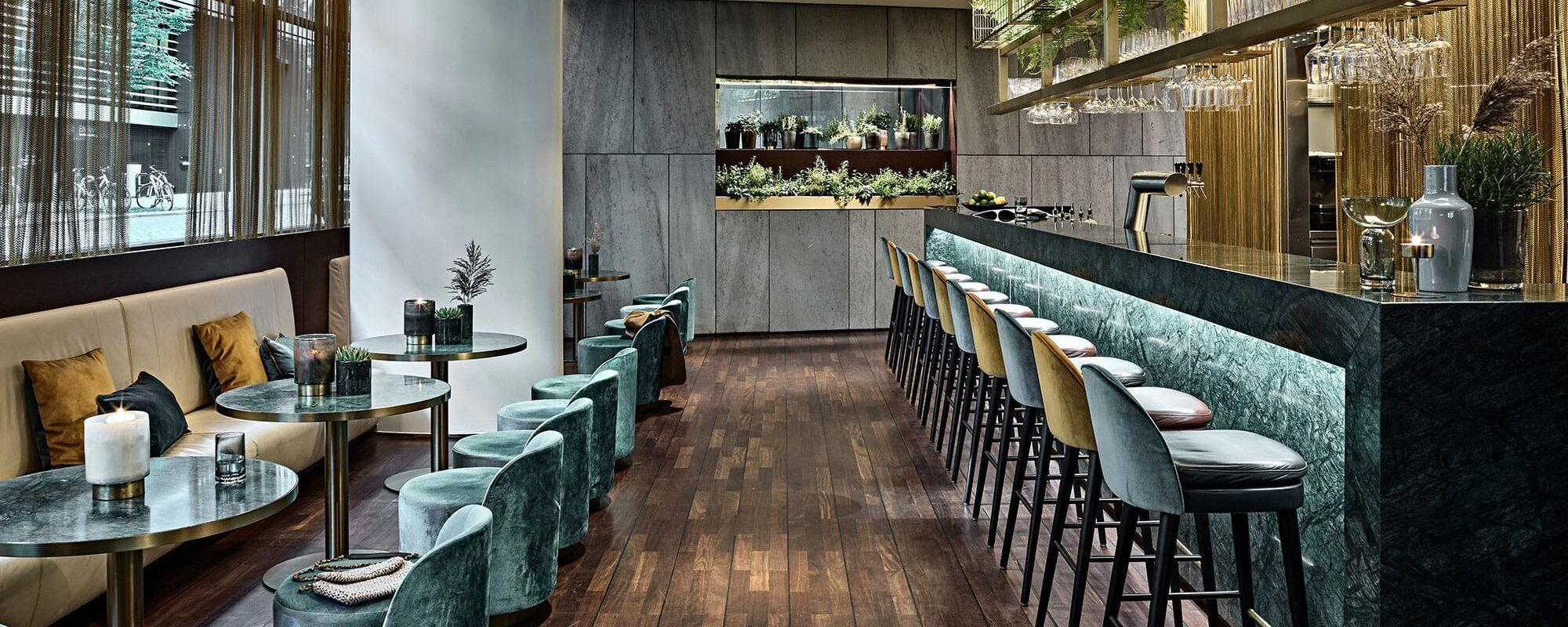
The dual-restaurant format at the hotel reflects a broader pattern visible across European city hotels of this tier: French brasserie as the anchor, with an Asian alternative to address the range of guest preference without requiring departure from the building. The Brasserie handles the French end, which in Hamburg's context means competing with a city that has a sophisticated, food-literate dining public and a long-established café and restaurant culture along the Alster and Speicherstadt. JIN GUI addresses Asian cuisine, a category that Hamburg's dining scene has developed steadily over the past decade.
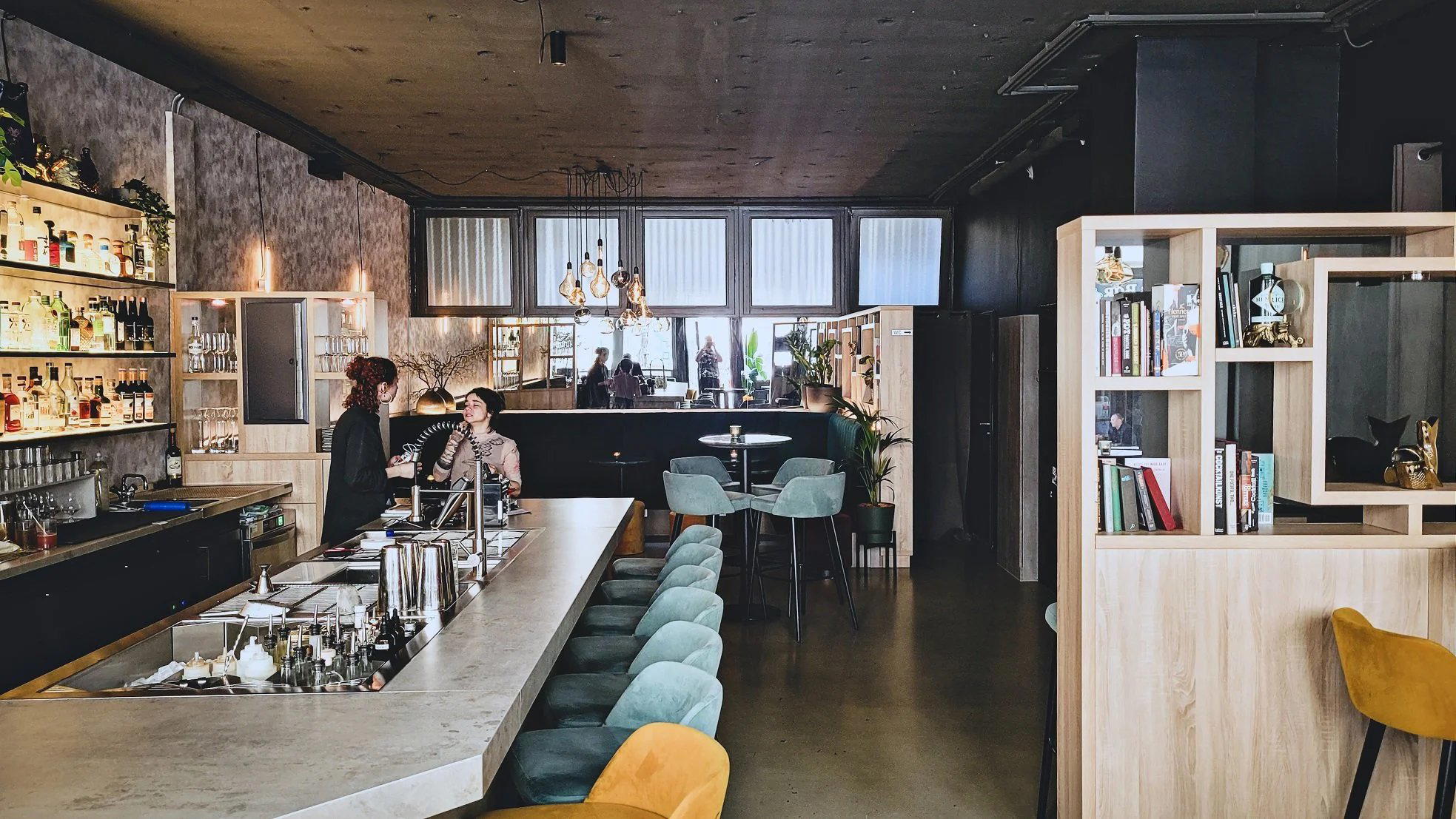
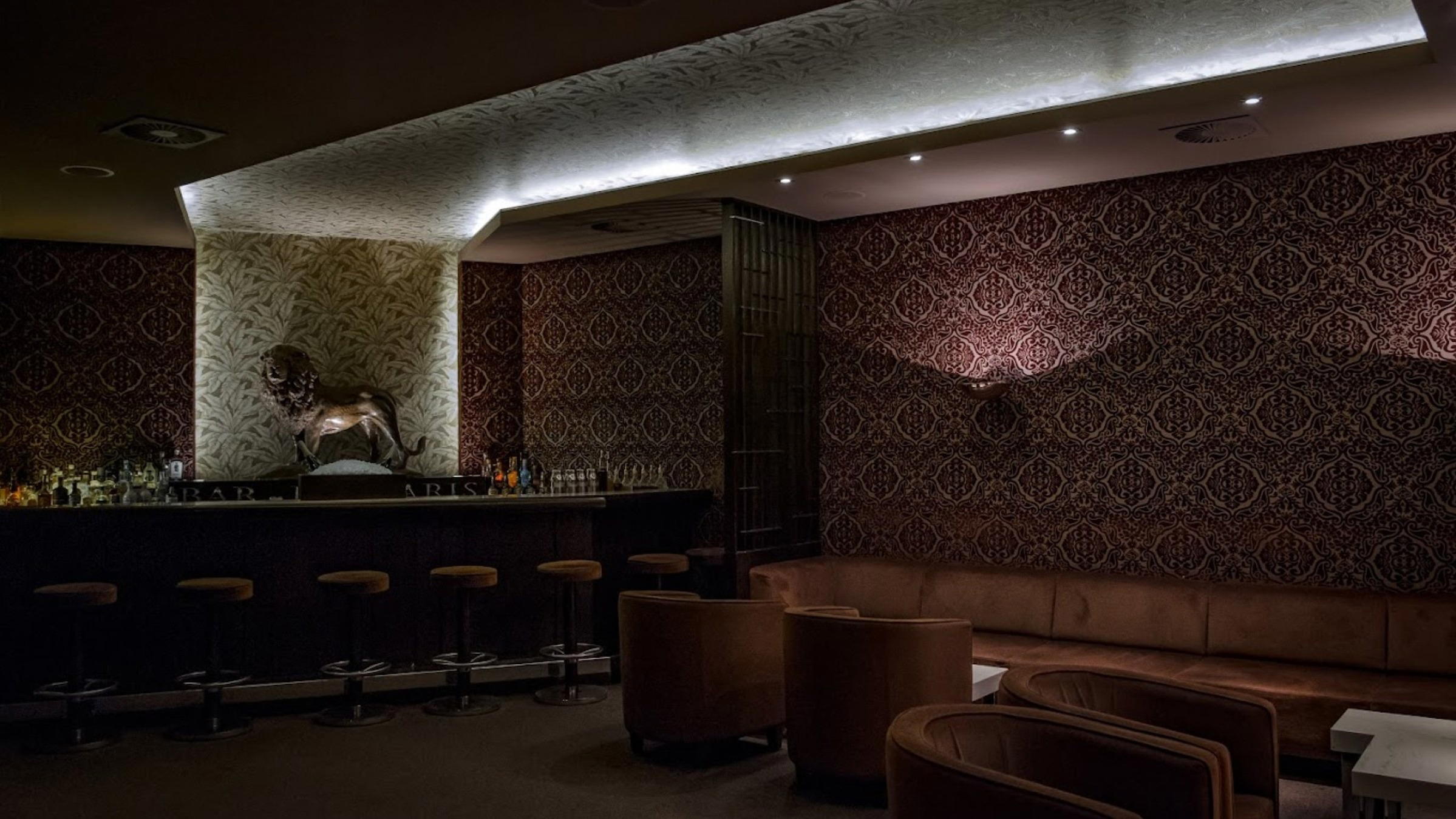
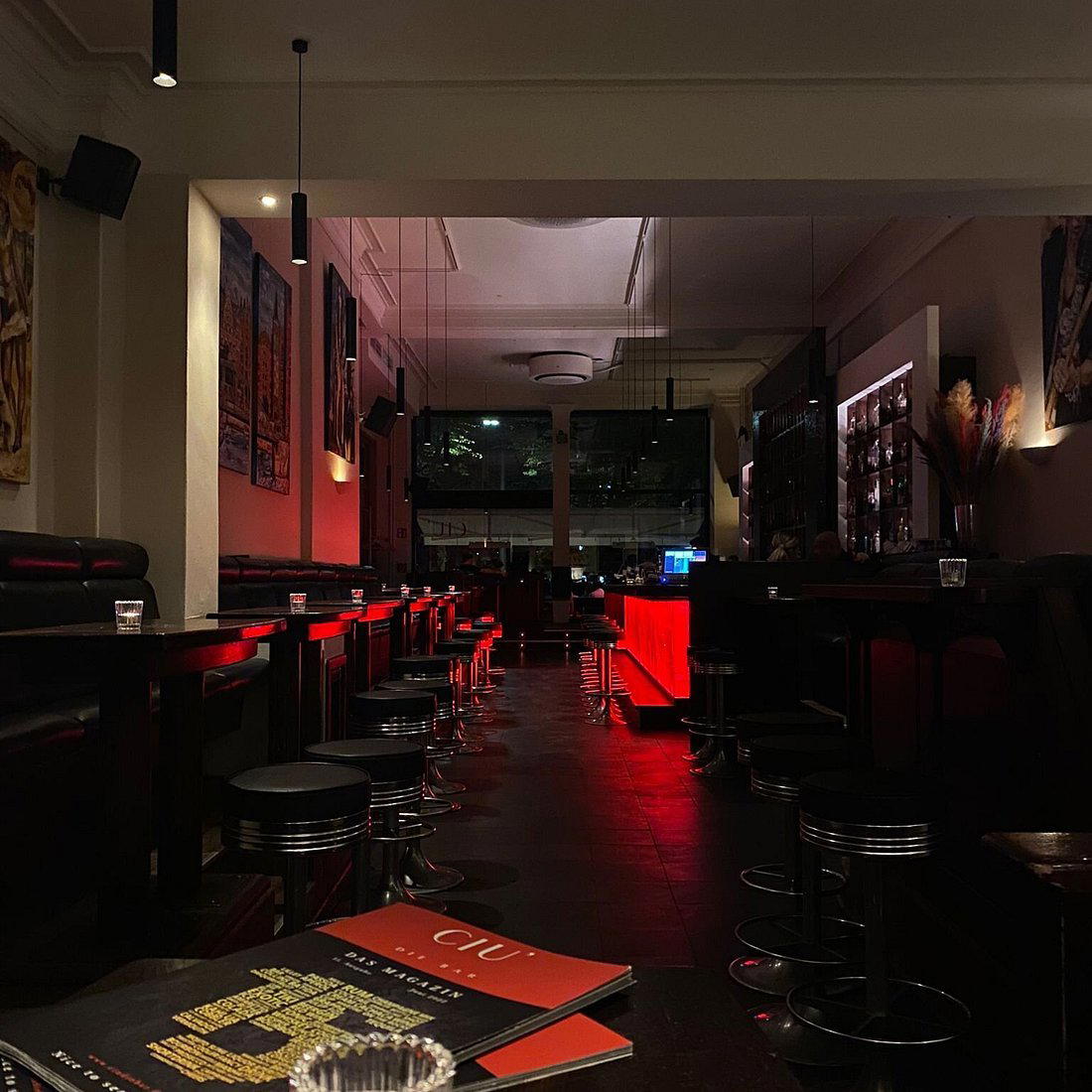
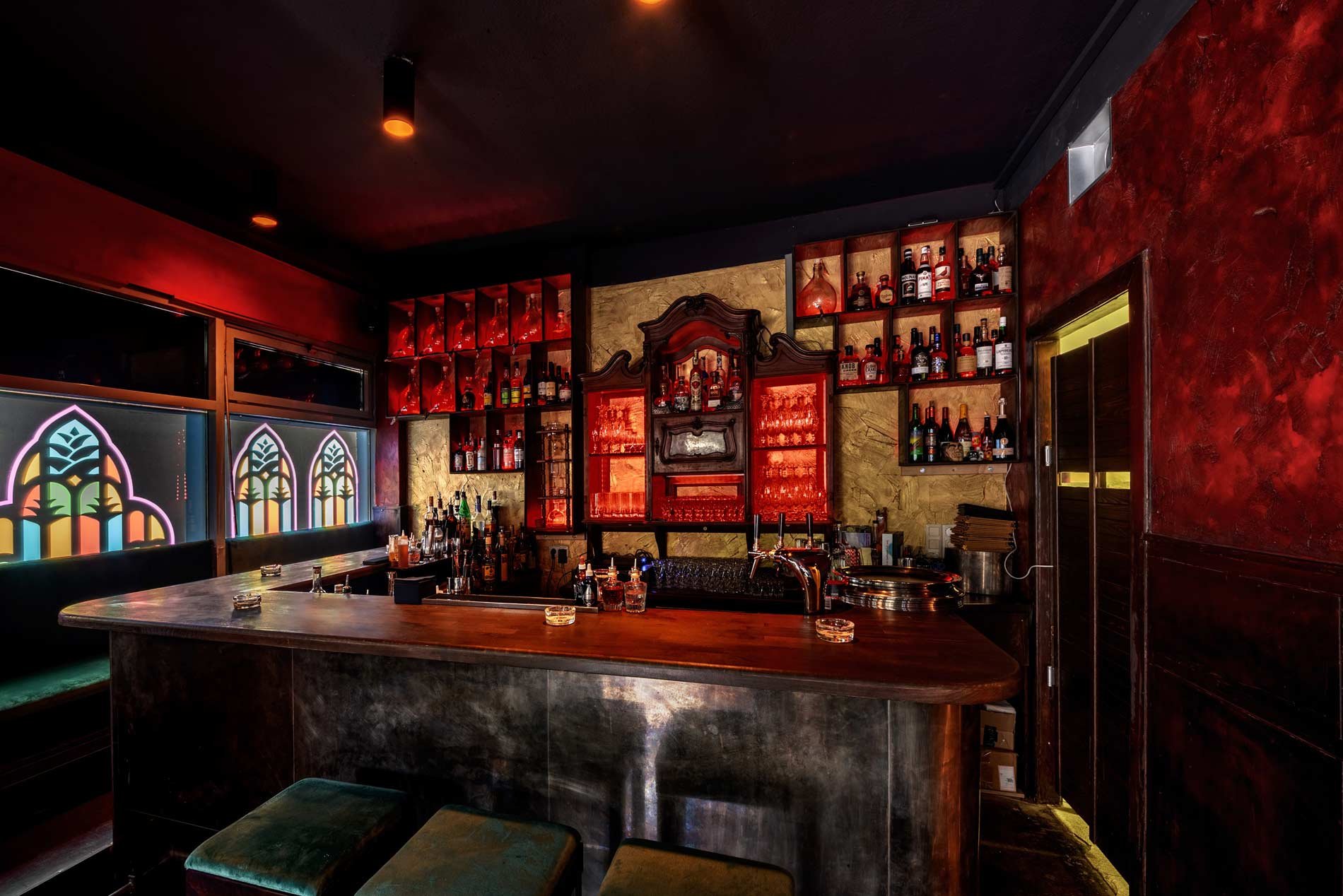
The courtyard deserves separate mention as a functional and atmospheric asset. In a city where outdoor dining is compressed into a seasonal window, a sheltered courtyard extends usability and creates a spatial type that is genuinely scarce in Hamburg's dense central districts. The bars, described as a draw for after-work clientele, suggest the property functions as a neighbourhood anchor as well as a hotel, a dual role that strengthens its position within the local social fabric rather than separating it from the city around it.
Reputation, Recognition, and the French-Inspired Hotel Category
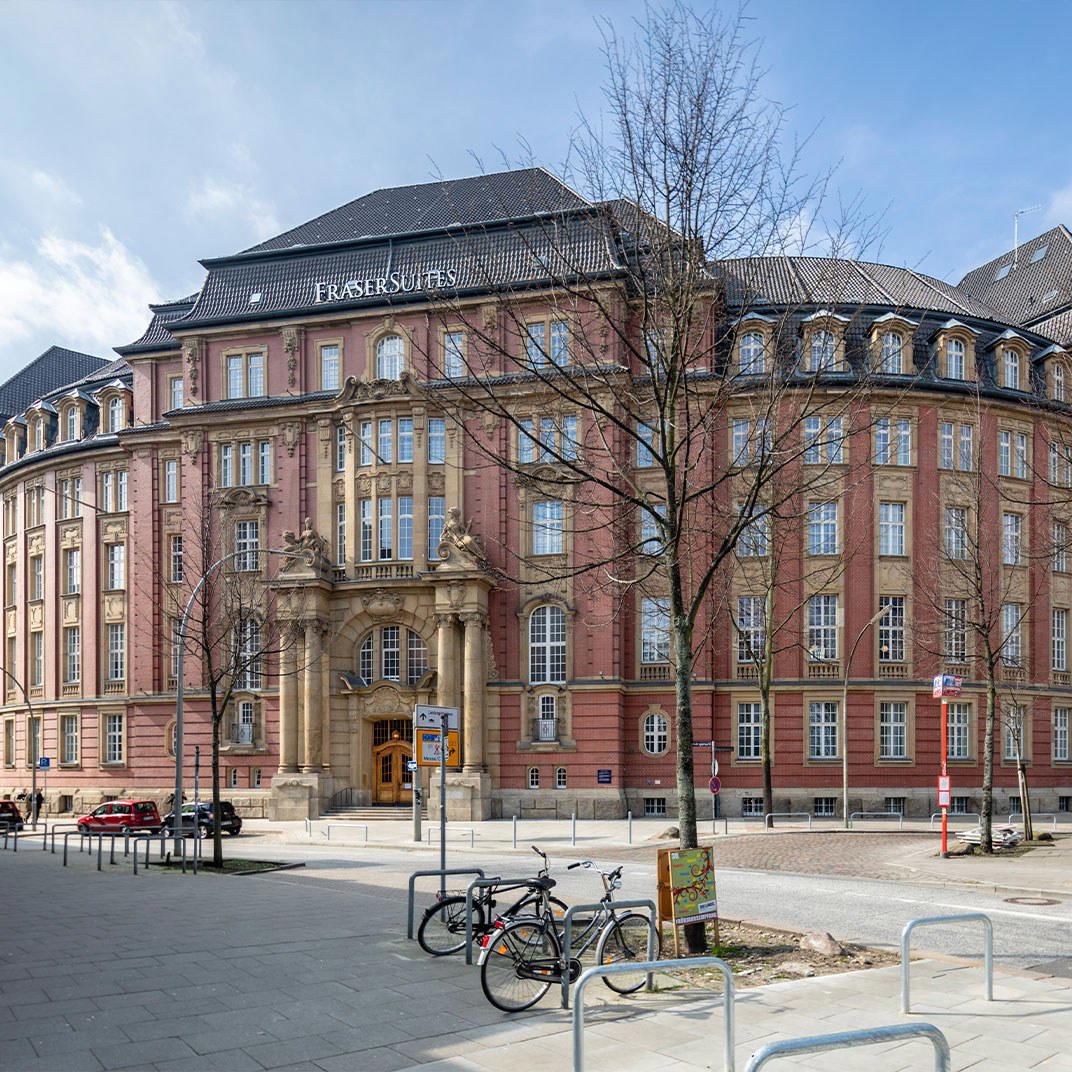
The property is presented in a French-inspired, history-rich setting. That framing positions the hotel within a tradition of French grand-hotel culture applied to a northern German city with its own distinct hospitality character. Hamburg is not Paris, and the translation is deliberate: the French references are absorbed into a property that reads as European cosmopolitan rather than Franco-nostalgic.
Within Germany's broader premium hotel circuit, properties such as Breidenbacher Hof Düsseldorf, Excelsior Hotel Ernst in Cologne, and Hotel de Rome in Berlin each draw on historic architecture and European cultural lineage to establish their identity. The hotel operates on similar logic, with the French reference doing the cultural anchoring. If you're mapping the competitive set further afield in Germany, Schloss Elmau and Althoff Seehotel Überfahrt occupy landscape-dependent positions that hotel has no reason to compete with; its comparable set is urban and city-centre specific.
Planning a Stay: Practical Orientation
The hotel is located at Stadthausbrücke 10 in central Hamburg, a short distance from both the S-Bahn network and the major arterials connecting to Hamburg Airport, which sits roughly 15 kilometres north of the city centre. The central location reduces transit friction for guests arriving at Hamburg Hauptbahnhof, which is within comfortable reach on foot or by taxi. For those extending their trip across Germany, properties such as BUDERSAND Hotel in Hörnum on Sylt or Hotel Bareiss in Baiersbronn represent different registers of the German hotel experience and are worth considering for itineraries that extend beyond Hamburg.
Properties worth comparing at the design-conscious end of the Hamburg market include east Hamburg and Gastwerk Hotel Hamburg, both of which take a different approach to adaptive reuse and atmosphere. The Apotheke an der Elbphilharmonie and Garner Hamburg East extend the options further across the city's geography.
For international comparisons at the boutique-leaning end of the urban luxury tier, The Fifth Avenue Hotel in New York City, Aman New York, and Aman Venice all demonstrate how design-led city hotels position themselves through cultural reference rather than scale. The hotel belongs to that broader conversation, even if its price point and market position are calibrated specifically for Hamburg's central business and cultural district.
Category Peers
Comparable venues nearby, for context on price, style, and recognition.
| Venue | Cuisine | Price | Awards | Notes |
|---|---|---|---|---|
| Tortue HamburgThis venue — the venue you are viewing | Luxury design boutique hotel in historic city center building | $$$$ | Michelin 1 Key | Not listed |
| Landhaus Flottbek Boutique Hotel | Renovated historic country house with modern comforts | $$$ | Michelin 1 Key | Gross Flottbek |
| Conrad Hamburg | Contemporary luxury in historic Levantehaus building | $$$$ | 5-Star | Hamburg-Altstadt |
| Hotel Louis C. Jacob | Historic Hanseatic mansion blending classic charm with modern comfort | $$$$ | Michelin 2 Key | Muehlenberg |
| Grand Elysée Hamburg | Luxurious urban retreat with extensive wellness facilities | $$$$ | 5-Star | Rotherbaum |
| AMERON Hamburg Speicherstadt | Mid-century modern in historic warehouse building | $$$ | 4-Star | Speicherstadt |
Recognition history
Dated appearances from independent guides and award organizations, with the underlying list record or original source where available.
Design Hotels Member
Design Hotels
Michelin 1 Key
Michelin
At a Glance
- Elegant
- Modern
- Sophisticated
- Cozy
- Trendy
- Romantic Getaway
- Business Trip
- Weekend Escape
- Rooftop Pool
- Historic Building
- Panoramic View
- Wi Fi
- Fitness Center
- Room Service
- Concierge
- Restaurant
- Bar
- Spa
- Skyline
- Street Scene
- Wi Fi
- Fitness Center
- Room Service
- Concierge
- Restaurant
- Bar
- Spa
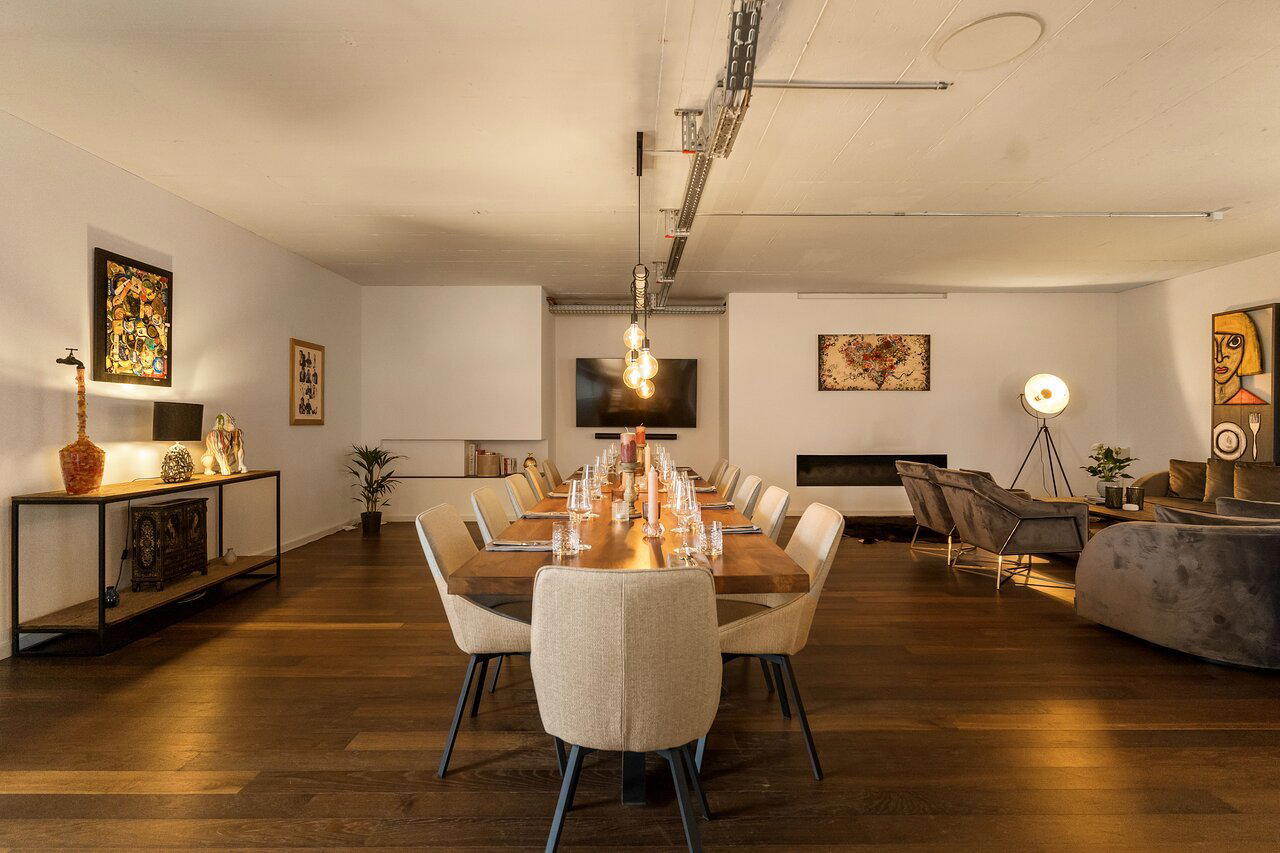
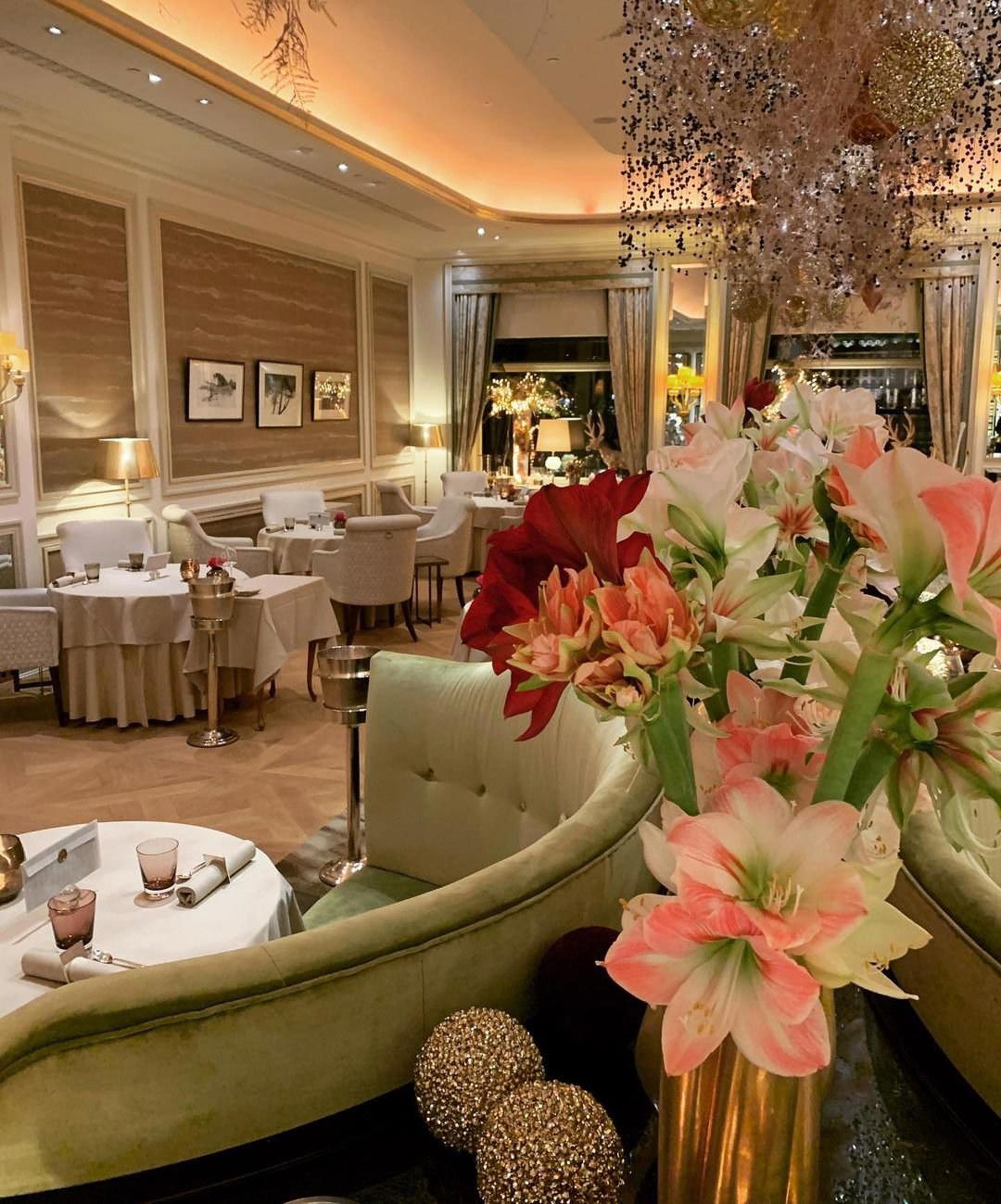
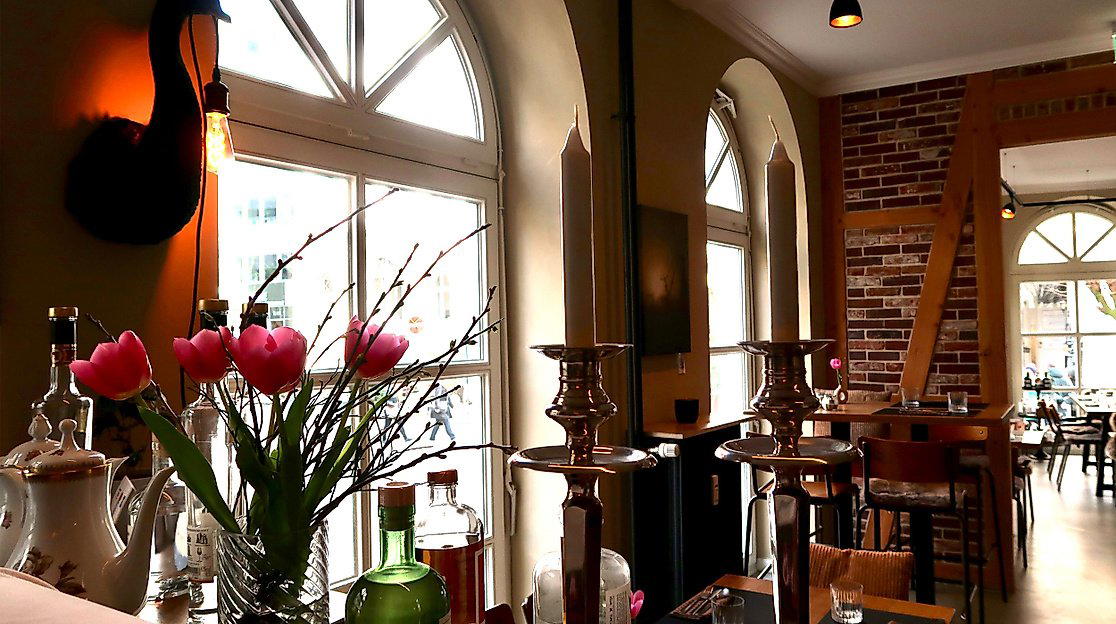
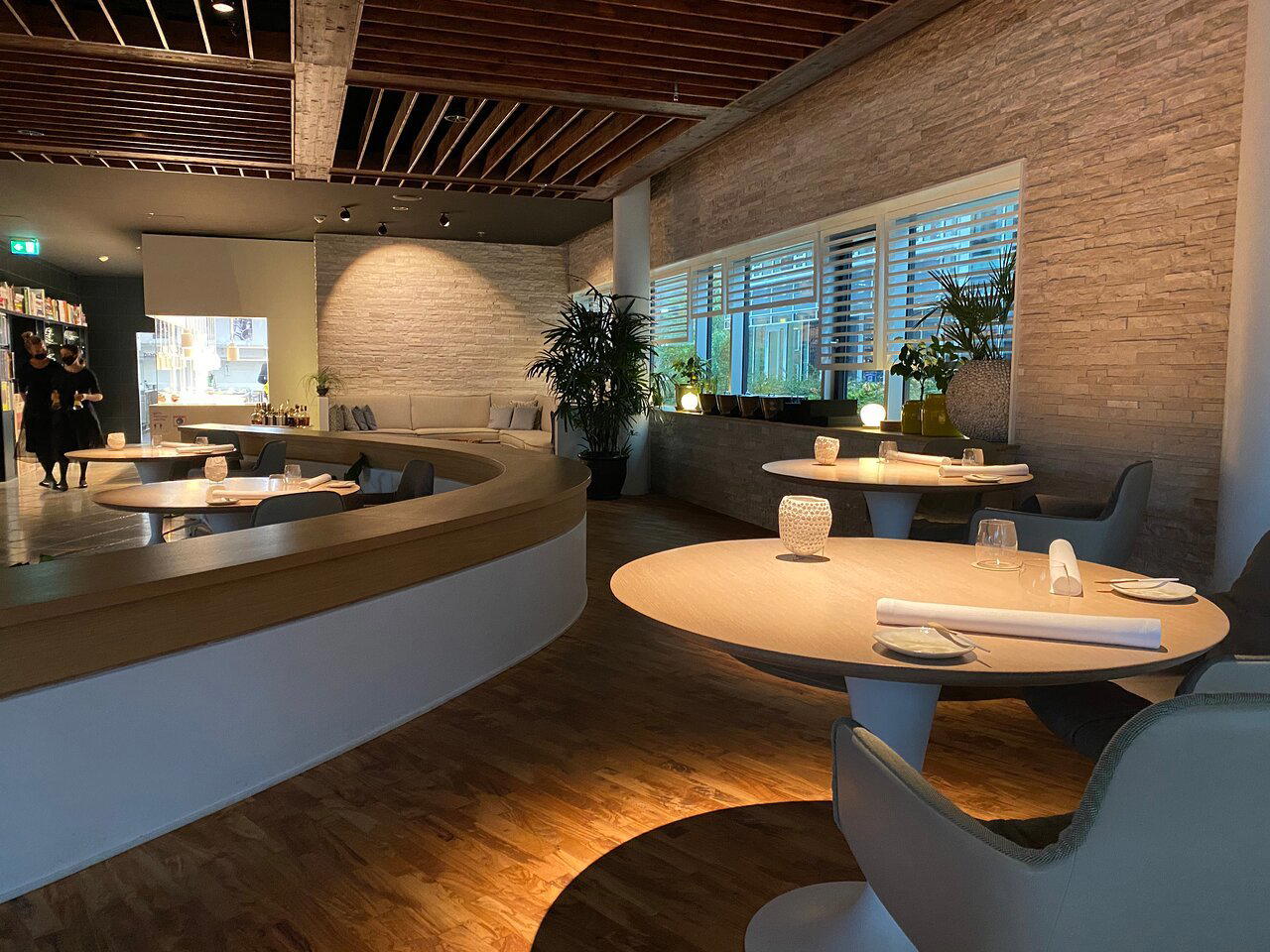
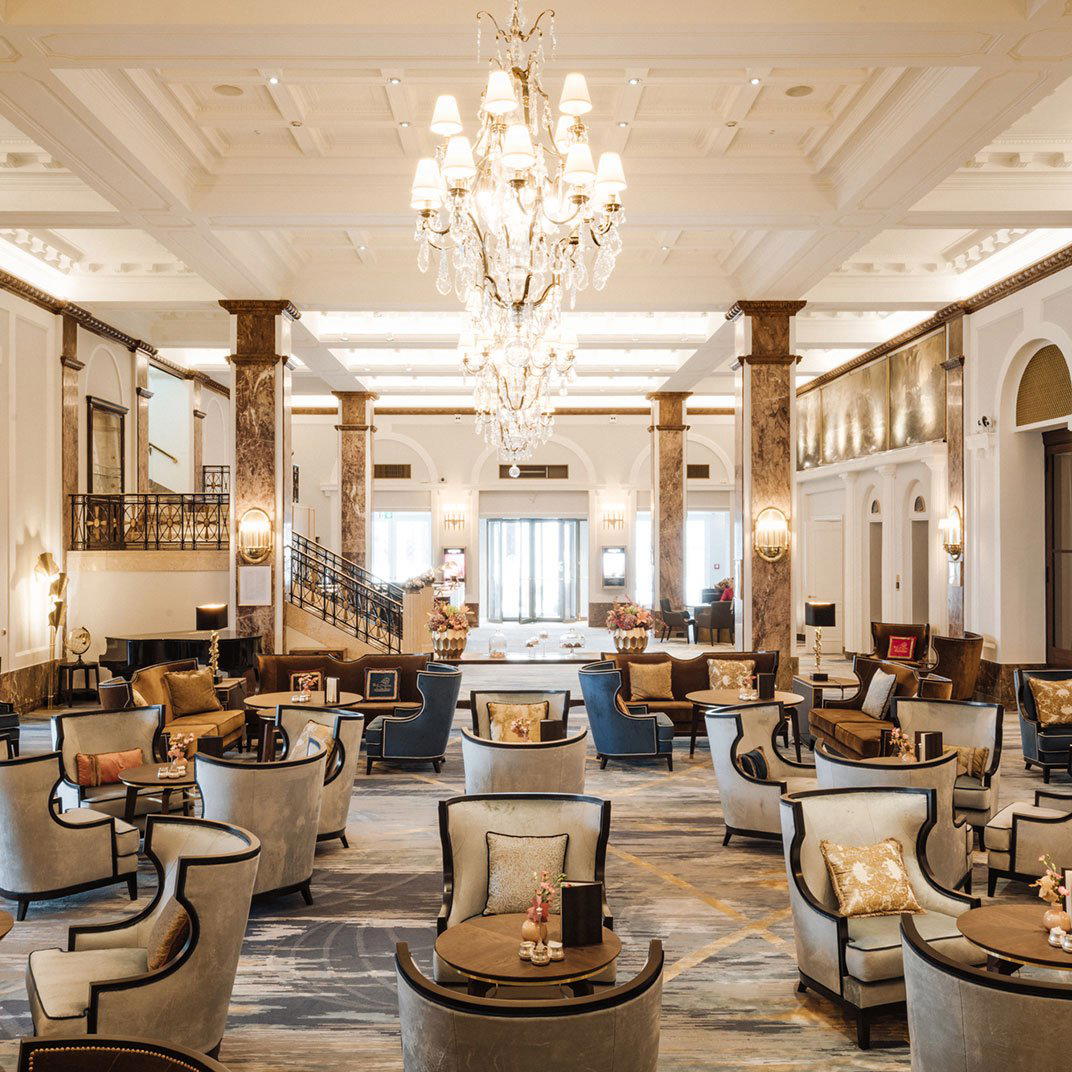
Cozy yet modern atmosphere with high ceilings, luxurious lighting, and a relaxed French 'Savoir-vivre' vibe praised in guest reviews.