Positioned at Am Kaiserkai 44 in Hamburg's HafenCity district, Apotheke an der Elbphilharmonie occupies one of the city's most architecturally charged addresses, directly adjacent to the Elbphilharmonie concert hall. Visitors to Hamburg's western HafenCity should factor it into any serious itinerary.

Pearl is the En Primeur Club membership app, where members save venues, book tables and use the concierge.
Where the Harbour Meets the Concert Hall
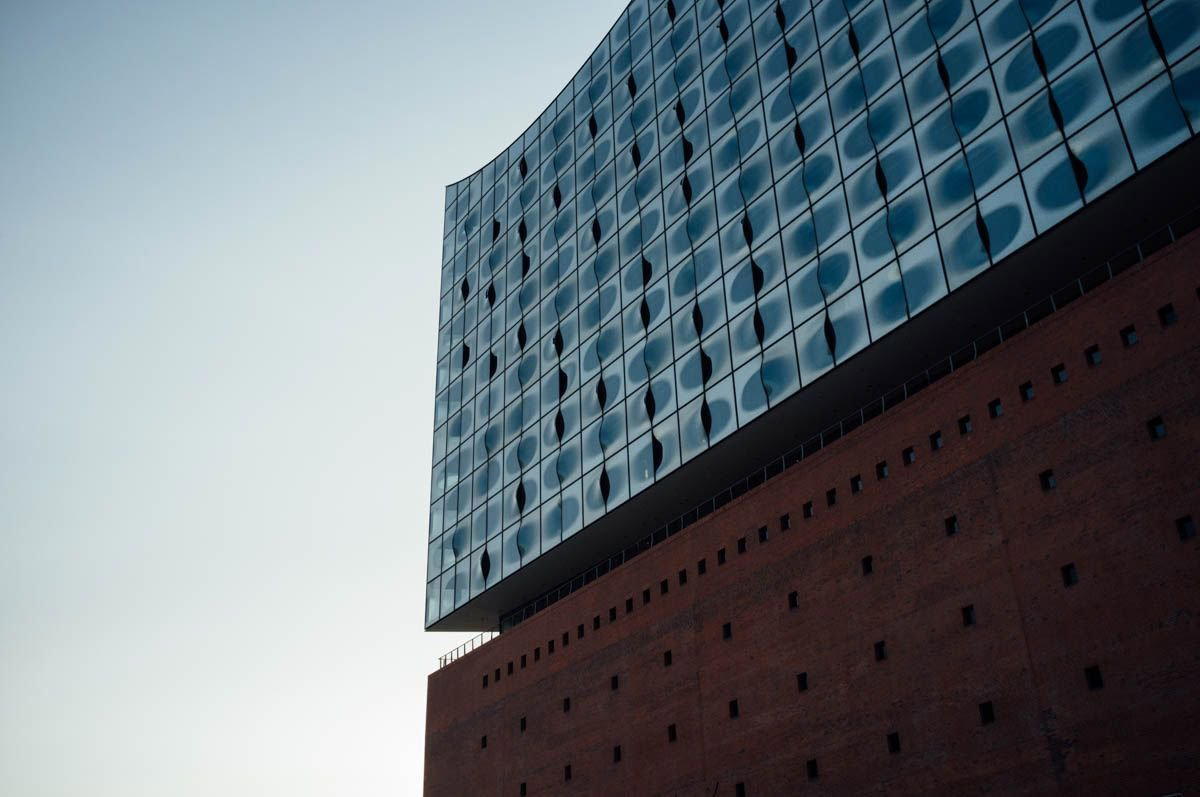
HafenCity did not emerge as Hamburg's premier dining and hospitality address by accident. The district's development over the past two decades converted former container port land into a dense concentration of architecture, culture, and commerce, with the Elbphilharmonie acting as both anchor and emblem. For restaurants and bars positioned on Am Kaiserkai, the proximity to the concert hall creates a particular kind of guest: pre-concert diners, post-performance drinkers, hotel guests from the surrounding blocks, and architects and design professionals drawn to the area's built environment. Apotheke an der Elbphilharmonie sits directly within that gravitational field, at number 44, where the view lines toward the glass wave structure that has redefined Hamburg's skyline since its opening in 2017.
In Germany's broader hospitality geography, address carries weight in ways that differ from other European cities. Berlin trades on neighbourhood identity; Munich on tradition and institutional prestige. Hamburg, and specifically HafenCity, has built its premium positioning around newness, architectural ambition, and a civic seriousness about culture. That framing matters when assessing what Apotheke an der Elbphilharmonie is and what kind of visit it suits.
The HafenCity Dining Context
Hamburg's restaurant scene divides clearly along geographical lines. The historic centre and Altona carry the city's established fine dining credentials, with the Fairmont Hotel Vier Jahreszeiten representing the traditional luxury end of the market on Neuer Jungfernstieg. Further west, Hotel Louis C. Jacob holds its position as a riverside institution with a long culinary heritage. HafenCity, by contrast, operates as a newer formation, its dining culture still consolidating around the architecture-driven identity that the Elbphilharmonie crystallised.
Within that context, venues on Am Kaiserkai occupy a specific position. They serve a foot-traffic pattern shaped by concert schedules, waterfront tourism, and the working population of a district that houses European headquarters for several major companies. The evening economy here spikes on concert nights; the lunch trade skews toward professionals from the surrounding offices and the adjacent Überseequartier. Understanding that rhythm is essential to understanding when and why to visit.
For guests staying in the area, the Conrad Hamburg occupies the same HafenCity block structure and offers a direct comparison point for how international hotel groups have approached the district. Design-led independents like east Hamburg and Gastwerk Hotel Hamburg operate from different neighbourhood anchors, the former in the Sankt Georg area, the latter in Bahrenfeld, giving a sense of how Hamburg's hospitality map fragments by district character. The Fontenay, positioned on the Außenalster lake, represents the city's newer luxury residential tier, while Grand Elysée Hamburg holds its ground as a large-format hotel with a different market orientation.
Planning a Visit
Am Kaiserkai 44 is walkable from the Überseequartier U-Bahn station in under ten minutes, and the route along the canal edge past the Elbphilharmonie plaza is one of the more purposeful walks Hamburg offers. Given the venue's position in a district built for pedestrian cultural consumption, arriving on foot rather than by taxi makes practical sense and gives arriving guests the full spatial context of the setting. For those combining a visit with a concert at the Elbphilharmonie, the proximity is the primary logistical argument: the walk between the two addresses is measured in metres rather than minutes.
This is standard practice for HafenCity venues that calibrate capacity to concert schedules and may operate differently on performance nights versus regular evenings. Germany's broader dining culture skews toward reservation-first for anything above the casual tier, and a venue positioned at this address in this district is unlikely to hold significant walk-in capacity during peak concert periods.
For those building a Hamburg itinerary that extends beyond the city, EP Club covers a range of German properties at different price points and formats: Althoff Seehotel Überfahrt in Rottach-Egern, Hotel Bareiss in Baiersbronn, Schloss Elmau Luxury Spa Retreat and Cultural Hideaway in Elmau, BUDERSAND Hotel in Hörnum, and Excelsior Hotel Ernst in Cologne. Within Hamburg itself, Garner Hamburg East offers a leaner accommodation format for visitors prioritising location over amenity depth. See our full Hamburg restaurants guide for broader city coverage.
A Pricing-First Comparison
A compact comparison to help you place this venue among nearby peers.
| Venue | Price | Awards |
|---|---|---|
| Apotheke an der ElbphilharmonieThis venue (the venue you are viewing) | Not listed | Not listed |
| Fairmont Hotel Vier Jahreszeiten | $300–500 | 3 Michelin Keys · La Liste Top Hotels |
| The Fontenay | $300–500 | 3 Michelin Keys · La Liste Top Hotels |
| Hotel Louis C. Jacob | Not listed | 2 Michelin Keys · La Liste Top Hotels |
| Conrad Hamburg | Not listed | Michelin Selected · Star Wine List |
| east Hamburg | $100–200 | Michelin Selected · Preferred Hotels Member |
Continue exploring
More in Hamburg
Hotels in Hamburg
All hotels in Hamburg →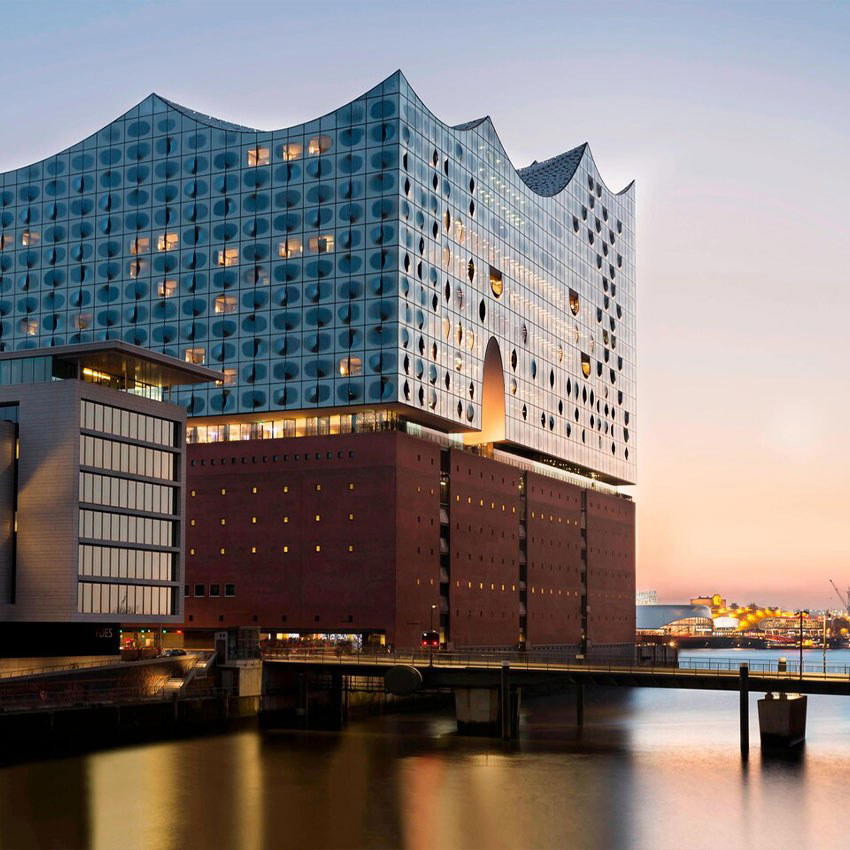
Bars in Hamburg
All bars in Hamburg →
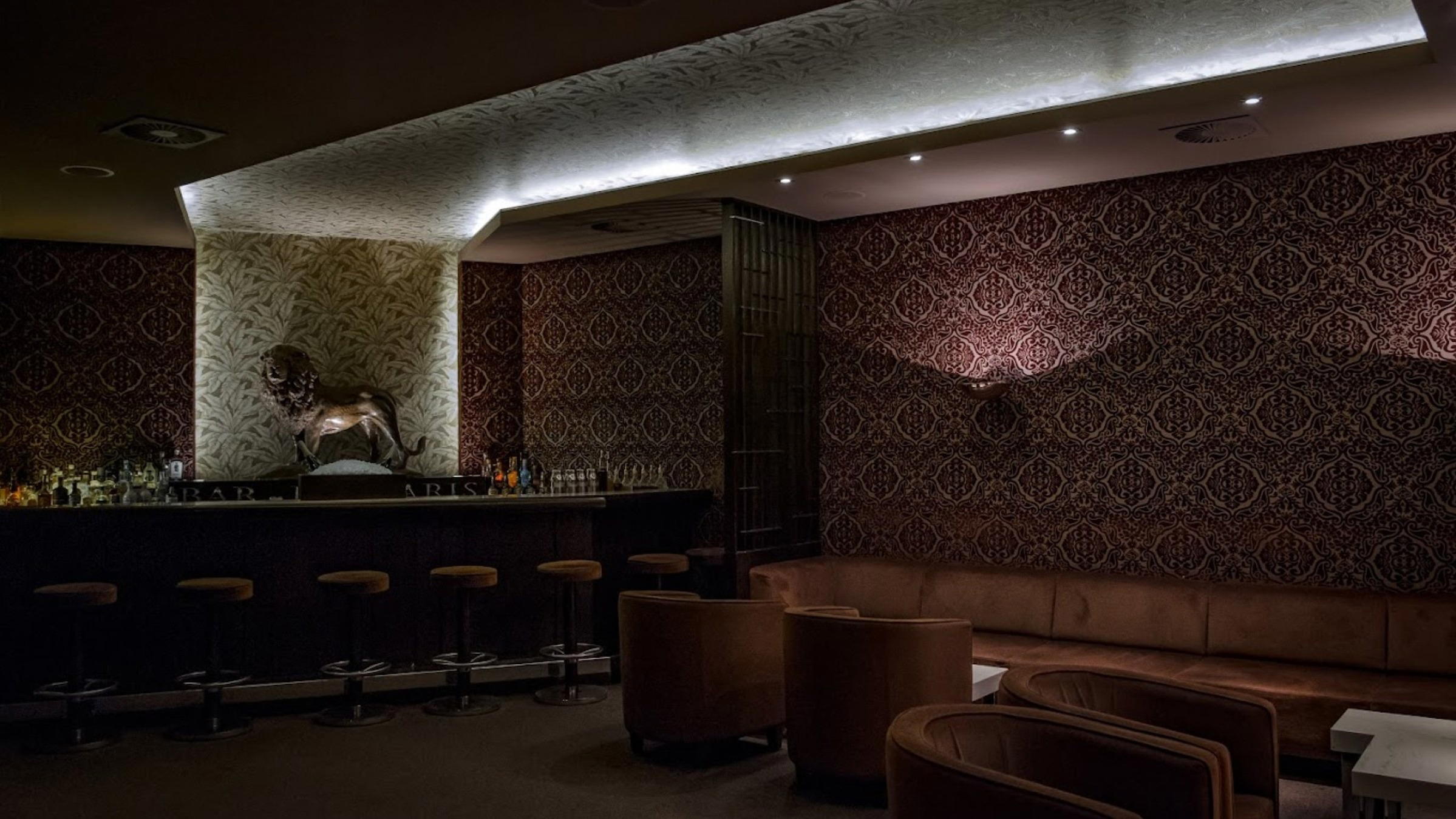
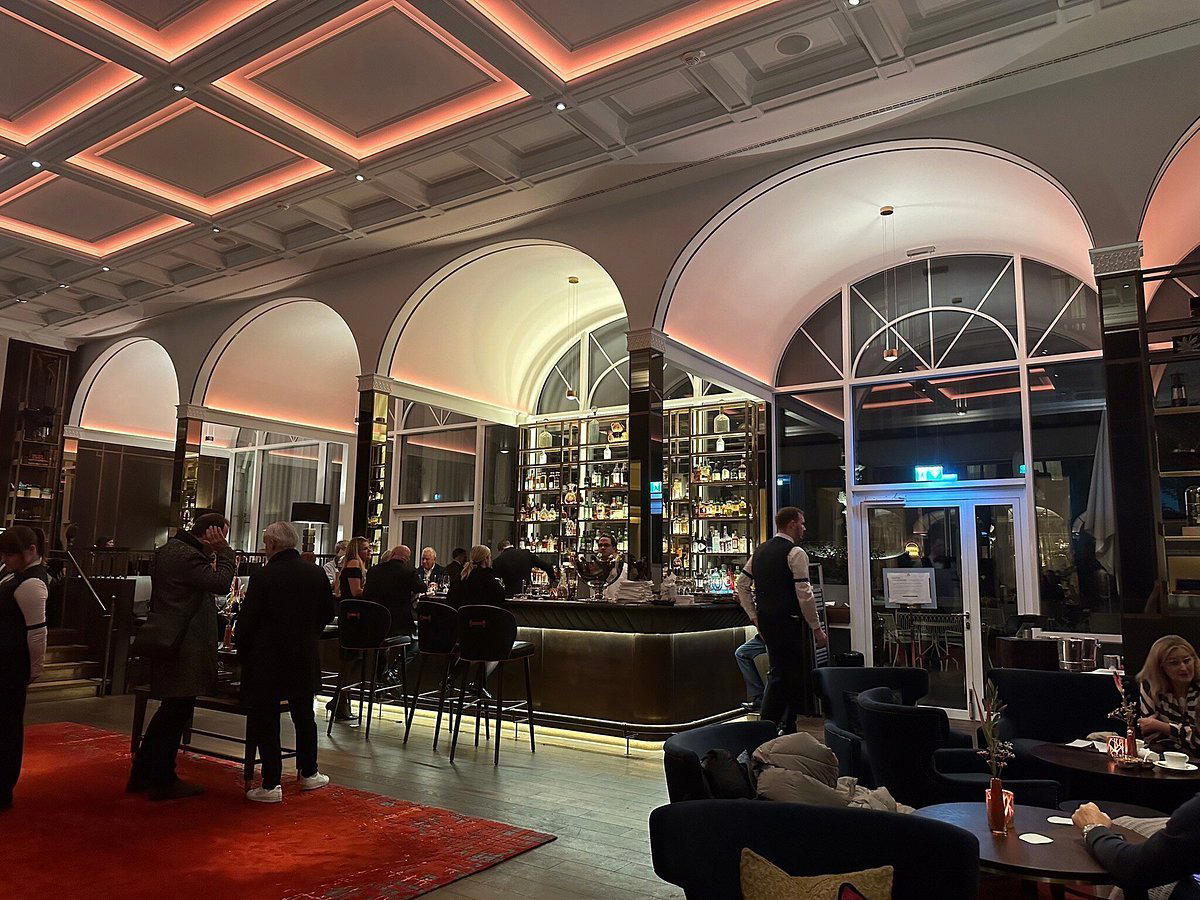
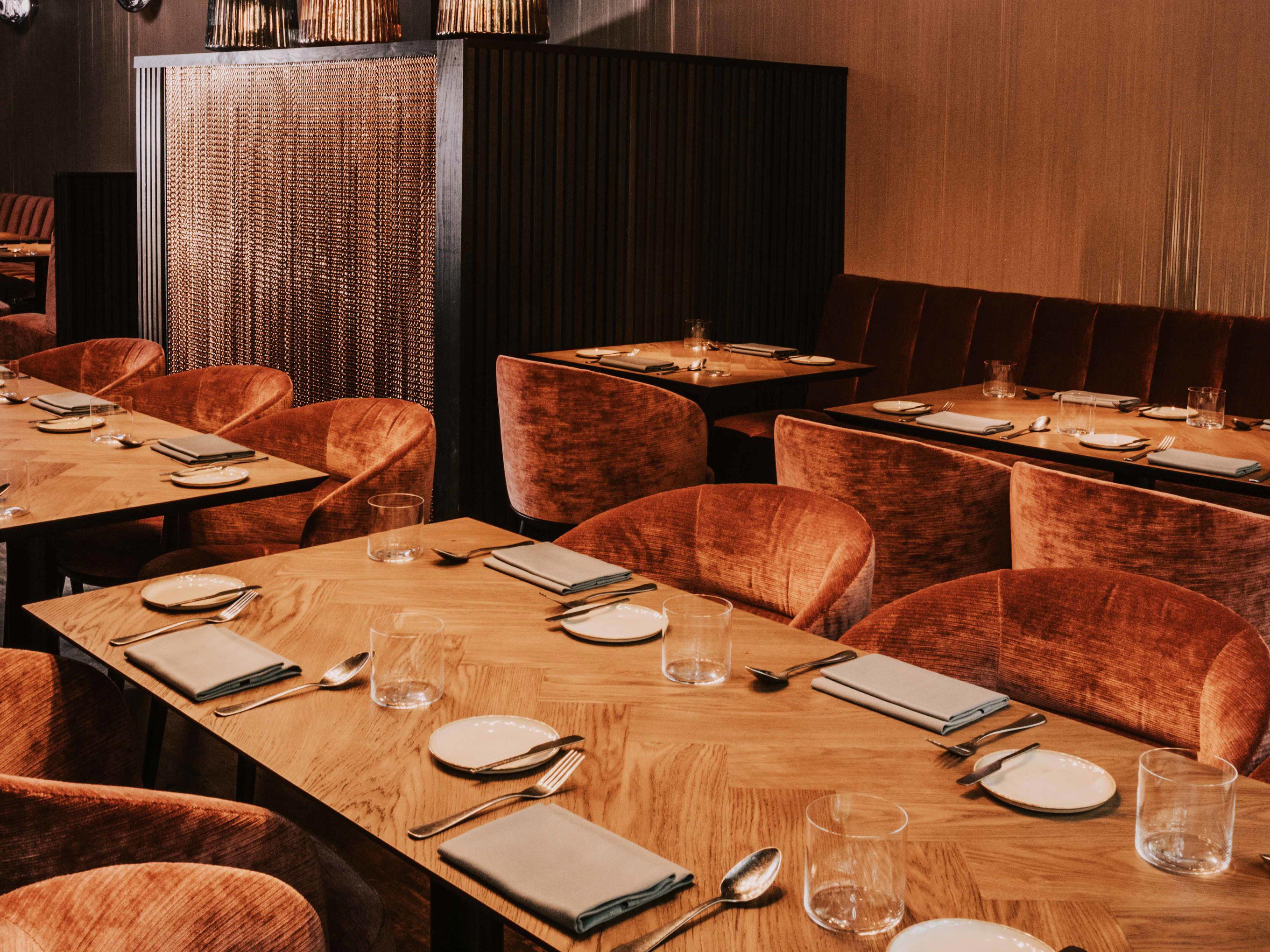
Restaurants in Hamburg
All restaurants in Hamburg →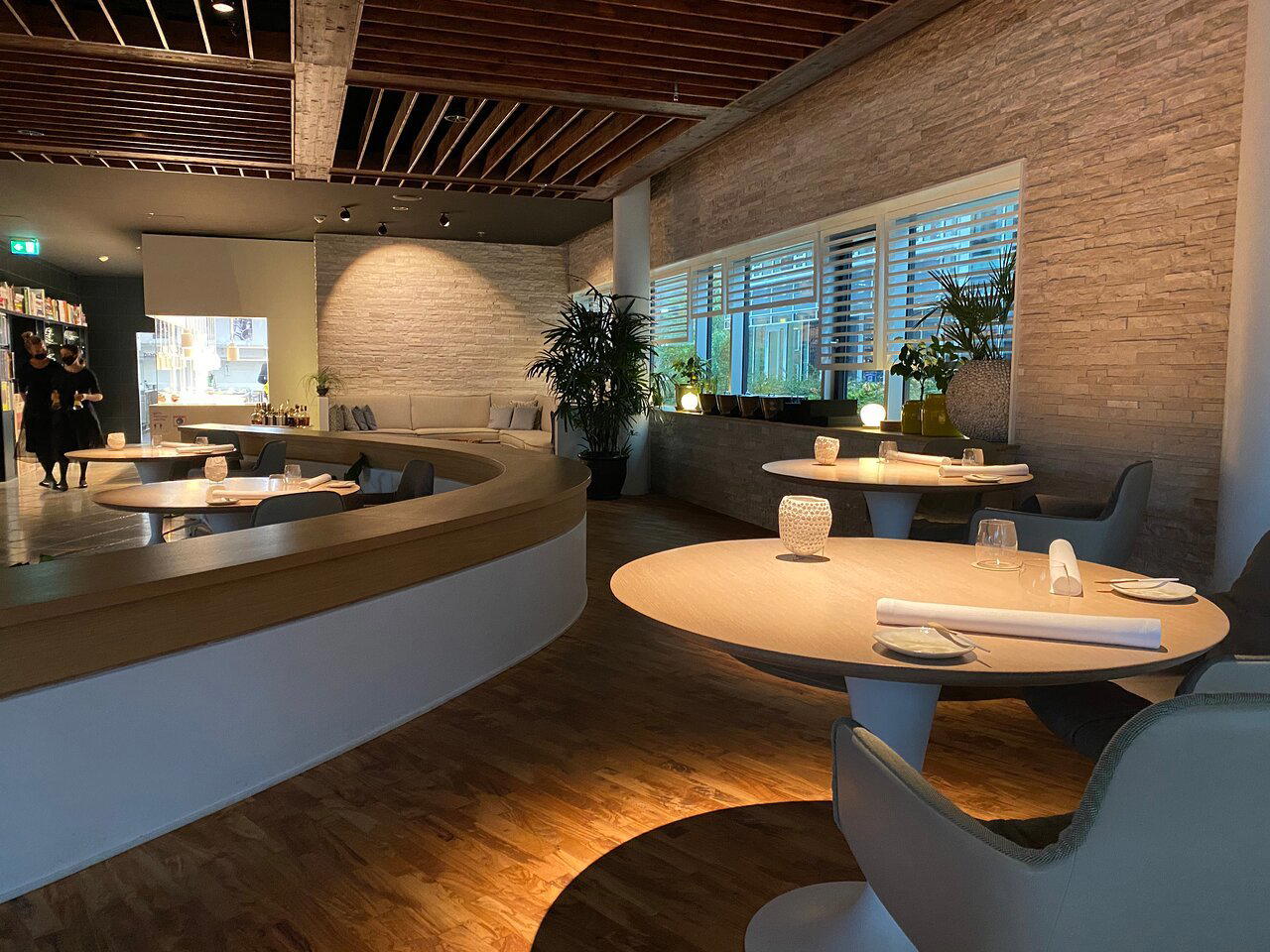
Wineries in Hamburg
Browse all →
Details
Current opening hours
- Monday
- 8:30 AM–7 PM
- Tuesday
- 8:30 AM–7 PM
- Wednesday
- 8:30 AM–7 PM
- Thursday
- 8:30 AM–7 PM
- Friday
- 8:30 AM–7 PM
- Saturday
- 9 AM–4 PM
- Sunday
- Closed
Hours can change for holidays and private events. Hours as of .