
1 Michelin Key
At the edge of the Fuji Speedway circuit in Shizuoka Prefecture, this 120-room hotel occupies a setting that would seem incongruous anywhere else: a design-conscious property with onsen-style spa, Italian and Japanese restaurants, and floor-to-ceiling views of both Mount Fuji and the racetrack below. Rooms from approximately $276 per night deliver minimalist interiors with soaking tubs, rain showers, and private balconies.

Pearl is the En Primeur Club membership app — saves, bookings, and concierge access live there. Same editors, same standards.
- Address
- 645 Ōmika, Oyama, Sunto District, Shizuoka 410-1308
- Phone
- +81 550-20-1234
- Website
- hyatt.com
- Directions
- Get directions
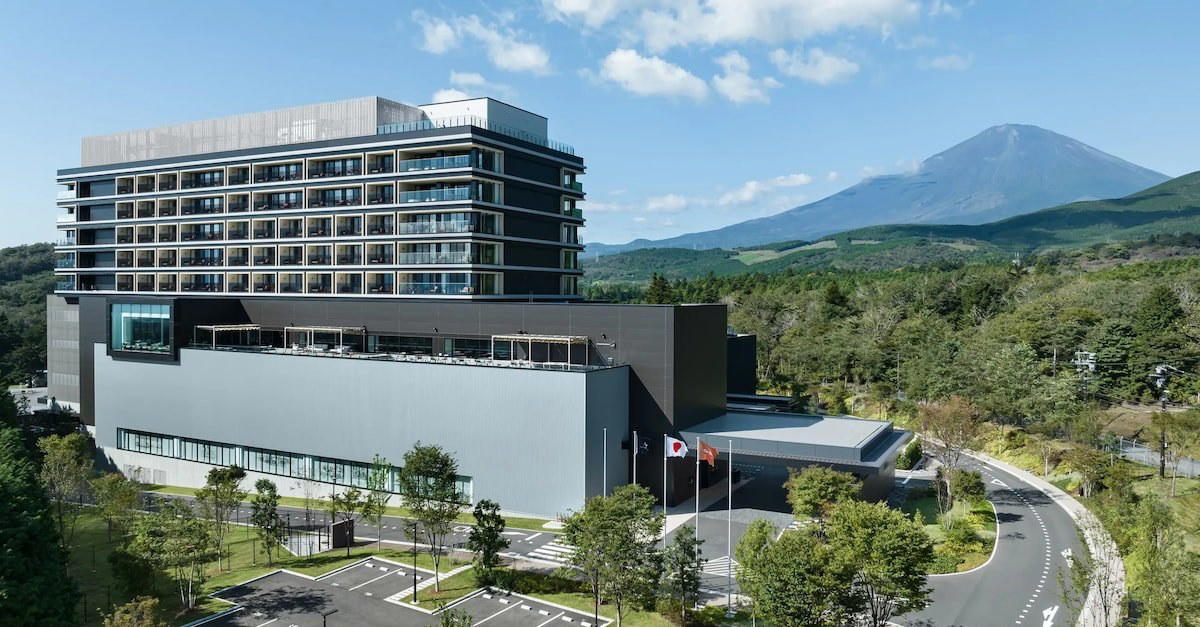
Where the Circuit Meets the Mountain
Japan has a particular talent for placing serious hospitality in unexpected locations. Airports get capsule hotels with cedar bath rituals. Department stores maintain restaurants worthy of critical attention. And at the edge of one of motorsport's most historically significant circuits, in the foothills of Shizuoka Prefecture, stands a hotel that would pass without comment in Kyoto or Hakone. The Fuji Speedway Hotel does not apologize for its address. It uses it as a design premise.
The approach to the property sets the register immediately. The speedway infrastructure, the mountain in the distance, the specific quality of light that Fuji's altitude produces in this part of Honshu — these are not incidental. They are the view the architects oriented the building to capture, and the reason floor-to-ceiling windows and private balconies appear as standard in the 120 rooms rather than as an upgrade tier. Few hotels in Japan's mid-luxury bracket at approximately $276 per night deliver this scale of outlook as a default rather than a premium.
Design Logic in a Motorsport Setting
Japan's premium hotel sector has bifurcated sharply in recent years. One cohort follows the international luxury template: grand lobbies, imported materials, brand-name spas. The other works from a site-specific logic, where the physical setting generates the design language rather than receiving a pre-formed aesthetic. The Fuji Speedway Hotel belongs clearly to the second group, even though its context — a working racetrack, is about as far from the ryokan tradition as possible.
The rooms are minimalist in the way that serious Japanese interiors tend to be: an absence of clutter that reads as considered restraint rather than spareness. Soaking tubs and rain showers are standard, which places the property in conversation with onsen-heritage hotels like Gora Kadan in Hakone or Asaba in Izu, both of which treat the bath as the architectural centrepiece of the guest room. The Speedway Hotel applies the same logic but frames it against the circuit view rather than a garden or mountain stream. It is a different kind of theatre, but theatre nonetheless.
The motor sports museum integrated into the property is the element that distinguishes the Fuji Speedway Hotel from any peer. Design-led hotels that incorporate serious cultural programming occupy a specific niche, Benesse House in Naoshima being the clearest reference point in Japan, and the museum here functions similarly: it gives the property intellectual depth that a spa alone cannot provide, and it anchors the building's identity in something beyond accommodation.
Two Kitchens, One View
Dining setup at the Fuji Speedway Hotel reflects a pattern common to Japanese destination hotels that draw both domestic and international guests: one Japanese restaurant and one Italian restaurant operating in parallel, each offering a distinct mode of engagement with the setting. This dual-format approach has precedent across the country's premium ryokan and resort tier, where a kaiseki room and a Western alternative coexist without either compromising the other.
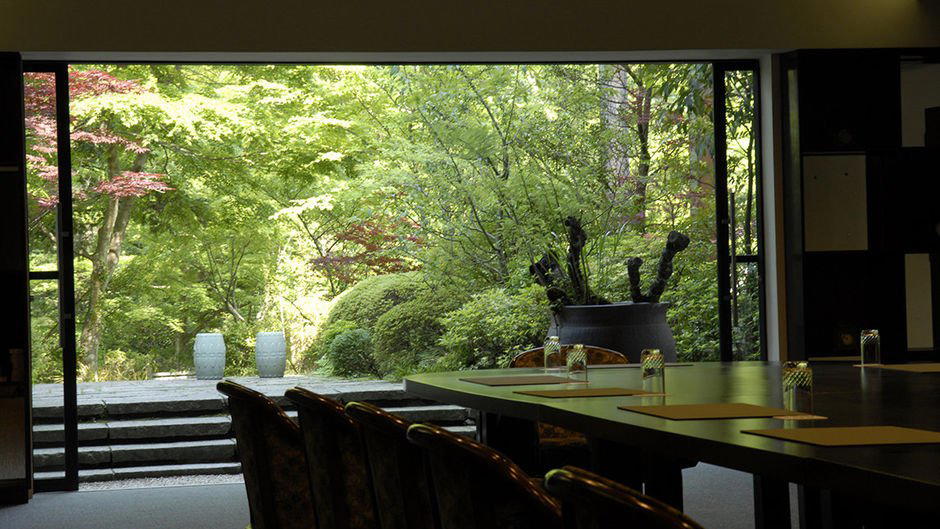
What the restaurants here share is the view. The mountain and the circuit are present from the dining floor in the same way they are from the guest rooms, as the fixed reference point around which everything else is oriented. Whether the kitchen is working with dashi or olive oil is secondary to that spatial fact.
For properties in this price bracket and category, the Italian option is worth noting as a practical consideration: guests on multi-day stays who want variety without leaving the property can shift registers between the two kitchens. This is a design decision as much as a culinary one, and it speaks to the hotel's awareness that its guests are not solely arriving for a single-night motorsport event.
The Onsen Proposition
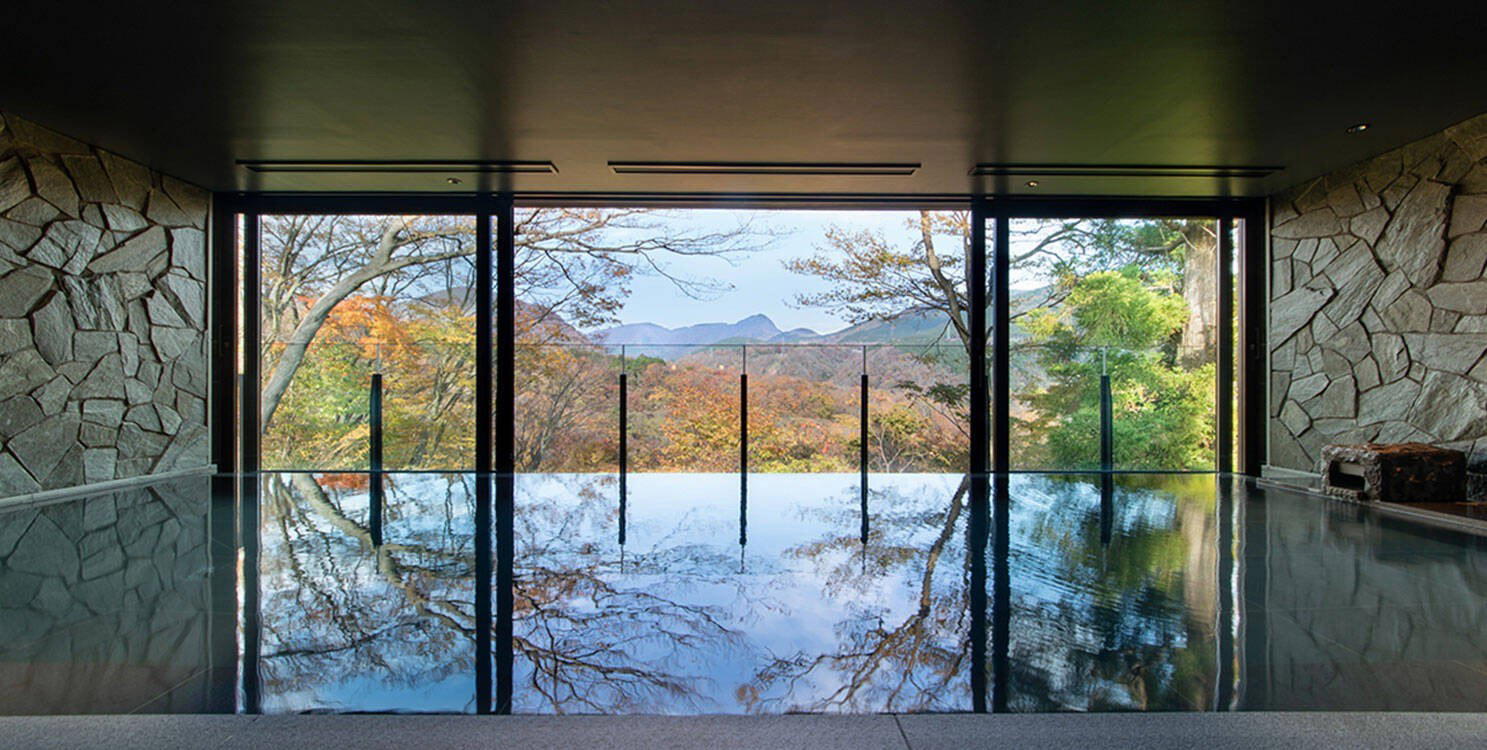
Shizuoka Prefecture sits within Japan's broader hot spring geography, and the Fuji Speedway Hotel incorporates an onsen-style spa as part of its core offer. This matters because the onsen tradition is not merely a wellness amenity in Japan, it is a structuring social ritual, and properties that engage with it seriously operate in a different register from those that offer a generic hydrotherapy suite.
In the wider Fuji-Hakone-Izu corridor, properties like Fufu Kawaguchiko and the ryokan tier at Atami Izusan Karaku have built their identities around the bath as primary experience. The Speedway Hotel positions the onsen-style spa as one element in a broader offer rather than the central one, which is appropriate given that the mountain view and the circuit access are more architecturally dominant. Guests arriving specifically for the bath experience might find more focused environments nearby; guests arriving for the full composition of this particular place will find the spa a coherent addition.
Mount Fuji and the Circuit, as Excursions
The property organises excursions to both Mount Fuji and the speedway, which is a sensible acknowledgement that the hotel sits at the intersection of two distinct visitor motivations. Fuji excursions from this part of Shizuoka vary significantly by season: the official climbing season runs from early July to mid-September, with the mountain accessible to walkers during those months. Outside that window, the views from lower elevations and the fifth station are the primary draw rather than the summit itself.
Circuit access is the more unusual proposition. Fuji Speedway hosts multiple events across the calendar, including rounds of the Super GT series and various track days, and the hotel's position on site means that guests who time their stay around an event are genuinely embedded in the experience rather than commuting to it. This is the version of the hotel that makes most editorial sense: a design-led property that turns its motorsport address into an advantage rather than an oddity.
For guests planning around the circuit schedule, booking lead times will vary considerably between event weekends and quieter periods. The 120-room count is substantial enough that availability during off-peak weeks is less pressured than at smaller destination properties, but event weekends at a working circuit require advance planning.
Where the Fuji Speedway Hotel Sits in the Broader Picture
Japan's premium hotel market now covers an enormous range of formats and price points. At one end, urban flagships like the Bvlgari Hotel Tokyo or HOTEL THE MITSUI KYOTO operate in the city-centre luxury tier. At the other, nature-embedded retreats like Amanemu in Mie or Zaborin in Kutchan offer radical seclusion. The Fuji Speedway Hotel occupies a category that neither group addresses: a design-serious property on an active infrastructure site, priced accessibly for the quality it delivers, and drawing guests whose motivations include motorsport, the mountain, and the specific pleasure of a well-made room with an extraordinary view.
See our full Oyama restaurants and hotels guide for broader context on what this part of Shizuoka offers beyond the circuit itself. Comparable properties across Japan that share the site-specific design logic include ENOWA Yufu, Azumi Setoda in Onomichi, and Beniya Kofuyuden in Awara, each of which treats its geography as a design mandate rather than a backdrop.
Practical Notes
The Fuji Speedway Hotel at 645 Omika, Oyama, Sunto District, Shizuoka operates 120 rooms from approximately $276 per night. All rooms include soaking tubs, rain showers, balconies, and floor-to-ceiling windows. The property includes an onsen-style spa, a motor sports museum, and Italian and Japanese restaurants. Excursions to Mount Fuji and the speedway are available. Guests arriving by rail should plan connections through Mishima or Gotemba stations, with the Gotemba Line serving the area. Given the rural address, a rental car or organised transfer is the most practical approach for the last leg of the journey.
How It Stacks Up
Comparable venues nearby, for context on price, style, and recognition.
| Venue | Cuisine | Price | Awards | Notes |
|---|---|---|---|---|
| Fuji Speedway HotelThis venue — the venue you are viewing | Motorsport-themed luxury resort | Not listed | 1 Michelin Key | Not listed |
| Gora Kadan Fuji | Contemporary ryokan rooted in Japanese heritage with modern architecture | Not listed | 2 Michelin Keys · Michelin Guide New Hotels New Hotel | Oyama |
| Fairmont Tokyo | Contemporary luxury skyscraper hotel blending Japanese design with international flair | Not listed | 1 Michelin Key · Virtuoso Luxury Hotel Partner | Minato |
| The Prince Gallery Tokyo Kioicho, a Luxury Collection Hotel | Contemporary luxury high-rise integrated into a mixed-use development with emphasis on modern design and panoramic urban views. | $500–750 | 1 Michelin Key · La Liste Top Hotels | Chiyoda |
| InterContinental Yokohama Pier 8 | Nautical-inspired luxury hotel blending maritime heritage with modern Japanese serenity | Not listed | 1 Michelin Key | Naka |
| Shangri-La Tokyo | Luxury high-rise hotel blending Japanese tradition with contemporary elegance. | $500–750 | 1 Michelin Key · La Liste Top Hotels | Chiyoda |
Recognition history
Dated appearances from independent guides and award organizations, with the underlying list record or original source where available.
Michelin 1 Key
Michelin
Full recognition history (2 entries)
Michelin 1 Key
Michelin
Continue exploring
More in Oyama
Hotels in Oyama
Browse all →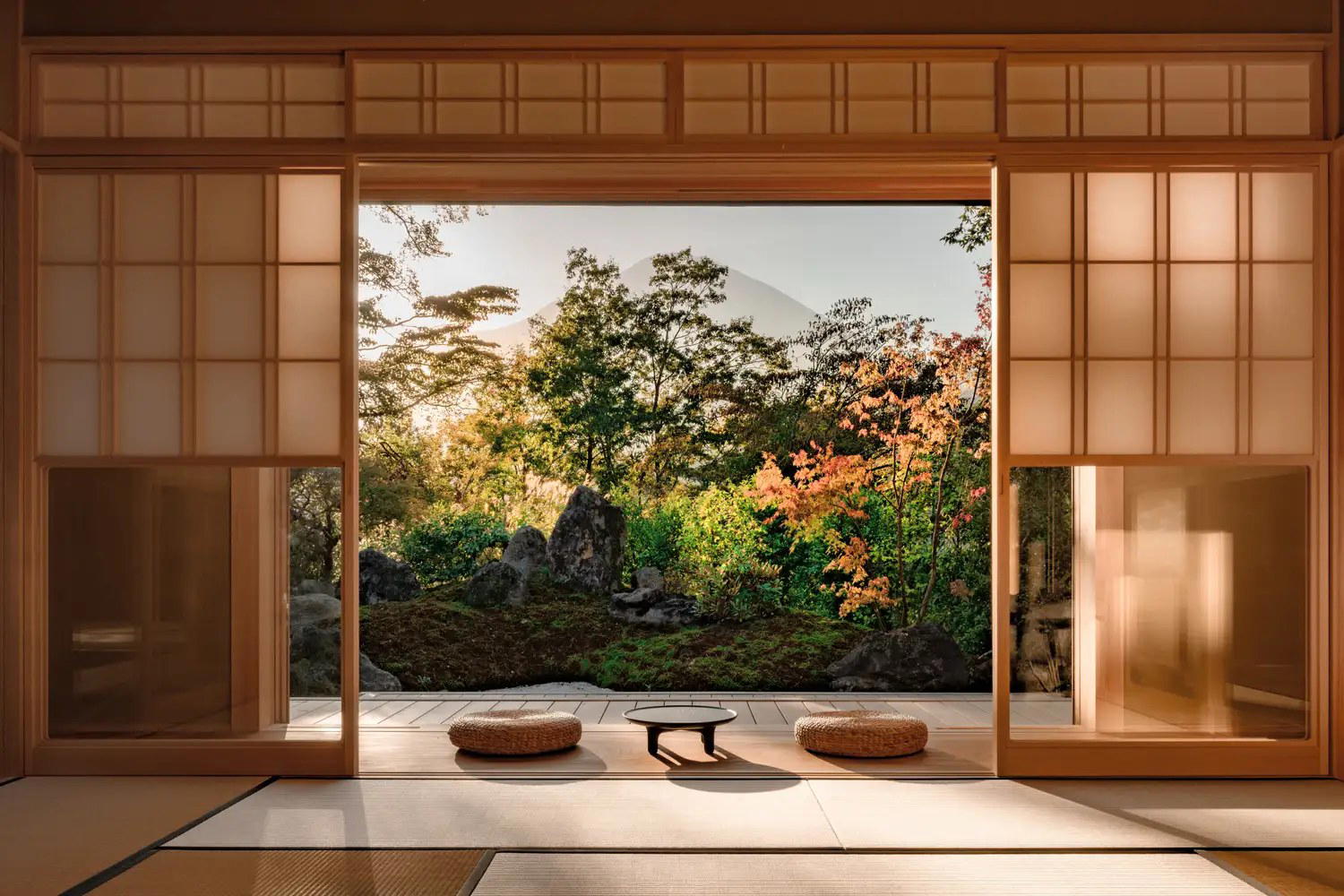
Bars in Oyama
Browse all →
Restaurants in Oyama
Browse all →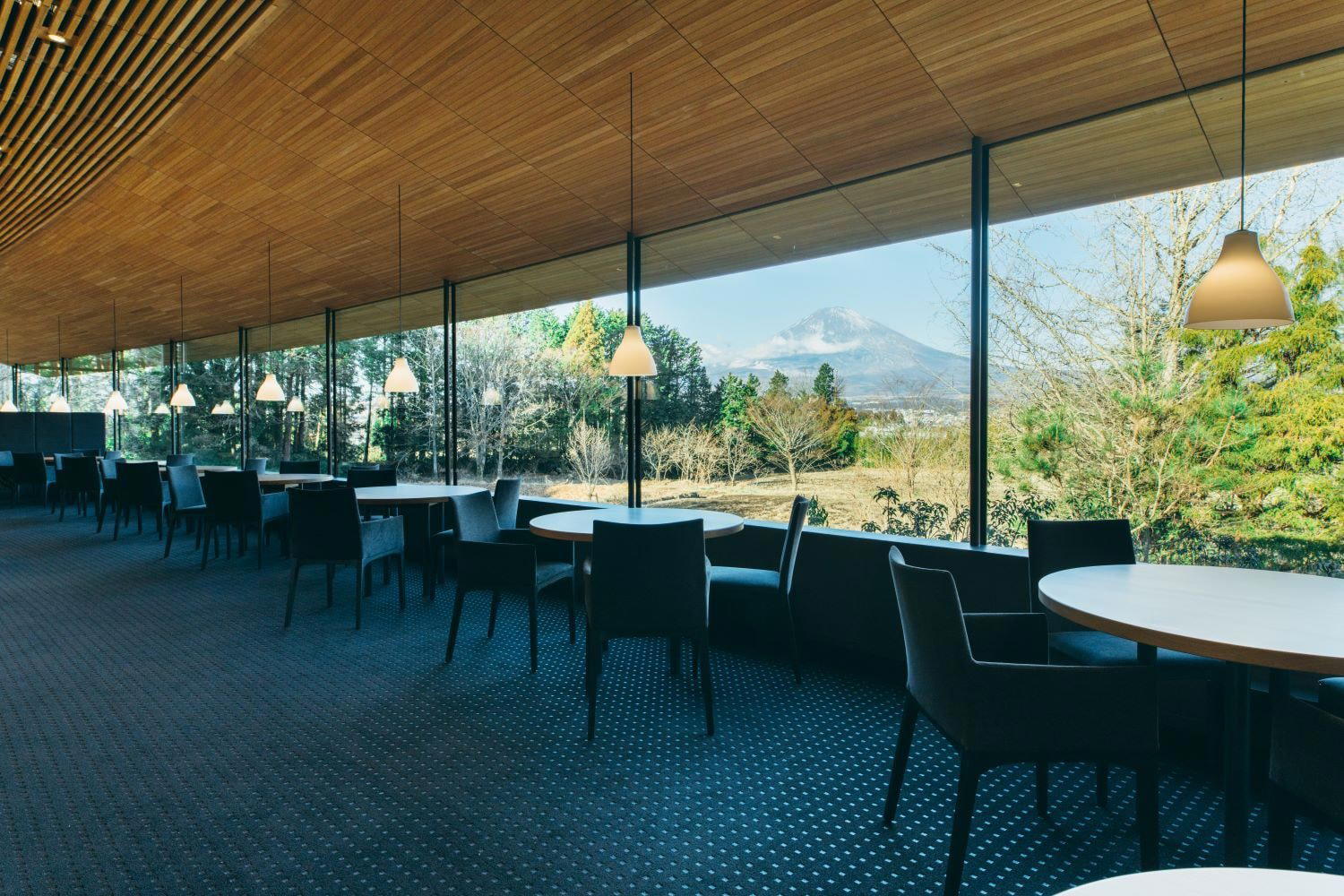
Wineries in Oyama
Browse all →
Details
- Modern
- Scenic
- Sophisticated
- Well Known
- Romantic Getaway
- Business Trip
- Weekend Escape
- Golf Course
- Panoramic View
- Wi Fi
- Pool
- Spa
- Fitness Center
- Room Service
- Concierge
- Business Center
- EV Charging
- Mountain
- Wheelchair Accessible
- Elevator
Modern minimalist design with subtle motorsport elements, soundproof rooms, elegant onsen and spa areas offering serene relaxation with Mount Fuji views.