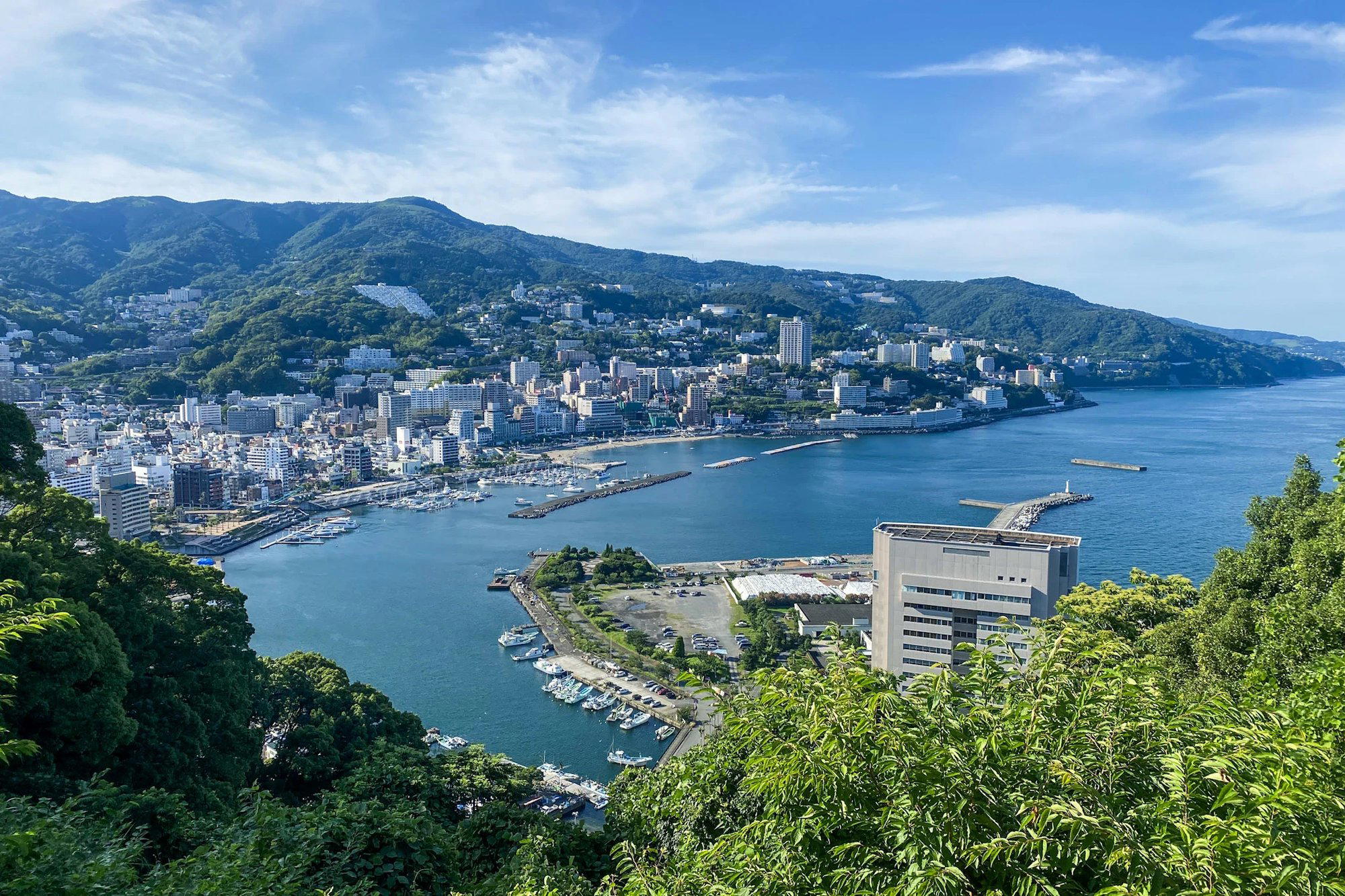
A Bar at the Edge of the Resort Belt Atami sits roughly an hour from Tokyo by shinkansen, a compact seaside city built on hot spring trade and weekend escapes from the capital. Its hospitality identity has long been organised around ryokan, onsen, and elaborate kaiseki courses — not cocktail programmes. That context matters when reading AWAI, which occupies an eighth-floor reception area at 630-1 Izusan, positioned above a city whose bar culture is still largely incidental to its main hospitality offer. Bars that exist outside the major urban centres in Japan tend to fall into one of two categories: hotel annexes serving guests out of convenience, or deliberate destination venues that have made a genuine argument for being sought out. AWAI sits in the second camp. Japan's serious bar geography has traditionally been concentrated in a few dense clusters. Star Bar Ginza in Tokyo and Lamp Bar in Nara represent the kind of sustained, recognised programmes that anchor their respective neighbourhoods as bar destinations. Bar Nayuta in Osaka and Bee's Knees in Kyoto operate within cities that already carry significant travel weight. What makes Atami's position in this picture interesting is that a dedicated bar here draws a visitor who has already made a specific choice — to come to a resort city, and then makes a second specific choice to seek out a cocktail counter rather than default to the ryokan sake trolley. The Eighth Floor as Editorial Statement Reception areas on refined floors are a particular feature of Japanese hospitality design, where arrival sequences are often choreographed across vertical space rather than unfolded horizontally at street level. Coming to AWAI means an ascent before any drink is poured, which separates it physically from the street-entry bar format common in Tokyo's drinking districts. The view over Atami and Sagami Bay at that height is not incidental, it functions as part of what the experience is selling, and in a resort city, a prospect over water carries real weight. This kind of positioning is not unique to AWAI within Japan's broader hospitality scene, but it is relatively rare in the Shizuoka prefecture context. Most of Atami's beverage offers exist in service of the meal, either as part of ryokan dinner formats or in informal izakaya settings scattered through the city's commercial streets. A bar operating on its own terms, at elevation, with a distinct identity, represents a different proposition. Cocktail Geography: Where Atami Fits Japan's craft cocktail culture has been expanding outward from its traditional urban anchors over the past decade. Cities like Nara, Hiroshima, and Kumamoto now have bars that could hold their own against Tokyo's mid-tier programmes, Spirale in Hiroshima and Yakoboku in Kumamoto are part of that outward movement. Atami, as a resort destination rather than a residential city, presents a different dynamic: its customer base is largely transient, arriving from Tokyo and Nagoya for short stays, which makes the economics of running a serious cocktail programme more challenging than in a city with a stable local clientele. That transient dynamic also creates an opportunity. A visitor to Atami is already in a state of deliberate leisure, they have come specifically to step away from routine, which makes them more likely to engage with a bar on its own terms than a Tokyoite rushing through Shimbashi on a Tuesday evening. The resort context, in other words, may support the kind of unhurried drinking that serious cocktail programmes benefit from. Comparable observations apply to bars in other destination hotel environments, from Hotel Okura Kyoto to international resort properties where the guest's temporal frame is already expanded. What to Drink and How to Order The venue data available for AWAI does not include a confirmed menu, specific signature cocktails, or pricing, so any attempt to prescribe particular drinks would move outside what can be verified. What the address and format suggest is a bar operating in the Japanese tradition of counter service with high attention to craft, a tradition that runs from the precise pours of Ginza's established houses through to newer programmes in secondary cities. Within that tradition, the standard approach is to speak to the bartender directly about preference: spirit base, preferred style (stirred, shaken, sour, long), and whether you want something Japanese in character or something from the international canon. Bars at this positioning in Japan tend to stock considered Japanese whisky selections alongside imported spirits, and seasonal Japanese ingredients often appear in the modifier or garnish tier. For visitors arriving from Yokohama or the Tokyo corridor, the bar represents an easy extension of a well-established drinking culture; for international visitors less familiar with the Japanese bar format, the counter-and-bartender dialogue structure rewards some prior reading on how to engage with it. Planning the Visit Atami is accessible from Tokyo's Shinkansen network in approximately 50 minutes on the Tokaido line, a short enough ride that it functions as a genuine day-trip destination, though most visitors combine it with an overnight onsen stay. AWAI's eighth-floor position at Izusan means it is slightly removed from Atami's central station area, which sits closer to the main seafront. The Izusan district, known historically for its shrine and refined residential character, is quieter than the commercial centre, which reinforces the bar's positioning as a deliberate destination rather than a casual drop-in. For those planning a broader sweep of Japan's emerging bar geography, Tempura Tarojiro in Osaka and Café La Trova in Miami represent very different expressions of the bar-as-destination concept, useful reference points for understanding how much the format varies across contexts. Our full Atami restaurants guide maps the broader food and drink picture across the city for those building a longer itinerary. Frequently Asked Questions What is the general vibe at AWAI?AWAI operates from an eighth-floor reception area in Atami's Izusan district, which gives it a distinctly refined, calm register, well removed from the denser commercial energy of the city centre. Atami's resort character means the visitor demographic skews toward people already in a leisure frame rather than after-work drinkers, which tends to produce a more considered, slower-paced atmosphere than you would find in a Tokyo bar district. Because specific capacity data is not confirmed, the scale of the space is not something we can verify precisely, but the format suggests a counter-led, intimate setting. at AWAI?Confirmed menu data for AWAI is not available, so specific recommendations cannot be made with confidence. In the broader context of Japan's serious bar culture, the most reliable approach at a bartender-led counter is to open with a preference conversation rather than ordering from a list. Japanese whisky highballs and spirit-forward stirred drinks are the two styles most consistently executed well across this tier of Japanese bar, and seasonal Japanese ingredients often inform at least part of the modifier selection. Let the bartender know your spirit preference and preferred intensity.What should I know before visiting AWAI?AWAI is in Atami's Izusan district rather than the main station area, so factor in travel time within the city. Atami itself is roughly 50 minutes from Tokyo on the Tokaido Shinkansen, making it viable as a day trip, though most visitors combine it with an onsen stay. Pricing data is also unconfirmed, but the address and format place it in the mid-to-upper tier of Japan's regional bar market.Is AWAI worth visiting if you are already staying in Atami for an onsen trip?For visitors whose Atami itinerary is built around ryokan and kaiseki, AWAI offers a meaningful alternative to the in-house beverage formats that dominate the resort circuit. Japan's onsen resort towns have historically offered limited serious bar options, which makes a dedicated cocktail counter at this address a stronger proposition relative to its local context than it might appear from the address alone. The eighth-floor position also makes it a natural evening endpoint, with the bay view available at a remove from the main tourist corridors that concentrate around Atami's station and beachfront.

Pearl is the En Primeur Club membership app — saves, bookings, and concierge access live there. Same editors, same standards.
- Address
- 630番地1 Izusan, Atami, Shizuoka 413-0002, Japan
- Phone
- +81 557-55-7900
- Directions
- Get directions
A Bar at the Edge of the Resort Belt
Atami sits roughly an hour from Tokyo by shinkansen, a compact seaside city built on hot spring trade and weekend escapes from the capital. Its hospitality identity has long been organised around ryokan, onsen, and elaborate kaiseki courses — not cocktail programmes. That context matters when reading AWAI, which occupies an eighth-floor reception area at 630-1 Izusan, positioned above a city whose bar culture is still largely incidental to its main hospitality offer. Bars that exist outside the major urban centres in Japan tend to fall into one of two categories: hotel annexes serving guests out of convenience, or deliberate destination venues that have made a genuine argument for being sought out. AWAI sits in the second camp.
Japan's serious bar geography has traditionally been concentrated in a few dense clusters. Star Bar Ginza in Tokyo and Lamp Bar in Nara represent the kind of sustained, recognised programmes that anchor their respective neighbourhoods as bar destinations. Bar Nayuta in Osaka and Bee's Knees in Kyoto operate within cities that already carry significant travel weight. What makes Atami's position in this picture interesting is that a dedicated bar here draws a visitor who has already made a specific choice — to come to a resort city, and then makes a second specific choice to seek out a cocktail counter rather than default to the ryokan sake trolley.
The Eighth Floor as Editorial Statement
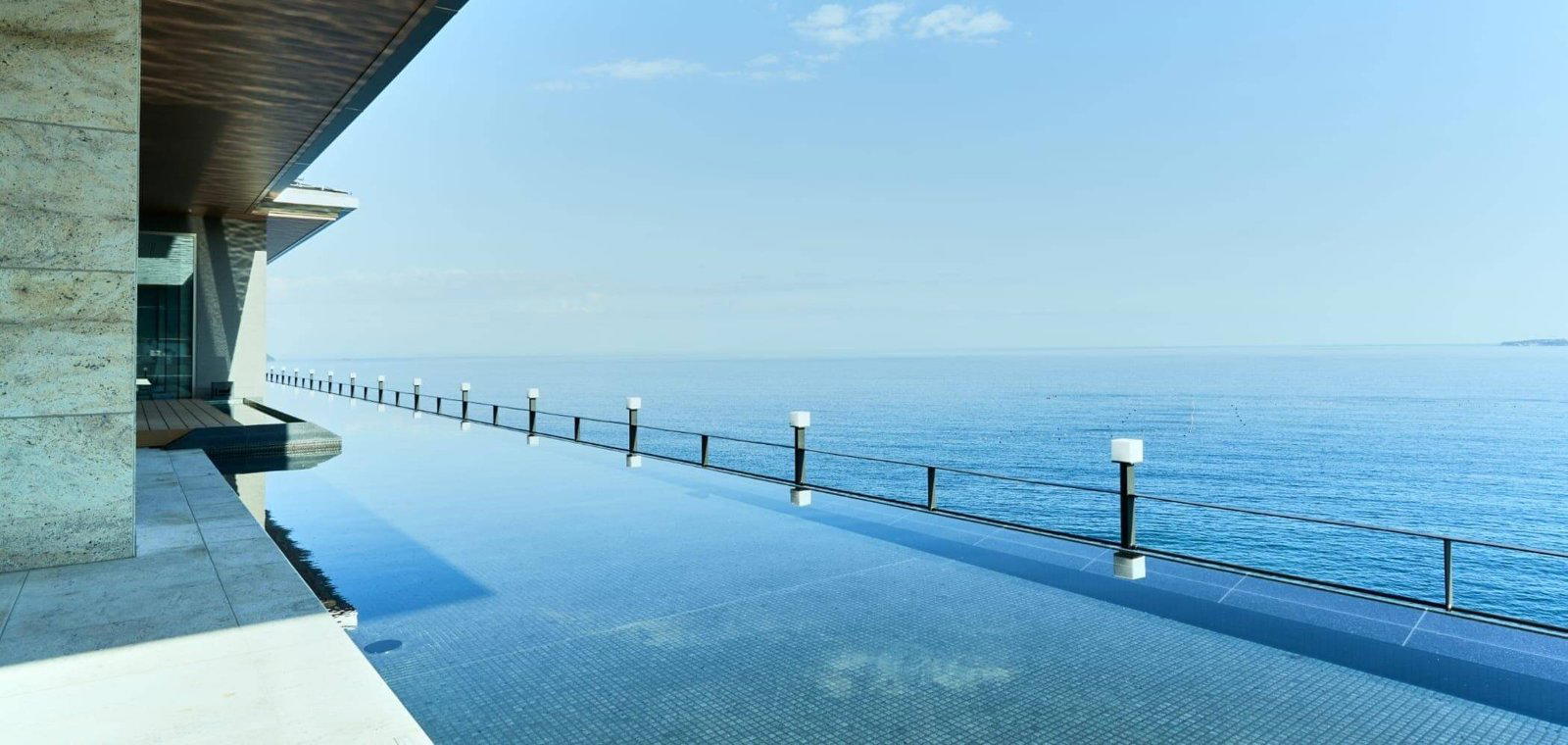
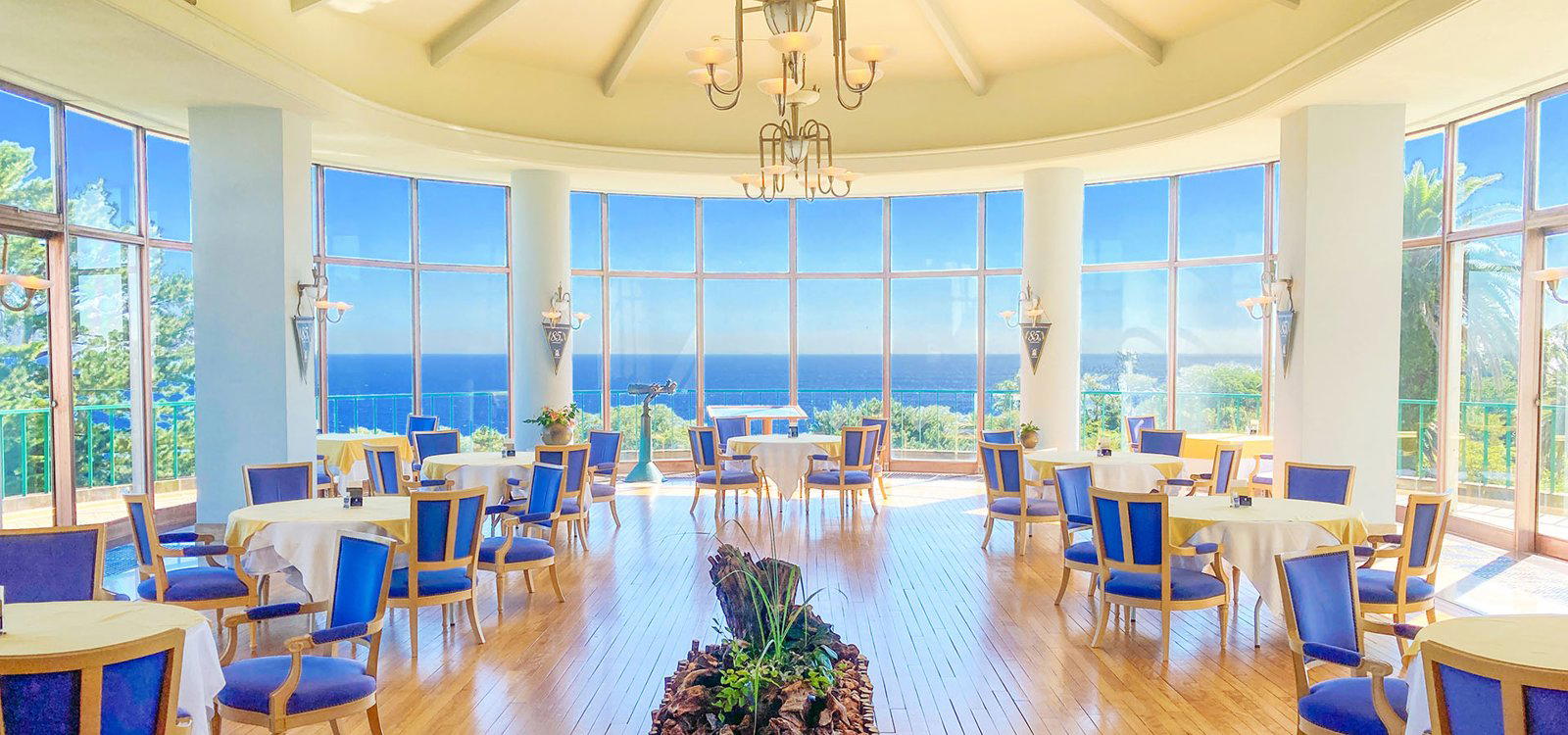
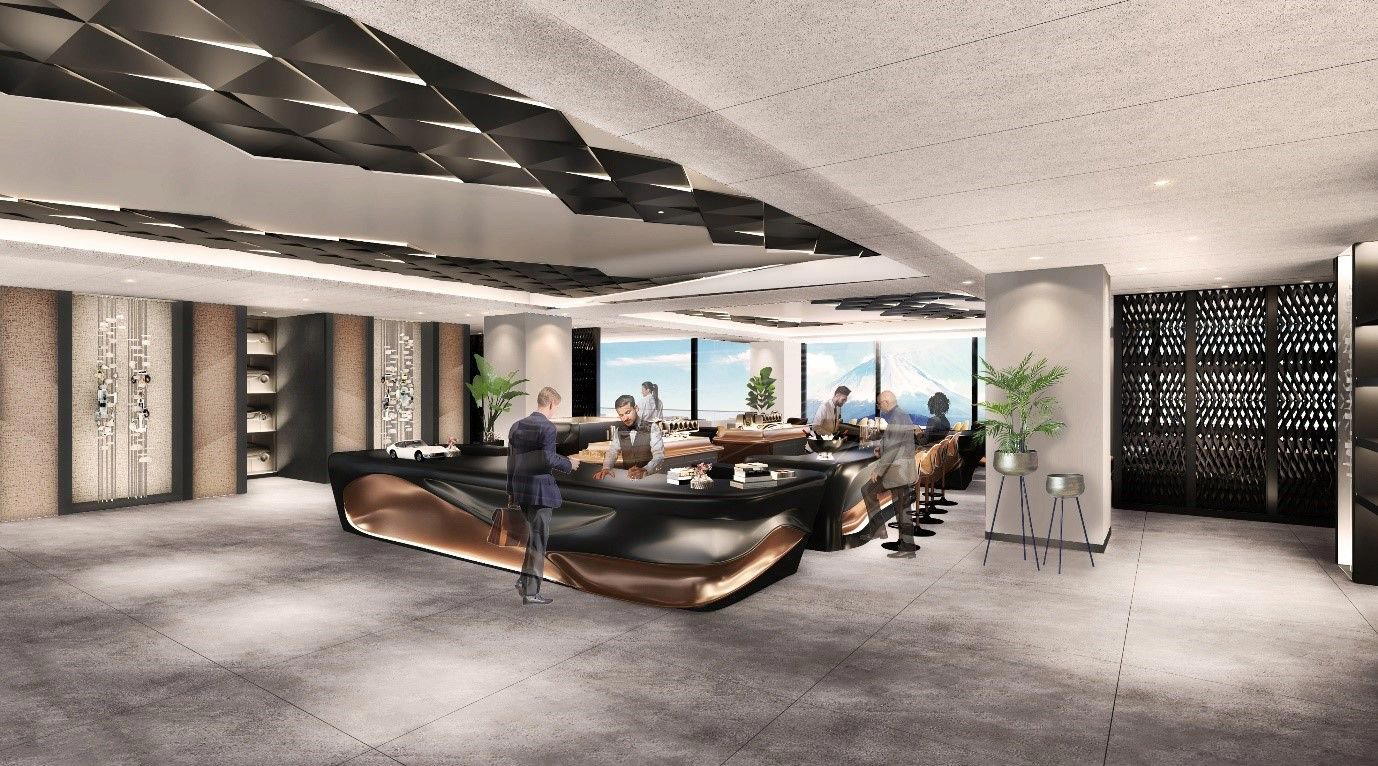
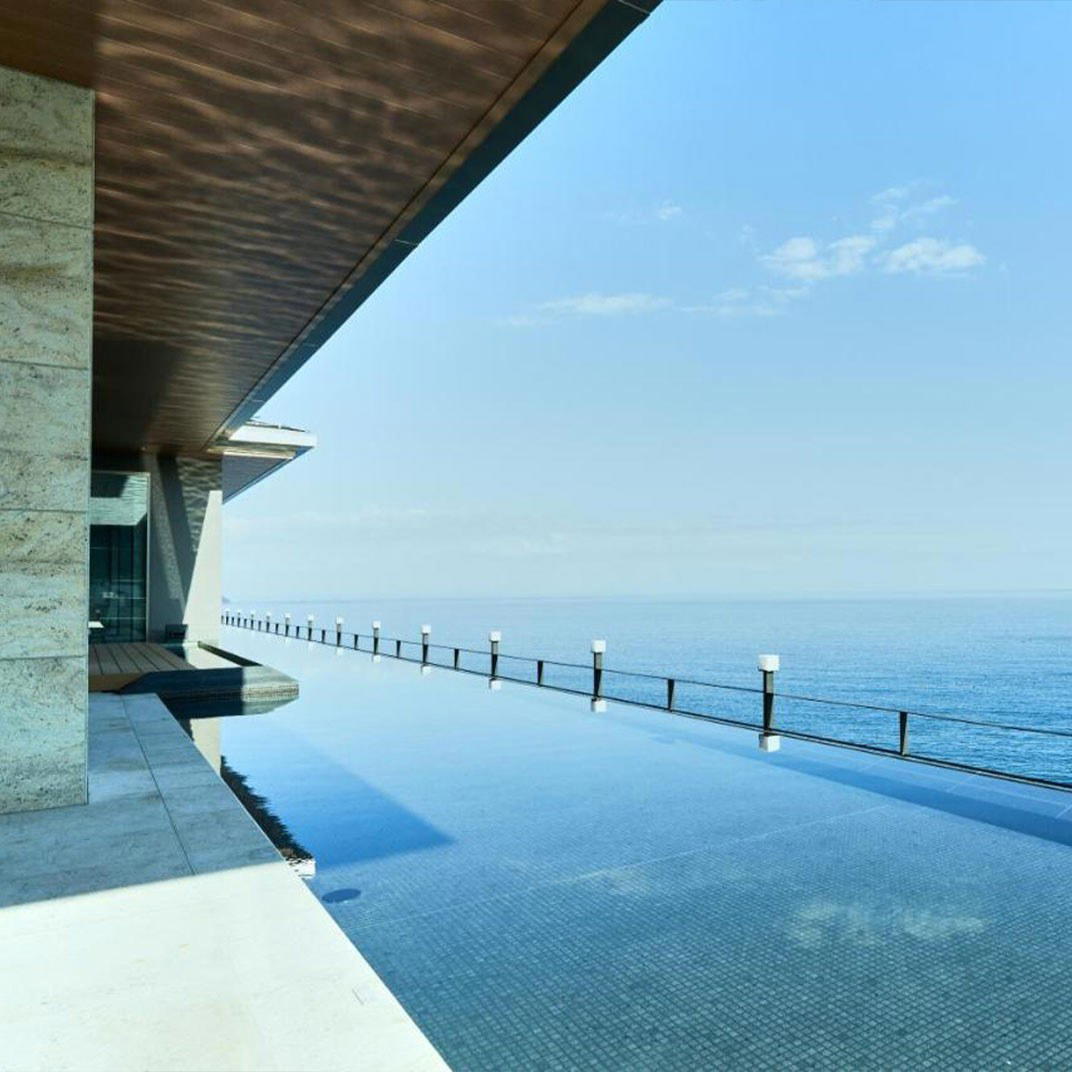
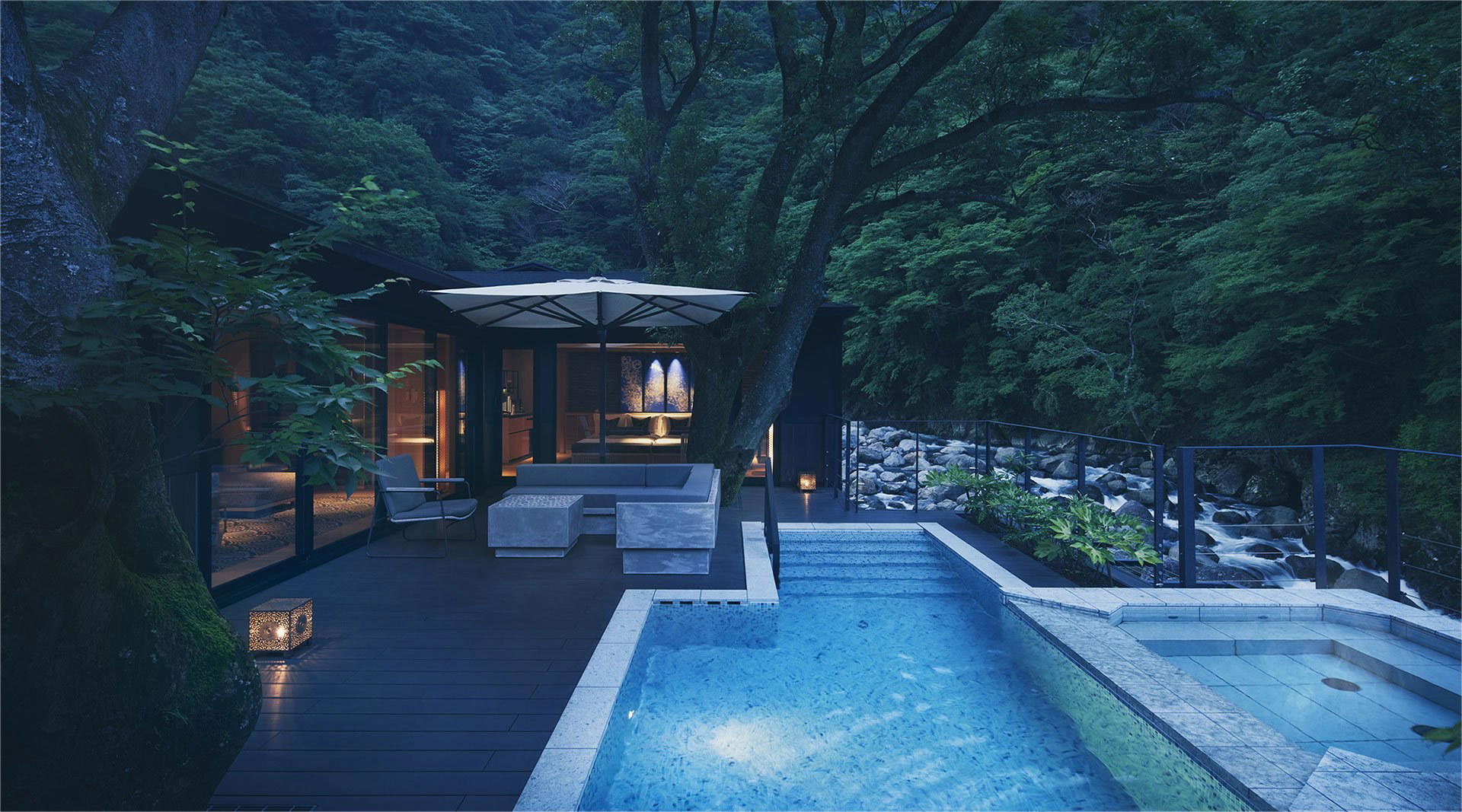
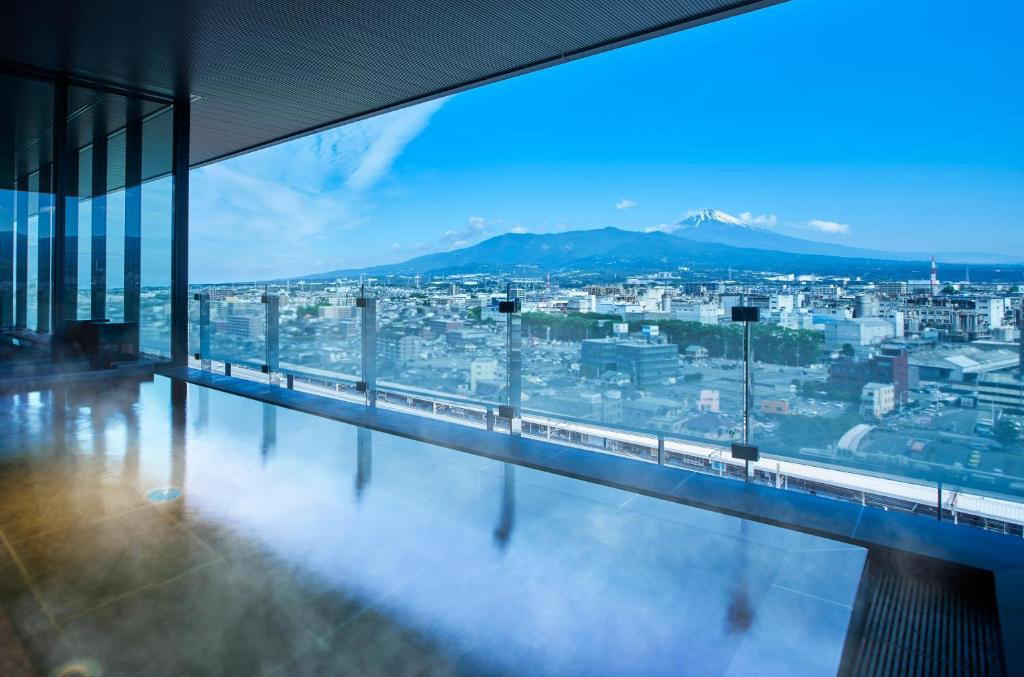
Reception areas on refined floors are a particular feature of Japanese hospitality design, where arrival sequences are often choreographed across vertical space rather than unfolded horizontally at street level. Coming to AWAI means an ascent before any drink is poured, which separates it physically from the street-entry bar format common in Tokyo's drinking districts. The view over Atami and Sagami Bay at that height is not incidental, it functions as part of what the experience is selling, and in a resort city, a prospect over water carries real weight.
This kind of positioning is not unique to AWAI within Japan's broader hospitality scene, but it is relatively rare in the Shizuoka prefecture context. Most of Atami's beverage offers exist in service of the meal, either as part of ryokan dinner formats or in informal izakaya settings scattered through the city's commercial streets. A bar operating on its own terms, at elevation, with a distinct identity, represents a different proposition.
Cocktail Geography: Where Atami Fits
Japan's craft cocktail culture has been expanding outward from its traditional urban anchors over the past decade. Cities like Nara, Hiroshima, and Kumamoto now have bars that could hold their own against Tokyo's mid-tier programmes, Spirale in Hiroshima and Yakoboku in Kumamoto are part of that outward movement. Atami, as a resort destination rather than a residential city, presents a different dynamic: its customer base is largely transient, arriving from Tokyo and Nagoya for short stays, which makes the economics of running a serious cocktail programme more challenging than in a city with a stable local clientele.
That transient dynamic also creates an opportunity. A visitor to Atami is already in a state of deliberate leisure, they have come specifically to step away from routine, which makes them more likely to engage with a bar on its own terms than a Tokyoite rushing through Shimbashi on a Tuesday evening. The resort context, in other words, may support the kind of unhurried drinking that serious cocktail programmes benefit from. Comparable observations apply to bars in other destination hotel environments, from Hotel Okura Kyoto to international resort properties where the guest's temporal frame is already expanded.
What to Drink and How to Order
The venue data available for AWAI does not include a confirmed menu, specific signature cocktails, or pricing, so any attempt to prescribe particular drinks would move outside what can be verified. What the address and format suggest is a bar operating in the Japanese tradition of counter service with high attention to craft, a tradition that runs from the precise pours of Ginza's established houses through to newer programmes in secondary cities. Within that tradition, the standard approach is to speak to the bartender directly about preference: spirit base, preferred style (stirred, shaken, sour, long), and whether you want something Japanese in character or something from the international canon.
Bars at this positioning in Japan tend to stock considered Japanese whisky selections alongside imported spirits, and seasonal Japanese ingredients often appear in the modifier or garnish tier. For visitors arriving from Yokohama or the Tokyo corridor, the bar represents an easy extension of a well-established drinking culture; for international visitors less familiar with the Japanese bar format, the counter-and-bartender dialogue structure rewards some prior reading on how to engage with it.
Planning the Visit
Atami is accessible from Tokyo's Shinkansen network in approximately 50 minutes on the Tokaido line, a short enough ride that it functions as a genuine day-trip destination, though most visitors combine it with an overnight onsen stay. AWAI's eighth-floor position at Izusan means it is slightly removed from Atami's central station area, which sits closer to the main seafront. The Izusan district, known historically for its shrine and refined residential character, is quieter than the commercial centre, which reinforces the bar's positioning as a deliberate destination rather than a casual drop-in.
For those planning a broader sweep of Japan's emerging bar geography, Tempura Tarojiro in Osaka and Café La Trova in Miami represent very different expressions of the bar-as-destination concept, useful reference points for understanding how much the format varies across contexts. Our full Atami restaurants guide maps the broader food and drink picture across the city for those building a longer itinerary.
Details
- Scenic
- Elegant
- Quiet
- Sophisticated
- Intimate
- Special Occasion
- Date Night
- Solo
- Casual Hangout
- Hotel Bar
- Panoramic View
- Design Destination
- Lounge Seating
- Seated Bar
- Sake
- Zero Proof
- Waterfront
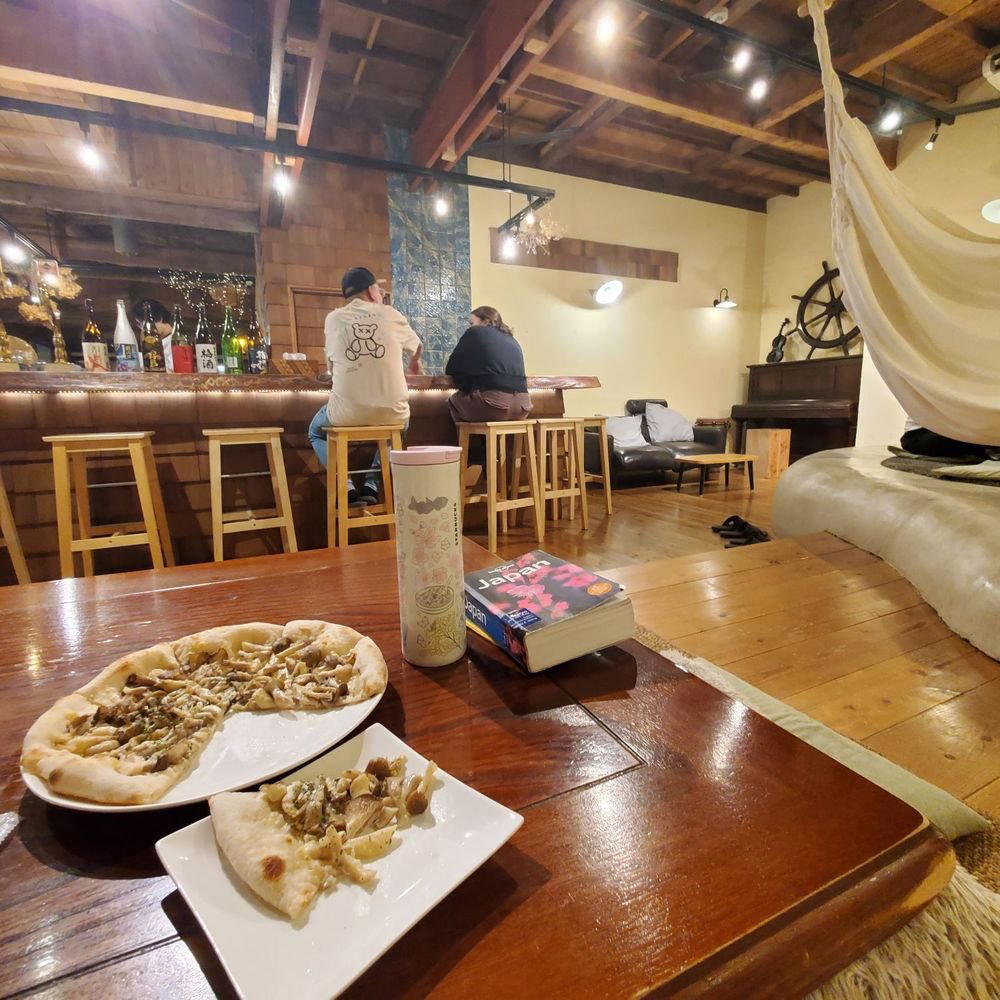
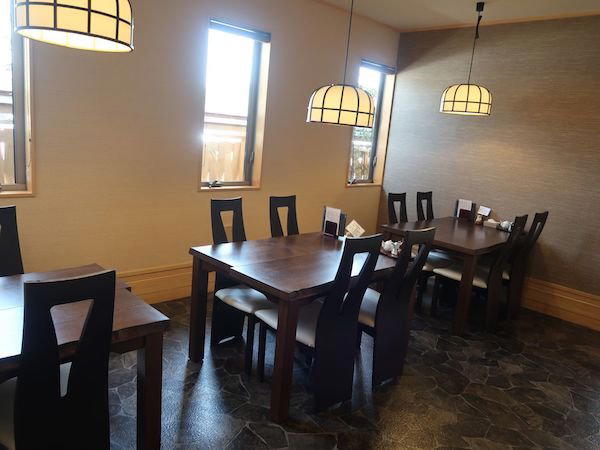
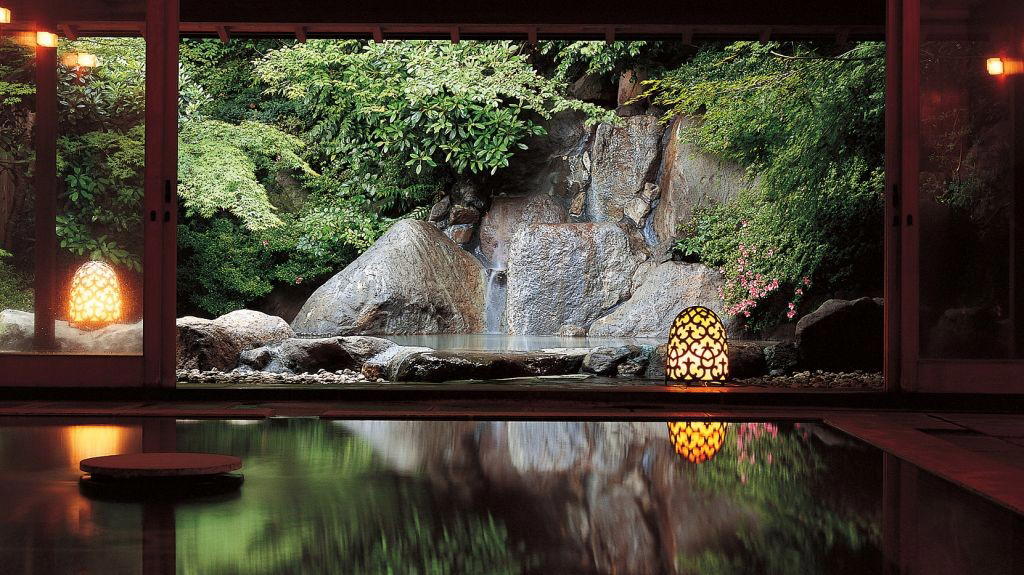
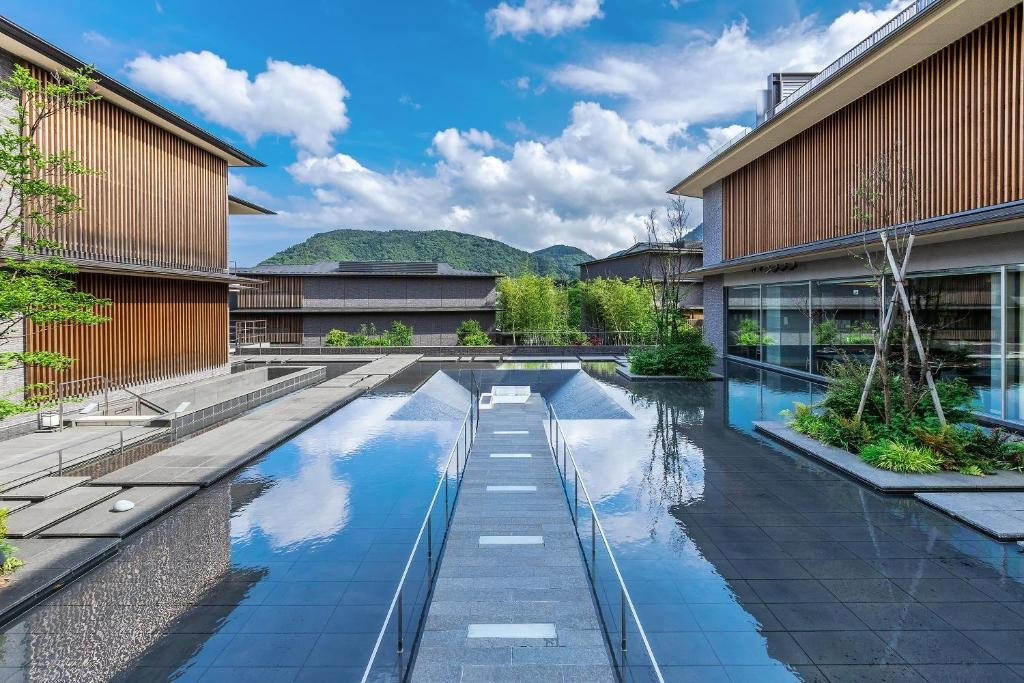
A serene, design-forward lounge with ocean-view relaxation, soft daylight by day, and a more intimate bar atmosphere at night; the venue emphasizes calm, luxurious time framed by sea views and hot-spring leisure.