Amazake Chaya

Tabelog 100 #40
Our verdict
Amazake Chaya places Hakone’s old-road refreshment culture in sharp focus: Japanese sweets, amazake, kakigori, and a tatami-room format rather than resort dining gloss. Its Tabelog 100 selection for Japanese traditional sweets and sweets cafe in East Japan gives the stop a credible reason to matter beyond convenience, especially for travelers reading Hakone through local ingredients and mountain-road rituals.

Pearl is the En Primeur Club membership app — saves, bookings, and concierge access live there. Same editors, same standards.
- Address
- Japan, 〒250-0314 Kanagawa, Ashigarashimo District, Hakone, Hatajuku, 二子山 395-28
- Phone
- +81 460-83-6418
- Hours
- Daily 7 AM–5:30 PM
- Website
- amasake-chaya.jp
- Directions
- Get directions
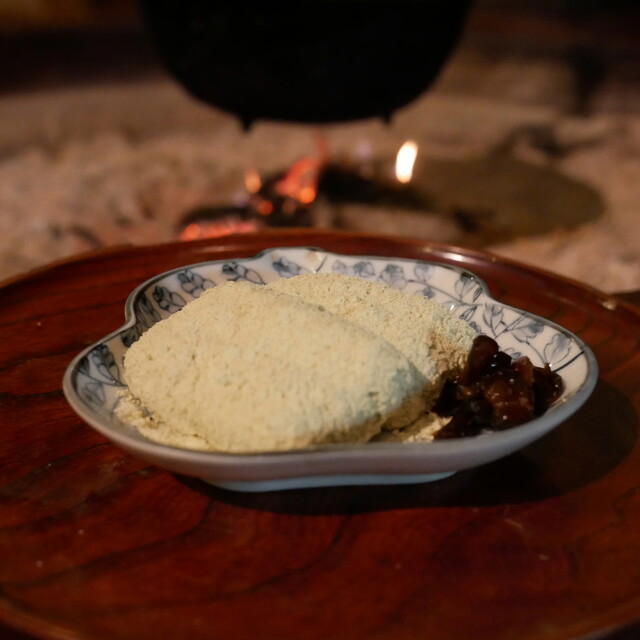
The menu
What to order
- Amazake (sweet rice drink)
- Chikara mochi (charcoal-grilled rice cakes)
- Miso oden
- Shaved ice (summer)
The approach to Hakone’s old road changes the appetite before the menu does. Forest, slope, and the rhythm of travel make a bowl of sweet fermented rice drink feel less like a café order than a piece of road culture. In a resort district where hotel dining can tilt toward imported luxury cues, Amazake Chaya keeps the frame older and narrower: Japanese sweets, amazake, kakigori, tatami, and the logic of a mountain rest stop.
That distinction matters in Ashigarashimo-Gun. Hakone is often sold through ryokan dinners, lake views, and private baths, but its food identity also depends on small, practical pauses between stations, trails, and bus routes. Sweet shops and tea houses do a different job from restaurants built around courses. They make local travel edible in short form. For a wider reading of the area’s dining map, Our full Ashigarashimo-Gun restaurants guide gives the broader context, while nearby references such as Cha no Chimoto, Chimoto Ekimae doori ten, Bread & Circus, and Arai Shoten show how compact, specialty-led eating sits beside Hakone’s larger hospitality economy.
A mountain-road sweets house, not a resort café
Japanese sweets cafés in onsen towns are often judged by convenience, but the stronger examples have a more specific role: they preserve formats that predate the modern leisure circuit. Amazake belongs to that category. Made from rice koji or sake lees depending on style, it connects sweetness, fermentation, and nourishment without needing the structure of dessert. Kakigori, wagashi, and tea-house service extend the same idea: small portions, seasonal temperature, and a pause in movement.
Amazake Chaya’s recognition on the Tabelog 100 list for Japanese traditional sweets and Japanese sweets café in East Japan in 2023 is useful because it places the shop inside a regional sweets conversation rather than only a Hakone sightseeing itinerary. Tabelog also lists previous sweets-category selections in 2019, 2020, and 2022, which signals repeated attention across several cycles. The score attached to the listing is 3.67, a solid figure in Japan’s cautious review culture, where numbers do not inflate as easily as they do on many international platforms.
The competitive set in Ashigarashimo-Gun splits sharply. Salon de the ROSAGE operates in a higher-priced tea-salon register, Watanabe Bakery sits at a lower everyday spend, and PICOT occupies a comparable casual bracket. At the opposite end, Suiyo Ekushibu hakone rikyuu and Sumibi Teppan Yaki Toki belong to high-spend dining, not the sweets-café lane. That spread is the point: Hakone’s serious eating is not confined to dinner. A short stop for fermented rice drink and traditional sweets can carry as much local meaning as a formal table, especially when the ingredient base is so closely tied to rice, water, and preservation.
Ingredient logic: rice, sweetness, cold, and heat
The ingredient story here is disciplined because the categories are disciplined. Amazake draws attention to rice as a sweetener and ferment, not only as a staple. Wagashi depends on calibrated sweetness and texture rather than butter-rich pastry. Kakigori turns ice, syrup, and topping into a temperature study, which is why it belongs naturally in Japan’s summer sweets culture but remains legible in an onsen town year-round as contrast to heat, walking, and bathing.
This is where Hakone’s setting becomes more than scenery. Mountain routes historically rewarded food that could restore energy without demanding a long meal. Fermented rice drinks fit that pattern: gentle sweetness, soft acidity when present, and a sense of sustenance without heaviness. The room reinforces that slower grammar. Tatami seating and a house-restaurant feel pull the experience away from the glossy resort lounge and toward a domestic register, closer to a roadside pause than a staged afternoon tea.
For travelers comparing categories, this is not the same decision as choosing Chinese Suiyo or a destination dinner. It is closer to understanding how a town feeds people between larger plans. The same logic explains why bread shops, sweets counters, and small cafés matter in Japanese resort areas: they form the daytime infrastructure of taste. Readers building a wider Japan itinerary can place the Hakone stop beside regional and international references, from -Grilled beef Sukiyaki- KAMAKURA TANUKIAN 鎌倉 たぬき庵 in Kamakura and. 鮪と炭火焼き うお炭 秋葉原店 in Tokyo to.cafe in Osaka.know in Kumamoto, (Shoku) Vietnam in Kawasaki, and [Curry Senmon Ten] Maruyama Kyoju. in Sapporo. Outside Japan, Jōdo Saké Bar in Los Angeles and Onigiri Time in Pasadena show how rice-centered formats translate abroad, though Hakone’s version is rooted in place rather than adaptation.
How to fold it into a Hakone day
The strongest use of Amazake Chaya is as a hinge in the day, not as a substitute for a long lunch or ryokan dinner. It suits travelers moving through Hatajuku and the old-road side of Hakone, especially those who want a food stop with cultural weight rather than another resort café. The practical appeal is also clear: the spend sits in an accessible sweets-café range, reservations are listed as available, parking is available, and payment is cash-led, with cards, electronic money, and QR payments not accepted.
Families get an easy read here because the format is casual, the categories are familiar enough for children, and private rooms are not part of the proposition. Groups should think in terms of a pause, not a private gathering. Non-smoking service is listed, with a smoking area outside. For broader planning around the district, Our full Ashigarashimo-Gun hotels guide, Our full Ashigarashimo-Gun bars guide, Our full Ashigarashimo-Gun wineries guide, and Our full Ashigarashimo-Gun experiences guide help separate the tea-house stop from the rest of the itinerary. The editorial verdict is simple: in Hakone, this is a persuasive argument for treating sweets, fermentation, and rest as part of the destination rather than filler between views.
Frequently asked questions
Does Amazake Chaya work for a family meal?
Yes, it suits a family stop, especially for travelers passing through Hakone, Ashigarashimo-Gun. The price range sits at JPY 1,000–1,999, and the menu focus is Japanese traditional sweets and kakigori.
What's the vibe at Amazake Chaya?
It feels like a tatami-room tea house with a relaxed pace, not a polished café. The house sits in Hatajuku, Hakone, and its Tabelog 100 EAST 2023 selection gives it clear local credibility.
Is Amazake Chaya more mid-range or high-end?
Pricing at Amazake Chaya is listed as JPY 1,000 - JPY 1,999 JPY 1,000 - JPY 1,999 View spending breakdown.
What days is Amazake Chaya closed?
Hours at Amazake Chaya: Mon: 7 AM–5:30 PM; Tue: 7 AM–5:30 PM; Wed: 7 AM–5:30 PM; Thu: 7 AM–5:30 PM; Fri: 7 AM–5:30 PM; Sat: 7 AM–5:30 PM; Sun: 7 AM–5:30 PM.
Quick Comparison
Comparable venues by cuisine and price in the same metro.
| Venue | Cuisine | Price | Awards | Notes |
|---|---|---|---|---|
| Amazake ChayaThis venue — the venue you are viewing | Traditional Hakone teahouse – amazake and mochi | $10–20 | Tabelog 100 #40 | Not listed |
| Bread & Circus | Japanese Bakery Café | Not listed | Tabelog 100 #80 | Yugawara-machi |
| Ito Ke no Tsubo | Japanese Sushi Omakase | Not listed | Tabelog 100 #24 | Manazuru |
| Cha no Chimoto | Traditional Japanese Wagashi Café | $10–20 | Tabelog 100 #39 | Hakone Yumoto |
| Kikukawa Shoten | Japanese Confectionery | $1–10 | Tabelog 100 #71 | Hakone-Yumoto |
| Sumibi Teppan Yaki Toki | Teppanyaki & Charcoal-Grilled Japanese | Not listed | Tabelog 100 #30 | / Ashigarashimo-gun |
Recognition history
Dated appearances from independent guides and award organizations, with the underlying list record or original source where available.
Tabelog 100 #40 · No. 40
Tabelog · Tabelog 100 - Japanese traditional sweets / Japanese sweets cafe - EAST - 2023
Continue exploring
More in Ashigarashimo-Gun
Restaurants in Ashigarashimo-Gun
Browse all →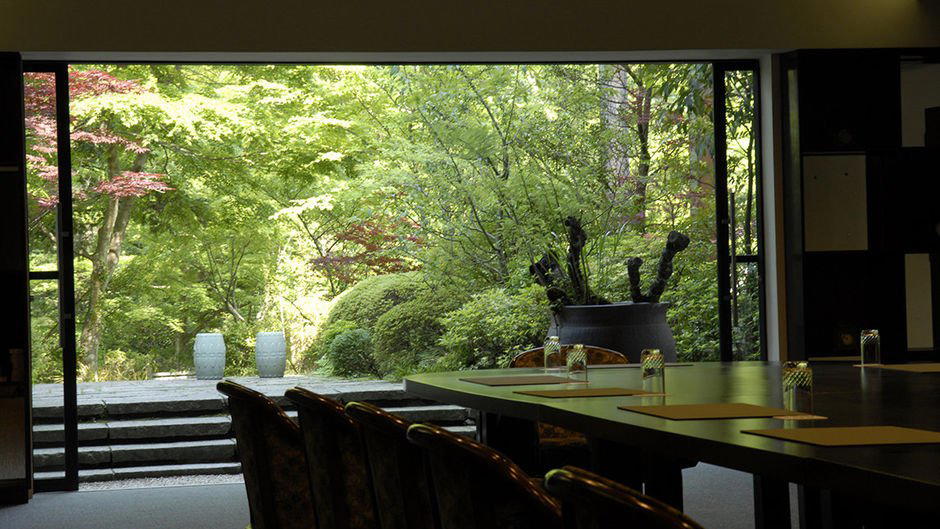
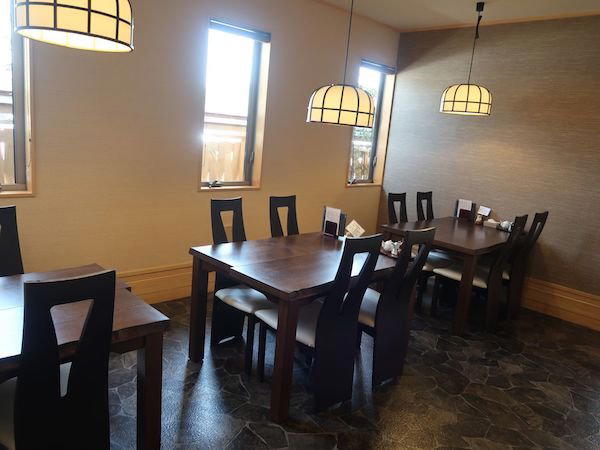
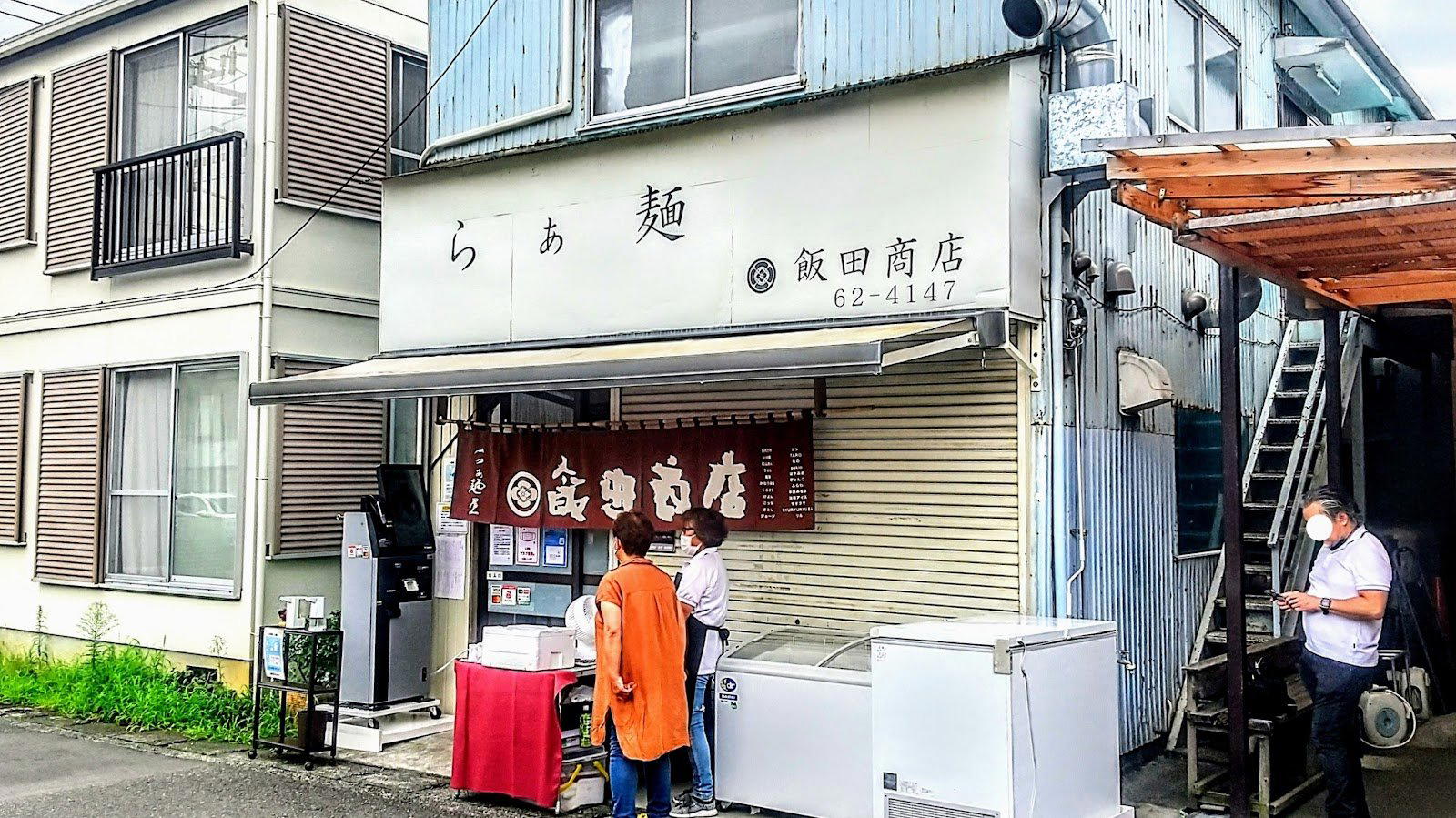
Bars in Ashigarashimo-Gun
Browse all →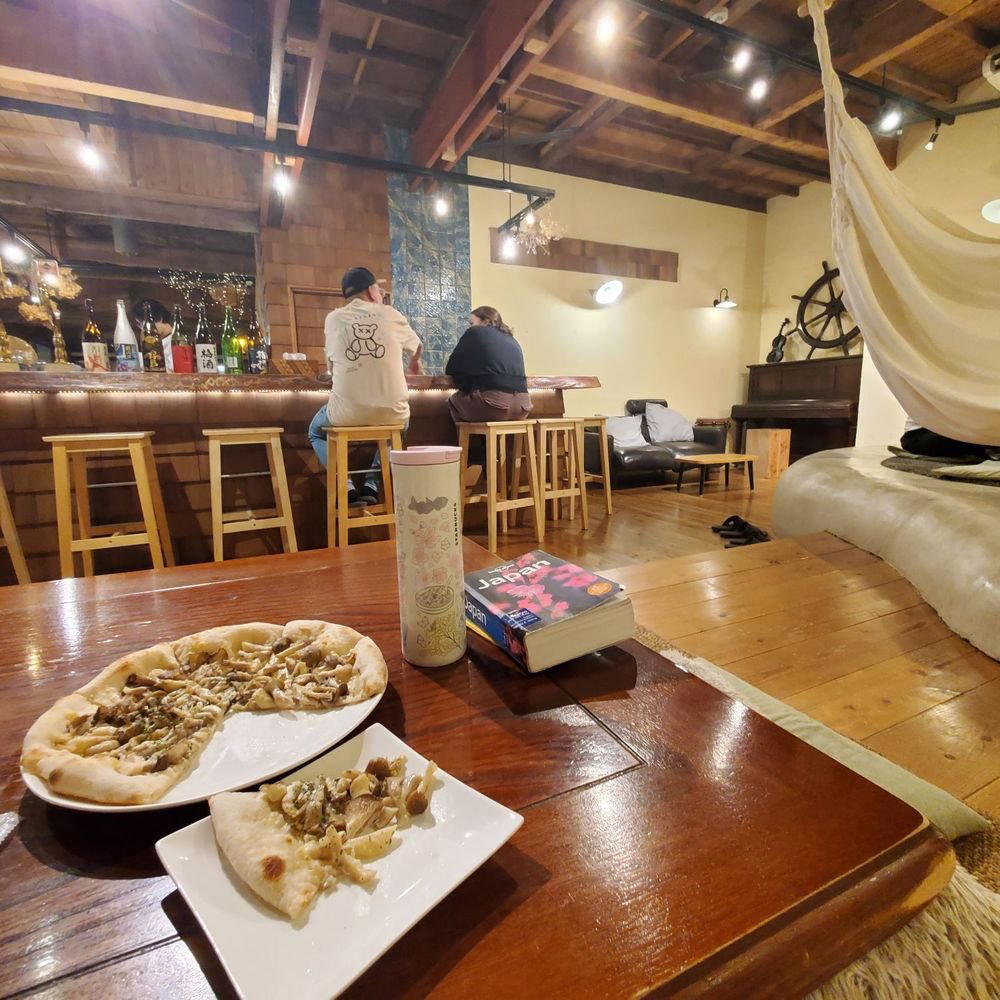
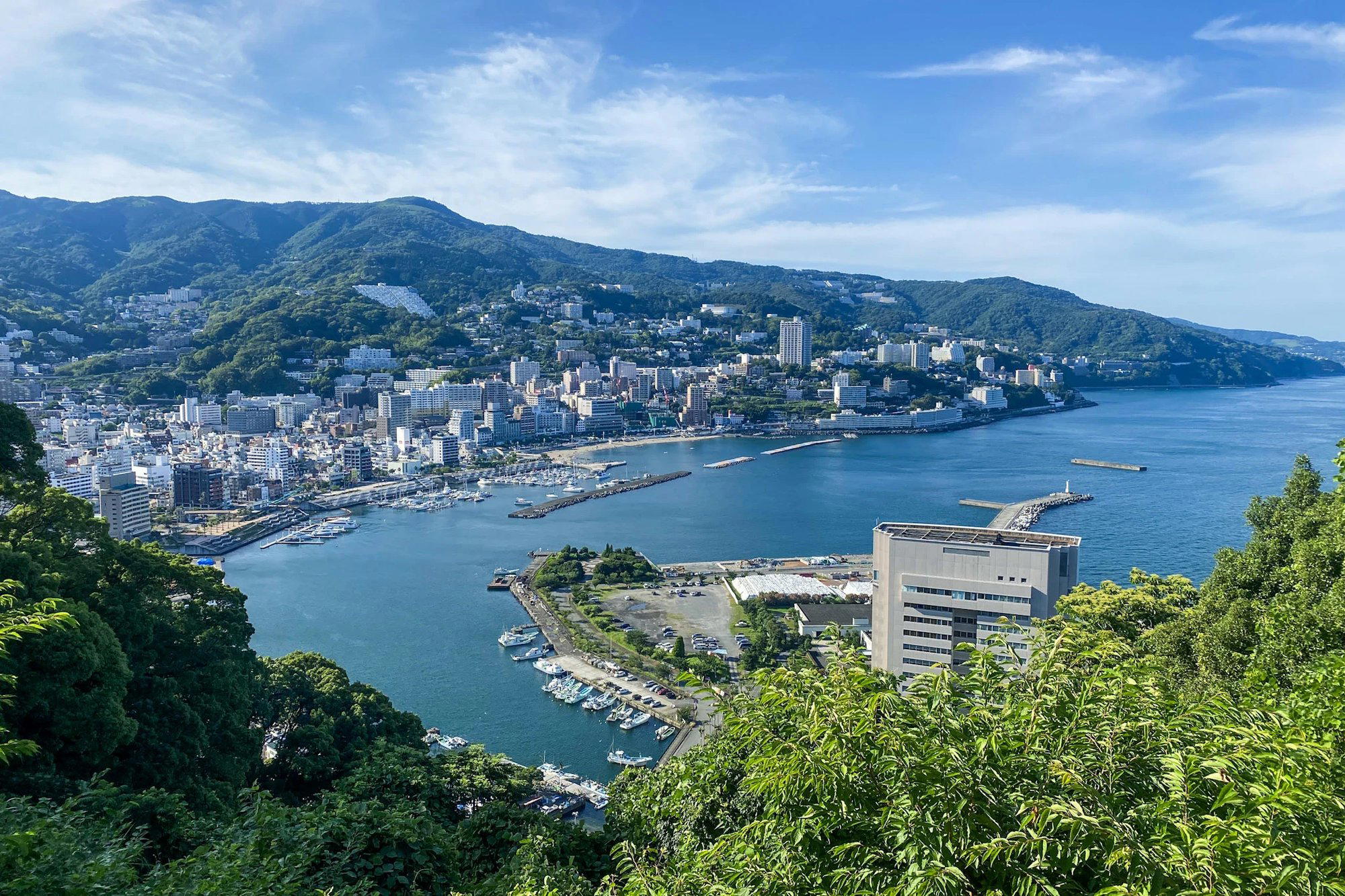
Hotels in Ashigarashimo-Gun
Browse all →
Wineries in Ashigarashimo-Gun
Browse all →
Details
- Rustic
- Classic
- Scenic
- Cozy
- Well Known
- Solo
- Family
- Casual Hangout
- Group Dining
- After Work
- Special Occasion
- Historic Building
- Garden
- Standalone
- Courtyard
- Panoramic View
- Local Sourcing
- Mountain
- Garden
- A La Carte
- Tea
- Other Non Alcoholic
- Vegetarian Friendly
Current opening hours
- Monday
- 7 AM–5:30 PM
- Tuesday
- 7 AM–5:30 PM
- Wednesday
- 7 AM–5:30 PM
- Thursday
- 7 AM–5:30 PM
- Friday
- 7 AM–5:30 PM
- Saturday
- 7 AM–5:30 PM
- Sunday
- 7 AM–5:30 PM
Hours can change for holidays and private events. Last verified .
A warmly lit, rustic Edo‑period teahouse with a thatched roof, earthen floors, and wooden interiors, creating a cozy, nostalgic retreat amid Hakone’s forested mountains where hikers and travelers quietly rest over simple traditional fare.