Hakone Retreat Villa 1/f

Michelin Selected
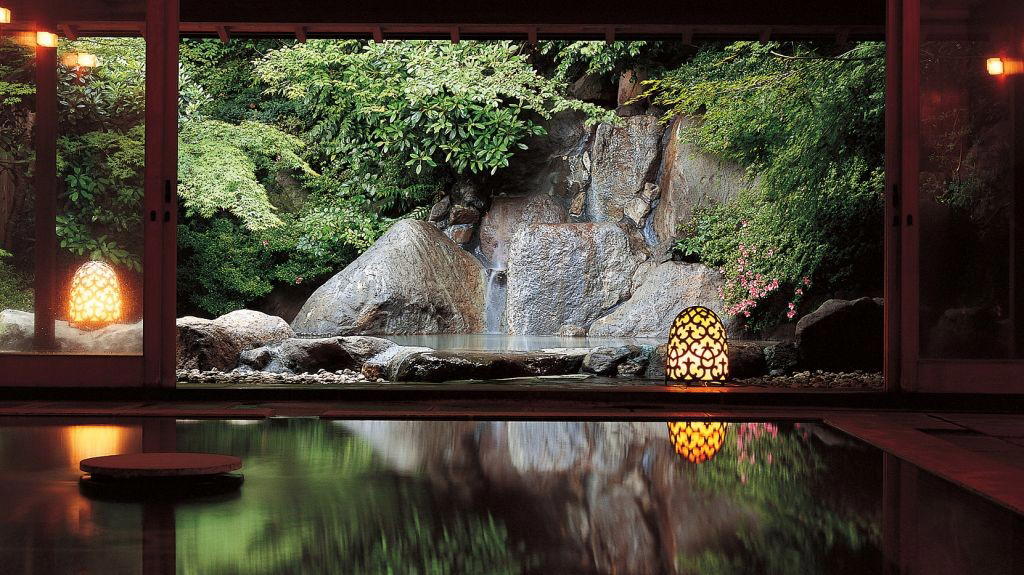
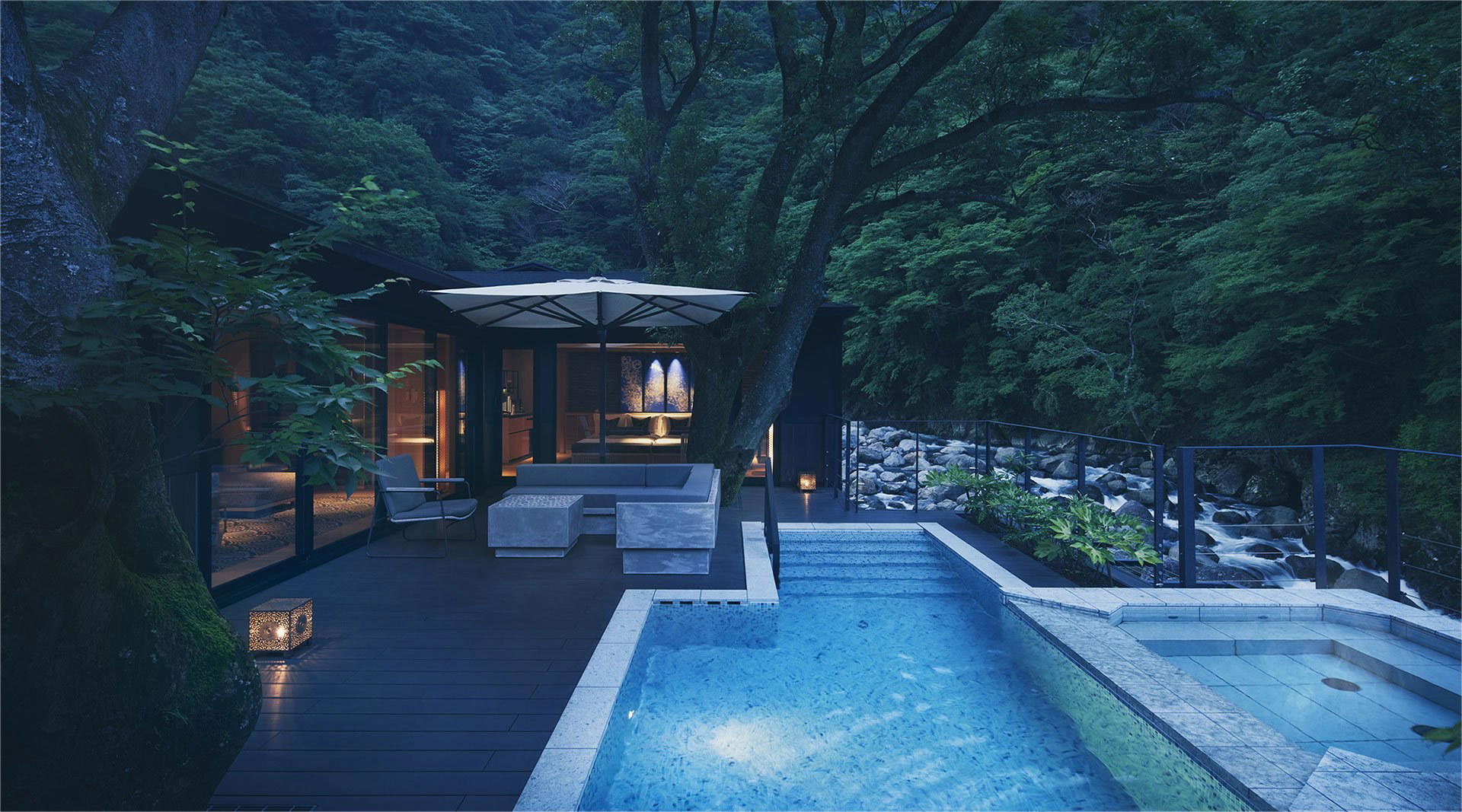
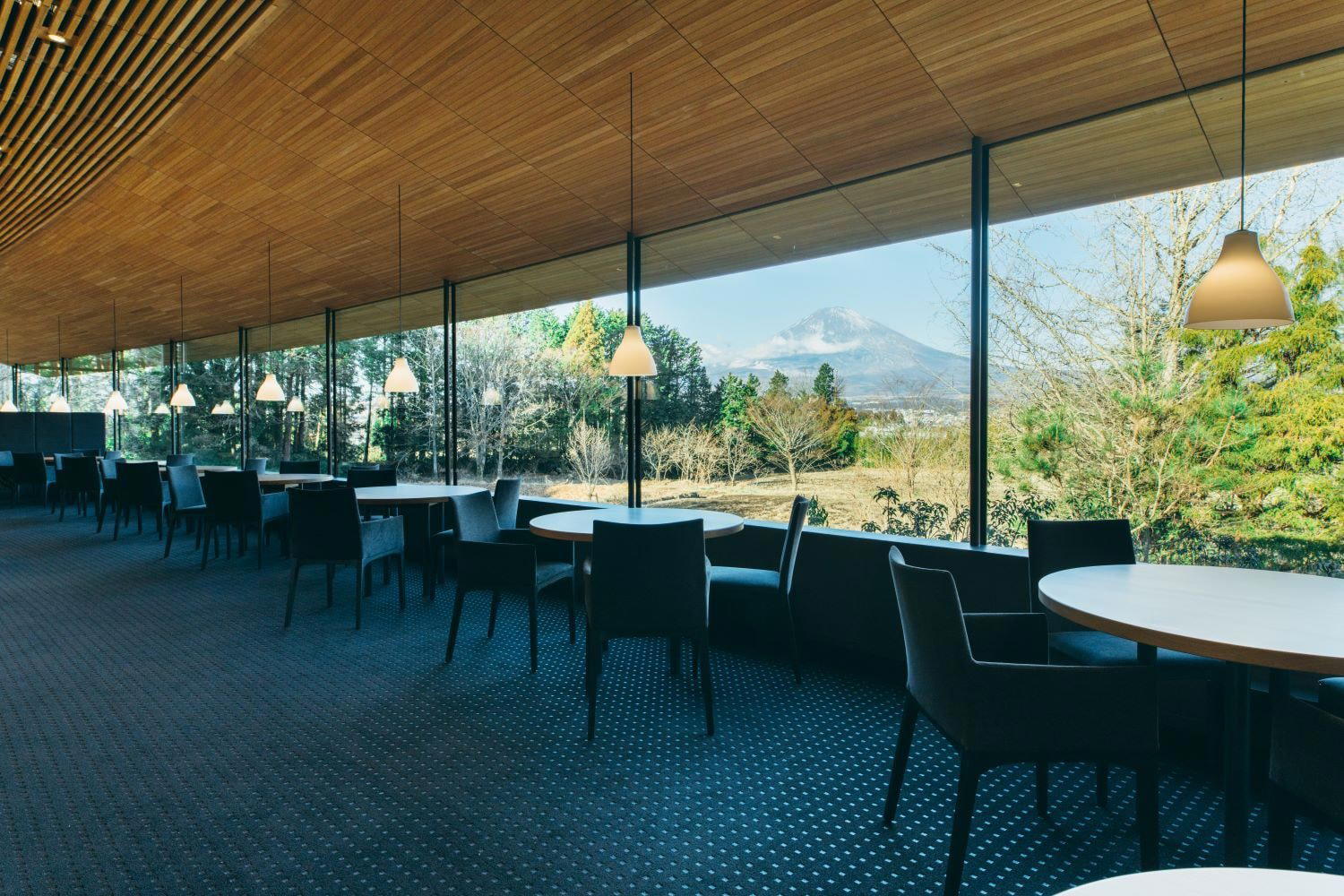
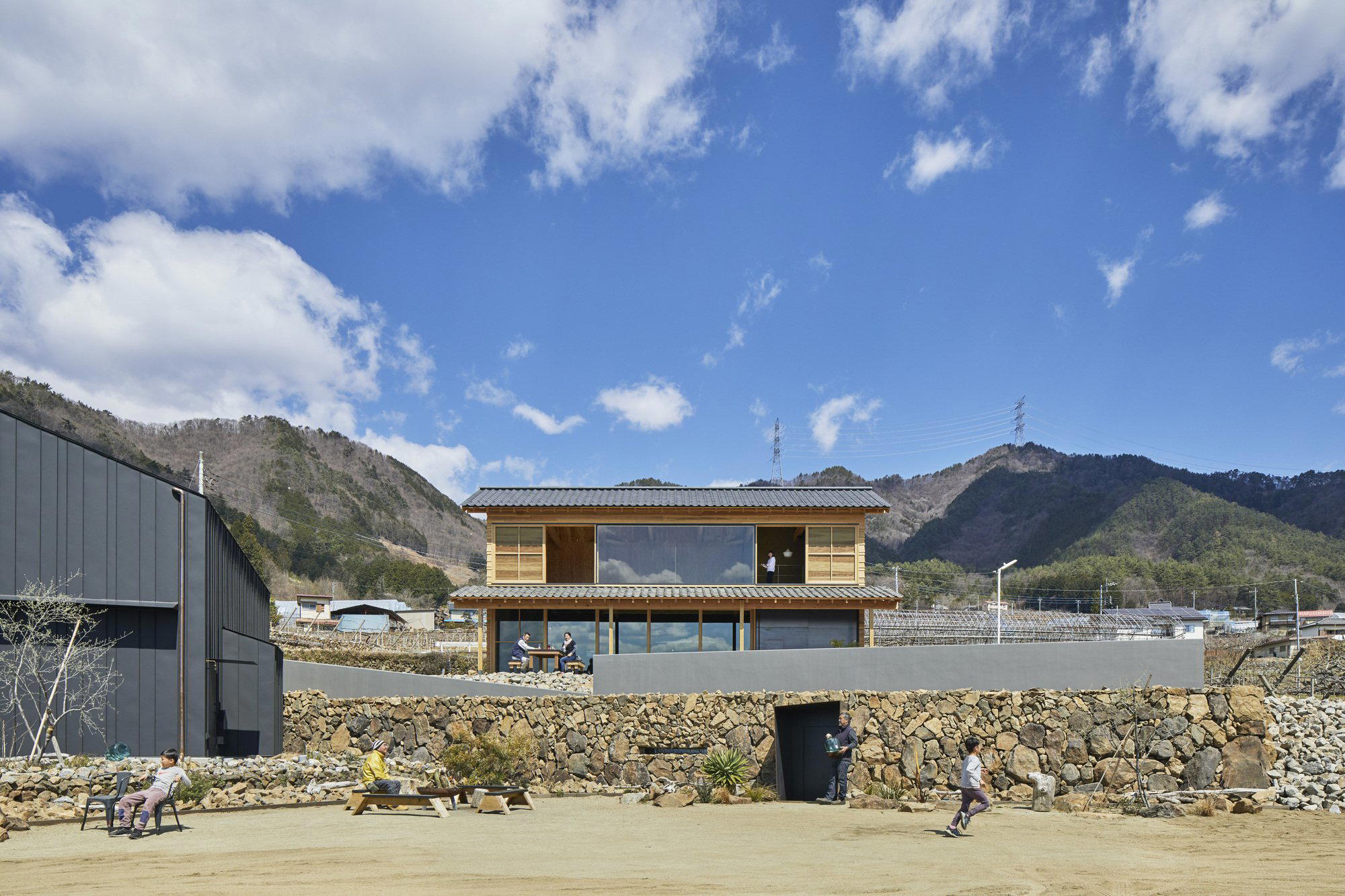
Hakone Retreat Villa 1/f occupies a quiet address in Sengokuhara, one of the Hakone region's more removed highland plateaus, and holds a place on the Michelin Selected Hotels 2025 list. The property sits within a broader tier of design-led, low-key retreats that position themselves against the area's larger resort operators, offering a format built around seclusion and deliberate restraint rather than amenity volume.

Pearl is the En Primeur Club membership app — saves, bookings, and concierge access live there. Same editors, same standards.
- Address
- Sengokuhara 1286-116, Hakonemachi, Ashigarashimo-gun, Japan
- Phone
- +81 460-83-9090
- Website
- hakone-retreat.com
- Directions
- Get directions
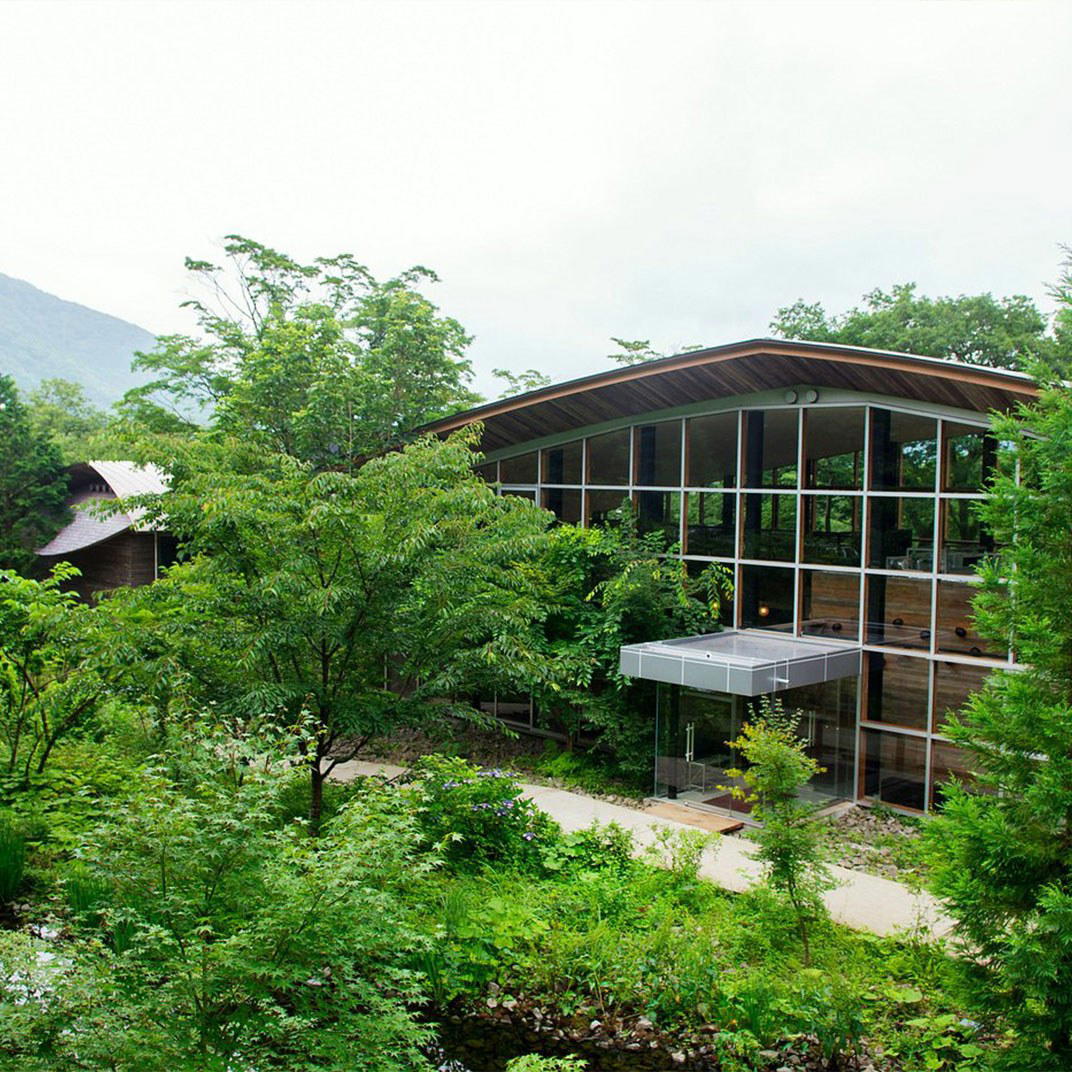
Where Sengokuhara's Plateau Logic Makes Sense
The Hakone region splits, broadly, into two hospitality registers. Along the lower elevations near Hakone-Yumoto and Gora, larger resort operators compete on amenity breadth: multiple dining rooms, extensive onsen complexes, shuttle infrastructure. Higher up, toward Sengokuhara, a different pattern holds. The plateau sits closer to the Susuki grasslands and pulls fewer day-trippers, which means properties there have tended to organise themselves around quietness rather than programming density. Hakone Retreat Villa 1/f, at address 1286-116 in Sengokuhara, belongs to that second register — a property whose location already signals something about its editorial position before any other detail is considered.
The Michelin Selected designation for 2025 places Villa 1/f inside a recognised tier of Japanese accommodation that the Guide's hotel programme treats as distinct from starred restaurants but still worthy of formal acknowledgment. Michelin Selected hotels in Japan are not participation trophies; the list is curated and carries weight in the market. For Hakone specifically, where options range from large chain resorts like the Hyatt Regency Hakone Resort and Spa to heritage ryokan like Gora Kadan, the Michelin selection functions as a signal to travellers who use award shortlists as a filter rather than just a confirmation.
Understanding where Villa 1/f sits requires a brief map of Hakone's accommodation field. At one end, large-format resort properties like the Hyatt Regency and Hakone Kowakien Tenyu serve guests who want structured leisure programming — multiple restaurants, spa itineraries, and activity coordination. At the other end, smaller, design-conscious properties like Sengokubara COCON, nol hakone myojindai, and Hotel Indigo Hakone Gora have positioned themselves through restraint and spatial focus. Villa 1/f's Sengokuhara address places it naturally in proximity to that second group, where the competitive logic centres on quality of quietness, quality of food and bathing, and what the property does or does not choose to do.
Across Japan's premium ryokan and retreat circuit, the pattern is consistent: smaller properties in refined or rural positions have gained ground with international travellers who have already experienced the high-service density of city hotels like Bvlgari Hotel Tokyo and are deliberately seeking contrast. The same dynamic operates in other Japanese resort zones. Properties like Amanemu in Mie, Zaborin in Kutchan, and Asaba in Izu have demonstrated that the most commercially durable retreats tend to choose a format and commit to it rather than attempting to compete across all categories simultaneously.
On the Dining Programme at Sengokuhara Retreats
At this tier of Japanese retreat, the dining programme is rarely a secondary consideration. In the traditional ryokan structure, kaiseki meals, served in room or in a dedicated dining space, form the emotional and commercial centrepiece of the stay. Guests book these properties partly to eat: the rhythm of the evening meal, the morning meal, and the sequencing of local ingredients through a curated format is part of what separates a retreat booking from a hotel booking.
Within the Hakone context, this has particular resonance. Kanagawa Prefecture's proximity to Sagami Bay, its access to mountain vegetables and locally farmed proteins, and its position within a few hours of Tokyo's wholesale markets mean that kitchens at serious Hakone properties have real sourcing material to work with. The question is how properties choose to organise that material: through strict kaiseki formalism, through a looser kappo approach, or through hybrid formats that reference tradition without being bound by it.
For travellers cross-referencing Hakone's dining offer against other Japanese retreat zones, the broader pattern holds: properties that treat the meal programme as integral to the product rather than as an amenity addition tend to earn stronger repeat-guest loyalty. This is as true at Fufu Nikko and Kamenoi Besso in Yufu as it is in the Hakone basin. The Michelin Selected designation for Villa 1/f suggests the property meets a baseline standard across its full offer, which in Japan's accommodation context typically encompasses the dining experience alongside physical facilities.
Readers seeking a wider frame can consult our full Hakonemachi, Ashigarashimo-gun restaurants and hotels guide, which maps the region's dining options across price tiers and formats. For heritage ryokan comparison, Matsuzakaya Honten offers a different lineage within the same geographic area.
Hakone Inside Japan's Retreat Circuit
Hakone has occupied a particular position in Japan's domestic leisure map for well over a century, partly because of its proximity to Tokyo (roughly 90 minutes by Romancecar express from Shinjuku) and partly because Fuji views and geothermal bathing are a combination that resists fatigue. The international traveller's Hakone itinerary has expanded as Japan's inbound numbers have grown: where the town was once primarily a domestic market property, it now competes with destinations like HOTEL THE MITSUI KYOTO's city context and island properties like Benesse House in Naoshima for the attention of travellers building multi-stop Japan itineraries.
Within that larger circuit, Sengokuhara's appeal is primarily to the traveller who wants Hakone's geothermal and landscape offer with less of the mid-mountain tourism density. The plateau's open meadow character and distance from the main cable-car tourist corridor make it a different experience from staying in Gora or along the lakeside at Hakone-machi proper. That distinction matters when choosing between properties: a stay in Sengokuhara is not the same as a stay in Gora, even if both are technically within Hakonemachi.
For travellers building longer Japan retreat sequences, reference properties in the design-led, low-key tier include Nishimuraya Honkan in Kinosaki-cho, Sekitei in Hatsukaichi-shi, and Fufu Kawaguchiko, all of which operate within a comparable format logic to the Sengokuhara retreat tier.
Planning a Stay
Villa 1/f's address in Sengokuhara is most practically reached by private transfer or taxi from Hakone-Yumoto Station after arriving from Shinjuku via Odakyu's Romancecar service. The Sengokuhara plateau is less integrated into the Hakone Freepass bus network than the Gora corridor, so guests who plan to move around the region during their stay should factor in ground transport logistics. The Michelin Selected status applies to the 2025 list, which provides a current benchmark for the property's positioning.
Pricing, Compared
Comparable venues nearby, for context on price, style, and recognition.
| Venue | Price | Awards | Notes |
|---|---|---|---|
| Hakone Retreat Villa 1/fThis venue — the venue you are viewing | Not listed | Michelin Selected | Not listed |
| Matsuzakaya Honten | Not listed | Michelin Selected | Hakone, Traditional onsen ryokan blending historic Edo and Meiji architecture with modern renovations |
| nol hakone myojindai | $100–200 | Michelin Selected | Miyagino, Hideaway resort hotel in a quiet villa area |
| Hyatt Regency Hakone Resort and Spa | $300–500 | Michelin Selected | Gora, modern mountain lodge with Japanese ambience |
| Hotel Indigo Hakone Gora | $200–300 | Michelin Selected | Hakone Gora, Modern boutique hotel celebrating local neighborhood culture and heritage through contemporary design and immersive storytelling. |
| Hakone Kowakien Tenyu | $300–500 | Michelin Selected | Ninotaira, Contemporary ryokan blending traditional Japanese hospitality with modern comforts |
Recognition history
Dated appearances from independent guides and award organizations, with the underlying list record or original source where available.
Michelin Selected
Michelin
Continue exploring
More in Hakonemachi, Ashigarashimo Gun
Hotels in Hakonemachi, Ashigarashimo Gun
Browse all →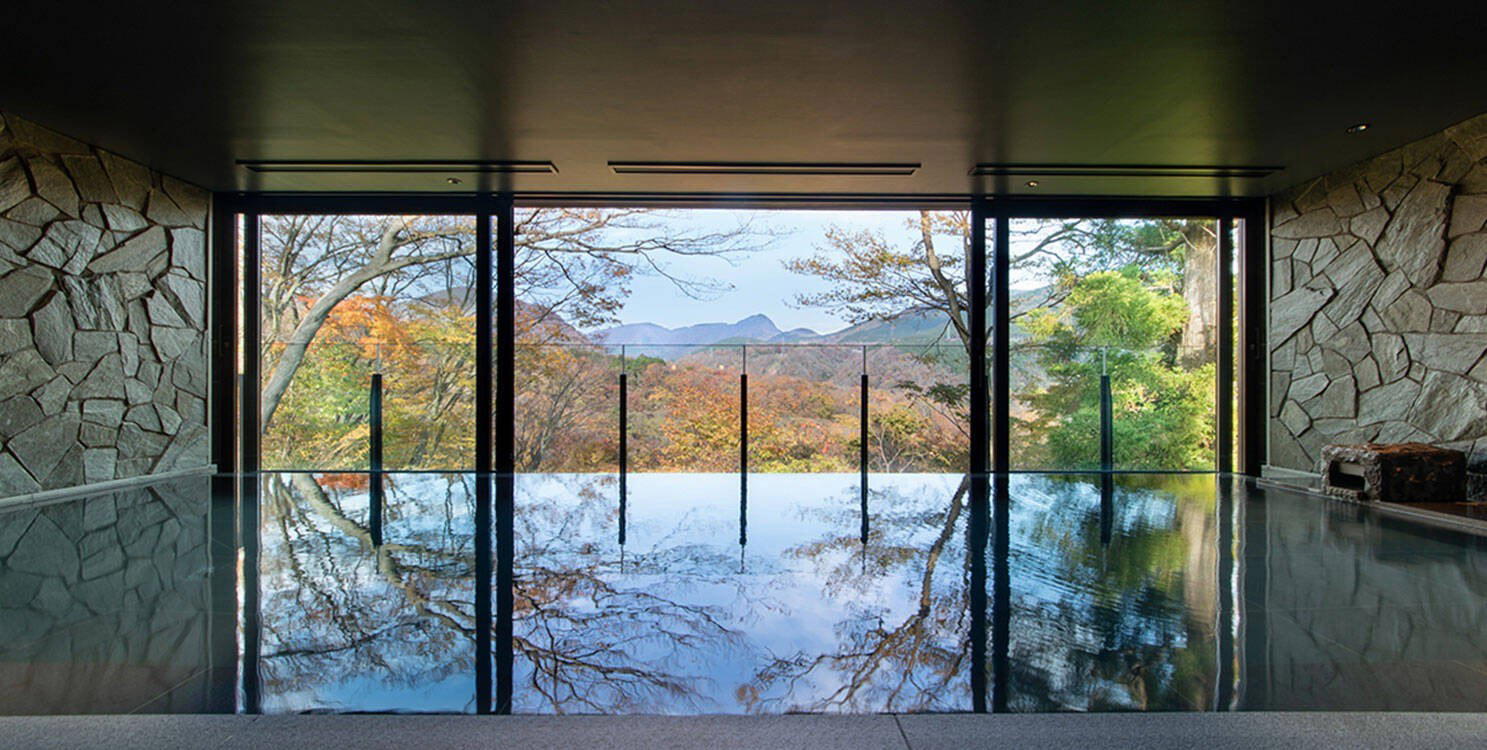
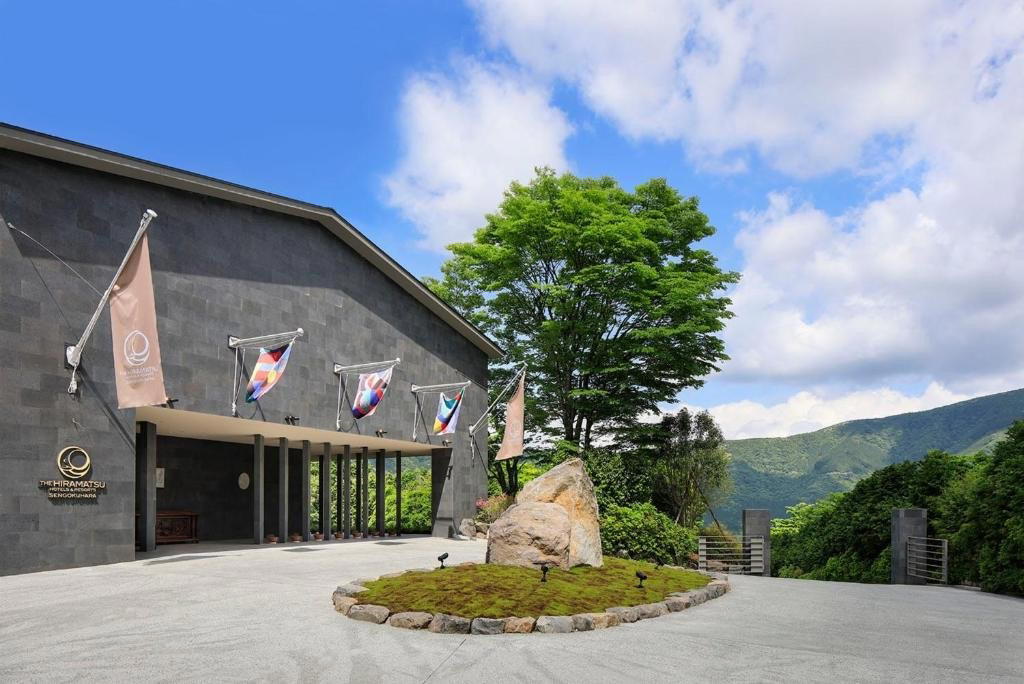
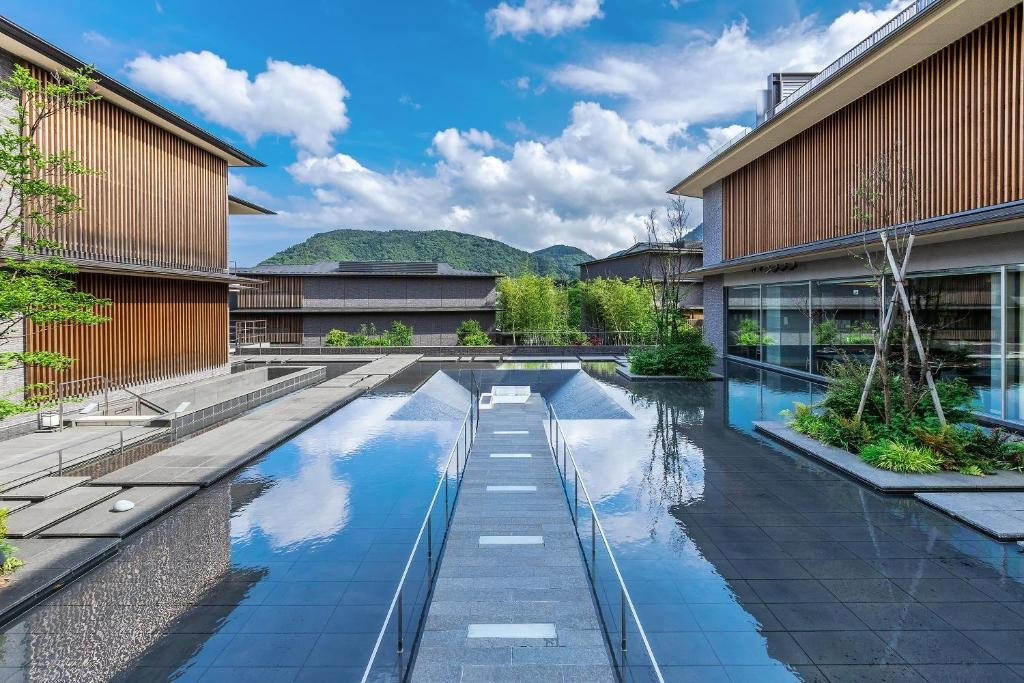
Bars in Hakonemachi, Ashigarashimo Gun
Browse all →
Restaurants in Hakonemachi, Ashigarashimo Gun
Browse all →
Wineries in Hakonemachi, Ashigarashimo Gun
Browse all →
Details
- Scenic
- Quiet
- Elegant
- Romantic Getaway
- Wellness Retreat
- Weekend Escape
- Panoramic View
- Garden
- Private Villa
- Destination Spa
- Spa
- Garden
- Mountain
Serene and tranquil atmosphere with traditional Japanese design elements and natural hot spring setting.