Château de la Gaude




A 17-room Relais & Châteaux property on a working organic wine estate just outside Aix-en-Provence, Château de la Gaude pairs centuries of architecture with contemporary interiors and a Gault & Millau-recognised restaurant. Rates from $736 per night position it in the upper tier of Provençal boutique hotels, with Star Wine List recognition (2026) and Michelin 2 Keys (2024) confirming its standing.
Pearl is the En Primeur Club membership app — saves, bookings, and concierge access live there. Same editors, same standards.
- Address
- 3959 Rte des Pinchinats, 13100 Aix-en-Provence
- Phone
- +33 4 84 93 09 30
- Website
- chateaudelagaude.com
- Directions
- Get directions
 Saves & bookings on Pearl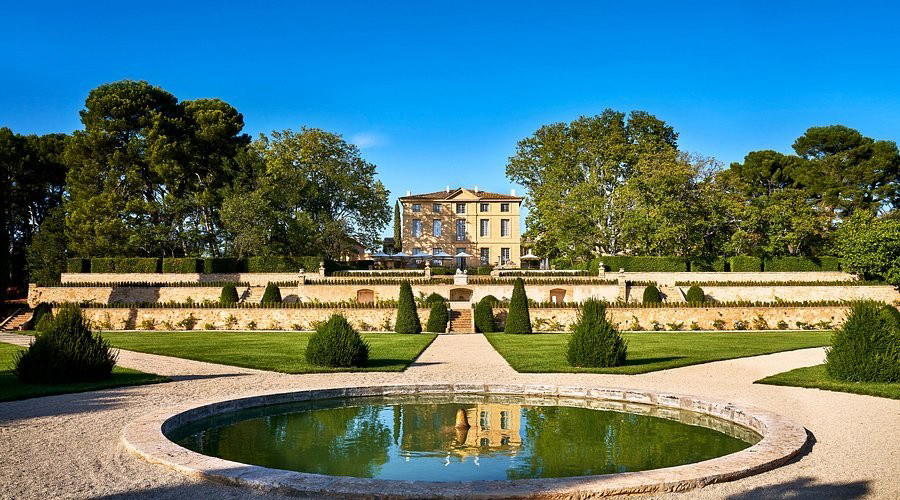
Where Provençal Estate Architecture Meets the Boutique Hotel Format
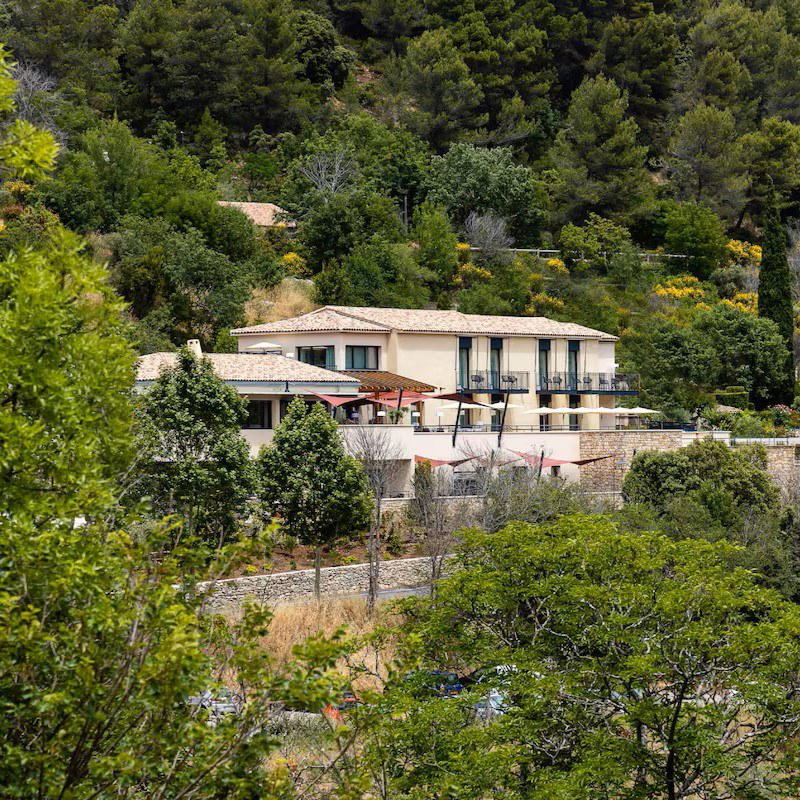
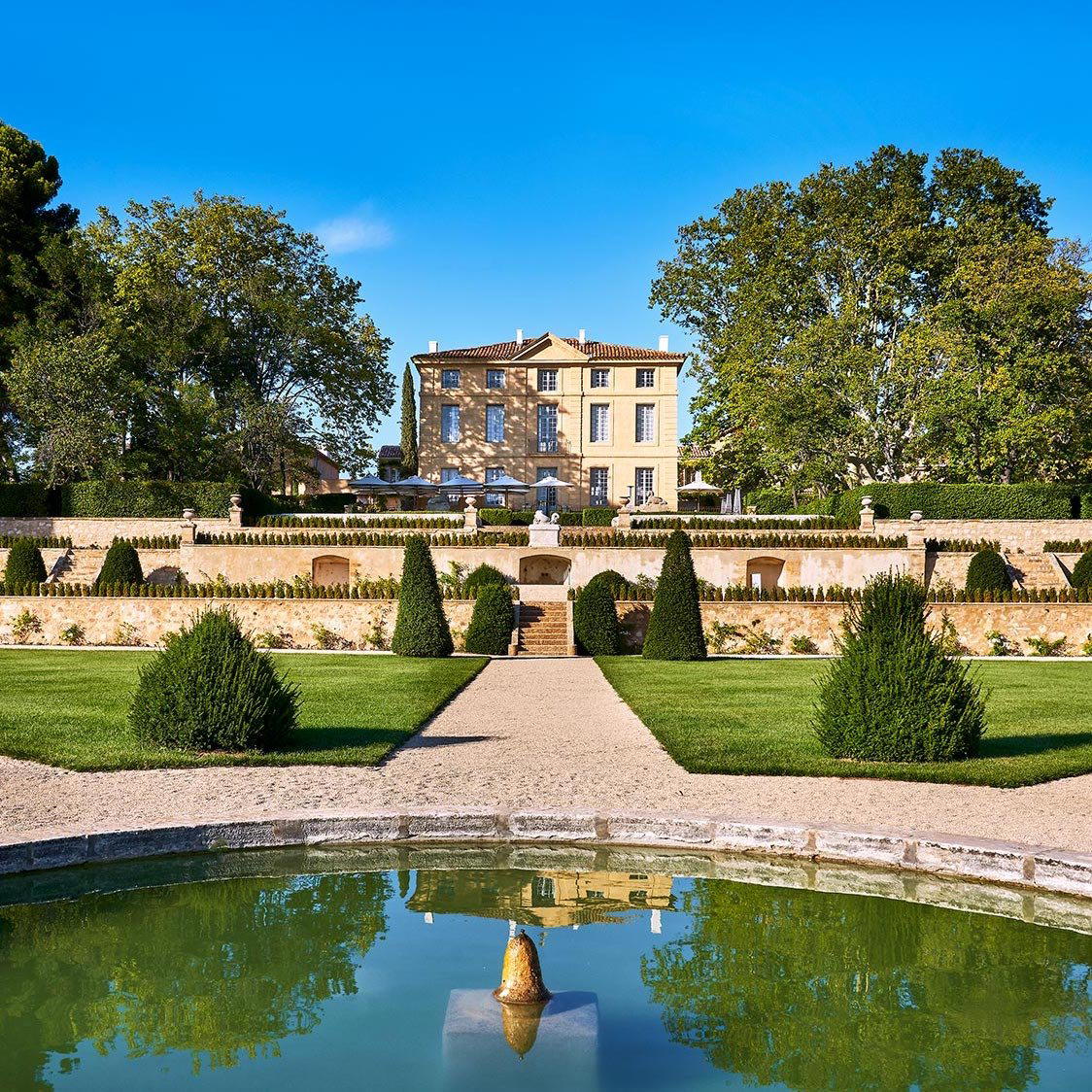
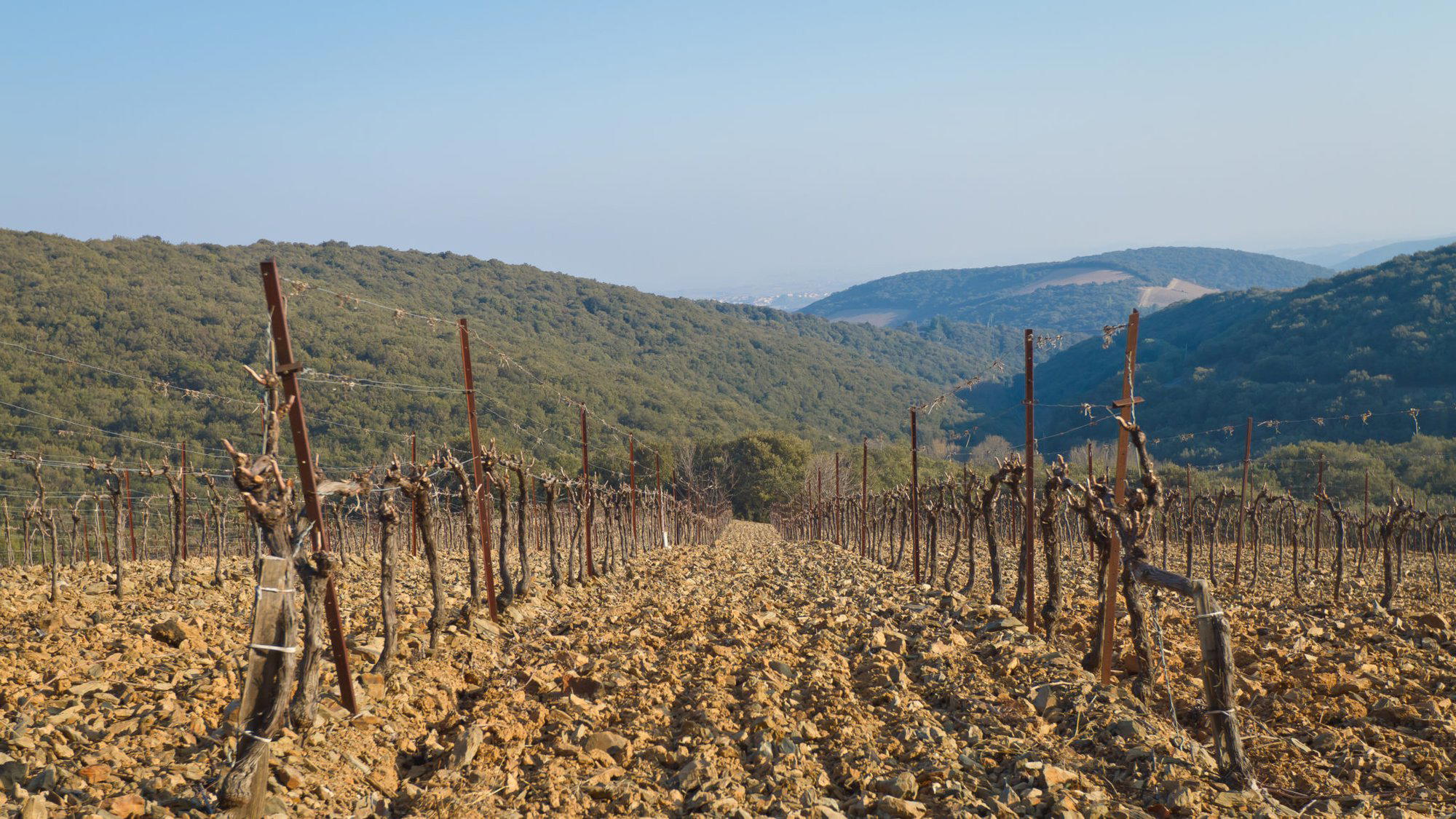
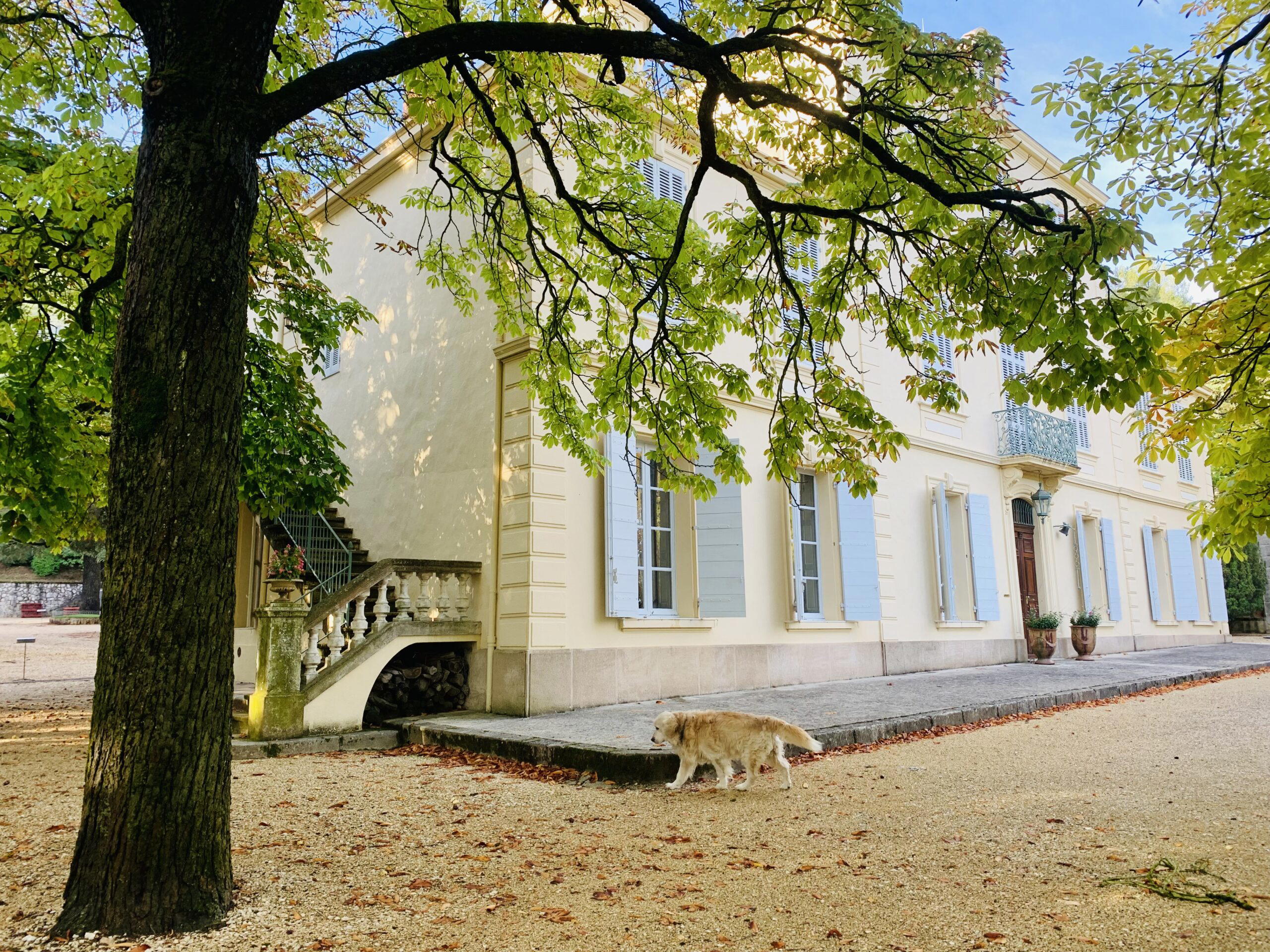
The approach to Château de la Gaude along the Route des Pinchinats tells you something about how Provence does luxury differently from the Côte d'Azur. There are no resort gates or uniform branding. Instead, the road narrows, the hillside rises, and the estate announces itself through organic vineyards and manicured French gardens before the historic bastide comes into view. This is the logic of the domaine rather than the hotel: land first, building second, hospitality third. It is a sequence that shapes everything about what you find inside.
Aix-en-Provence's upper-tier accommodation has developed along two distinct tracks in recent years. One group, including properties like Hôtel Le Pigonnet and Villa Gallici, draws on the maison-de-maître tradition, offering townhouse-adjacent elegance close to the cours Mirabeau. The other, which includes Château de la Gaude and Les Lodges Sainte-Victoire, operates in a more rural register, where the estate itself is the primary proposition.
The Architecture: Centuries of Layers, Deliberately Kept Visible
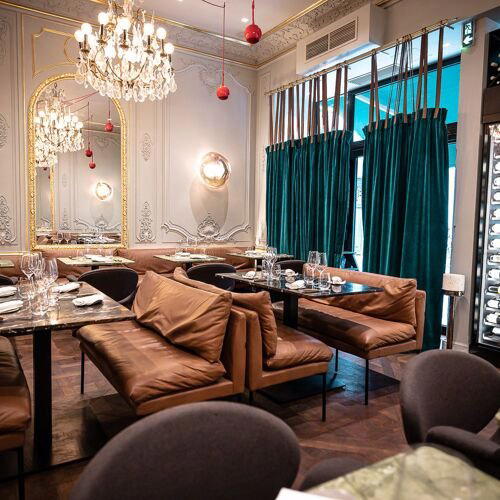
The Bastide at the heart of the estate is a registered historic monument, and the decision to keep its period fabric intact rather than strip it back for a cleaner contemporary look is the single most consequential design choice made here. Ornately figured moldings, carved stone fireplaces, proportions dictated by eighteenth-century builders — these are not preserved as museum pieces but as the dominant material logic of the rooms themselves. The intervention comes through furniture and fixtures: high-end contemporary pieces selected to sit within the historic shell rather than compete with it.
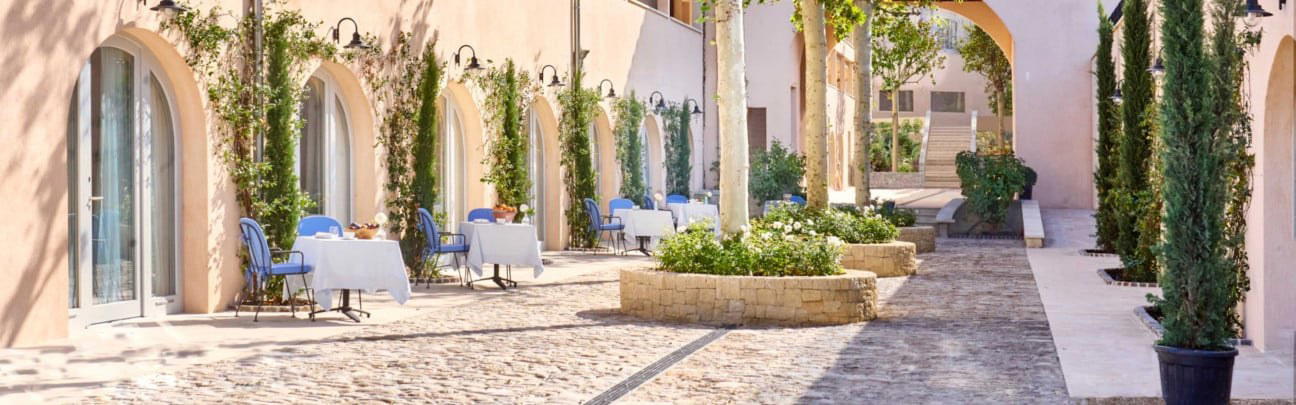
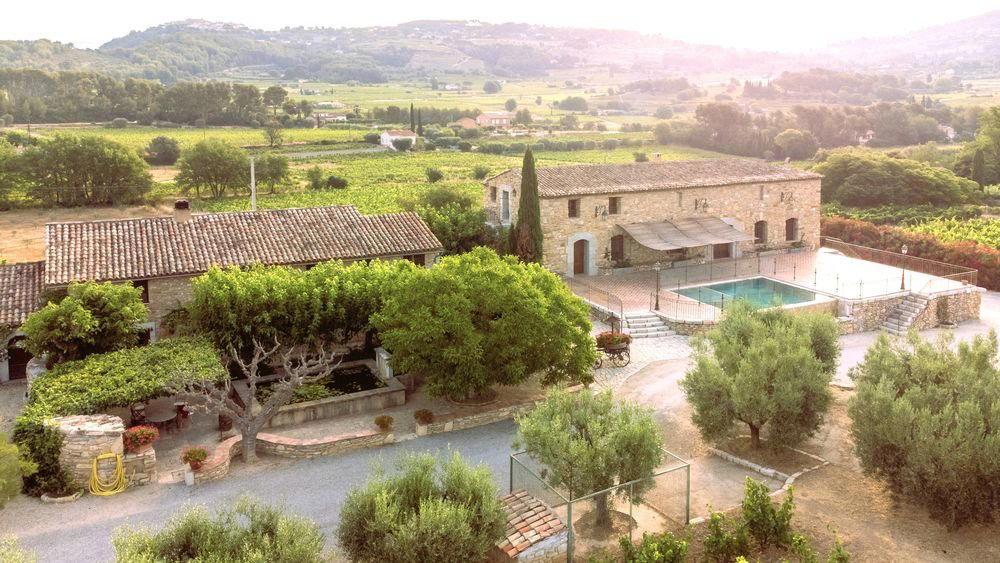
This is a familiar tension in French château hotel design, handled here with more restraint than is typical. Where some properties in this category over-resolve the conflict by creating rooms that feel either too period-precious or too self-consciously modern, the seventeen rooms and suites at Château de la Gaude read as genuinely inhabited spaces rather than styled stage sets. The village-like layout across multiple estate buildings means each room sits in a slightly different architectural context, which works in the property's favour given the small total count.
For those comparing this approach to other estate-hotel conversions in the south of France, the reference points are instructive. Villa La Coste in Le Puy-Sainte-Réparade operates in a similar domain register but leans harder into contemporary art as its organising identity. Baumanière Les Baux-de-Provence in Les Baux carries more Michelin weight and a longer institutional reputation. Château de la Gaude sits between those poles: more architecturally specific than many new estate conversions, more focused on wine than most art-hotel formats.
The Wine Program and What It Signals
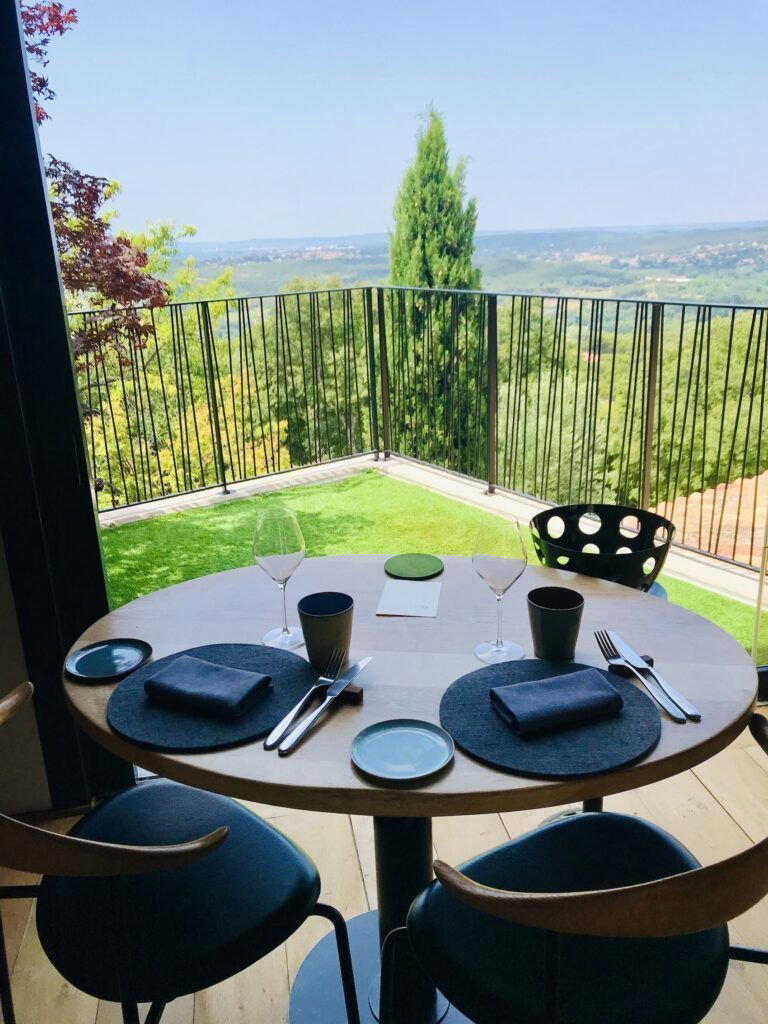
The Star Wine List recognition awarded in 2026 is the clearest external signal of where the wine program sits relative to peers. In Provence, where rosé dominates at the volume end and serious red and white programs remain less common, a property with its own organic vineyards, estate tours, and tastings built into the guest experience is operating in a distinct niche. Wine here functions as connective tissue between the landscape, the restaurant, and the guest's time on the property, rather than as a list appended to a menu.
Estate wine experiences of this kind have precedents elsewhere in French hotel hospitality. Les Sources de Caudalie in Bordeaux built an entire wellness and hospitality brand around vinotherapy and proximity to Château Smith Haut Lafitte. Royal Champagne Hotel & Spa in Champillon uses vineyard panoramas as the primary spatial device. What Château de la Gaude offers is a Provençal version of this model, with organic farming practices and direct guest access to the production side of the estate as distinguishing features.
The Restaurant and Culinary Context
Chef Matthieu Dupuis-Baumal leads the kitchen, and the restaurant is where the estate's various threads converge: the wine list, the produce sourced from the surrounding region, and the hospitality rhythm of a property with seventeen rooms rather than a hundred. Gault & Millau awarded the hotel Exceptional status in 2025, assigning five points, which places it in that guide's upper tier for Provence. Michelin's 2 Keys designation in 2024 applies to the hotel as a whole rather than the restaurant specifically, but the combination of both recognitions confirms a consistent level of execution across food, wine, and accommodation.
For Aix-en-Provence's dining scene more broadly, see our full Aix-en-Provence restaurants guide. The city has a smaller concentration of destination-level restaurants than Marseille or Nice but a dining culture shaped by proximity to both the Rhône Valley and the Var, which influences sourcing and wine choices at properties operating at this level.
Contemporary Art as Secondary Register
The property's listing highlights contemporary art as part of its identity, and in this it follows a pattern visible across the high-end Provençal estate market. Villa La Coste has made art its dominant organizing principle; Château de la Gaude treats it as one layer among several rather than the primary proposition. This is arguably the more sustainable editorial position for a property whose historic architecture already provides a strong spatial identity. Art that competes with carved stone fireplaces and period molding tends to produce friction; art that acknowledges the existing layers tends to add depth without disrupting them.
Positioning in the French Luxury Hotel Market
At rates from $736 per night for seventeen rooms, Château de la Gaude occupies the upper-middle tier of Provence's boutique market. It is priced well above the region's agréable countryside hotels but below the leading bracket commanded by properties like La Réserve Ramatuelle on the coast. Within Aix specifically, its nearest competitors on price and positioning include Hôtel Villa Saint-Ange, though the estate-and-winery format gives Château de la Gaude a sufficiently differentiated offer to avoid a direct comparison on room quality alone.
Guests who have experienced estate-integrated hotel formats elsewhere in France, at Domaine Les Crayères in Reims or at Château de la Chèvre d'Or in Èze, will arrive with calibrated expectations for the format. Those arriving from larger Riviera properties such as Hotel Du Cap-Eden-Roc or The Maybourne Riviera should adjust for scale: seventeen rooms is a material constraint on what is possible in terms of facilities, and the property's offer is built around depth of experience within a small footprint rather than breadth of amenity.
Planning Your Stay
The estate sits at 3959 Route des Pinchinats, on a hillside to the north-east of Aix-en-Provence's historic centre. Arriving by car is the practical choice given the rural location, though the city centre is close enough for day visits on foot or by taxi. Direct contact and reservations are handled through the property's Relais & Châteaux membership channel: the website is chateaudelagaude.com, the email gaude@relaischateaux.com, and the telephone +33 (0)4 84 930 930. Given the property's small room count of seventeen, advance booking is advisable, particularly for the spring and summer months when Provençal estate hotels operate at high occupancy. Rates from $736 per night reflect the Relais & Châteaux positioning and the integrated wine-and-hospitality offer rather than accommodation square footage alone.
How Château de la Gaude Aix-en-Provence compares with similar nearby venues.
| Venue | Awards |
|---|---|
| Château de la Gaude | Michelin 2 Keys |
Recognition history
Dated appearances from independent guides and award organizations, with the underlying list record or original source where available.
Relais Chateaux Award
Relais Chateaux
Star Wine List
Star Wine List
Gault & Millau Exceptional Hotel
Gault & Millau
Michelin 2 Keys
Michelin
Relais Chateaux Award
Relais Chateaux
Michelin 2 Keys
Michelin
Continue exploring
More in Aix-en-Provence
Hotels in Aix-en-Provence
Browse all →
Bars in Aix-en-Provence
Browse all →
Restaurants in Aix-en-Provence
Browse all →

At a Glance
- Romantic
- Elegant
- Sophisticated
- Scenic
- Ornate
- Honeymoon
- Romantic Getaway
- Anniversary
- Wellness Retreat
- Weekend Escape
- Infinity Pool
- Historic Building
- Panoramic View
- Garden
- Terrace
- Wi Fi
- Pool
- Spa
- Fitness Center
- Room Service
- Concierge
- Valet Parking
- EV Charging
- Garden
- Vineyard
- Mountain
- Wi Fi
- Pool
- Spa
- Fitness Center
- Room Service
- Concierge
- Valet Parking
- EV Charging
Peaceful sanctuary with timeless French elegance, high ceilings, luxurious bedding, and far-reaching garden views; serene lighting enhances the sophisticated, relaxing atmosphere.
Know Before You Go
- Getting there
- 3959 Rte des Pinchinats, 13100 Aix-en-Provence