


1 Michelin Key · Relais Chateaux Award · Gault & Millau Exceptional Hotel
Le Petit Nice holds three Michelin stars in 2025 and a Michelin One Key accommodation rating, positioning it at the very top of Marseille's hospitality offer. Situated on the Anse de Maldormé between the Corniche and the sea, the 19-room Relais & Châteaux property has been in the Passedat family since 1917, with rates from $629 per night and a Gault & Millau Exceptional Hotel rating of 5 points for 2025.

Pearl is the En Primeur Club membership app, where members save venues, book tables and use the concierge.
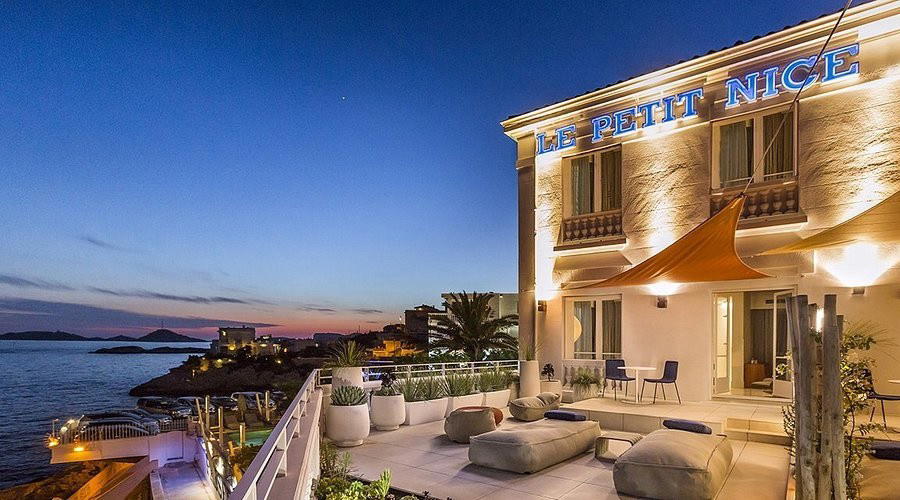
Where the Corniche Meets the Mediterranean
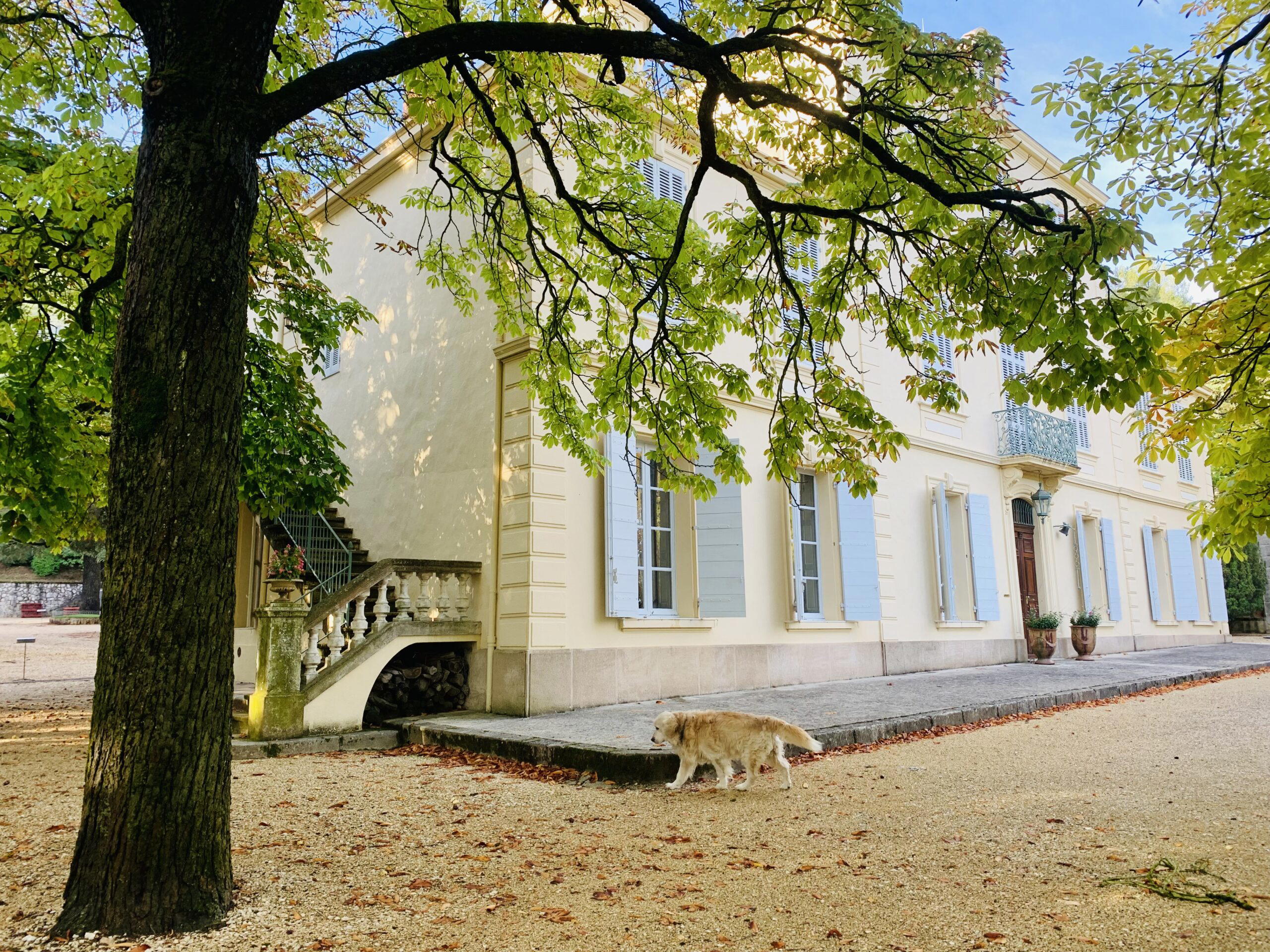
The approach to Le Petit Nice does most of the persuading before you reach the door. Driving south along the Corniche Président John Fitzgerald Kennedy, the cliff-hugging road that traces Marseille's western edge, the city's port energy recedes and the Mediterranean opens up on your left in a way that feels less like urban France and more like a private coastline. The property sits on the Anse de Maldormé, a small cove carved into the limestone, and the address is less a street number than a geographic argument: this is what Marseille looks like when it turns its face to the sea. Compared to the saturated glamour of the Hotel Du Cap-Eden-Roc in Cap d'Antibes or the clifftop drama of The Maybourne Riviera in Roquebrune-Cap-Martin, Le Petit Nice operates at a different register: quieter, more self-contained, rooted in a city rather than perched above a resort strip.
The Address and What It Delivers
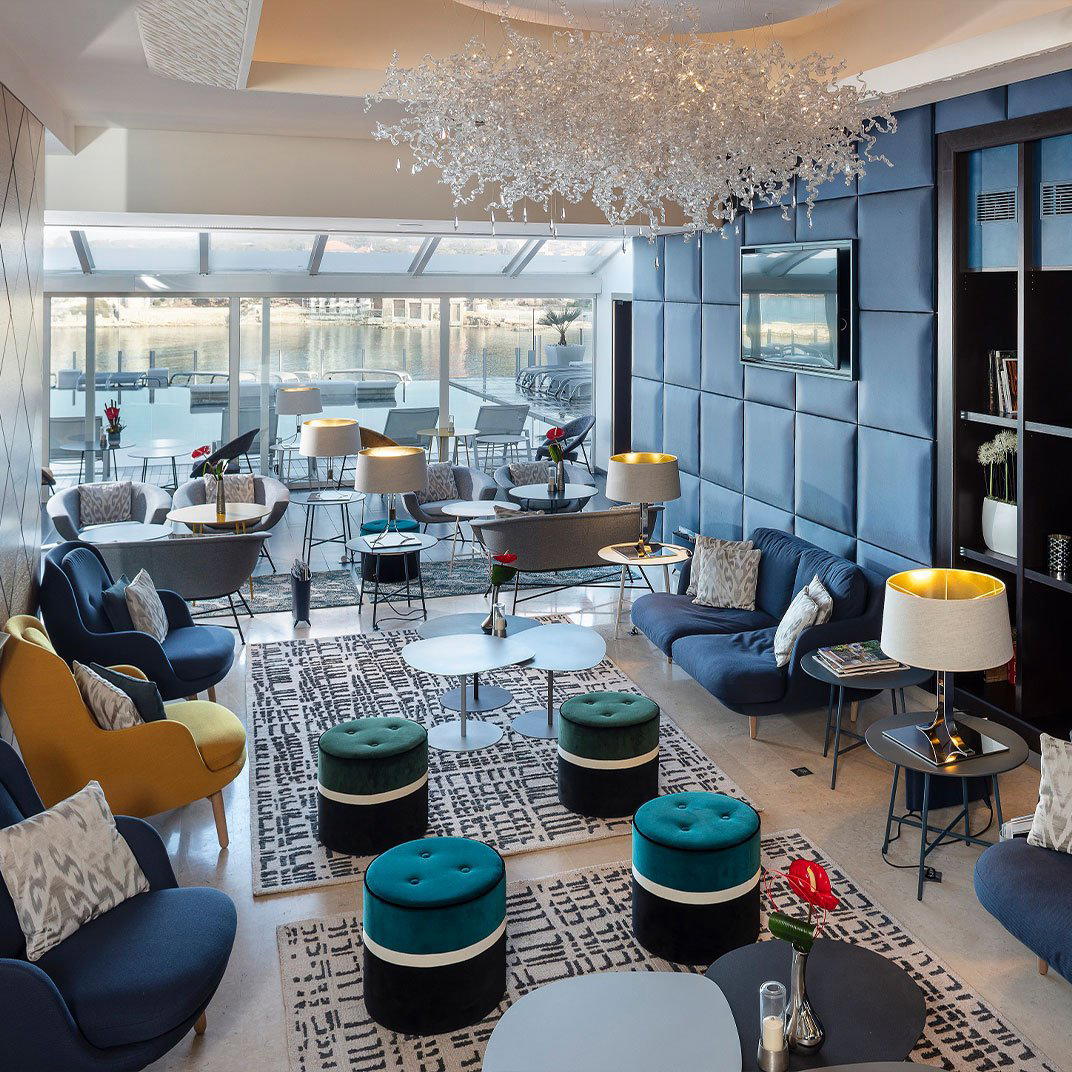
The location does specific work here, and it is worth being precise about what that means. Le Petit Nice sits minutes from the city center while reading, visually and atmospherically, like a seaside retreat. The Mediterranean is not a backdrop managed from a terrace: it is immediately present, steps from the hotel's wellness facilities. That proximity shapes the entire offer, from the hammam and Japanese bath that frame the water as a restorative element, to the swimming pool that blurs the line between property and sea. For hotels in this price category across the south of France, whether La Réserve Ramatuelle, Airelles Saint-Tropez, or Casadelmar in Porto-Vecchio, a sea view is standard. What Le Petit Nice adds is city access: Marseille's old port, markets, and neighbourhood character are available on the same day you watch the light flatten across the cove at dusk. That dual access, resort calm plus urban substance, is the property's real structural advantage over isolated coastal alternatives.
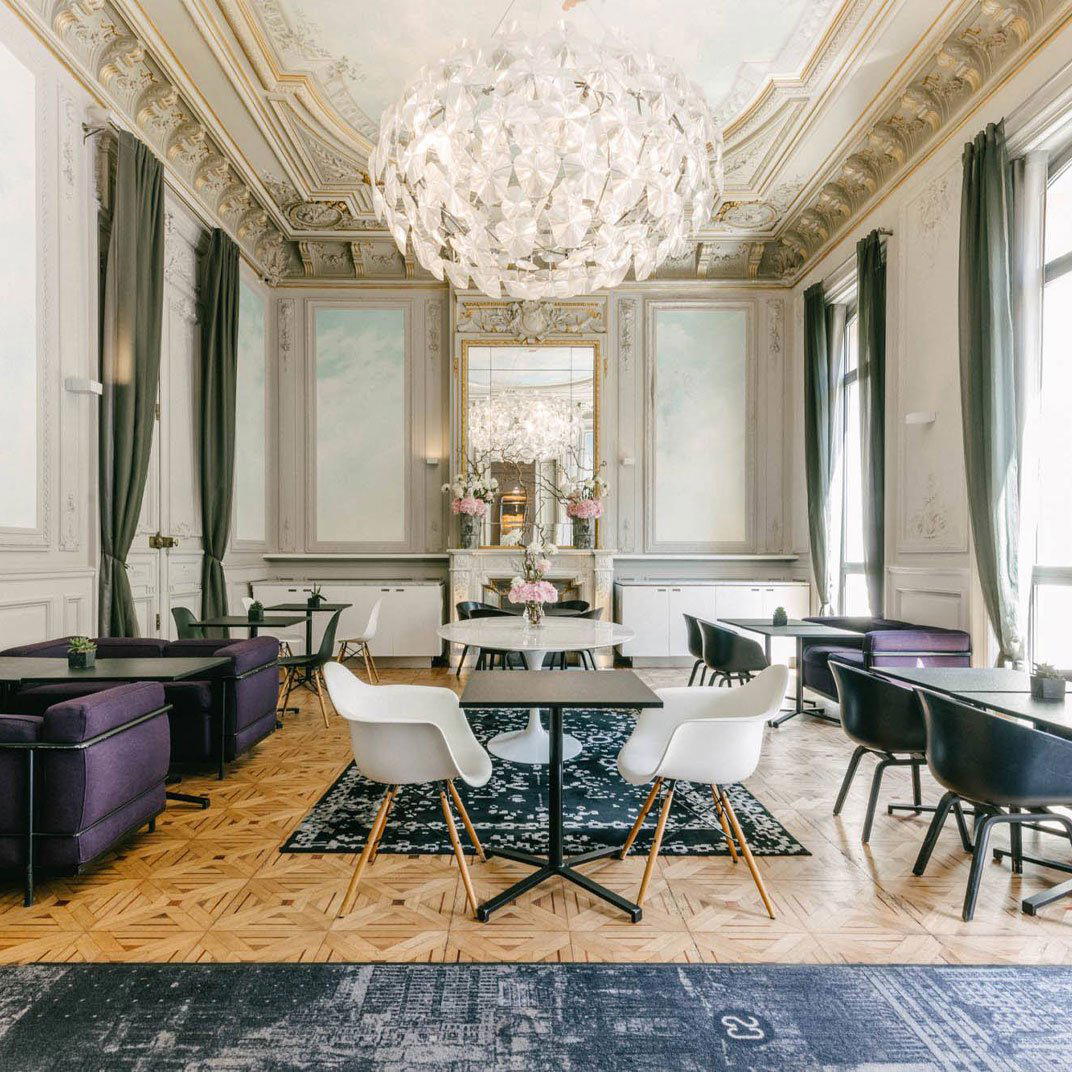
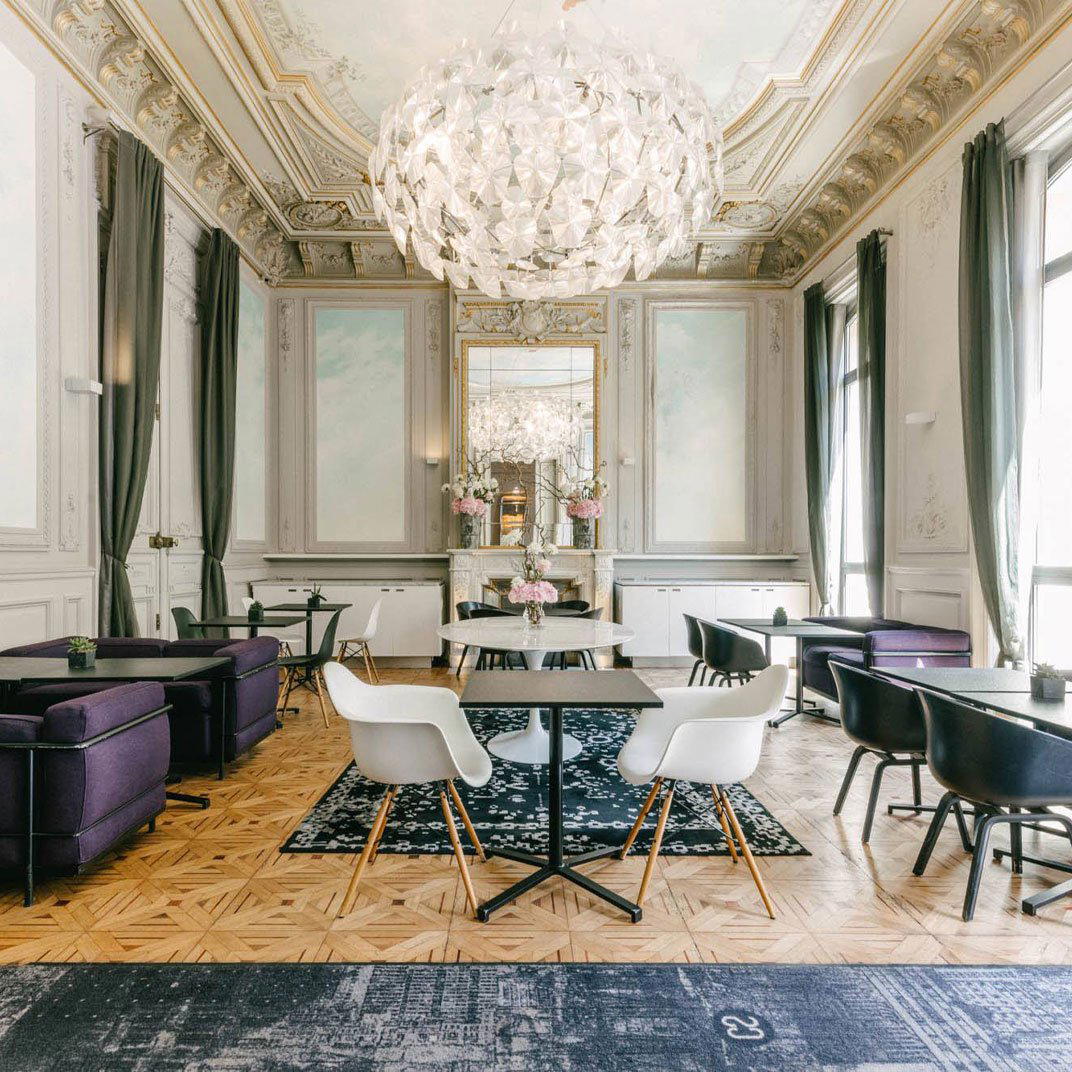
Interiors reflect Provence's traditional palette: gold and lavender run through the design in a way that acknowledges the region without performing it. The style sits between modern and classical without committing fully to either, which suits a building that has housed the same family since 1917 while remaining active at the top of its category today. For visitors accustomed to the studied minimalism of newer design-led properties such as Hôtel C2 elsewhere in Marseille, or the modernist rigour of Hôtel Le Corbusier, Le Petit Nice reads as the city's heritage luxury option: a property shaped by continuity rather than concept.
Three Stars, One City That Earns Them
Marseille has long occupied an awkward position in France's fine dining conversation, overshadowed by Lyon's canonical bouchon tradition and Paris's density of multi-starred addresses. Le Petit Nice's three Michelin stars in 2025, alongside its Gault & Millau Exceptional Hotel rating of 5 points, represent an argument that Marseille's culinary character, built around the sea, the port, and Mediterranean sourcing, is capable of sustaining cooking at the highest documented tier. Sea-sourced cuisine is the explicit organizing principle at the eponymous restaurant, which means the kitchen's reference point is not the French classical canon deployed at Provençal distances but the specific ecology of these waters. That is a narrower and more demanding brief than generalist fine dining, and the Michelin recognition suggests it is being executed with consistency.
The hotel contains two restaurants: the three-star Le Petit Nice itself, and Le 1917, a bistronomic format named for the year the Passedat family established the property. That two-tier structure is increasingly common among France's leading hotel-restaurant properties, where a more accessible secondary dining room serves both resident guests and locals unwilling or unable to commit to a full tasting format. Baumanière Les Baux-de-Provence uses a similar approach, and Domaine Les Crayères in Reims has structured its offer comparably. The logic is sound: a single ultra-formal restaurant risks underusing a property's dining infrastructure while concentrating demand on a format not every guest wants every night. Le 1917's bistronomic framing suggests price points and formality levels that widen the property's dining appeal without diluting the flagship's identity.
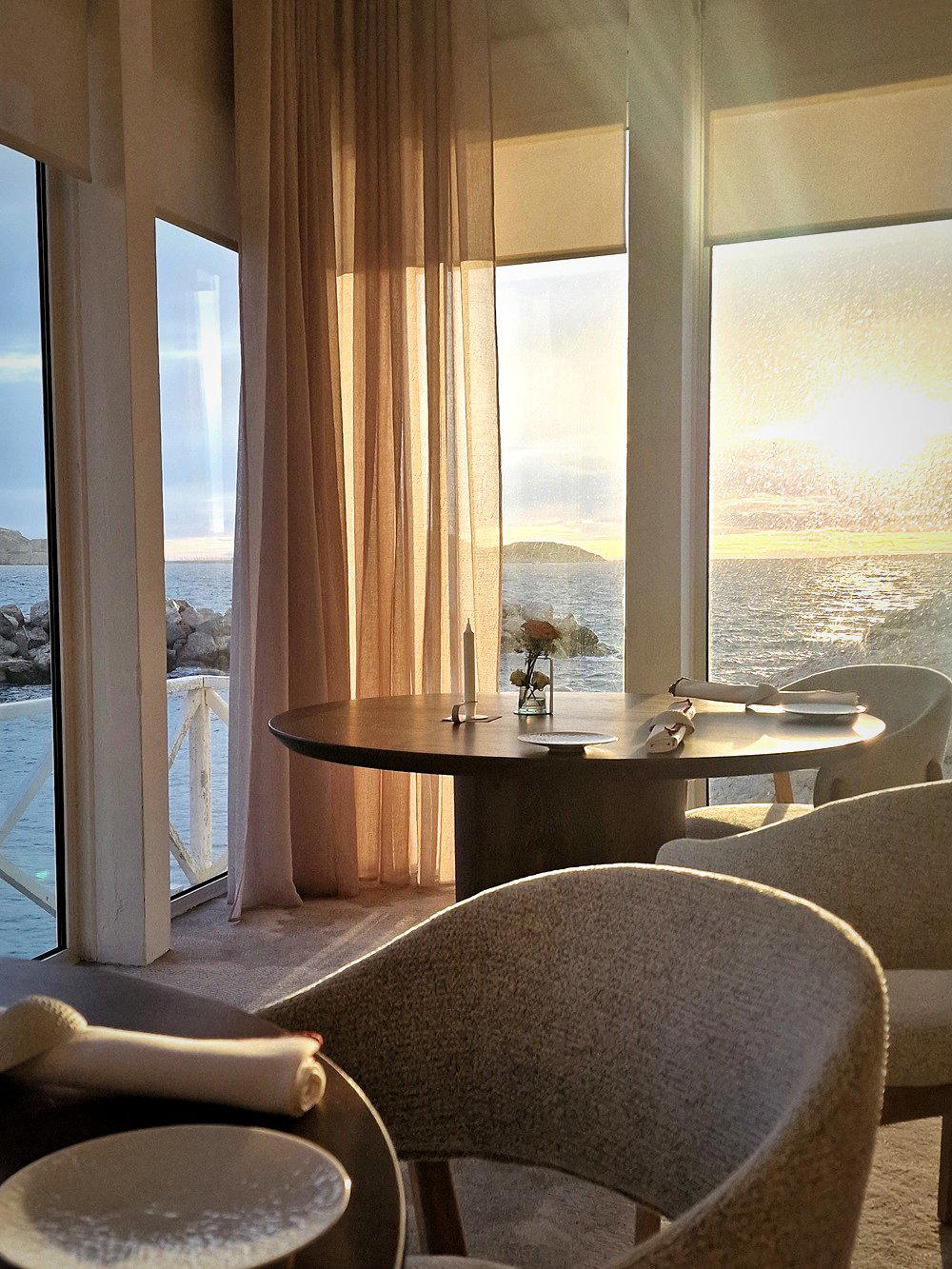
Both restaurants look over the Mediterranean, which means the view is not reserved for the three-star experience. That democratic use of the property's primary geographic asset is worth noting: the location works across formats, not just at the leading price tier.
Practical Orientation
Le Petit Nice operates as a Relais & Châteaux member with 19 rooms. Room rates start from $629 per night, which positions it above Marseille's mid-range hotel offer and in line with the southern France coastal luxury tier occupied by properties like La Bastide de Gordes or Villa La Coste in the broader region. Bookings and reservations run through the property directly: the website is passedat.fr, email is passedat@relaischateaux.com, and the telephone number is +33 (0)4 91 59 25 92. Given the three-star restaurant's profile and the limited room count, advance planning is advisable, particularly for the summer months when Mediterranean coastal properties run at capacity across the region. A dining reservation at the flagship restaurant, independent of a hotel stay, is possible but carries its own lead time given the starred kitchen's demand. For a broader overview of where Le Petit Nice sits within the city's dining and hotel offer, see our full Marseille restaurants guide.
The wellness offer, hammam, Japanese bath, swimming pool, and the immediate proximity of the Mediterranean, makes Le Petit Nice function as a plausible short-stay destination in its own right rather than purely a dining stop. Guests arriving from Paris might benchmark it against Cheval Blanc Paris in terms of the hotel-restaurant integration model, though the physical character of the two properties differs substantially. For those considering alternatives within the wider south of France luxury circuit, Hôtel & Spa du Castellet, Château de la Gaude in Aix-en-Provence, or Château de la Chèvre d'Or in Èze each operate in the same broad price and positioning band, but none carry a three-star restaurant under the same roof, which remains Le Petit Nice's clearest differentiator within its competitive set. Other properties with comparable hotel-restaurant integration at this level in France include Royal Champagne Hotel & Spa in Champillon, Les Sources de Caudalie in Bordeaux, Four Seasons Megève, and Cheval Blanc Courchevel, all of which offer a useful frame for what this category of stay involves. For those approaching from outside France, Aman Venice, Aman New York, or The Fifth Avenue Hotel in New York City operate at comparable room counts and service intensity, though without the culinary dimension that defines Le Petit Nice's category position. Finally, Castelbrac in Dinard offers an instructive parallel: another coastal France property with Michelin-starred dining and sea views, operating at a smaller scale than resort competitors.
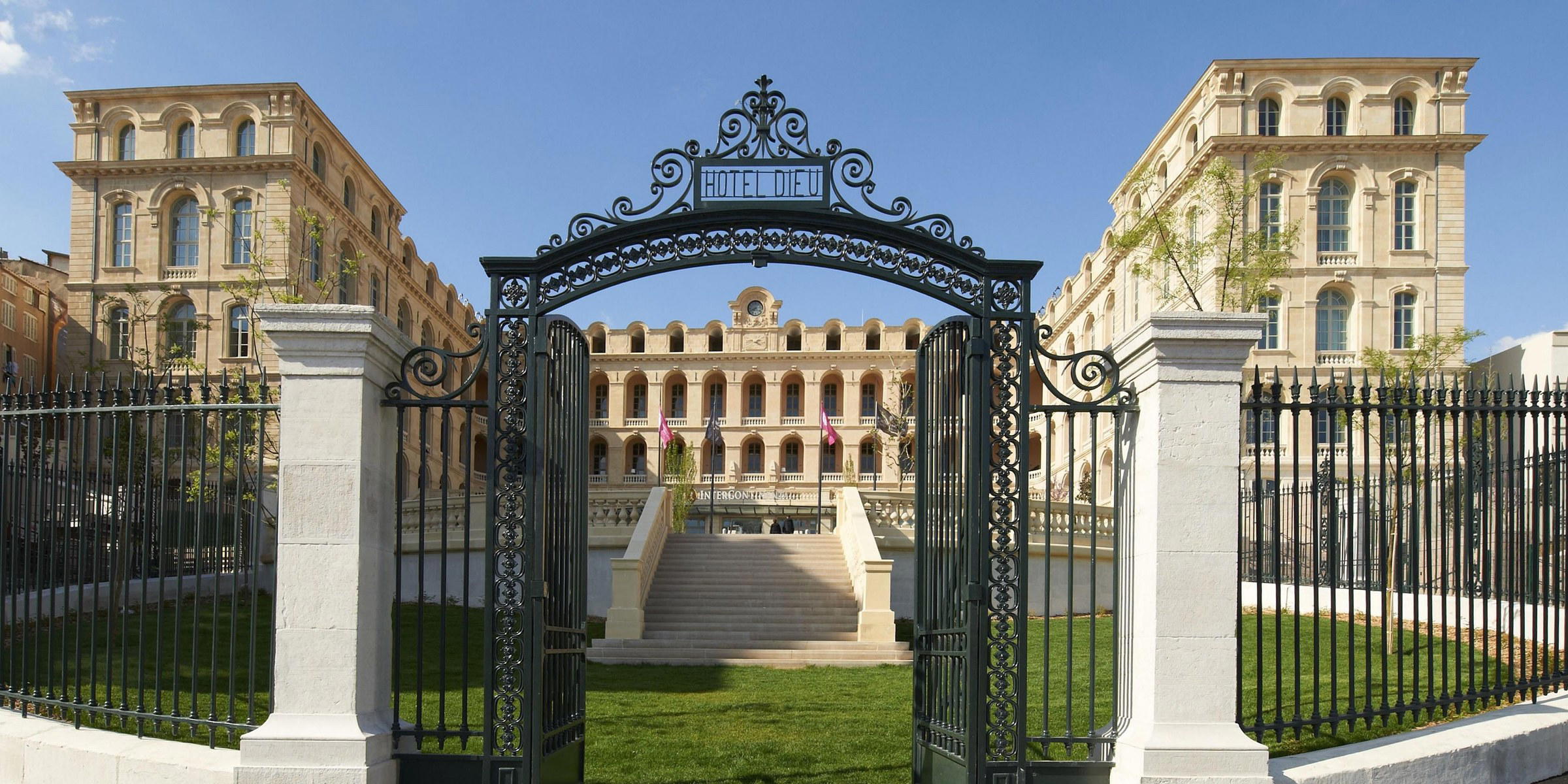
Also worth considering as context within Marseille: the Hôtel Dieu Intercontinental Marseille offers a very different urban anchor point in the heart of the city, which may suit travellers who want Marseille's street-level character as their primary reference rather than the coastal remove that defines Le Petit Nice's position on the Corniche.
Just the Basics
Comparable venues nearby, for context on price, style, and recognition.
| Venue | Price | Awards | Notes |
|---|---|---|---|
| Le Petit NiceThis venue (the venue you are viewing) | $300–500 | 1 Michelin Key · Relais Chateaux Award | Not listed |
| Hôtel Dieu Intercontinental Marseille | $200–300 | Michelin Selected · La Liste Top Hotels | Hotel De Ville, Historic luxury hotel in restored 800-year-old building |
| Sofitel Marseille Vieux Port | $200–300 | Michelin Selected | Vieux Port, Nautical luxury inspired by a lavish yacht with marine-themed decor. |
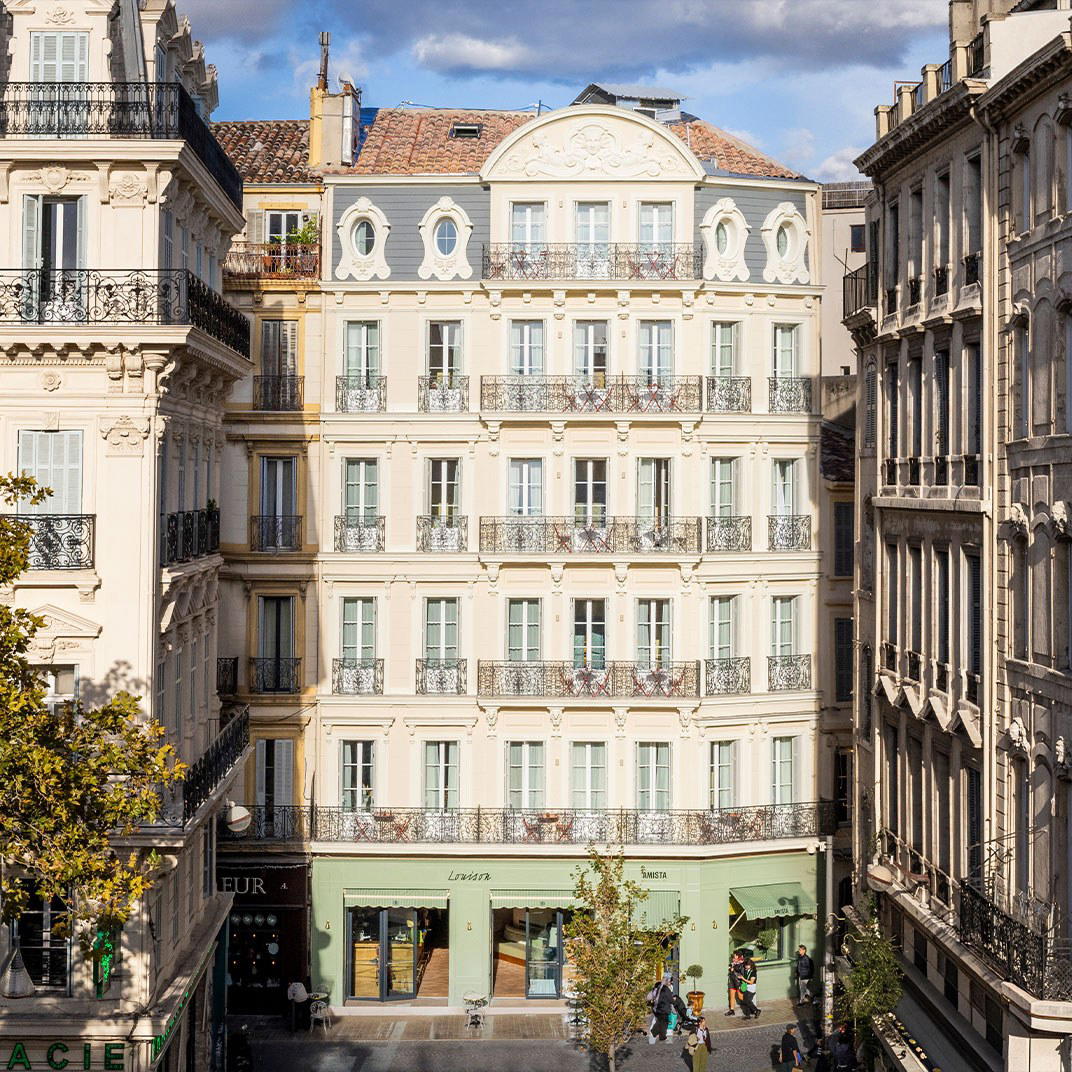
| Amista | $100–200 | Michelin Selected | Noailles, Upscale travel home designed as an intimate, unpretentious boutique property blending heritage architecture with contemporary style. |
| Hôtel C2 | $100–200 | Michelin Selected · Gault & Millau Exceptional Hotel | Palais De Justice, Renovated historic mansion with modern twists |
| Maisons du Monde Marseille | Not listed | Michelin Selected | Opera, stylish and convivial urban hotel reflecting Maisons du Monde's art of living |
Recognition history
Dated appearances from independent guides and award organizations, with the underlying list record or original source where available.
Michelin 1 Key
Michelin
Gault & Millau Exceptional Hotel
Gault & Millau
Relais Chateaux Award
Relais Chateaux
Full recognition history (5 entries)
Michelin 1 Key
Michelin
Michelin 1 Key
Michelin
Continue exploring
More in Marseille
Hotels in Marseille
All hotels in Marseille →
Bars in Marseille
All bars in Marseille →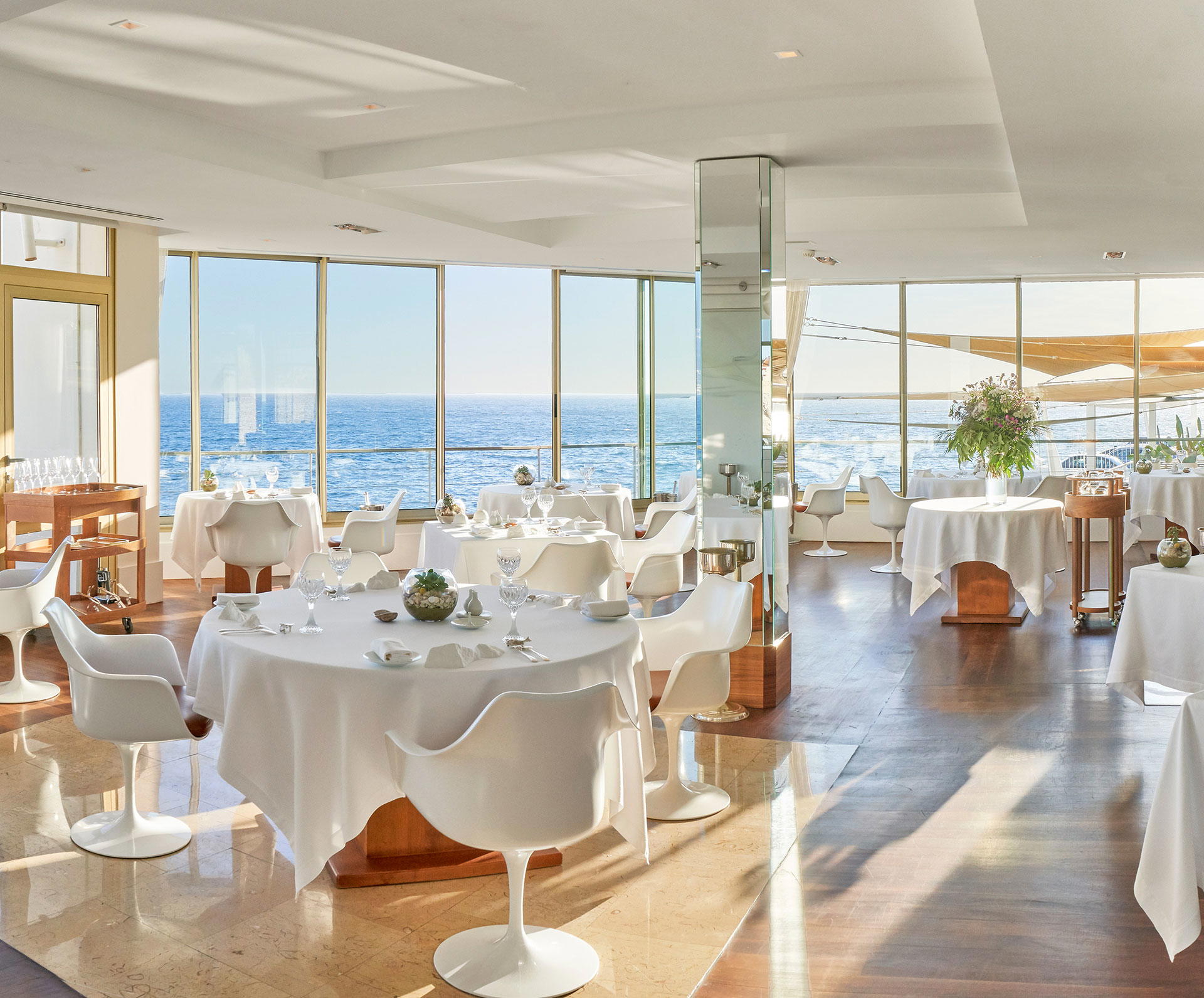
Details
- Elegant
- Sophisticated
- Romantic
- Scenic
- Intimate
- Honeymoon
- Romantic Getaway
- Anniversary
- Weekend Escape
- Beachfront
- Panoramic View
- Terrace
- Pool
- Spa
- Wi Fi
- Room Service
- Concierge
- Fitness Center
- Restaurant
- Waterfront
- Elevator
- Step Free Entrance
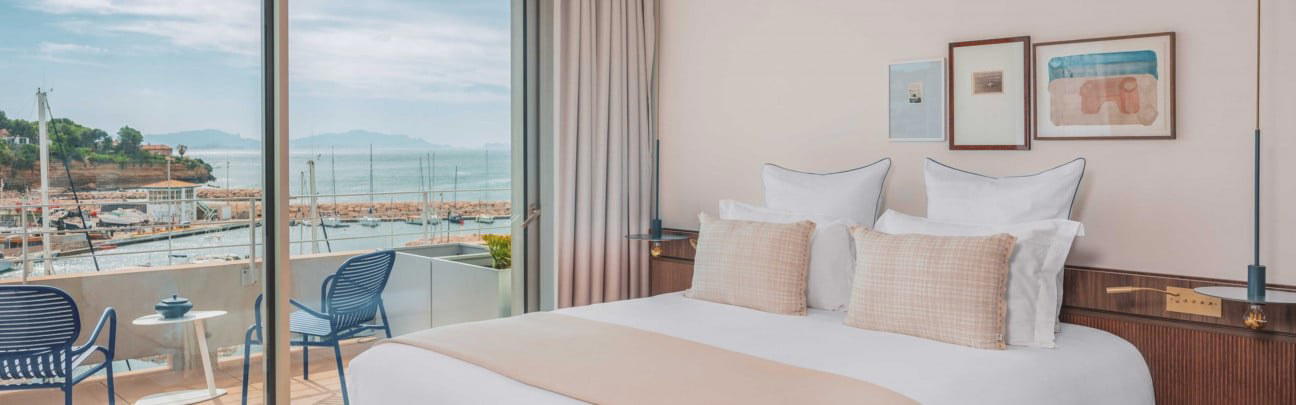
Elegant and serene with contemporary decor, sea views from spacious rooms, and a tranquil marine atmosphere.