

1 Michelin Star · Relais Chateaux Award
Our verdict
Le Feuillée holds a Michelin star (2025) inside the 17th-century Couvent des Minimes hotel in Mane, Provence. Chef Louis Gachet, named MOF 2023, draws on both Burgundian technique and Provençal produce in a dinner-only format running Wednesday through Sunday.

Pearl is the En Primeur Club membership app — saves, bookings, and concierge access live there. Same editors, same standards.
- Address
- Chemin Jeux de maï, 04300 Mane, France
- Phone
- +33 4 92 74 77 77
- Hours
- Mon–Tue ClosedWed–Sun 7–9 PM
- Directions
- Get directions
A 17th-Century Cloister and What Grows Around It
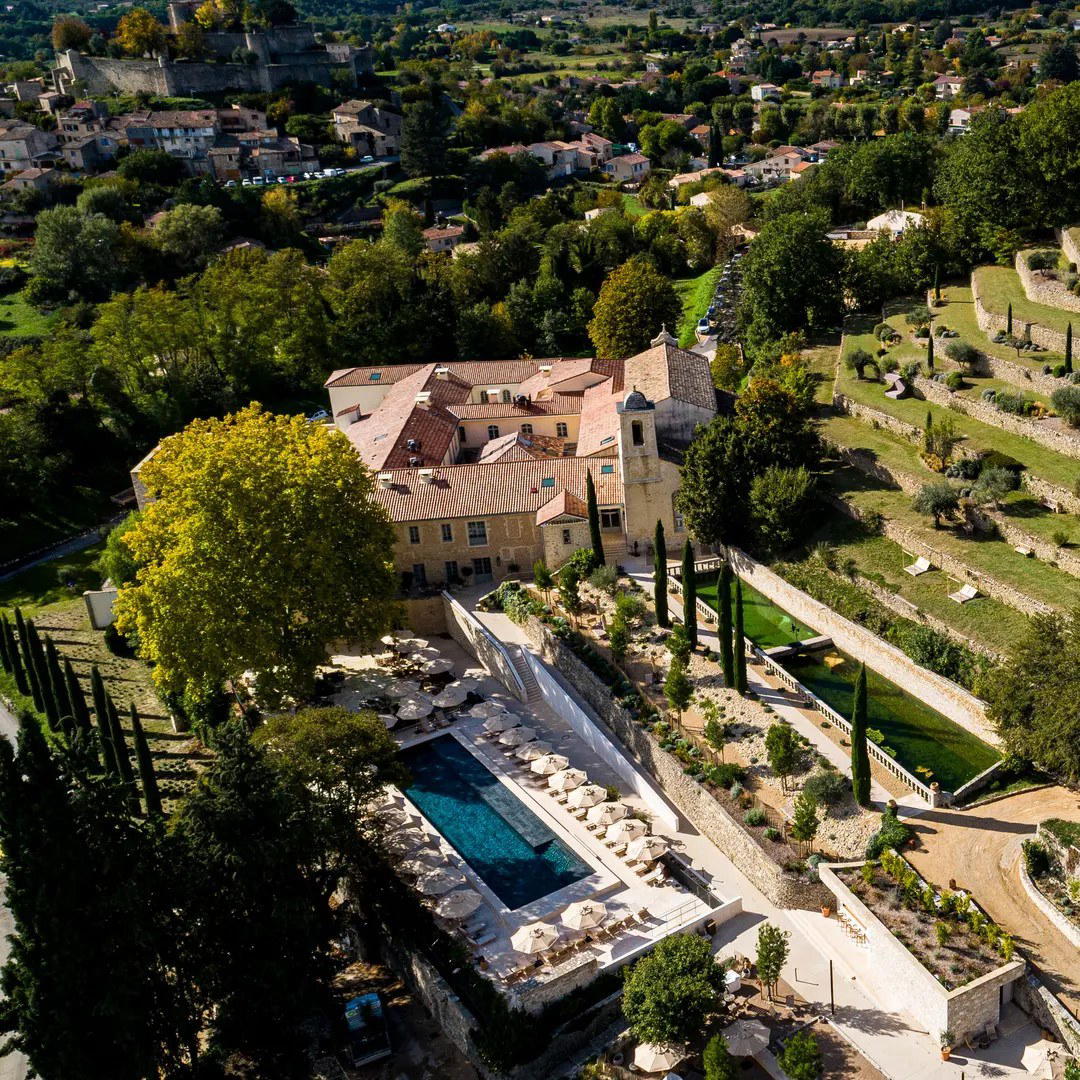
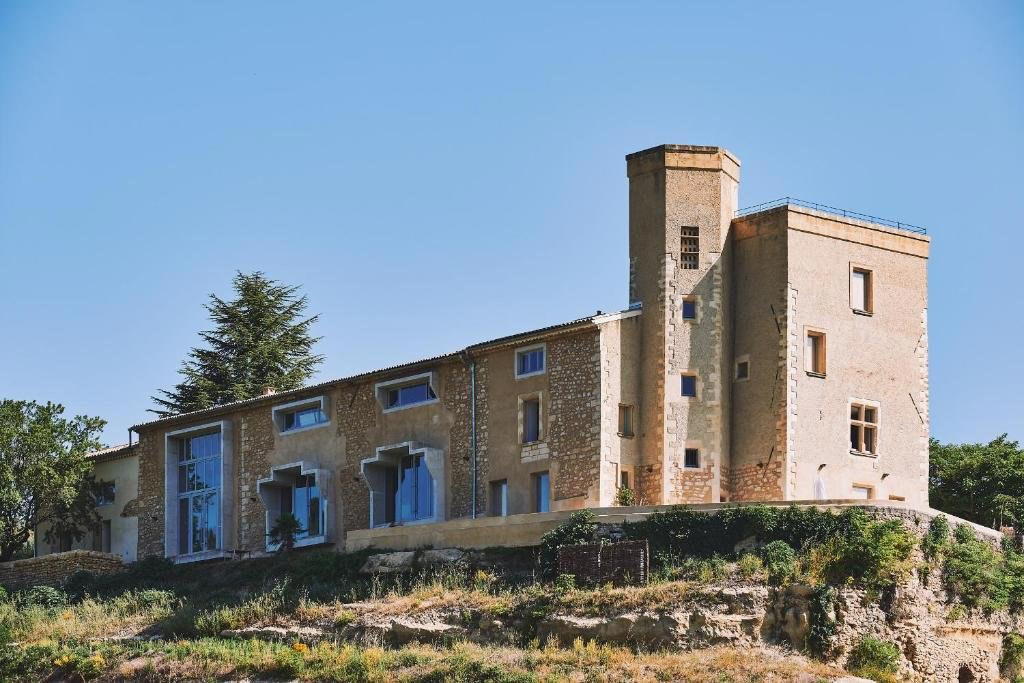
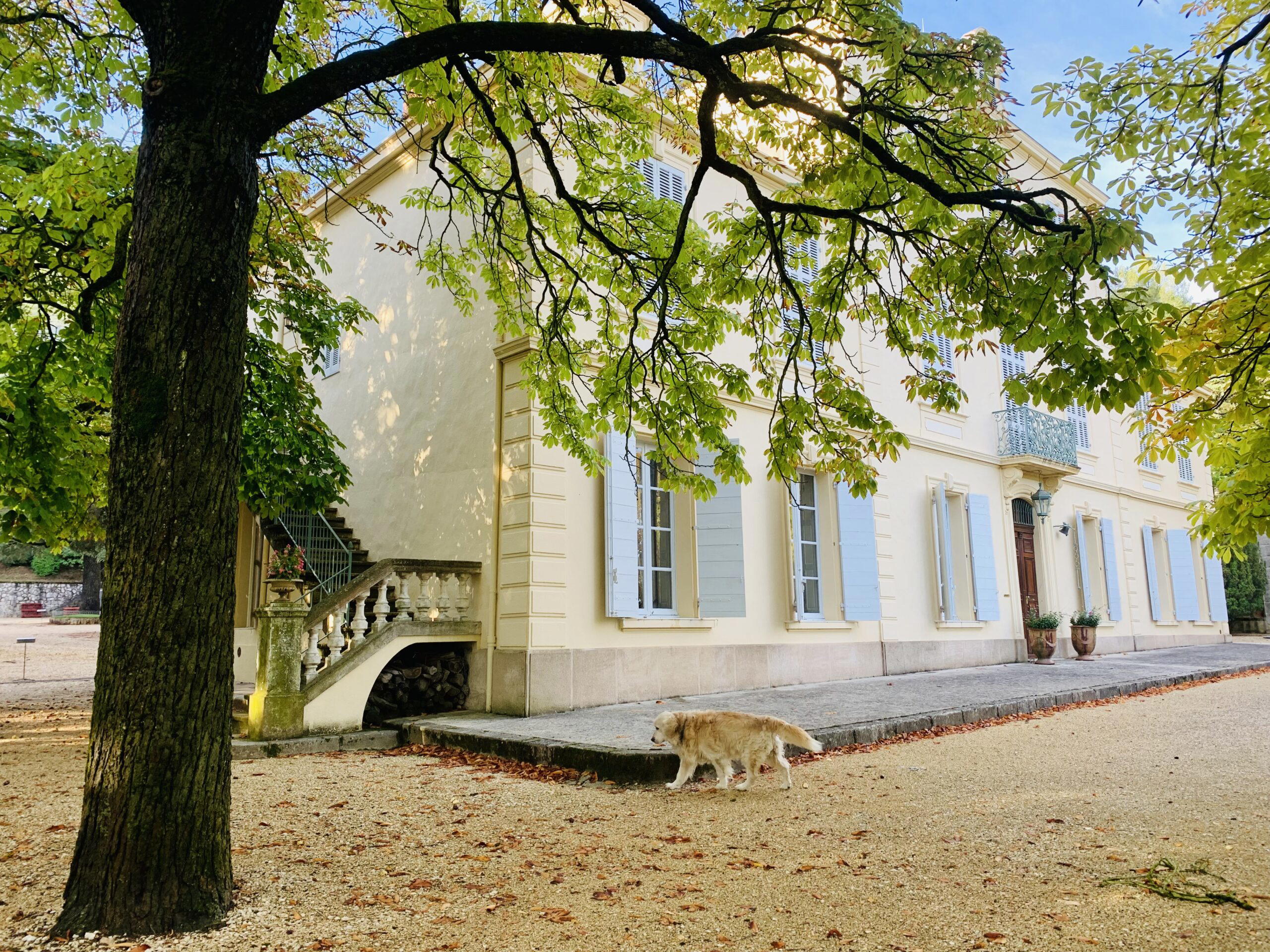
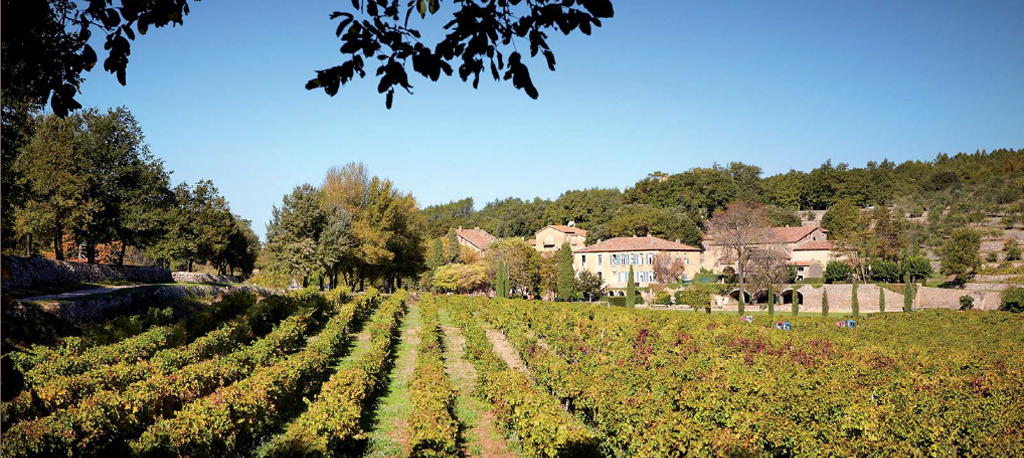
The approach to Le Feuillée sets a particular kind of expectation. The Couvent des Minimes in Mane is a restored 17th-century monastery in the Luberon foothills, and the stone architecture, courtyard proportions, and herb-planted grounds establish the terms before you reach the dining room. Provincial France has several hotel-anchored fine dining restaurants of this type — a historic building, a luxury spa operation attached, a kitchen that draws on the surrounding land — but the formula only works when the restaurant is genuinely integrated with its environment rather than installed inside it. At Le Feuillée, that integration has a specific logic rooted in where the food comes from.
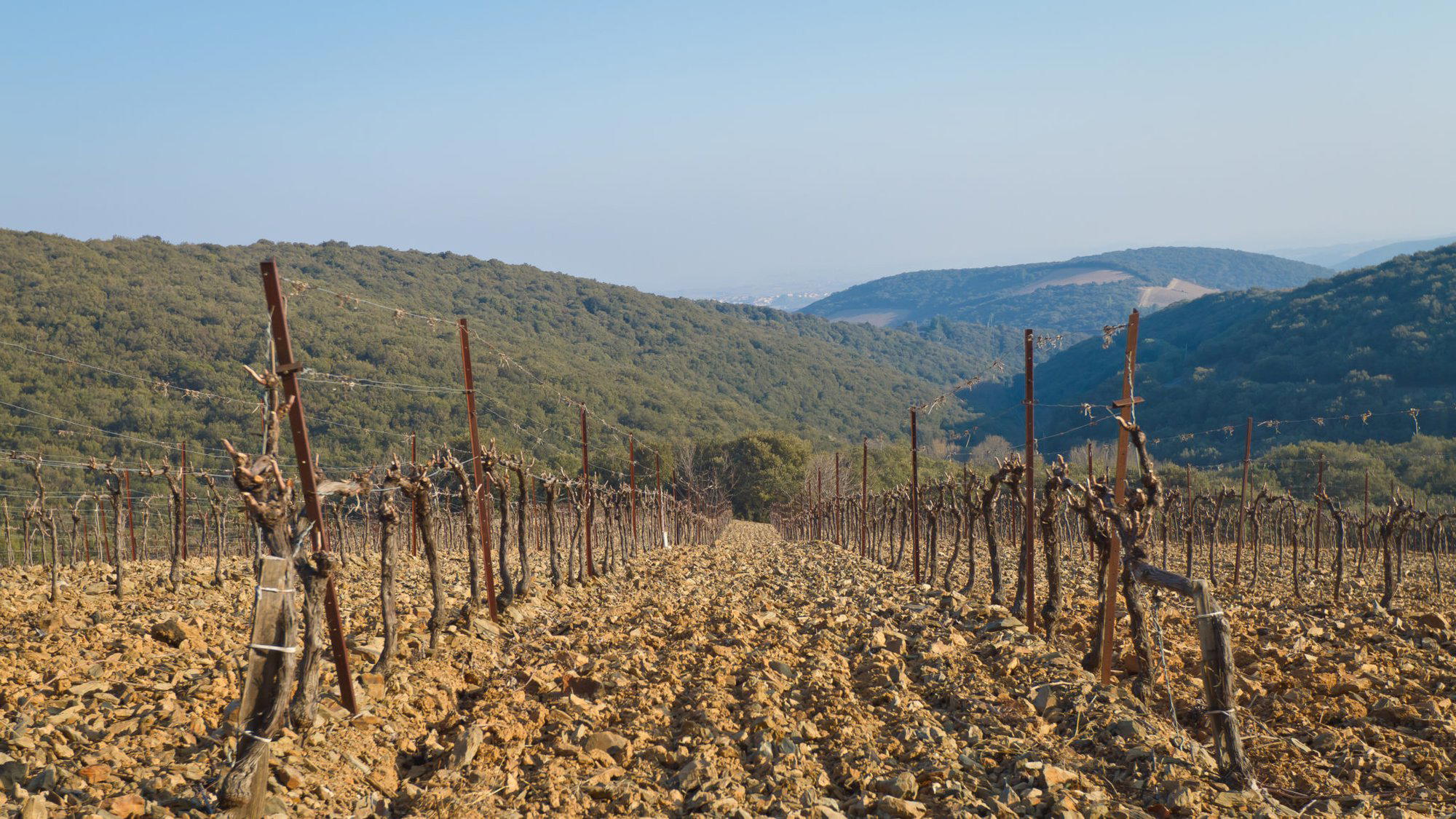
The restaurant takes its name from Louis Feuillée, the botanist born in Mane who served Louis XIV as a royal plant collector. That reference is not decorative. Haute Provence sits at the convergence of Alpine foothills and Mediterranean lowlands, producing a range of ingredients, lavender, thyme, olive oil, stone fruit, lamb from the Plateau de Valensole, that don't appear with the same intensity anywhere else in France. A kitchen that draws on that geography seriously is working with a different raw material base than a Parisian €€€€ operation, and that distinction shapes what arrives at the table.
Where the Produce Comes From and Why It Shapes the Menu
Provence's ingredient identity is one of the most documented in France, but fine dining kitchens don't always use it with discipline. The region's markets, small-scale producers, and seasonal windows, wild asparagus in early spring, truffles from the Var in winter, tomatoes and courgette flowers through summer, provide the kind of ingredient specificity that resists generic modern French cooking. Louis Gachet's position as a Meilleur Ouvrier de France (MOF 2023) signals technical command at a tier that places him alongside a small group of French chefs formally recognised for craft at the highest level. The MOF designation, awarded through a national competition with demanding jury standards, is one of the more reliable credentials in French gastronomy.
What makes the sourcing argument here more than local colour is the tension Gachet manages between two distinct culinary traditions. Burgundy, where he trained, is a cuisine of reduction, of butter and wine-based sauces, of long-cooked meat. Provence is olive oil, herbs, acid, and freshness. These are not naturally adjacent registers, and combining them without producing a muddled result requires the kind of technical range the MOF competition specifically tests. Michelin's inspectors, in awarding the restaurant a star in both 2024 and confirming it in 2025, noted the sauces specifically, a Burgundian strength applied to Provençal material. That combination is the operative idea at Le Feuillée, and it gives the kitchen a more specific editorial identity than most single-star hotel restaurants in the region.
For comparison, AM par Alexandre Mazzia in Marseille takes a very different approach to the south of France's ingredient base, more conceptual, more globally inflected. Le Feuillée sits closer to the classical-with-regional-specificity model, though the MOF-level technique means it doesn't read as conservative. Similarly, Mirazur in Menton demonstrates how coastal Provence and its cross-border ingredient access can anchor a three-star program; Le Feuillée operates at a different scale and price point, but the commitment to where the food comes from is structurally comparable.
The Dining Format and Room
Le Feuillée operates on a restricted schedule: Wednesday through Saturday evenings from 7 PM, Sunday with both a midday service (noon to 1 PM) and an evening sitting (8 PM). Mondays and Tuesdays are closed. This limited availability is consistent with a kitchen running at MOF-standard precision, the kind of output that requires preparation time and cannot be diluted across seven-day covers without compromising the result. At this price tier (€€€€), a narrow calendar is a feature rather than a limitation; it maintains kitchen focus and, practically, drives forward booking.
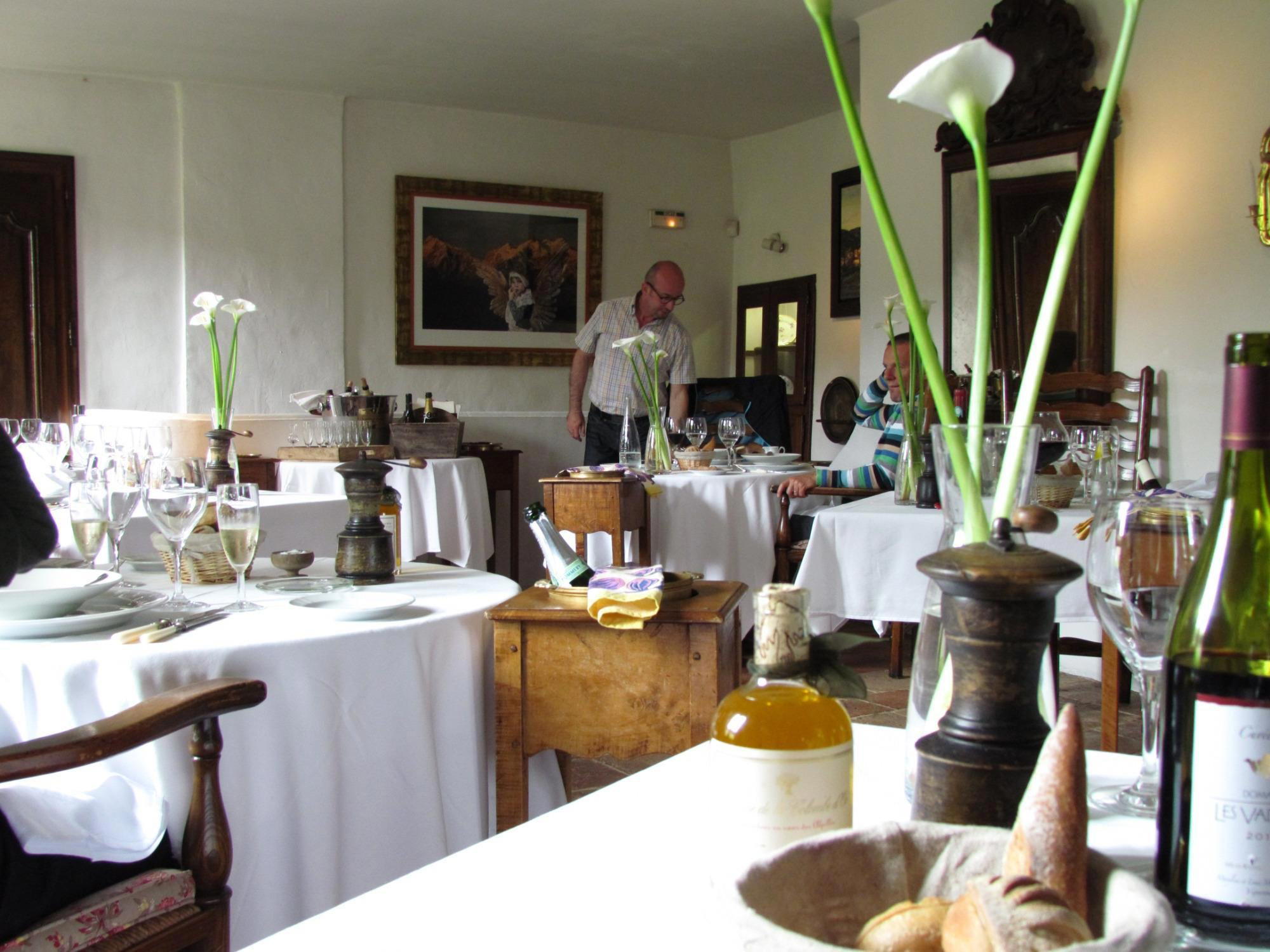
The setting inside the Couvent des Minimes adds a layer of context that hotel-restaurant dining in more generic properties can't offer. The 17th-century architecture, the cloistered courtyard, the proximity to the hotel's spa and gardens, these are not additions to the dining experience but its physical frame. Staying at the property to access both evening and morning in the same environment is the logic that many guests apply, and the hotel offers that as a complete proposition. For planning purposes, the Pamparigouste - Le Couvent des Minimes offers a second dining option on the same property, positioned at a different register than Le Feuillée, which gives guests access to both a casual Provençal format and the Michelin-starred kitchen within the same stay. The full hotel context is covered in the Le Couvent des Minimes, Un Hôtel & Spa L'Occitane en Provence listing.
Placing Le Feuillée in the Broader French Fine Dining Picture
Hotel-anchored Michelin-starred restaurants in rural France occupy a specific niche. The format, destination property, limited-capacity restaurant, menu driven by regional produce, has produced some of France's most durable fine dining institutions. Bras in Laguiole built its identity entirely around the Aubrac plateau and its particular plants and animals. Auberge de l'Ill in Illhaeusern developed its Alsatian river-corridor cuisine over generations. Flocons de Sel in Megève ties its kitchen to Alpine altitude and seasonal produce windows. In each case, remoteness from a major city concentrates the kitchen's attention on immediate geography rather than imported prestige ingredients.
Le Feuillée operates within that tradition. Mane is not a dining destination in the way Lyon or Paris draws a restaurant-specific crowd; guests arrive primarily because of the Luberon, because of the Couvent des Minimes as a property, or because the combination of place and kitchen creates a compelling argument for the trip. That combination, a credentialed MOF kitchen, a Michelin-starred program, and one of Provence's more architecturally significant historic properties, positions Le Feuillée at the serious end of regional fine dining in south-east France.
For those building a broader French fine dining itinerary, Troisgros - Le Bois sans Feuilles in Ouches and Paul Bocuse - L'Auberge du Pont de Collonges in Collonges-au-Mont-d'Or represent the deep Burgundy-Rhône tradition that sits behind Gachet's training. Alléno Paris au Pavillon Ledoyen in Paris and Assiette Champenoise in Reims show how the same technical ambition plays out in urban and northern-French contexts. International comparisons in the MOF-chef category include Frantzén in Stockholm and FZN by Björn Frantzén in Dubai, both of which demonstrate how a strong chef identity in a destination-hotel format can travel.
Planning a Visit
Le Feuillée is located at Chemin des Jeux-de-Maï in Mane, in the Alpes-de-Haute-Provence department (04300). The closest significant town is Forcalquier, a few kilometres north; Manosque is the nearest larger transport hub. The restaurant's €€€€ pricing and Michelin-star status place it at the top of the local market, and the limited weekly schedule (five evenings and one lunch service) makes advance reservation advisable, particularly for Saturday evenings and Sunday lunch. For broader exploration of the area, the [Mane restaurants guide](), [hotels guide](), [bars guide](), [wineries guide](), and experiences guide provide the full local picture.
Frequently asked questions
What do regulars order at Le Feuillée - Le Couvent des Minimes?
The specific menu at Le Feuillée changes with the season and is not published in advance in a fixed format, so individual dish recommendations should be confirmed directly with the restaurant at the time of booking. What Michelin's inspectors noted most specifically in their assessment was the quality of the sauces, which reflects Gachet's Burgundian technical background applied to Provençal ingredients. At a MOF-level kitchen running a creative program, the menu is built around what the surrounding region provides at a given moment in the year, so the question of what to order is partly a question of when you visit. Spring in the Luberon brings different raw material than autumn, and the kitchen's reputation rests on the connection between those two things: technique and place.
Price and Positioning
| Venue | Cuisine | Awards |
|---|---|---|
| Le Feuillée - Le Couvent des MinimesThis venue — the venue you are viewing | Refined Modern French Gastronomy | 1 Michelin Star · Relais Chateaux Award |
| Alléno Paris au Pavillon Ledoyen | Creative | Michelin 3 Star |
| Kei | Contemporary French, Modern Cuisine | Michelin 3 Star |
| L'Ambroisie | French, Classic Cuisine | Michelin 3 Star |
| Le Cinq - Four Seasons Hôtel George V | French, Modern Cuisine | Michelin 3 Star |
| Plénitude | Contemporary French | Michelin 3 Star |
Recognition history
Dated appearances from independent guides and award organizations, with the underlying list record or original source where available.
Michelin 1 Star
Michelin
Relais Chateaux Award
Relais Chateaux
Full recognition history (4 entries)
Michelin 1 Star
Michelin
Michelin 1 Star
Michelin
Continue exploring
More in Mane
More from Chef Louis Gachet
Browse all →
Restaurants in Mane
Browse all →
Bars in Mane
Browse all →
Hotels in Mane
Browse all →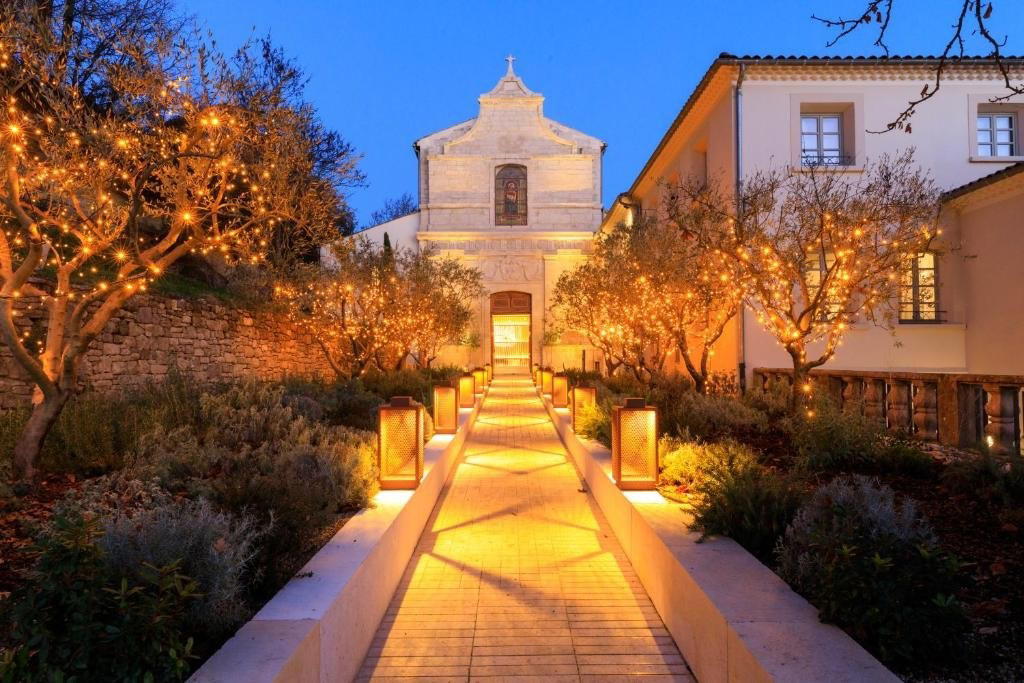

Details
- Elegant
- Sophisticated
- Scenic
- Quiet
- Special Occasion
- Date Night
- Celebration
- Business Dinner
- Hotel Restaurant
- Historic Building
- Local Sourcing
- Allergy Accommodating
Current opening hours
- Monday
- Closed
- Tuesday
- Closed
- Wednesday
- 7–9 PM
- Thursday
- 7–9 PM
- Friday
- 7–9 PM
- Saturday
- 7–9 PM
- Sunday
- 7–9 PM
Hours can change for holidays and private events. Last verified .
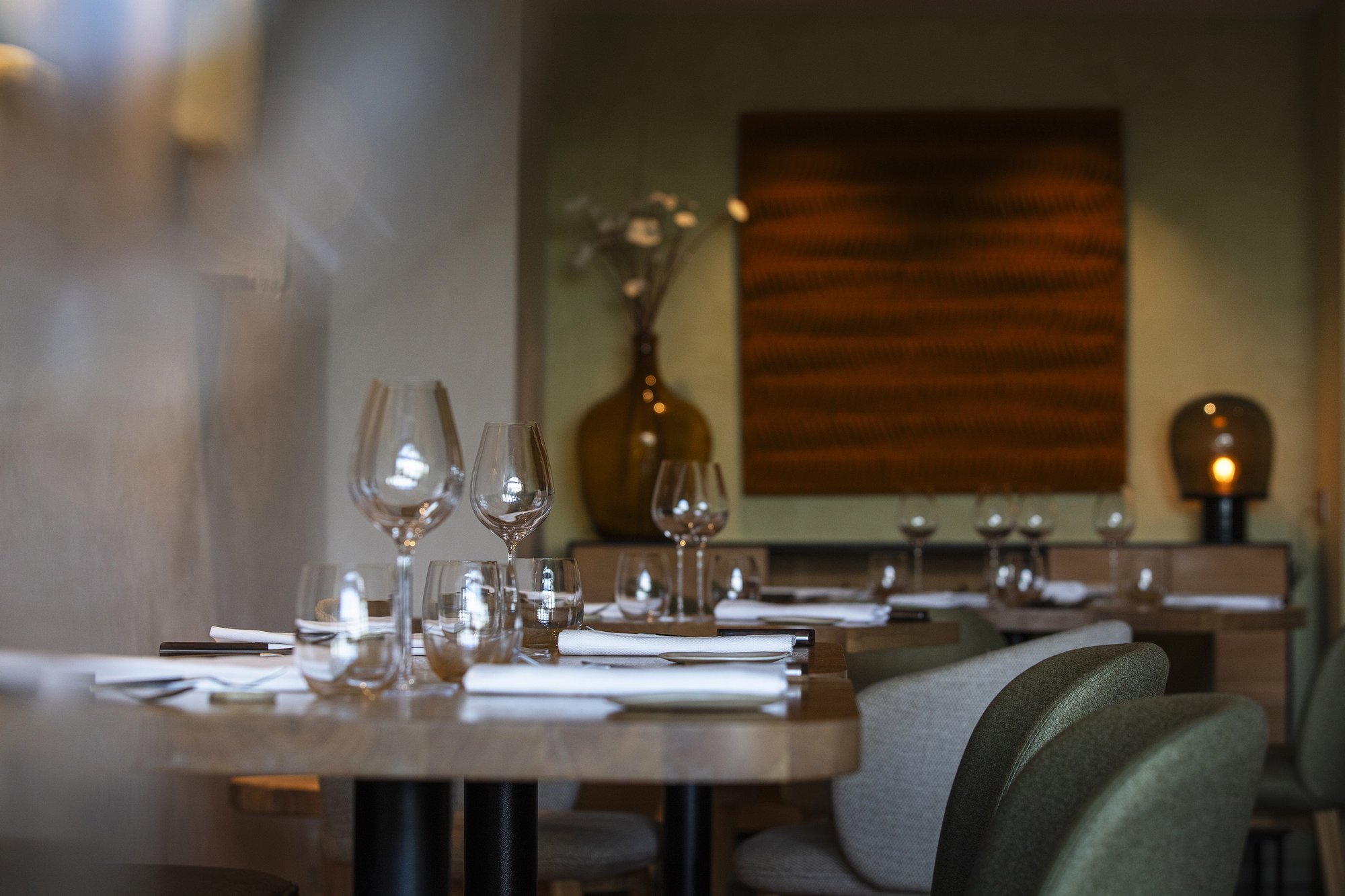
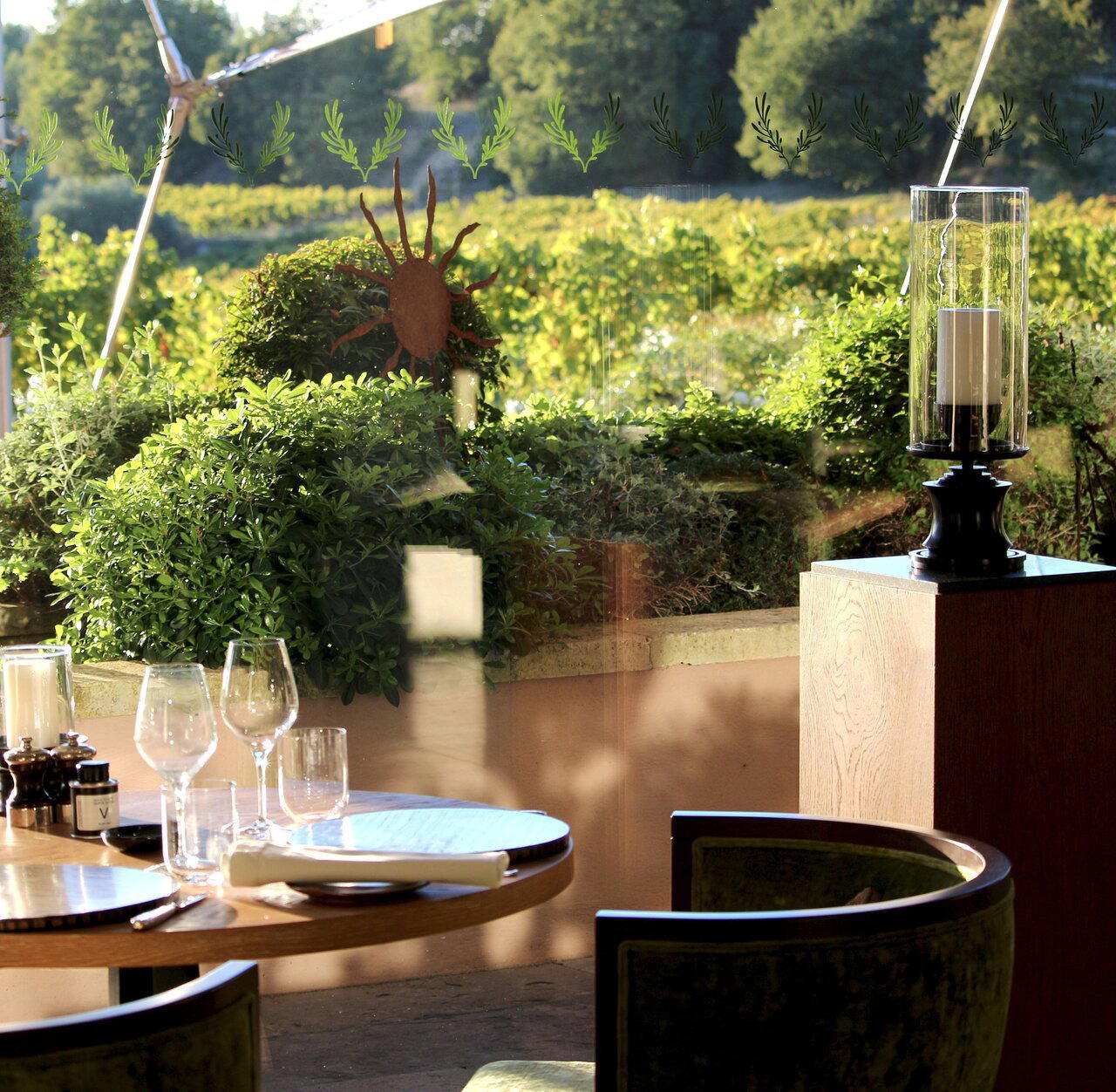
Refined and serene, with the understated elegance of a luxury Provençal retreat and an emphasis on calm, natural materials and polished hospitality.