Domaine du Pegau
Domaine du Pegau has been producing Châteauneuf-du-Pape since its first vintage in 1987, with Laurence Feraud overseeing a program built around extended aging and traditional blending. Located at 15 Avenue Impériale, it sits among the appellation's most closely watched producers for old-vine Grenache-led assemblage.
Pearl is the En Primeur Club membership app — saves, bookings, and concierge access live there. Same editors, same standards.
- Address
- 15 Av. Impériale, 84230 Châteauneuf-du-Pape
- Phone
- +33 4 90 83 72 70
- Website
- pegau.com
- Directions
- Get directions
 Saves & bookings on Pearl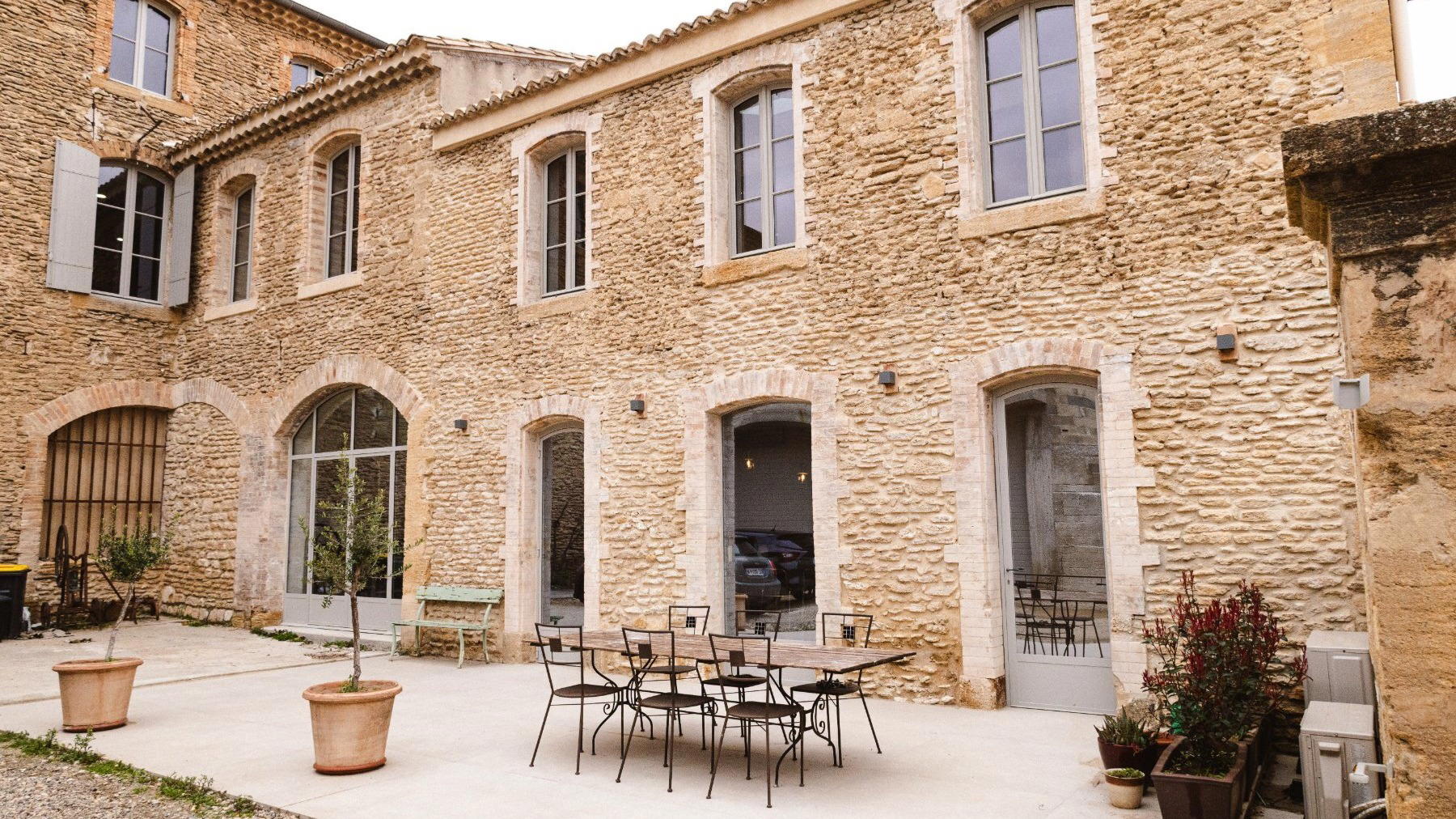
Châteauneuf-du-Pape and the Long Game
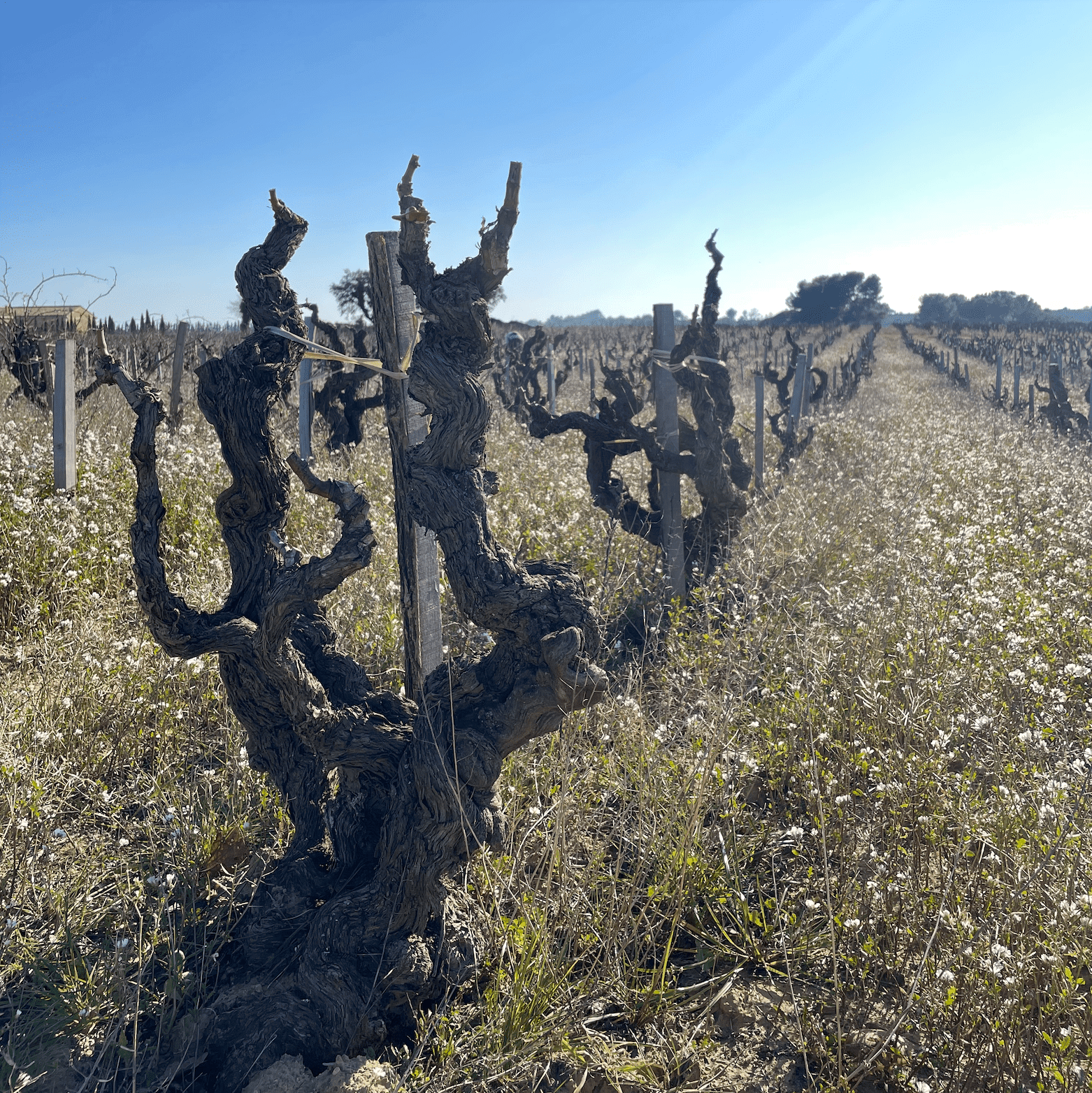
Arrive on the Avenue Impériale in late autumn, when the garrigue has dried to a grey-silver and the last of the Grenache harvest has already moved into cellar, and you understand immediately what separates Châteauneuf-du-Pape from easier appellations. The village sits on a plateau of rounded quartzite stones, the famous galets roulés, that retain heat through the night and impose a particular physiological ripeness on the fruit above them. Winemaking here is not a corrective exercise; it is a question of how long you are prepared to wait, and how much you trust what the vintage has given you. Domaine du Pegau has built its reputation on the answer: longer, and considerably more than most.
The Southern Rhône produces several dozen serious domaines within the appellation's roughly 3,200 hectares. Within that group, a smaller cohort operates on what might be called the traditional-maximalist end of the spectrum: high extraction, extended élevage, minimal filtration, and an almost deliberate indifference to the cosmetic polish that shorter aging and early release can provide. Pegau sits in that tier.
What Happens After Harvest
What happens once the fruit is in the cellar matters most here. Châteauneuf-du-Pape permits eighteen grape varieties, and the blending decisions made between October and the eventual bottling date define the house style as much as any single plot. At Pegau, winemaker Laurence Feraud has consistently prioritised Grenache dominance in the blend, supported by Syrah and Mourvèdre in proportions that shift with each vintage but maintain a structural throughline: power tempered by time rather than by technique.
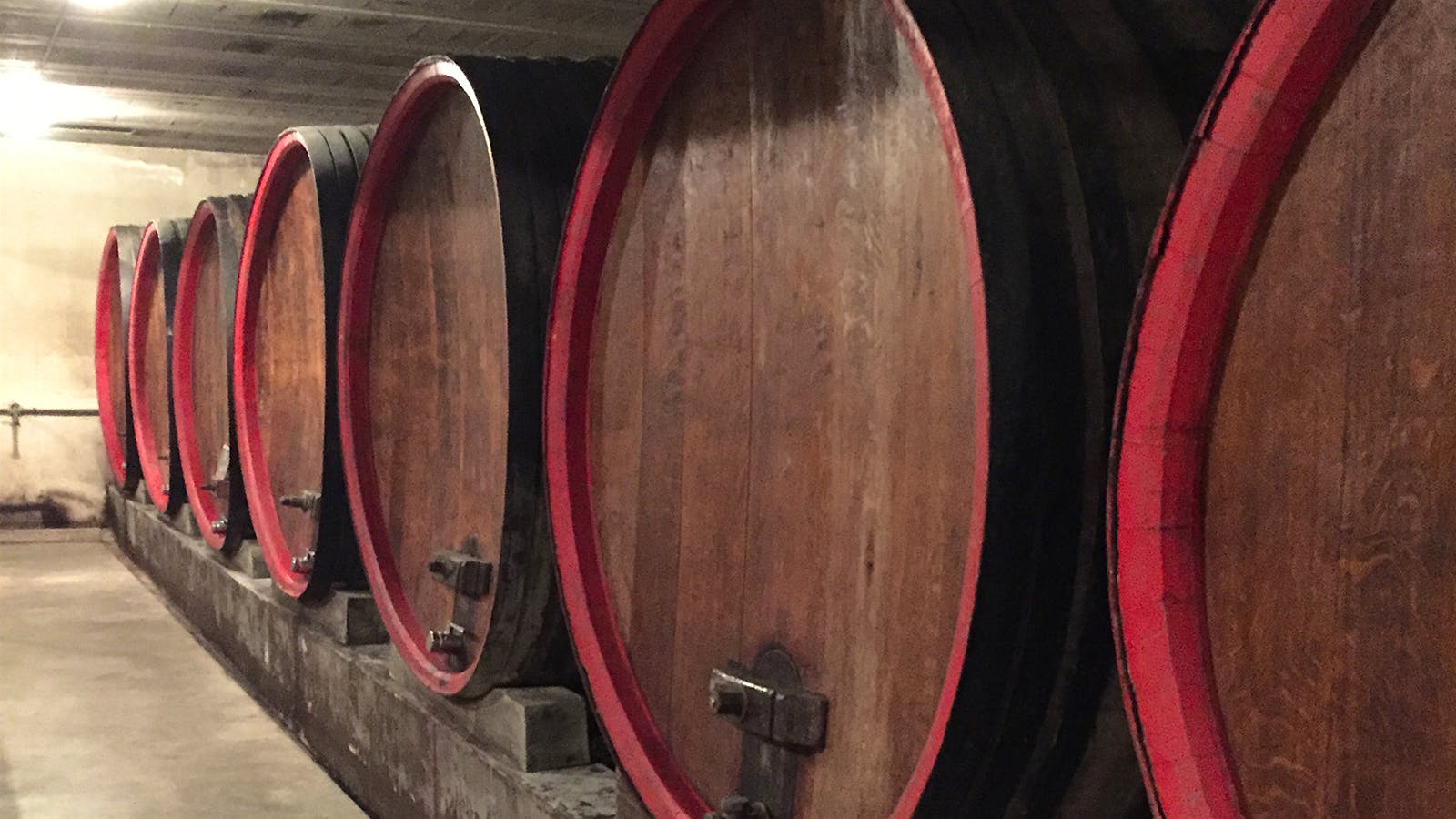
Barrel aging in this part of the Rhône tends toward large-format oak, the foudres and demi-muids that impart minimal new oak character and instead allow slow oxidative development without the vanilla and toast signatures that smaller barrique aging introduces. This is a deliberate choice about patience: the wine finishes in wood for periods that, at the upper end of the range, would be considered excessive in many other appellations. The result, when the vintage cooperates, is a wine with a secondary-phase aromatic complexity, dried herbs, iron, leather, that simply cannot be rushed. Compare this approach to the tighter, more mineral-driven élevage at Clos Des Papes or the extreme minimalism of Chateau Rayas, and you get a map of how differently skilled producers can interpret the same appellation rules.
The blending decisions also extend to white and rosé production within the appellation, though Pegau's reputation rests almost entirely on its red program. Châteauneuf-du-Pape Blanc, made from Clairette, Grenache Blanc, Roussanne, and other permitted whites, represents a small fraction of total appellation production and commands a price premium that reflects both the scarcity of old white vine material and the difficulty of achieving the necessary textural weight without oxidation. Pegau produces white wine, though the red cuvées attract the greater share of critical attention and collector demand.
Placement in the Appellation
Within Châteauneuf-du-Pape, the hierarchy of producers is informal but widely understood. Allocation systems, secondary market pricing, and the density of critical coverage create a de facto ranking that aligns closely with the traditional-versus-modern stylistic divide. Domaine du Pegau occupies a position that long-term collectors recognise: wines that require patience in the cellar but deliver a depth of expression at ten or fifteen years that more polished, earlier-drinking styles cannot match.
For context, consider where Pegau sits relative to its neighbours. Domaine de la Solitude and Domaine Charvin both work within the appellation's traditional framework but with somewhat different extraction and élevage profiles. Domaine du Clos Saint Jean has attracted its own following for concentrated, age-worthy reds. The appellation is large enough to support several distinct stylistic schools, and Pegau's position within the traditionalist cohort is not a default but a choice maintained consistently across nearly four decades of production.
That consistency since 1987 is itself a data point worth examining. Many Rhône producers have shifted style in response to critical fashion or climate change, moving toward earlier picking, reduced extraction, or shorter wood aging. Pegau has largely held its line. Whether that represents resistance to trend or confidence in a proven method is a question the wines themselves answer, particularly in the stronger vintages where the extended aging program produces results that contemporary alternatives struggle to replicate.
Planning a Visit
Domaine du Pegau is located at 15 Av. Impériale, 84230 Châteauneuf-du-Pape, and visits are by appointment only. The appellation sits roughly twenty minutes south of Orange and about twenty-five minutes north of Avignon, making it accessible from either city by car.
The village of Châteauneuf-du-Pape receives visitors year-round, though one instructive time to arrive is either during the pre-harvest period in late August and early September, when the galet-covered vineyards are at their warmest and the fruit is in its final stages of development, or in late spring when the domaines have had time to assess the current vintage and comparative tastings are more readily arranged. Winter visits are quieter and sometimes allow more direct conversation with the winemaking team, though cellar activity is reduced.
Tasting on a so-called fruit day is said to present the wine at its most expressive, a claim that divides opinion sharply among critics and sommeliers but reflects the seriousness with which the domaine approaches every stage of the wine's development, from vine to glass.
Bordeaux comparisons are also instructive: Château Bélair-Monange in Saint-Emilion and Château Branaire Ducru in St-Julien both operate in the space where appellation tradition and long-term aging potential intersect. Further afield, Château Batailley in Pauillac, Château Boyd-Cantenac in Cantenac, Château Bastor-Lamontagne in Preignac, Accendo Cellars in St. Helena, and Aberlour in Aberlour each represent the kind of producer-led, aging-focused approach that rewards visitors who engage with the production process rather than simply buying a bottle at the cellar door.
Peers You’d Cross-Shop
Comparable venues nearby, for context on price, style, and recognition.
| Venue | Cuisine | Price | Notes |
|---|---|---|---|
| Domaine du PegauThis venue — the venue you are viewing | Grenache, Syrah | $$$ | Not listed |
| Domaine Charvin | Grenache, Syrah | $$$ | Châteauneuf-du-Pape |
| Domaine La Barroche | Grenache, Mourvèdre | $$$$ | Châteauneuf-du-Pape |
| Domaine Saint Préfert | Grenache, Mourvèdre | $$$ | Châteauneuf-du-Pape |
| Domaine de la Solitude | Grenache, Syrah | $$$ | Châteauneuf-du-Pape |
| Clos Des Papes | Grenache, Mourvèdre | $$$$ | Châteauneuf-du-Pape |
Continue exploring
More in Châteauneuf-du-Pape
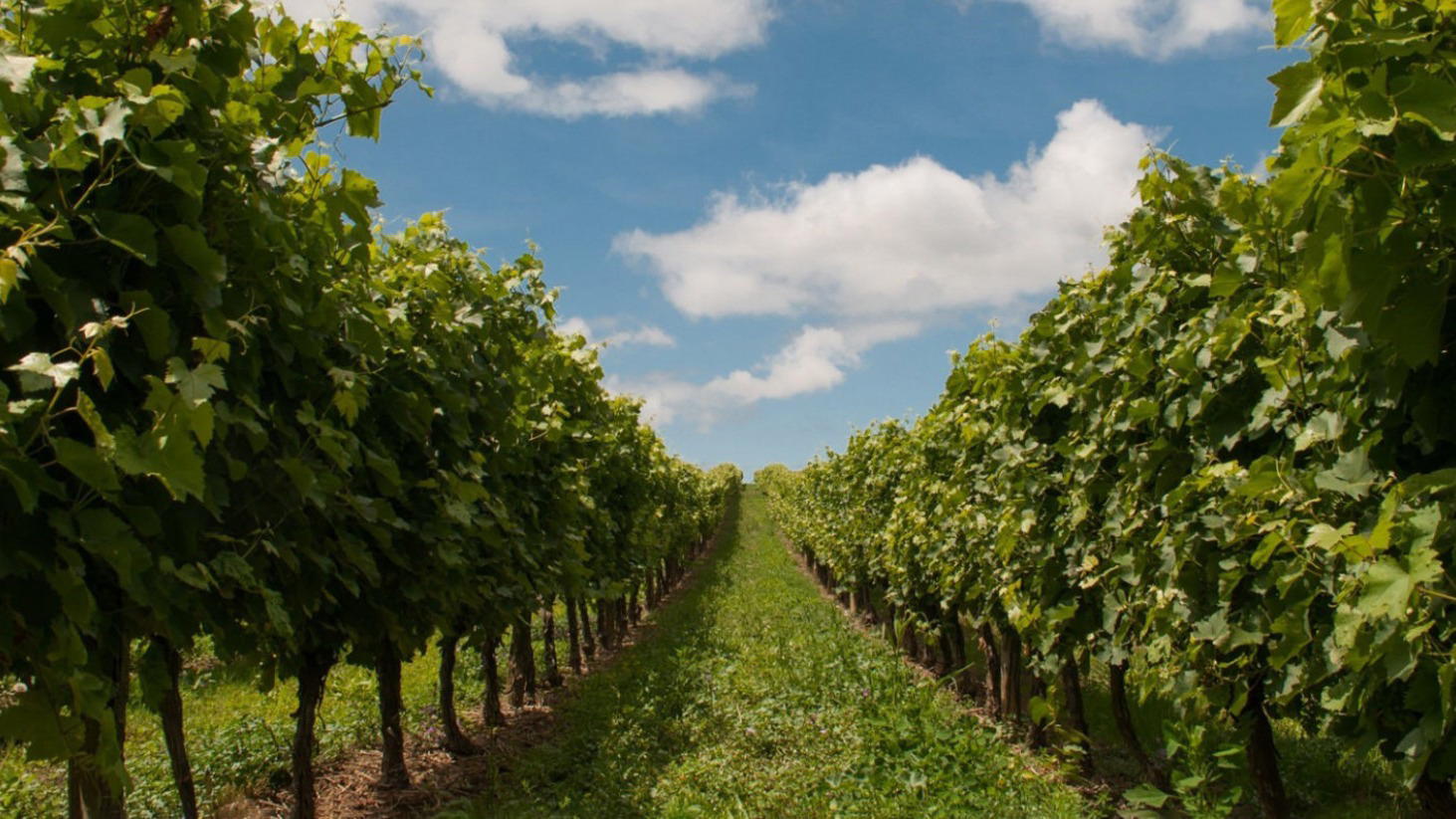
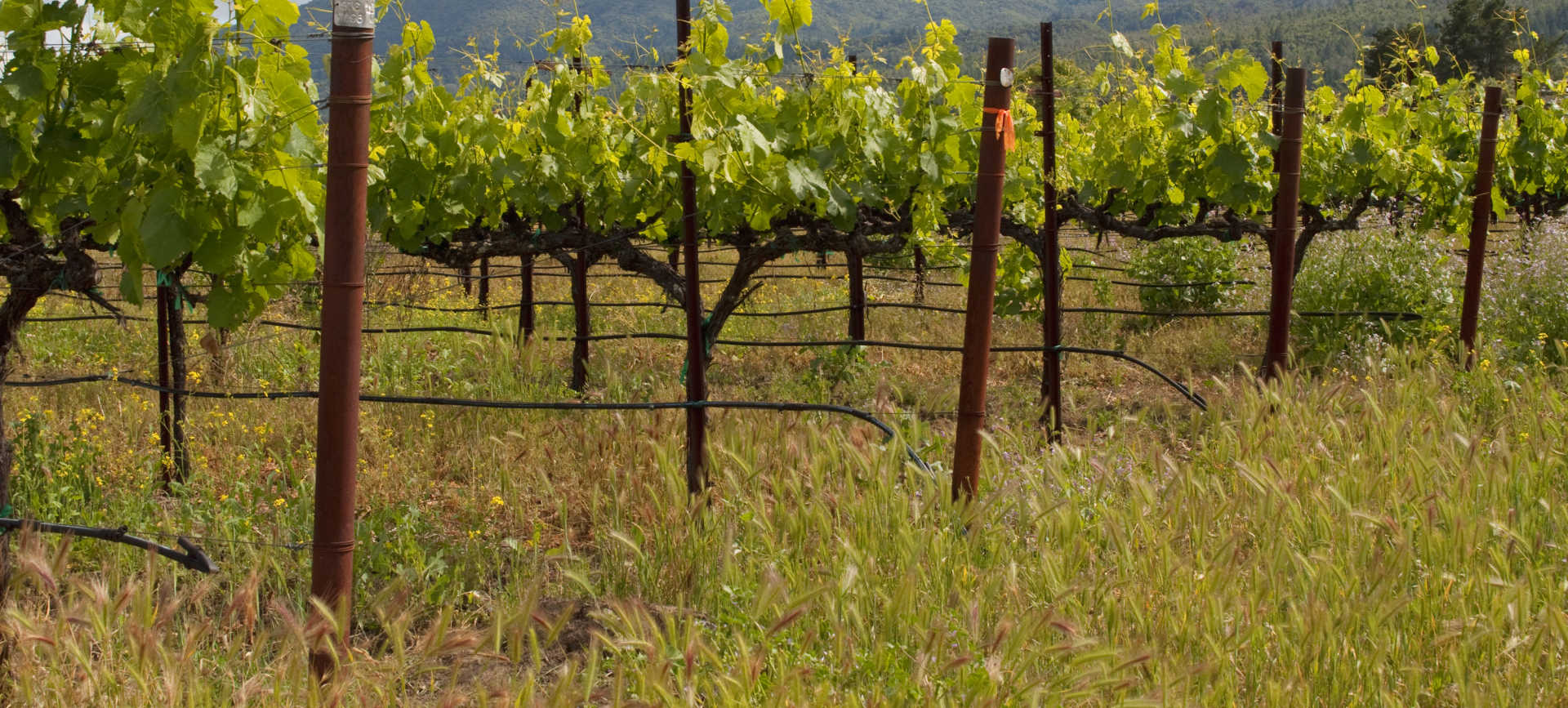
Wineries in Châteauneuf-du-Pape
Browse all →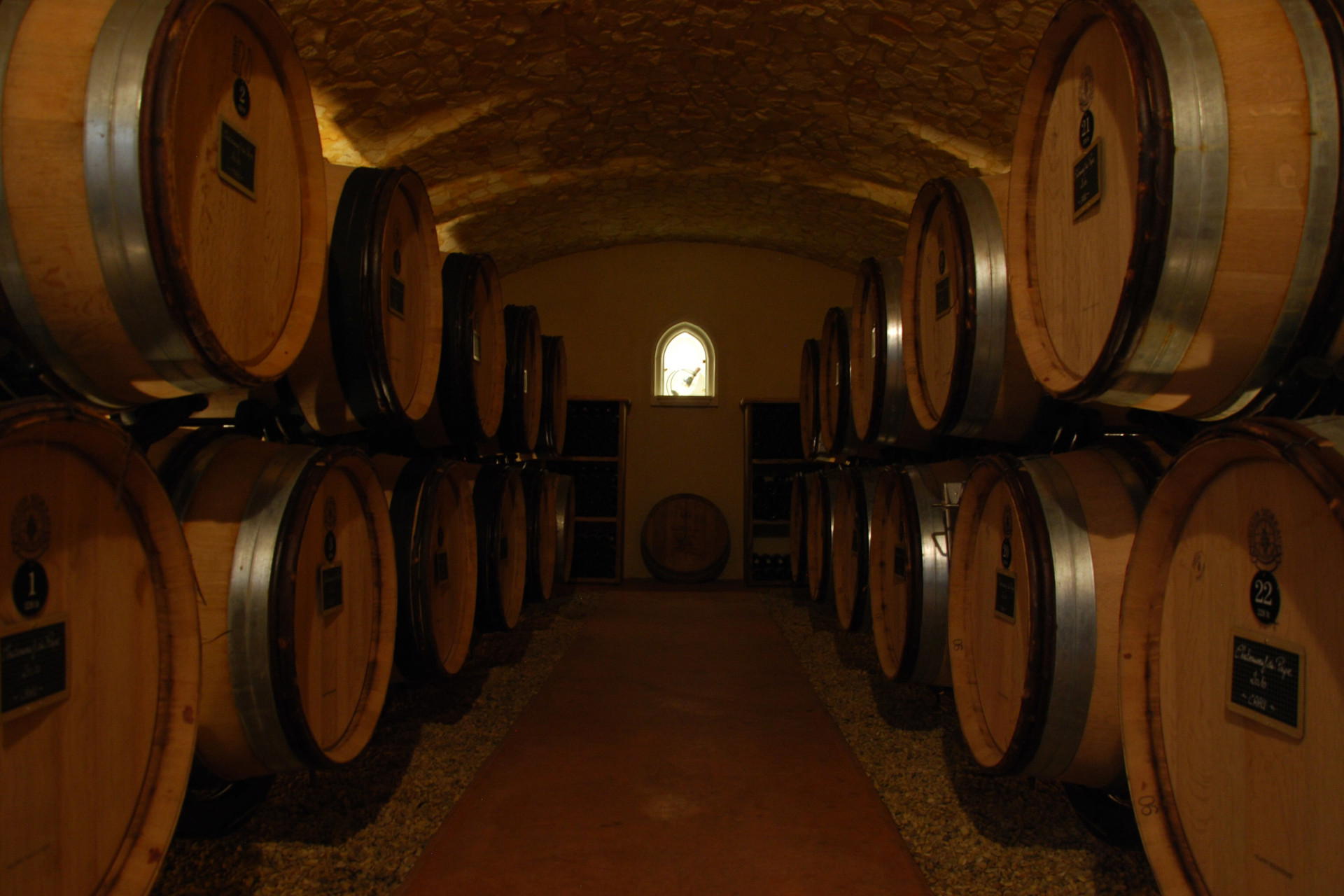
Bars in Châteauneuf-du-Pape
Browse all →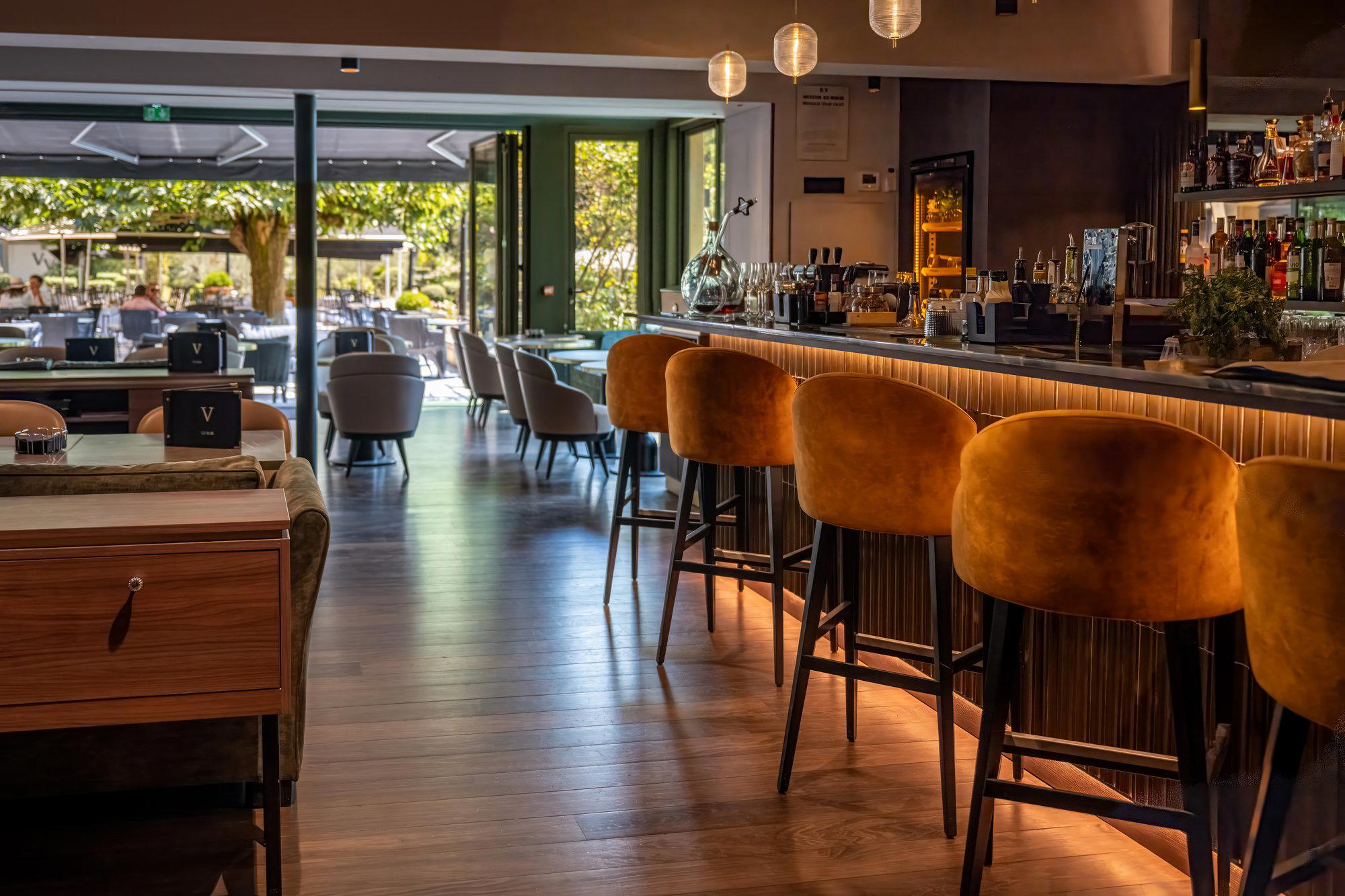
Restaurants in Châteauneuf-du-Pape
Browse all →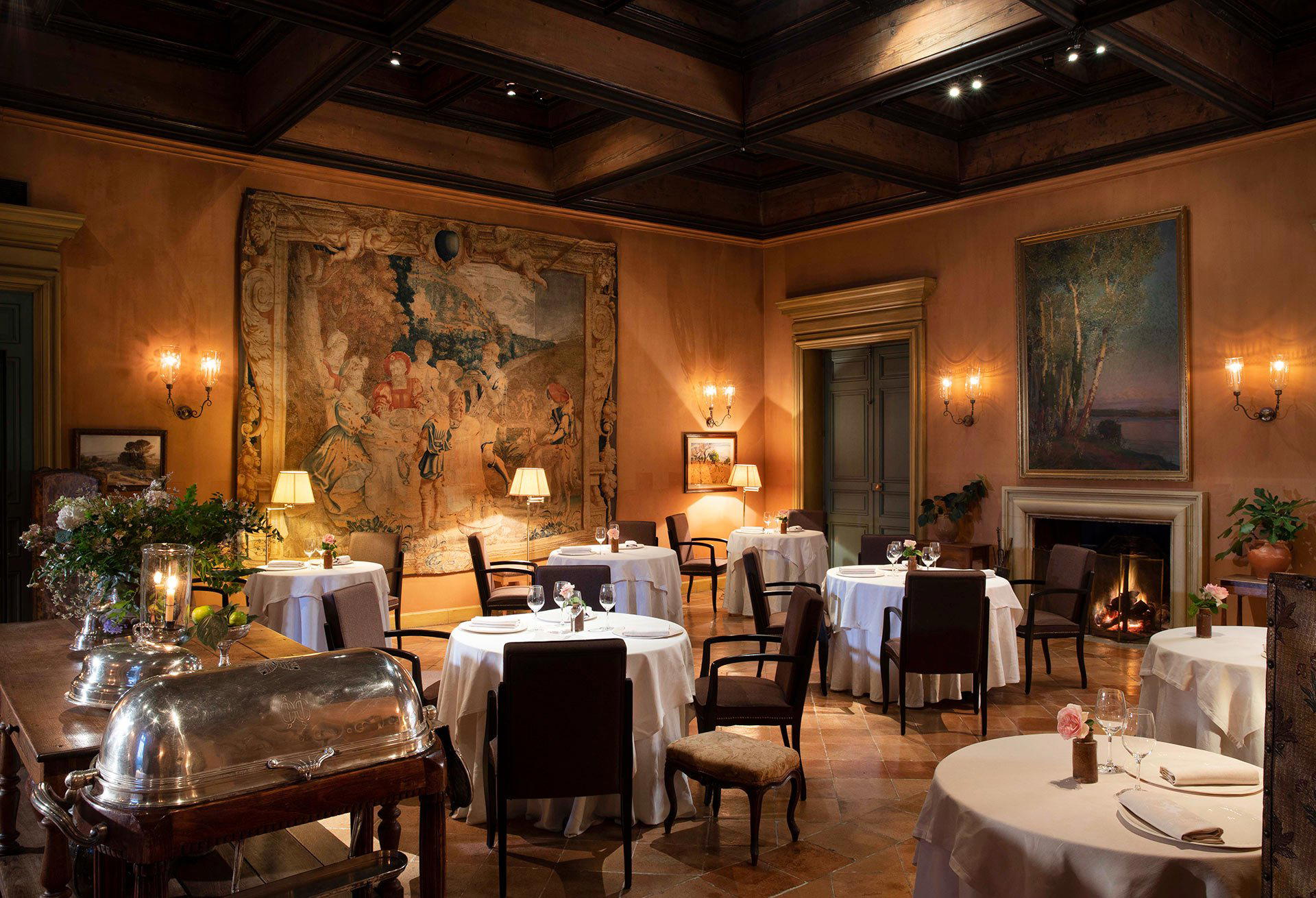
At a Glance
- Rustic
- Classic
- Elegant
- Wine Education
- Special Occasion
- Vineyard Tour
- Cave Tasting
- Biodynamic
- Vineyard
- Châteauneuf Du Pape AOC
- Grenache
- Syrah
- Mourvèdre
- Cinsault
- Counoise
- Vaccarèse
- Muscardin
- Terret Noir
- Clairette
- Roussanne
- Bourboulenc
- Grenache Blanc
- Still Red
- Still White
- Cave Tasting
- Barrel Room
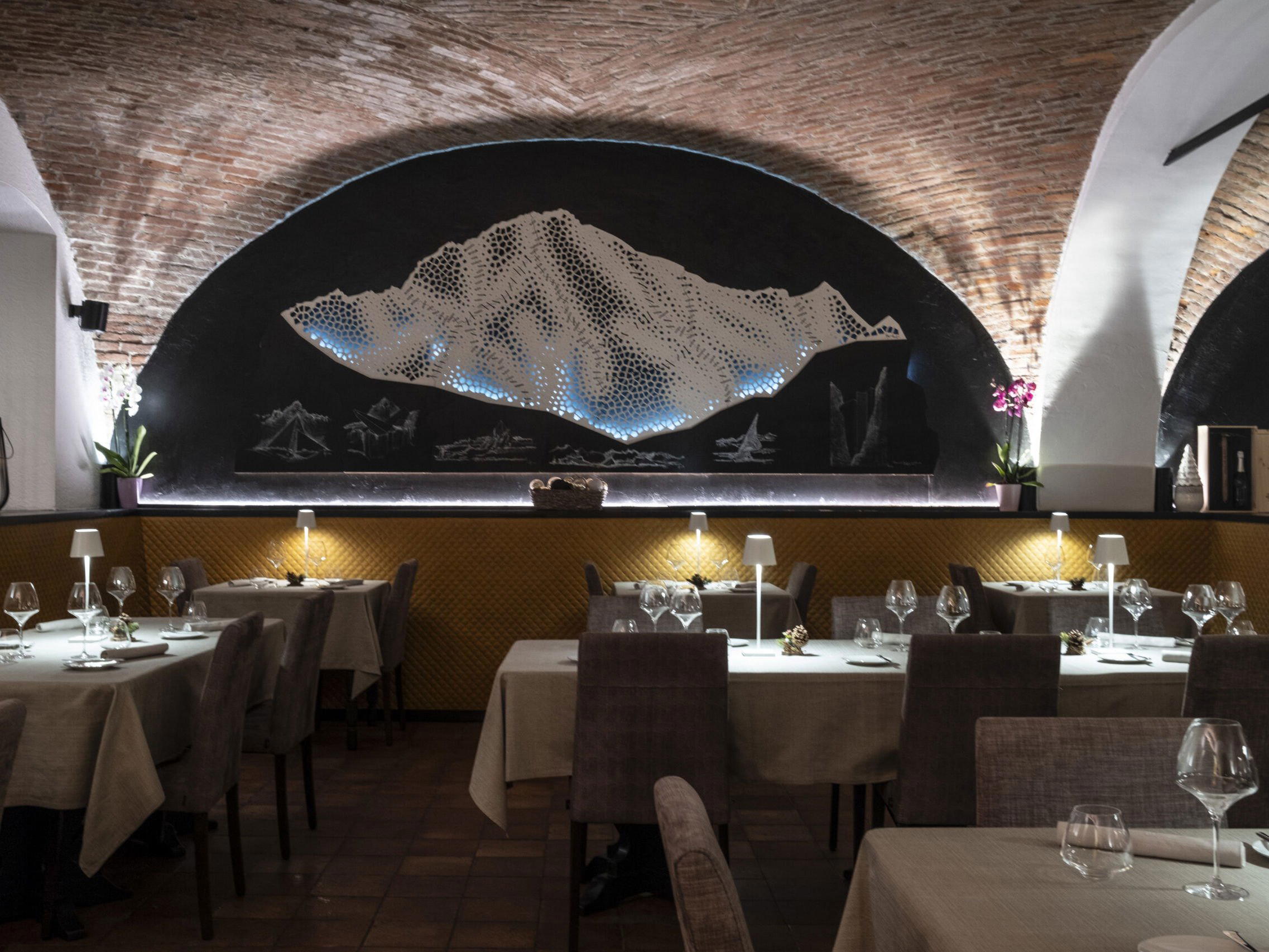
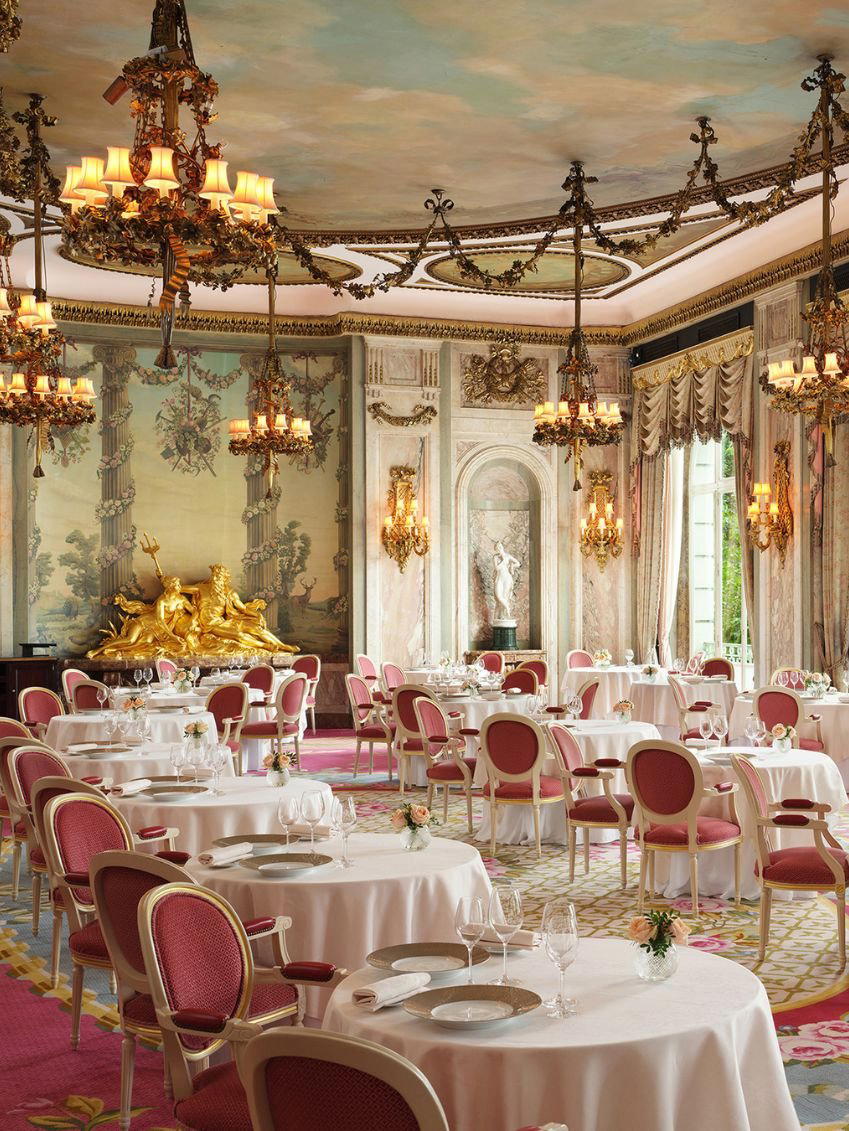
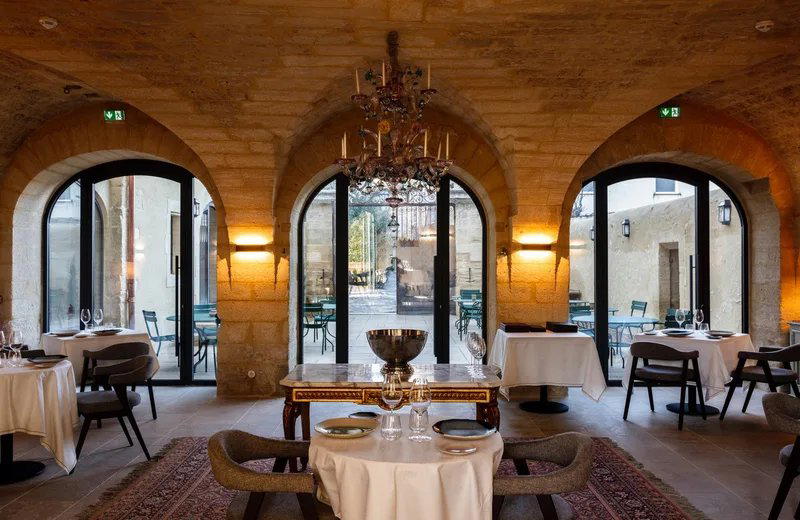
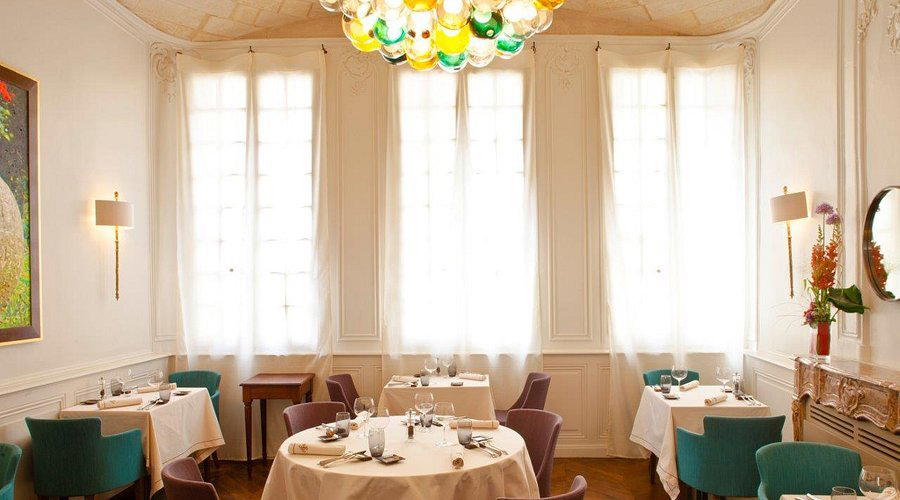
Traditional rustic elegance with a focus on heritage winemaking in historic cellars.