




Michelin Plate · La Liste Top Restaurants · We're Smart World 5 Radishes
Our verdict
La Mirande Avignon elevates fine dining within a restored 14th-century Cardinal's palace, where Michelin-starred Chef Florent Pietravalle crafts seasonal Provençal tasting menus in Renaissance-era dining rooms and an extraordinary medieval kitchen chef's table experience steps from the Palais des Papes.

Pearl is the En Primeur Club membership app — saves, bookings, and concierge access live there. Same editors, same standards.
- Address
- 4 Pl. de l'Amirande, 84000 Avignon, France
- Phone
- +33 4 90 14 20 20
- Hours
- Mon–Wed ClosedThu–Sun 12–1:15 PM, 7:30–9:15 PM
- Website
- la-mirande.fr
- Directions
- Get directions
- Booking
- Book on TheFork
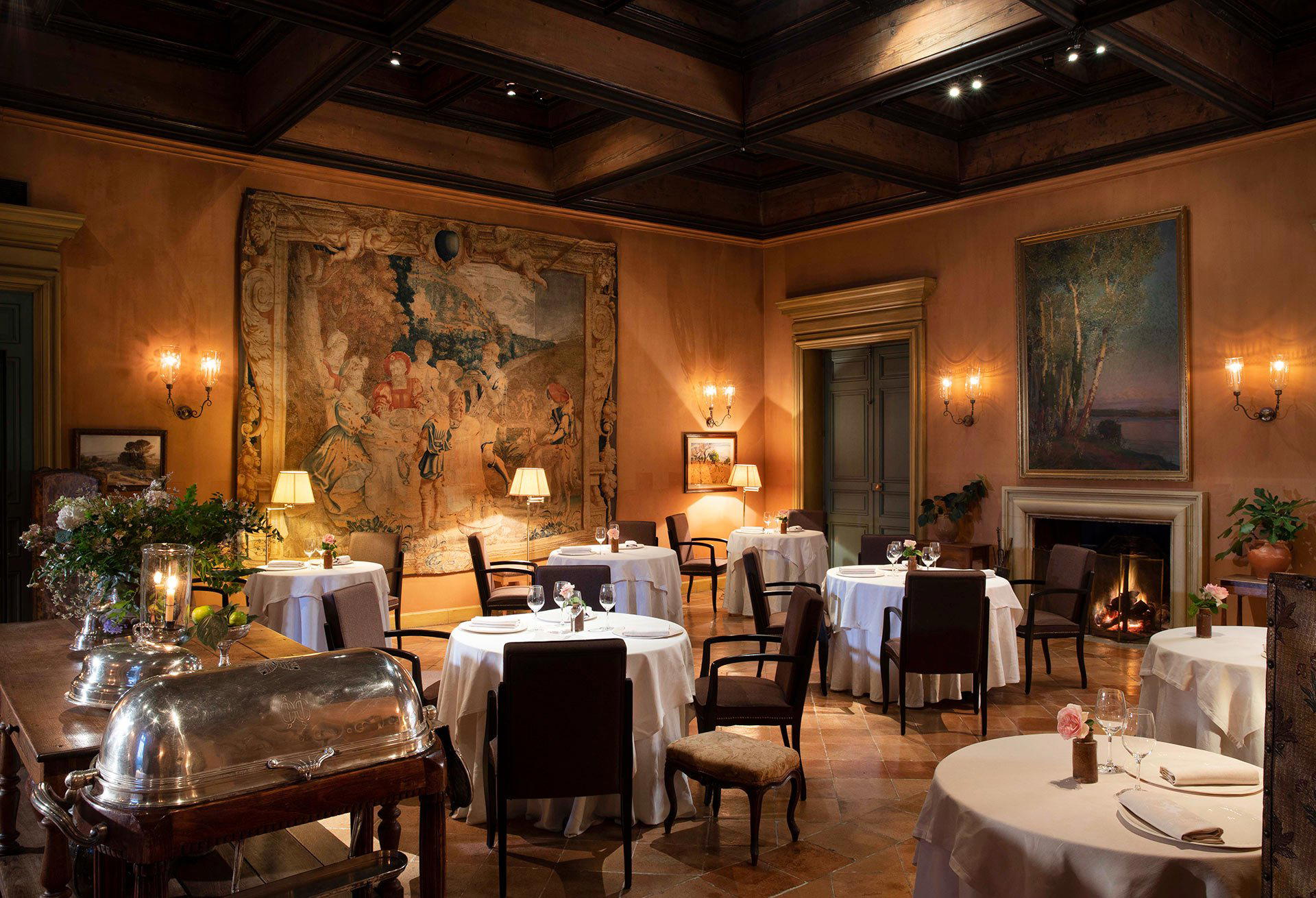
A Dining Room That Carries Five Centuries of Weight
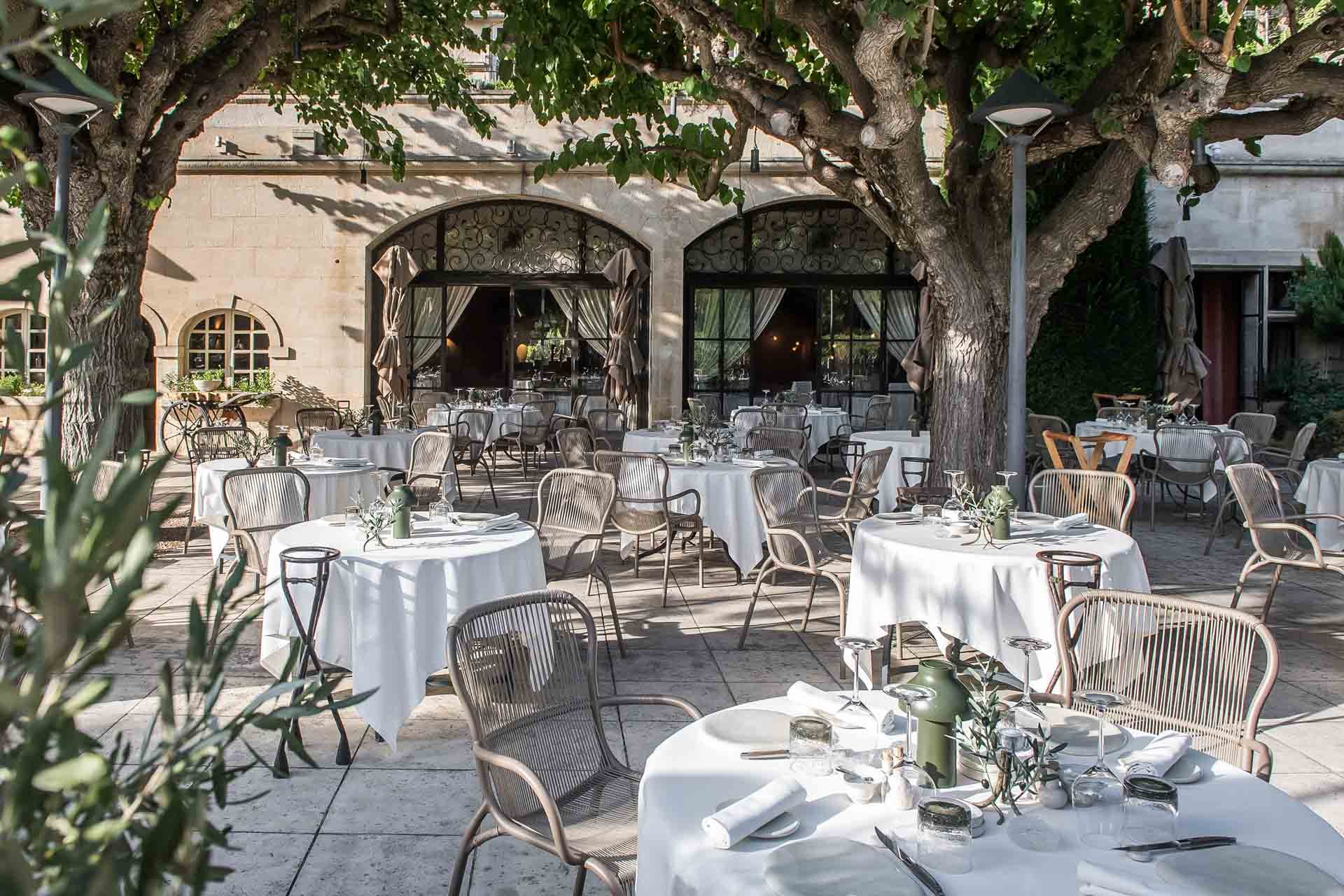
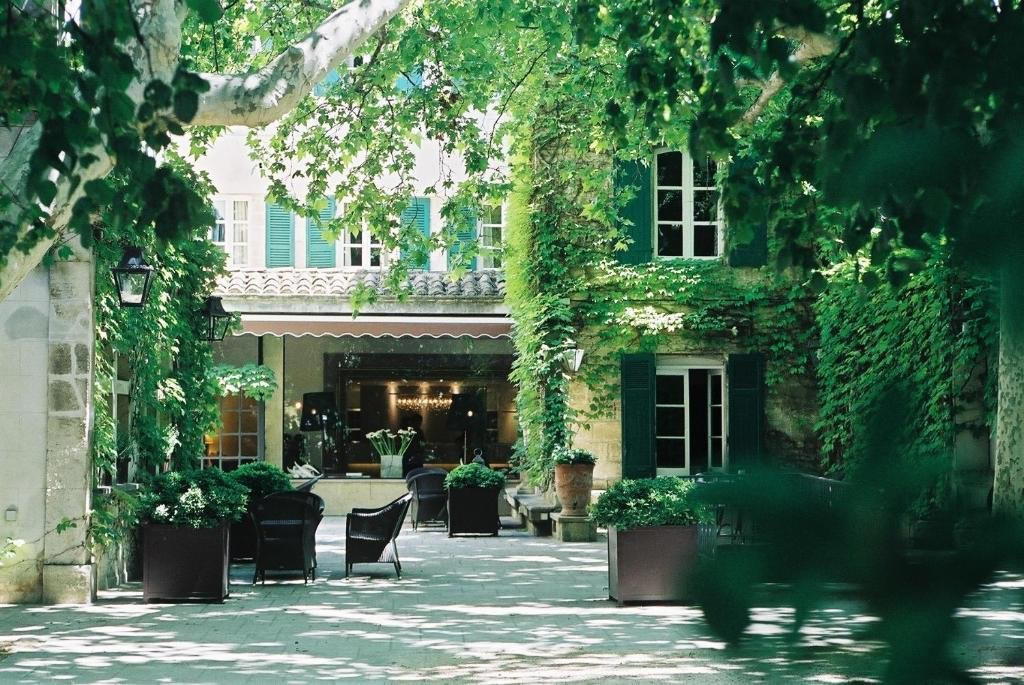
The building at 4 Place de l'Amirande has stood in the shadow of the Palais des Papes since the fourteenth century. Approaching through the old city's narrow streets, the relationship between the palace's fortified bulk and this former cardinal's residence becomes immediately legible: the architecture was always about proximity to power, and the dining room inside still feels like a room where decisions were once made quietly. Stone walls, period furnishings, and candlelight produce an environment that most contemporary restaurant designers would struggle to replicate even with unlimited budget. The fabric of the place is irreplaceable, and the kitchen knows it.
What the kitchen under Chef Florent Pietravalle does with that inheritance is the more interesting question. In cities where historic hotel restaurants coast on atmosphere, La Mirande operates as a counterargument. The restaurant has held a Michelin star continuously through 2024 and 2025, scored 89 points in La Liste's 2025 rankings, and earned leading recognition from the We're Smart Green Guide for plant-based culinary commitment. That combination of mainstream critical recognition and specialist plant-forward accolades is not a common profile in southern France's fine dining circuit, and it positions the restaurant in an unusual competitive bracket.
How the Menu Is Built, and What It Argues
The editorial logic of La Mirande's menu is the clearest signal of what kind of restaurant this is. Where most Michelin-starred kitchens in Provence anchor their menus around regional animal proteins — lamb from the Alpilles, fish from the Mediterranean coast — La Mirande under Pietravalle has oriented its tasting format toward plant-based excellence as a primary statement, not a secondary accommodation. The We're Smart Green Guide, which evaluates restaurants specifically on vegetable-forward cooking, describes the kitchen's 100% plant offering in terms that suggest a structured, complete tasting experience rather than a modified version of a conventional menu.
This is architecturally significant. A plant-based tasting menu in a room of this register signals a particular position: the kitchen is not deferring to the building's traditionalism, it is constructing a different kind of authority within it. French fine dining's dominant grammar has always been animal-fat richness and classical sauce work. A menu that achieves leading scores from plant-focused critics while maintaining a Michelin star does so by finding a different set of techniques and reference points. The result is a menu that functions as an argument about what Provençal ingredients can do when organised around vegetables and herbs rather than meat and fish.
Across France's broader fine dining scene, the tension between classical protein-led menus and more vegetable-forward approaches has been playing out for years. Properties like Bras in Laguiole, which built its reputation around the gargouillou concept of vegetable complexity, demonstrated decades ago that a kitchen centred on plant matter could earn the highest critical recognition. The difference at La Mirande is that this argument is being made inside a historic city-centre hotel with all the expectations that context carries. It is a harder brief, and the credential stack suggests it is being met.
Where La Mirande Sits in Avignon's Fine Dining Structure
Avignon operates with a recognisable two-tier fine dining structure. The lower tier runs from neighbourhood bistros through mid-range modern cuisine, while the upper tier is occupied by a small cluster of €€€€-rated kitchens competing for the same visitor pool. La Vieille Fontaine and Pollen occupy comparable price territory, as does Acte 2 at the next tier down. Within that upper bracket, La Mirande's distinction is not price point alone but the combination of a hotel context, a sustained Michelin star, and a clearly articulated menu philosophy that separates it from more generically modern French kitchens.
The comparison with Hiély-Lucullus and Bibendum is instructive. Both operate in the same city and for overlapping visitor demographics, but neither carries the specific plant-forward specialist credential that the We're Smart recognition represents. For a diner whose primary interest is in what a serious kitchen can do with Provence's vegetable and herb production, La Mirande is not merely one option among several, it is the specific option at this price level.
Within France's wider critical context, the 89-point La Liste score places La Mirande in proximity to high-scoring provincial addresses, though not yet at the level of multi-starred operations like Flocons de Sel in Megève or Mirazur in Menton. The single Michelin star is an accurate description of a kitchen producing at a high level without yet operating in the same tier as Alléno Paris au Pavillon Ledoyen or Troisgros. For a traveller calibrating expectations, that bracket means serious, accomplished cooking at a price point that reflects both the room and the kitchen, not a casual meal, but not the full commitment of a three-star pilgrimage either.
The Hotel Setting and What It Changes
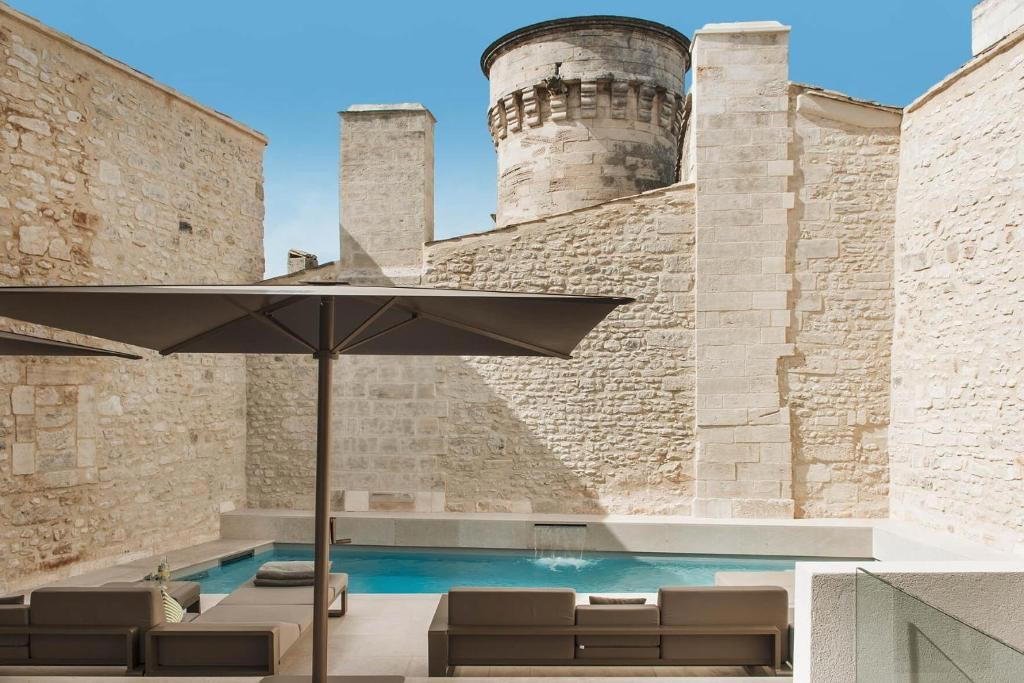
Dining in a hotel of this age in Avignon is a different proposition from visiting a standalone restaurant. The building's status as a period property inside the UNESCO-listed historic centre means that the physical experience extends well beyond the meal: arrival through cobbled streets, a façade that predates the French Republic by centuries, a sense of the city's stratified history that no contemporary construction can manufacture. For visitors staying at La Mirande, the overlap between the hotel experience and the restaurant deepens the context further. Our full Avignon hotels guide covers the broader accommodation picture for those planning around the dining.
The Palais des Papes itself is the dominant fact of this neighbourhood. As one of the largest Gothic buildings in Europe and the seat of the papacy during the fourteenth-century Avignon period, it functions less as a tourist attraction and more as a permanent physical statement about the city's historical weight. A restaurant positioned within metres of that structure carries that weight into the dining room, and the better kitchens in that position use it, not as decoration, but as context for what they are choosing to serve.
Planning a Visit
La Mirande occupies the €€€€ tier of Avignon dining, and reservations at a one-Michelin-star address in a city with significant cultural tourism demand require advance planning. The July Avignon Festival period, one of Europe's major performing arts events, compresses the city's capacity across hotels and restaurants simultaneously, making that window the highest-pressure booking period of the year. Early reservation in that window, several weeks ahead at minimum, is advisable. Outside festival season, the shoulder months of spring and early autumn offer better availability alongside more settled Provençal weather.
Avignon is accessible by TGV from Paris Gare de Lyon in roughly two and a half hours, placing it within easy reach as a short-break destination. The restaurant is within walking distance of both the main train station and the historic centre's principal sites. For those building a broader stay around the food and drink culture of the region, our full Avignon restaurants guide, bars guide, wineries guide, and experiences guide cover the wider options across the city and surrounding Vaucluse.
Pietravalle's work here has been noted as a significant discovery within the We're Smart community, language that implies not a known quantity being revisited, but a kitchen that has arrived at something genuinely considered within its chosen discipline.
For context on where plant-forward fine dining sits internationally, comparisons with Frantzén in Stockholm or FZN by Björn Frantzén in Dubai illustrate how kitchens with serious critical standing are increasingly building menu architecture around vegetable matter without losing the technical ambition expected at the starred level. La Mirande is making that argument in one of France's most historically weighted dining rooms, which makes it a more interesting address than its single-star rating alone might initially suggest. A visit also pairs well with Paul Bocuse's Auberge du Pont de Collonges for those touring the classical canon of French dining alongside newer expressions.
Frequently asked questions
Who runs the kitchen at La Mirande?
The chef associated with La Mirande is Florent Pietravalle.
What should I eat at La Mirande?
The clearest expression of what Chef Florent Pietravalle is doing here is the plant-based tasting menu, which earned La Mirande its We're Smart Green Guide recognition alongside its 2024 and 2025 Michelin star. The kitchen's focus is 100% plant-driven, so the tasting menu format is the right entry point rather than à la carte selections. This is not a restaurant where the plant-based option is an afterthought.
What price level is La Mirande?
Pricing at La Mirande is listed as €€€€.
What part of town is La Mirande in?
La Mirande is located at 4 Pl. de l'Amirande, 84000 Avignon, France, Avignon.
What's La Mirande known for in terms of accolades?
La Mirande has received recognition including: It's not every day we at We're Smart come across a chef with the right spirit and goals. Well here at the Le Restaurant at La Mirande are overwhelmed by the chef's talent and will to plant-based excellence within the We're Smart community. ….
Do I need a reservation for La Mirande?
Yes. A one-Michelin-star dining room inside a historic hotel at the foot of the Palais des Papes draws significant demand from both cultural visitors to Avignon and destination diners. Walk-in availability on any evening with reasonable occupancy is unlikely, and advance booking is the practical approach. La Mirande sits at the €€€€ price tier, so confirming your reservation and any dietary requirements ahead of arrival is worth doing.
Comparison Snapshot
| Venue | Cuisine | Price | Awards | Notes |
|---|---|---|---|---|
| La MirandeThis venue — the venue you are viewing | Modern Provençal Fine Dining | $150–200 | Michelin Plate · La Liste Top Restaurants | Not listed |
| La Vieille Fontaine | Modern Provençal Fine Dining | $50–100 | Michelin Plate | Modern Cuisine |
| Italie là-bas | Modern Italian Fine Dining | $50–100 | Michelin Plate · We're Smart World 3 Radishes | Italian |
| La Fourchette | Provençal French Bistro | $30–50 | Michelin Plate | Traditional Cuisine |
| Sevin | Modern Seasonal Provençal | $50–100 | Michelin Plate | Modern Cuisine |
| Pollen | Modern French Fine Dining | $100–150 | 1 Michelin Star · Star Wine List | Modern Cuisine |
Recognition history
Dated appearances from independent guides and award organizations, with the underlying list record or original source where available.
Michelin Plate
Michelin
La Liste Top Restaurants
La Liste
Gault & Millau Prestige Restaurant
Gault & Millau
The Best Chef Two Knives
The Best Chef
We're Smart World 5 Radishes
We're Smart World
Full recognition history (8 entries)
Michelin 1 Star
Michelin
We're Smart World Top 100 #23
We're Smart World
Michelin 1 Star
Michelin
Continue exploring
More in Avignon
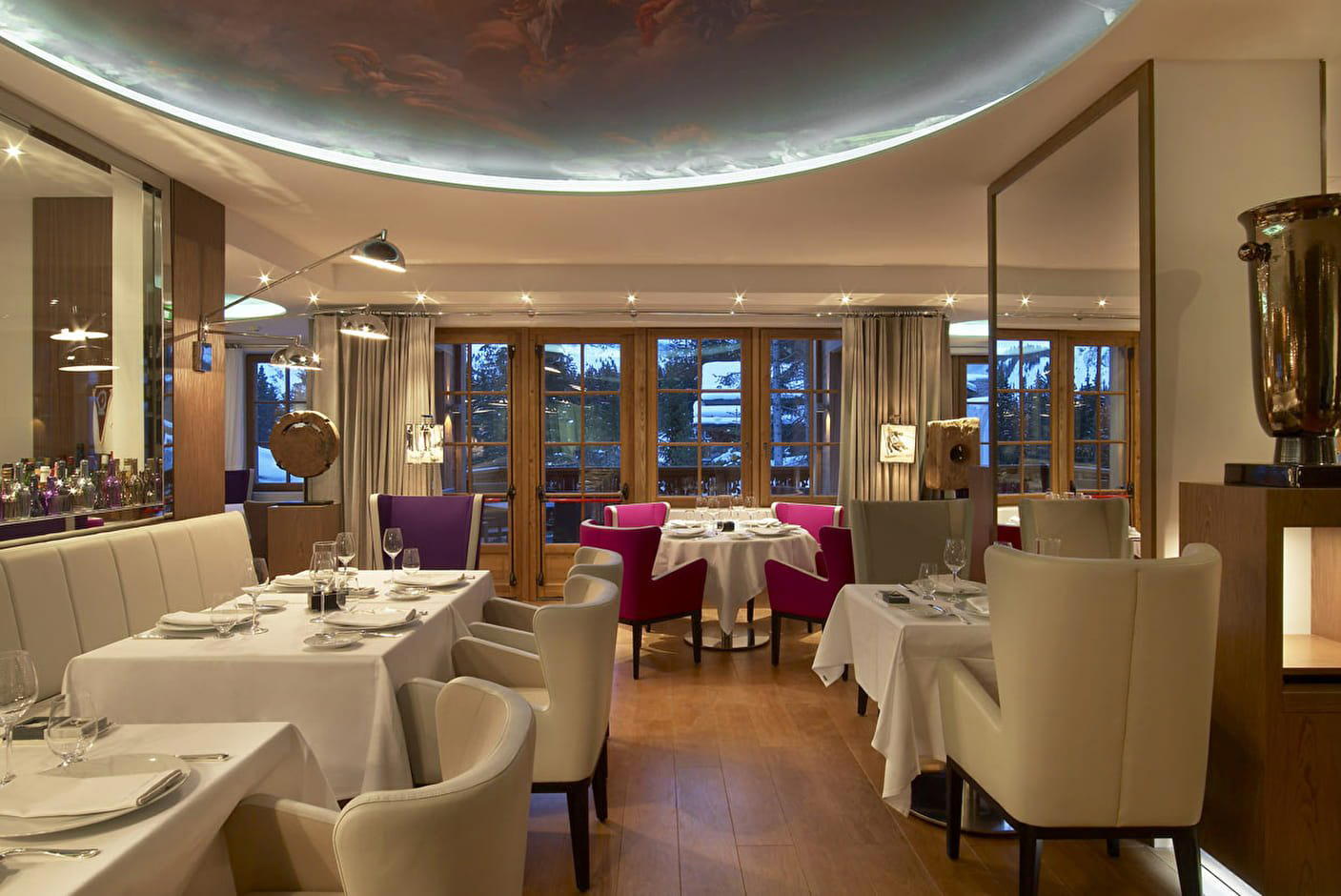
Restaurants in Avignon
Browse all →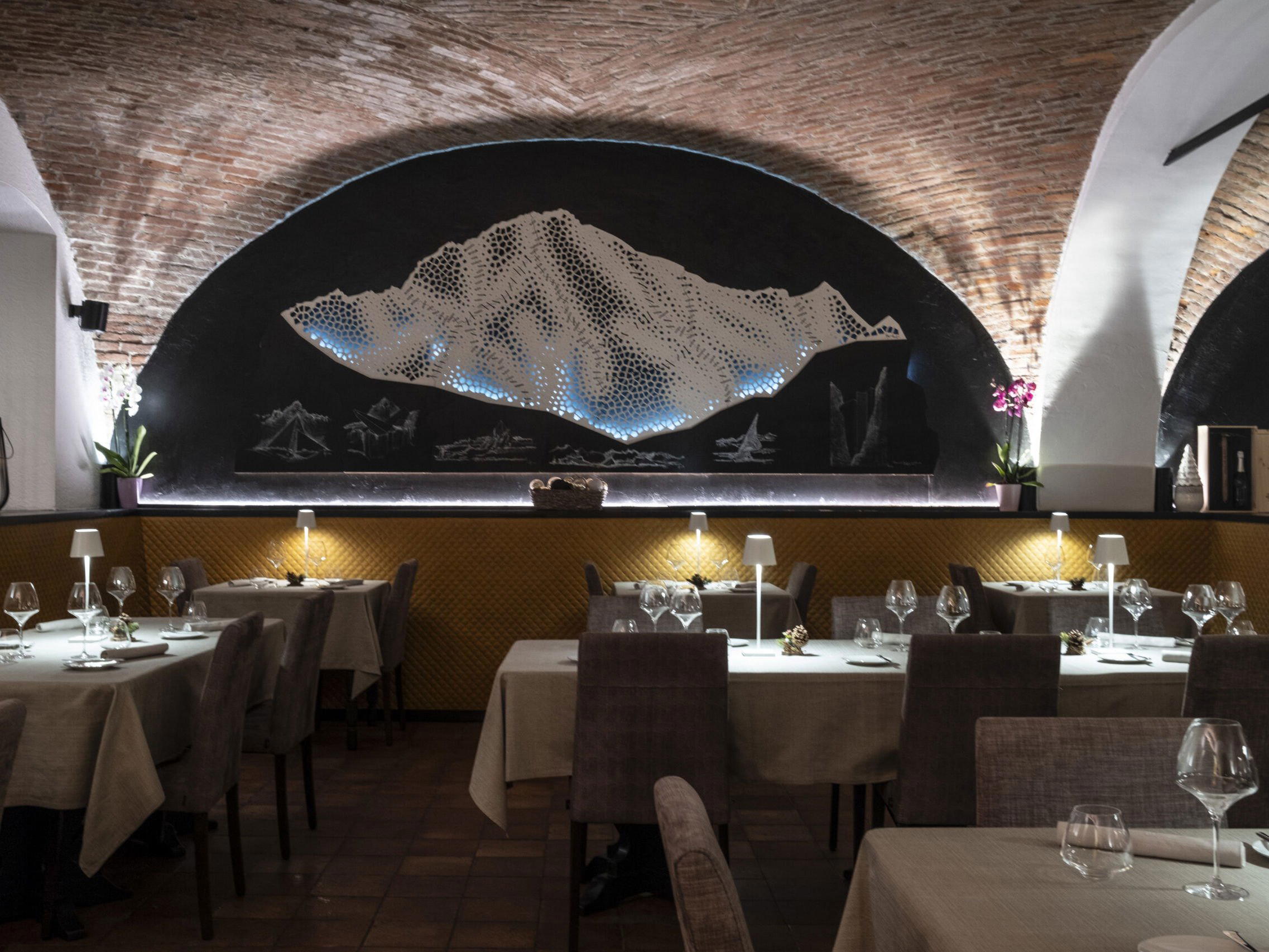
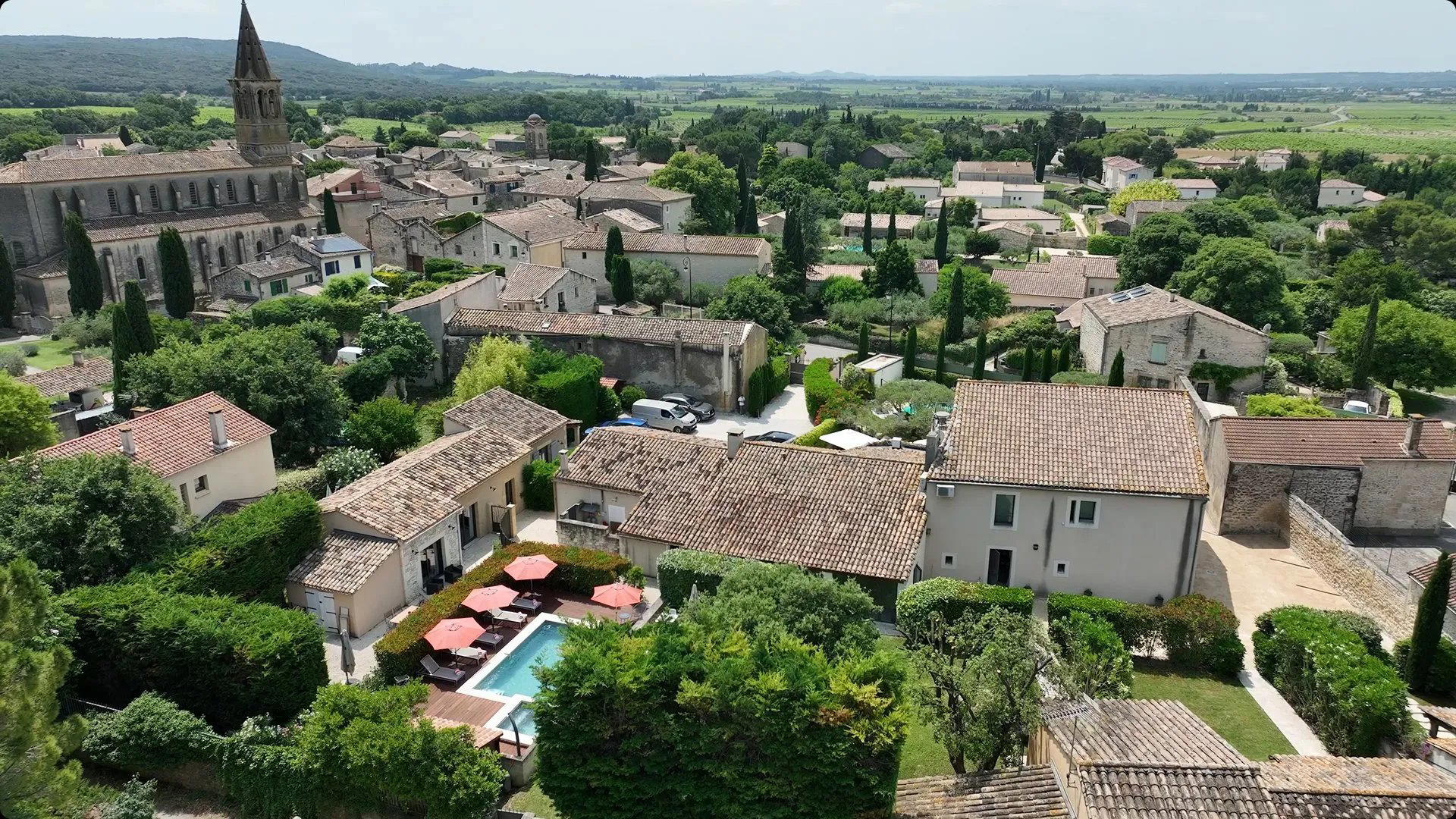
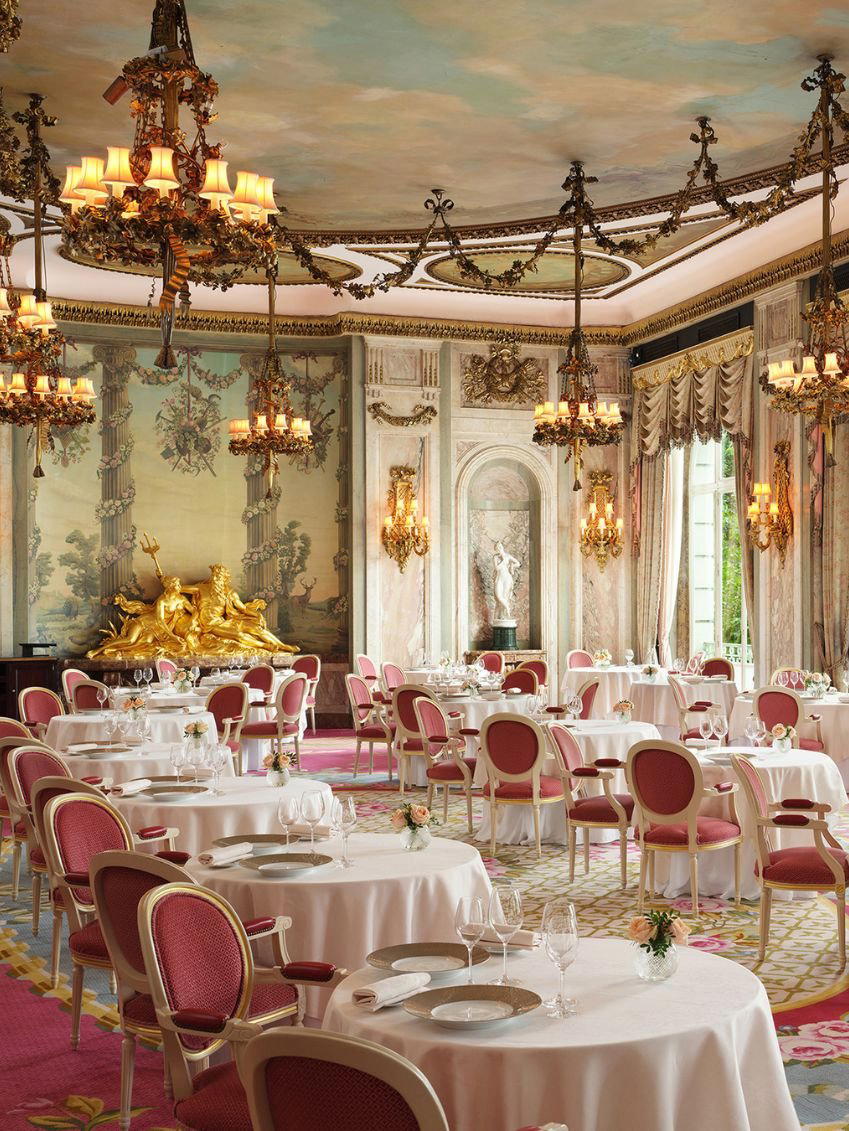
Bars in Avignon
Browse all →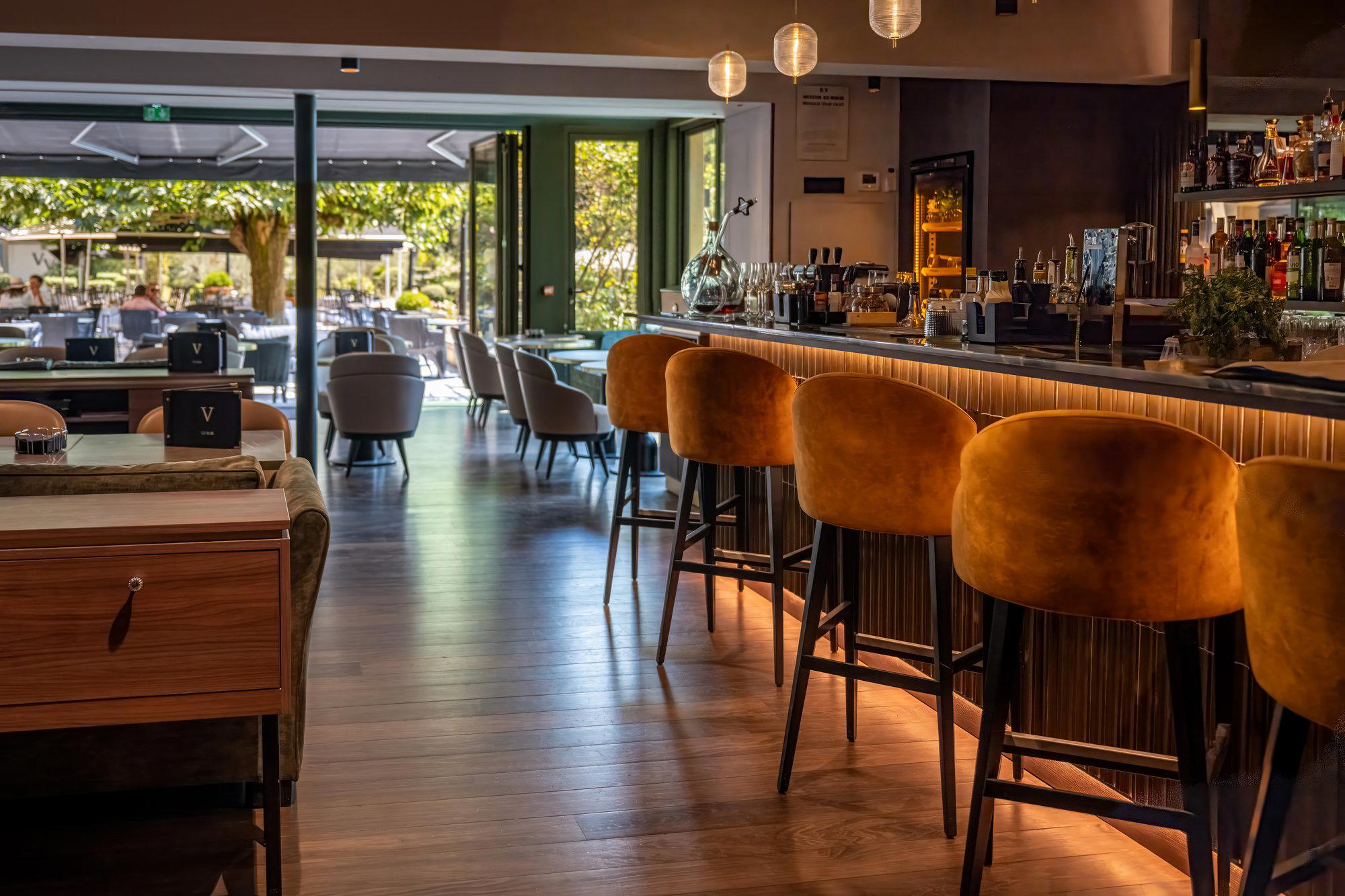
Hotels in Avignon
Browse all →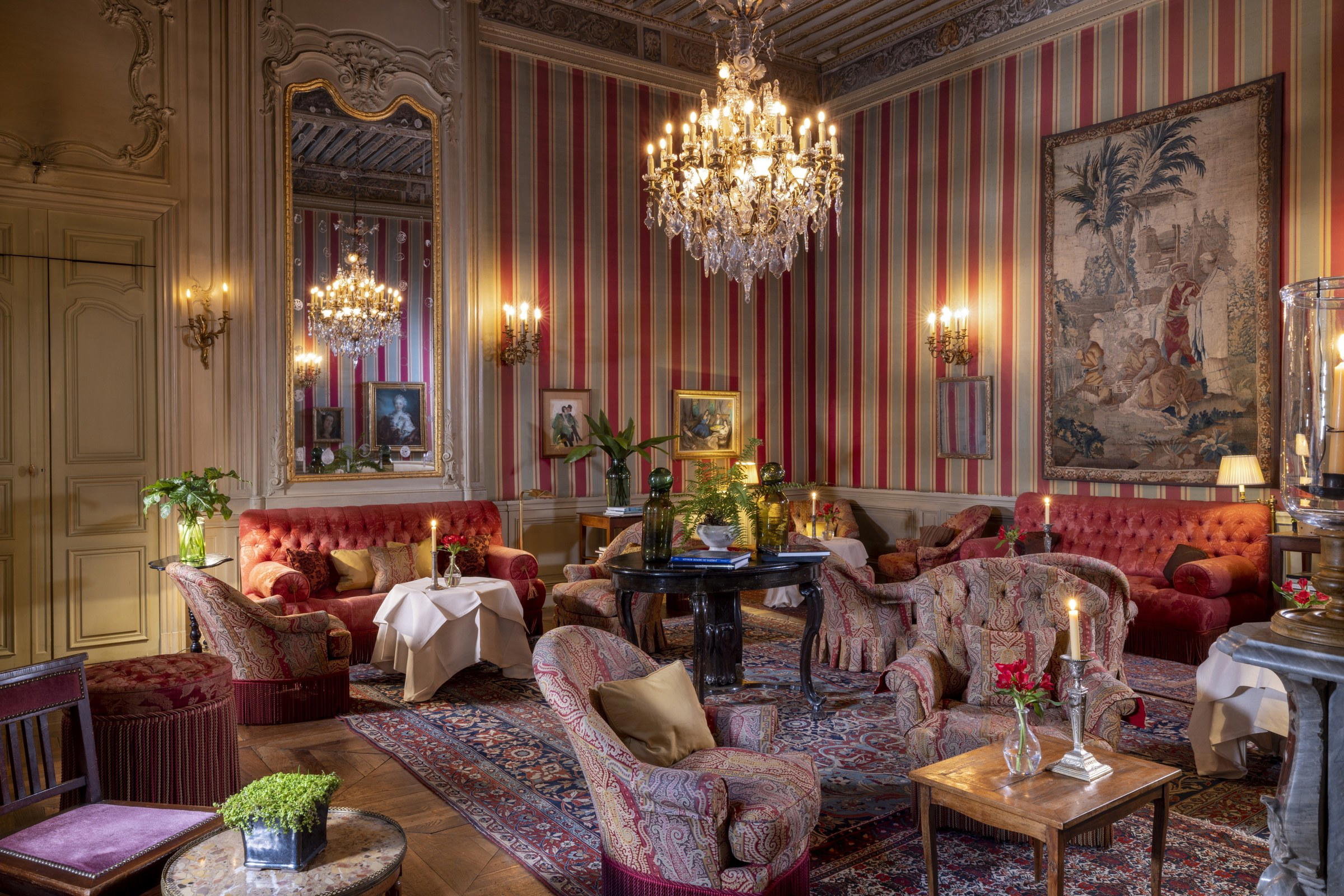
Details
- Romantic
- Elegant
- Sophisticated
- Classic
- Intimate
- Date Night
- Special Occasion
- Celebration
- Hotel Restaurant
- Historic Building
- Terrace
- Extensive Wine List
- Sommelier Led
- Local Sourcing
- Tasting Menu
- Prix Fixe
- Wine
- Vegetarian Friendly
- Allergy Accommodating
Current opening hours
- Monday
- Closed
- Tuesday
- Closed
- Wednesday
- Closed
- Thursday
- 12–1:15 PM, 7:30–9:15 PM
- Friday
- 12–1:15 PM, 7:30–9:15 PM
- Saturday
- 12–1:15 PM, 7:30–9:15 PM
- Sunday
- 12–1:15 PM, 7:30–9:15 PM
Hours can change for holidays and private events. Last verified .
Elegant and romantic historic setting with warm, attentive service and picturesque charm.