Château de Fonscolombe





A restored 18th-century Provençal estate north of Aix-en-Provence, Château de Fonscolombe operates as both a working organic winery and a 50-room hotel anchored by a one-Michelin-star restaurant. Recognised by La Liste Top Hotels 2026 (90 points) and Gault & Millau as an Exceptional Hotel in 2025, it positions itself firmly at the upper end of the Provence château-hotel tier, with rates from around $324 per night.
Pearl is the En Primeur Club membership app — saves, bookings, and concierge access live there. Same editors, same standards.
- Address
- Rte de Saint-Canadet, 13610 Le Puy-Sainte-Réparade
- Phone
- +33 4 42 21 13 13
- Website
- 2lcollection.com
- Directions
- Get directions
 Saves & bookings on Pearl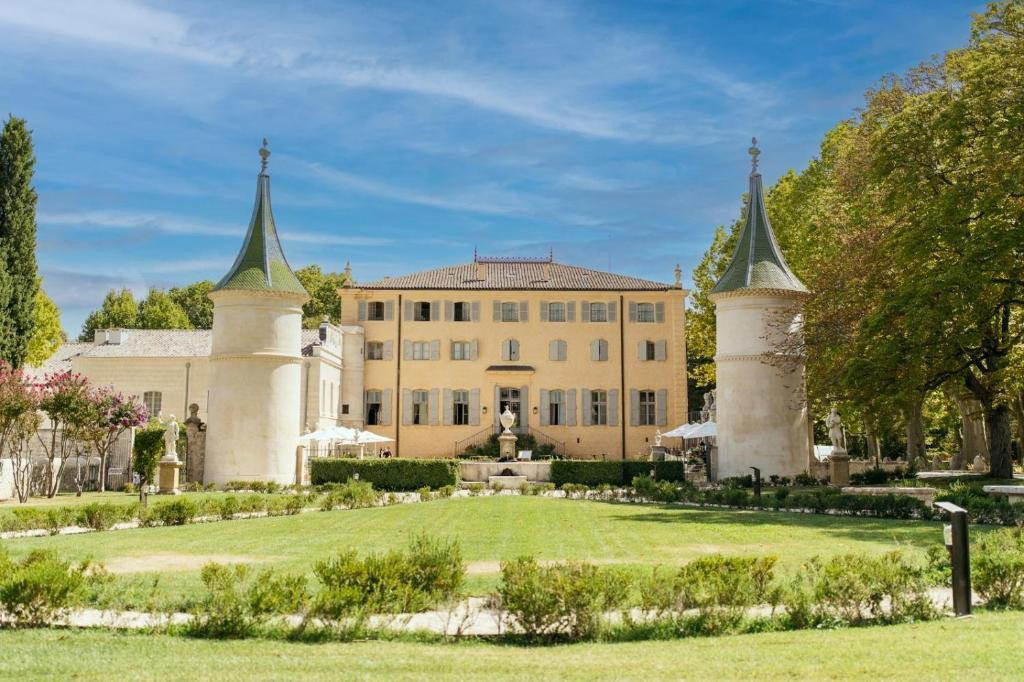
Three Centuries of Architecture, Now Open to Guests
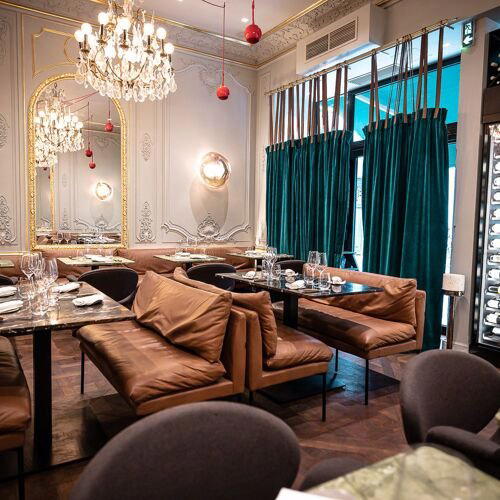
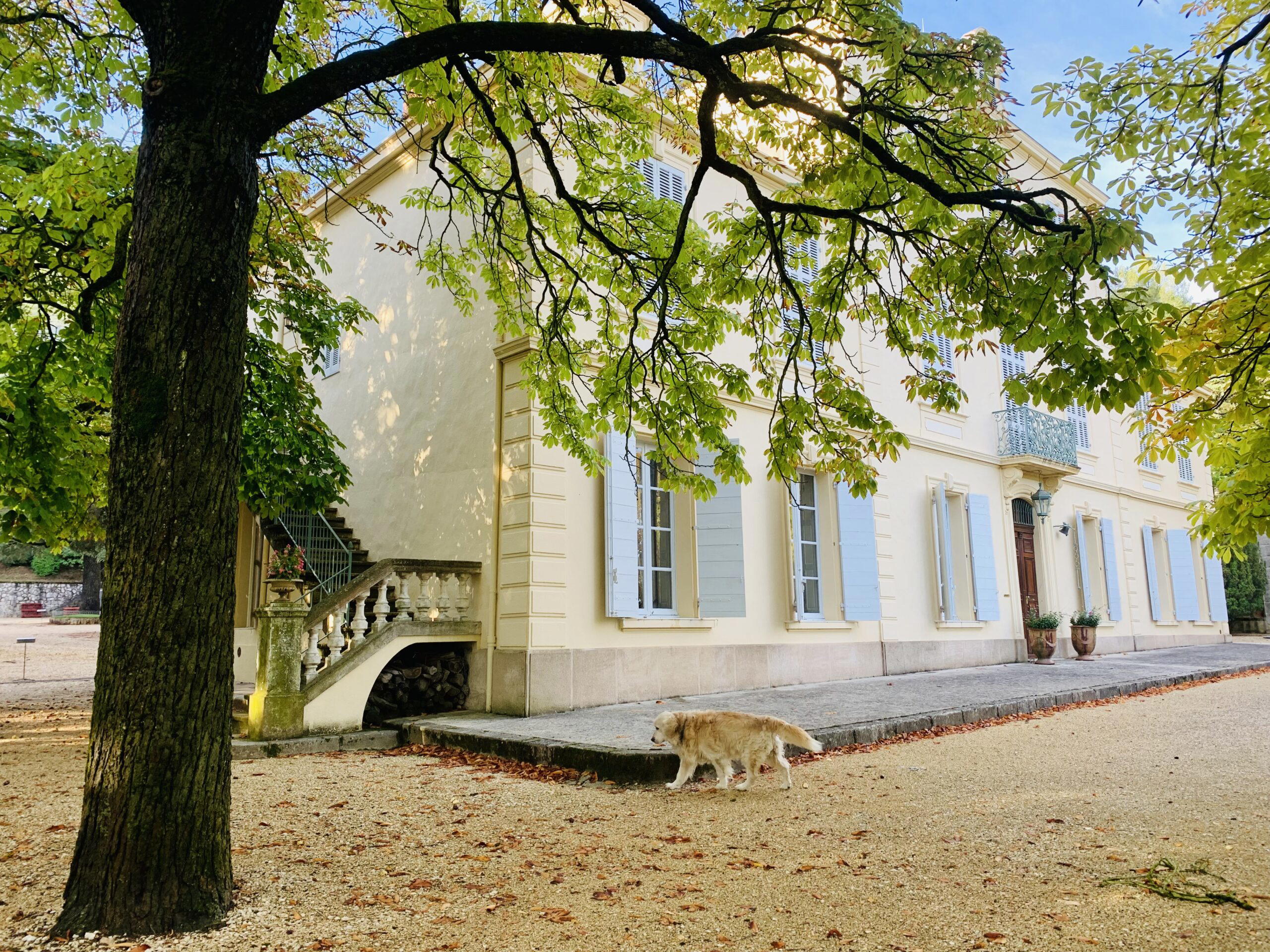
The drive north from Aix-en-Provence along the A51 takes roughly fifteen minutes before the parkland of Fonscolombe comes into view. What greets you is not the turreted silhouette most travellers associate with the word château, but an Italianate facade that speaks directly to the property's 18th-century origins — a period when Provençal landowners looked south to Genoa and north to Paris for architectural cues simultaneously. That dual allegiance is still readable in the interiors: Genoa leathers line certain walls while Provençal gypseries ornament the ceilings, and 18th-century Chinese wallpapers appear in the luminous salons that once hosted formal receptions. The visual conversation between these traditions is not decorative noise; it is the record of a place shaped by successive families with scientific and cultural ambitions who imported ideas as readily as they cultivated the land around them.
The estate remained a private property for three centuries before opening as a hotel in 2017, which distinguishes it immediately from purpose-built hospitality. The bones of the building were never designed around guest throughput or operational efficiency. They were designed around a particular idea of how a French family of means should live, and that domestic scale survives the conversion in a way that hotel-built alternatives cannot replicate. Fifty rooms and suites is a manageable number for a property of this footprint — large enough to fill a dining room, small enough that the gardens do not feel overrun. Thirteen of those rooms sit within the landmark château building itself, offering direct exposure to the original architecture at the cost of slightly compressed square footage. The remaining rooms are more generously proportioned, and the restoration ensured that modern comfort, including a spa housed in the former stables, reaches the full inventory.
The Restoration as Editorial Act
Estate conversions in Provence face a consistent tension: how much of the historical fabric to preserve, and where to introduce the standards that a contemporary guest expects. Some properties resolve this by compartmentalising the historic shell and inserting modern interiors wholesale. The Fonscolombe restoration took a different position. The eighteen-month project brought heritage architects, specialist designers, and master artisans into a single programme with the explicit brief of maintaining continuity between old and new rather than separating them. The result is an interior where the provenance of surface materials matters, where the choice of Genoa leather is not a period flourish applied over a generic hotel fit-out, but part of a coherent argument about what this specific building was and what it should continue to be.
That seriousness of approach has been formally recognised. La Liste Leading Hotels awarded Fonscolombe 90 points in its 2026 edition, and Gault & Millau classified it as an Exceptional Hotel in 2025, carrying five points under that scheme. Among château conversions in Provence, these credentials place it in a smaller peer group than the region's broader luxury accommodation offer. Comparable properties elsewhere in France, Domaine Les Crayères in Reims or Château du Grand-Lucé in Le Grand-Lucé, demonstrate that French estate hotels compete most effectively when the architecture and the hospitality programme are genuinely integrated rather than parallel. Fonscolombe belongs to that category. For something more ambitious in scale and price positioning, the urban palaces, Cheval Blanc Paris, for example, occupy a different register entirely, but they also occupy a different city and a very different relationship to landscape.
The Parkland as Infrastructure
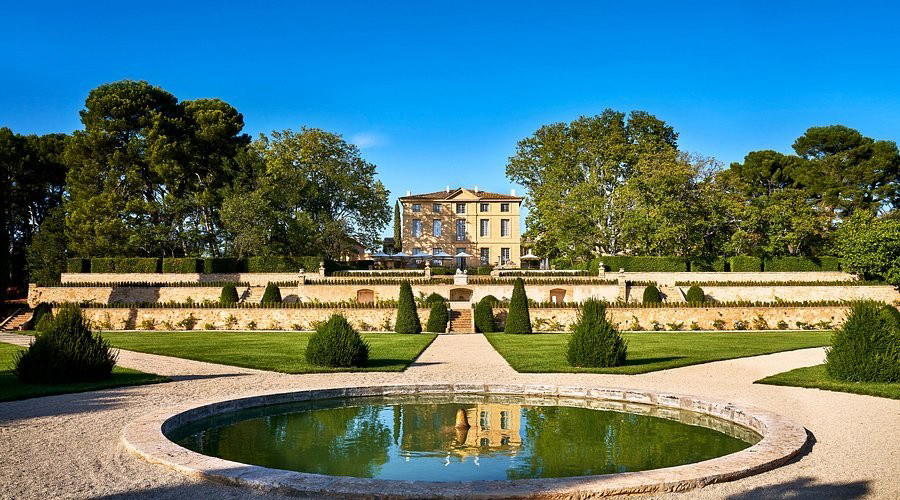
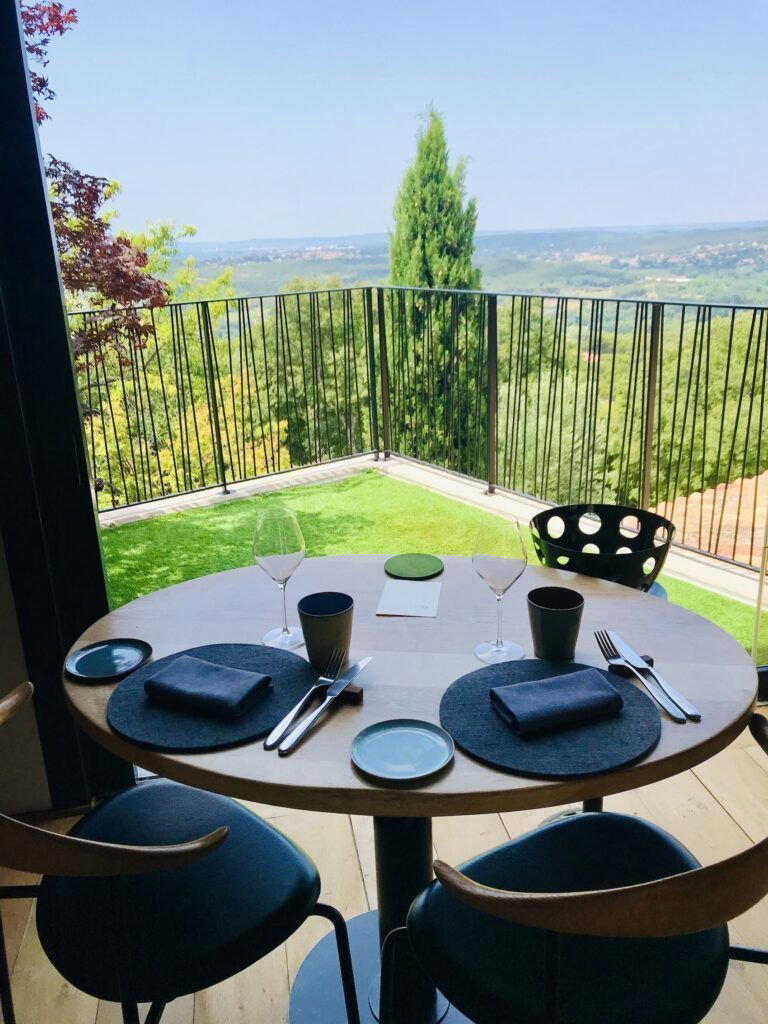
The gardens at Fonscolombe carry their own historical layer. The botanist Gaston de Saporta, a member of one of the two families that shaped the estate across its private centuries, left a legacy measured in species counts: 180 varieties of trees and plants have been documented in the grounds. The Atlas cedar planted by the Queen Mother of England is the most cited individual specimen, but the broader point is that this is a parkland with a scientific pedigree, not a landscaped garden created to frame a hotel façade. Guests who read that history into their wandering get considerably more out of the grounds than those who treat them as ornamental backdrop.
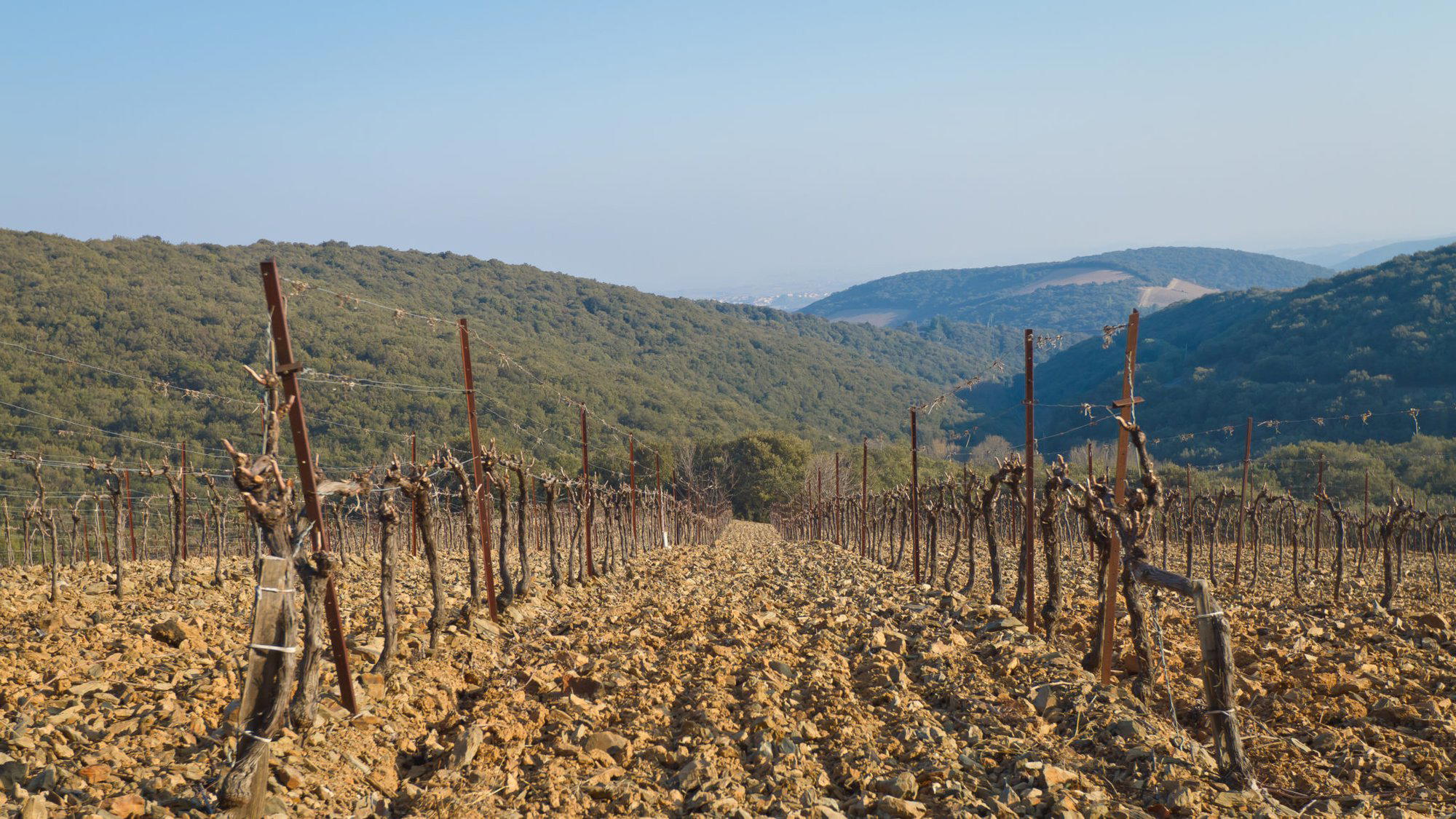
For Provence as a wine region, the estate's own winery adds another dimension. Fonscolombe produces organic reds, whites, and rosés, a full range rather than a single category play, and the proximity of the vineyards to the hotel grounds allows the connection between place and glass to remain legible in a way that a standalone restaurant wine list cannot achieve. Wine tourism in the arc between Aix and the Luberon has become a serious draw, and Villa La Coste, located in the same commune of Le Puy-Sainte-Réparade, positions itself at the intersection of art, wine, and contemporary architecture. The two properties attract overlapping but distinct guests: Villa La Coste leans harder into contemporary art programming; Fonscolombe's argument is architectural heritage and terroir continuity. Both reward visitors who treat the Aix hinterland as a destination rather than a day trip from the coast.
La Table de l'Orangerie and the Case for Staying In
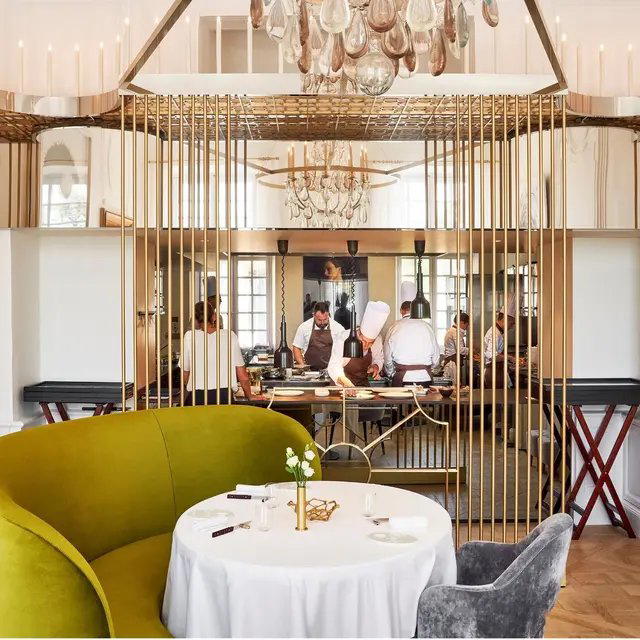
Château hotels with serious restaurants present a particular guest calculus. The instinct for independent travellers is often to seek out the city or village for dinner. At Fonscolombe, that calculus runs differently. La Table de l'Orangerie holds one Michelin star, which positions it at a level where the cooking justifies the decision to remain on the estate rather than commuting into Aix. The property's second restaurant, Le Temps Suspendu, operates as an all-day alternative, providing the flexibility that a single-service gastronomic room cannot cover. For guests arriving from Marseille Provence International Airport, roughly 41 kilometres by road, the ability to eat well without adding another transfer to the itinerary is a practical consideration, not merely a comfort. Those arriving by rail to Aix-en-Provence TGV will find a similar logic applies: the estate functions as a complete stay rather than a base camp. Among Provence's upper tier, properties like Baumanière Les Baux-de-Provence and La Réserve Ramatuelle demonstrate the same principle: at a certain quality threshold, staying in becomes the more considered choice. Fonscolombe has cleared that threshold.
Hotel Du Cap-Eden-Roc in Cap d'Antibes, The Maybourne Riviera, and Airelles Saint-Tropez Château de la Messardière, where the premium for sea views and coastal positioning is substantial. For guests whose priority is landscape, provenance, and architectural depth rather than coast access, the inland Provence properties, Fonscolombe included, make a strong counter-argument on price-to-quality terms. You can consult our full Le Puy-Sainte-Réparade restaurants guide to extend the visit beyond the estate itself.
Further afield in the French château-hotel category, Château Lafaurie-Peyraguey in the Sauternes and Les Sources de Caudalie near Bordeaux offer comparable winery-estate integration in a different wine region, useful benchmarks for travellers comparing the two. For château-in-landscape experiences beyond France entirely, Aman Venice and Castelbrac in Dinard show how historic buildings in different national contexts resolve the same architectural-hospitality tension, each with a distinct set of answers. Royal Champagne Hotel & Spa and Château de la Chèvre d'Or in Èze complete the broader range of French heritage hotels worth placing alongside Fonscolombe in any serious comparative assessment.
How Château de Fonscolombe compares with similar nearby venues.
| Venue | Awards |
|---|---|
| Château de Fonscolombe | Michelin 1 Key |
Recognition history
Dated appearances from independent guides and award organizations, with the underlying list record or original source where available.
La Liste Top Hotels
La Liste
Relais Chateaux Award
Relais Chateaux
Virtuoso Luxury Hotel Partner
Virtuoso
Gault & Millau Exceptional Hotel
Gault & Millau
Michelin 1 Key
Michelin
Relais Chateaux Award
Relais Chateaux
Michelin 1 Key
Michelin
Continue exploring
More in Le Puy-Sainte-Réparade
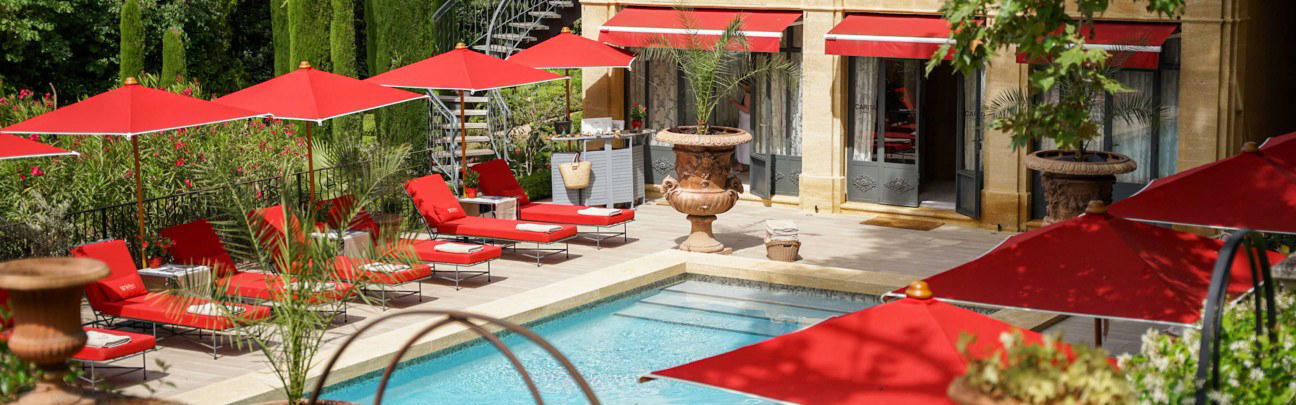
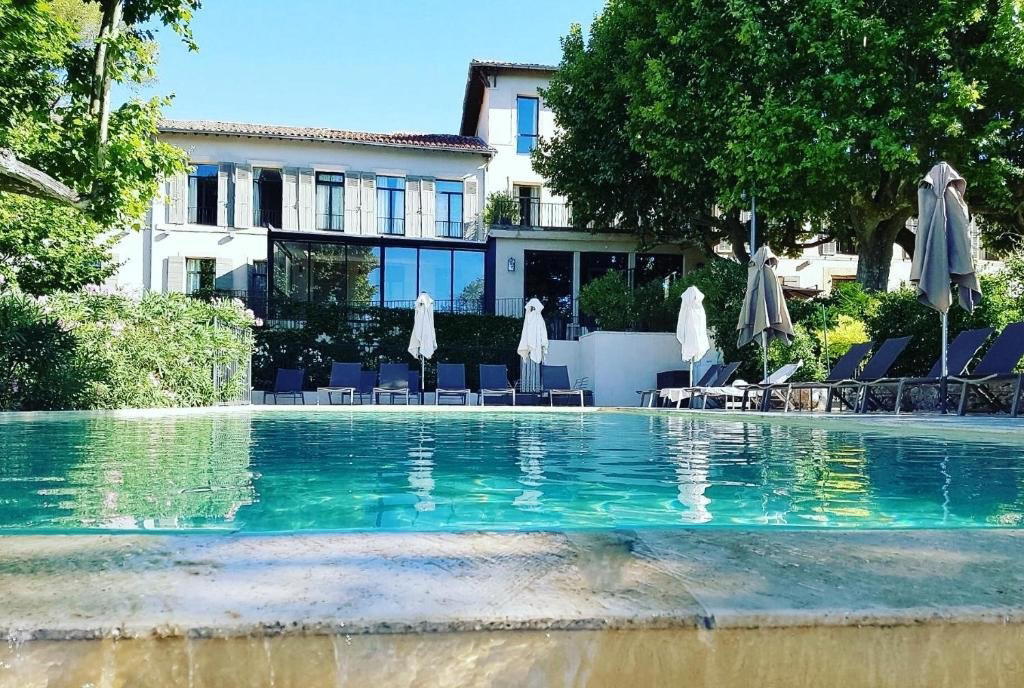
Hotels in Le Puy-Sainte-Réparade
Browse all →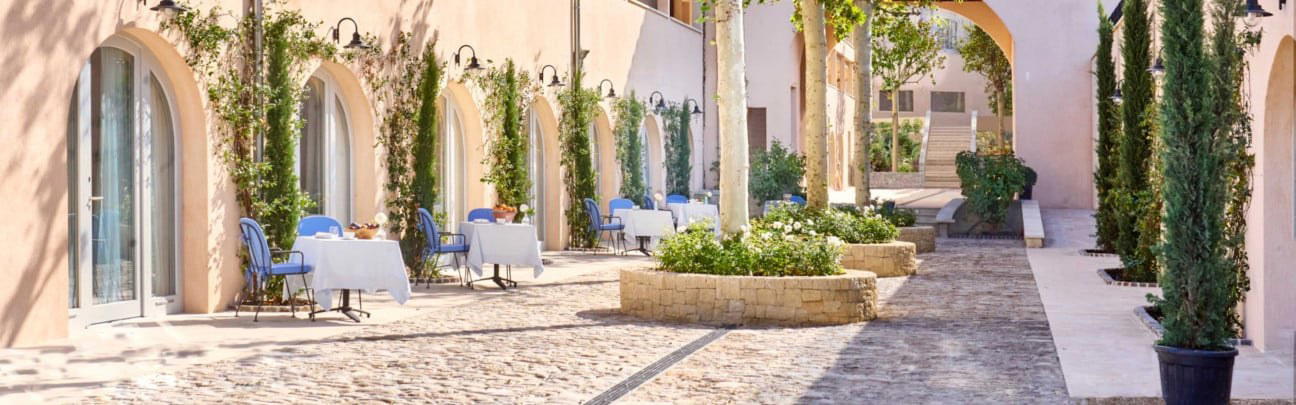
Bars in Le Puy-Sainte-Réparade
Browse all →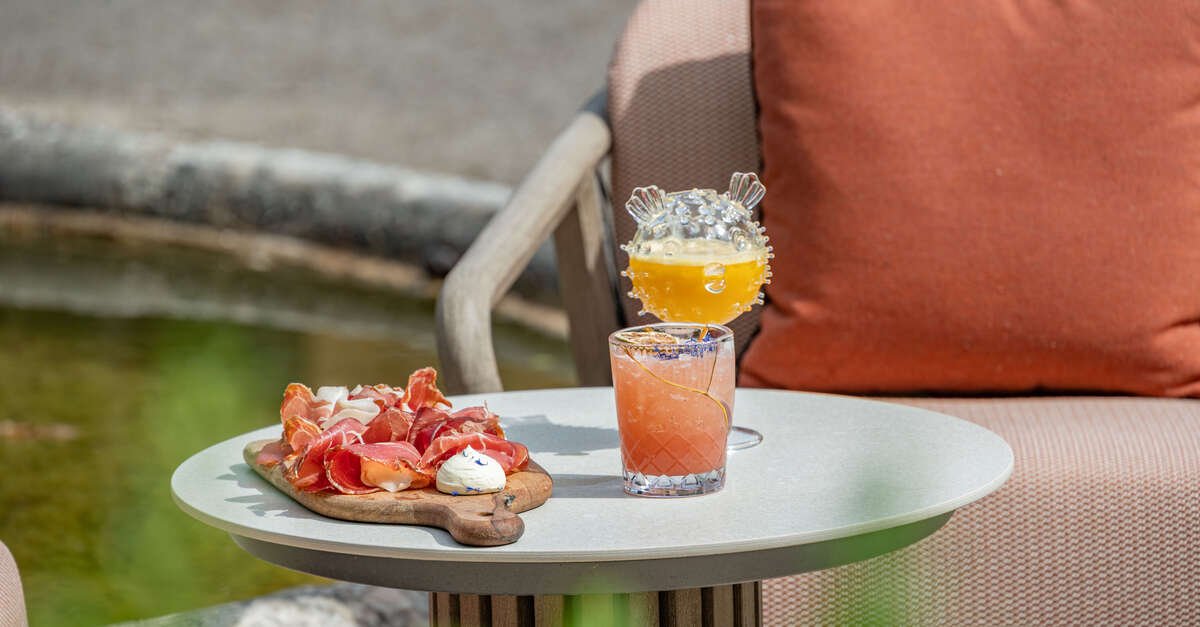
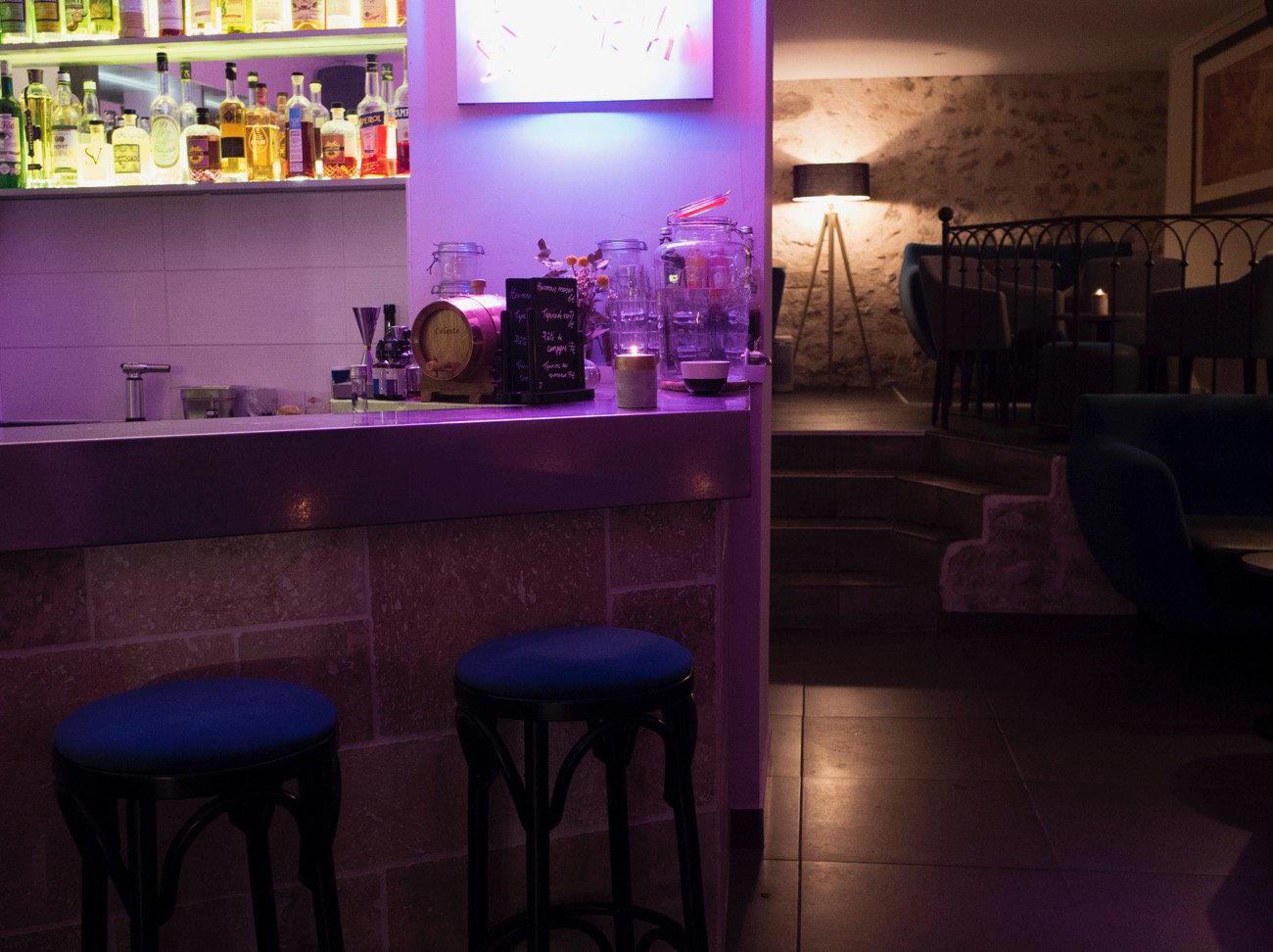
Restaurants in Le Puy-Sainte-Réparade
Browse all →

At a Glance
- Romantic
- Elegant
- Classic
- Scenic
- Sophisticated
- Ornate
- Romantic Getaway
- Honeymoon
- Anniversary
- Weekend Escape
- Historic Building
- Garden
- Terrace
- Panoramic View
- Wi Fi
- Pool
- Spa
- Fitness Center
- Room Service
- Concierge
- Valet Parking
- EV Charging
- Garden
- Vineyard
- Wi Fi
- Pool
- Spa
- Fitness Center
- Room Service
- Concierge
- Valet Parking
- EV Charging
Light-filled rooms with soft pastel palettes, luxury linens, and French charm; peaceful and serene atmosphere in beautiful grounds well-suited for relaxation.
Know Before You Go
- Getting there
- Rte de Saint-Canadet, 13610 Le Puy-Sainte-Réparade