Operating from the same Le Grès terroir since 1905, Domaine de la Vieille Julienne is among the Southern Rhône's most enduring biodynamic estates.
Pearl is the En Primeur Club membership app — saves, bookings, and concierge access live there. Same editors, same standards.
- Address
- 750 Route de Courthézon, le Grès, 84100 Orange
- Phone
- +33 4 90 34 20 10
- Website
- vieillejulienne.com
- Directions
- Get directions
 Saves & bookings on Pearl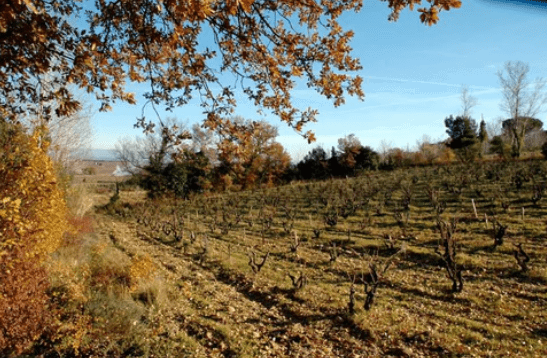
Ground-Level Châteauneuf: Why Terroir Defines the Domaine de la Vieille Julienne Approach
Drive north out of Orange along the Route de Courthézon and the garrigue thins, the limestone pebbles grow larger, and the vines of Le Grès begin to speak the particular dialect of this corner of the Southern Rhône. The famous galets roulés, those rounded, heat-retaining stones, sit on a clay-limestone base that behaves differently here than even a few kilometres south. At Domaine de la Vieille Julienne, perched in this quieter northern sector of the Châteauneuf-du-Pape appellation, it is the land itself that acts as the constant. Vintages change, seasons surprise, but the address at 750 Route de Courthézon has been shaping wine in an identifiable register since 1905.
The longevity matters editorially, not as a heritage talking point but as evidence. A domaine operating continuously from the same parcel for more than a century accumulates a granular, compounding knowledge of how its specific soils perform across variable weather. That accumulated intimacy shows in the glass in ways that younger estates, however talented, cannot fully replicate.
Le Grès and the Northern Terroir Argument
Châteauneuf-du-Pape is not a monolithic appellation. Its thirteen permitted grape varieties and wildly varied soil types, from sand and clay in the south to the iron-rich, stone-covered plateau zones of the north and east, mean that where a vine sits within the appellation shapes a wine's identity as decisively as how it is made. Le Grès, where Vieille Julienne farms, is a zone of particular reputation. The subsoil composition here promotes drainage and concentrates vine stress in ways that tend toward wines of structure and mineral precision rather than sheer weight.
The contrast with the more fleshy, fruit-dominant styles produced from sandier southern soils is not subtle. Wines grown on galets-heavy clay-limestone ridges in this northern arc of the appellation have historically aged more gracefully than their heavier counterparts, and the region's more analytically minded collectors have long tracked these geographic distinctions when allocating cellar space. In that context, Vieille Julienne's address is a credential in itself.
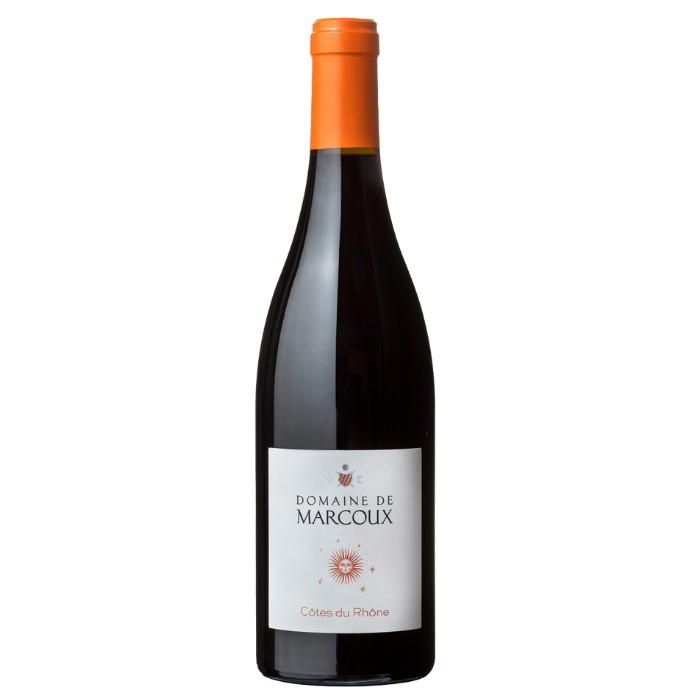
Neighbouring estates in the same critical conversation include Domaine de Marcoux, whose biodynamic credentials and old-vine Grenache parcels draw from comparable terroir logic, and Domaine Grand Veneur, which works across a broader parcel spread but shares the appellation's commitment to Grenache-led blends. These estates form a reference group through which Vieille Julienne's positioning becomes readable: farms of genuine appellation depth, working at quality levels where the subtleties of soil expression separate one producer from another.
Biodynamic Viticulture and What It Actually Means at This Address
Biodynamic viticulture in Châteauneuf-du-Pape carries more weight than the certification trend might suggest. In an appellation where vine age routinely exceeds fifty years and where deep-rooted Grenache draws mineral complexity from limestone and clay well below the soil surface, the decision to farm without synthetic inputs is partly a philosophical stance and partly a practical argument about terroir fidelity. Removing synthetic chemistry from the cycle allows whatever the parcel inherently offers to express itself without interference.
Jean-Paul Daumen's approach at Vieille Julienne aligns with this logic. The domaine's biodynamic farming is not a recent conversion for marketing purposes; it is a long-standing commitment that reflects the estate's understanding of what its soils are capable of producing when allowed to speak without amplification. This places Vieille Julienne within a specific sub-cohort of Châteauneuf-du-Pape producers who are farming for precision and longevity over immediate accessibility, a strategic choice that correlates with the estate's recognition profile.
A Century of Vintages: What Continuity Delivers
The 1905 first vintage date anchors this estate in the pre-industrial era of French viticulture, before herbicides, synthetic fertilisers, or modern vine management became industry defaults. What that lineage provides, practically speaking, is vine age. Vines planted in the early to mid-twentieth century have root systems that penetrate multiple metres into the subsoil, accessing mineral complexity and maintaining hydration through drought years in ways that younger vines simply cannot. Châteauneuf's warmest recent vintages have exposed just how decisive vine age can be as a buffer against heat stress, and estates with genuine old-vine holdings have tended to perform more consistently across difficult years.
At a broader level, estates with this kind of continuous history operate within an informal tier of their own in the Rhône Valley. Alongside names like those found at Albert Boxler in Niedermorschwihr in Alsace or Château Bélair-Monange in Saint-Emilion among Bordeaux's own century-plus houses, Vieille Julienne belongs to the cohort of French estates where institutional memory and parcel continuity are themselves a form of quality infrastructure.
Where Vieille Julienne Sits in the Wider Appellation
The Châteauneuf-du-Pape appellation has approximately 320 estates, a number large enough to make positioning genuinely useful information. This is a different conversation from the entry-level Châteauneuf market, where négociant blends and cooperative production form the volume base.
For collectors and serious visitors to the Southern Rhône, the useful comparisons are lateral: how does Vieille Julienne's particular house style sit against other prestige-tier producers in the northern appellation zones? The answer, supported by the 2025 recognition, is that it competes credibly at the summit of that peer group. The estate's combination of terroir specificity, biodynamic farming, vine age, and winemaking precision creates a profile that holds its own within the appellation's most rigorous critical frame.
Further afield, the terroir-expressive, single-appellation logic at Vieille Julienne has parallels with how other regional French estates establish identity through place rather than through varietal novelty or winemaker celebrity. Château Branaire Ducru in St-Julien and Château Batailley in Pauillac follow analogous logic within Bordeaux's classified structure. The ambition in each case is to express the specific address as legibly as possible, vintage after vintage.
Planning a Visit to Le Grès
Orange is the practical base for any serious visit to the northern Châteauneuf-du-Pape estates. Domaine de la Vieille Julienne sits along the Route de Courthézon, the domaine's address at 750 places it within easy reach of the town centre, accessible by car in under fifteen minutes. The Southern Rhône's harvest period typically runs from early September through mid-October depending on vintage conditions, and the weeks immediately following harvest represent a particularly instructive time to visit: winemakers are present, fermentation is underway, and the conversation tends toward the specific. Spring visits, when pruning and canopy management are active, offer comparable access to the viticulture itself.
Nearby Domaine de Marcoux and Domaine Grand Veneur to complete a northern-appellation touring circuit.
Château Cantemerle in Haut-Médoc, Château Clinet in Pomerol, and Château Boyd-Cantenac in Cantenac each offer their own lens on how terroir-committed French estates communicate place through wine, while Philip Shaw Wines provides an interesting trans-hemispheric counterpoint from Orange, New South Wales. Château Bastor-Lamontagne in Preignac and Accendo Cellars in St. Helena round out a broader map of estates where appellation identity and critical recognition intersect, and Chartreuse in Voiron and Aberlour in Aberlour speak to the wider world of French and Scotch production traditions that frame how specialists approach region-specific provenance.
How It Stacks Up
Comparable venues nearby, for context on price, style, and recognition.
| Venue | Cuisine | Price | Notes |
|---|---|---|---|
| Domaine de la Vieille JulienneThis venue — the venue you are viewing | Grenache, Syrah | $$$ | Not listed |
| Domaine Grand Veneur | Grenache, Syrah | $$$ | Orange |
| Domaine de Marcoux | Grenache, Mourvèdre | $$$ | Châteauneuf-du-Pape |
| Philip Shaw Wines | Winery | Not listed | Orange |
| Château Roubine | Grenache, Syrah | $$$ | Lorgues |
| Domaine de la Solitude | Grenache, Syrah | $$$ | Châteauneuf-du-Pape |
Continue exploring
More in Orange
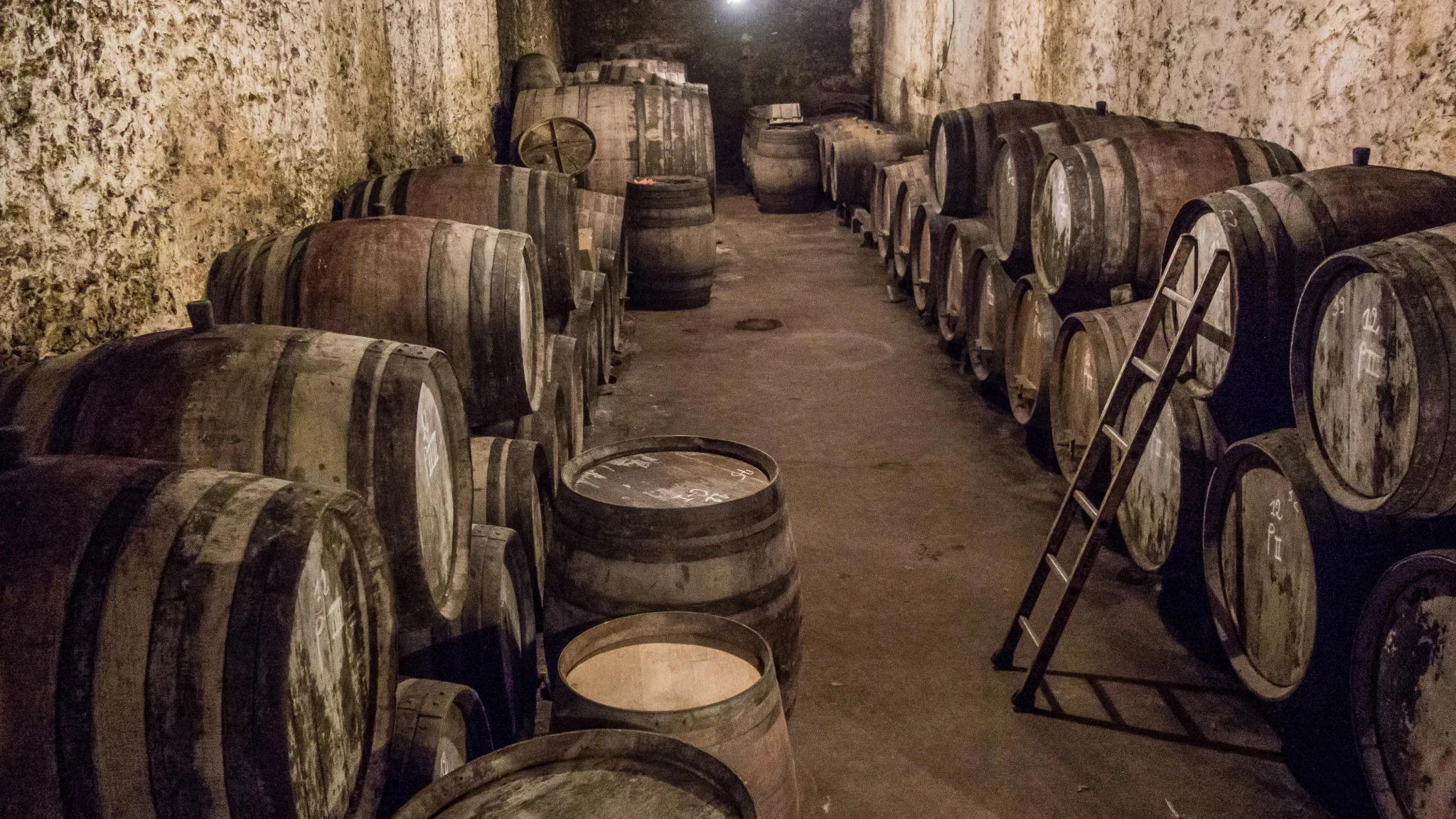
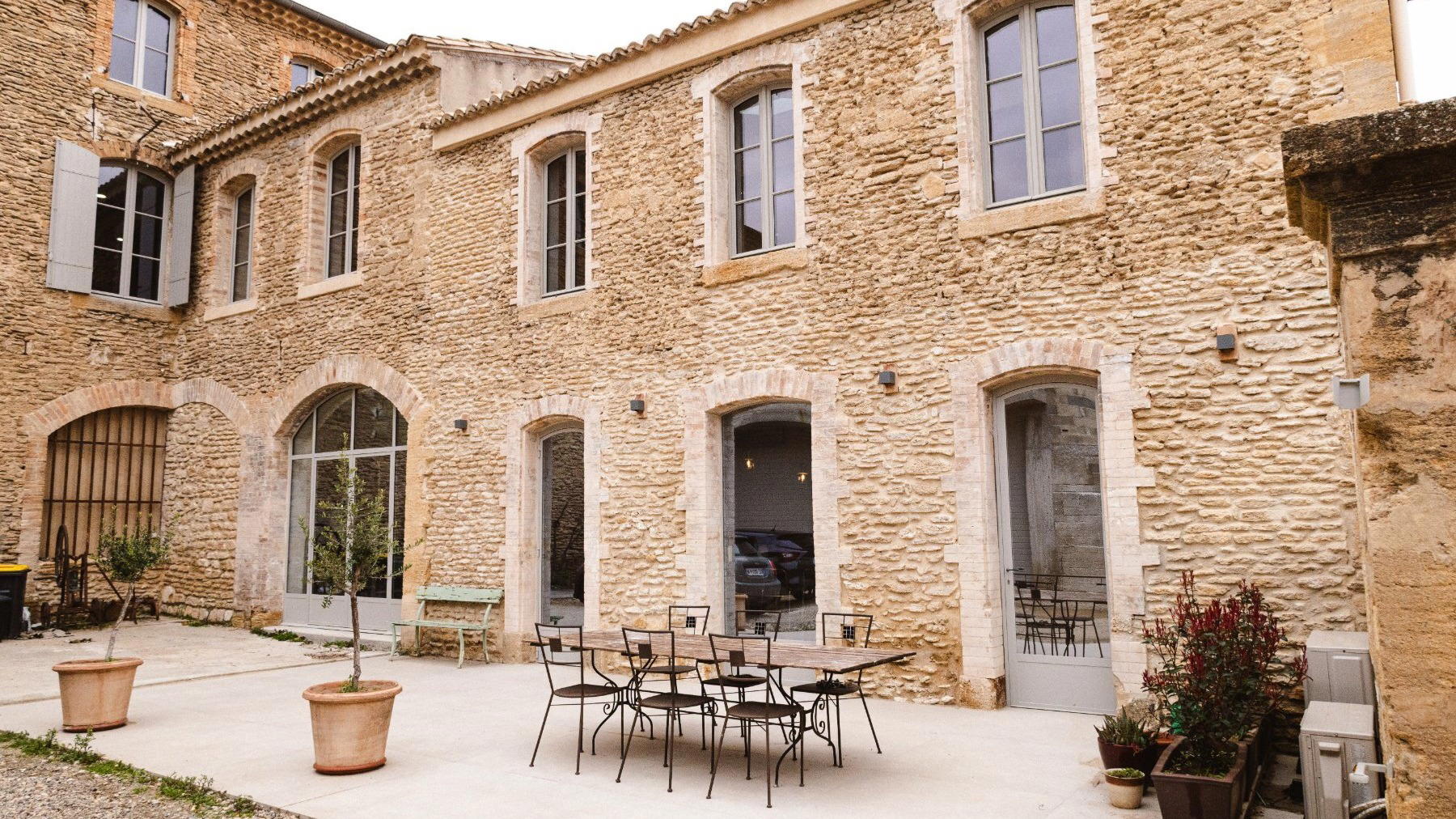
Wineries in Orange
Browse all →
Bars in Orange
Browse all →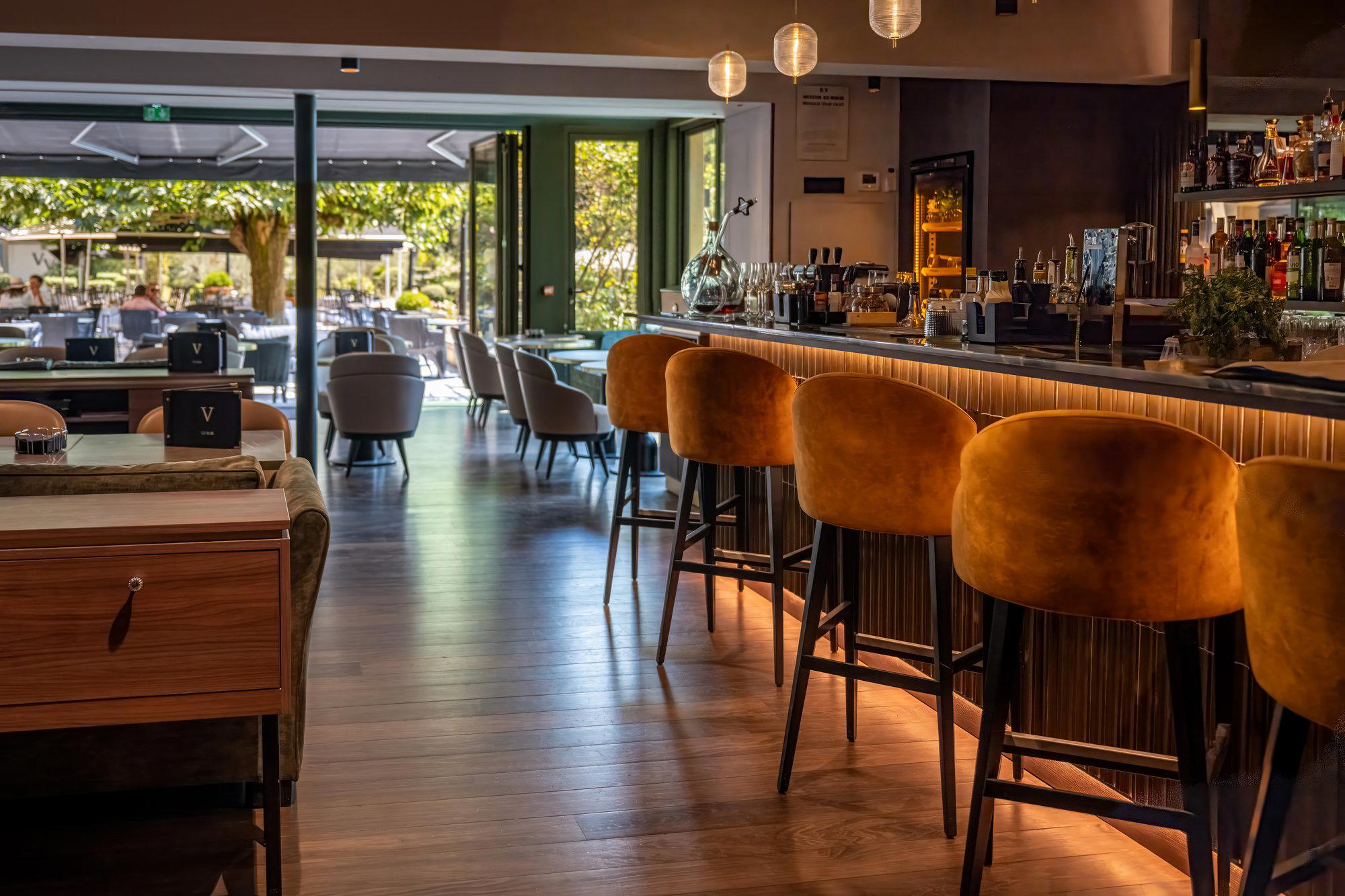
Restaurants in Orange
Browse all →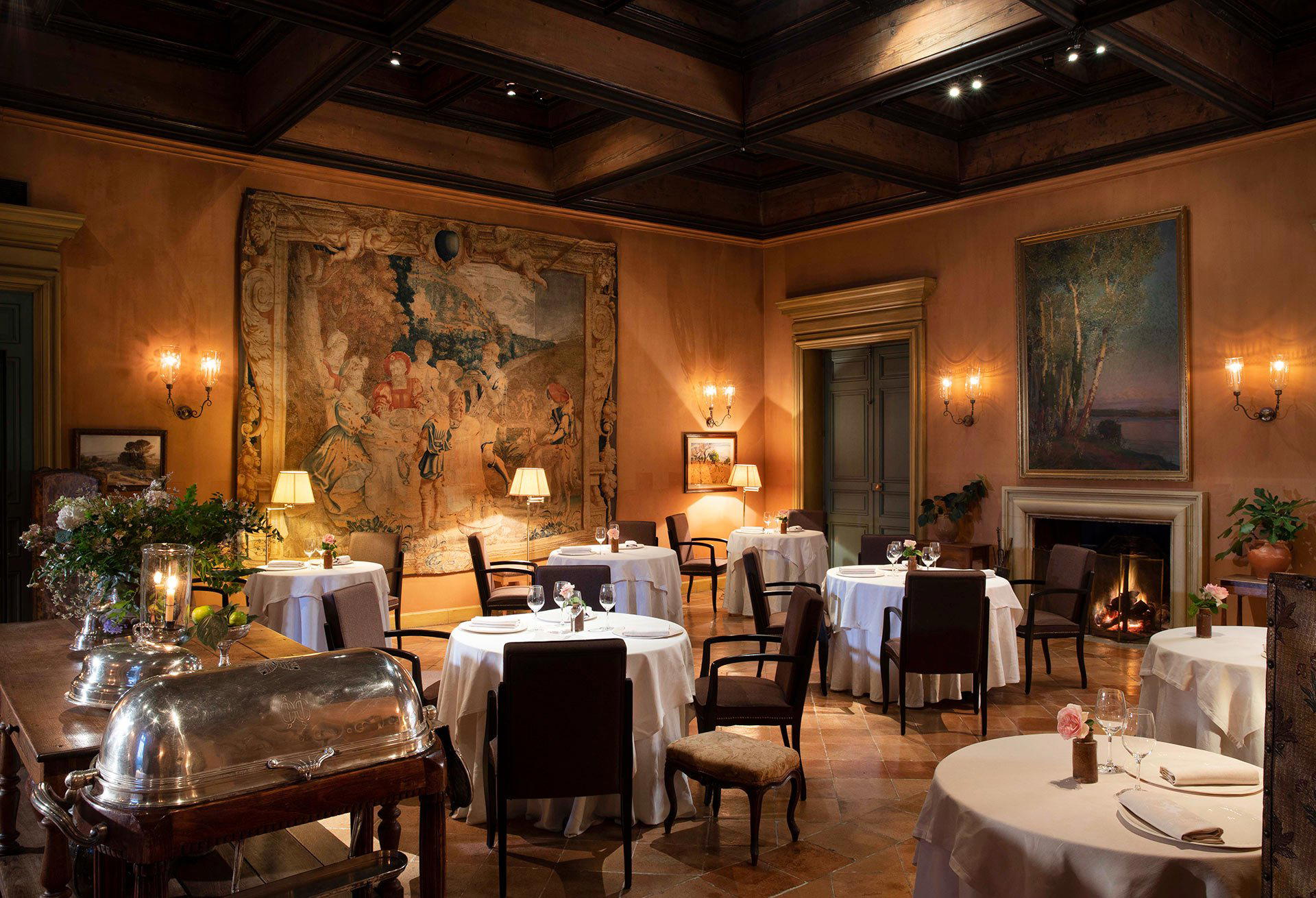
At a Glance
- Rustic
- Classic
- Scenic
- Intimate
- Wine Education
- Solo Exploration
- Special Occasion
- Vineyard Tour
- Estate Grounds
- Biodynamic
- Vineyard
- Châteauneuf Du Pape AOC
- Grenache
- Syrah
- Mourvedre
- Counoise
- Cinsault
- Still Red
- Cave Tasting