Bar de Valrugues
Bar de Valrugues belongs to the quieter end of Saint-Rémy-de-Provence drinking: a hotel-bar address on Chemin Canto Cigalo rather than a late-night street-corner counter.
Pearl is the En Primeur Club membership app — saves, bookings, and concierge access live there. Same editors, same standards.
- Address
- 9 Chem. Canto Cigalo, 13210 Saint-Rémy-de-Provence
- Directions
- Get directions
 Saves & bookings on Pearl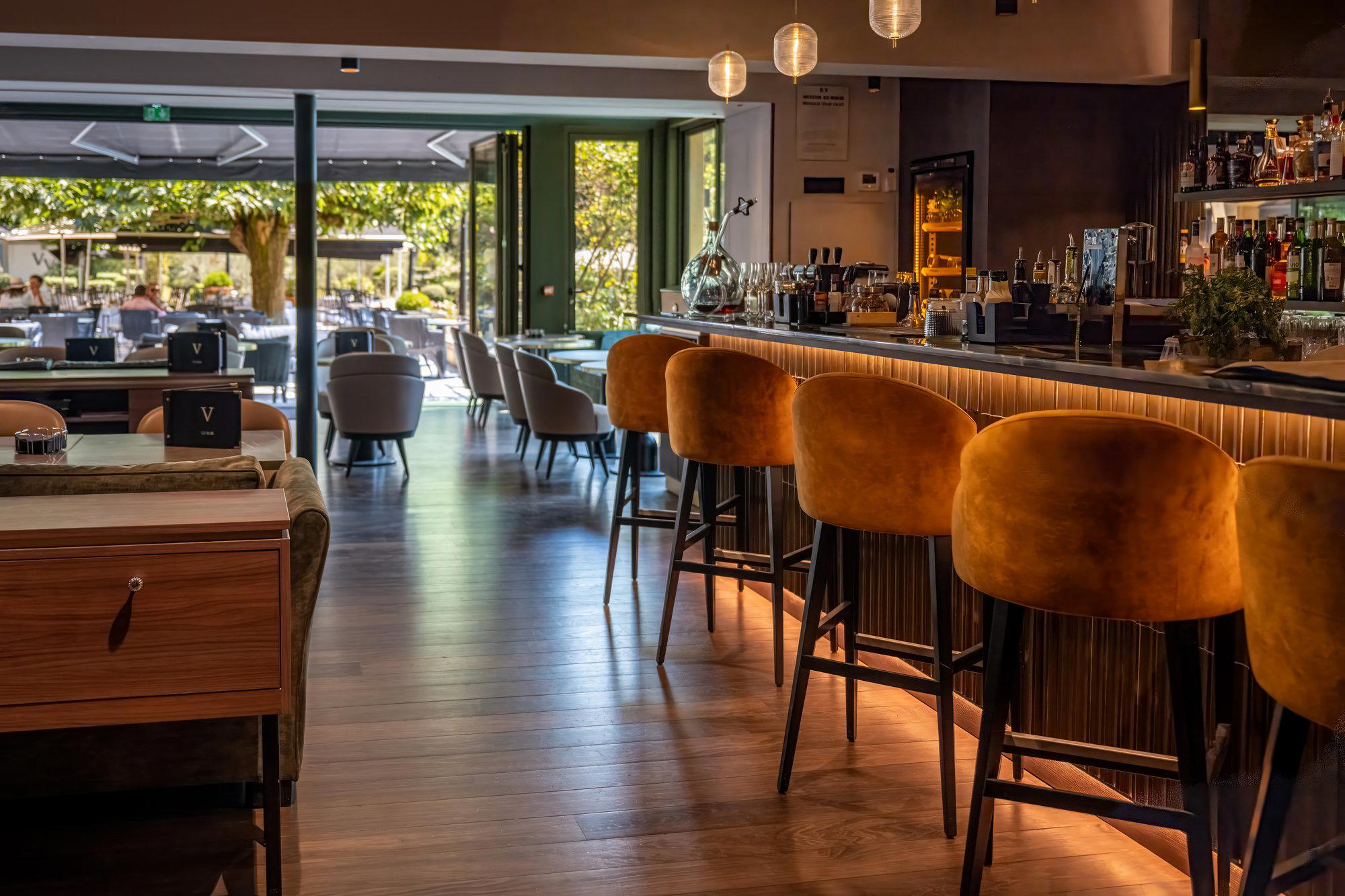
Provence after dinner, away from the square
The approach to 9 Chem. Canto Cigalo changes the rhythm of a Saint-Rémy evening. The town centre has its familiar pattern: café terraces, stone lanes, aperitif traffic, and visitors moving between restaurants after sunset. A bar attached to a hospitality address outside that immediate pedestrian circuit reads differently. It is less about passing trade and more about the planned second act, the drink after dinner, the quieter table, the pause between a day in the Alpilles and another meal built around olive oil, lamb, herbs, and local wine.
That context matters because Saint-Rémy-de-Provence is not a city with a dense cocktail grid. It is a Provençal market town with strong restaurant culture, seasonal tourism, and a hospitality economy shaped by weekends, holidays, and warm-weather travel. In that setting, a serious drink is often judged less by bar theatrics than by whether the room gives the evening a clear register: aperitif before a table booking, digestif after dinner, or a calm final stop when the centre has become crowded. Bar de Valrugues sits in that category of address-led drinking, where setting and tempo carry as much weight as the glass.
For a broader map of where the town’s food and drink culture is concentrated, see Our full St Remy de Provence restaurants guide. The useful distinction for drinkers is simple: central Saint-Rémy is built for wandering, while an address on Chemin Canto Cigalo rewards intention. That makes this a better fit for travellers who plan a night rather than those searching for a spontaneous bar crawl.
The cocktail question in a small Provençal town
In major French cities, cocktail bars now tend to announce themselves through technique: clarified serves, low-waste prep, house ferments, rare spirits, or menus structured around a concept. Saint-Rémy works on another scale. Here, a cocktail programme has to coexist with hotel-service expectations, mixed guest profiles, and the stronger local pull of wine, pastis, and aperitif drinking. The creative challenge is not to mimic Paris or Marseille; it is to translate the language of mixed drinks into a room where many guests may arrive expecting Champagne, rosé, a Negroni, or a post-dinner Cognac.
That absence should shape expectations. This is not a venue to approach with a checklist of named serves gathered from a public menu. The more intelligent order is conversational: ask what the bar is making well that evening, whether the house is leaning toward classics, Provençal inflections, or seasonal fruit, and whether there is a suitable aperitif-length drink before dinner. In a town where the meal often remains the centre of gravity, the bar’s role is to frame the evening rather than dominate it.
France’s cocktail culture has become more regional over the past decade. Paris still sets much of the high-visibility language, especially in hotel bars and independent cocktail rooms, but the interesting travel pattern is how smaller destinations adapt that vocabulary. A bar in Provence does not need to reproduce the capital’s lab-counter mood to be relevant. It needs balance, restraint, and a sense of place that does not turn every drink into a postcard. Citrus, herbs, bitter aperitifs, grape-based spirits, and dry sparkling wine all make sense in the region, but no specific drink should be assumed here unless confirmed directly by the bar.
How it compares with France’s cocktail circuit
France’s drinking map is split between grand-hotel polish, independent cocktail dens, wine-led bars, and hybrid addresses that serve travellers as much as locals. In Paris, La Bar du Plaza Athénée in Paris represents the palace-hotel end of the spectrum, where service ritual and room design are part of the price. In Montpellier, Papa Doble in Montpellier points toward a more explicitly cocktail-focused urban format. Saint-Rémy occupies another lane: smaller town, heavier seasonal demand, and a guest base often moving between restaurants, hotels, galleries, and countryside itineraries.
That difference protects the reader from a false comparison. Judging a Provence hotel bar by the same criteria as a capital-city cocktail institution misses the reason to go. Bar de Valrugues should be read in that frame, especially because the public record does not provide awards or a documented drinks list to support a claim beyond its address and category.
Other French bars show how varied the category has become. La Vertu in Reims naturally belongs to a Champagne-country conversation. Bar Casa Bordeaux in Bordeaux sits in a city where wine culture shapes expectations even when cocktails are involved. Broc'Bar in Lyon operates in a city with a deeper late-night dining and bar culture. The Saint-Rémy address is quieter in public signals, which makes planning and expectation-setting more important.
What the setting tells you before the menu does
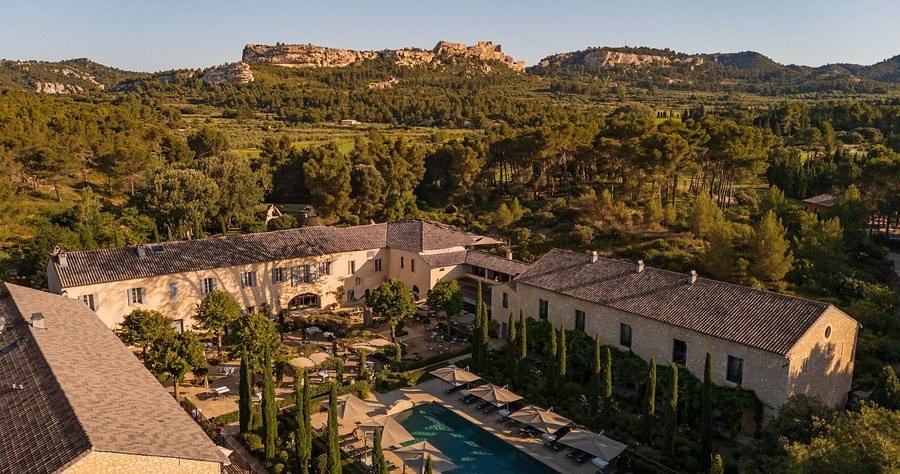
Chemin Canto Cigalo places the bar outside the busiest town-centre pattern. That single logistical fact carries editorial weight. Central bars tend to absorb the energy of the street: arriving groups, quick drinks, late tables, and the easy friction of a small Provençal town in season. A hotel-bar address away from that immediate circulation usually creates a different evening, with more emphasis on pacing, seating, and a controlled environment. For travellers staying nearby, that can be an advantage; for those coming from the centre, it calls for a deliberate plan rather than casual drifting.
Saint-Rémy’s seasonal rhythm can affect hospitality patterns, particularly outside peak summer and holiday periods. A sensible plan is to confirm same-day opening directly through the hotel or venue channels before arranging transport or building the night around a final drink. That is not a criticism; it is the reality of travelling in smaller destinations where online completeness often lags behind the quality of the room.
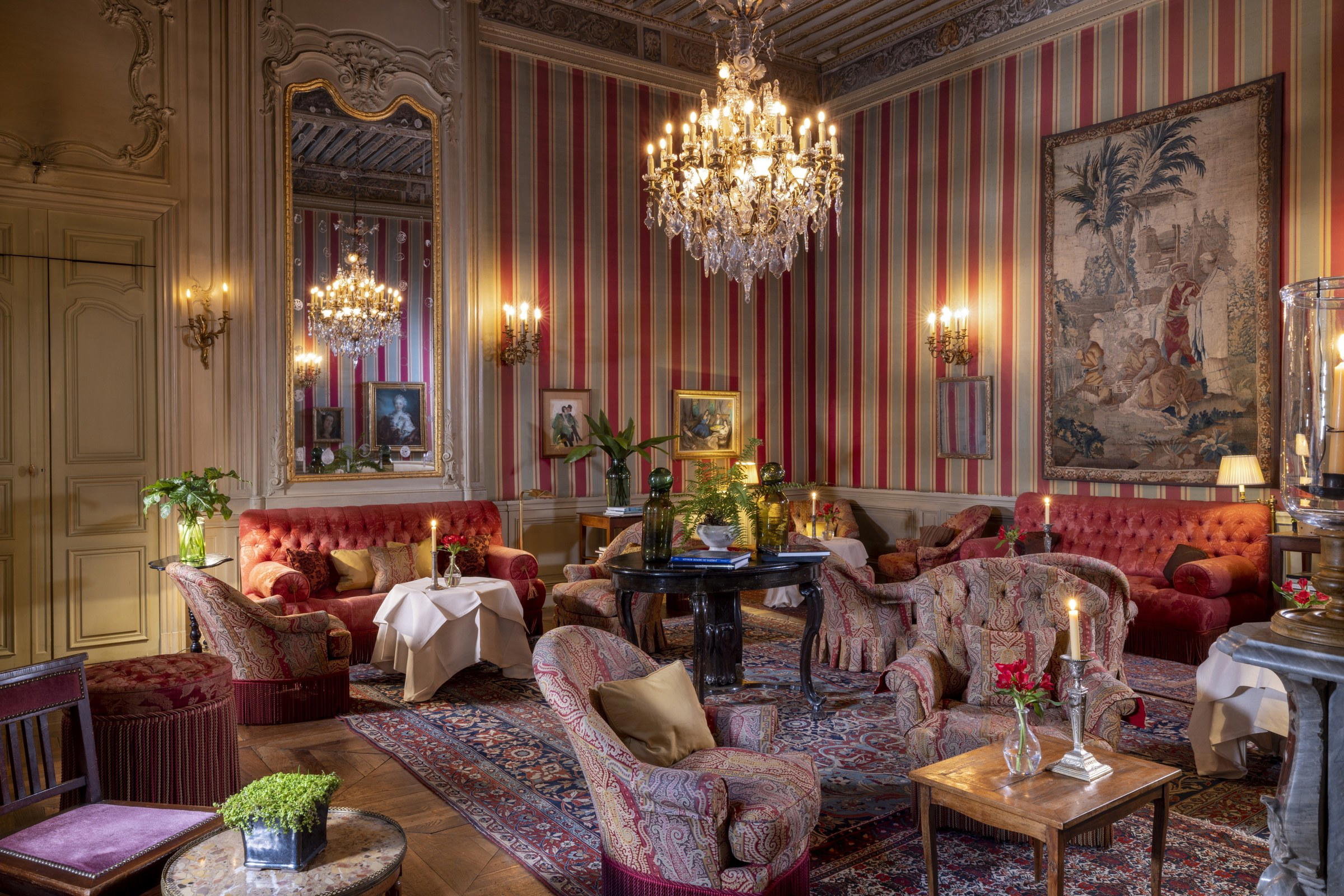
Formality is also difficult to state from the public record. The address and likely hotel context suggest a composed atmosphere rather than a casual dive-bar mode, but there is no listed dress code, price band, or seating count. Travellers should treat it as smart-casual territory unless told otherwise. In Provence, that usually means clothes appropriate for a polished dinner setting, not ceremony. The practical test is whether the night includes a restaurant reservation or hotel lounge; if it does, dress for that level and the bar will usually make sense within the same evening.
The drinker this suits
This is not the obvious choice for someone trying to measure Saint-Rémy by volume of bars. It suits the traveller who wants a calm, adult-paced drink and values the transition between dinner and sleep as part of the night. It also suits those staying outside the central pedestrian lanes, where the convenience of returning to a composed bar can outweigh the appeal of another crowded terrace. The address gives it a different role from a square-facing café: less theatre from the street, more reliance on the room itself.
For cocktail-focused travellers, the right stance is open but disciplined. Order by style rather than by fantasy. Ask for something dry and aperitif-length before dinner, spirit-forward after dinner, or low-alcohol if the evening has already involved wine. If the bar has a house recommendation, use that as the starting point. If it does not, classics provide a reliable test of balance. No available data supports naming a signature cocktail here, so the strongest advice is to let the bartender’s current list, if offered, guide the decision.
France’s wider bar scene offers useful contrasts for different trips. Le Cercle Rouge in Angers belongs to a Loire itinerary with another regional drinking mood. Le Cercle des Arômes in Colmar and Le Goupil in Ribeauvillé sit closer to Alsace’s wine-and-borderland frame. Chez Rosa in Toulouse reflects a larger southern city with a stronger urban-nightlife engine, while Crapule in Vannes shows how coastal and regional settings create different drinking expectations. Even Café La Trova in Miami, outside France, is a reminder that great bar nights depend on cultural fit as much as technique. Saint-Rémy asks for a softer register.
Planning a night at 9 Chem. Canto Cigalo
The practical details are sparse but useful. The confirmed address is 9 Chem. Canto Cigalo, 13210 Saint-Rémy-de-Provence, France. That means the reliable plan is to verify access before arrival, especially in shoulder season, during private events, or on quieter weekdays. If the evening depends on the bar, do not leave confirmation until after dinner.
Transport planning also matters because the address is not presented as a central square location. Build in time to move there, and consider whether the night is better arranged as dinner nearby followed by drinks, or drinks first before returning to the centre. The answer depends on where the evening begins.
Price cannot be stated from the available record. The absence of awards also matters. This is not a page built on Michelin, 50 Best, or other formal recognition; the trust signal here is the verifiable address within Saint-Rémy’s hospitality context and the fit between the bar format and the town’s slower evening rhythm. For some travellers, that is enough. For those chasing documented cocktail accolades, a larger city will provide clearer targets.
How It Stacks Up
| Venue | Awards |
|---|---|
| Bar de Valrugues | This venue |
| La Bar du Plaza Athénée | World's 50 Best |
| Le Syndicat | World's 50 Best |
| Buddha Bar | World's 50 Best |
| Bar Nouveau | World's 50 Best |
| The Cambridge Public House | World's 50 Best |
Continue exploring
More in Saint-Rémy-de-Provence
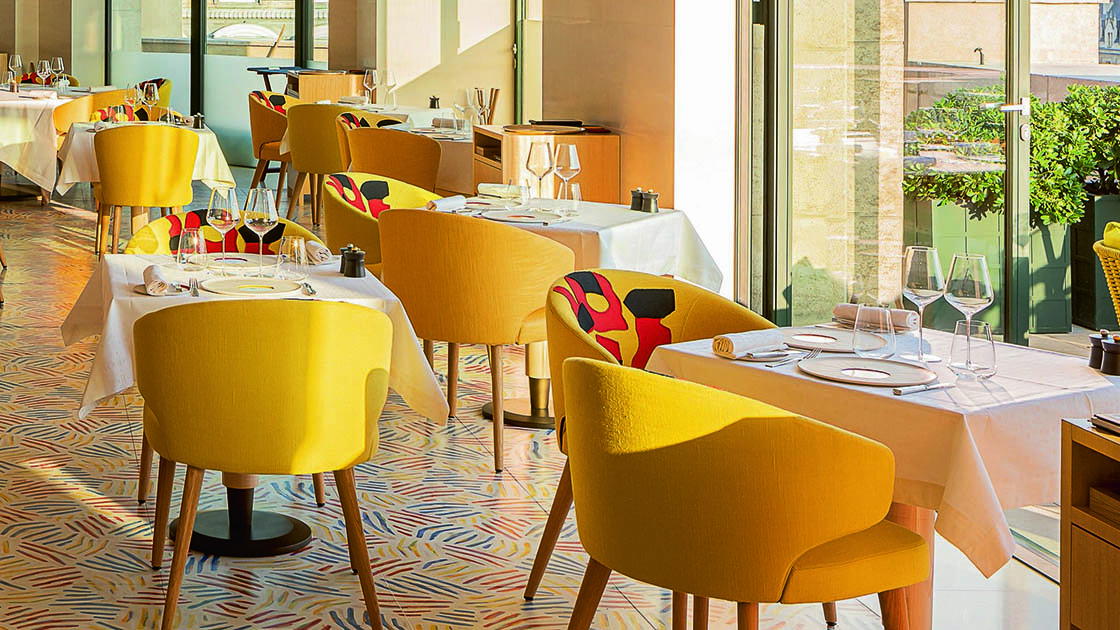
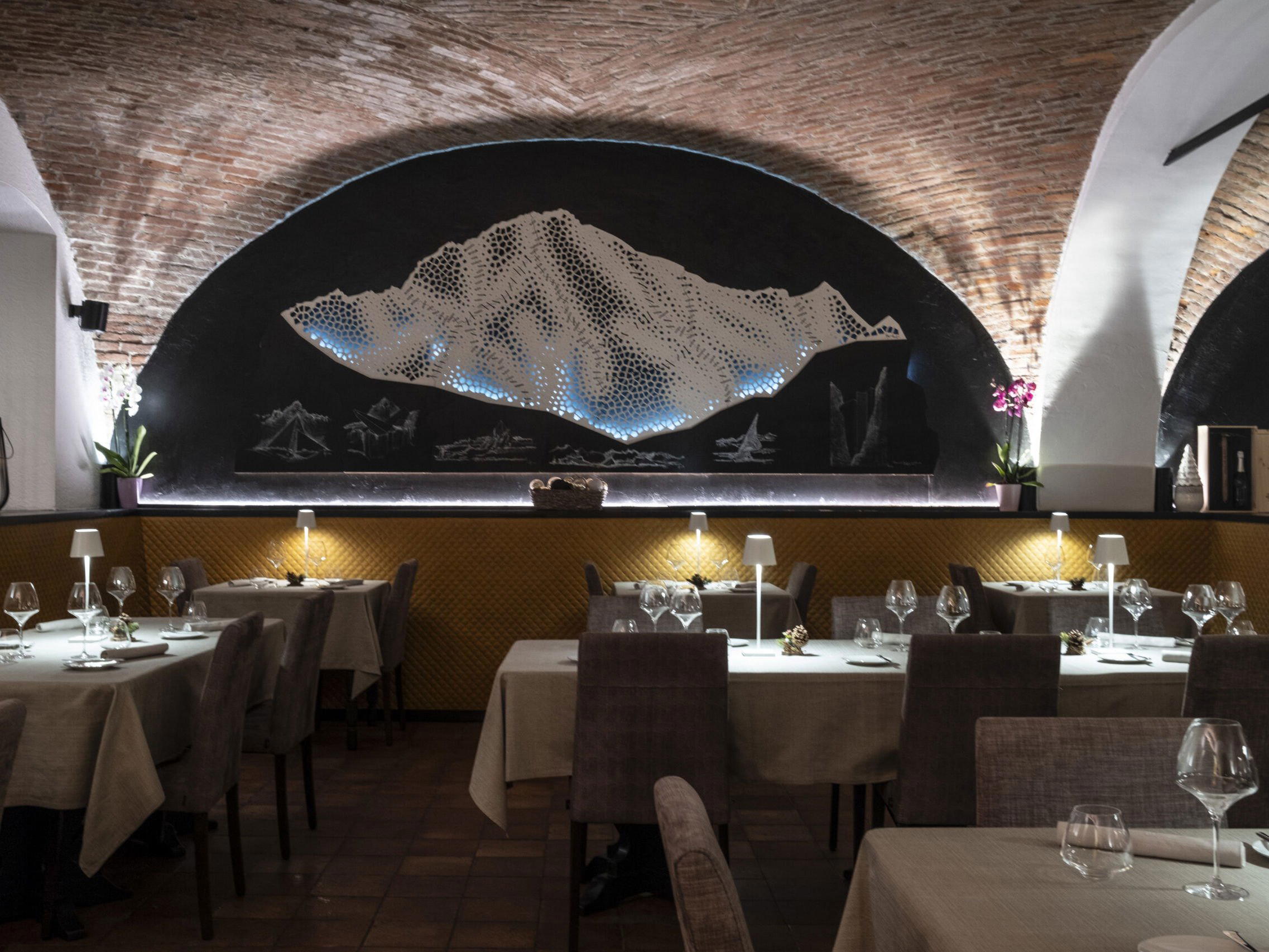
Restaurants in Saint-Rémy-de-Provence
Browse all →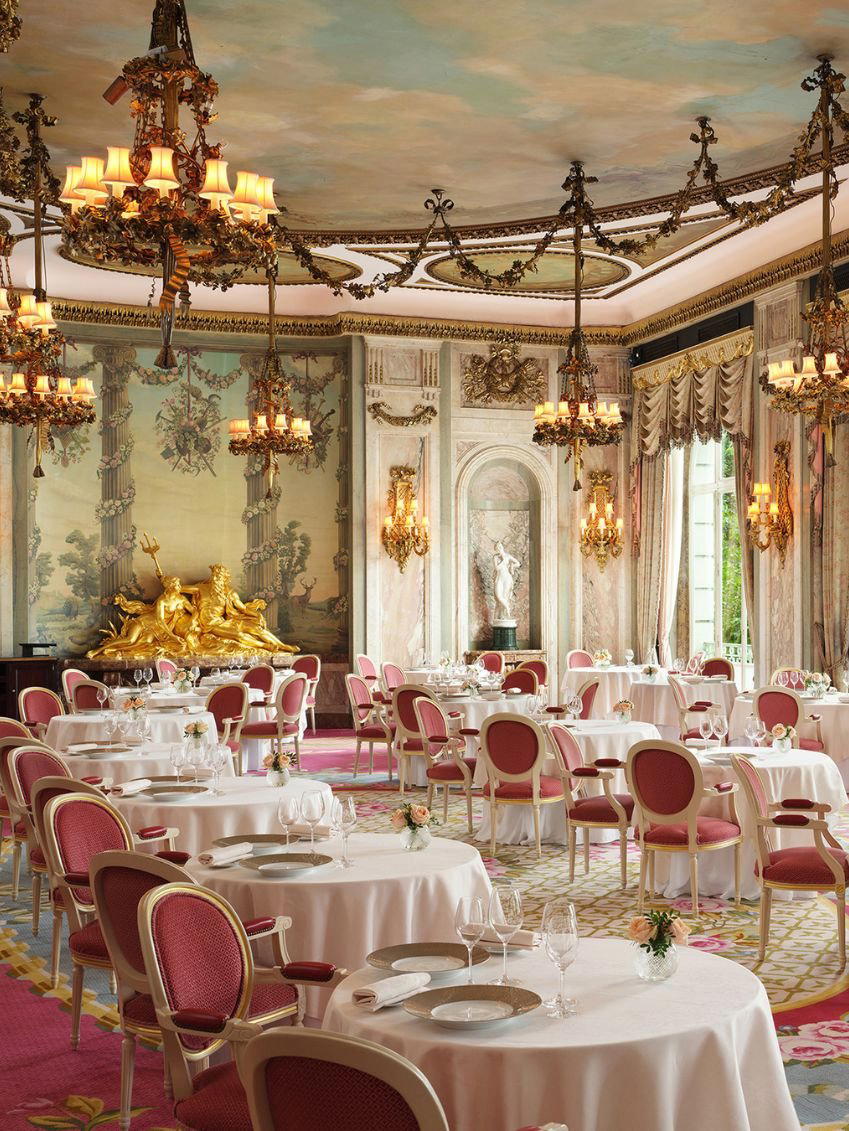
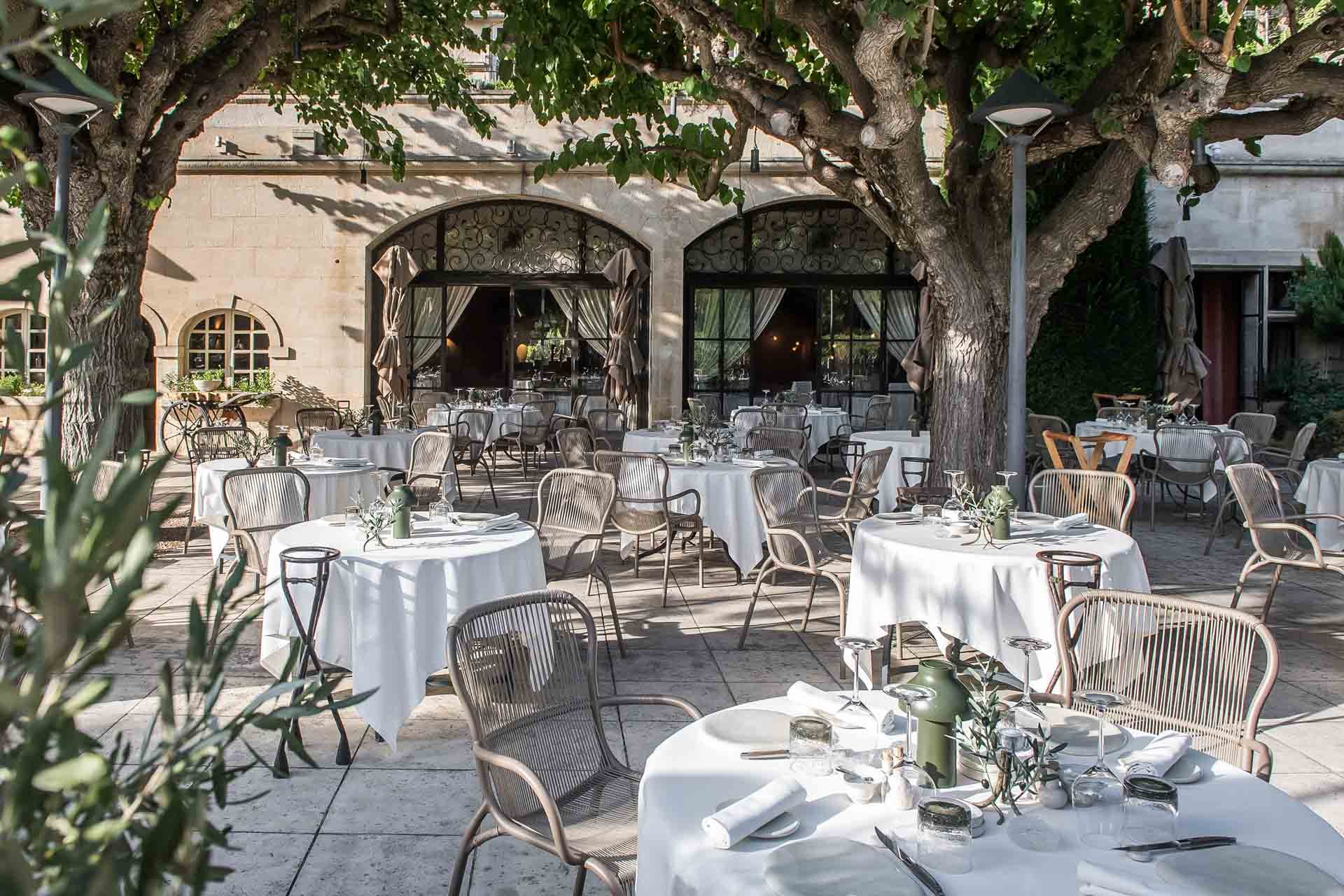
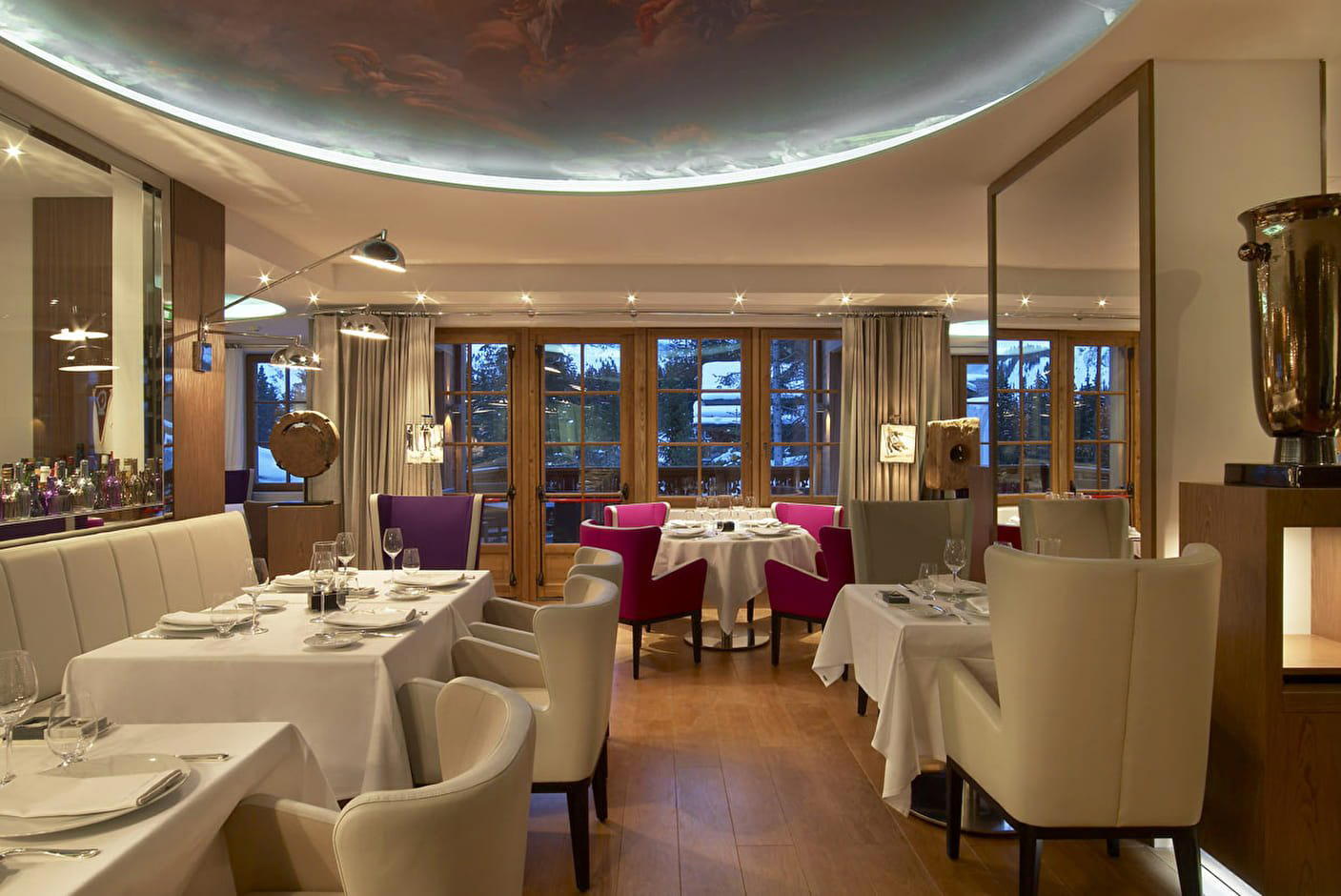
Hotels in Saint-Rémy-de-Provence
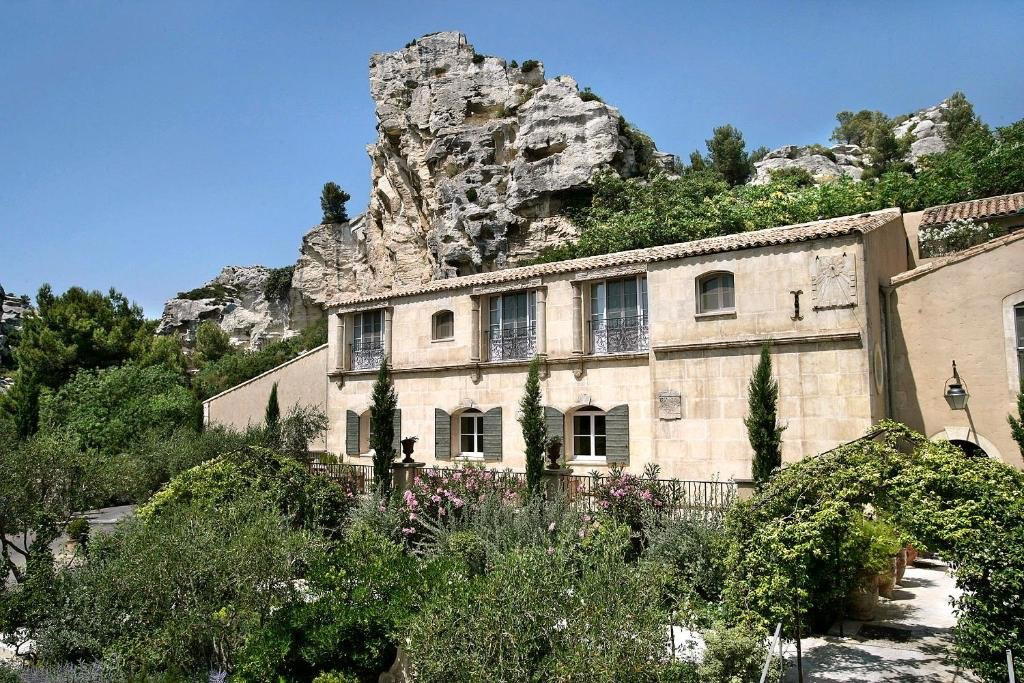
Browse all →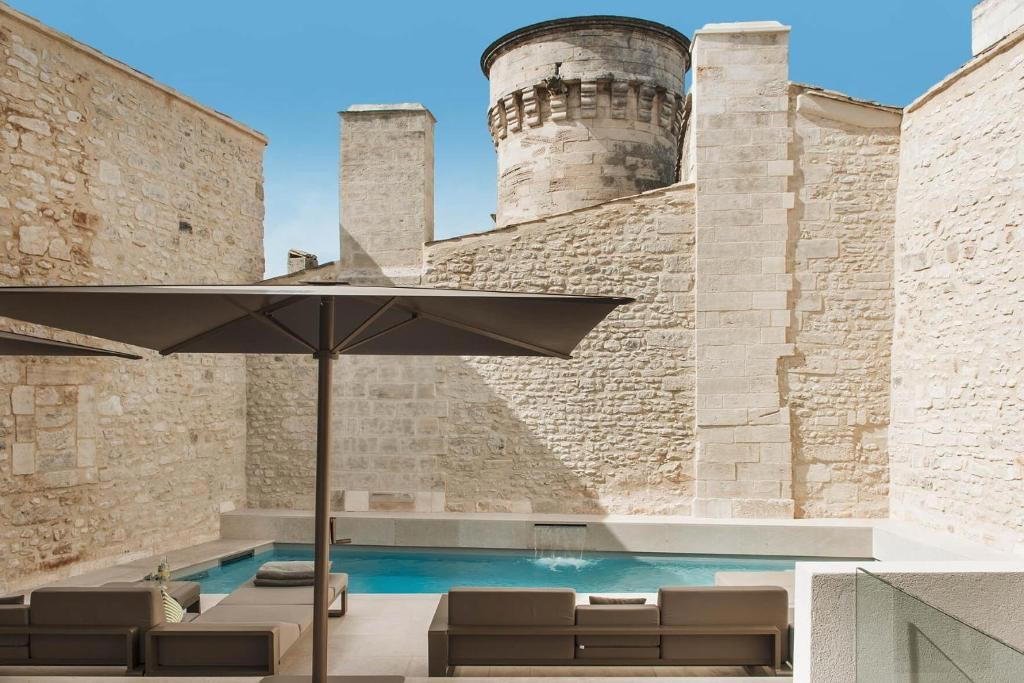
At a Glance
- Elegant
- Sophisticated
- Cozy
- Romantic
- Scenic
- Date Night
- After Work
- Group Outing
- Casual Hangout
- Special Occasion
- Live Music
- Garden
- Terrace
- Hotel Bar
- Seated Bar
- Lounge Seating
- Outdoor Terrace
- Classic Cocktails
- Craft Cocktails
- Garden
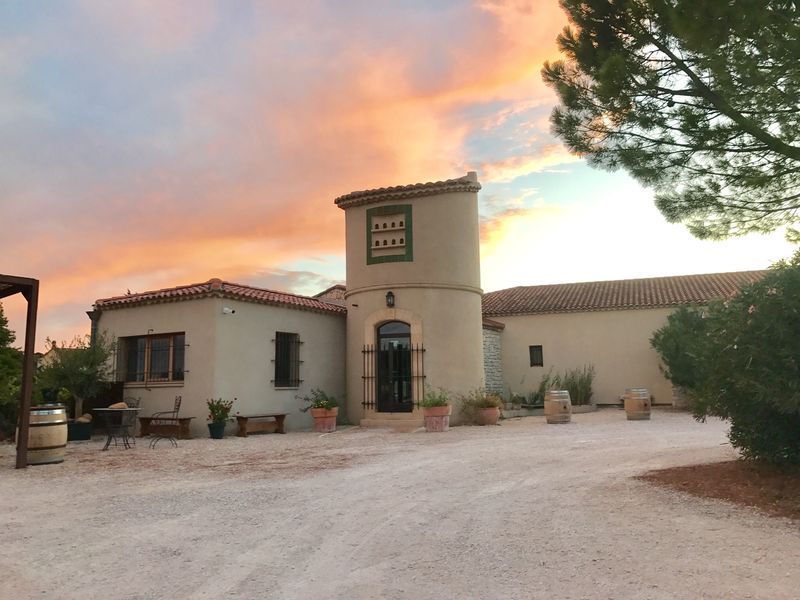
Chic, warm, and welcoming, with an elegant indoor setting and a leafy terrace overlooking the hotel gardens.
Know Before You Go
- Getting there
- 9 Chem. Canto Cigalo, 13210 Saint-Rémy-de-Provence