
Michelin Plate
Our verdict
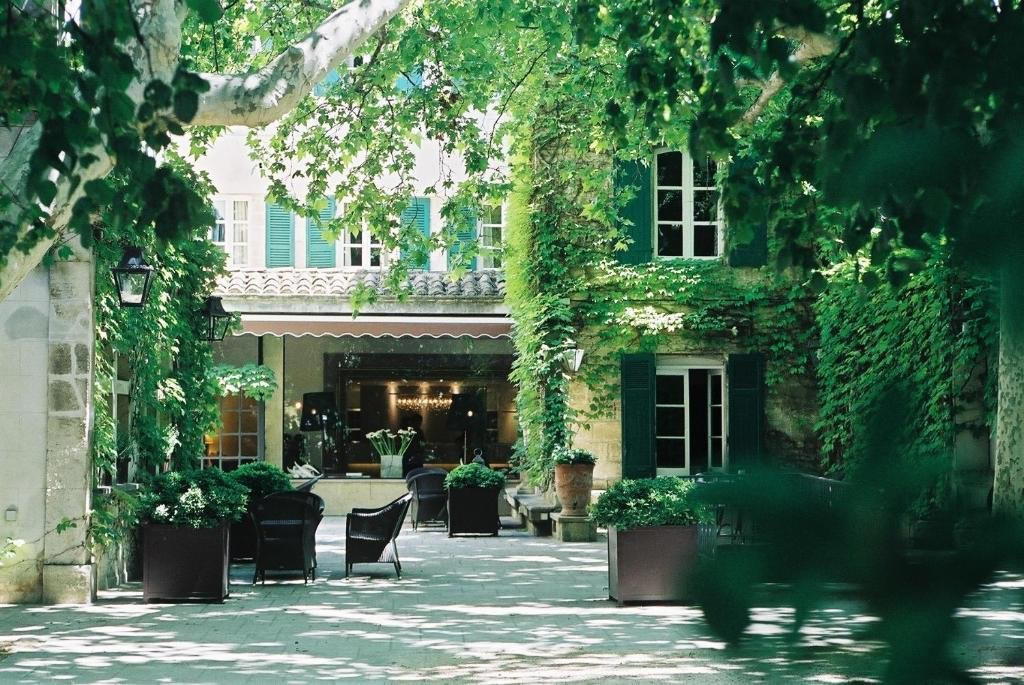
Under chef Pascal Auger, La Vieille Fontaine in Avignon delivers refined Provençal cuisine in an elegant, wood-panelled townhouse with a coveted fountain-side terrace—classic fine dining shaped by the seasons and paired with a Rhône-forward cellar.

Pearl is the En Primeur Club membership app — saves, bookings, and concierge access live there. Same editors, same standards.
- Address
- 12 Pl. Crillon, 84000 Avignon, France
- Phone
- +33 4 90 14 76 76
- Hours
- Mon ClosedTue–Sat 12–1:15 PM, 7–9:15 PMSun Closed
- Website
- heurope.com
- Directions
- Get directions
- Booking
- Book on TheFork
The menu
What to order
- Duck Pâté en Croûte with Pistachios
- Scallops with Cauliflower
- Glazed Monkfish with Carrot
- Venison Pavé
- Octopus and Daurade Gravlax
Place Crillon, After Dark
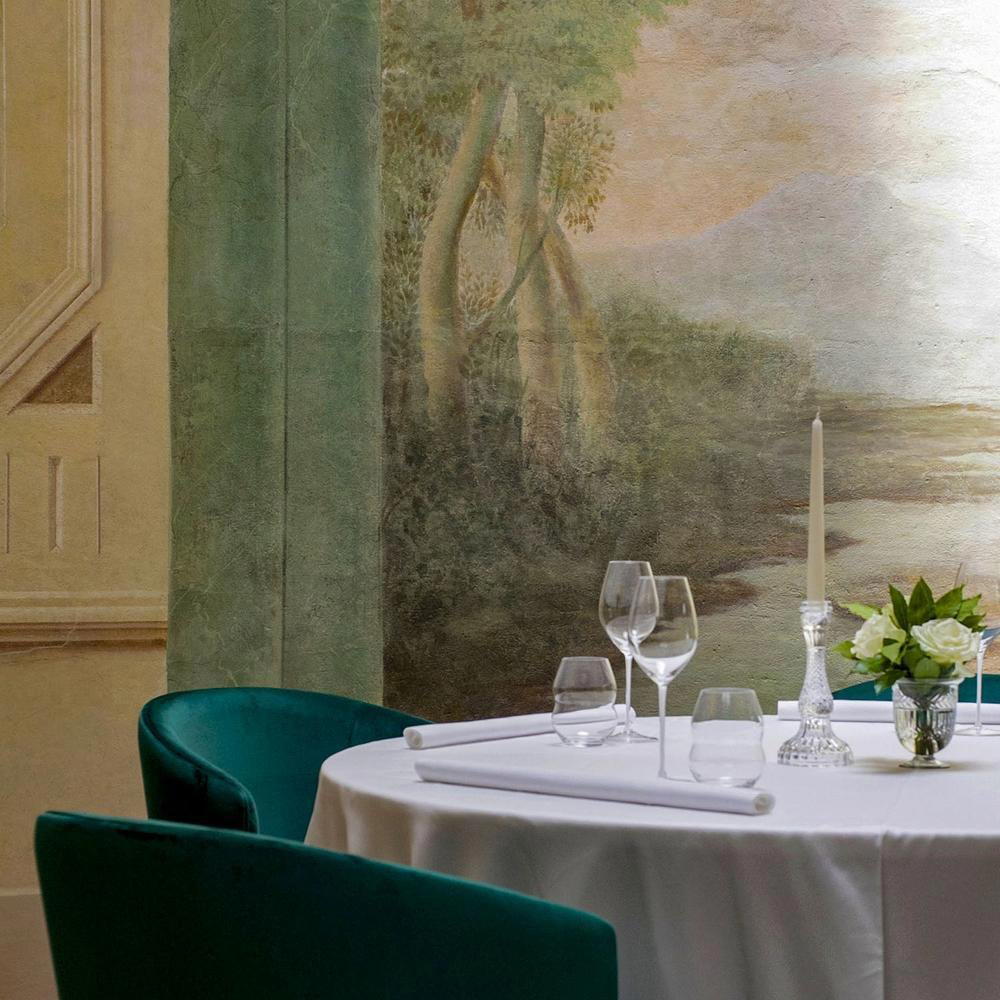
The approach to La Vieille Fontaine sets the register before you reach the door. Place Crillon sits just inside Avignon's medieval ramparts, close enough to the Palais des Papes that its stone facades carry the same amber cast in evening light. The square is quieter than the tourist circuits a few blocks east, and the restaurant occupies that quieter register deliberately: a historic townhouse address, a dining room where the acoustics absorb conversation rather than amplify it, and a kitchen that has held a Michelin star since 2024 and maintained a Michelin Plate recognition into 2025. The physical environment signals seriousness before a dish arrives.
Where La Vieille Fontaine Sits in Avignon's Dining Map
Avignon's modern cuisine tier is small but competitive. At the leading end, the city supports a handful of €€€€ addresses working within classical French frameworks updated for contemporary technique. Below that, Acte 2 and Bibendum offer modern cooking at lower price points, and the long-established Hiély-Lucullus anchors the traditional end of the spectrum. La Vieille Fontaine, under chef Pascal Auger, competes directly with the upper tier: same price band, same award status, but a distinct address character and a kitchen with its own formal emphasis.
That peer-set context matters because Avignon is not Paris. The city has no surplus of Michelin-starred options, so each address within the top tier carries disproportionate weight. Visitors building a single-night itinerary around a high-end meal are effectively choosing between three places, and the decision usually turns on atmosphere and format preference as much as cuisine style. La Vieille Fontaine's townhouse setting and its relative remove from the most trafficked tourist zones give it a different physical character than its peers, a factor worth weighing alongside the food itself. For a broader view of what the city offers across all categories, the full Avignon restaurants guide maps the complete range.
The Sensory Register of the Room
Modern cuisine at the one-star level in provincial France tends to occupy one of two aesthetic modes: the converted farmhouse with exposed stone and earthenware, or the town-centre maison with parquet, panelling, and a more formal vertical. La Vieille Fontaine's Place Crillon address places it firmly in the second category. The architecture of the square is pre-revolutionary, and the restaurant's interior draws on that inherited weight rather than working against it. The effect, common to the leading houses in this tradition, is a room where the physical surroundings do part of the work: framing the meal as an event with duration and attention, rather than a transaction with efficient throughput.
Sound behaves differently in these environments. Cloth, wood, and modest ceiling heights absorb the ambient noise that harder contemporary interiors project back at diners. Conversations stay at the table. Service moves without urgency. These are not incidental details; they are the designed conditions under which food at this level is meant to be received. The Provence wine list, almost certainly present at an address of this standing in this region, adds another layer of sensory coherence: Châteauneuf-du-Pape and the Rhône Valley appellations are thirty to forty kilometres north, and a kitchen working with regional produce at the one-star level would be expected to reflect that geography in the glass as much as on the plate.
Pascal Auger and the Formal French Tradition
One-star kitchens in the French provinces operate within a well-defined tradition that values technical precision, seasonal discipline, and a measured relationship with classical structure. Chef Pascal Auger's kitchen at La Vieille Fontaine sits within that lineage. The cuisine type is listed as Modern Cuisine, the designation Michelin uses for kitchens that update classical foundations rather than break from them entirely. This places the restaurant in a different category from the terroir-led naturalist cooking that has become dominant in parts of Paris and Lyon, and closer to the formal tasting-menu tradition that houses like Auberge de l'Ill in Illhaeusern and Bras in Laguiole have defined over decades at the regional level in France.
At the international end of Modern Cuisine, addresses like Alléno Paris au Pavillon Ledoyen and Mirazur in Menton represent the category at its most decorated. Further afield, Frantzén in Stockholm and FZN by Björn Frantzén in Dubai show how the Modern Cuisine designation travels across geographies. Within France's mountain and alpine belt, Flocons de Sel in Megève and Troisgros - Le Bois sans Feuilles in Ouches demonstrate that the regional one-star model can sustain decades of relevance when technique and identity are in alignment. La Vieille Fontaine competes within this broader French provincial context, where the one-star designation functions less as a consolation prize below two or three stars and more as a sustained credential in its own right.
Provençal Context and Seasonal Timing
Avignon's position in the southern Rhône gives any serious kitchen access to one of France's most ingredient-rich supply zones. Summer brings the stone fruits and courgette flowers that define Provençal cooking in July and August, while autumn shifts the emphasis toward game, truffles from the Vaucluse, and the wild mushrooms that come in from the Luberon and Ventoux foothills. Spring lamb from the Alpilles has been a regional constant for generations. A kitchen at this level working within Modern Cuisine would be expected to sequence its menu around these rhythms rather than resist them.
The timing of a visit matters in practical terms too. Avignon in July hosts the Festival d'Avignon, one of Europe's largest performing arts events, which runs for three weeks and fills the city's hotels and restaurants at a compression that the rest of the year does not see. Securing a table at a starred restaurant during festival weeks requires planning well in advance. Outside the festival period, particularly in the shoulder months of April through early June and September through October, the city operates at a more manageable pace and the weather suits both travel and the produce on the plate. Those visiting in summer should coordinate their restaurant reservations alongside their accommodation, and the full Avignon hotels guide provides a useful reference for understanding where to stay in relation to the intramuros restaurants.
Planning a Visit
Frequently asked questions
What's the must-try dish at La Vieille Fontaine?
What the restaurant's awards do confirm is that the kitchen under Pascal Auger earned a Michelin star in 2024 and retained a Michelin Plate in 2025, recognition that in the Modern Cuisine category typically reflects technical consistency across the full menu rather than a single signature item. Given the restaurant's Provençal location and its price tier, the most contextually relevant dishes at any visit would likely reflect current seasonal produce from the southern Rhône, including the Vaucluse truffles in winter and the stone-fruit and vegetable-forward plates of summer. For cuisine-level benchmarking against Avignon's peer kitchens, La Mirande and Pollen offer useful points of comparison at the same award tier.
Cost and Credentials
| Venue | Cuisine | Price | Awards | Notes |
|---|---|---|---|---|
| La Vieille FontaineThis venue — the venue you are viewing | Modern Provençal Fine Dining | $50–100 | Michelin Plate | Not listed |
| Pollen | Modern French Fine Dining | $100–150 | 1 Michelin Star · Star Wine List | Modern Cuisine |
| Italie là-bas | Modern Italian Fine Dining | $50–100 | Michelin Plate · We're Smart World 3 Radishes | Not listed |
| La Fourchette | Provençal French Bistro | $30–50 | Michelin Plate | Not listed |
| Sevin | Modern Seasonal Provençal | $50–100 | Michelin Plate | Not listed |
| La Mirande | Modern Provençal Fine Dining | $150–200 | Michelin Plate · La Liste Top Restaurants | Modern Cuisine |
Recognition history
Dated appearances from independent guides and award organizations, with the underlying list record or original source where available.
Michelin Plate
Michelin
Continue exploring
More in Avignon
Restaurants in Avignon
Browse all →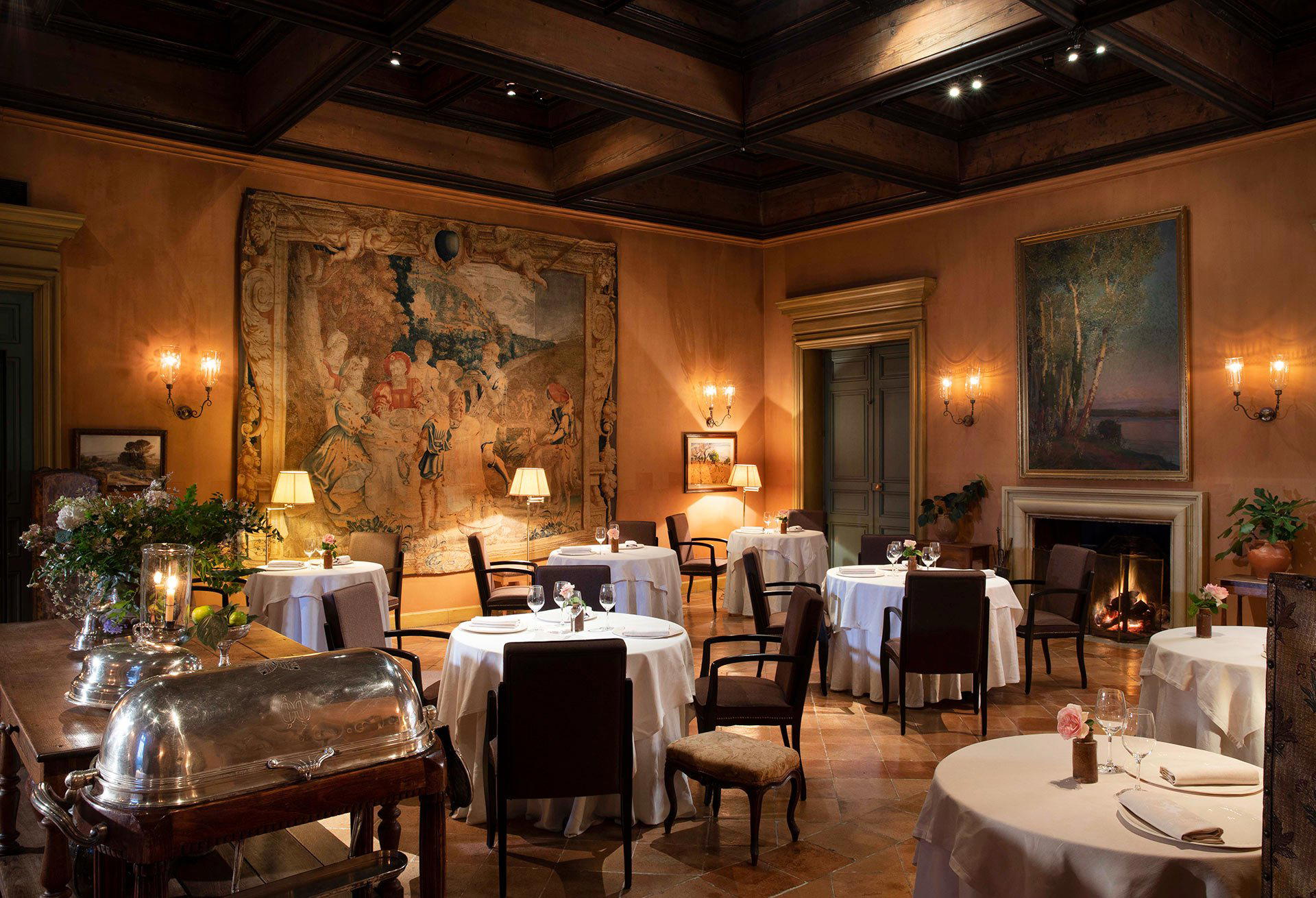
Bars in Avignon
Browse all →
Hotels in Avignon
Browse all →
Details
- Elegant
- Romantic
- Sophisticated
- Classic
- Date Night
- Special Occasion
- Celebration
- Business Dinner
- Terrace
- Courtyard
- Historic Building
- Hotel Restaurant
- Garden
- Extensive Wine List
- Sommelier Led
- Local Sourcing
- Garden
- Tasting Menu
- Prix Fixe
- A La Carte
- Wine
- Regional Selections
- Vegetarian Friendly
- Vegan Options
- Gluten Free Options
- Allergy Accommodating
Current opening hours
- Monday
- Closed
- Tuesday
- 12–1:15 PM, 7–9:15 PM
- Wednesday
- 12–1:15 PM, 7–9:15 PM
- Thursday
- 12–1:15 PM, 7–9:15 PM
- Friday
- 12–1:15 PM, 7–9:15 PM
- Saturday
- 12–1:15 PM, 7–9:15 PM
- Sunday
- Closed
Hours can change for holidays and private events. Last verified .
Refined and elegant with soft lighting; intimate dining room with historic boiseries and artwork, or luminous courtyard setting under ancient platane with fountain views.