Kazerne


Michelin Selected · Design Hotels Member
Kazerne occupies a converted military barracks in Eindhoven's creative core, operating as a hybrid design hotel, gallery, and event space that shifts with Dutch Design Week and the city's broader experimental programme. Few addresses in the Netherlands so consistently blur the boundary between where you sleep and what you see, the collection changes, the conversations change, and the space itself is the main event.

Pearl is the En Primeur Club membership app, where members save venues, book tables and use the concierge.
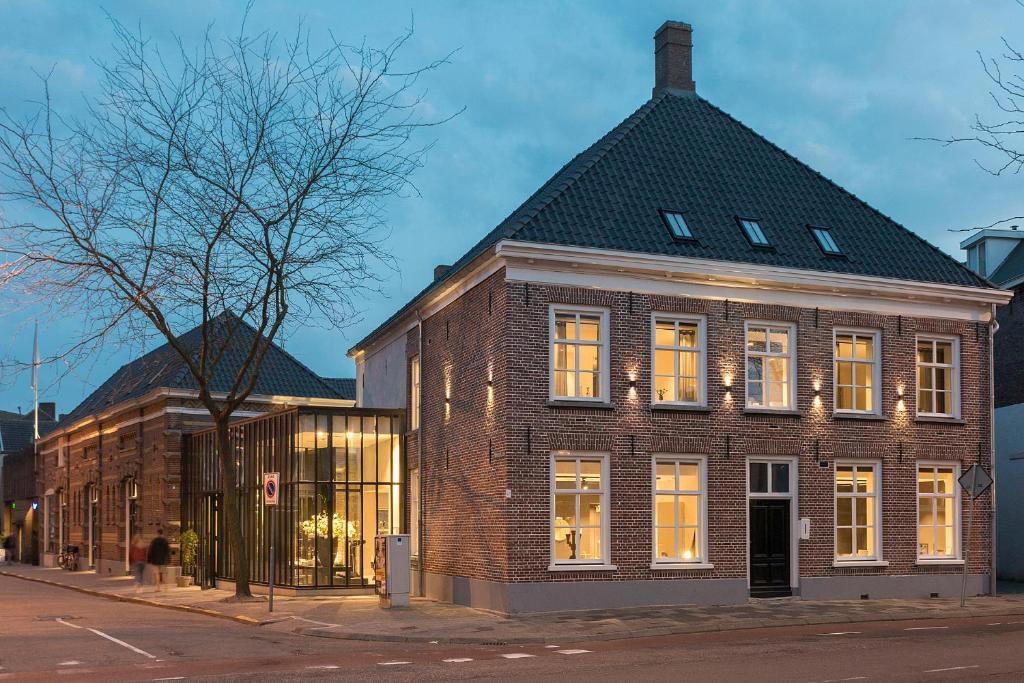
Where the Building Is the Argument
Eindhoven has spent the better part of two decades repositioning itself from industrial city to design capital, and that repositioning has a physical address: Paradijslaan 2. The building that houses Kazerne is a former military barracks, and the choice of that structure is itself an editorial statement. Dutch adaptive reuse has a well-documented track record, from the warehouses of Amsterdam's Eastern Docklands to the factory halls of Tilburg, but few projects in the south of the Netherlands have leaned as deliberately into the productive friction between institutional architecture and contemporary creative programming. The bones of the barracks, with their repetitive bays and utilitarian material palette, provide exactly the kind of structural neutrality that lets rotating design work read clearly rather than compete with an opinionated interior.
Kazerne sits at the intersection of two things Eindhoven does with more seriousness than almost any city of its size: manufacturing heritage and design ambition. The city's identity was shaped by Philips, and that industrial legacy left behind a spatial generosity, large floors, strong structures, room to think, that smaller Dutch cities simply don't have. Creative institutions have filled that space. Kazerne is among the most discussed of them, in part because it functions simultaneously as a hotel, a gallery, a restaurant and bar, and an event venue, and in part because it calibrates all of those functions around an ever-evolving programme of visual design rather than fixing any single aesthetic in place.
Dutch Design Week and the Rhythm of the Space
The clearest way to understand Kazerne's position in Eindhoven's creative calendar is through Dutch Design Week, the annual October event that draws tens of thousands of visitors to the city and temporarily turns the entire urban fabric into an exhibition. Kazerne functions as one of the week's anchor venues, hosting installations, talks, and presentations that extend beyond the standard gallery format. Designers use the space in ways that acknowledge the architecture: the barracks proportions, the courtyard, the relationship between interior volumes and exterior envelope. During that week, booking at Kazerne is a different proposition than at any other time of year, and planning significantly ahead is advisable for anyone intending to combine a stay with the full Design Week programme.
Outside Design Week, the programming continues, though at a different cadence. The space operates with an awareness that its audience shifts between international design visitors and local Eindhoven residents who use the bar and restaurant as a neighbourhood anchor. That dual audience shapes the atmosphere in a way that pure design hotels in more touristic cities don't achieve: there's a functional dailiness to Kazerne that prevents it from tipping into precious territory.
The Design Hotel Format in the Netherlands
The Netherlands has produced a specific strain of design-led accommodation that sits outside the mainstream international hotel groups. Properties like Hotel 717 in Amsterdam operate at the boutique end of the spectrum, with limited keys and a curatorial sensibility that distinguishes them from branded competitors. CitizenM Rotterdam represents a different approach, design at scale, with a more democratic price architecture. Kazerne occupies a third position: a hybrid institution where the accommodation function is genuinely secondary to the cultural programme, and where the rooms themselves participate in the design conversation rather than simply housing the guests who come to see it.
For comparison, De Librije in Zwolle shows how a Dutch institution can anchor an entire destination around a specific area of excellence; Kazerne operates with a similar conviction, applied to design rather than gastronomy.
Reading the Rooms
In design hotels built into repurposed institutional structures, the room selection question is rarely about square footage. It's about which design intervention you want to spend time inside. At Kazerne, the programme of rotating installations and design-led room concepts means that what you encounter on one visit may differ substantially from what a previous guest experienced. This is deliberate. The hotel functions as a live brief for designers, and the rooms are part of that brief. For guests who want the fullest expression of the current programme, the larger room categories are generally where the most ambitious design work is deployed, the scale of those spaces allows for more complex interventions than compact rooms permit. For guests visiting during Dutch Design Week specifically, proximity to the courtyard spaces and event areas tends to produce a more immersive experience of the week's programming.
The Netherlands has no shortage of comfortable, well-reviewed accommodation across its cities. What it has less of is accommodation that treats the physical experience of being in a room as a genuine design problem rather than a hospitality formula. That is the specific promise Kazerne makes, and it's the criterion against which any stay here should be assessed.
Formal or Casual: Reading the Register
The formal-versus-casual question is less useful at Kazerne than it would be at a conventional hotel. The space operates across multiple registers simultaneously. The restaurant and bar draw a local Eindhoven crowd that tends toward the relaxed end of the spectrum; the hotel guests during Design Week skew toward design professionals, architects, and creative industry visitors for whom the atmosphere of a working creative institution is familiar and comfortable. There's no dress code logic at play here, and the barracks architecture resists the kind of grand-hotel formality that marble lobbies and uniformed doormen produce. The more useful distinction is between Design Week Kazerne, denser, more charged, programmatically intense, and the rest of the year, when the space settles into a more considered, quieter mode that suits extended stays and the kind of slow looking that good design rewards.
Getting There and Planning a Visit
Kazerne sits at Paradijslaan 2 in central Eindhoven, within walking distance of Eindhoven Centraal station. The city is well-connected by rail from Amsterdam (approximately 75 minutes), Brussels, and Antwerp, which makes it a practical destination for a long weekend without the friction of flying. For those arriving from Amsterdam, CitizenM Schiphol Airport offers a direct overnight option before an onward train south. Eindhoven Airport handles a number of European routes, making the city accessible from the UK and other northern European cities without transiting through Amsterdam.
For Dutch itineraries that combine Eindhoven with other design or cultural destinations, the rail network connects efficiently to properties like 2L de Blend Hotel in Utrecht, Weeshuis in Gouda, or Château Neercanne in Maastricht to the south. For those extending into the Dutch countryside, Landgoed Hotel Het Roode Koper in Leuvenum and Mooirivier in Dalfsen represent the landscape-immersed end of the Netherlands accommodation spectrum, usefully different in character from Kazerne's urban intensity. Our full Eindhoven restaurants and hotels guide covers the wider city for those planning a longer stay.
For international context, Kazerne's hybrid cultural-hotel format has parallels in properties like Castello di Reschio in Umbria and, at a very different scale and price point, Aman Venice, both cases where the physical fabric of the building is the primary experience, and the hospitality infrastructure is arranged around that fact rather than around conventional hotel logic. The comparison clarifies what Kazerne is attempting: not luxury in the conventional sense, but a specific kind of spatial intelligence applied to how guests move through, sleep inside, and think about a building.
Comparison Snapshot
Comparable venues nearby, for context on price, style, and recognition.
| Venue | Cuisine | Price | Awards | Notes |
|---|---|---|---|---|
| KazerneThis venue (the venue you are viewing) | Design-focused conversion of historic military barracks into immersive hospitality space | $100–200 | Michelin Selected · Design Hotels Member | Not listed |
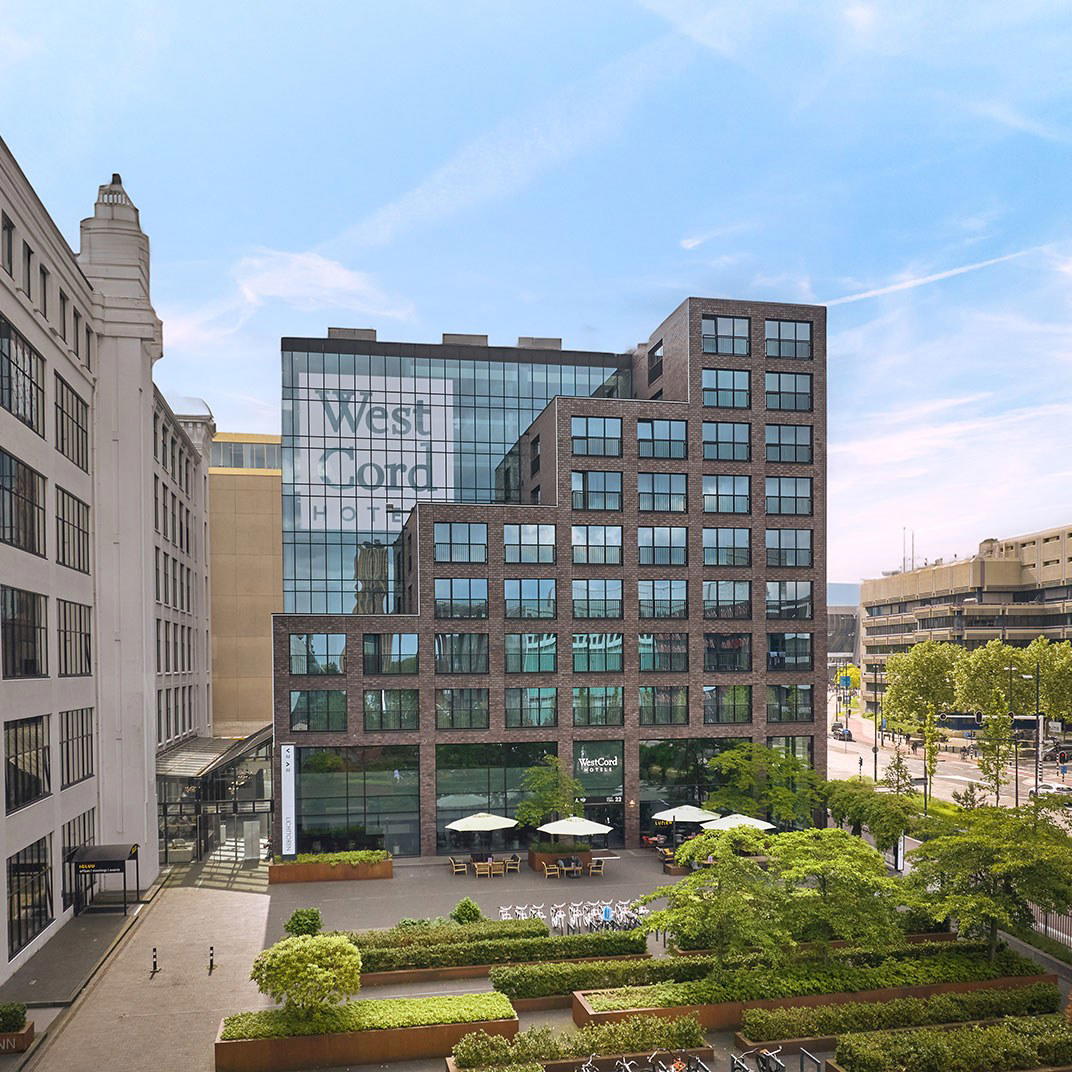
| WestCord Hotel Eindhoven | Eco-chic transformation of historic industrial buildings | $100–200 | Michelin Selected | Eindhoven City Center |
| NH Collection Eindhoven Centre | Modern luxury skyscraper hotel in the city center | Not listed | Michelin Selected | city centre |
| Texel | Eco-chic boutique design with modern comforts and sustainable practices; stylishly decorated with distinctive aesthetic. | $200–300 | Michelin Selected | De Cocksdorp |
| Hotel nhow Rotterdam | Well-known urban design hotel in a Rem Koolhaas skyscraper | Not listed | Michelin Selected | Kop van Zuid |
| Hotel Pontsteiger | Contemporary waterfront boutique | $1–100 | Michelin Selected | Houthavens West |
Recognition history
Dated appearances from independent guides and award organizations, with the underlying list record or original source where available.
Michelin Selected
Michelin
Design Hotels Member
Design Hotels
Continue exploring
More in Eindhoven
Hotels in Eindhoven
All hotels in Eindhoven →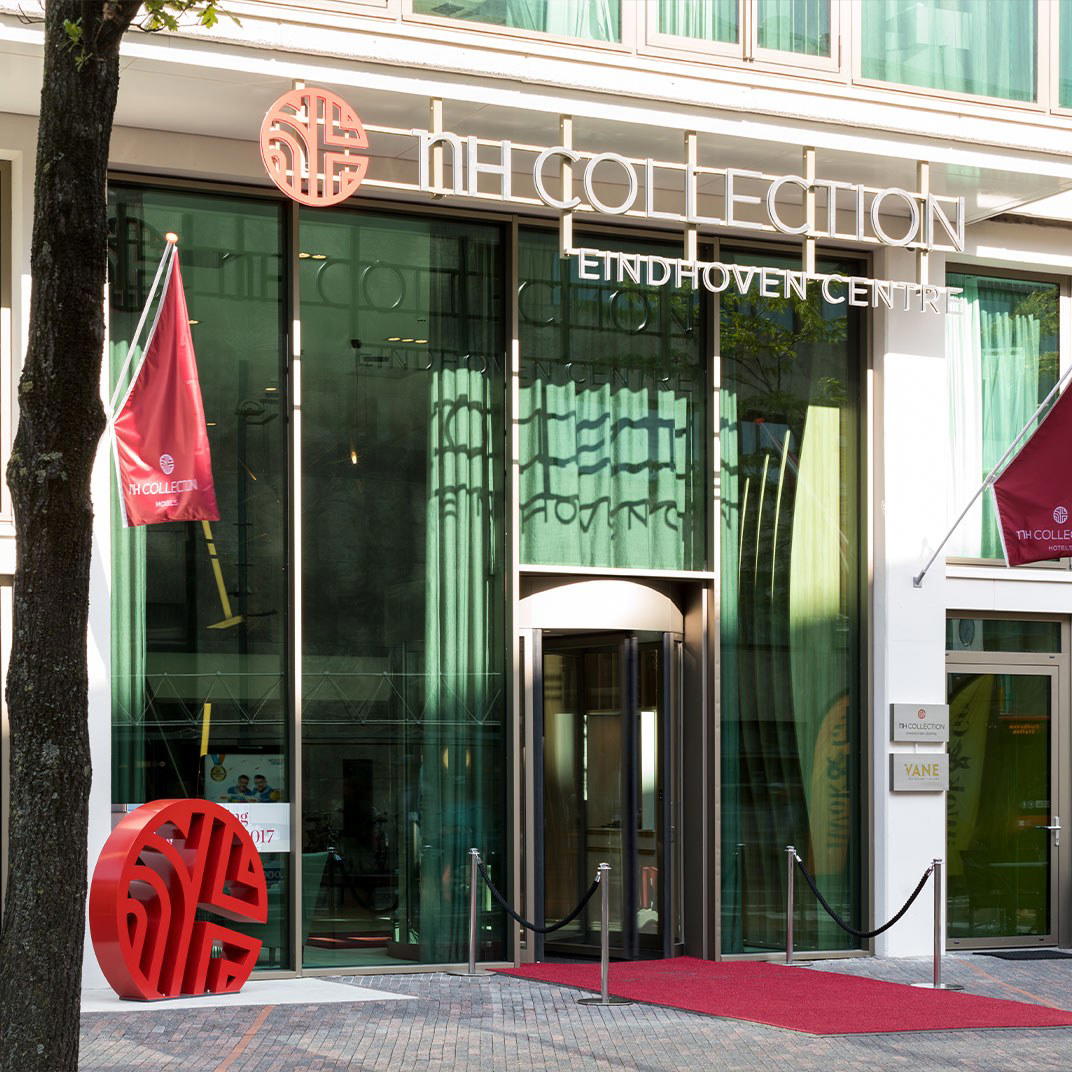
Bars in Eindhoven
All bars in Eindhoven →
Details
- Modern
- Trendy
- Intimate
- Sophisticated
- Romantic Getaway
- Business Trip
- Weekend Escape
- Design Destination
- Terrace
- Historic Building
- Wi Fi
- Restaurant
- Room Service
- Concierge
- Garden
- Air Conditioning
- Meeting Rooms
- Garden
- Elevator
- Step Free Entrance
- Wheelchair Accessible
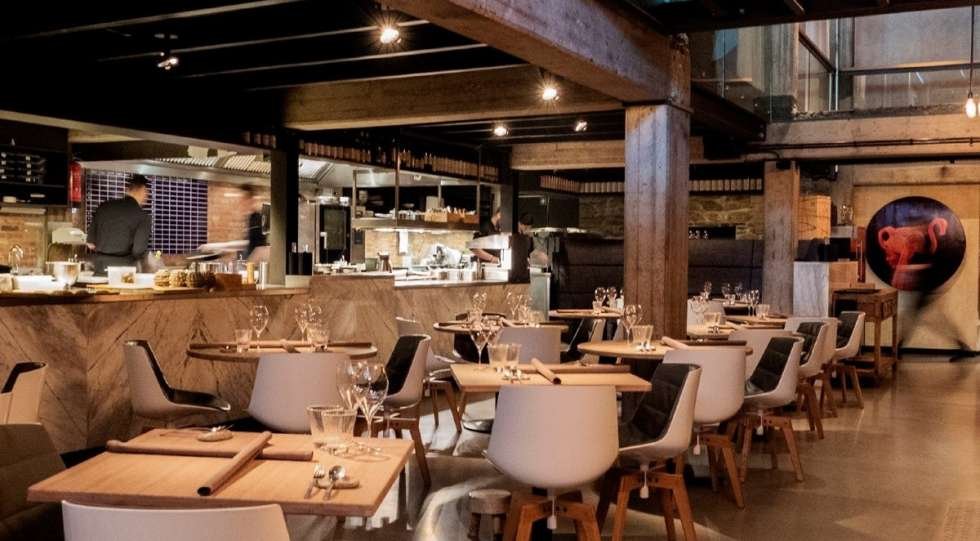
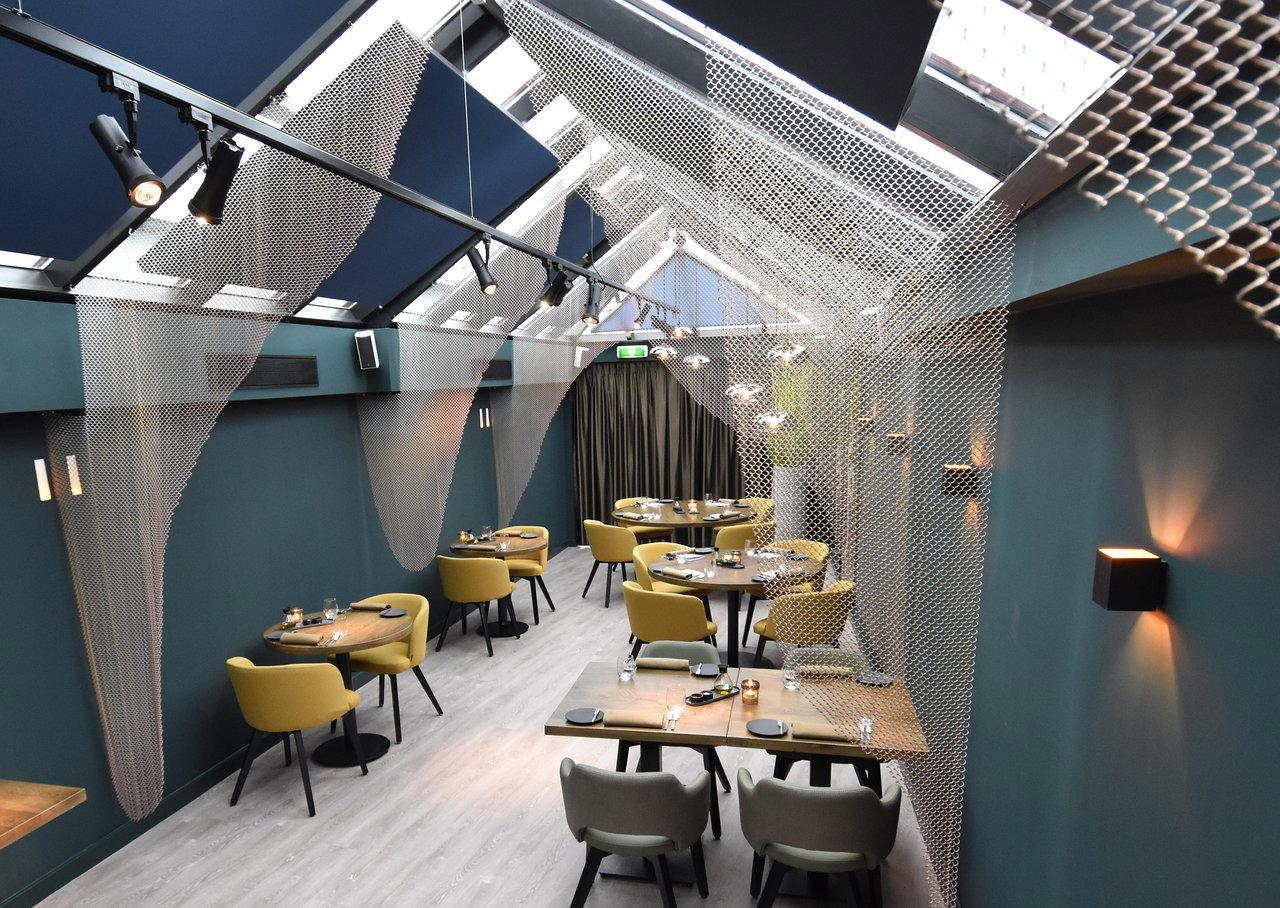
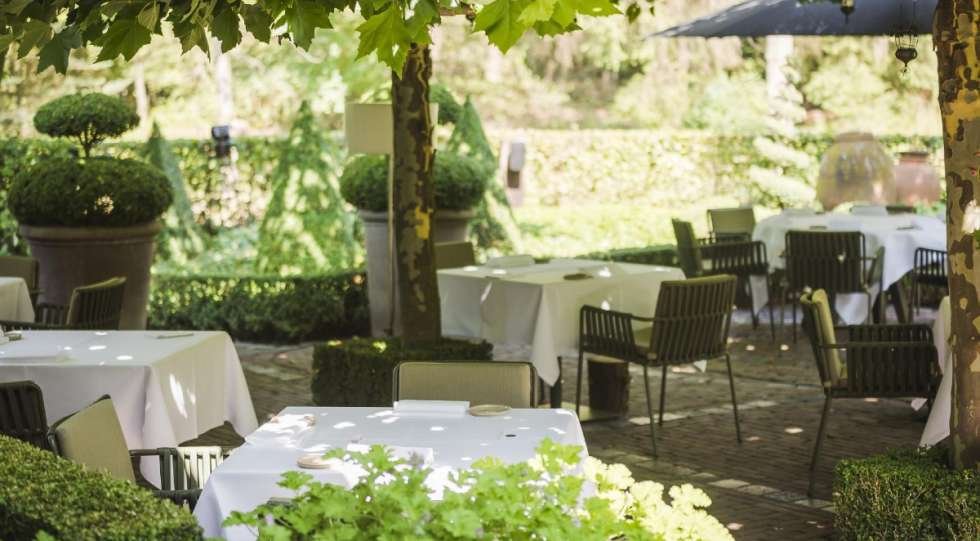
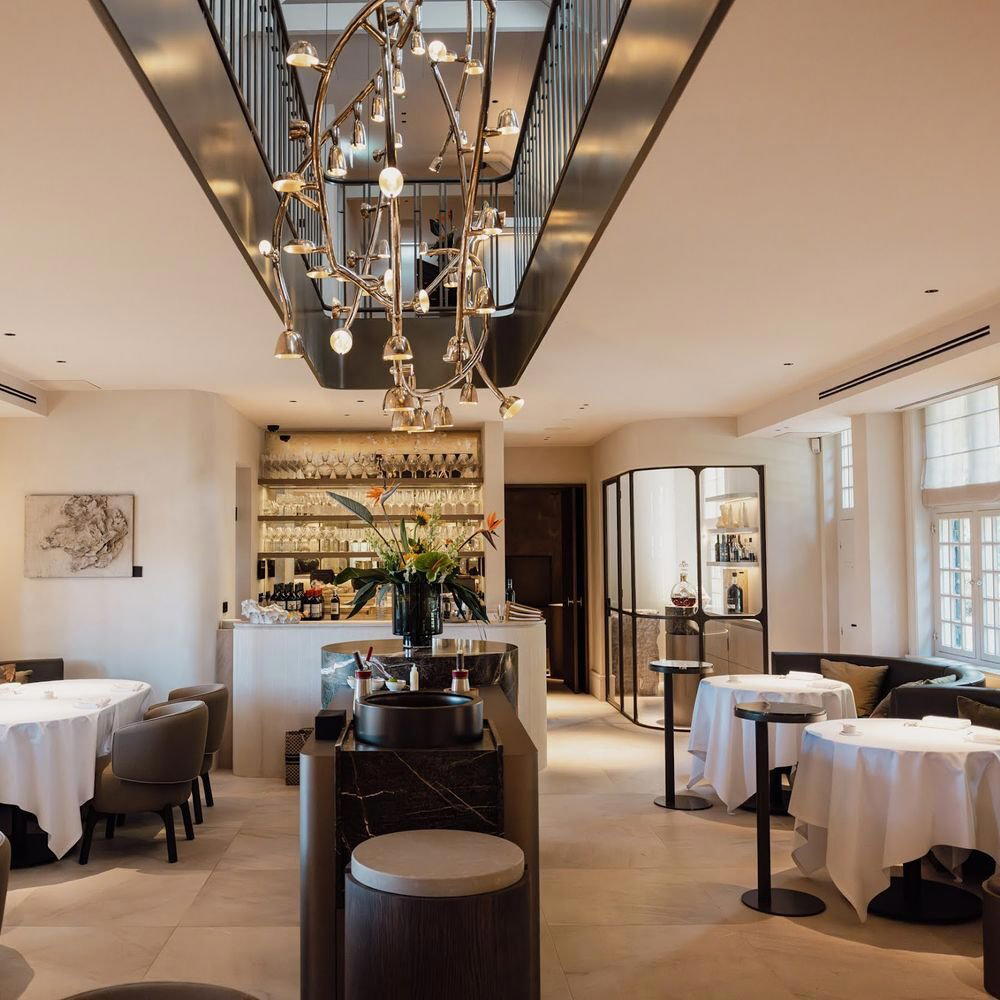
Sophisticated and inspiring with distinctive designer furnishings, natural light in spacious lofts, quiet urban oasis atmosphere, and a serene leafy courtyard.