Fred





2 Michelin Stars · La Liste Top Restaurants · Falstaff Restaurant - 96 Falstaff Points
Our verdict
Fred holds two Michelin stars and a Les Grandes Tables du Monde listing at its Boompjes address on Rotterdam's waterfront. Chef Fred Mustert works within a Creative French framework at the €€€€ tier, earning 91 points from La Liste in both 2025 and 2026. Thursday to Saturday evenings are the core service window, with lunch available Thursday and Friday.

Pearl is the En Primeur Club membership app, where members save venues, book tables and use the concierge.
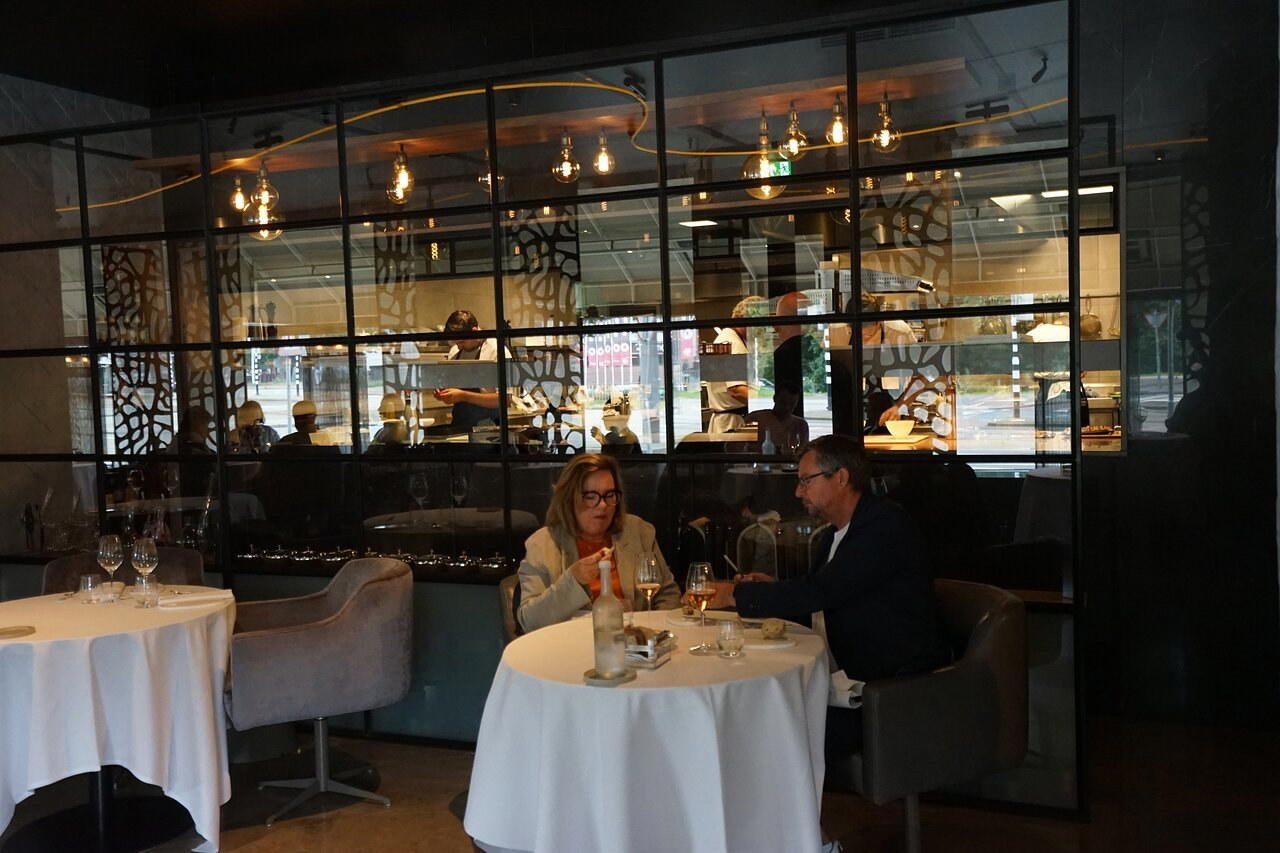
Rotterdam's Waterfront and the Case for Formal French
The Boompjes embankment runs along Rotterdam's Nieuwe Maas river, a stretch that mixes postwar architecture with the port city's instinct for functional reinvention. At street level, the address feels more industrial corridor than dining destination, which makes the formal register inside Fred more deliberate than accidental. The Netherlands has a long tradition of housing serious cooking inside improbable containers, and Rotterdam, more than Amsterdam, tends to reward the curious guest who pushes past appearances. Fred sits in that context: a two-Michelin-star Creative French address operating at the €€€€ tier on a waterfront better known for logistics than gastronomy.
The two-star bracket in the Netherlands is neither small nor undifferentiated. Rotterdam alone fields multiple holders: FG, François Geurds and Parkheuvel each carry two stars and price at the same €€€€ tier. What distinguishes Fred within that grouping is its La Liste positioning: 91.5 points in 2025 and 91 in 2026, alongside its inclusion in Les Grandes Tables du Monde, a listing that skews toward restaurants with classical French discipline as their structural foundation. Opinionated About Dining placed Fred at #263 in its Classical in Europe ranking for 2024, a categorisation that tells you something about the cooking's reference points: French technique read seriously, not as aesthetic shorthand.
Creative French at the €€€€ Tier: What the Category Means Here
Creative French, as a category, covers a wide range of commitments. At its loosest, it signals French training applied with contemporary latitude. At its tightest, it means daily menu construction around what the market and the season offer, with classical saucing and protein-handling as the discipline underneath. Fred's award trajectory, Les Grandes Tables du Monde membership sits alongside Michelin recognition rather than in tension with it, suggests the latter reading applies here. Les Grandes Tables is selective precisely because it prioritises classicism; it does not admit kitchens that use French vocabulary as branding while cooking something else entirely.
For guests positioning Fred against Rotterdam's one-star tier, the distinction matters. Amarone holds one star in Modern French; Fitzgerald and The Millèn operate at lower price points. Fred and its two-star peers occupy a different register, longer menus, more elaborate service structure, wine programs that assume a serious list. The guest choosing between these tiers is not making a marginal call; they are choosing between fundamentally different service and kitchen architectures.
The Creative French category at this level also tends to mean that the menu's raw material decisions are made close to service. Dutch producers supply much of what appears on tables at this tier: North Sea fish, Zeeland shellfish, regional game in autumn, early-season vegetables from growers who work with specific kitchens on varieties and harvest timing. The market-driven structure that characterises serious French cooking in the Netherlands reflects both supply logic and a genuine interest in what arrives at its finest on a given week. Chef Fred Mustert has operated within this tradition long enough to accumulate the kind of producer relationships that allow a kitchen to refuse second-rate supply rather than substitute down.
The Seasonal and Producer Logic Behind the Menu
French classical technique, when applied with genuine seasonal discipline rather than as a menu-writing convention, produces a kitchen calendar that looks quite different from fixed-menu restaurants. In the Netherlands, the seasonal arc is pronounced: spring brings asparagus from Limburg and Brabant, the North Sea bass season shifts the fish program, autumn delivers game from across the border in Belgium and Germany. A kitchen at the Les Grandes Tables level is expected to track these windows with precision rather than hold a menu stable for months at a time.
This sourcing logic is also what separates the Creative French category from purely Modern French addresses at a lower star count. The creative latitude in the name is not about playfulness for its own sake; it is about the daily decision of how to express a classical framework through whatever the current week's supply makes possible. A bisque made from Zeeland lobster shells, a preparation that changes its garnish as the vegetable season moves, a cheese course built around Dutch and French producers in shifting proportion, these are the practical expressions of a market-driven kitchen operating at this level. For guests, it means that a return visit three months later will encounter a materially different menu, not a seasonal update applied to fixed dishes.
The geographic peer group for this style of cooking extends across a tight regional cluster. Brut172 in Reijmerstok and 't Nonnetje in Harderwijk each represent the serious provincial French tradition in the Netherlands. Beyond the border, Creative French addresses in cities like The Hague and Delft, including Calla's and Novaela, work in a similar register. What Rotterdam's version adds is the port city's access to the river and the North Sea supply chains that flow through it, a practical advantage for fish-forward menus at the highest tier.
Service Pattern and Planning
Fred runs a compressed weekly schedule that shapes how you approach a booking. Dinner service opens Thursday through Saturday from 6:30 pm, closing at 1 am, the late close is unusual for a two-star address and extends the evening well beyond the typical fine dining window, which in the Netherlands rarely runs past 11 pm at serious tables. Lunch operates Thursday and Friday, running from noon to 5 pm. The restaurant is closed Wednesday and Sunday, with no Saturday lunch service listed. That Saturday dinner-only format on the busiest night of the week is a deliberate choice: it concentrates the kitchen's effort and removes the pressure of a split service on the day that carries the highest ambient expectations.
For practical planning purposes: book with appropriate lead time for weekend evenings, particularly Saturday. At the two-star level with Les Grandes Tables recognition, availability tightens several weeks out in the autumn game season and around the spring asparagus run, when tasting menus at kitchens like this tend to be at their most technically demanding. The Boompjes address is accessible by tram from Rotterdam Centraal, making it viable even for guests arriving by train from Amsterdam or The Hague, a forty-minute intercity connection from Amsterdam covers most of the travel logistics for a dinner reservation. For further reading on where to drink before or after, or where to stay in the city, see our full Rotterdam bars guide and our full Rotterdam hotels guide. The broader dining context across the city is covered in our full Rotterdam restaurants guide, alongside our Rotterdam wineries guide and our Rotterdam experiences guide.
What the Awards Signal About Where Fred Sits
Two Michelin stars held across both 2024 and 2025, a La Liste score that has remained stable at 91-plus across consecutive years, and a Les Grandes Tables du Monde membership that places Fred in a global network of classically anchored houses, taken together, these credentials situate the restaurant at the upper end of the Netherlands' fine dining tier without requiring a three-star or 50 Best ranking to make the case. The OAD Classical in Europe ranking at #263 for 2024 is a useful calibration tool: OAD's voter base skews toward frequent, serious diners rather than the broader public, and its Classical category is deliberately narrow.
For guests deciding between Fred and its closest Rotterdam peers, the choice is partly about cooking register. FG, François Geurds operates with a more overtly creative signature; Parkheuvel carries its own long-standing identity in the city. Fred's Les Grandes Tables affiliation and its OAD Classical placement suggest a kitchen where the French reference is structural rather than decorative, a meaningful distinction for guests who want the discipline of classical cooking applied to current Dutch supply, rather than a looser creative menu with French vocabulary attached.
Frequently asked questions
What do people recommend at Fred?
Fred holds two Michelin stars and a Les Grandes Tables du Monde listing, with a La Liste score of 91 points across 2025 and 2026, the award profile points toward a tasting menu format built around seasonal French technique. The kitchen operates in the Creative French tradition under Chef Fred Mustert, and at this award level the full tasting menu is the format guests consistently engage with. Opinionated About Dining's Classical in Europe ranking at #263 for 2024 signals that the cooking's French reference is taken seriously rather than used loosely. Given the market-driven structure common to kitchens at this tier, specific dishes shift with the season; guests should expect the menu to reflect current Dutch and French supply rather than fixed signatures.
Booking and Cost Snapshot
| Venue | Cuisine | Price | Awards | Notes |
|---|---|---|---|---|
| FredThis venue (the venue you are viewing) | Modern French Fine Dining | $200–300 | 2 Michelin Stars · La Liste Top Restaurants | Not listed |
| Parkheuvel | Modern French Fine Dining | $200–300 | 2 Michelin Stars · La Liste Top Restaurants | Modern Cuisine |
| FG - François Geurds | Modern French Molecular Gastronomy | $100–150 | 2 Michelin Stars · La Liste Top Restaurants | Creative |
| Joelia | Modern French Fine Dining | Not listed | 1 Michelin Star | Modern French |
| Tres | Progressive Dutch Fine Dining | $200–300 | Michelin Plate · The Best Chef One Knife | Country cooking |
| Amarone | French with Japanese Influences | $100–150 | 1 Michelin Star | Modern French |
Recognition history
Dated appearances from independent guides and award organizations, with the underlying list record or original source where available.
Michelin 2 Stars
Michelin
La Liste Top Restaurants
La Liste
Falstaff Restaurant - 96 Falstaff Points
Falstaff
Les Grandes Tables du Monde Member
Les Grandes Tables du Monde
Opinionated About Dining Classical in Europe Ranked #263
Opinionated About Dining
Full recognition history (8 entries)
La Liste Top Restaurants
La Liste
Michelin 2 Stars
Michelin
Opinionated About Dining Classical in Europe Recommended
Opinionated About Dining
Fred
Featured Guides
Continue exploring
More in Rotterdam
Restaurants in Rotterdam
All restaurants in Rotterdam →
Bars in Rotterdam
All bars in Rotterdam →
Hotels in Rotterdam
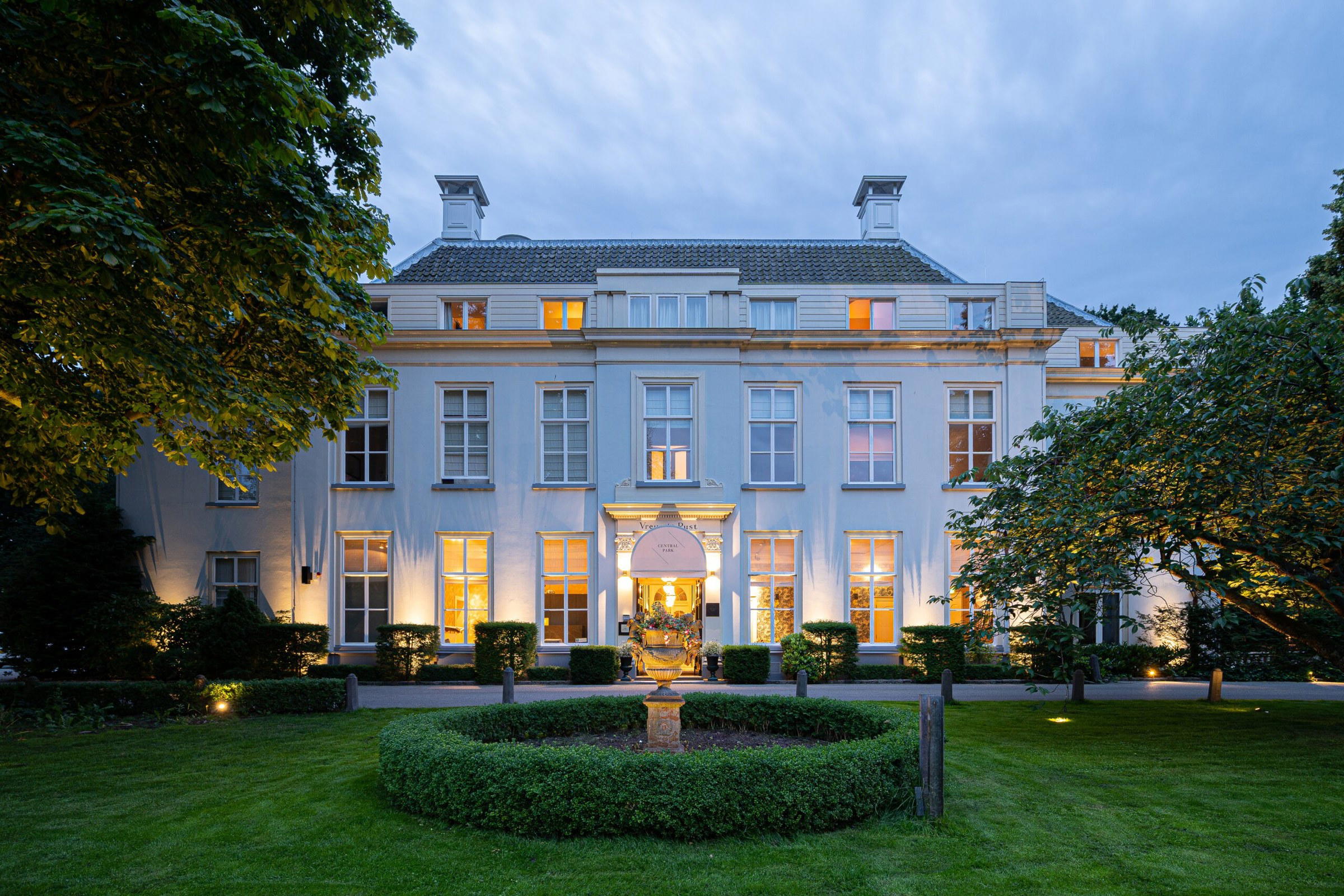
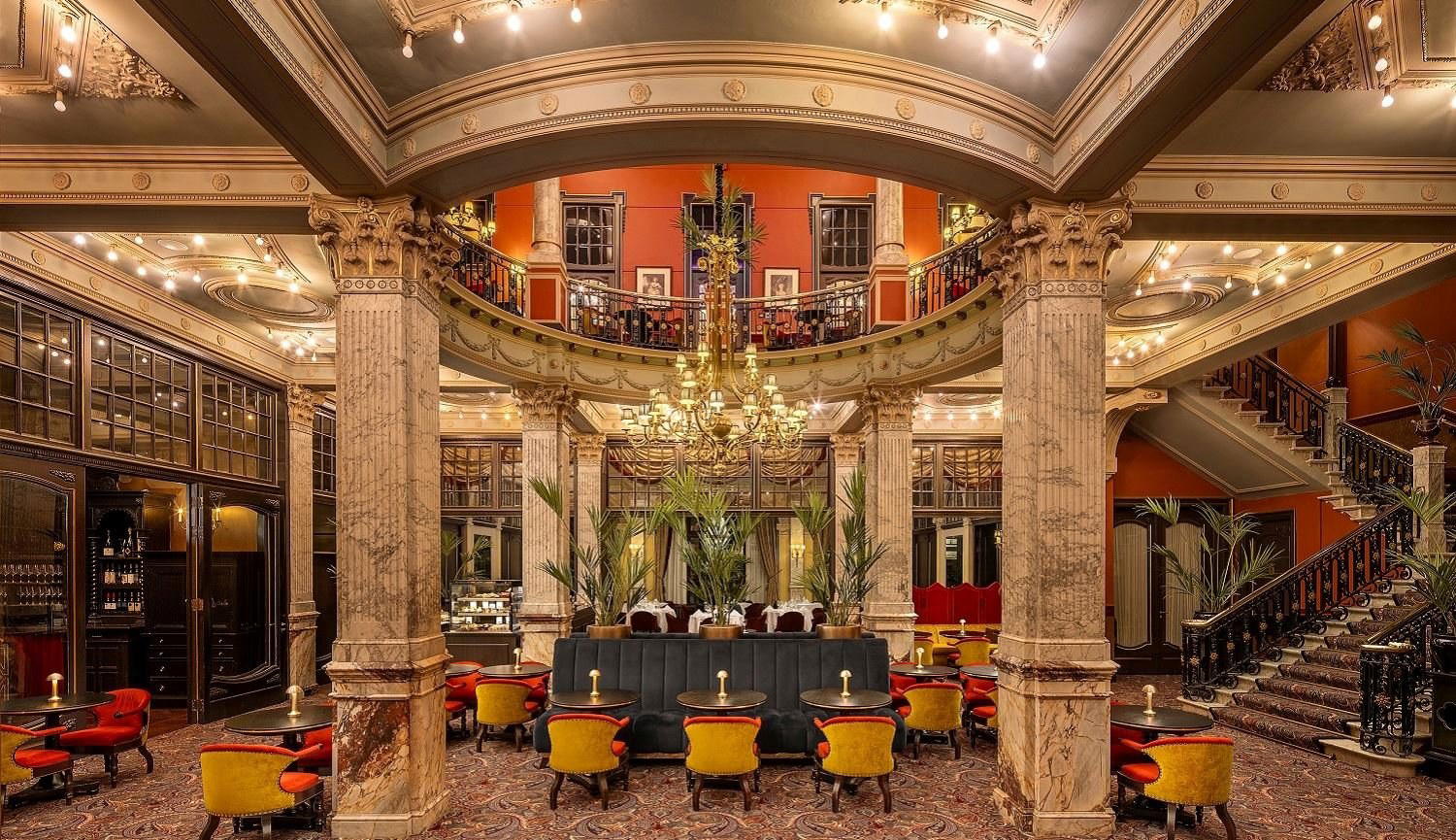
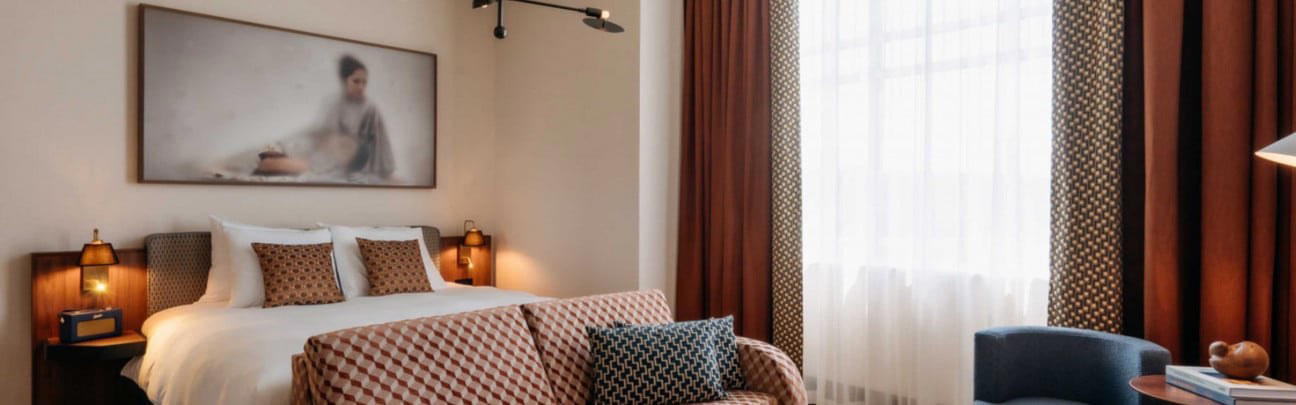
All hotels in Rotterdam →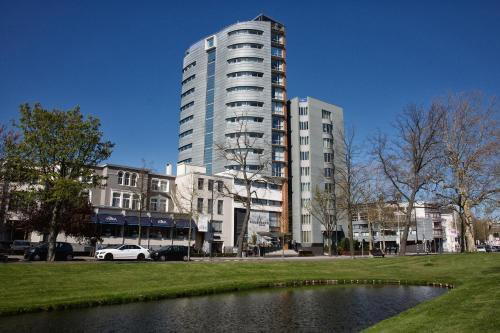
Wineries in Rotterdam
Browse all →
Details
- Elegant
- Modern
- Sophisticated
- Date Night
- Special Occasion
- Business Dinner
- Open Kitchen
- Extensive Wine List
- Waterfront
- Tasting Menu
- Wine
- Vegetarian Friendly
- Gluten Free Options
Current opening hours
- Monday
- 12–5 PM, 6:30 PM–1 AM
- Tuesday
- 12–5 PM, 6:30 PM–1 AM
- Wednesday
- Closed
- Thursday
- 12–5 PM, 6:30 PM–1 AM
- Friday
- 12–5 PM, 6:30 PM–1 AM
- Saturday
- 6:30 PM–1 AM
- Sunday
- Closed
Hours can change for holidays and private events. Hours as of .
Modern, spacious, and distinguished interior with warm contemporary design elements, pastel green seats, and luxurious yet not excessive atmosphere.