Hotel 717

Michelin Selected
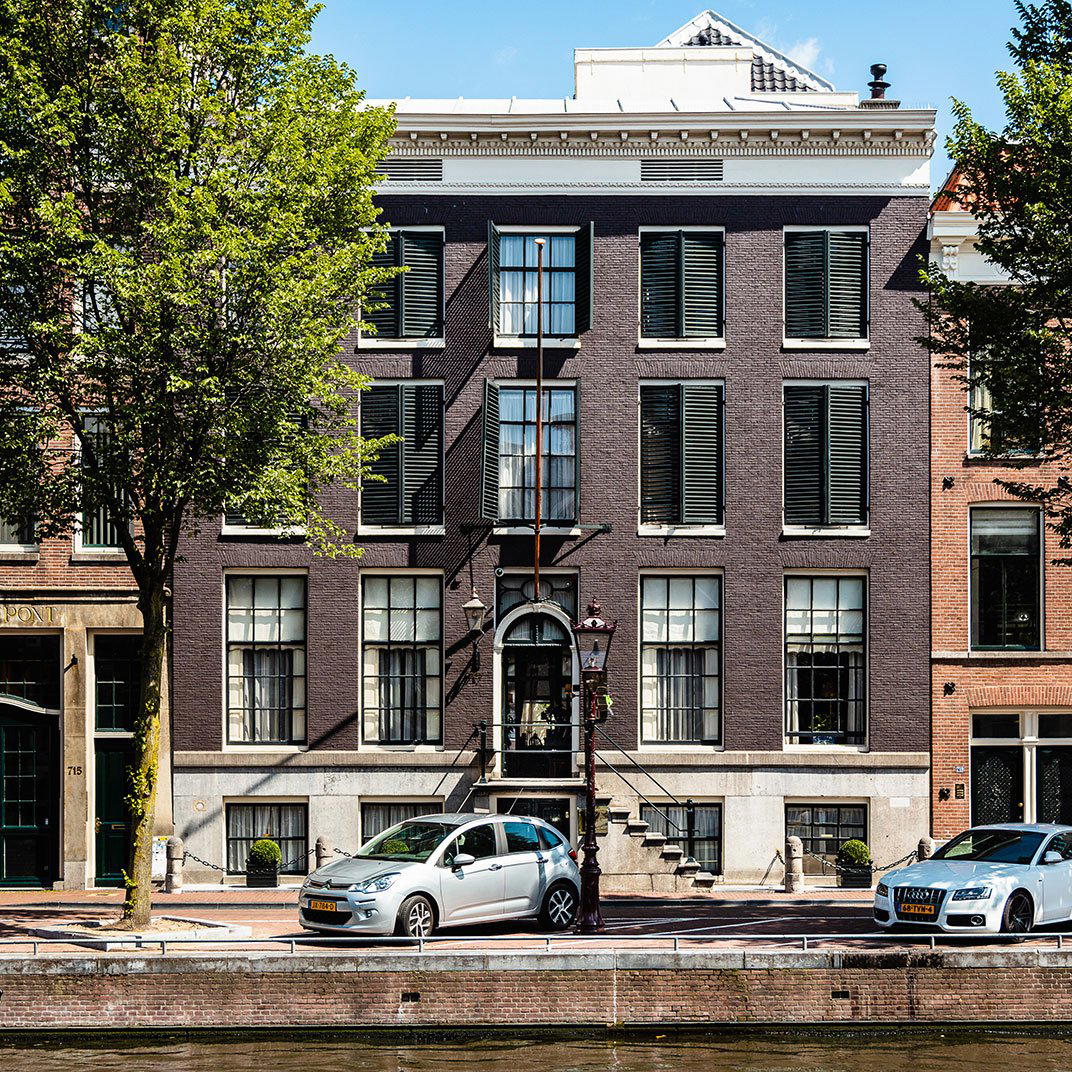
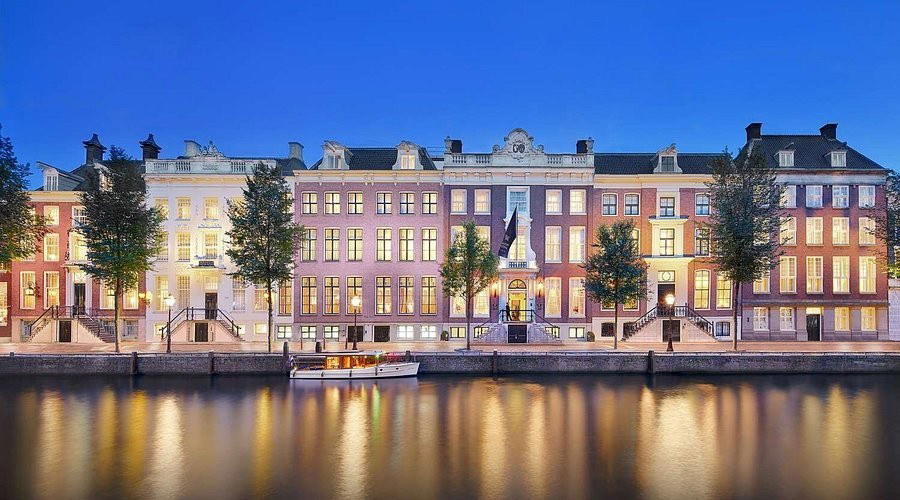
Hotel 717 occupies a canal house on Prinsengracht, one of Amsterdam's most architecturally defined addresses. The property sits in the boutique tier that has grown alongside the city's canal-belt hotel scene, where low key counts and period interiors position a small group of properties against the larger international brands. For travellers prioritising location and design coherence over amenity breadth, the address itself does considerable work.

Pearl is the En Primeur Club membership app, where members save venues, book tables and use the concierge.
A Canal House Address and What It Means
Prinsengracht is one of Amsterdam's four principal canals, and the stretch around number 717 sits within the Grachtengordel, the concentric ring of seventeenth-century waterways that UNESCO designated a World Heritage Site in 2010. That designation is not incidental to the hotel conversation: it means the buildings here cannot be substantially altered, that facades must be preserved, and that the interior character of any property is partly determined by decisions made centuries before any hotelier arrived. Staying on Prinsengracht is, in a material sense, staying inside a protected urban monument.
The canal-house hotel format has its own logic. These are narrow, deep buildings with steep internal staircases, original beam structures, and street-facing rooms that look directly onto the water. They produce an intimacy that larger Amsterdam hotels, however well designed, cannot replicate from purpose-built or repurposed institutional premises. The trade-off is physical: no lifts in some properties, luggage carried by hand up tight stairwells, and rooms that vary considerably in size depending on floor and position within the building. Anyone who has stayed in this format before understands the arrangement. Anyone who has not should factor it into their expectations.
Where Hotel 717 Sits in the Amsterdam Boutique Tier
Amsterdam's hotel market has stratified over the past fifteen years into at least three distinct groups. The first is the international luxury tier: properties like Conservatorium, De L'Europe Amsterdam, and the Waldorf Astoria, each offering full-service amenities, branded restaurants, and spa facilities scaled for international business and leisure travellers. The second is the design-led mid-market, anchored by brands like citizenM with their high-density, high-specification model. The third, and smallest, group is the canal-house boutique: properties with fewer than twenty rooms, period interiors, and a positioning that depends on address and atmosphere rather than amenity count.
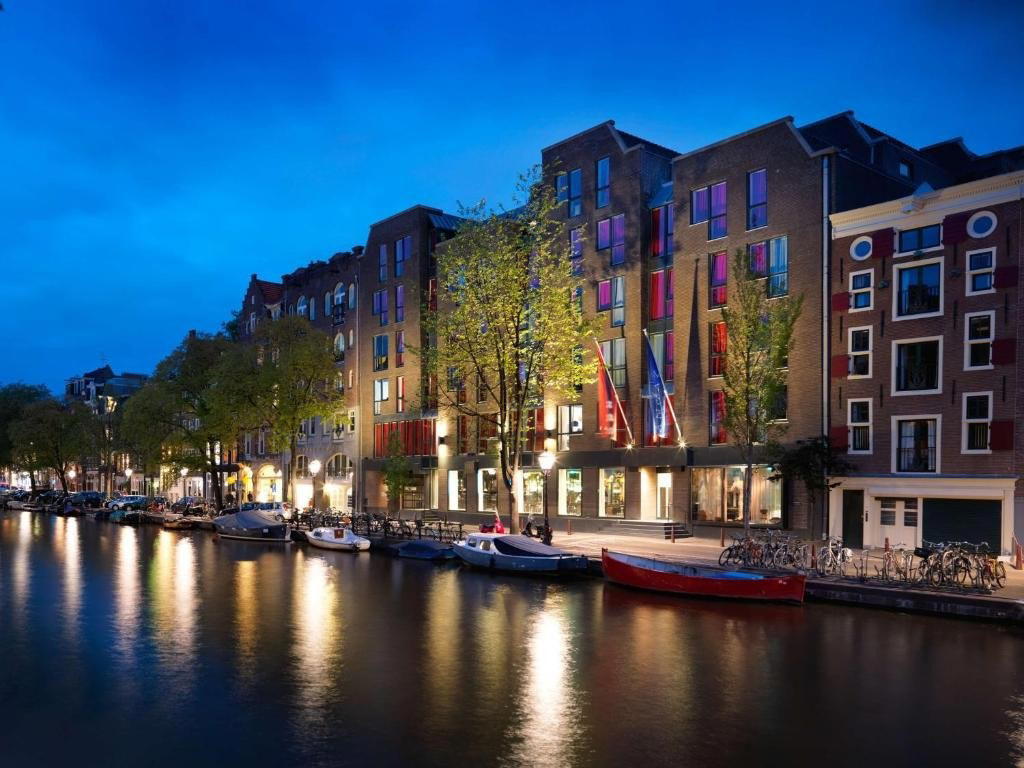
Hotel 717 belongs to that third category. Its Prinsengracht address places it alongside properties like Canal House, Breitner House, and Décor Canal House in a competitive set defined more by architectural character than by service breadth. The Andaz Amsterdam Prinsengracht occupies the same canal with a larger footprint and Hyatt's full branding infrastructure behind it, which illustrates the fork in the road: you either get the institutional backing and the consistent amenity standard, or you get the house.
Design Philosophy in a Constrained Format
Canal-house hotels in Amsterdam occupy buildings that were built as merchant residences between roughly 1600 and 1750. The structural constraints are well-documented: load-bearing facades, internal courtyard layouts, floor heights that vary between levels, and the characteristic Amsterdam step-gable or neck-gable roofline that makes the street view so distinctive. Working within these constraints is not an optional design decision for properties like Hotel 717, it is the starting condition.
The properties that handle this format well tend to treat the original architecture as the primary design element rather than as an obstacle to be overcome. That means preserving original ceiling heights, using period joinery where it survives, and selecting furniture and textiles that read as sympathetic to the building rather than contrasting with it. The alternative approach, which some canal-house conversions have taken, is to strip back to the structural shell and introduce a deliberately contemporary interior. Both produce coherent results when executed with discipline. The version that most travellers in this category respond to, however, is the one that makes the building itself feel inhabited rather than renovated.
For context on how different properties in Amsterdam handle this tension, the De Pijp Boutique Hotel works with a different neighbourhood typology entirely, while Conscious Hotel Amsterdam City (The Tire Station) represents the sustainability-forward strand of Amsterdam's boutique sector. Each of these properties answers the same underlying question differently: what does the building want to be?
The Neighbourhood as an Extension of the Stay
The section of Prinsengracht around number 717 puts guests within walking distance of the Rijksmuseum, the Van Gogh Museum, and the Stedelijk, all of which are reachable on foot in under fifteen minutes. The Nine Streets shopping district is immediately adjacent to the north, and the Jordaan, Amsterdam's densest concentration of independent restaurants and brown cafes, begins on the other side of the canal. This is not incidental positioning, it is the core argument for staying in the southern Grachtengordel rather than in the hotel districts around Centraal Station or the Zuidas financial district.
The canal itself operates as a piece of urban infrastructure that rewards the pedestrian. Morning light on the water, the movement of houseboats, the cycle traffic on the towpaths: these are elements that distinguish the experience of a canal-front room from any room in any other part of the city. Properties further from the Prinsengracht address cannot offer this regardless of their interior quality. For travellers who have seen Amsterdam's major sites before and want a stay organised around the texture of the city rather than its monuments, this stretch of the canal belt is the right choice. Our full Amsterdam restaurants guide covers the surrounding neighbourhood dining in more detail.
Planning Your Stay: Practical Notes
Hotel 717's address at Prinsengracht 717 is direct to reach from Amsterdam Centraal by tram, with several lines running along the canal belt. The canal-house format means that anyone with mobility considerations or heavy luggage should confirm the internal access arrangements directly with the property before booking. Room selection matters more in properties of this type than in larger hotels, since floor position, canal orientation, and room depth vary significantly within the building. Travellers visiting in spring, when the canal-side tulip displays coincide with peak visitor volumes, should expect higher rates and limited availability across the boutique canal-house tier; the autumn shoulder season between September and early November offers the same architectural setting with considerably less competition for bookings.
For those comparing options across the Netherlands more broadly, the design-led boutique category extends well beyond Amsterdam: De Librije in Zwolle operates at the intersection of dining and accommodation in the east, while Château Neercanne in Maastricht and Château St. Gerlach in Valkenburg aan de Geul represent the southern province's heritage-property strand. Closer to Amsterdam, Inntel Hotels Amsterdam Zaandam in Zaandam offers an architecturally provocative alternative for travellers who want distinctive design without the canal-house constraints. At the international comparison level, the small-luxury canal-house format has rough analogues in properties like Aman Venice, where the logic of a historic waterfront building converted for hospitality produces a similar set of trade-offs at a different price point.
Comparable options at a glance, pulled from our tracked venues.
| Venue | Cuisine | Price | Awards |
|---|---|---|---|
| Hotel 717This venue (the venue you are viewing) | This venue | Not listed | Michelin Selected |
| Andaz Amsterdam Prinsengracht | Not listed | Not listed | Michelin Selected · Forbes Recommended |
| InterContinental Amstel Amsterdam | Not listed | $300–500 | Virtuoso Luxury Hotel Partner · Forbes Recommended |
| Waldorf Astoria Amsterdam | Not listed | Not listed | Michelin Selected · La Liste Top Hotels |
| Sofitel Legend The Grand Amsterdam | Not listed | Not listed | Michelin Selected · Forbes Recommended |
| Conservatorium | Not listed | $750–1,000 | La Liste Top Hotels · Virtuoso Luxury Hotel Partner |
Recognition history
Dated appearances from independent guides and award organizations, with the underlying list record or original source where available.
Michelin Selected
Michelin
Continue exploring
More in Amsterdam
Hotels in Amsterdam
All hotels in Amsterdam →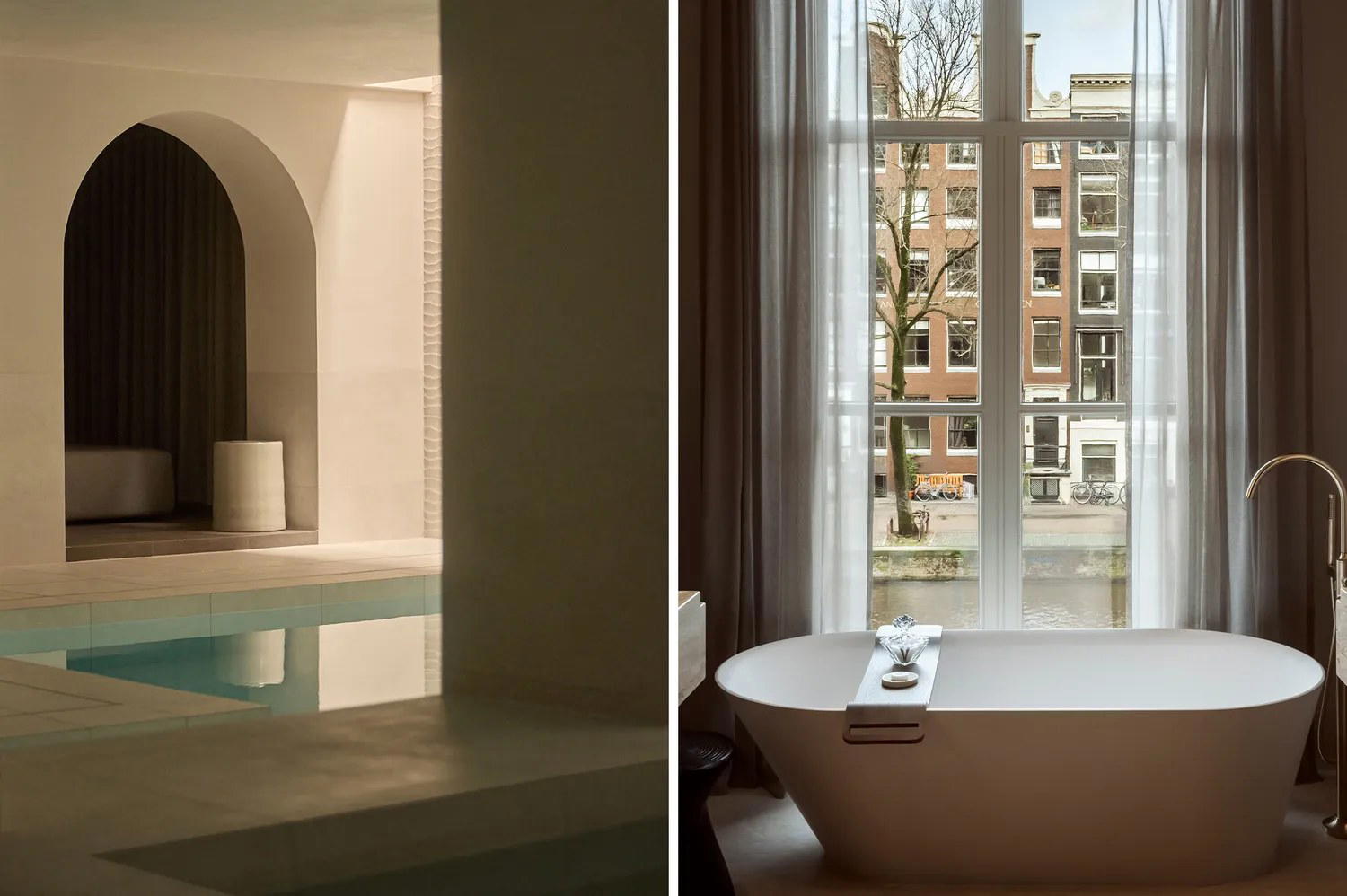
Bars in Amsterdam
All bars in Amsterdam →
Restaurants in Amsterdam
All restaurants in Amsterdam →
Wineries in Amsterdam
All wineries in Amsterdam →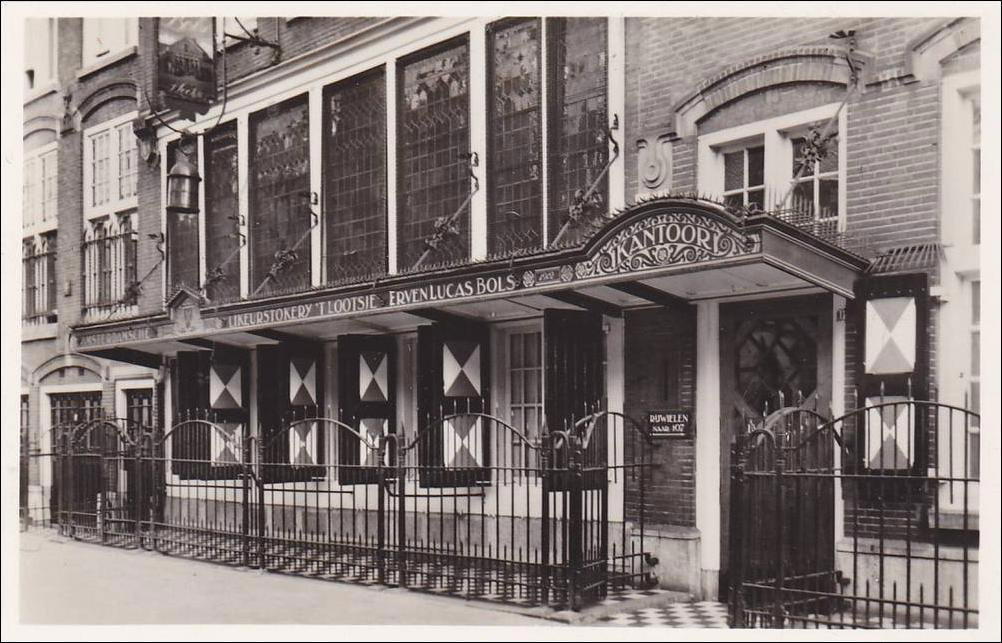
Details
- Elegant
- Intimate
- Sophisticated
- Historic
- Cozy
- Romantic Getaway
- Honeymoon
- Anniversary
- Business Trip
- Historic Building
- Waterfront
- Terrace
- Butler Service
- Wi Fi
- Restaurant
- Bar
- Concierge
- Room Service
- Laundry Service
- Bicycle Rental
- Waterfront
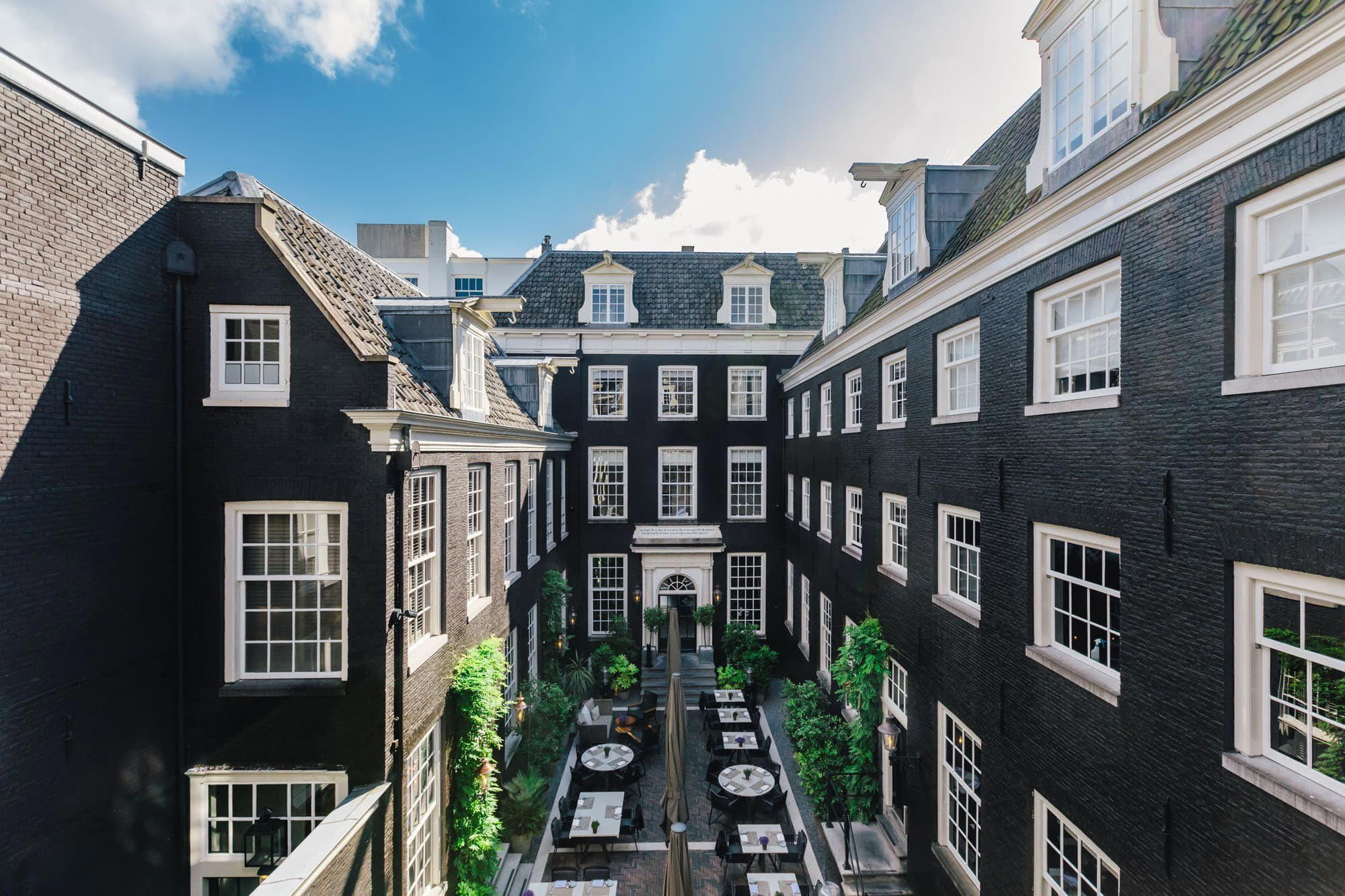
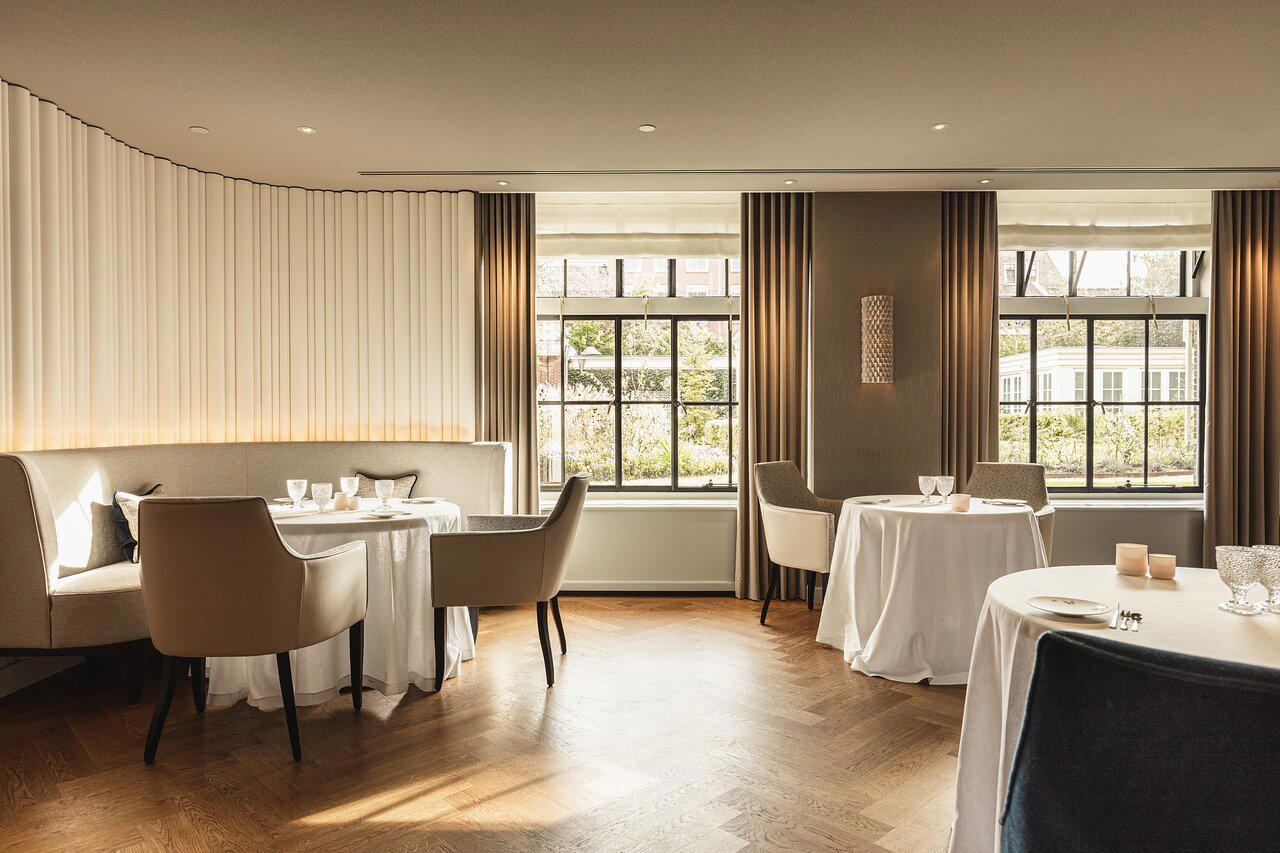
Oasis of calm with relaxed, home-like atmosphere featuring historical art, modern design, and peaceful courtyard views.