Bols
One of Amsterdam's most historically grounded spirits destinations, Bols on Paulus Potterstraat sits at the intersection of Dutch distilling heritage and contemporary tasting culture.

Pearl is the En Primeur Club membership app — saves, bookings, and concierge access live there. Same editors, same standards.
- Address
- Paulus Potterstraat 14, 1071 CZ Amsterdam
- Phone
- +31 20 570 8575
- Website
- bols.com
- Directions
- Get directions
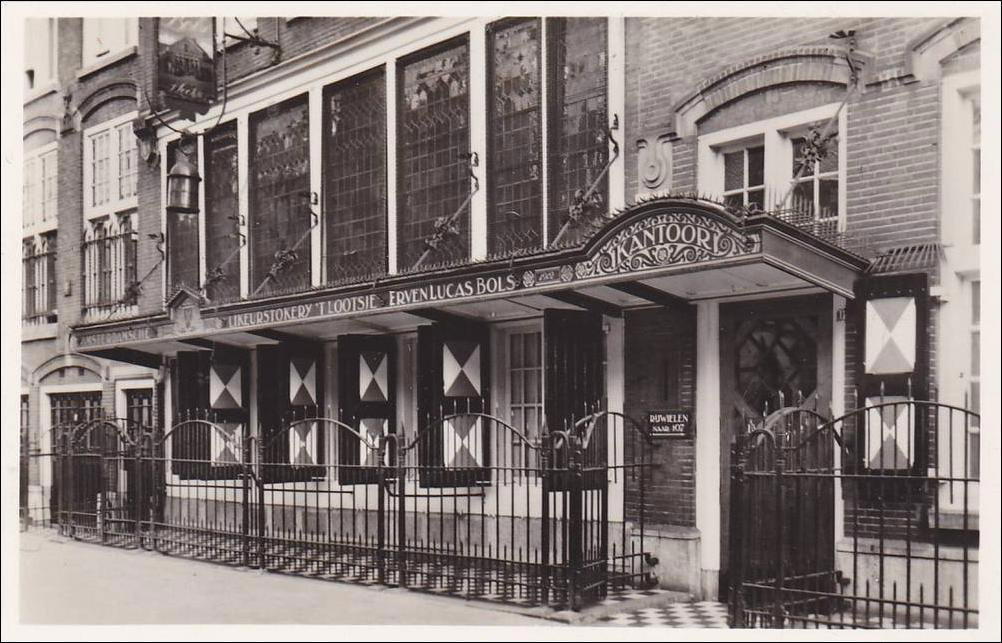
The Genever Tradition as Terroir Expression
The editorial angle that applies most precisely to Bols is not wine terroir in the conventional sense, but the concept translates directly. Genever is a grain-based spirit, and the maltwine at its core reflects the agricultural conditions of the Low Countries: rye, wheat, and corn grown in a flat, damp, North Sea-adjacent climate. The spirit that resulted was not a neutral canvas for cocktail making; it was an expression of a specific place and a specific moment in global trade history.
Oude genever, the older style with a higher maltwine percentage, carries more of that grain character: fuller-bodied, with a warmth that reflects the distillation method rather than added sweetness. Jonge genever, the lighter style that emerged in the twentieth century as industrial grain neutral spirits became cheaper, is closer in profile to modern London Dry gin but retains a structural difference. Understanding this split is the single most useful piece of knowledge a visitor can bring to any serious genever tasting.
For comparison, the city's other historically significant spirits destination with a public presence is Nolet Distillery in Schiedam represents a different model entirely: a production-scale operation in what was historically the distilling capital of the Netherlands, Schiedam being the city that produced genever in industrial quantities throughout the eighteenth and nineteenth centuries.
Van Kleef in The Hague offers a third variation: a historic distillery and museum in the political capital, with a collection of antique distilling equipment that contextualises the craft in a way that a pure tasting room cannot. For visitors building a tour of Dutch spirits heritage across multiple cities, these three venues form a coherent circuit without significant overlap.
Beyond the Netherlands, the relationship between Dutch genever and the broader category of aged grain spirits is worth noting for visitors with a wider reference frame. The heavy maltwine style of oude genever shares structural qualities with pot-still whisky from Scotland, the Speyside tradition in particular, where houses like Aberlour in Aberlour produce spirits with a similar emphasis on grain character and barrel development. The distilling lineage between Dutch spirits and Scotch whisky is historically documented, not merely analogical. The building presents itself as an interactive museum and distillery experience rather than a traditional proeflokaal. That distinction matters for planning purposes: this is a ticketed, structured experience with a defined format, not a drop-in bar where you order by the glass and stay as long as you like. Inside, the format shifts toward sensory education, the kind of experience that has become a distinct category in premium spirits tourism globally, where the goal is to make the visitor understand what they're tasting rather than simply provide the opportunity to taste it.
For visitors planning a full day in the Museumkwartier, the proximity to the major museums means Bols fits logically into an afternoon after a morning at the Rijksmuseum, the timing works both geographically and in terms of how much attention a serious tasting experience requires. Booking in advance is the practical recommendation for this format; structured ticketed experiences at this tier do not typically accommodate walk-in groups during peak museum season. For EP Club members who move between wine regions and spirits destinations, the reference points are more likely to be estate visits in California or Europe than bar programmes in European cities. The kind of depth-first, origin-focused tasting format that Bols represents in the genever category has equivalents in wine at properties like Accendo Cellars in St. Helena, Adelaida Vineyards in Paso Robles, or Adelsheim Vineyard in Newberg, each of which uses the visit format to contextualise the product within its agricultural and historical origin story.
The parallel holds across more diverse wine regions too: Achaia Clauss in Patras, Albert Boxler in Niedermorschwihr, and Aldo Conterno in Monforte d'Alba all operate on the principle that understanding origin deepens the tasting experience in ways that a restaurant or bar pour cannot replicate.
Other EP Club members approaching spirits from a wine-educated perspective may also find useful reference at Alban Vineyards in Arroyo Grande, Alexander Valley Vineyards in Geyserville, All Saints Estate in Rutherglen, and Alpha Omega Winery in Rutherford, producers whose estate visit formats demonstrate how structured tasting experiences translate origin complexity into accessible understanding.
Comparable Spots, Quickly
Comparable venues nearby, for context on price, style, and recognition.
| Venue | Cuisine | Price | Notes |
|---|---|---|---|
| BolsThis venue — the venue you are viewing | Amsterdam | $20–30 | Not listed |
| Van Kleef | juniper, barley | Not listed | historical centre |
| Nolet Distillery | Schiedam | Not listed | Distillers District |
Continue exploring
More in Amsterdam
Bars in Amsterdam
Browse all →
Restaurants in Amsterdam
Browse all →
Details
- Historic
- Well Known
- Sophisticated
- Wine Education
- Celebration
- Solo Exploration
- Historic Building
- Private Tasting
- Cocktail Tasting
- Genever Tasting
- English
- Dutch
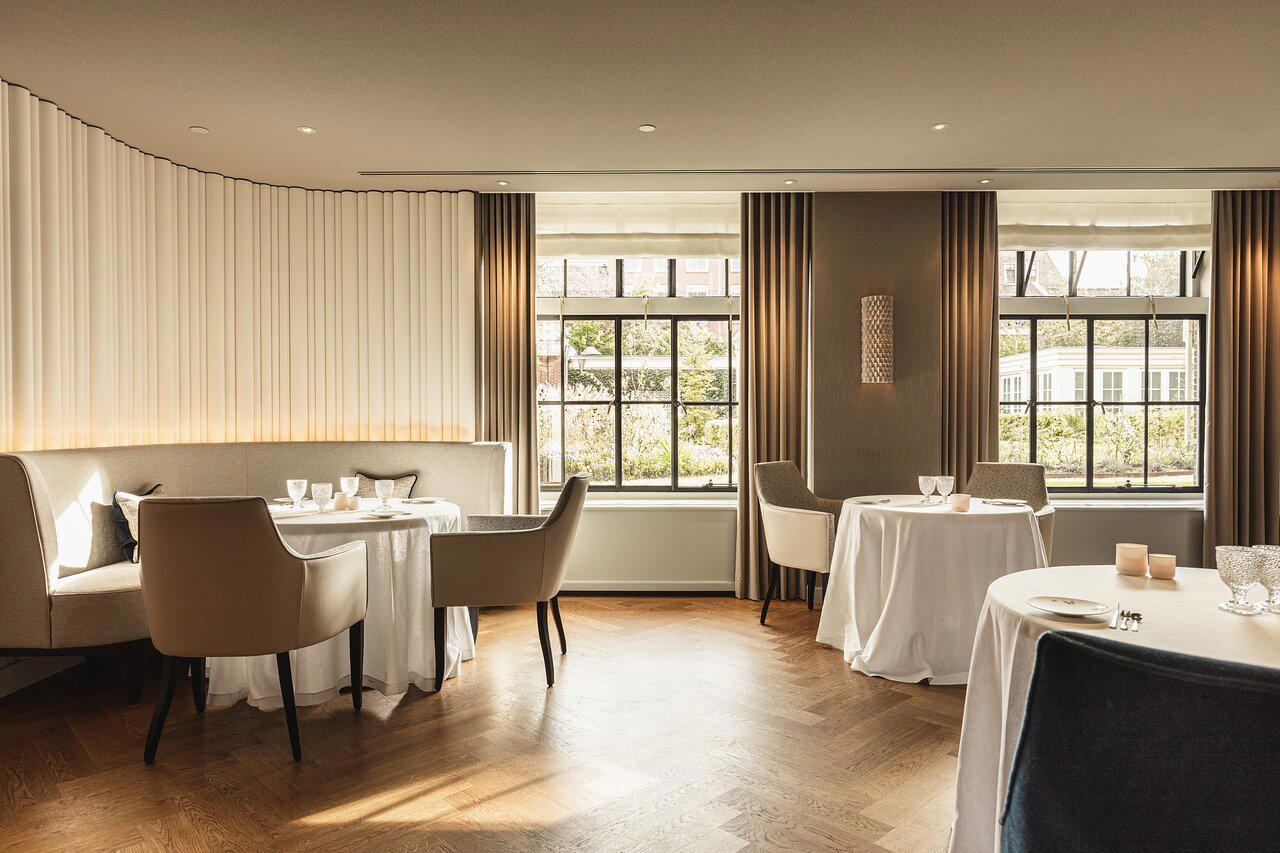
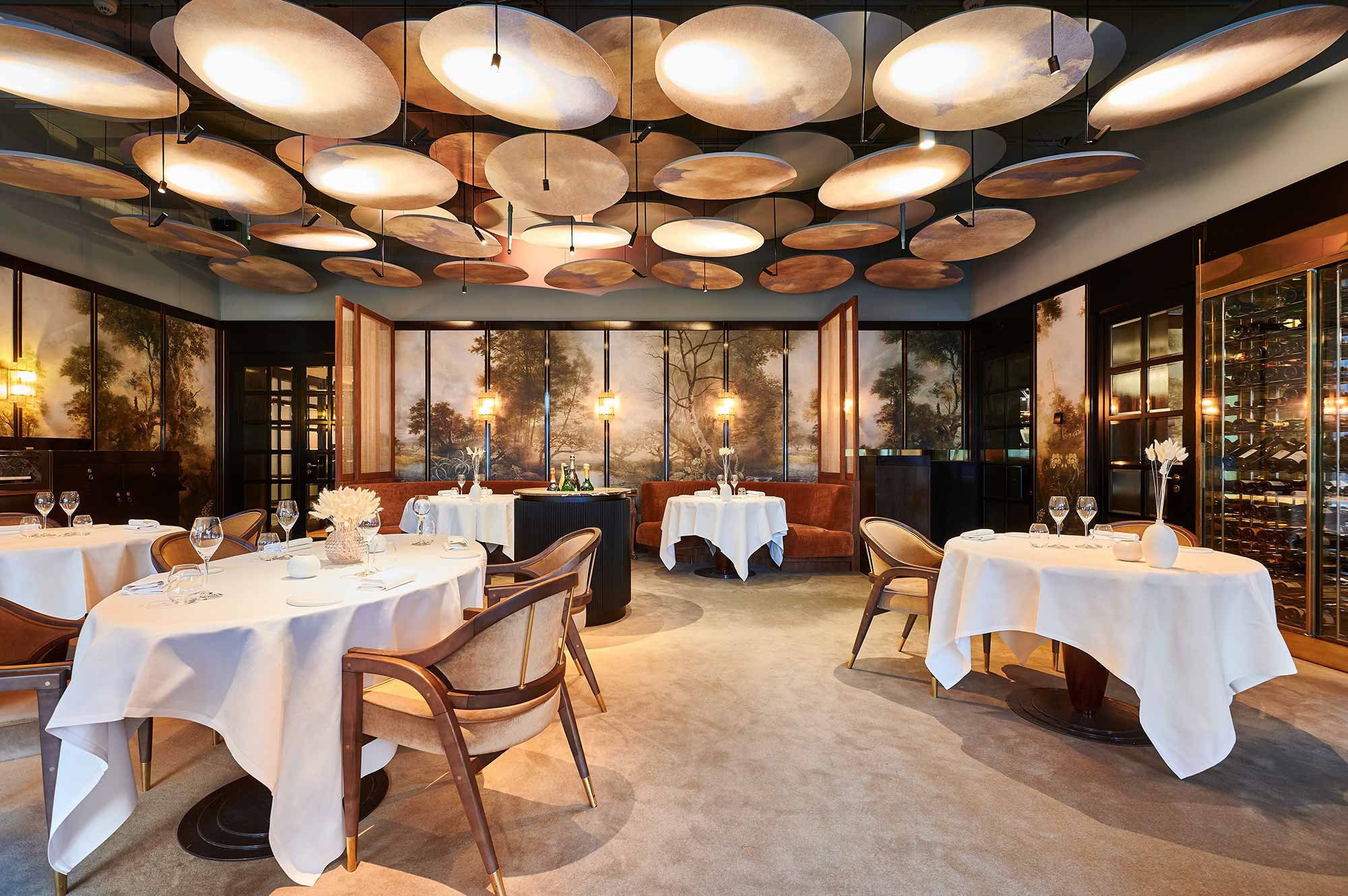
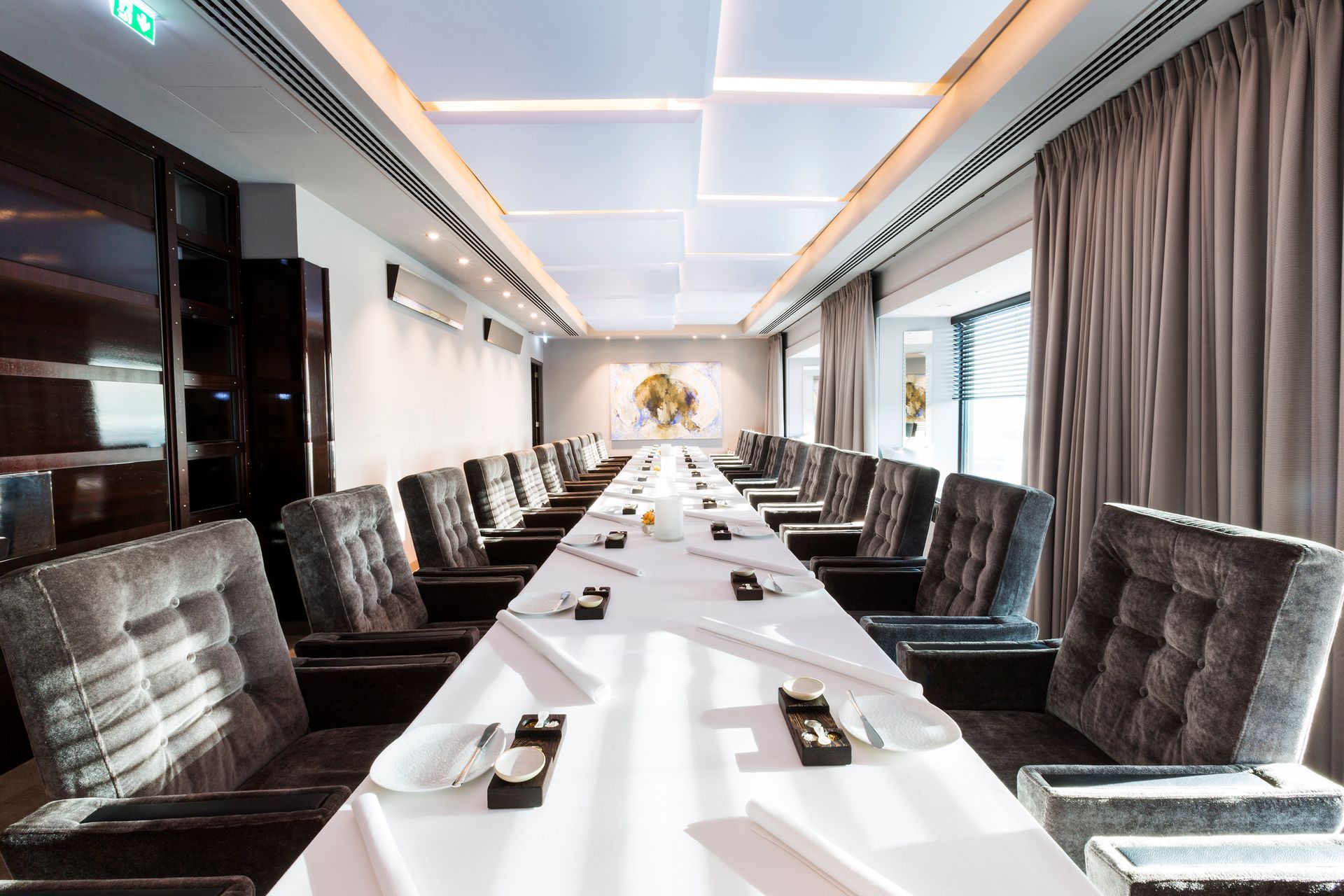
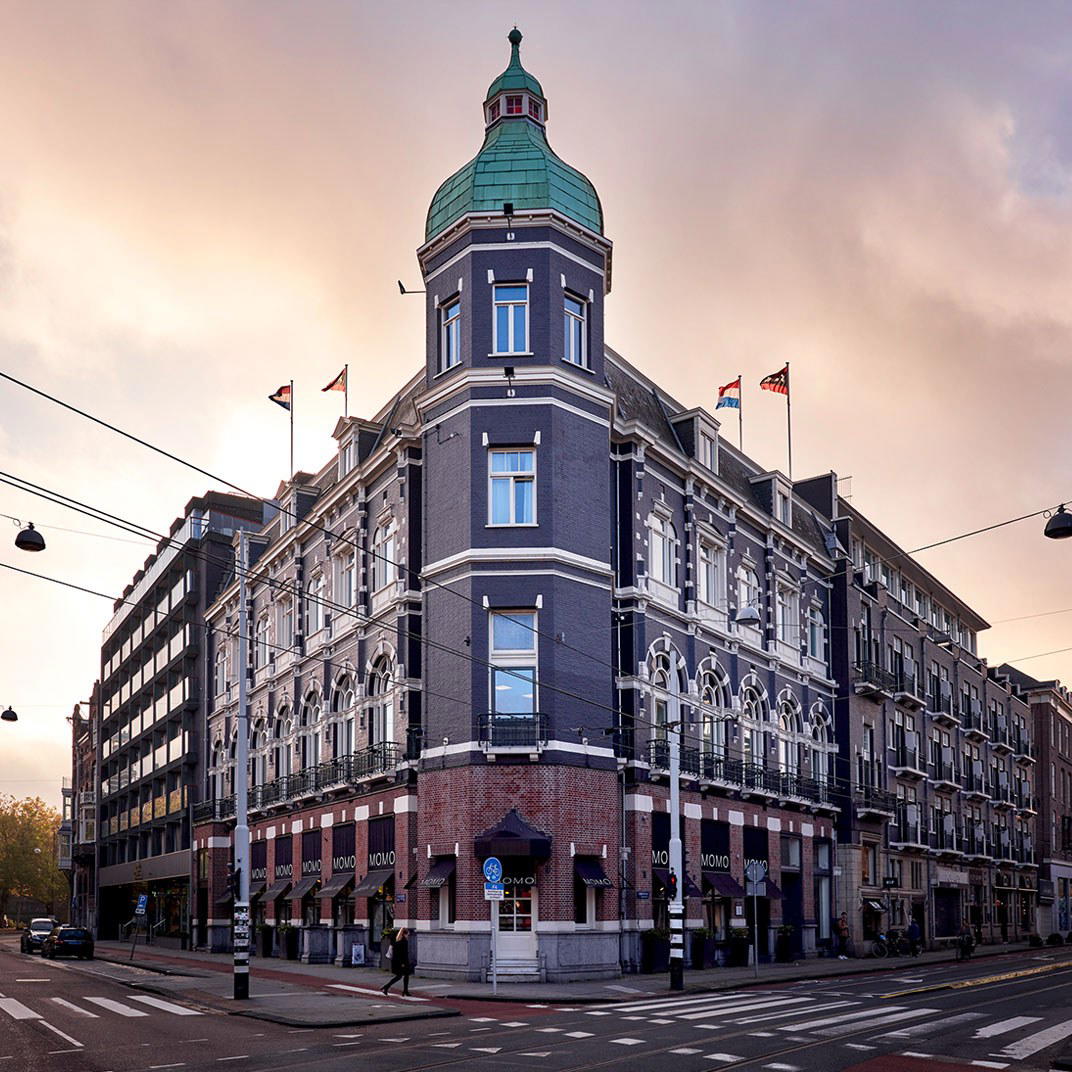
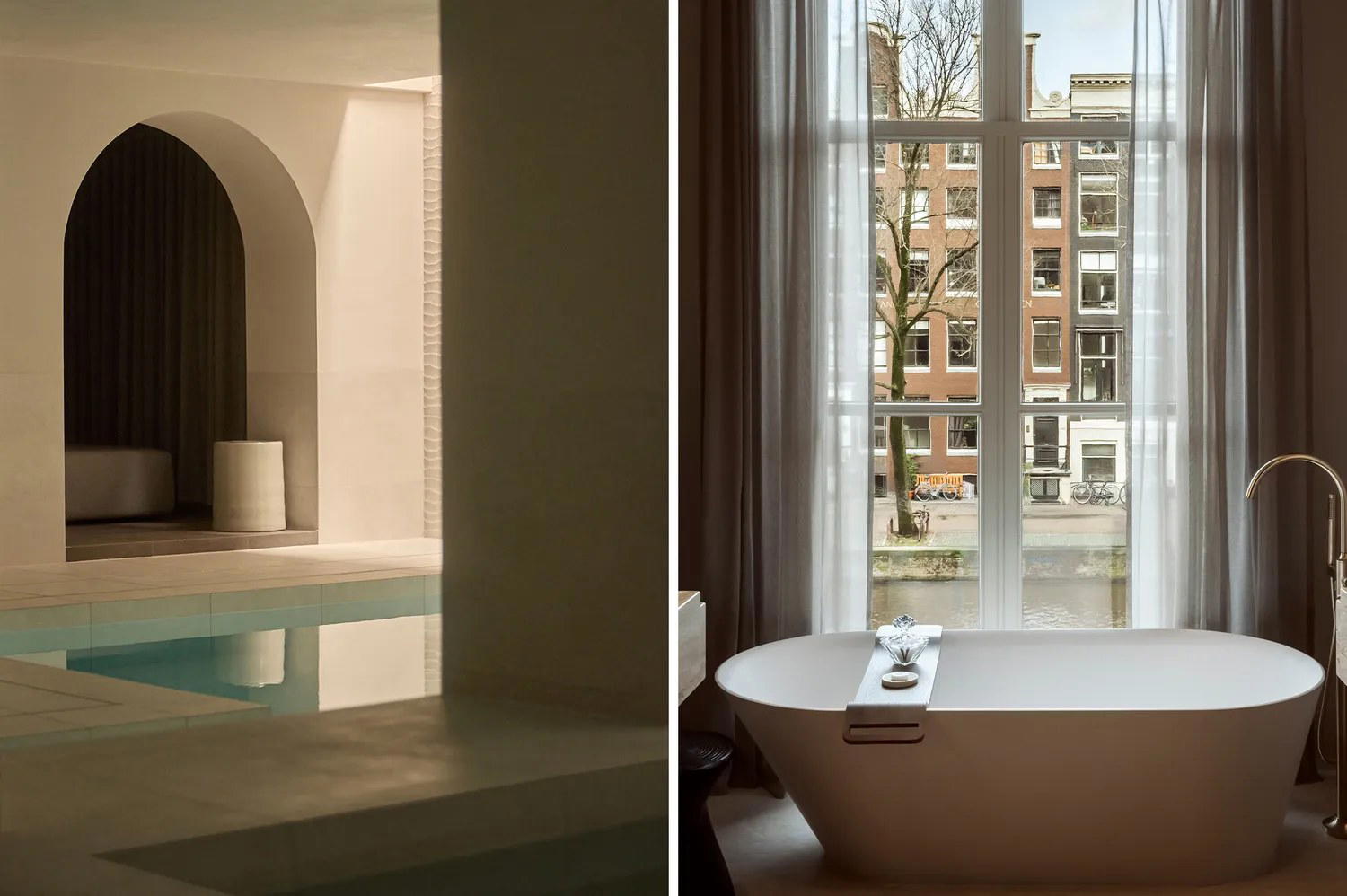
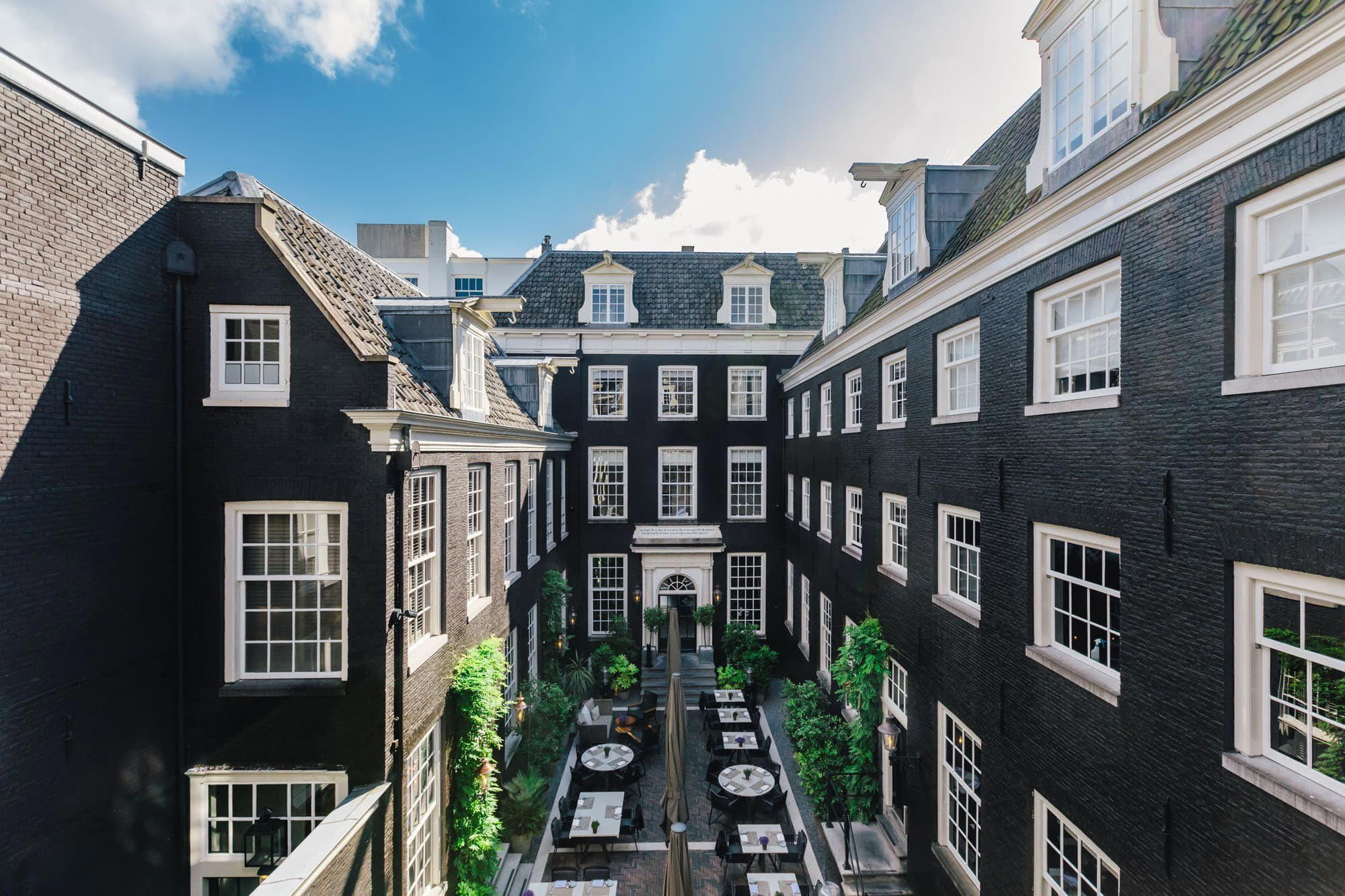
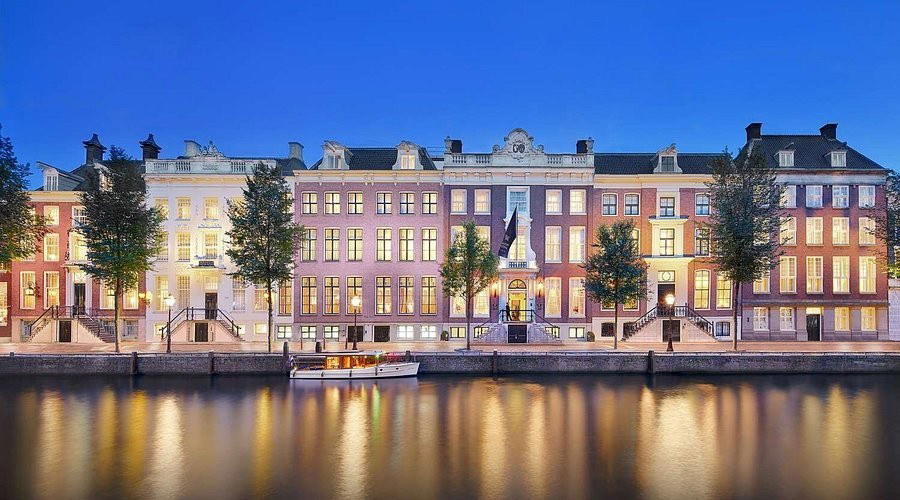
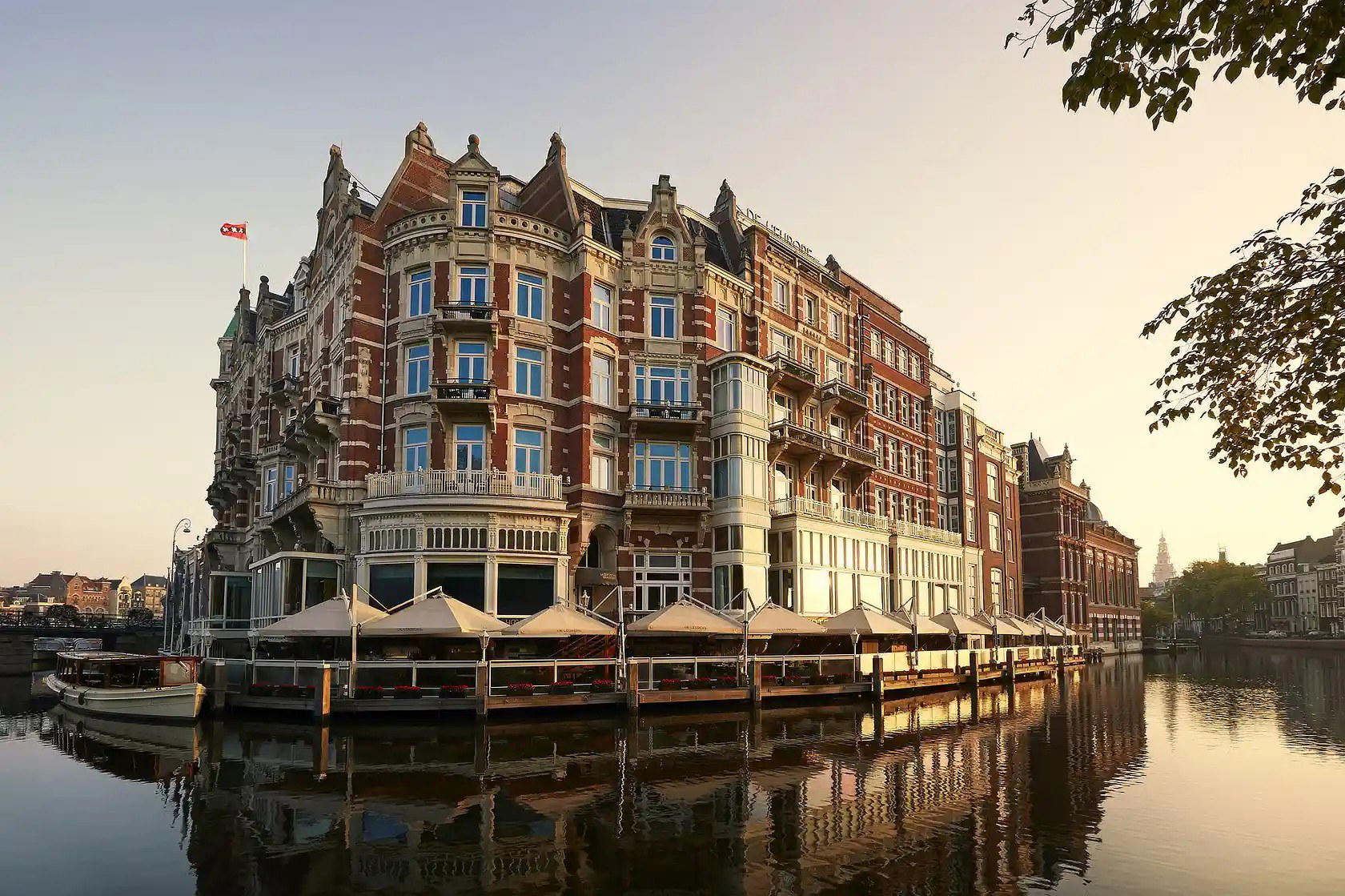
Historic and elegant with light-filled rooms displaying antique distilling equipment, family bibles, and a lively atmosphere blending heritage with modern cocktail culture.