Marius Wijncafé

Star Wine List
Marius Wijncafé occupies a quietly residential stretch of Piet Heinstraat, a deliberate distance from The Hague's central tourist circuit. The draw is the wine list: a deeply selection that positions this café among the city's most serious wine-focused addresses. For visitors who know what they're looking for, the relative obscurity is part of the point.

Pearl is the En Primeur Club membership app, where members save venues, book tables and use the concierge.
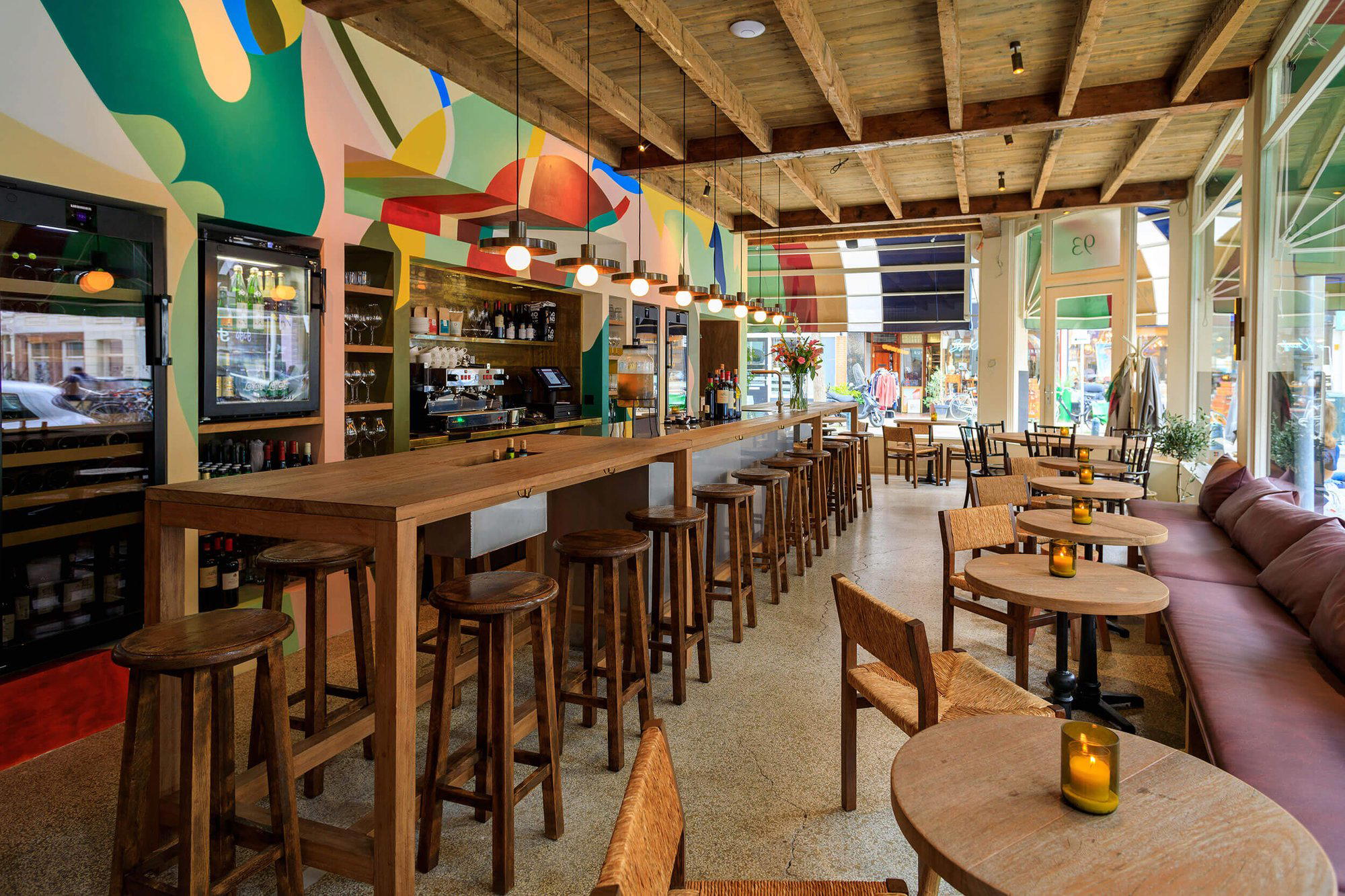
A Wine Bar at a Deliberate Remove
The Hague's drinking scene has long been overshadowed by Amsterdam's cocktail density and Rotterdam's bar-culture momentum, but the city's wine café tradition operates on its own rhythm, largely indifferent to those comparisons. Marius Wijncafé sits on Piet Heinstraat 93, a residential street in the Zeeheldenkwartier neighbourhood, at a physical remove from the diplomatic quarter's busier arteries. That remove is not incidental. Wine bars that position themselves away from tourist-facing foot traffic tend to attract a different kind of regular: one who navigated there on purpose, who already knew the list, who came back for a specific bottle rather than for the convenience of proximity.
The Zeeheldenkwartier itself has developed a low-key but coherent food and drink identity over the past decade, with independent operators anchoring the neighbourhood's character rather than chain formats. Marius fits that pattern: an address that works because its core audience has found it and keeps returning, not because it is easy to stumble upon. For visitors accustomed to wine bars in similar neighbourhood positions in European cities, the dynamic is familiar. The discovery takes a little effort; the payoff is a room without the self-consciousness that comes with being on the main circuit.
The Wine List as the Central Argument
Wine cafés of this type in the Netherlands tend to organise their lists around one of two philosophies: breadth as a selling point, covering as many regions as possible to serve as many tastes as possible, or depth as a statement, where the curation reflects a genuine point of view and the list rewards the curious rather than the casual. Marius belongs to the second category. The selection at this kind of address typically emphasises producers with considered farming practices, smaller négociants, and bottles that sit outside the standard on-trade rotation, which means you are unlikely to encounter the same wine you ordered at a brasserie the previous evening.
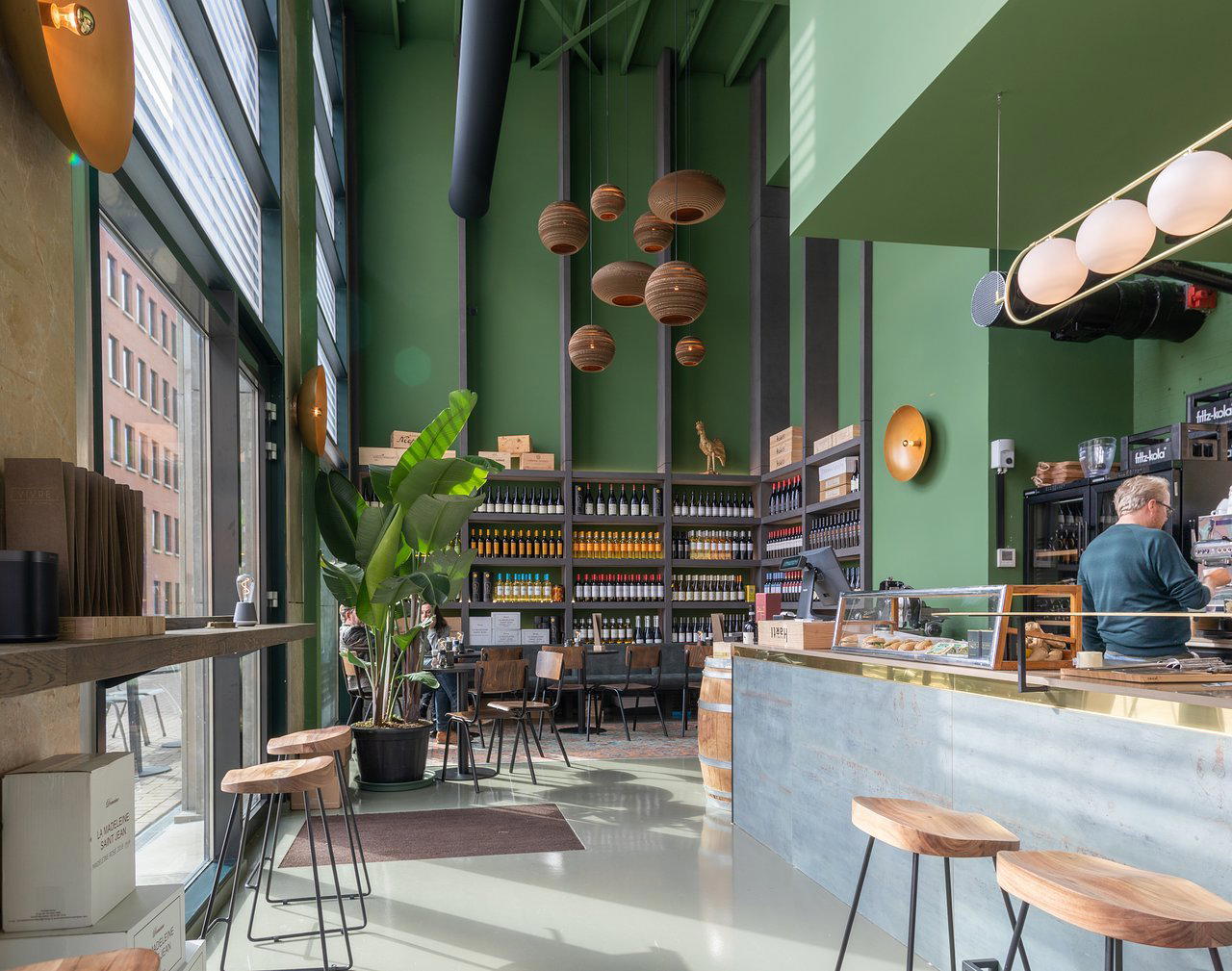
That curation depth is the bar's primary credential. In a city where the broader bar programme at places like Bowie and Vivre is built around spirits and cocktails, Marius operates in a distinct lane. The comparison set is not cocktail bars but wine-focused independents, a smaller category in The Hague, which gives the address a clearer position in the city's drink scene. When a wine bar in a mid-sized European capital manages to hold a following over time, it is almost always because the list itself is doing the editorial work: selecting bottles that are difficult to find elsewhere and pricing them in a way that makes by-the-glass exploration feel viable rather than punishing.
What This Format Means in Practice
The wijncafé format in the Netherlands is distinct from the French wine bar or the British wine shop with tables. It combines a café sociability, where you might come in for a single glass and leave two hours later, with a list that takes the product seriously. The result is an environment that does not demand the same level of commitment as a tasting-menu restaurant or a destination cocktail bar, but rewards those who come with some knowledge and genuine curiosity. For guests willing to ask questions about the list, this kind of address delivers significantly more than the format might suggest from the outside.
For context on how wine-focused independents operate across the Netherlands, the contrast with coffee-led independents like Espressobar Kopi Soesoe in Rotterdam or spirits-forward addresses like Florin Utrecht in Utrecht and Café Barolo in Eindhoven is instructive. The wine café occupies a particular social niche in Dutch hospitality: less formal than a restaurant wine programme, more serious than a brown café. Marius operates squarely in that niche.
Across the broader Dutch independent bar scene, comparisons with Café Lily in Groningen, Boode Foodbar in Bathmen, Het Witte Paard in Etten-Leur, and Brasserie Lalou in Delft illustrate how regional independents develop loyal followings through specificity rather than scale. Marius is the wine-focused expression of that same model. For reference on how the format scales internationally, Amsterdam's Door 74 demonstrates the same principle of specialist curation building a durable following in a competitive city, as does Bar Leather Apron in Honolulu in a completely different context.
Planning Your Visit
Piet Heinstraat 93 is reachable from The Hague Centraal station in approximately fifteen minutes on foot, or a short tram ride toward the Zeeheldenkwartier. Weekend evenings at addresses with this kind of neighbourhood following tend to fill early. For broader context on what The Hague's food and drink scene offers across neighbourhoods and price points, our full The Hague restaurants guide covers the city's independent operators in detail.
Price Lens
Comparable venues nearby, for context on price, style, and recognition.
Recognition history
Dated appearances from independent guides and award organizations, with the underlying list record or original source where available.
Star Wine List
Star Wine List
Continue exploring
More in The Hague
Bars in The Hague
All bars in The Hague →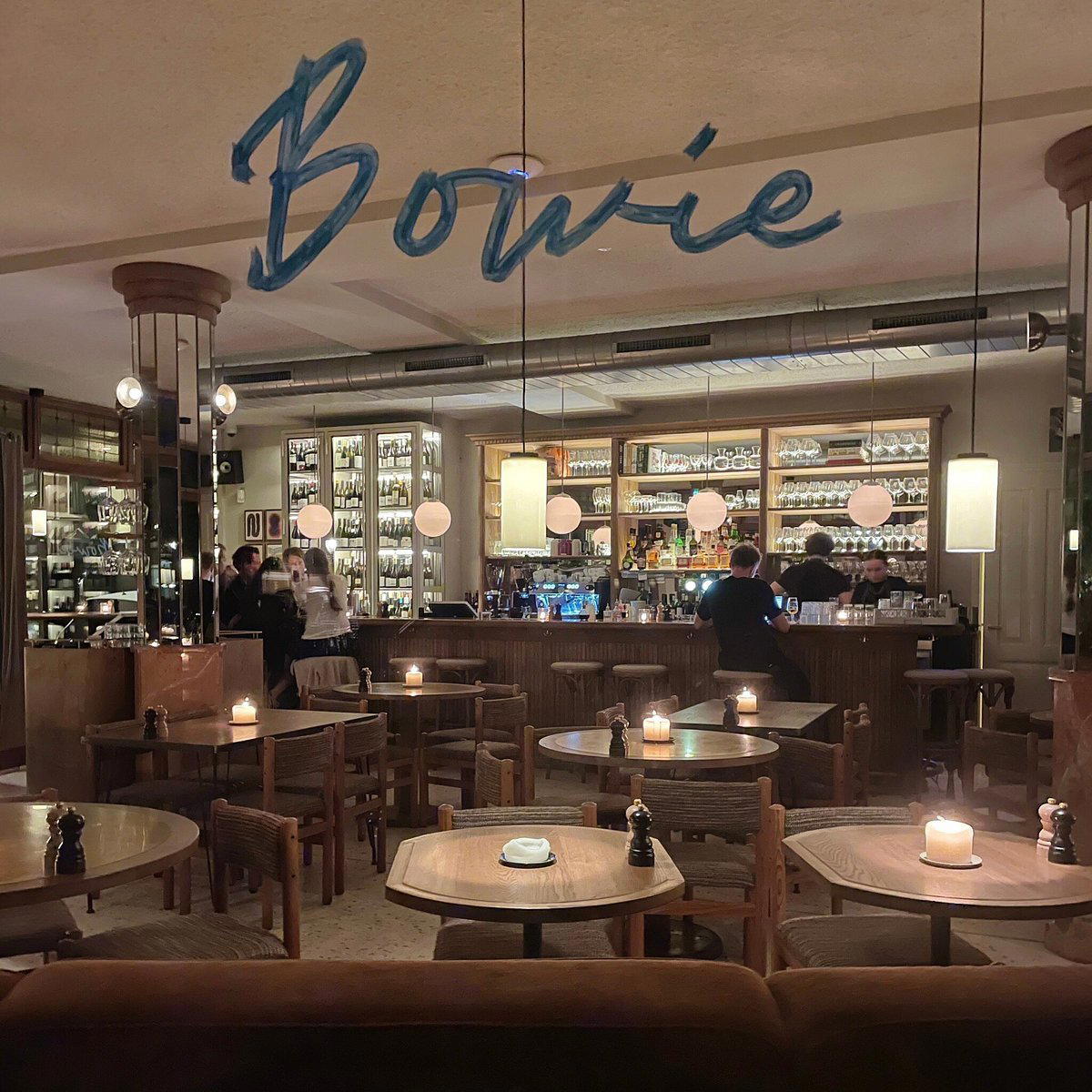
Restaurants in The Hague
All restaurants in The Hague →
Hotels in The Hague
All hotels in The Hague →
Wineries in The Hague
All wineries in The Hague →
Details
- Cozy
- Intimate
- Elegant
- Date Night
- Casual Hangout
- Standalone
- Seated Bar
- Lounge Seating
- Outdoor Terrace
- Natural Wine
- Sake
Current opening hours
- Monday
- Closed
- Tuesday
- 4–11 PM
- Wednesday
- 4–11 PM
- Thursday
- 4–11 PM
- Friday
- 12–11 PM
- Saturday
- 12–11 PM
- Sunday
- 1–9 PM
Hours can change for holidays and private events. Hours as of .
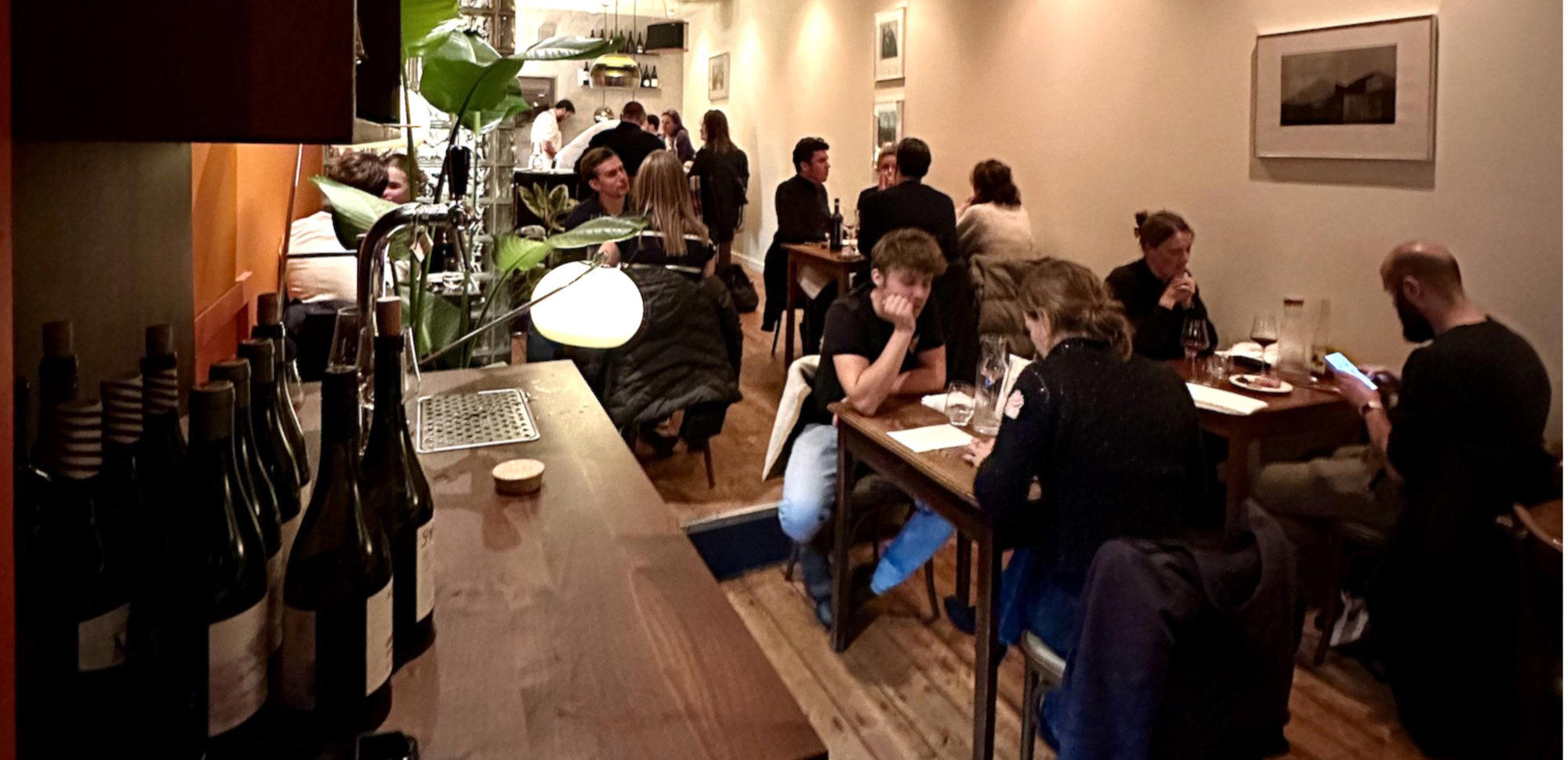
Warm inviting lighting with a cozy, lively atmosphere featuring a central high bar and low-seating tables by the window.