Op Oost

Small Luxury Hotels of the World Member
On the eastern edge of Texel, the largest of the Dutch Wadden Sea islands, Op Oost occupies a historic farmhouse and seaweed barn that frame the surrounding salt marshes and dunes as deliberately as any architectural choice. The property sits in Oosterend, a quiet village at the island's rural core, and its conversion of vernacular agricultural structures into intimate accommodation places it squarely within the Netherlands' growing tradition of landscape-led boutique hospitality.

Pearl is the En Primeur Club membership app, where members save venues, book tables and use the concierge.
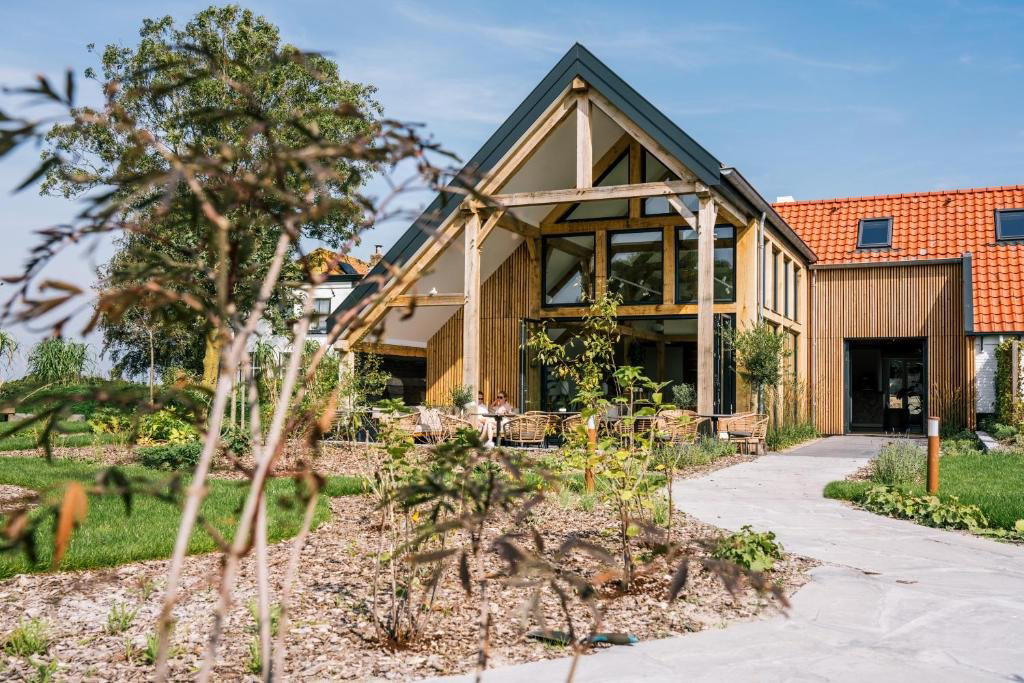
Where the Wadden Sea Shapes Everything
Texel, the largest of the Dutch Wadden Sea islands, has long operated at a remove from mainland Netherlands in ways that go beyond the ferry crossing from Den Helder. The island's eastern settlements, particularly Oosterend, sit within a landscape that shifts with the tides, the seasons, and the particular quality of North Sea light that Dutch painters have been trying to capture for centuries. In this context, the farmhouse architecture that defines the island's building tradition is not decorative nostalgia, it is a structural response to generations of salt wind, agricultural necessity, and the rhythms of a tidal ecosystem that earned UNESCO World Heritage status in 2009.
Op Oost, at Oost 76 in Oosterend, belongs to a category of accommodation that the Netherlands does well but rarely exports: the converted agricultural property where the bones of the original building are treated as the primary design asset rather than something to be plastered over. The address places it in the eastern quarter of Texel, which receives fewer day-trippers than the western beach towns and consequently retains more of the island's working character.
Farmhouse Bones and Seaweed Architecture
The physical identity of Op Oost rests on two structures: an authentic farmhouse and a seaweed barn. The seaweed barn is worth dwelling on, because it represents a vernacular building technique specific to the Wadden islands that has largely disappeared from active construction. Seaweed, harvested from the tidal flats and packed into walls, was used historically for its insulating properties and its resistance to rot and vermin. Buildings constructed this way carry a particular texture and a faint mineral quality that no modern cladding replicates. Where many rural conversions across Europe strip out exactly this kind of material evidence to install clean contemporary interiors, retaining a seaweed barn as a functioning element of a hotel property is an architectural decision with real consequences for how the space feels.
The farmhouse itself follows the Texel pattern of low-slung, thick-walled construction suited to weather that arrives horizontally off the North Sea. Historic features of this building type typically include exposed timber framing, deep window reveals, and the kind of spatial proportions that emerged from agricultural use rather than domestic convention. When these elements are preserved within a hospitality context, they create rooms where the architecture does the work that design objects and styling usually attempt, grounding the guest in a specific place and time rather than in a generically comfortable nowhere.
This approach sits within a broader Dutch movement toward what might be called heritage-embedded hospitality. Properties like Landgoed Hotel Het Roode Koper in Leuvenum and Mooirivier in Dalfsen occupy a similar position: rural, architecturally specific, and defined by landscape connection rather than amenity accumulation.
The Landscape as Co-Author
Oosterend's position on Texel means that the surrounding environment is not backdrop but active participant. The Wadden Sea mudflats, visible at low tide as an expanse of grey-green silt stretching toward the mainland, are among the most ecologically significant intertidal zones in Europe.
Boutique properties that occupy this kind of setting tend to polarise guests in useful ways. Those looking for the social density and programmatic variety of city hotels, properties like Hotel 717 in Amsterdam or the citizenM Rotterdam, will find Op Oost operates on entirely different terms. The value proposition here is access to a specific, rare landscape combined with architecture that reflects rather than resists it. For travellers who calibrate their stays by the quality of the physical environment rather than the density of in-house services, this trade-off is the point, not a compromise.
Texel is reachable by ferry from Den Helder, with TESO ferries running a frequent crossing that takes approximately twenty minutes. Den Helder is approximately 75 kilometres from Amsterdam by rail, making Texel genuinely accessible as a long weekend destination from the Netherlands' main cities, though the crossing and the island's pace both signal that a stay of at least two nights does the property justice. Those arriving from further afield might consider routing through citizenM Schiphol Airport before making the journey north.
Placing Op Oost in the Dutch Boutique Field
The Netherlands has developed a recognisable tier of boutique properties that trade on architectural specificity and locational character rather than brand affiliation or scale. Weeshuis Gouda, Kazerne in Eindhoven, and Posthoorn in Monnickendam each operate in this mode, converting historic structures into hospitality contexts where the building's history is the primary asset. Op Oost's position within this field is defined by its island geography and the seaweed barn, both of which have no direct equivalent among Dutch mainland competitors. The proximity of Bij Jef in Den Hoorn, also on Texel, is worth noting for travellers comparing island options, Den Hoorn sits in the island's southwest, placing it closer to the beach polders, while Oosterend's character is more interior and agricultural.
For those building a wider Dutch itinerary, the contrast between Op Oost's rural, island-grounded character and the urban precision of a property like 2L de Blend Hotel in Utrecht or the historic grandeur of Château Neercanne in Maastricht illustrates how varied the boutique category has become in this country. See our full Oosterend restaurants and hotels guide for additional context on what the surrounding area offers. If landscape-embedded architecture is a priority that extends beyond the Netherlands, comparable logic applies at Amangiri in Canyon Point or Castello di Reschio in Lisciano Niccone, where the building and its terrain are inseparable.
Planning Your Stay
Op Oost is located at Oost 76, 1794 GR Oosterend, on the eastern side of Texel. Given the island's seasonal character, timing matters: spring and early autumn bring the leading balance of accessible weather and reduced visitor numbers, while summer weekends see the island's capacity strained by day-trippers from the mainland. The Wadden Sea's birdlife peaks during the spring migration, which adds a further specific reason to visit between March and May. Booking well in advance is advisable for summer stays, particularly for a boutique property with limited rooms. Website and phone contact details should be confirmed directly through current listings, as these can vary for smaller island properties.
Side-by-Side Snapshot
Comparable venues nearby, for context on price, style, and recognition.
| Venue | Cuisine | Price | Awards | Notes |
|---|---|---|---|---|
| Op OostThis venue (the venue you are viewing) | Eco-conscious farmhouse retreat with Nordic minimalism and botanical design philosophy; Green Key Gold certified. | $200–300 | Small Luxury Hotels of the World Member | Not listed |
| op Oost | Boutique Hotel & Restaurant het Kook Atelier | Eco-conscious boutique hideaway rooted in nature and tranquility | $200–300 | Michelin Selected | Oosterend |
| Strandhotel Cadzand | Modern luxury beach resort with minimalist design by Studio Piet Boon; positioned as a culinary and wellness destination on the Dutch coast. | $100–200 | Michelin Selected | Cadzand-Bad |
| The Diamond | Boutique luxury with historical diamond trade inspiration | $100–200 | Michelin Selected | Leidseplein |
| Park Centraal Amsterdam, part of Sircle Collection | Historic flatiron building reimagined with modern Dutch design. | $200–300 | Michelin Selected · Preferred Hotels Member | P.C. Hooftbuurt |
| Ruby Emma Hotel & Bar | Lean luxury with sustainable design and integrated workspaces | Not listed | Not listed | Amstelkwartier Noord |
Recognition history
Dated appearances from independent guides and award organizations, with the underlying list record or original source where available.
Small Luxury Hotels of the World Member
Small Luxury Hotels of the World
Continue exploring
More in Oosterend
Hotels in Oosterend
All hotels in Oosterend →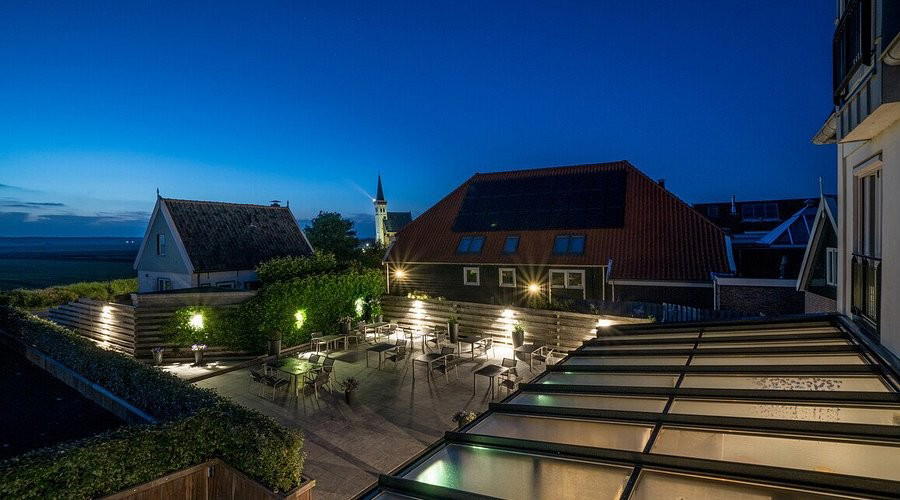
Details
- Romantic
- Quiet
- Scenic
- Bohemian
- Elegant
- Romantic Getaway
- Wellness Retreat
- Anniversary
- Weekend Escape
- Garden
- Terrace
- Panoramic View
- Private Dining
- Destination Spa
- Restaurant
- Spa
- Bicycle Rental
- Massage
- Room Service
- Garden
- Wi Fi
- Garden
- Waterfront
- Accessible Parking
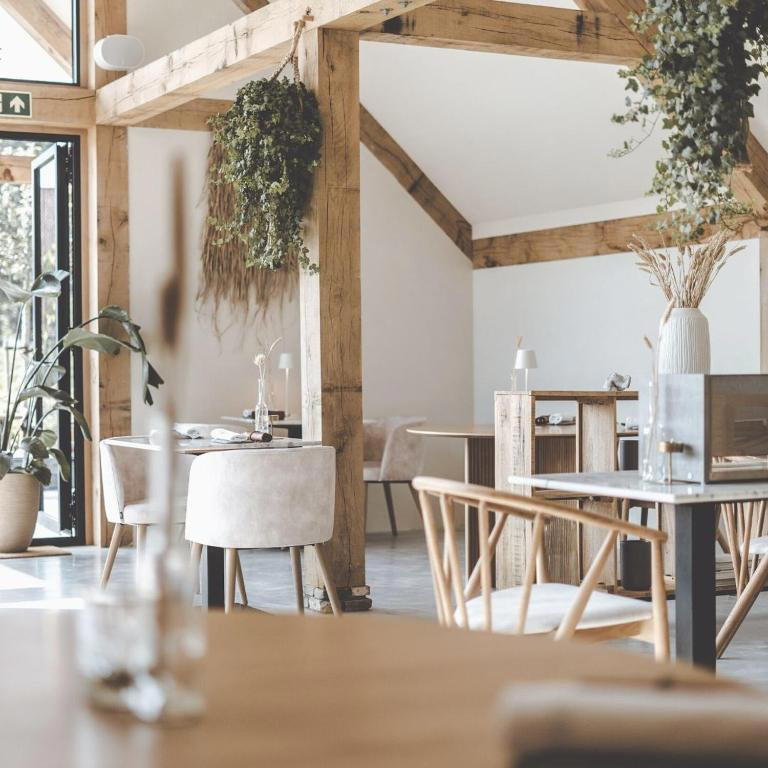
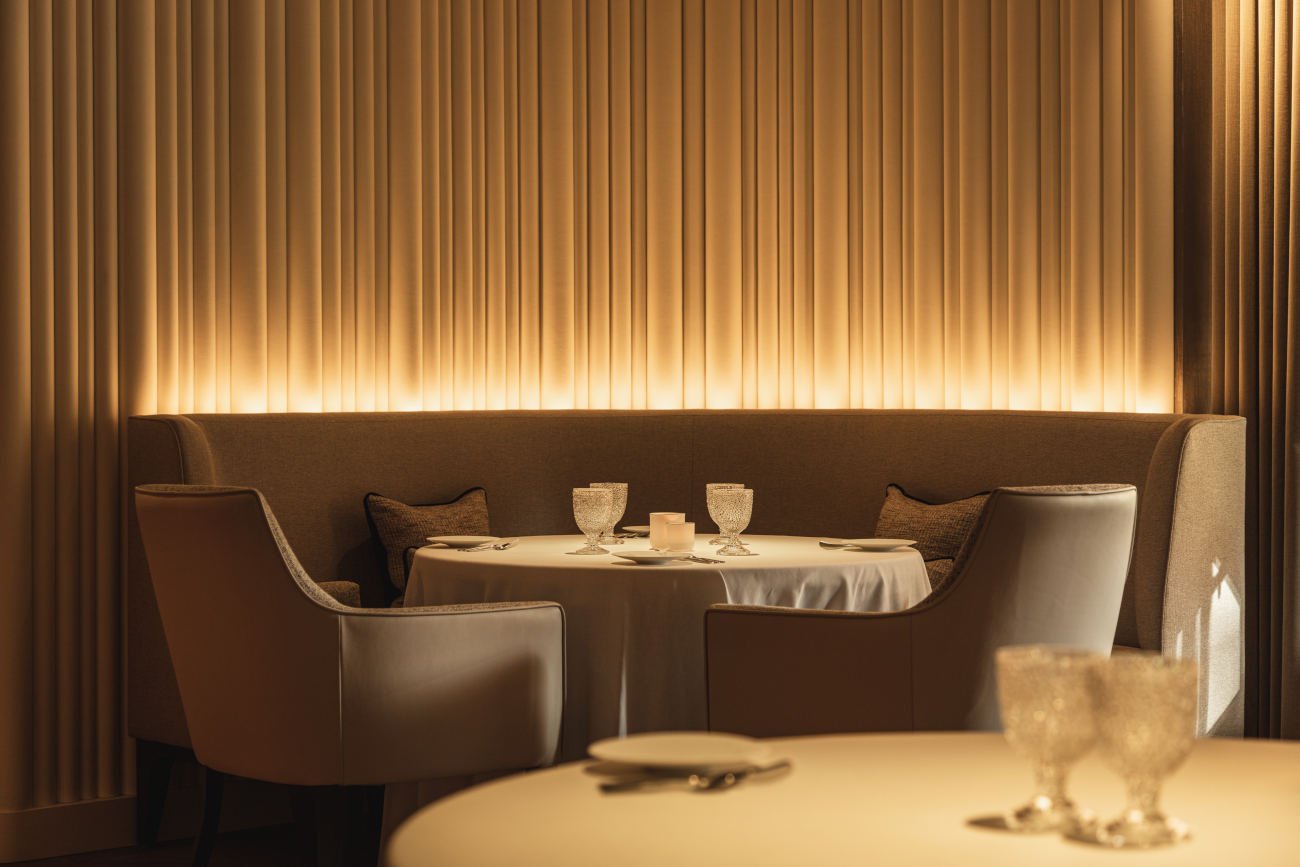
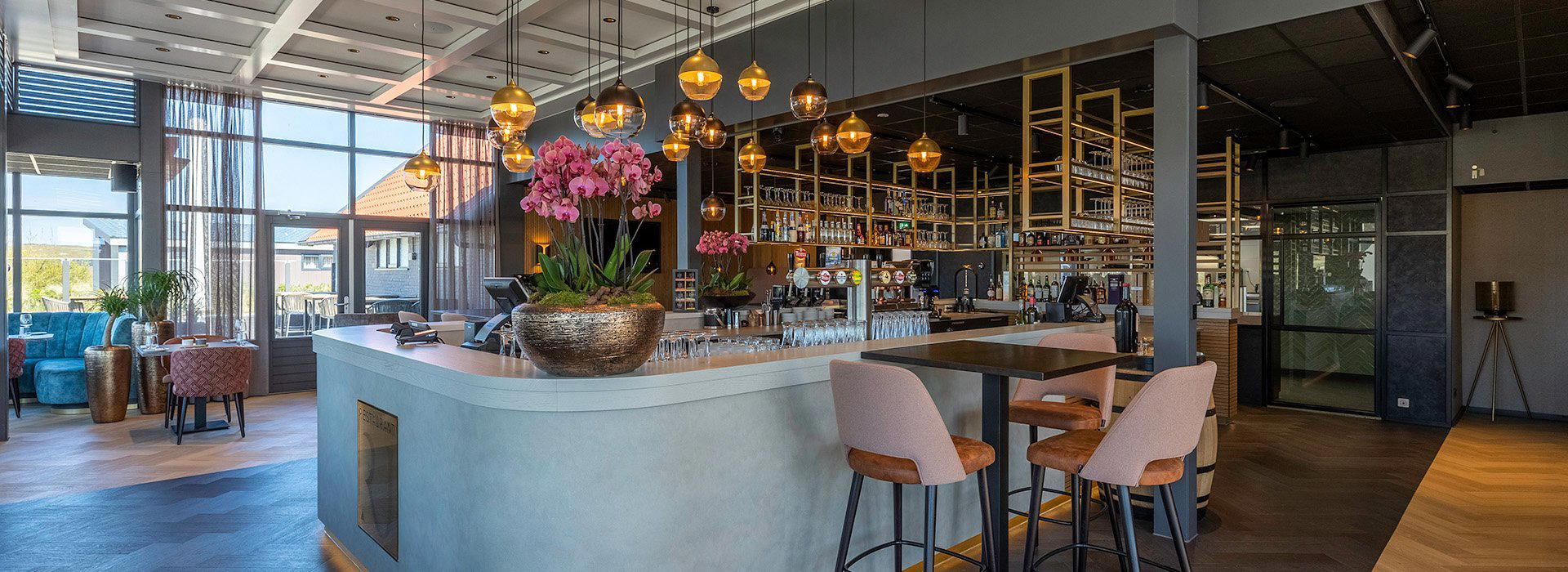
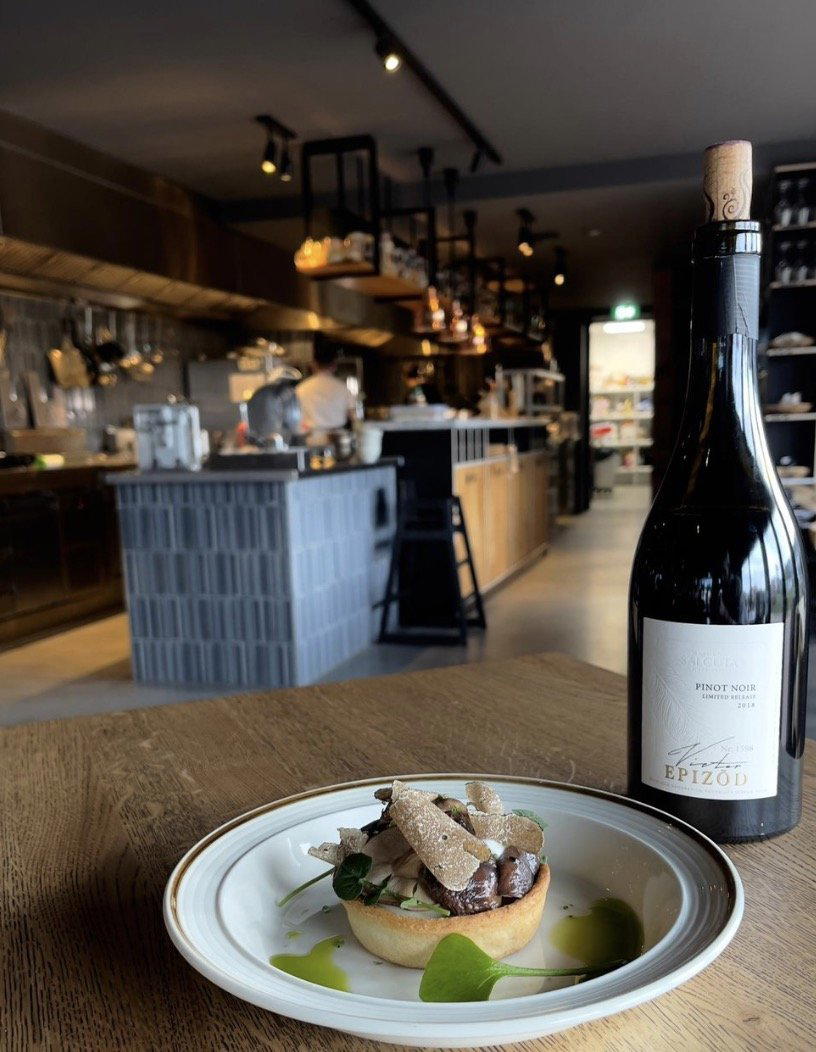
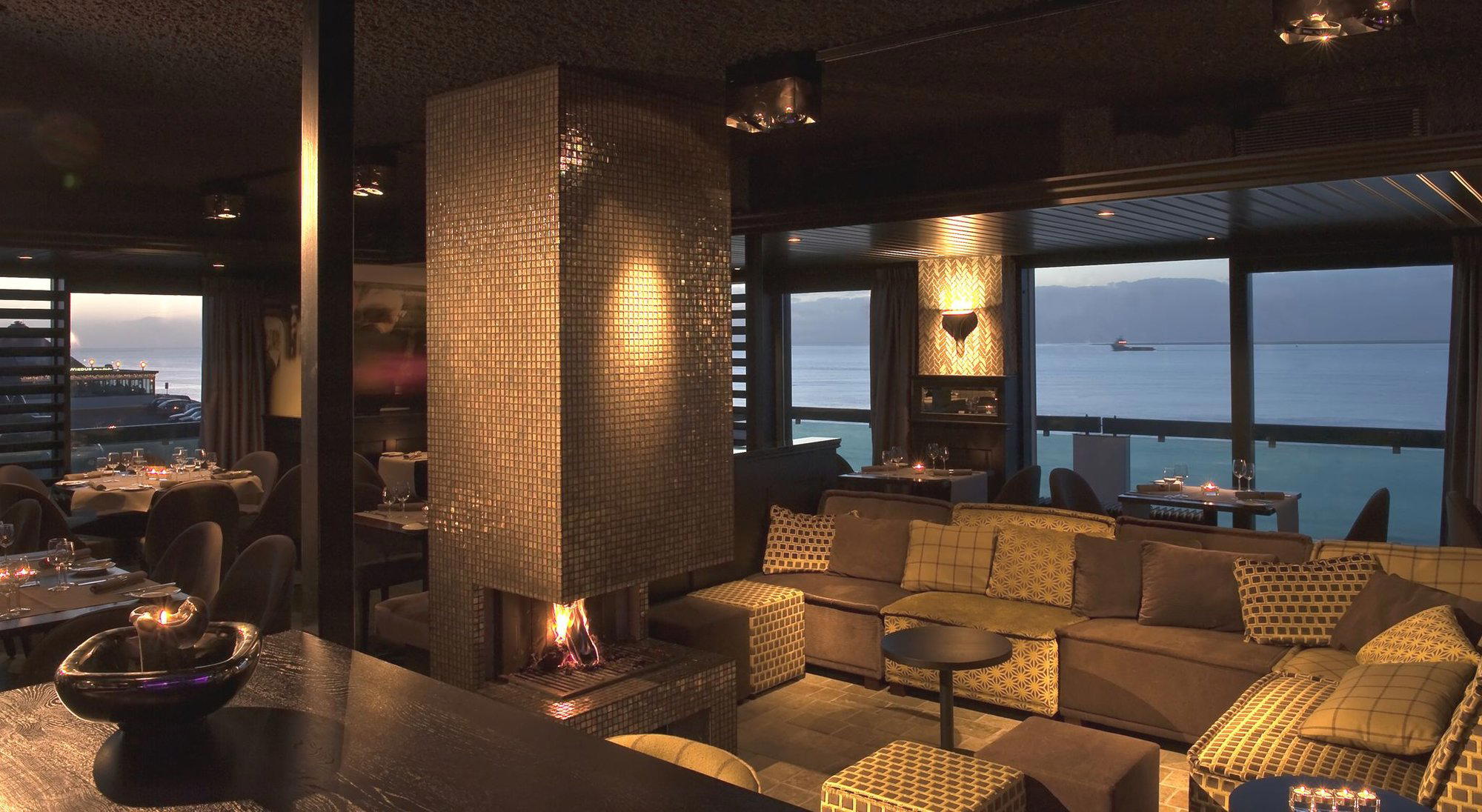
Serene and sophisticated with natural materials, soft lighting, and peaceful garden views; intimate dining spaces with wine pairings and attentive service.