Central Park





1 Michelin Star · Star Wine List · Relais Chateaux Award
Our verdict
Central Park Voorburg elevates Dutch fine dining within an 18th-century manor house, where Michelin-starred chefs Tim Bood and Hette Hettema craft modern French cuisine using seasonal, local ingredients. This Relais & Châteaux property combines historic grandeur with contemporary gastronomy in the charming suburbs near The Hague.

Pearl is the En Primeur Club membership app, where members save venues, book tables and use the concierge.
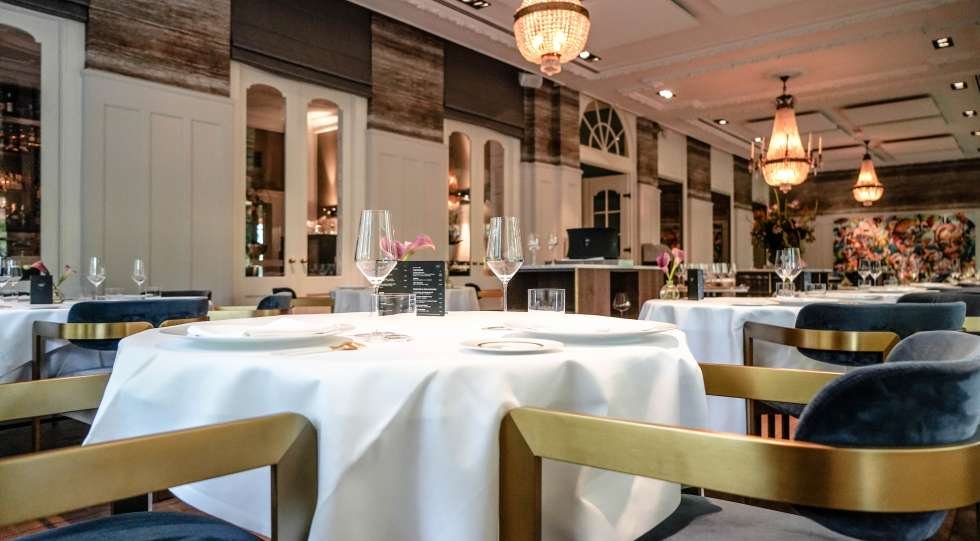
A Monument That Earns Its Setting
Approaching Oosteinde 14, the building announces itself before the food does. Central Park occupies a stately national monument in Voorburg, one of The Hague's quieter suburban municipalities, where the pace slows and the architecture speaks in full sentences rather than fragments. The surrounding grounds extend generously around the property, giving it the proportions of a country estate while remaining within easy reach of the city. This kind of address, a protected historic structure with open space on all sides, is rare at the one-Michelin-star tier in the Dutch market, where comparable kitchens more often operate from compact urban premises.
That setting shapes the experience before a single dish arrives. The atmosphere reads as chic without being cold, traditional without museum-piece stiffness. Dining rooms in listed buildings carry inherent risk: the architecture can dominate the evening to the point where the food becomes a supporting act. Here the calibration works, with the space and the cooking maintaining roughly equal claim on your attention.
Where Central Park Sits in the Dutch Fine Dining Picture
The Netherlands has developed one of continental Europe's more concentrated clusters of high-end kitchens relative to its size. At the upper end, De Librije in Zwolle operates at three Michelin stars, while two-star houses including 't Nonnetje in Harderwijk, De Lindehof in Nuenen, and De Nieuwe Winkel in Nijmegen represent the country's appetite for creative, produce-driven cooking at serious price points. Central Park holds one Michelin star as of 2024, placing it in the tier below that cohort, but its pricing at the €€€€ level signals that the kitchen is not hedging toward casual. The proposition is fine dining, delivered in a setting with significant hospitality infrastructure, including an attached hotel that positions the evening as a destination rather than a dinner reservation.
In the South Holland region, the immediate competitive reference points are different from what you encounter in Amsterdam or Rotterdam. Parkheuvel in Rotterdam and Ciel Bleu in Amsterdam operate from urban rooms with city-view drama and correspondingly metropolitan energy. Central Park's appeal runs in the opposite direction: the grounds replace the skyline, and the suburb's quiet replaces ambient urban noise. For diners coming from The Hague or its surrounding municipalities, that distinction matters.
The Cooking: Classical Architecture, Deliberate Technique
The kitchen works within what Michelin's assessors described as coherent, classical cooking, grounded in traditional technique. The framework is not the kind of aggressively foraged or radically plant-forward approach that characterises houses like De Nieuwe Winkel or the naturalist direction at Brut172 in Reijmerstok. Instead, the kitchen builds on classical foundations and introduces contemporary articulation through ingredient combinations and textural contrast rather than through format disruption.
Intense sauces are a recurring structural element in the plates. In French-rooted fine dining, sauce work functions as the primary evidence of a kitchen's technical depth. Reductions, jus, and nage are time-consuming and technically demanding, and they tend to reveal the kitchen's confidence in classical training more directly than almost any other preparation. The emphasis here on that dimension of cooking tells you something about the house's priorities. This is not a kitchen trying to do everything at once. It has identified a specific set of techniques and executes them with consistency, which is itself a considered editorial statement.
The sourcing follows a similar logic. Turbot, the flatfish that appears in Michelin assessor notes for the kitchen, comes from waters that most Dutch fine dining kitchens draw on, given the country's direct access to North Sea catch. Mussel nage, the broth-based preparation noted alongside turbot on the plate, is a preparation that requires both quality shellfish and careful extraction. In the Netherlands, mussels from the Zeeland region carry a specific character, and their use in a refined nage format is consistent with the kind of regional ingredient framing that one-star kitchens across the country have sharpened in recent years. For broader context on how Dutch kitchens working near the coast handle shellfish sourcing, Inter Scaldes in Kruiningen and De Bokkedoorns in Overveen offer useful points of comparison within the same pricing bracket.
Duck, paired with beetroot, blackberries, and a sherry-inflected jus, represents the land-based anchor of the menu described in assessor notes. The combination of earthy root vegetable sweetness, acidic fresh fruit, and a sweet-savory reduction is a technique that draws on Franco-Belgian classical roots while allowing seasonal produce to drive the expression. The foie gras element in that preparation places the kitchen within a traditional French fine dining vocabulary rather than a contemporary naturalist or local-only framework. That is a positioning choice. Kitchens that use foie gras at this price point in 2024 are making an implicit statement about their reference culture, one that prioritises classical French discipline over ingredient-politics progressivism, and Central Park makes it without apparent apology.
Wine, Service, and the Hotel Dimension
The wine and champagne selection has been noted as a particular strength by assessors who reviewed the property. At the €€€€ price tier, a thorough cellar is expected, but the depth and curation appear to exceed baseline expectation for a one-star suburban property. For diners accustomed to the wine programming at Aan de Poel in Amstelveen or the selection at De Lindenhof in Giethoorn, the offer here warrants attention rather than assumption.
Service is described as attentive without tipping into formality as a performance. That register, present but not theatrical, tends to suit the kind of occasion Central Park attracts: milestone dinners, extended business meals, or the sort of occasion where the guests want to be looked after without being made to feel like they are being managed. The tone is consistent with the suburban-monument setting: composed, assured, without urban velocity.
The hotel component is a genuine structural advantage. At comparable one-star restaurants across the Netherlands, overnight stays are rarely part of the proposition. At Central Park, the hotel extends the evening and removes the logistics question around wine consumption and late-evening travel back to The Hague or further afield. For diners travelling from outside the immediate area, or for those who want to hold the evening open without a fixed endpoint, the room option changes the calculus. Our full Voorburg hotels guide covers the wider accommodation picture for the area.
Planning Your Visit
Central Park operates Tuesday through Saturday for both lunch (12:00 to 14:30) and dinner (18:00 to 21:00), and is open for the same service pattern on Monday as well. Sunday is closed. Lunch at a one-Michelin-star restaurant at this price point is worth noting as an access point: the format tends to be shorter and occasionally more modestly priced than the full dinner proposition, and midweek lunch in particular offers a quieter register than weekend evenings. The kitchen closes annually in mid-July (from 14 July to 28 July in 2025) and again between late December and early January (27 December 2025 to 5 January 2026), so timing a visit around those windows requires planning if dates are already fixed.
Voorburg is served by tram and rail connections from The Hague, making the village accessible without a car, though the grounds and setting reward arriving with enough time to take stock of the surroundings before sitting down. The address on Oosteinde places the restaurant within the older, more architecturally preserved part of the village.
For the broader Voorburg picture, including dining alternatives at different price points and format types, our full Voorburg restaurants guide is the starting point. The immediately adjacent fine dining option in town is Villa la Ruche, which operates in the Modern French register at the same price tier and provides a useful point of comparison if the decision between two €€€€ properties becomes relevant. Additional local context across bars, wineries, and experiences is covered in our Voorburg bars guide, Voorburg wineries guide, and Voorburg experiences guide.
For a suburban property without the ambient profile of an Amsterdam or Rotterdam address, that signal is meaningful.
Frequently asked questions
What days is Central Park closed?
Hours at Central Park: Monday 12 PM-2:30 PM 6 PM-9 PM Tuesday 12 PM-2:30 PM 6 PM-9 PM Wednesday 12 PM-2:30 PM 6 PM-9 PM Thursday 12 PM-2:30 PM 6 PM-9 PM Friday 12 PM-2:30 PM 6 PM-9 PM Saturday 12 PM-2:30 PM 6 PM-9 PM Sunday closed.
Is Central Park award-winning?
Central Park has received recognition including: to 28/07/2025: hotel and restaurant(s) from 27/12/2025….
What's the must-try dish at Central Park?
Michelin assessors specifically noted the duck cooked on the carcass, paired with beetroot, fresh blackberries, foie gras, and a sherry-inflected jus. That combination captures the kitchen's approach at the €€€€ tier: classical architecture with deliberate layering of earthy, sweet, and acidic elements. The grilled turbot with carrot textures, mussels, and mussel nage was also cited as representative of the cooking style.
Side-by-Side Snapshot
| Venue | Cuisine | Price | Awards | Notes |
|---|---|---|---|---|
| Central ParkThis venue (the venue you are viewing) | Modern French Fine Dining | $50–100 | 1 Michelin Star · Star Wine List | Not listed |
| De Librije | Modern Dutch Fine Dining | $200–300 | 3 Michelin Stars · World's 50 Best #46 | Modern Cuisine |
| Aan de Poel | Modern French Fine Dining | $150–200 | 2 Michelin Stars · La Liste Top Restaurants | Creative |
| De Lindehof | Contemporary Dutch, Creative | Not listed | Michelin 2 Star | Not listed |
| Fred | Modern French Fine Dining | $200–300 | 2 Michelin Stars · La Liste Top Restaurants | Creative French |
| De Nieuwe Winkel | Botanical Fine Dining | $300–500 | 2 Michelin Stars · La Liste Top Restaurants | Organic |
Recognition history
Dated appearances from independent guides and award organizations, with the underlying list record or original source where available.
Michelin 1 Star
Michelin
Star Wine List
Star Wine List
Relais Chateaux Award
Relais Chateaux
Wine Spectator Best of Award of Excellence
Wine Spectator
We're Smart World 1 Radish
We're Smart World
Full recognition history (8 entries)
Star Wine List
Star Wine List
Michelin 1 Star
Michelin
Star Wine List
Star Wine List
Continue exploring
More in Voorburg
Restaurants in Voorburg
All restaurants in Voorburg →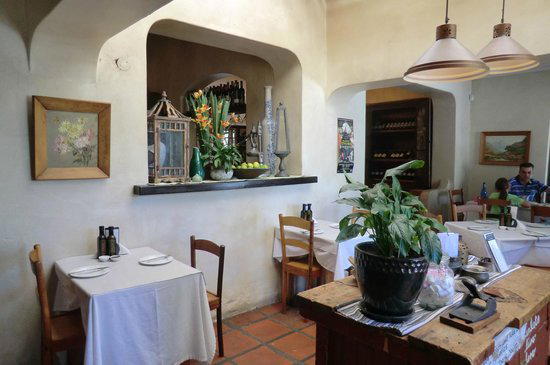
Bars in Voorburg
Browse all →
Hotels in Voorburg
All hotels in Voorburg →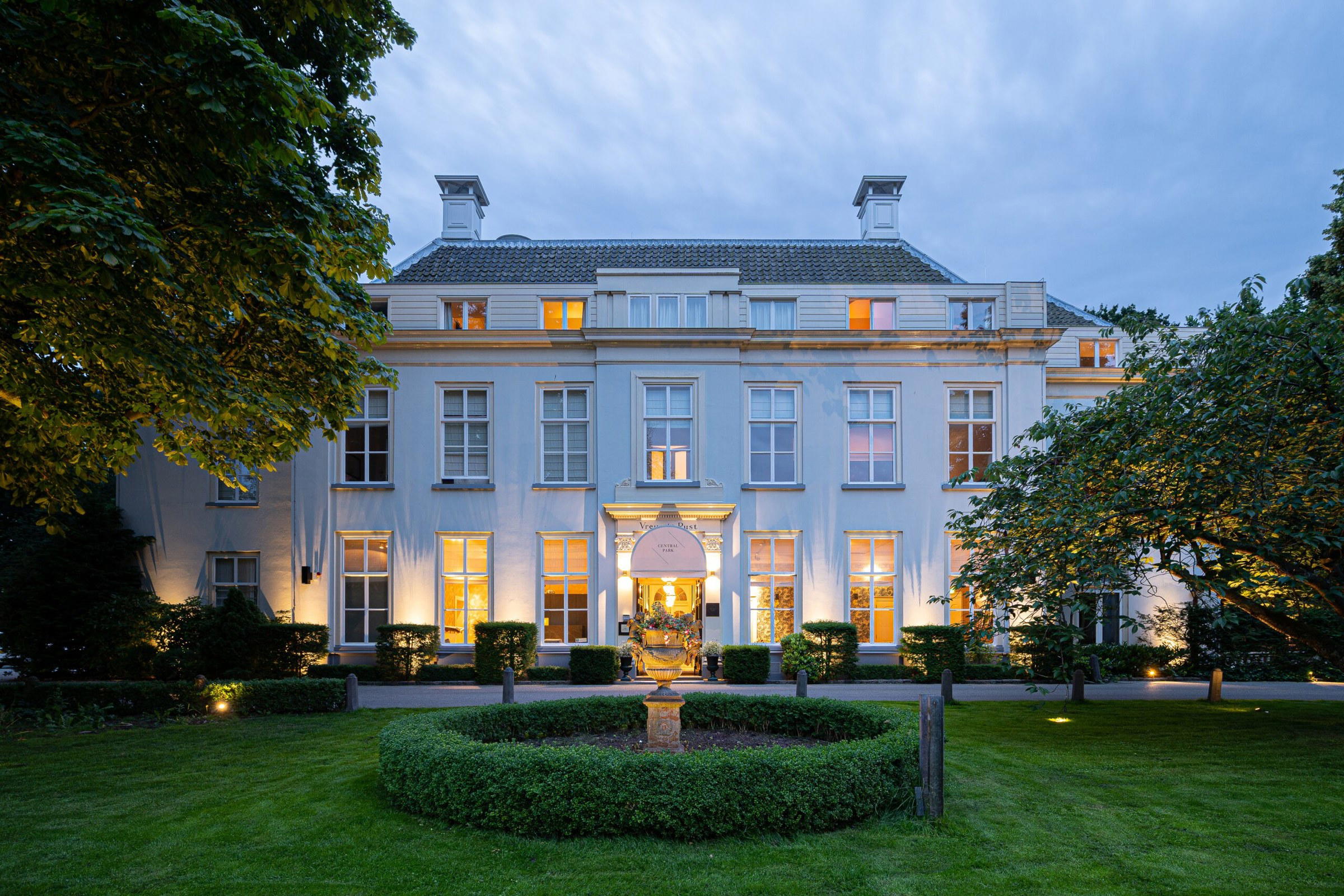
Wineries in Voorburg
Browse all →
Central Park
The wine
Central Park holds the Wine Spectator Best of Award of Excellence, which Wine Spectator gives to lists of usually 350 or more selections.
- Wine Spectator
- Wine Spectator Best of Award of Excellence
- Extensive wine list
Details
- Elegant
- Scenic
- Intimate
- Sophisticated
- Date Night
- Special Occasion
- Business Dinner
- Historic Building
- Terrace
- Garden
- Extensive Wine List
- Local Sourcing
- Garden
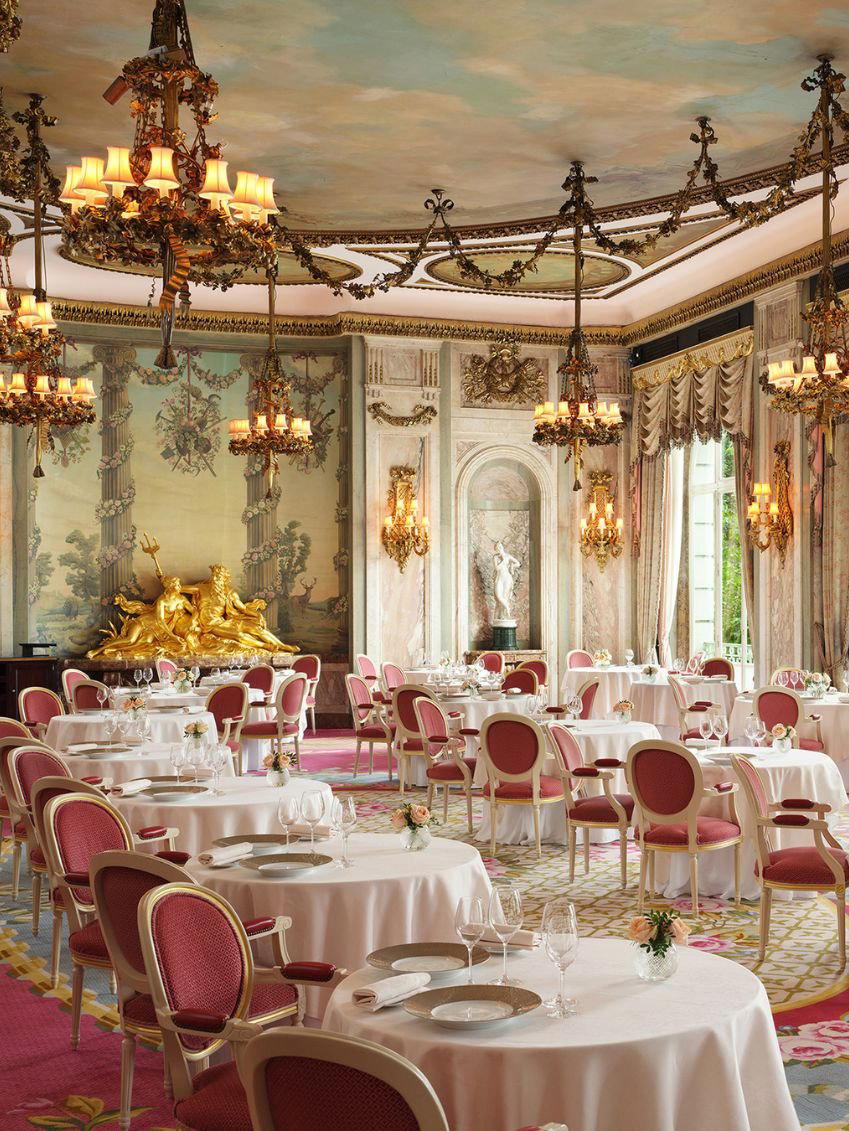
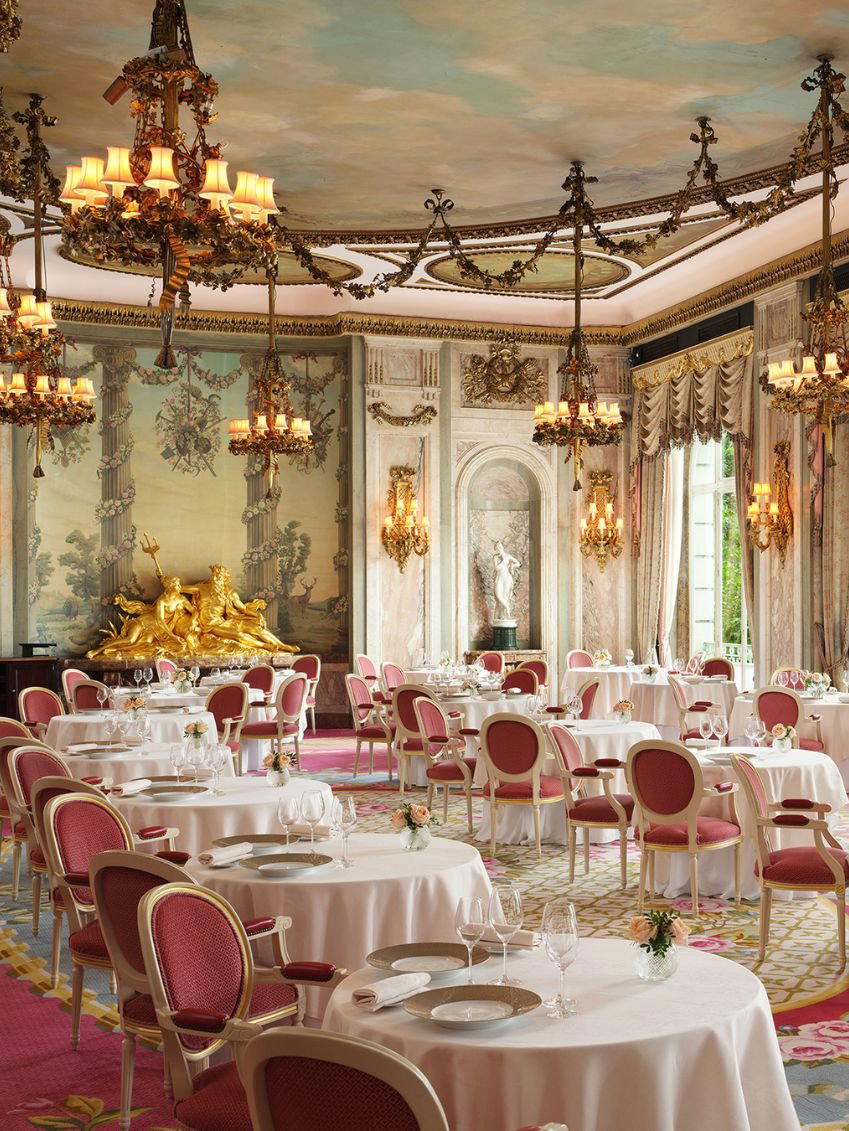
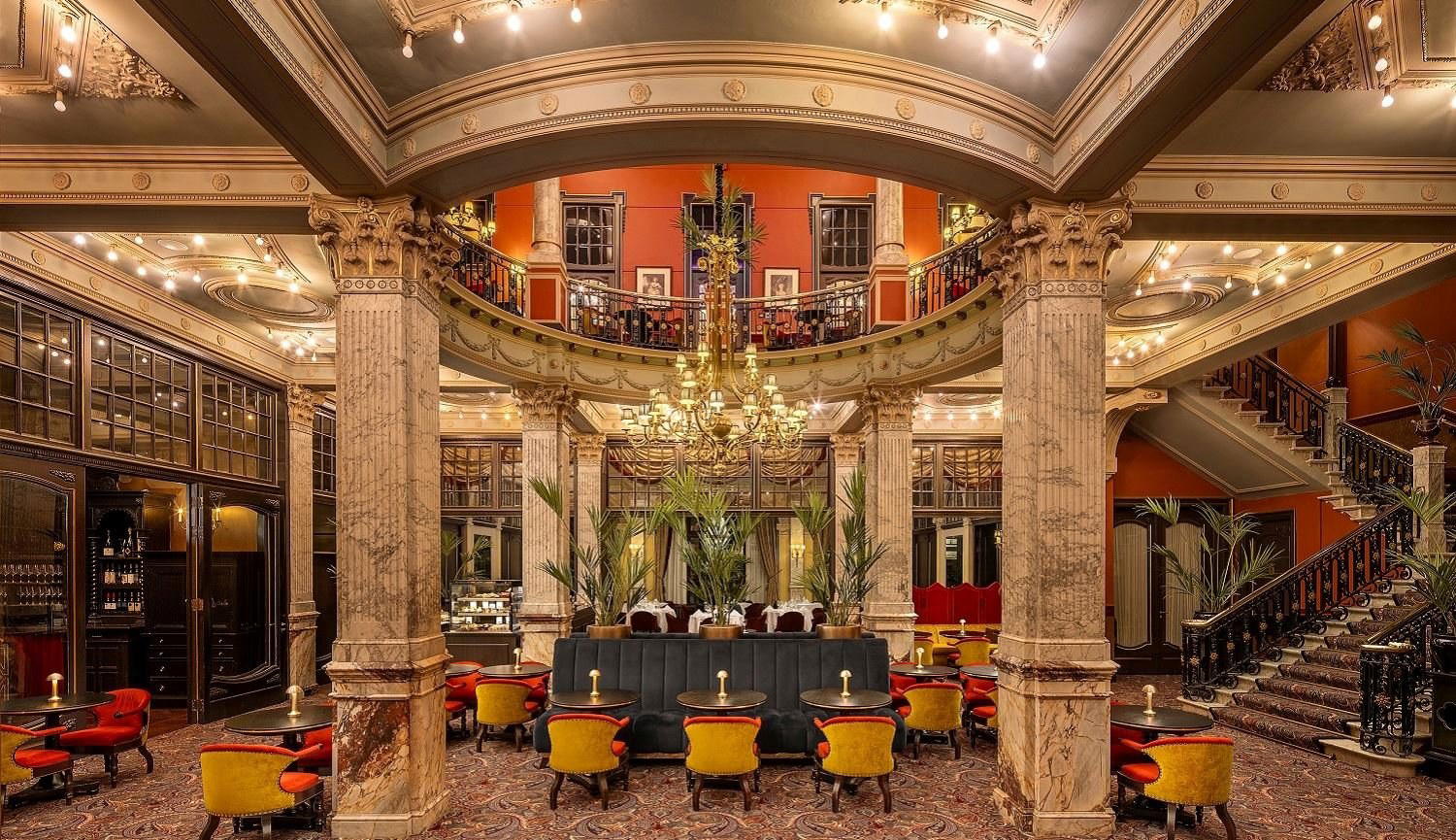
Grand ballroom dining room with crystal chandeliers, bright natural light from large windows, and serene park views creating a peaceful, elegant atmosphere.