Bowie

Star Wine List
A corner wine bar in The Hague's residential Regentesse neighbourhood, Bowie draws those willing to step outside the city centre's well-trodden wine circuit. The styling is considered, the atmosphere relaxed, and the drinks programme positions it as a neighbourhood counterpoint to the more formal central options. For those who know The Hague's bar scene, it operates as a local benchmark rather than a tourist stop.

Pearl is the En Primeur Club membership app, where members save venues, book tables and use the concierge.
The Case for Leaving the City Centre
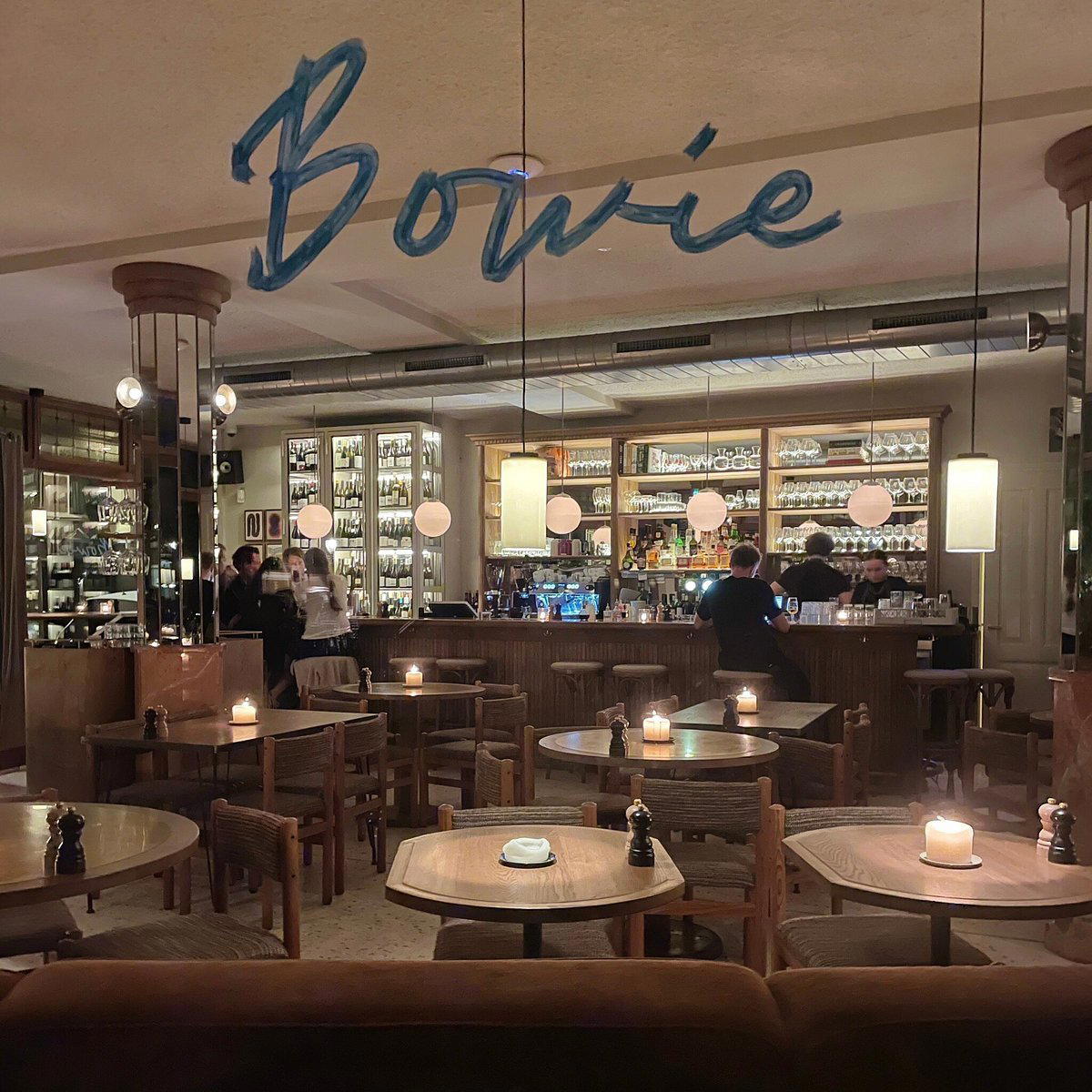
The Hague's wine bar concentration follows a familiar Dutch pattern: the better-known addresses cluster around the centre, visible to visitors, easy to recommend, direct to book. Bowie, on the corner of Regentesselaan in the Regentesse district, belongs to that tier. Getting there requires a deliberate choice to move away from the gravitational pull of the centre, which is precisely why the crowd inside tends to know what they came for.
The neighbourhood itself sets the tone before you reach the door. Regentesse is residential in character, the kind of area where a well-run corner bar becomes genuinely embedded in daily life rather than operating as a destination that floats above its surroundings. That context matters for understanding what Bowie is and what it is not. It is not competing with the polished wine-forward rooms like Marius Wijncafé or Vivre for the same city-centre diner. It occupies a different position: the bar that a certain kind of regular has already claimed.
Corner Geometry and the Logic of the Room
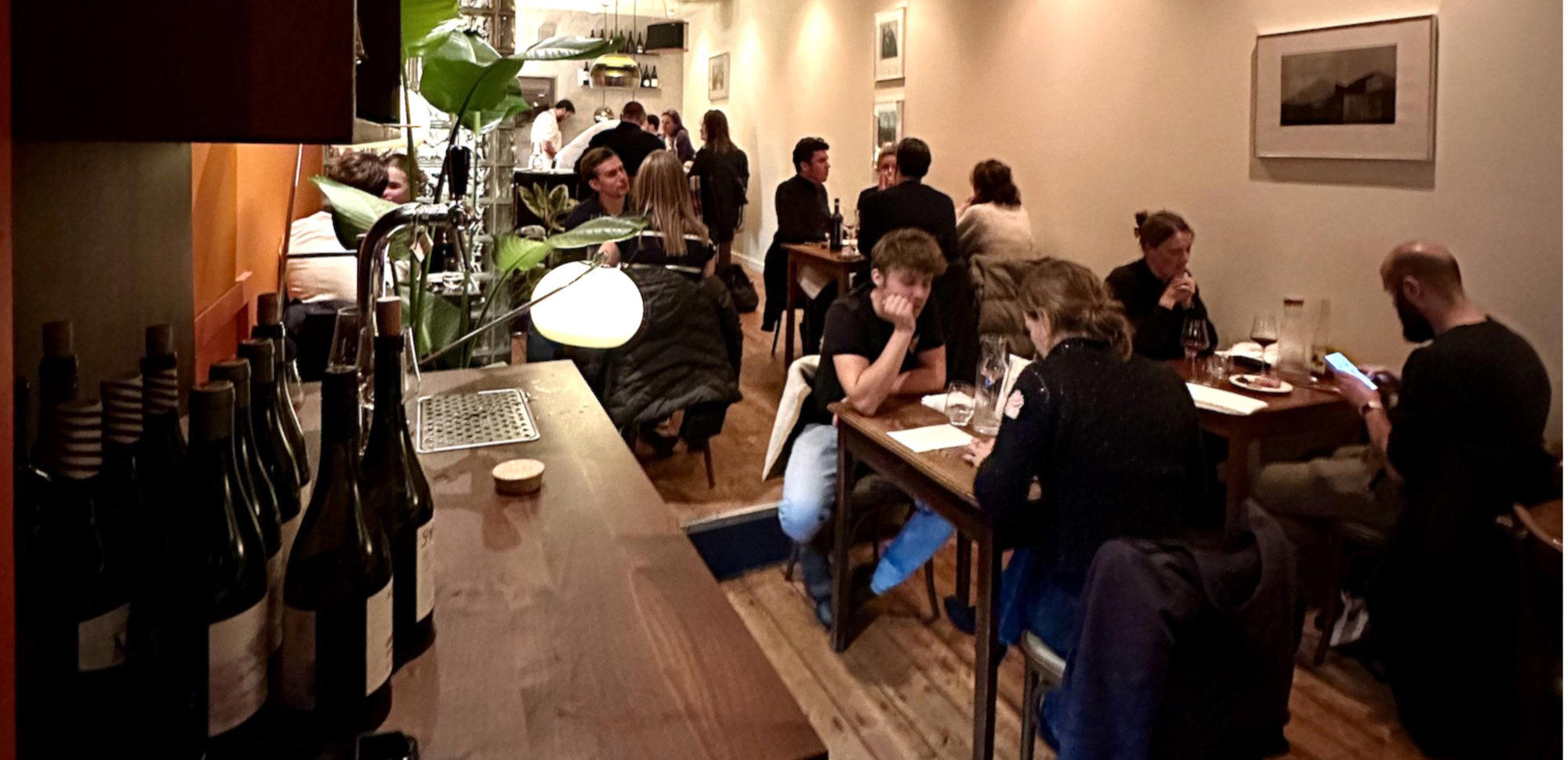
Corner bars carry an inherent spatial advantage that straight-frontage venues rarely match. The angled approach means the room opens from multiple sightlines, and the intersection position gives it a social anchor in the neighbourhood streetscape. At Regentesselaan 24A, that geometry is part of the bar's identity. Bowie's styling has been described as marvellous in the context of neighbourhood wine bars, which in The Hague's residential districts signals something more carefully considered than the functional interiors that serve most local bars in the Netherlands.
The styling of a neighbourhood wine bar in this context does specific work. It signals to a local audience that this is a place worth slowing down in, that the selection has been curated rather than defaulted, and that the atmosphere is something other than transactional. Dutch bar culture, particularly in cities like The Hague, Rotterdam, and Utrecht, has developed a strong neighbourhood bar tradition that runs parallel to the higher-profile central venues.
The Drinks Programme in a Neighbourhood Frame
Wine-focused neighbourhood bars in the Netherlands have moved in a consistent direction over the past decade: smaller, more considered selections with a bias toward natural and low-intervention producers, often paired with a short list of well-sourced spirits and a simple food offering. The bars that earn sustained local loyalty in this format tend to succeed through consistency in what they put on the list. The question the bar's selection answers is whether the person choosing the wine knows something the customer does not, and whether that knowledge translates into a glass worth returning for.
In the context of The Hague's broader bar circuit, Bowie occupies the position that regulars use as a baseline rather than an occasion. That is a different and in some ways more demanding brief than the destination wine bar, which can rely on reputation and occasion-driven visits to fill seats. A neighbourhood bar earns its position through consistency and through the sense that the people running it have genuine investment in what they are serving.
For a sense of how neighbourhood bar programming looks elsewhere in the Netherlands, Florin Utrecht in Utrecht and Café Barolo in Eindhoven operate on a comparable model: locally embedded and selection-led. The same logic applies in smaller Dutch cities, where places like Brasserie Lalou in Delft and Café Lily in Groningen serve a similar function for their respective local circuits.
Where Bowie Sits in The Hague's Bar Hierarchy
The Hague does not have Amsterdam's density of high-profile cocktail and wine bars, but it has developed a more layered local scene than its reputation among outsiders suggests. The city's bar culture separates roughly into the centre-facing venues that attract visitors and professionals on expense, and the neighbourhood addresses that serve the people who actually live there. Bowie lands clearly in the second category, and that positioning is not a limitation: it is the specific quality that makes it worth the detour.
For comparison: Amsterdam's technically ambitious cocktail rooms like Door 74 operate on a high-visibility, destination-driven model. Bowie's appeal is more localised and more dependent on the relationship between the bar and its immediate community. Both models produce good bars; they produce them differently, and for different reasons. The neighbourhood bar that earns its reputation quietly over time is, in many respects, the harder thing to pull off.
Bars with comparable positioning in other contexts include Boode Foodbar in Bathmen and Het Witte Paard in Etten-Leur, both of which demonstrate how a well-run neighbourhood venue can become a local reference without scaling toward the destination model. Further afield, Bar Leather Apron in Honolulu shows what rigorous programming looks like at the opposite end of the formality spectrum. And in Rotterdam, the coffee-forward approach of Espressobar Kopi Soesoe illustrates how neighbourhood beverage programmes build loyalty through specificity rather than breadth.
Planning a Visit
Bowie is at Regentesselaan 24A in the Regentesse district, a tram or short taxi ride from the city centre. The address is residential, and arriving by public transport is the natural approach for anyone coming from central Den Haag. Given its neighbourhood position, it functions well as either a first stop before heading into the centre or, more logically, as a destination in its own right for anyone spending time in the surrounding streets.
In Context: Similar Options
Comparable venues nearby, for context on price, style, and recognition.
| Venue | Cuisine | Price | Awards | Notes |
|---|---|---|---|---|
| BowieThis venue (the venue you are viewing) | wine_bar | Not listed | Star Wine List | Not listed |
| Marius Wijncafé | wine_bar | $30–50 | Star Wine List | Zeeheldenkwartier |
| Vivre | wine_bar | Not listed | Star Wine List | Binckhorst |
Recognition history
Dated appearances from independent guides and award organizations, with the underlying list record or original source where available.
Star Wine List
Star Wine List
Continue exploring
More in The Hague
Bars in The Hague
All bars in The Hague →
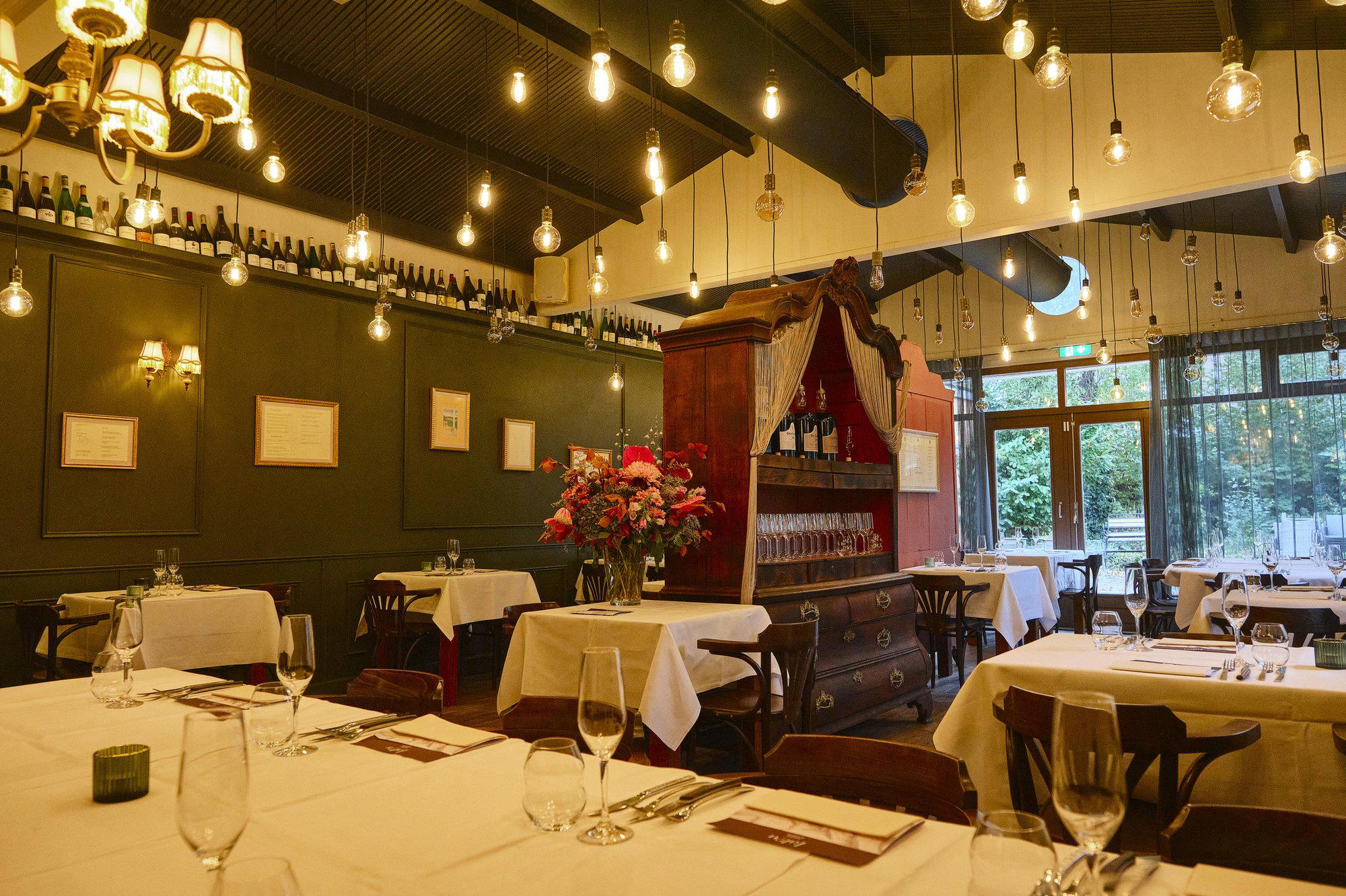
Restaurants in The Hague
All restaurants in The Hague →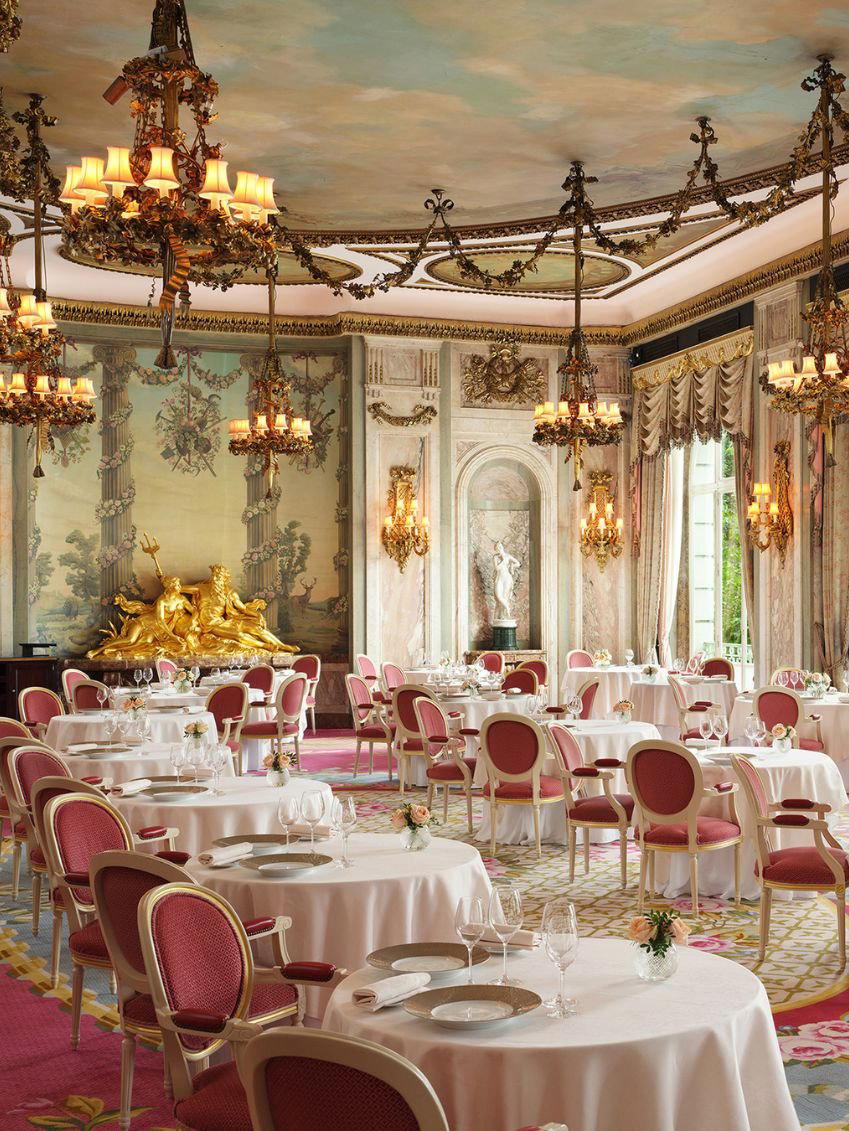
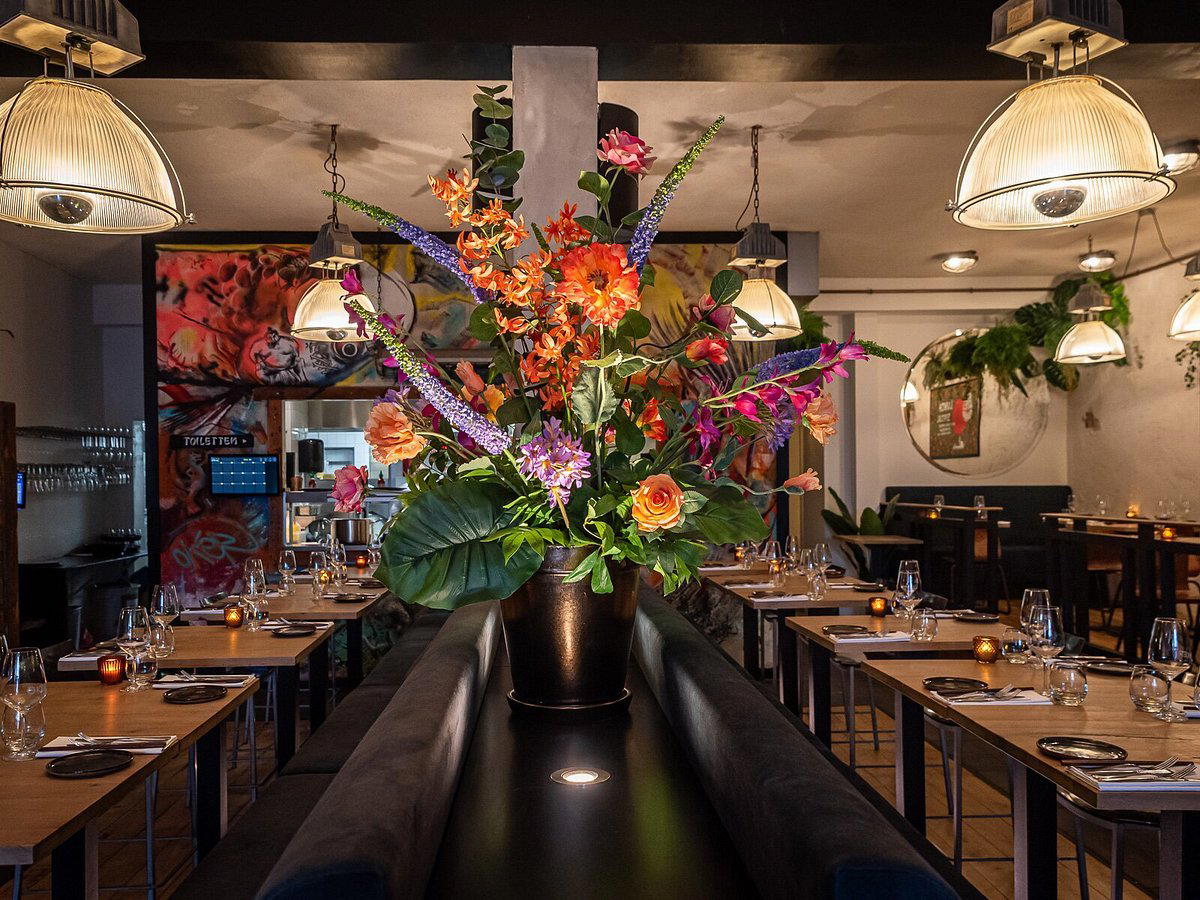
Hotels in The Hague
All hotels in The Hague →
Wineries in The Hague
All wineries in The Hague →
Details
- Cozy
- Trendy
- Date Night
- Casual Hangout
- Standalone
- Lounge Seating
- Outdoor Terrace
- Conventional Wine
Current opening hours
- Monday
- 9 AM–12 AM
- Tuesday
- 9 AM–12 AM
- Wednesday
- 9 AM–12 AM
- Thursday
- 9 AM–12 AM
- Friday
- 9 AM–1 AM
- Saturday
- 9 AM–1 AM
- Sunday
- 9 AM–12 AM
Hours can change for holidays and private events. Hours as of .
Cozy atmosphere with nice interior and terrace, always full but relaxed where everyone does their thing.