Piazzetta Milù




2 Michelin Stars · La Liste Top Restaurants · Falstaff Restaurant - 95 Falstaff Points
Our verdict
A two-Michelin-star address on the Neapolitan coast where the Izzo family runs both kitchen and floor with uncommon cohesion. Chef Maicol Izzo, winner of Michelin's Young Chef Award in 2024, builds a single long tasting menu that moves from a wine-cellar opening act to a dining room finale. La Liste placed it at 85.5 points in 2025, anchoring it firmly among southern Italy's most serious creative tables.

Pearl is the En Primeur Club membership app, where members save venues, book tables and use the concierge.
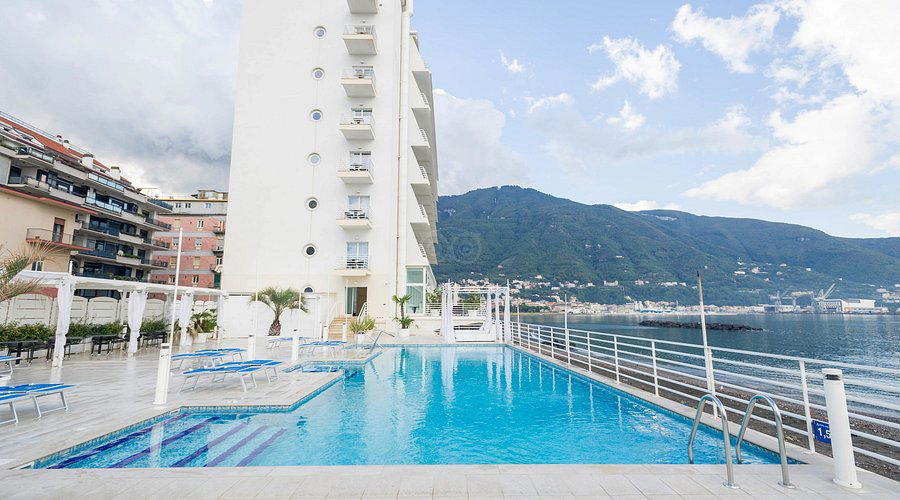
Where the Bay of Naples Meets Serious Creative Cooking
Castellammare di Stabia sits at the southern arc of the Bay of Naples, a city more associated with its ancient thermal springs and the shadow of Vesuvius than with fine dining destinations. That context matters: finding a two-Michelin-star kitchen here, on Corso Alcide de Gasperi rather than in Naples or along the Amalfi coast, is not an accident of geography so much as a statement about how Italy's serious creative restaurant tier has quietly spread beyond the usual northern anchors. Piazzetta Milù belongs to the same national conversation as Osteria Francescana in Modena, Enrico Bartolini in Milan, and Le Calandre in Rubano, even if the postcode suggests otherwise.
A Format Built Around Sequence and Surprise
The restaurant's format structures the meal as a deliberate sequence. Guests begin in the wine cellar, where the first courses arrive surrounded by an assembled collection chosen by Emanuele Izzo. The shift from cellar to dining room mid-meal is more than theatrical staging: it marks a change of register in both the food and the atmosphere, with a brief pass through the kitchen available on the way. This kind of staged-environment format has become shorthand in European fine dining for a kitchen confident enough to let the room do narrative work, and here it functions without feeling contrived.
The tasting menu is a single long format with no à la carte fallback. For visitors accustomed to Italian fine dining operating on looser, more à la carte terms, Piazzetta Milù's insistence on one extended surprise sequence puts it closer in philosophy to the approach taken at Reale in Castel di Sangro or Piazza Duomo in Alba than to the more flexible southern Italian dining tradition. That is a deliberate positioning choice.
The Chef's Training and What It Produces
Italy's two-star creative tier has historically been concentrated in the north, in regions with longer institutional ties to European haute cuisine training circuits. When a young southern Italian chef arrives at that level, the question is always which training lineage shaped the technique. Maicol Izzo's path through other kitchens before returning to run the family address produced a cooking style that sits at the intersection of absorbed technique and local instinct. His 2024 Michelin Young Chef Award, one of the more carefully considered single-chef distinctions the guide issues, recognised that synthesis rather than simply rewarding novelty.
The dishes that have drawn the most attention illustrate how that synthesis works in practice. A tagliolini constructed from cardoncelli mushrooms, finished with aged parmesan and white truffle, uses the grammar of a classic northern pasta course while replacing the pasta itself with a pressed mushroom preparation. A fake bread slice made from the same mushroom arrives to collect the residual sauce once the bowl is cleared. The technical point is not the trick itself but the proportion of thought behind it: the dish earns its conclusion. This kind of restrained wit, where technique serves the flavour logic rather than overriding it, characterises the cooking that has come to define Italy's better creative kitchens, from Atelier Moessmer Norbert Niederkofler in Brunico to Uliassi in Senigallia.
The broader Italian creative scene has moved in recent years toward what might be called disciplined imagination: fewer pyrotechnic departures from ingredient logic, more precision in how technique is deployed to extend rather than obscure what the produce already offers. Maicol Izzo's cooking lands squarely within that current. His background in multiple kitchens before returning home is a training pattern shared by a number of the chefs currently running Italy's most discussed creative tables, and it produces a particular kind of confidence: enough external reference to avoid provincialism, enough local rootedness to give the food a geographic identity.
The Family Operation and What It Adds
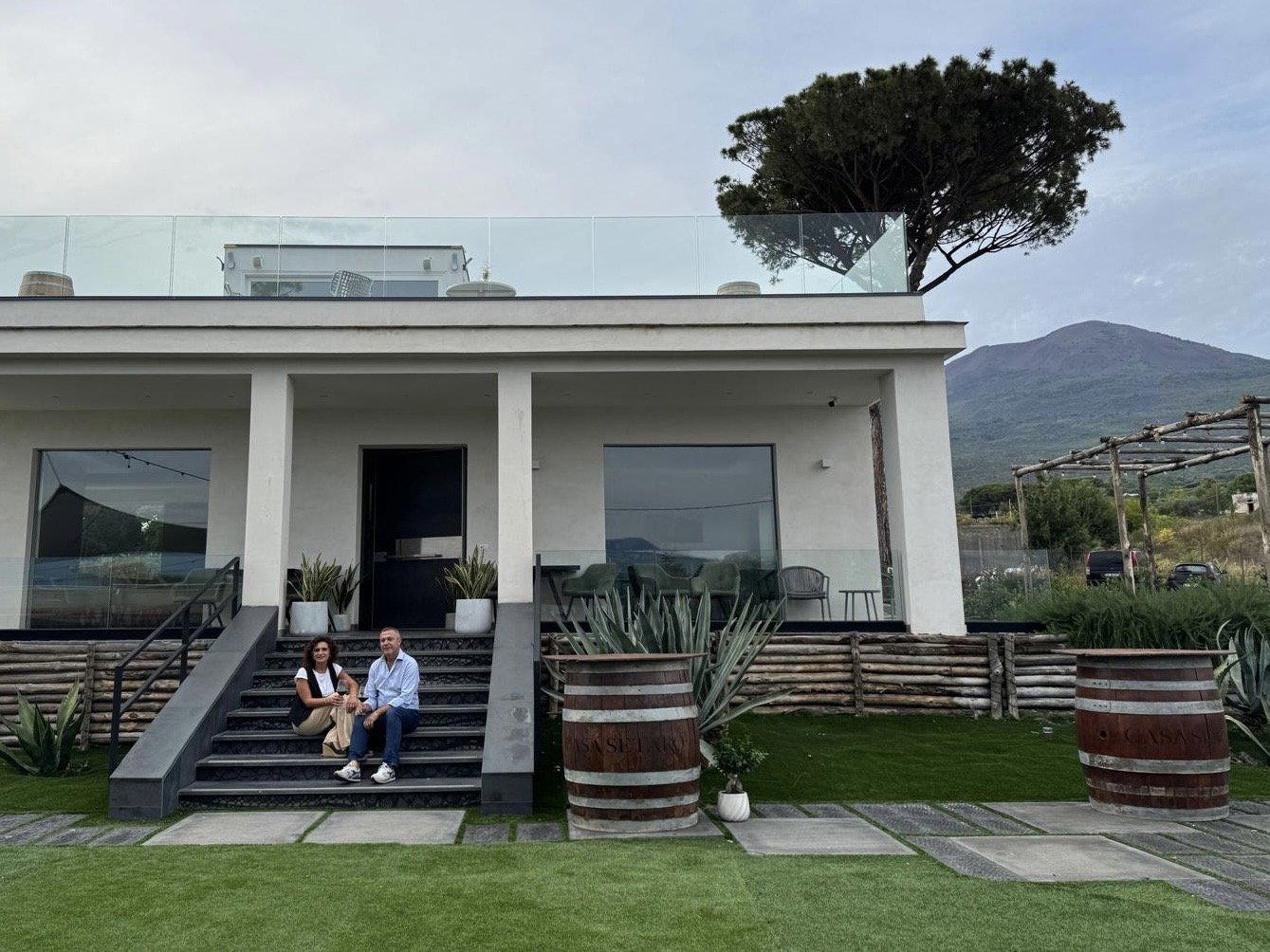
Izzo family structure running both kitchen and floor is less common at this level than it might appear. Most two-star operations in Europe separate the creative kitchen from the hospitality function, often bringing in professional front-of-house directors from outside the family or the local area. Here, Emanuele handles wine and floor alongside brother Valerio, while Maicol commands the kitchen. The result, according to those who have documented the experience, is a warmth of welcome that reads as genuine rather than scripted, a quality that is harder to manufacture at this price tier than many operators acknowledge.
Emanuele's wine selection, staged in the cellar as the meal's opening context, is part of the editorial argument the restaurant makes about itself: that the wine and food are conceived together rather than operating as parallel tracks. For guests who want to understand the local Campanian wine tradition alongside the cooking, this format provides more entry points than a conventional trolley service or by-the-glass list delivered to a seated table.
Where It Sits in the Regional Context
The Campanian coast has several serious addresses at or near this level. Quattro Passi in Marina del Cantone operates in the same price tier and draws on similar coastal proximity. What distinguishes the Castellammare di Stabia address is its position inside a working city rather than a resort town: the dining room is not servicing a hotel guest population or a summer-only visitor economy. That affects the kitchen's rhythm and the audience it builds over time.
Italy's creative restaurant tier has diversified geographically in the past decade. The long dominance of Modena, Milan, and the Piedmont axis has not collapsed, but it has been complicated by serious kitchens appearing in less expected locations. Dal Pescatore in Runate, Enoteca Pinchiorri in Florence, and Casa Perbellini 12 Apostoli in Verona each occupy specific niches within a now more distributed national picture. Piazzetta Milù is the most southerly serious creative address in that conversation, and its La Liste score of 85.5 points in 2025 (84 in 2026) places it in a peer group that includes addresses across France and other European creative capitals: Alléno Paris au Pavillon Ledoyen and JAN in Munich operate within the same international ranking tier.
Planning a Visit
Castellammare di Stabia sits roughly 30 kilometres south of Naples, reachable by the Circumvesuviana rail line from Naples Centrale, which makes it accessible without a car. For those building an extended itinerary around the bay, the city's location between Pompeii and Sorrento means a meal here can anchor a wider day rather than requiring a dedicated journey. The restaurant's price tier (€€€€) and two-star positioning mean advance booking is advisable, particularly on weekends and during the summer months when the Campanian coast sees higher visitor density. For wider context on what the city and surrounding area offer, our full Castellammare di Stabia restaurants guide, hotels guide, bars guide, wineries guide, and experiences guide cover the full picture.
Frequently asked questions
Does Piazzetta Milù work for a family meal?
At €€€€ pricing with a single extended tasting menu format, this is not a casual family dinner: it is a commitment of both budget and time, well suited to adults with a genuine interest in the cooking.
What's the vibe at Piazzetta Milù?
For a two-Michelin-star address in a city without Castellammare di Stabia's international dining profile, the atmosphere reads as warmer and less formal than the La Liste ranking (85.5 points in 2025) and price tier might suggest. The Izzo family's presence across both floor and kitchen produces a tone closer to a serious family-run trattoria that has grown into its ambitions than to the cooler, more choreographed hospitality of comparable urban addresses.
What should I order at Piazzetta Milù?
There is no ordering in the conventional sense: Maicol Izzo, whose 2024 Michelin Young Chef Award recognised his ability to synthesise broad kitchen training with local creative instinct, runs a single surprise tasting menu. The cardoncelli mushroom tagliolini with aged parmesan, white truffle, and its mushroom-bread conclusion has been specifically cited in the Michelin documentation as representative of the kitchen's approach, which makes it the most verifiable signal of what the menu delivers.
| Venue | Cuisine | Price | Awards | Notes |
|---|---|---|---|---|
| Piazzetta MilùThis venue (the venue you are viewing) | Modern Italian Fine Dining | Not listed | 2 Michelin Stars · La Liste Top Restaurants | Not listed |
| Atelier Moessmer Norbert Niederkofler | Modern Alpine Fine Dining | $300–500 | 3 Michelin Stars · World's 50 Best #20 | Italian, Creative |
| Dal Pescatore | Classic Italian Fine Dining | $200–300 | 3 Michelin Stars · World's 50 Best #38 | Italian, Italian Contemporary |
| Enoteca Pinchiorri | Contemporary Italian Fine Dining | $200–300 | 3 Michelin Stars · World's 50 Best #32 | Italian - French, Italian Contemporary |
| Enrico Bartolini | Modern Italian Fine Dining | $300–500 | 3 Michelin Stars · World's 50 Best #85 | Creative |
| Osteria Francescana | Avant-Garde Italian Contemporary | $300–500 | 3 Michelin Stars · World's 50 Best #1 | Progressive Italian, Creative |
Recognition history
Dated appearances from independent guides and award organizations, with the underlying list record or original source where available.
Michelin 2 Stars
Michelin
La Liste Top Restaurants
La Liste
Falstaff Restaurant - 95 Falstaff Points
Falstaff
Opinionated About Dining Newly Added European Restaurants
Opinionated About Dining
Full recognition history (8 entries)
Opinionated About Dining Top Restaurants in Europe Recommended
Opinionated About Dining
La Liste Top Restaurants
La Liste
Michelin 2 Stars
Michelin
Michelin 2 Stars
Michelin
Continue exploring
More in Castellammare di Stabia
Restaurants in Castellammare di Stabia
All restaurants in Castellammare di Stabia →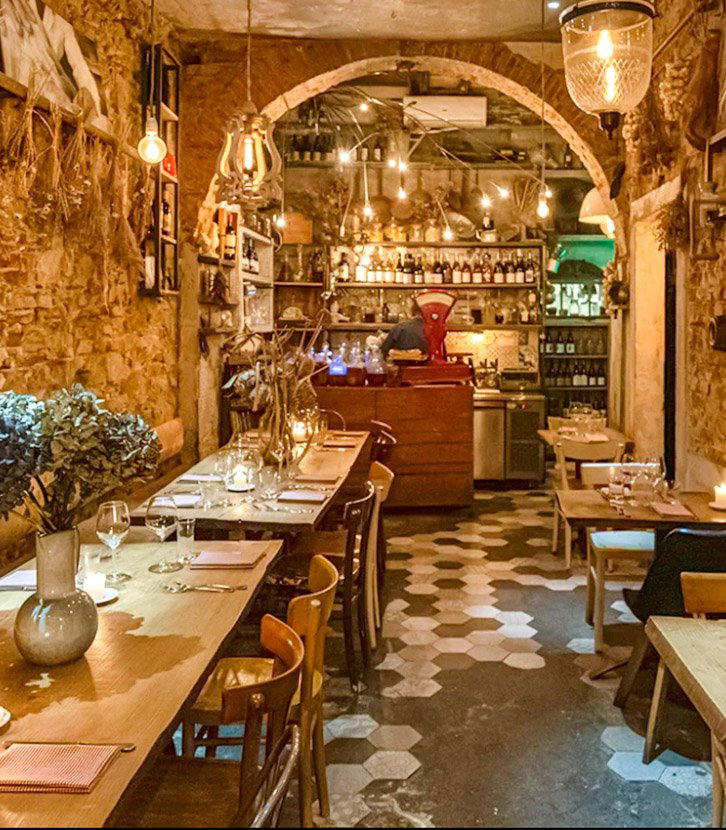
Bars in Castellammare di Stabia
Browse all →

Piazzetta Milù
The wine
- Wine program
- Deep wine list
- Extensive wine list
- Sommelier-led
Details
- Elegant
- Cozy
- Sophisticated
- Intimate
- Date Night
- Special Occasion
- Open Kitchen
- Extensive Wine List
- Sommelier Led
- Tasting Menu
- Vegetarian Friendly
Current opening hours
- Monday
- 1–2:30 p.m., 8–10:30 p.m.
- Tuesday
- 1–5 p.m., 8–10:30 p.m.
- Wednesday
- 1–5 p.m., 8–10:30 p.m.
- Thursday
- 1–5 p.m., 8–10:30 p.m.
- Friday
- 1–5 p.m., 8–10:30 p.m.
- Saturday
- 1–2:30 p.m., 8–10:30 p.m.
- Sunday
- 12:30–5 p.m.
Hours can change for holidays and private events. Hours as of .
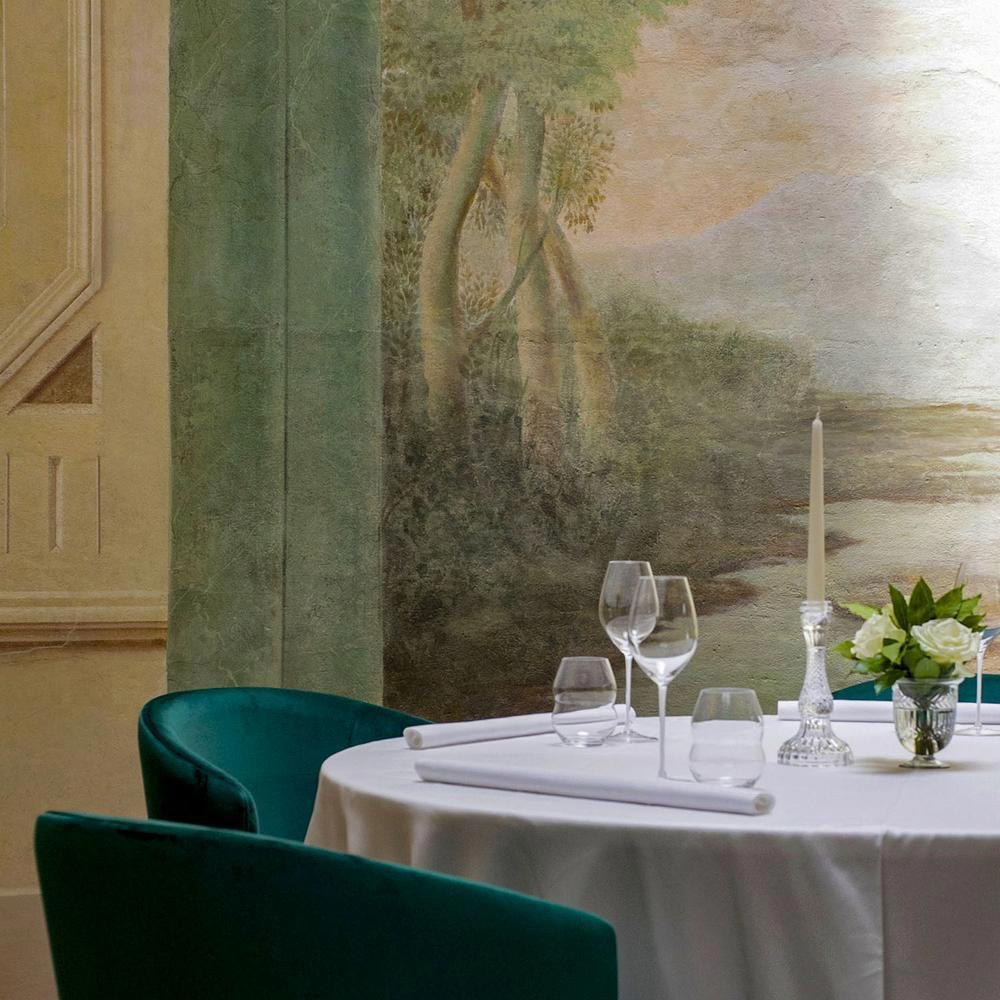
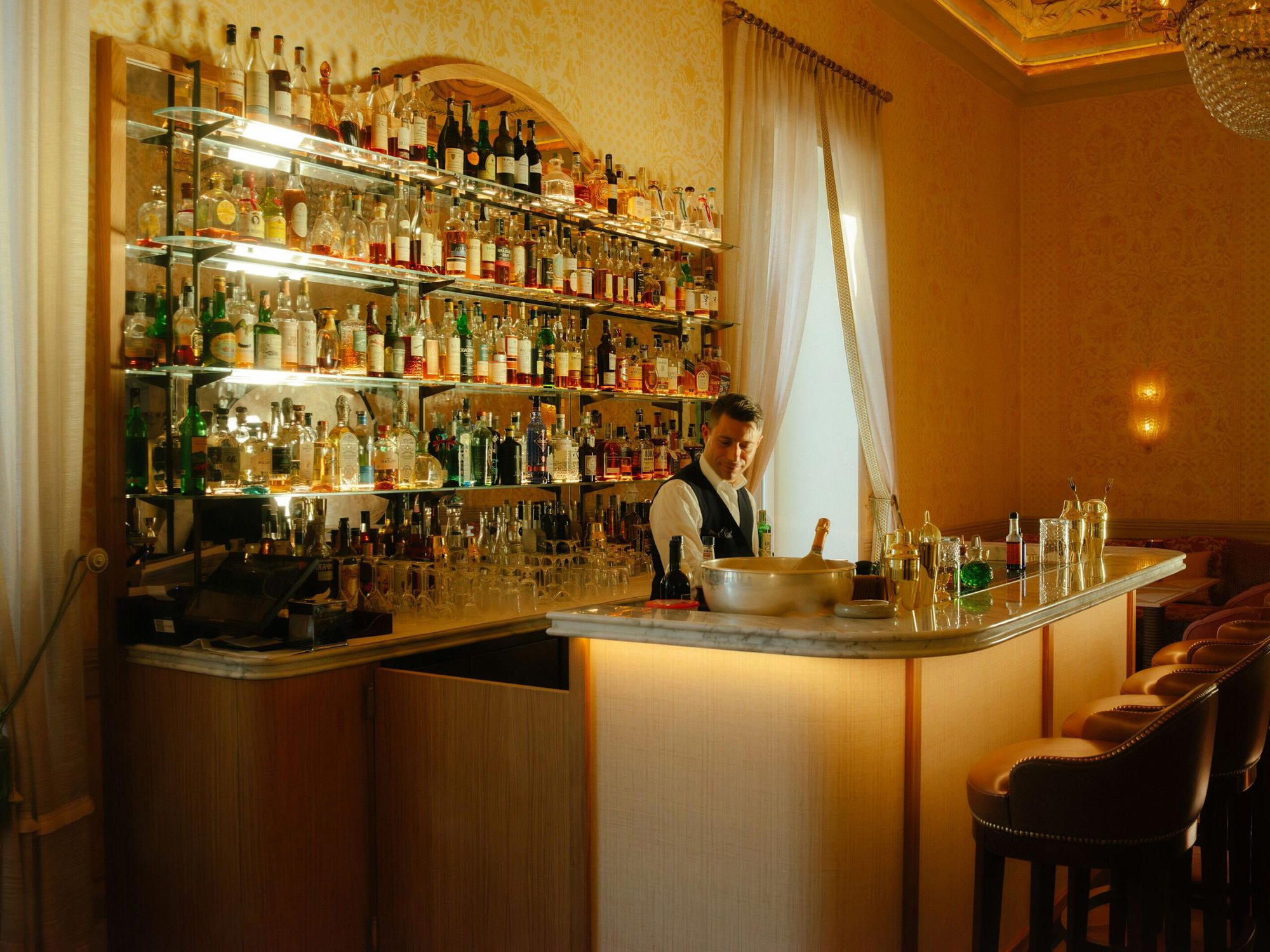
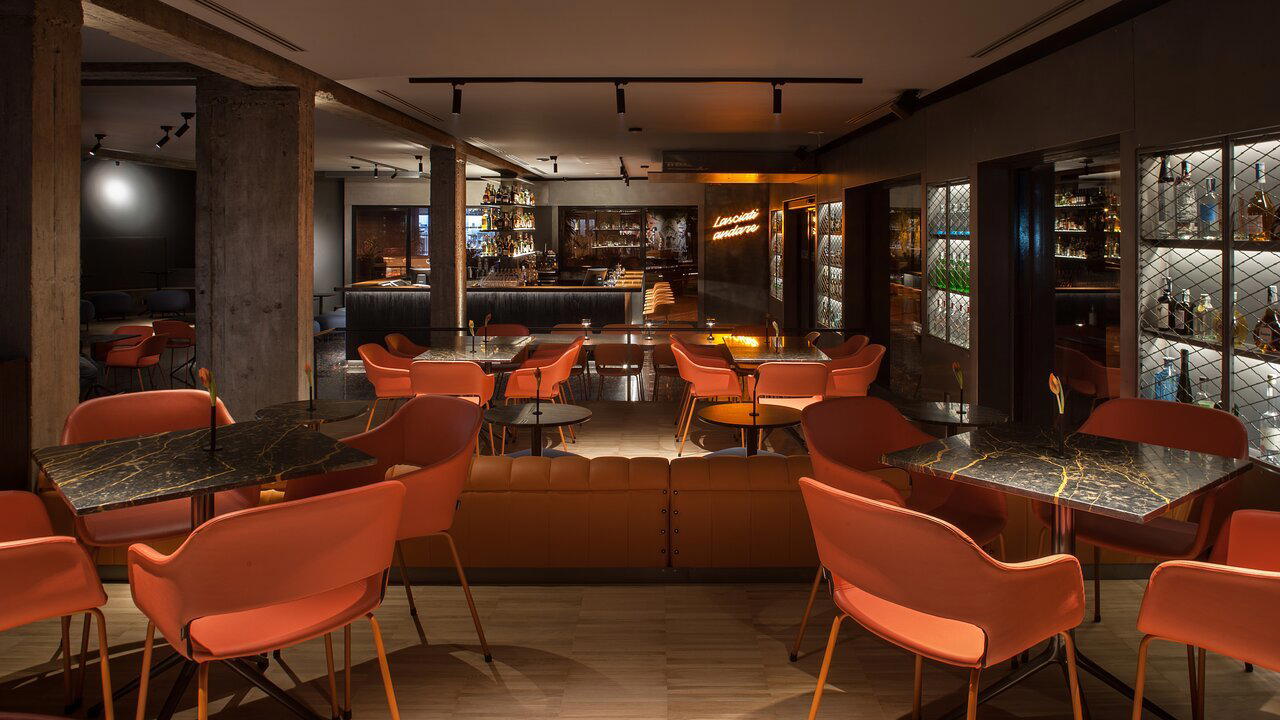
Inviting and elegant with candlelight dining, modern elegance blended with rustic charm, surrounded by an impressive wine bottle collection.