Don Alfonso 1890





1 Michelin Star · La Liste Top Restaurants · Relais Chateaux Award
Our verdict
On the ridge above the Sorrento Peninsula, Don Alfonso 1890 sits at the point where Neapolitan culinary tradition meets a family-run organic philosophy. Holding a Michelin Star, a Michelin Green Star, and a place on La Liste's top restaurant rankings, it draws serious diners for menus built around produce from its own kitchen garden at Punta Campanella. Relais & Châteaux guestrooms make it a natural overnight stop on the Amalfi coast circuit.

Pearl is the En Primeur Club membership app — saves, bookings, and concierge access live there. Same editors, same standards.
- Address
- Sant'Agata sui Due Golfi, Corso Sant'Agata, 11/13, 80061 Massa Lubrense NA, Italy
- Phone
- +39 081 878 0026
- Website
- donalfonso.com
- Directions
- Get directions
- Booking
- Book on TheFork
The menu
What to order
- Tuna belly alla puttanesca
- Nudes of ricotta and capon in nettles broth
- Lobster and buffalo mozzarella skewer
Between Two Gulfs: The Southern Italian Table at Its Most Grounded
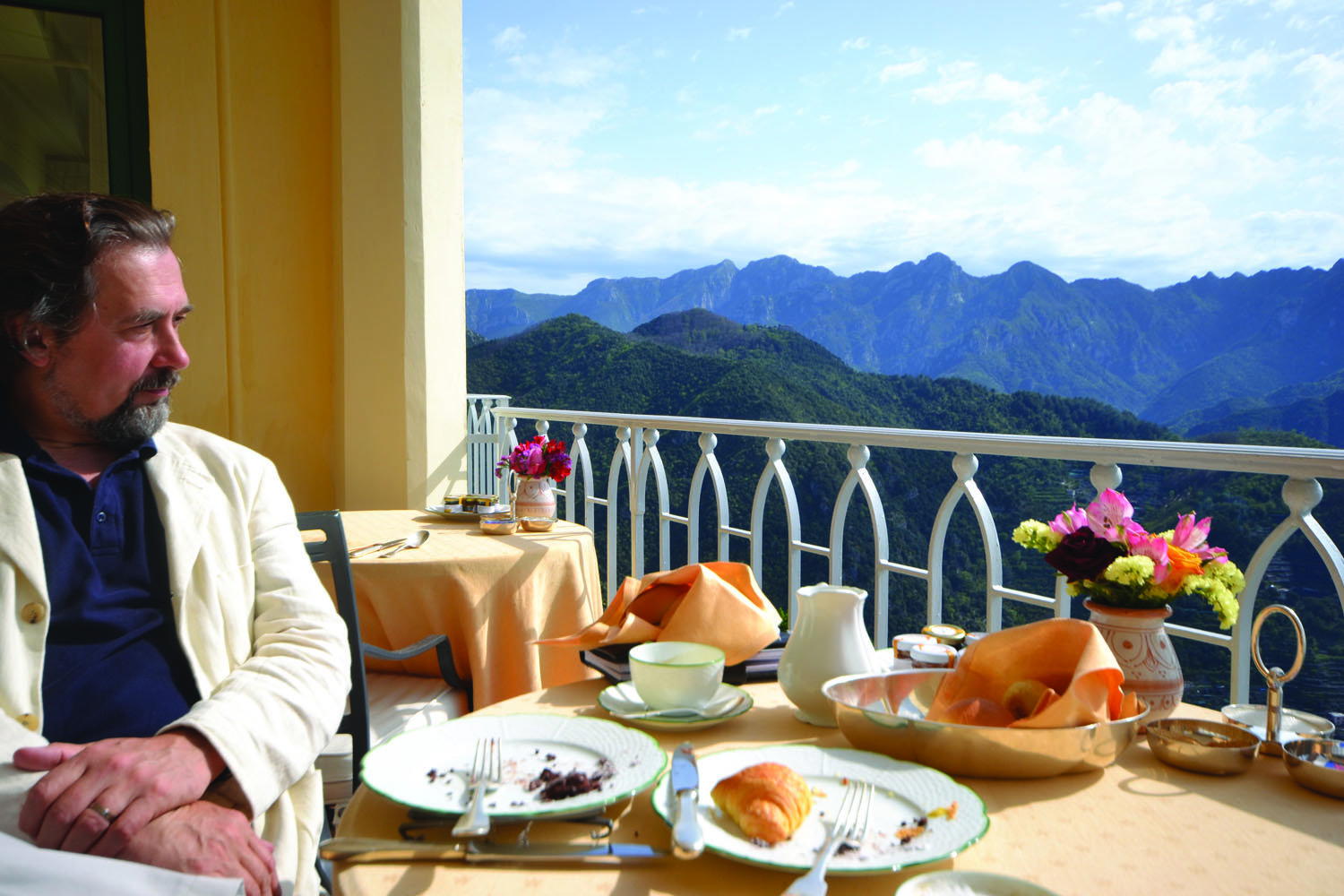
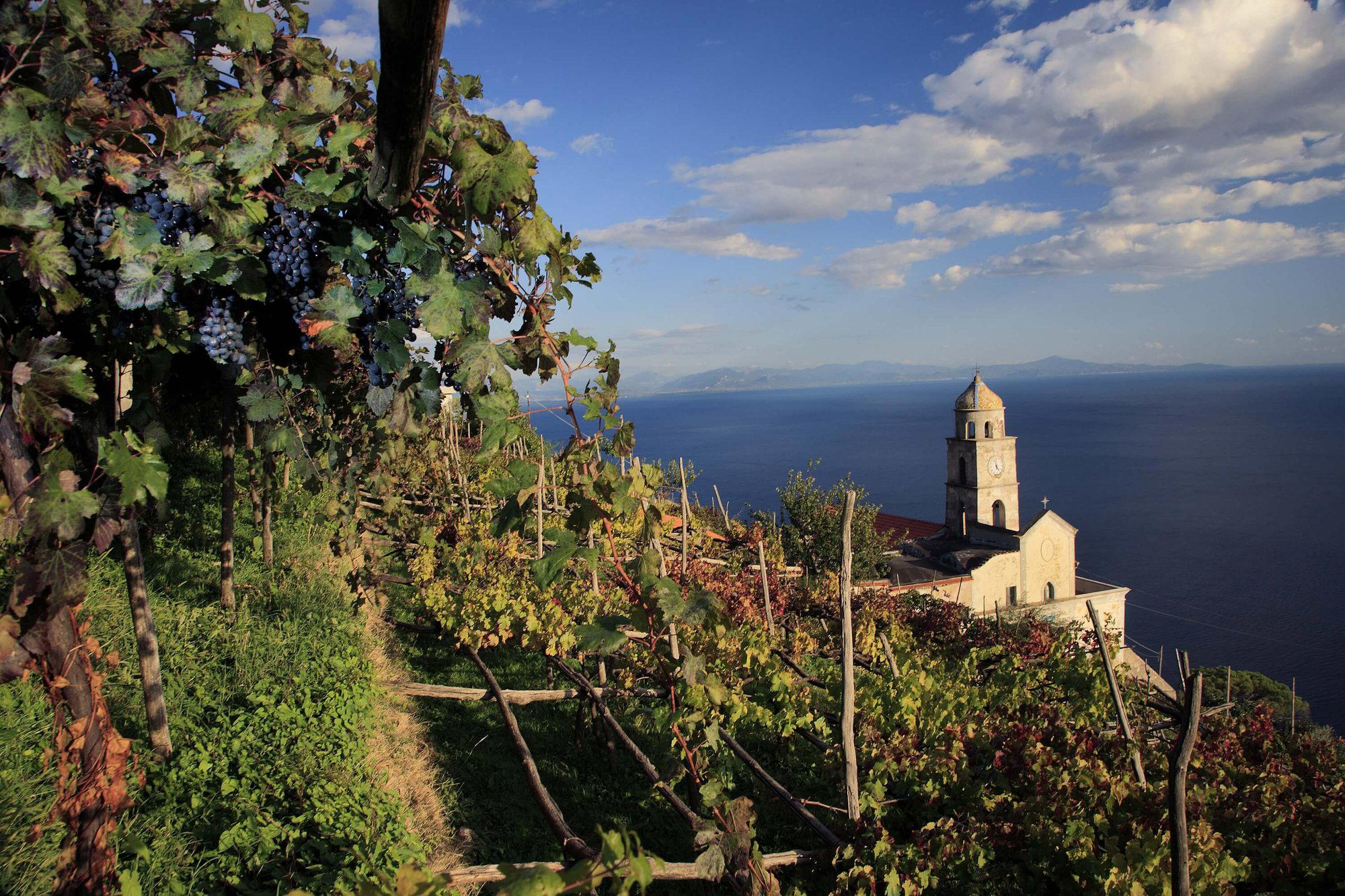
The road into Sant'Agata sui Due Golfi climbs through lemon groves and terraced hillside before the village opens out onto a ridge that holds, on clear days, a simultaneous view of the Gulf of Naples to the north and the Gulf of Salerno to the south. It is one of the more quietly dramatic positions in the Italian south, and the setting does something specific to the kind of cooking that makes sense here. This is not the architecture of a city restaurant or the theatrical removal of a mountain property. It is a place that feels continuous with its land, and the food at Don Alfonso 1890 proceeds from exactly that logic.
Neapolitan cuisine is sometimes flattened in international conversation to pizza and ragù, but the broader tradition runs considerably deeper. The Campanian kitchen has always been an agricultural one, built around tomatoes, aubergines, peppers, courgettes, fresh herbs, and the volcanic-soil produce of the slopes around Vesuvius and the Sorrento hills. What Don Alfonso 1890 does with that tradition is take it further toward self-sufficiency than most restaurants operating at comparable award levels would attempt. The kitchen garden at Punta Campanella supplies vegetables, flowers, fresh herbs, and fruit that form the core of the menu's plant-facing identity. This is not a decorative gesture. The restaurant can offer a fully plant-based menu on request, and according to We're Smart, who award it recognition in that category, it is a kitchen that takes that offer seriously rather than as an afterthought.
What the Awards Signal About the Tier
Italy's fine dining field is dense and regionally diverse. At the top of the scale, houses like Osteria Francescana in Modena, Enoteca Pinchiorri in Florence, and Enrico Bartolini in Milan operate in an urban-anchored tier defined by multi-star recognition and international visitor traffic. Below that, a set of regionally rooted properties make a different argument: that cuisine tied to a specific territory, a specific family lineage, and a specific agricultural supply chain represents a form of seriousness that star counts alone do not capture.
Don Alfonso 1890 holds one Michelin Star and one Michelin Green Star as of 2025. The Green Star matters here as much as the conventional one: it signals Michelin's recognition of sustainability as a structural commitment, not a marketing claim. The property also appears in La Liste's leading restaurant rankings for 2026 at 85 points, and holds membership of Les Grandes Tables du Monde, a network that selects on hospitality and culinary coherence rather than purely on gastronomy. The Relais & Châteaux affiliation rounds out a credential set that places it clearly in Italy's estate-dining tier, alongside properties like Dal Pescatore in Runate, where multi-generational family ownership and a specific regional identity are the core proposition.
The Family Model and What It Produces at the Table
Multi-generational restaurant families are not rare in Italy, but the dynamics differ significantly by property. At Don Alfonso 1890, Alfonso and Livia Iaccarino established the restaurant's original identity and remain present, while their sons Ernesto and Mario have taken on the kitchen and front-of-house roles respectively. This is a structure that can produce either creative stagnation or genuine continuity with evolution, depending on how the generational handover is managed. The evidence here suggests the latter. Ernesto Iaccarino's commitment to a plant-forward menu philosophy represents a creative direction that goes beyond maintaining what his parents built, while the garden supply chain inherited from the original project now underpins something more articulated than before.
The wine list's reputation, described in La Liste's notes as legendary, is a separate category of seriousness. Southern Italian wine has undergone considerable critical reappraisal over the past two decades, with Campanian producers working with Fiano, Greco, Aglianico, and Falanghina achieving international recognition that would have seemed unlikely in 1890. A cellar built over the restaurant's history of more than a century would, in principle, hold depth in those categories alongside broader Italian and international selections, though the specific composition is not detailed here.
The Neapolitan Table in Regional Context
Positioning Don Alfonso 1890 within the broader Neapolitan dining tradition requires acknowledging how that tradition differs from the more internationally codified registers of, say, Piemontese or Tuscan cuisine. Campanian cooking has historically resisted the codification that made northern Italian cuisine easier to export and interpret abroad. Its identity is in the produce: the San Marzano tomato, the buffalo mozzarella of the plains below, the seafood of the Tyrrhenian coast. A restaurant like Quattro Passi in Marina del Cantone, working from the water's edge on the other side of the Sorrento Peninsula, makes a different argument about Campanian cooking, one anchored in the sea rather than the hillside garden. Don Alfonso 1890's argument is about altitude, agriculture, and the specific character of produce grown on volcanic slopes between two bodies of water.
That argument has had international resonance. Beyond Italy, fine dining restaurants operating in a comparable mode — sourcing from controlled farm supply, building menus around seasonal and territorial specificity — include properties as different as Atelier Moessmer Norbert Niederkofler in Brunico, where Alpine territory defines a similarly strict sourcing philosophy, or Reale in Castel di Sangro, another southern Italian property that has made rurality and self-sufficiency into a critical statement rather than a limitation.
Planning a Visit
Sant'Agata sui Due Golfi sits above Massa Lubrense at the southern tip of the Sorrento Peninsula, roughly equidistant between Sorrento and Positano and accessible by road from either. The address is Corso Sant'Agata 11/13. Booking contact for the restaurant and guestrooms is through donalfonso@relaischateaux.com or by telephone at +39 0818 78 00 26, with full information at donalfonso.com. The Relais & Châteaux guestrooms make the property work as an overnight stay, which is the sensible approach given the position: driving the Amalfi coast roads after a serious dinner, particularly in season, adds unnecessary complexity to what should be a direct evening. Reservations at this level of recognition should be secured well in advance, particularly through summer and autumn when the peninsula is at its most visited.
For broader planning around this part of Campania, see our full S. Agata Sui Due Golfi restaurants guide, our full S. Agata Sui Due Golfi hotels guide, our full S. Agata Sui Due Golfi bars guide, our full S. Agata Sui Due Golfi wineries guide, and our full S. Agata Sui Due Golfi experiences guide. For comparable Italian fine dining in other regions, Le Calandre in Rubano, Piazza Duomo in Alba, Uliassi in Senigallia, and Casa Perbellini 12 Apostoli in Verona each represent distinct regional identities worth understanding alongside the Campanian one. Further afield, Le Bernardin in New York City and Atomix in New York City represent the comparable tier in a very different urban context.
Frequently asked questions
Is Don Alfonso 1890 suitable for children?
The restaurant's identity is rooted in family — Alfonso and Livia Iaccarino built the house over decades and their sons Ernesto and Mario now run kitchen and front of house respectively. That multigenerational warmth extends to how guests are received. That said, Don Alfonso 1890 holds a Michelin Star and operates at a formal fine-dining register, so younger children accustomed to long, multi-course meals will fare better here than those who aren't.
How would you describe the vibe at Don Alfonso 1890?
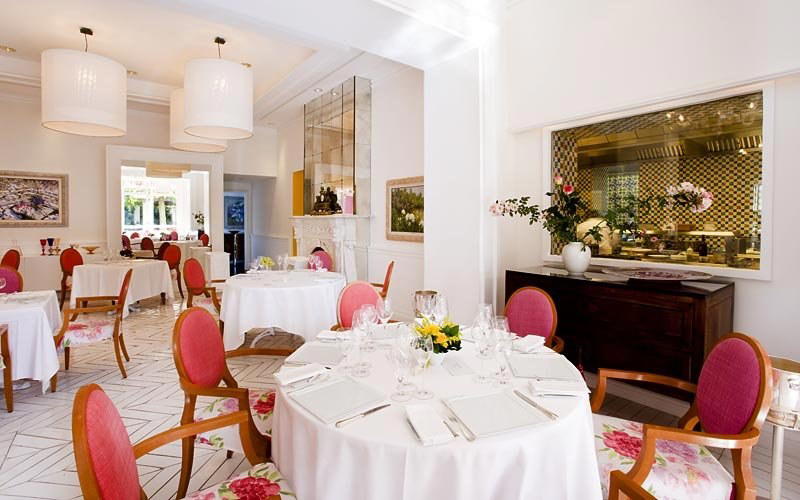
Think unhurried southern Italian formality with genuine familial ease. The dining room is elegant, the welcome from Livia and Alfonso is personal, and the setting on the ridge between the Gulf of Naples and Gulf of Salerno gives the meal a geographic weight that most city restaurants can't replicate. La Liste placed it at 85 points in 2026, and the Michelin Green Star signals a considered, produce-driven pace rather than a theatrical one.
What kind of recognition has Don Alfonso 1890 received?
Don Alfonso 1890 has received recognition including: La Liste Top Restaurants (2026): 85pts; In Sant'Agata, poised between two gulfs, Don Alfonso represents an image of southern Italy, the family and Mediterranean cuisine found in few other restaurants. Boasting an enchanting garden, splendid….
What should I order at Don Alfonso 1890?
The menu's foundation is the organic kitchen garden at Punta Campanella, which supplies vegetables, herbs, flowers, and fruit directly to the kitchen — so vegetable-forward courses are where chef Ernesto Iaccarino's conviction is clearest. A fully plant-based menu is available on request. Beyond that, the wine list carries significant depth and has been a reference point at the property for years.
Fast Comparison
| Venue | Cuisine | Price | Awards | Notes |
|---|---|---|---|---|
| Don Alfonso 1890This venue — the venue you are viewing | Modern Campanian Fine Dining | $200–300 | 1 Michelin Star · La Liste Top Restaurants | Not listed |
| Atelier Moessmer Norbert Niederkofler | Italian, Creative | Not listed | Michelin 3 Star | Not listed |
| Dal Pescatore | Italian, Italian Contemporary | Not listed | Michelin 3 Star | Not listed |
| Enoteca Pinchiorri | Contemporary Italian Fine Dining | $200–300 | 3 Michelin Stars · World's 50 Best #32 | Italian - French, Italian Contemporary |
| Enrico Bartolini | Creative | Not listed | Michelin 3 Star | Not listed |
| Osteria Francescana | Avant-Garde Italian Contemporary | $300–500 | 3 Michelin Stars · World's 50 Best #1 | Progressive Italian, Creative |
Recognition history
Dated appearances from independent guides and award organizations, with the underlying list record or original source where available.
Michelin 1 Star
Michelin
La Liste Top Restaurants
La Liste
Les Grandes Tables du Monde Member
Les Grandes Tables du Monde
Relais Chateaux Award
Relais Chateaux
We're Smart World 4 Radishes
We're Smart World
Full recognition history (7 entries)
Michelin 1 Star
Michelin
Relais Chateaux Award
Relais Chateaux
Continue exploring
More in S. Agata Sui Due Golfi
Restaurants in S. Agata Sui Due Golfi
Browse all →
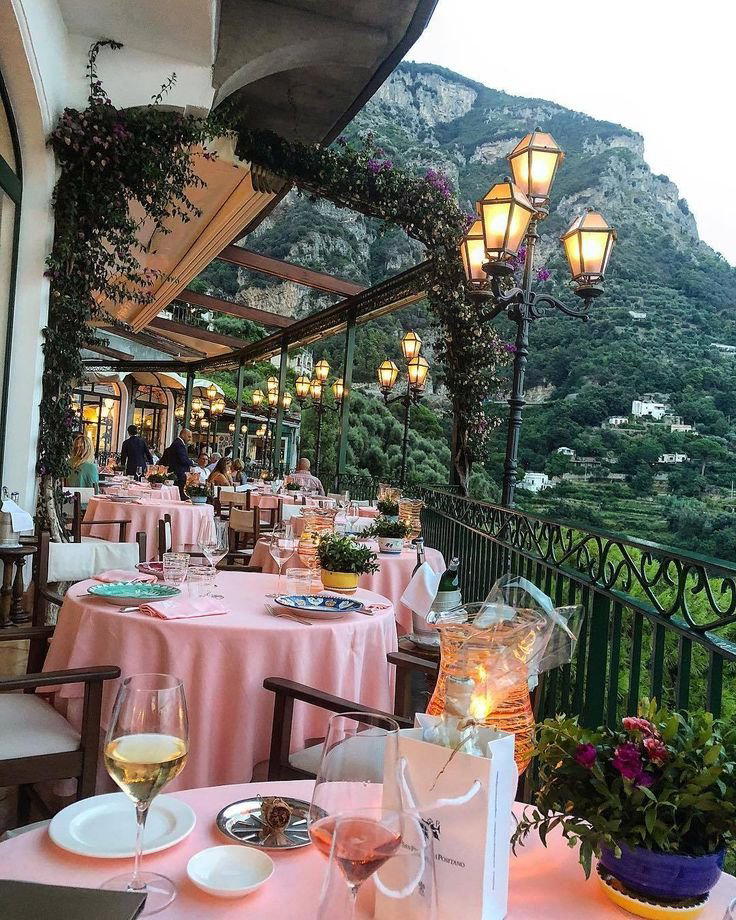
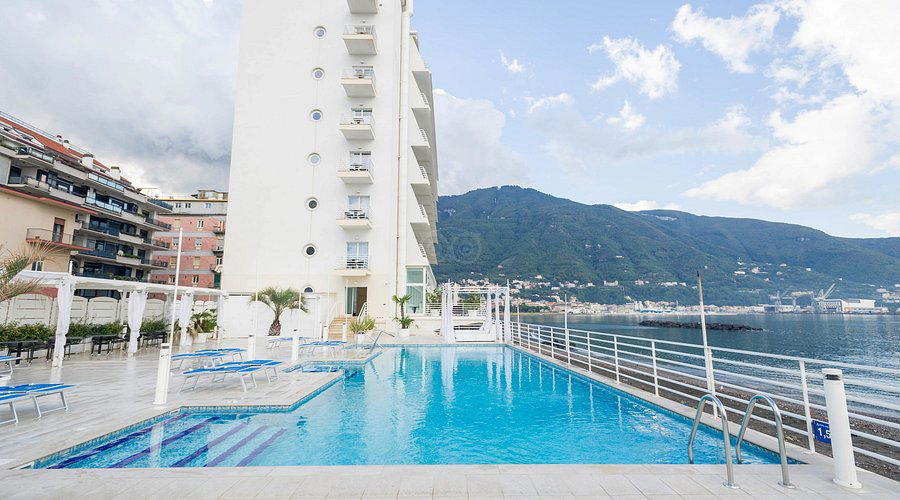
Bars in S. Agata Sui Due Golfi
Browse all →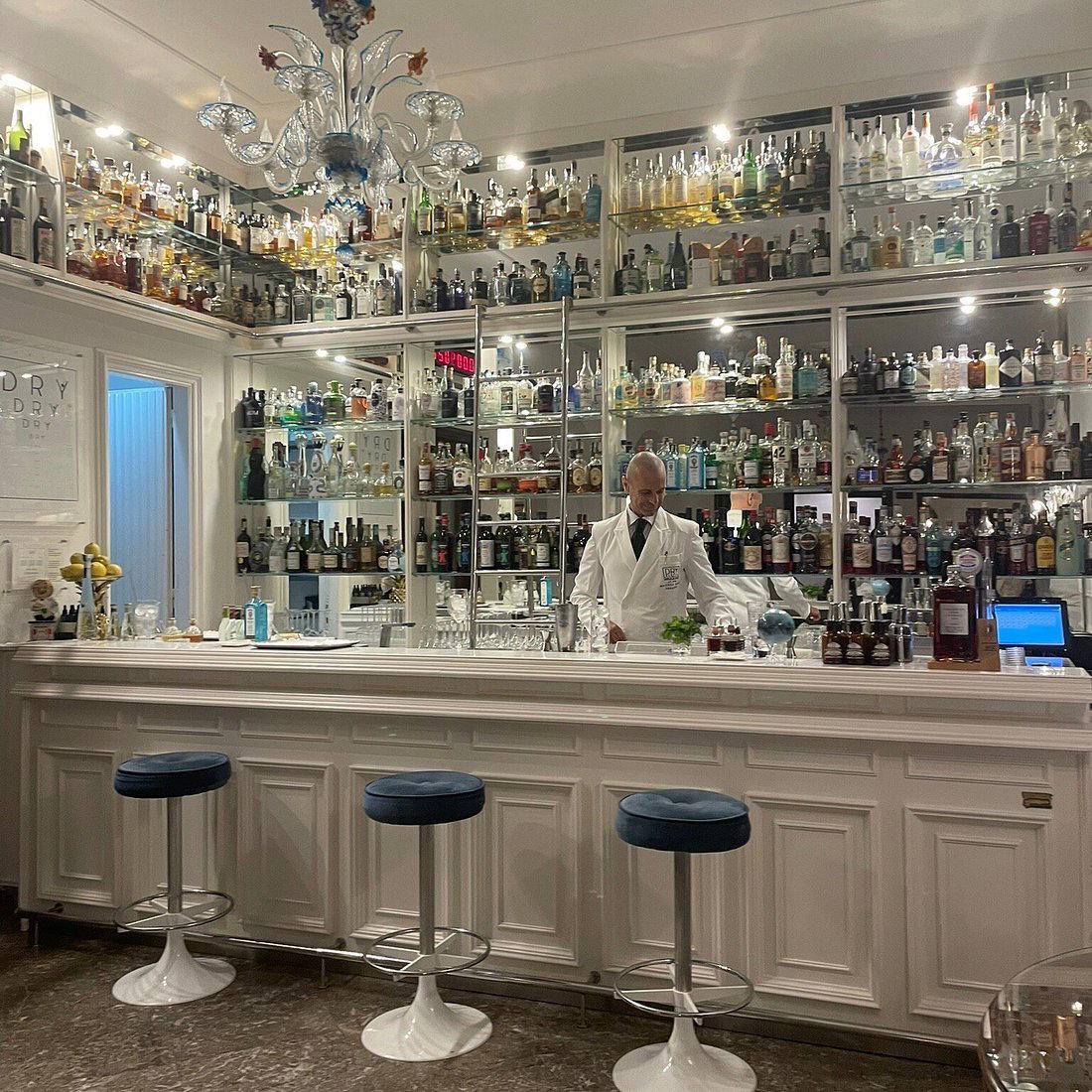
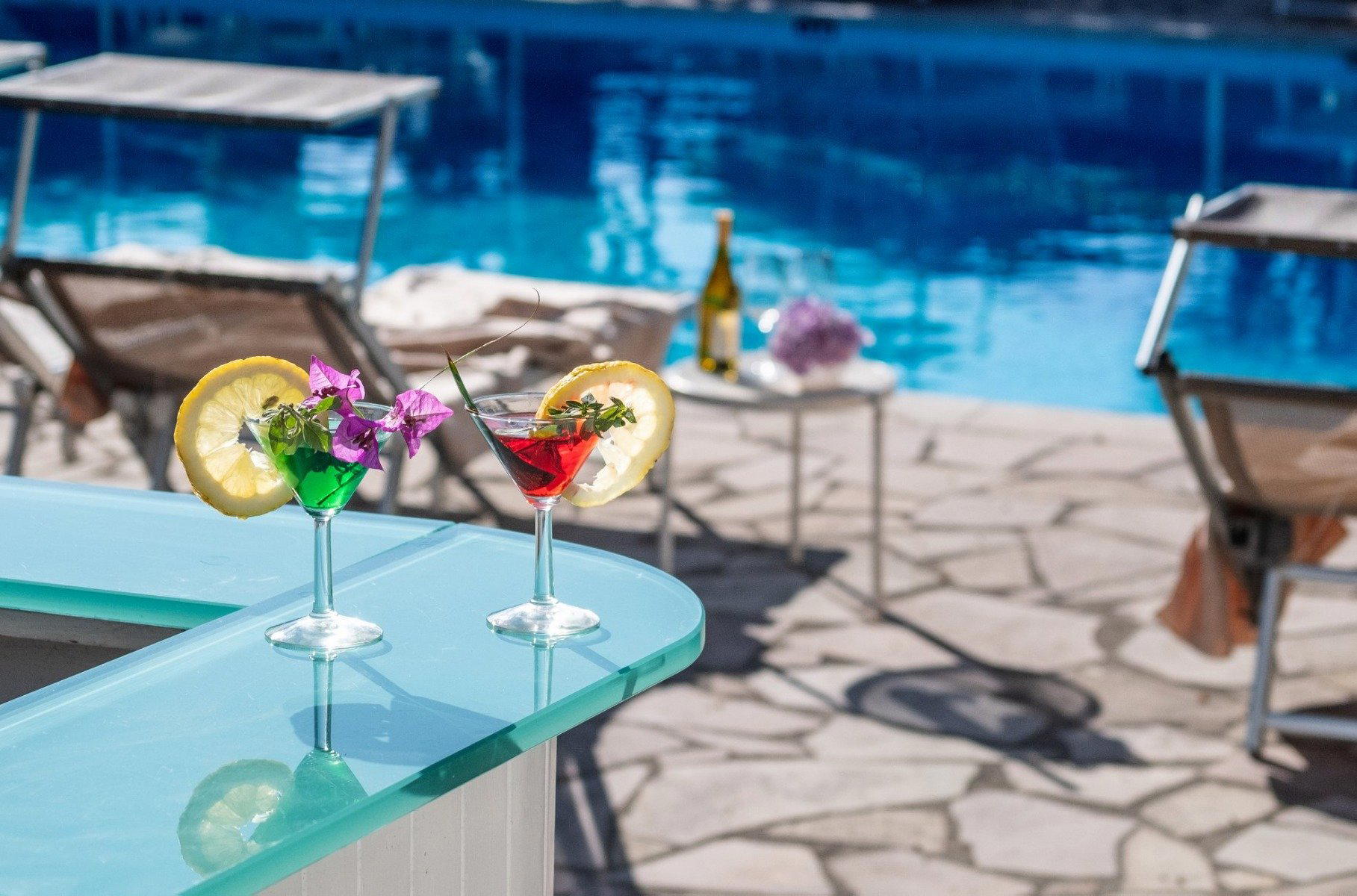
Hotels in S. Agata Sui Due Golfi
Browse all →
Wineries in S. Agata Sui Due Golfi
Browse all →
Details
- Elegant
- Romantic
- Sophisticated
- Scenic
- Classic
- Special Occasion
- Date Night
- Celebration
- Garden
- Private Dining
- Historic Building
- Wine Cellar
- Extensive Wine List
- Sommelier Led
- Farm To Table
- Local Sourcing
- Tasting Menu
- Wine
- Vegetarian Friendly
- Vegan Options
- Gluten Free Options
Elegant dining room with refined simplicity, bright Mediterranean light, and enchanting garden setting.