Vie di Romans

Vie di Romans sits in Mariano del Friuli, in the Isonzo DOC, where the Collio's eastern edge meets a gravel-and-clay terroir that shapes some of Friuli's most precise white wines.. Plan visits through direct contact, as the address is rural and advance arrangement is standard practice.
Pearl is the En Primeur Club membership app — saves, bookings, and concierge access live there. Same editors, same standards.
- Address
- Loc. Vie di Romans, 1, 34070 Mariano del Friuli GO
- Phone
- +39 0481 69600
- Website
- viediromans.it
- Directions
- Get directions
 Saves & bookings on Pearl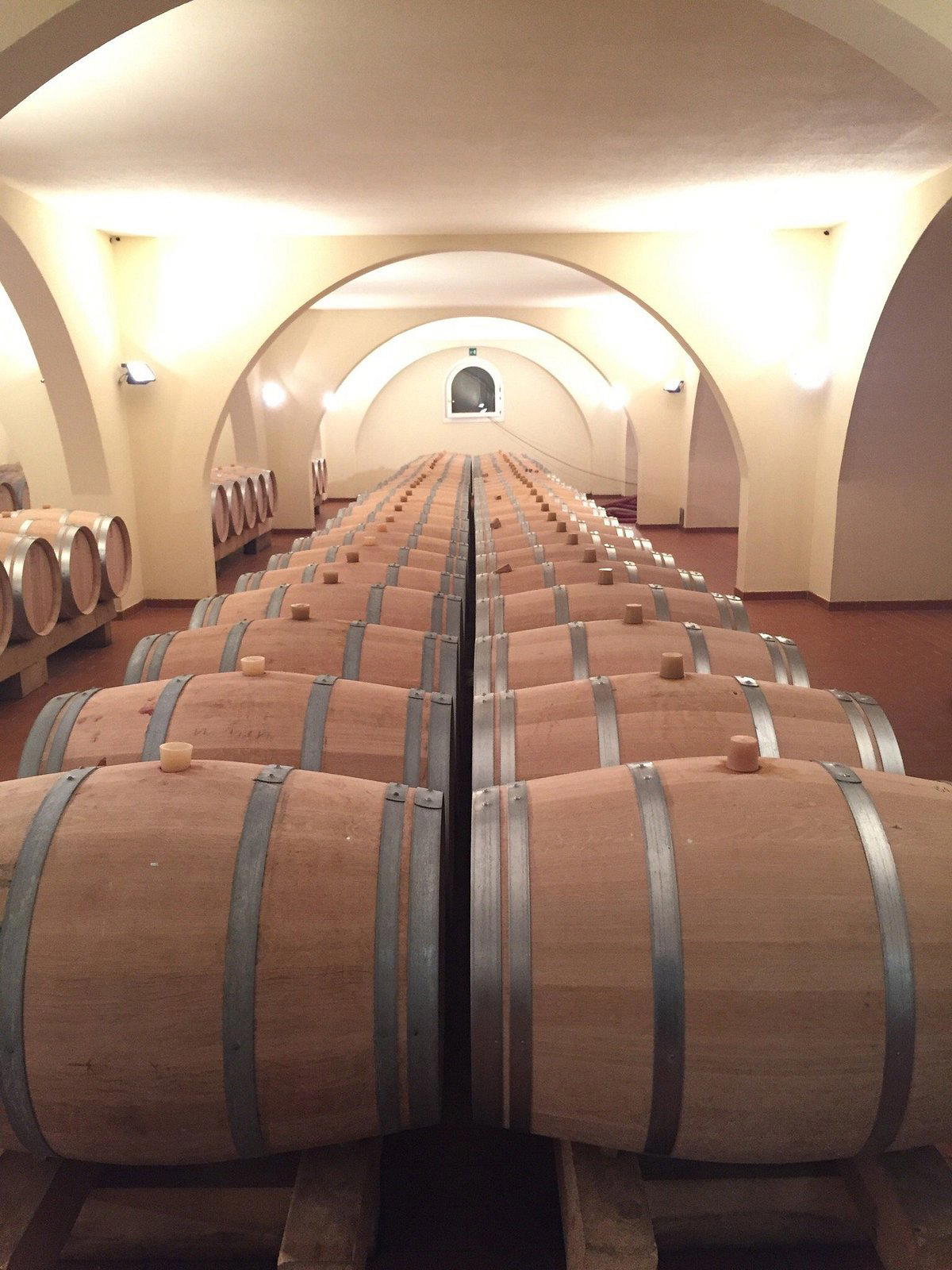
Where the Isonzo Gravel Talks
The northeastern corner of Italy's wine map tends to get collapsed into a single idea: Friuli whites. But Friuli is not one thing. The Collio, with its Ponca marlstone soils and proximity to the Slovenian border, produces aromatic, medium-bodied whites with a particular mineral edge. The Isonzo DOC to its south sits on a different geological register: river-deposited gravel, sand, and clay left by millennia of Isonzo fluvial activity, producing a terroir that expresses more heat, more structure, and a different kind of precision. Vie di Romans, located in Mariano del Friuli in the province of Gorizia, occupies that Isonzo floor, and everything about the estate's reputation is rooted in that fact. For broader context on serious Italian wine estates that have staked identities on specific terroir arguments, the landscape from Aldo Conterno in Monforte d'Alba to Lungarotti in Torgiano to Castello di Volpaia in Radda in Chianti shows the range of Italian producers who have built sustained reputations on place-specific commitments.
The Isonzo DOC and Why It Matters
Italian wine denominations often carry their weight unevenly, with a handful of producers doing the work of defining what a zone can mean at the summit of the quality register. The Isonzo DOC has historically operated in the shadow of Collio directly to its north, yet the two zones produce substantively different wines from the same core varieties. Isonzo's alluvial gravels drain fast, warm the root zone early in spring, and concentrate ripening in a way that Ponca soils do not. The result, in skilled hands, tends toward whites with more body and a different aromatic intensity: Pinot Grigio that sits heavier and longer on the palate than Alsatian examples, Chardonnay with a textural weight that doesn't lean on oak to achieve it, Sauvignon with a grassier, more mineral profile than the Loire's chalky benchmarks.
Estates working seriously in Isonzo have had to build the zone's credibility from the ground up, which means the few names that carry real weight here carry it on the strength of the wine itself, not on borrowed DOC prestige. That's a harder argument to sustain, and the sustained recognition for properties like Vie di Romans reflects a track record built vintage by vintage rather than inherited from a famous appellation name. For a sense of how differently Italian producers approach that problem across the country, compare the Sicilian terroir proposition of Planeta in Menfi or the Brunello authority of L'Enoteca Banfi in Montalcino.
Awards in Italian wine exist on a spectrum from broad-tent recognition to genuinely selective, peer-set-specific credentialing. Two-star ratings in prestige frameworks typically require both consistent quality across vintages and a legible, distinct identity, meaning the estate has to stand for something specific rather than producing a range of acceptable wines. At Vie di Romans, that identity is inseparable from the Isonzo's alluvial floor and the estate's long commitment to expressing it faithfully.
For calibration, the Italian wine estates that carry comparable prestige-tier recognition span a range of approaches: the sparkling wine precision of Ca' del Bosco in Erbusco, the Barolo discipline of Aldo Conterno, the Montalcino authority of Poggio Antico. What they share is not a style but a seriousness of purpose, a sense that every decision in the vineyard and cellar is made in relation to a clear idea of what the wine should be. The winery sits in that company by virtue of the same quality of intent applied to the Isonzo's particular conditions.
Friuli's Broader Drinking Context
Mariano del Friuli is a small comune in the Gorizia province, and visiting the winery means engaging with a rural, agricultural part of northeastern Italy that has little of the tourist infrastructure of, say, Chianti or Barolo country. The province of Gorizia carries a particular historical weight: it borders Slovenia, was divided by the Iron Curtain for decades, and has a food and wine culture shaped by that layered Central European and Mediterranean overlap. The wines of the Collio and Isonzo zones reflect that borderland character, with varieties and winemaking traditions that don't map cleanly onto either Italian or Slovenian frameworks.
For visitors combining the winery with a broader northeastern Italian drinks itinerary, the Nonino Distillery in Pavia di Udine, which you can read about through our Nonino page, sits within logical reach and represents the grappa tradition in its most serious form. Similarly, Distilleria Marzadro in Nogaredo and Poli Distillerie in Schiavon extend the spirits map across the Veneto and Trentino if the itinerary warrants it. For those focused purely on the wine dimension, see our full Mariano del Friuli restaurants guide for a wider view of what the area offers across food and drink.
Planning a Visit
The winery occupies a rural address at Loc. The winery, 1, in Mariano del Friuli, province of Gorizia. The estate is not positioned as a hospitality destination in the conventional sense, and approaching it as you might a Napa tasting room or a Chianti agriturismo would set the wrong expectations. The appropriate season for vineyard visits in this zone runs from late spring through harvest in September and October, when the Isonzo floor's heat retention becomes visible in the ripening dynamics of the vines. Logistically, Gorizia is the nearest city with meaningful accommodation infrastructure, roughly 10 kilometres from Mariano del Friuli, and Trieste's airport gives international access to the zone without routing through Venice. For a calibration of what similar-tier Italian estates expect of visitors in terms of preparation and engagement, the model at properties like Accendo Cellars in St. Helena or Distilleria Romano Levi in Neive is instructive: serious producers at this level treat visits as substantive engagements, not drop-in tastings.
In Context: Similar Options
Comparable venues nearby, for context on price, style, and recognition.
| Venue | Cuisine | Price | Notes |
|---|---|---|---|
| Vie di RomansThis venue — the venue you are viewing | Chardonnay, Sauvignon Blanc | $$$ | Not listed |
| Gruppo Campari | Winery | Not listed | Milan |
| Pieropan | Garganega, Trebbiano di Soave | $$$ | Soave |
| Bottega | Glera, Pinot Grigio | $$$ | Bibano di Godega di Sant'Urbano |
| Poggio Antico | Sangiovese | $$$ | Monte San Vito |
| Distilleria Nardini | Merlot, Cabernet Sauvignon | $$$ | Bassano del Grappa |
Recognition history
Dated appearances from independent guides and award organizations, with the underlying list record or original source where available.
Falstaff Winery - 5 Stars
Falstaff
Continue exploring
More in Mariano del Friuli
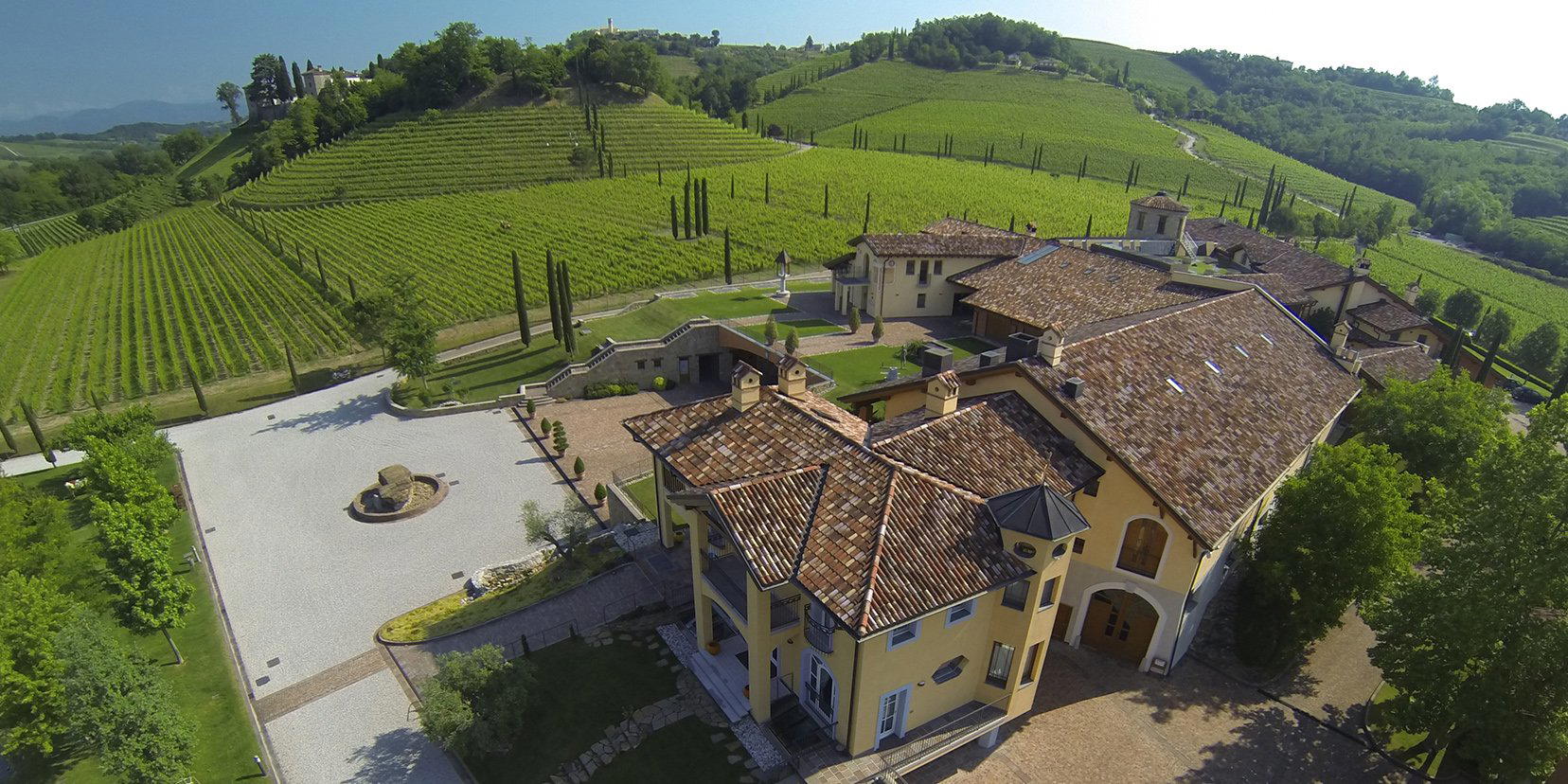
Wineries in Mariano del Friuli
Browse all →
Bars in Mariano del Friuli
Browse all →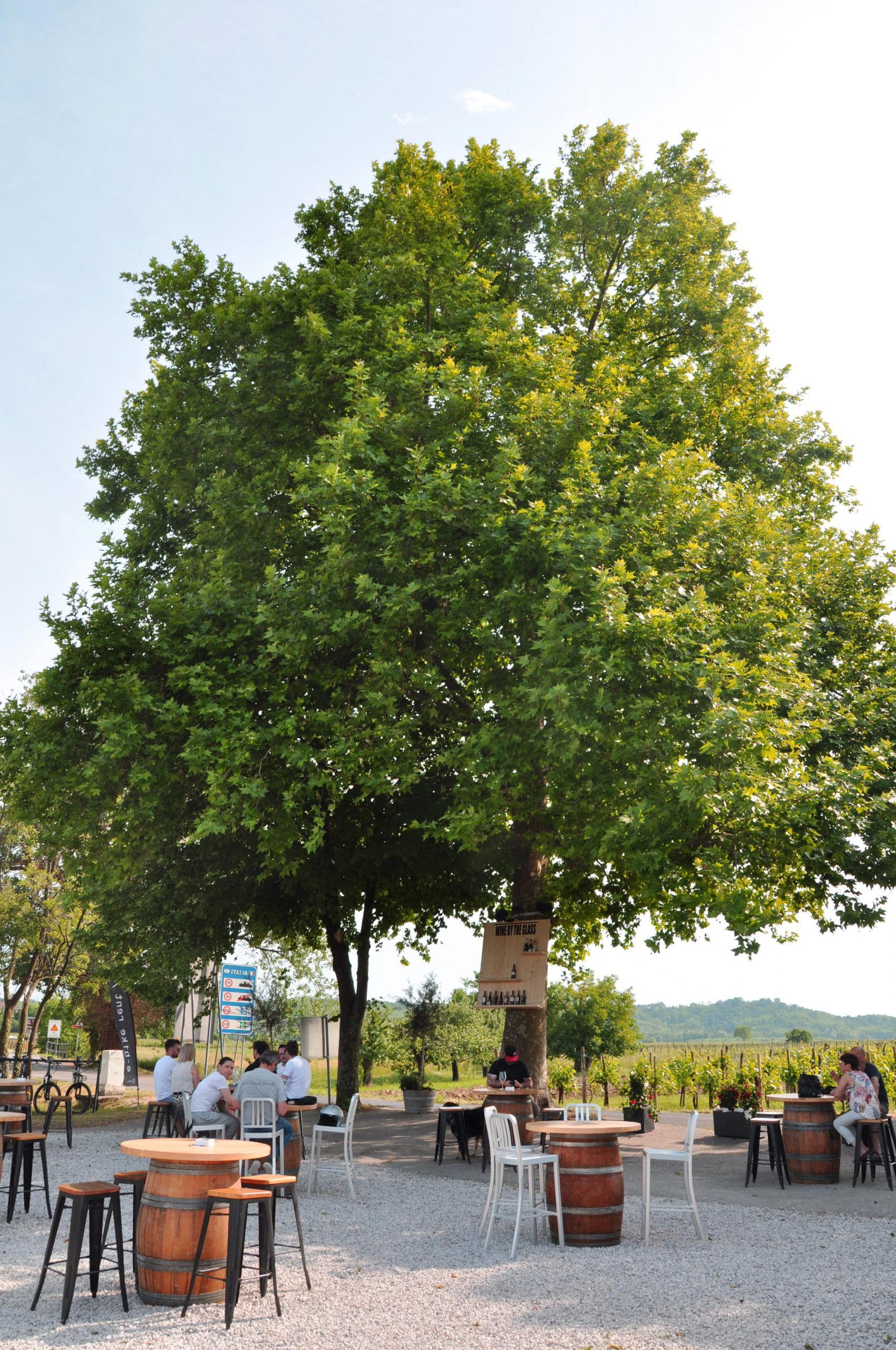
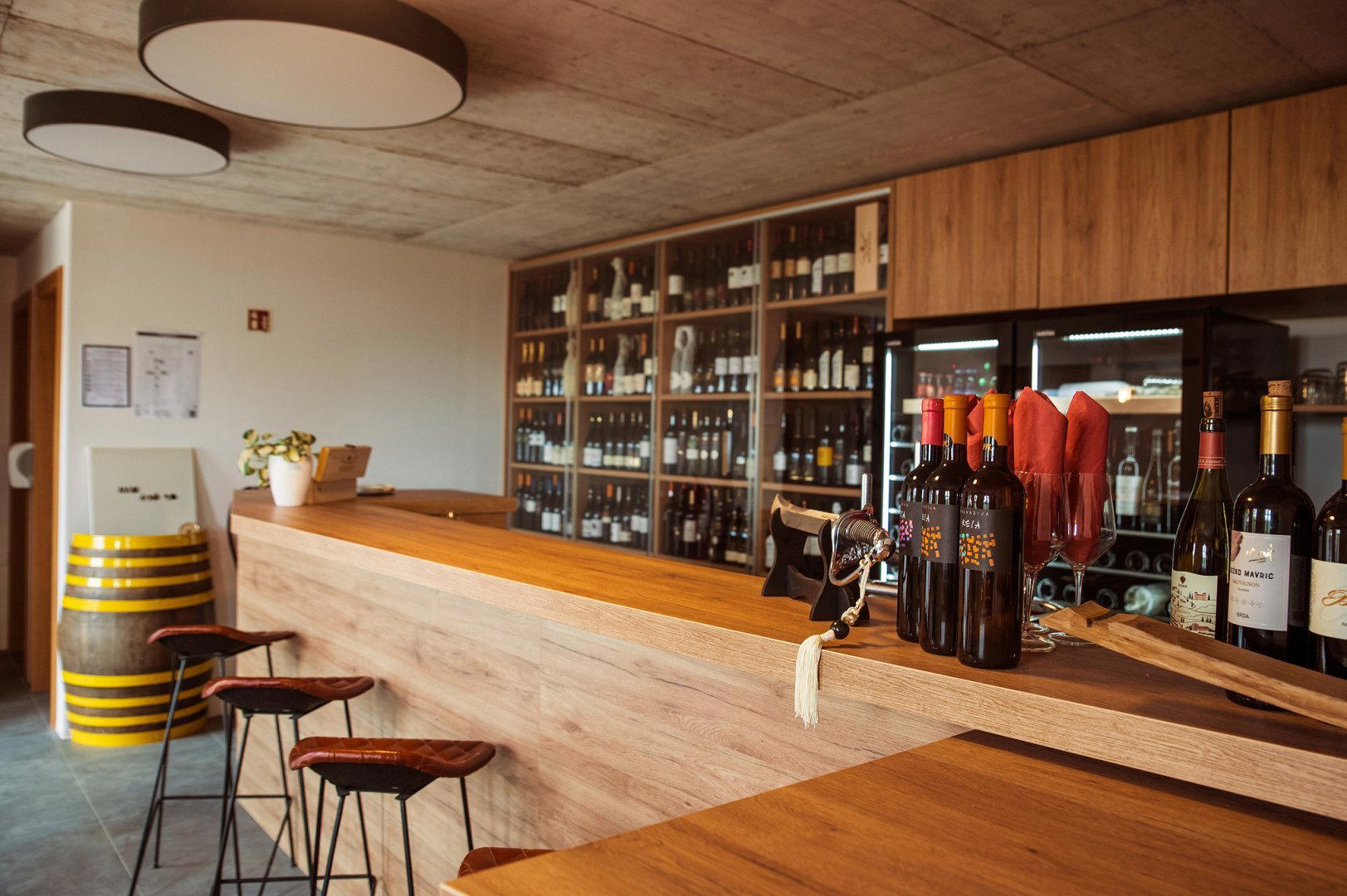
Restaurants in Mariano del Friuli
Browse all →
At a Glance
- Elegant
- Classic
- Rustic
- Scenic
- Wine Education
- Solo Exploration
- Special Occasion
- Vineyard Tour
- Barrel Room
- Estate Grounds
- Sustainable
- Vineyard
- Friuli Isonzo DOC
- Chardonnay
- Sauvignon Blanc
- Malvasia Istriana
- Friulano
- Riesling Renano
- Pinot Nero
- Merlot
- Still White
- Still Red
- Cave Tasting
- Private Tasting
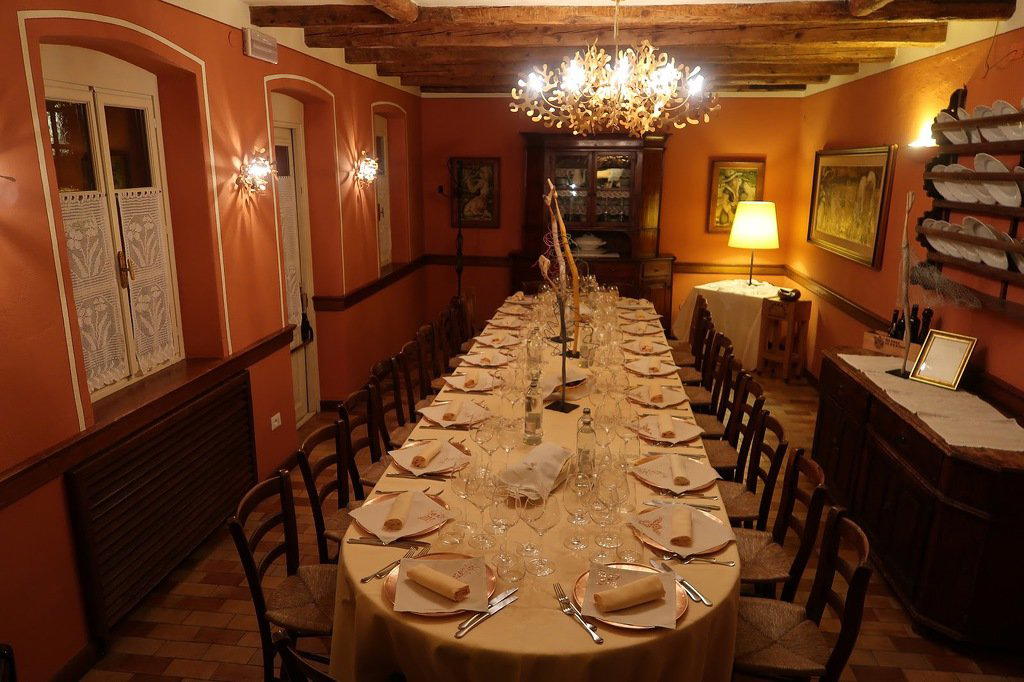
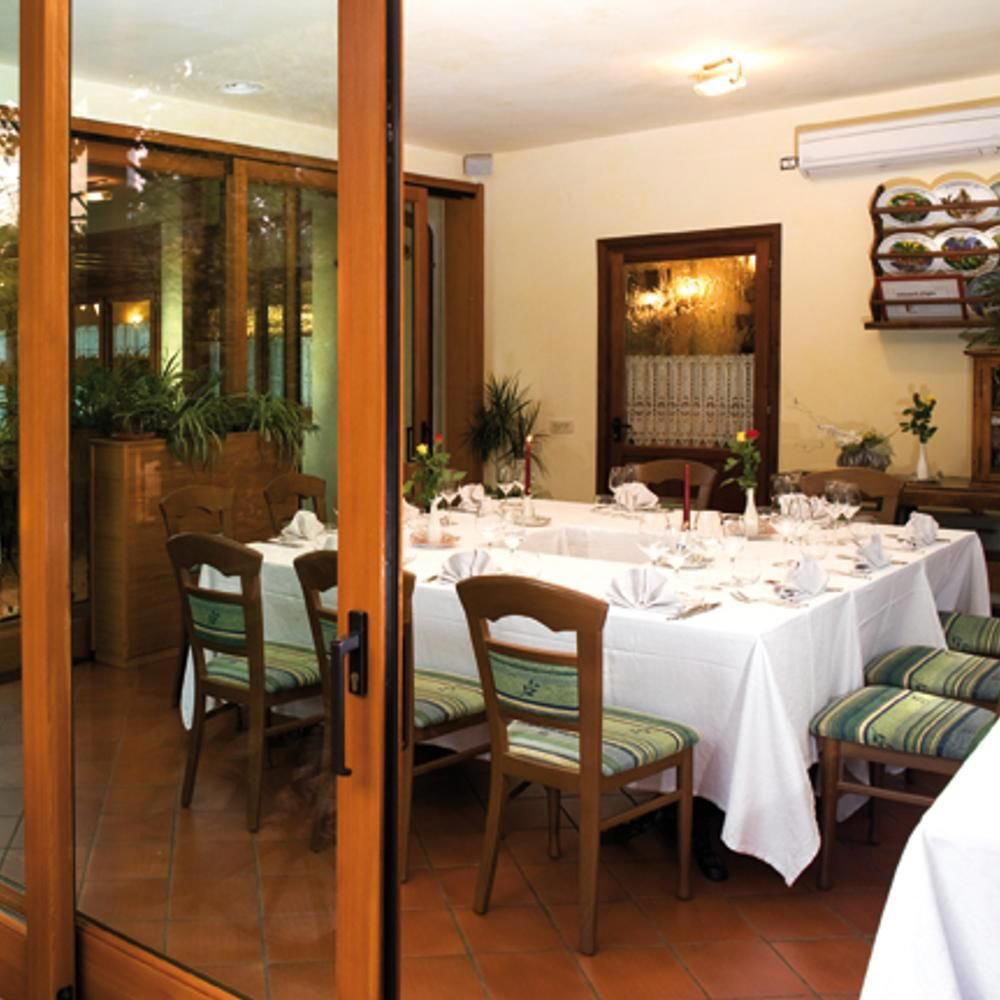
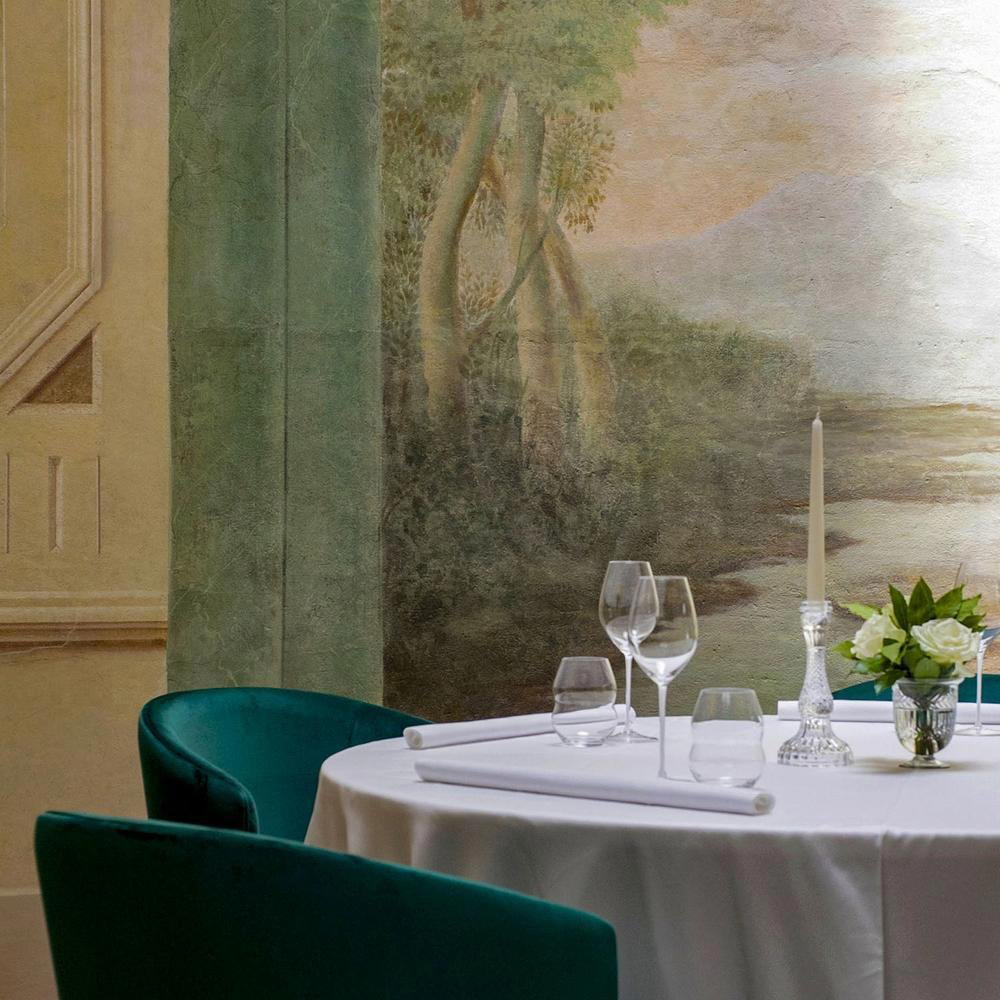
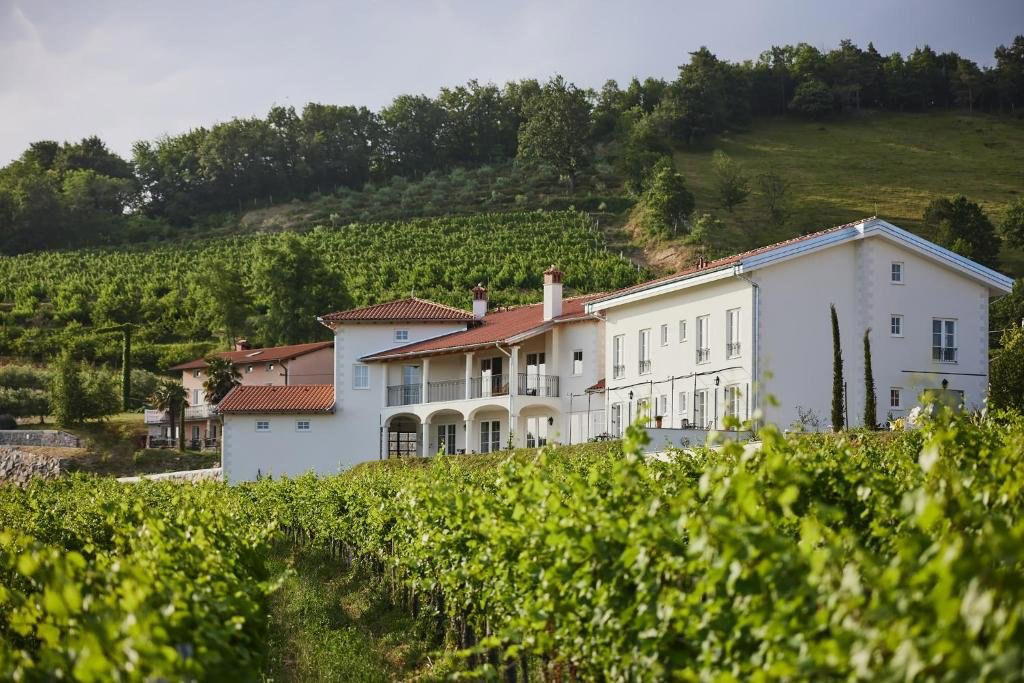
Modern, meticulously organized cantina with elegant, balanced wines evoking profound sensory experiences in a refined, welcoming atmosphere.