Bastianich

Falstaff Winery - Listed
The estate places Friulian terroir at the centre of its program, working from a region where autochthonous varieties and cool-climate viticulture produce wines of real structural precision. For anyone tracking the northeast Italian wine circuit, this is a serious stop.

Pearl is the En Primeur Club membership app, where members save venues, book tables and use the concierge.
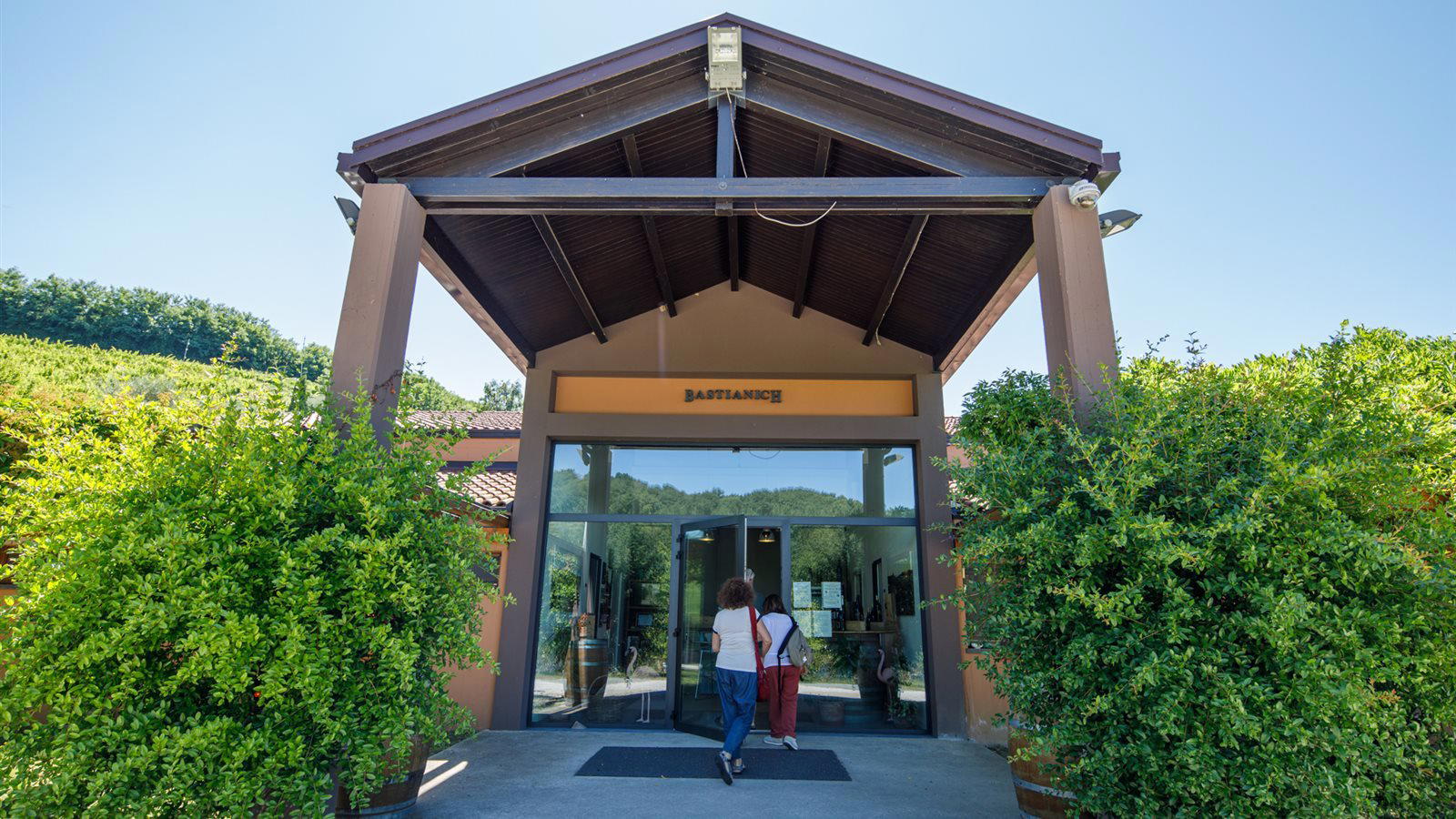
The Northeast Italian Wine Axis
To understand where Bastianich sits competitively, it helps to map the broader Italian wine geography. The country's serious wine regions tend to cluster in specific poles: Piedmont anchors the northwest, with producers like Aldo Conterno in Monforte d'Alba defining the Barolo standard; Tuscany holds the centre, from Castello di Volpaia in Radda in Chianti to the Montalcino estates at L'Enoteca Banfi and Poggio Antico; and Friuli Venezia Giulia anchors the northeast as the country's most technically focused white wine territory. What distinguishes Friuli from those southern and central benchmarks is the primacy of aromatic whites over tannic reds. Ribolla Gialla, Friulano, Malvasia Istriana, and Pinot Grigio in its more serious alpine expression are the reference varieties here, and the leading producers in the region build their reputations on how precisely they translate site into glass. Bastianich operates in that tradition.
Sicily's Planeta in Menfi offers a useful contrast: where Planeta works across a sun-driven, volcanic terroir with indigenous varieties like Nero d'Avola and Carricante, Friuli's cool-climate program is defined by restraint in alcohol, high natural acidity, and an emphasis on varietal transparency. The two traditions are not in competition, but placing them side by side clarifies what Friuli does that no other Italian region replicates at the same level.
Autochthonous Varieties and the Friulian Argument
The case for Friuli Venezia Giulia as Italy's most sophisticated white wine region rests on two things: its native grape varieties and its winemakers' willingness to let those varieties express their sites without heavy technical intervention. Friulano (formerly Tocai Friulano before the EU renaming dispute) delivers almond-flecked, medium-bodied whites that read as deeply local in a way that international varieties rarely achieve. These are not wines built for global palatability. They are built for their place, and that particularity is their argument.
For context within the broader Friulian circuit, the region also includes Nonino Distillery in Pavia di Udine and Distilleria Marzadro in Nogaredo, while Bastianich focuses on the vine-to-bottle program. The wine estates in its immediate orbit are not large-scale agritourism operations. They tend toward working production facilities with visiting options rather than resort-scale hospitality.
Planning a visit to Bastianich calls for advance contact. The estate does not operate as a walk-in cellar door in the way that larger tourist-oriented producers do. This is standard practice at smaller, award-recognised Friulian producers, where the production team divides time between vineyard work and hosting. For a broader picture of what the town offers alongside the wine program, Lungarotti in Torgiano and Lombardy's Ca' del Bosco in Erbusco, both of which have built sustained critical track records in their respective regions. What distinguishes the Friulian context is the sheer density of quality producers in a relatively small geographic footprint, which means competition for recognition is high and peer pressure on winemaking standards operates constantly.
For spirits drinkers approaching Friuli from a distillation angle, the parallel circuit runs through Distilleria Romano Levi in Neive and the grappa houses already mentioned, all of which share a philosophical commitment to agricultural raw material quality that mirrors what the better wine producers do with their vineyard fruit. And for those approaching from a global comparison frame, Californian producers like Accendo Cellars in St. Helena or spirits brands like Campari in Milan and Aberlour in Aberlour represent the international tier against which Italian regional producers define their own distinct identity. Bastianich's argument is not global scalability. It is specificity of place, and in 2025, that argument is credentialed. The historic centre and the estate address are within close proximity, making it practical to combine a visit with the town's cultural sites. Advance contact via the estate directly is advisable before travelling. Specific pricing, tasting formats, and seasonal availability are best confirmed at point of booking.
Quick Comparison
Comparable venues nearby, for context on price, style, and recognition.
| Venue | Cuisine | Price | Awards | Notes |
|---|---|---|---|---|
| BastianichThis venue (the venue you are viewing) | Friulano, Ribolla Gialla | $30–50 | Falstaff Winery - Listed | Not listed |
| Domenis 1898 | Refosco, Ribolla Gialla | $20–30 | Not listed | Cividale del Friuli |
| Nonino Distillery | Picolit, Ribolla Gialla | Not listed | Not listed | Percoto |
| Bonaventura Maschio | Glera, Incrocio Manzoni | Not listed | Not listed | Gaiarine |
| Bepi Tosolini | Refosco, Merlot | Not listed | Not listed | Povoletto |
| Elena Walch | Gewürztraminer, Pinot Noir | Not listed | Falstaff Winery - 4 Stars | Termeno |
Recognition history
Dated appearances from independent guides and award organizations, with the underlying list record or original source where available.
Falstaff Winery - Listed
Falstaff
Continue exploring
More in Cividale del Friuli
Wineries in Cividale del Friuli
All wineries in Cividale del Friuli →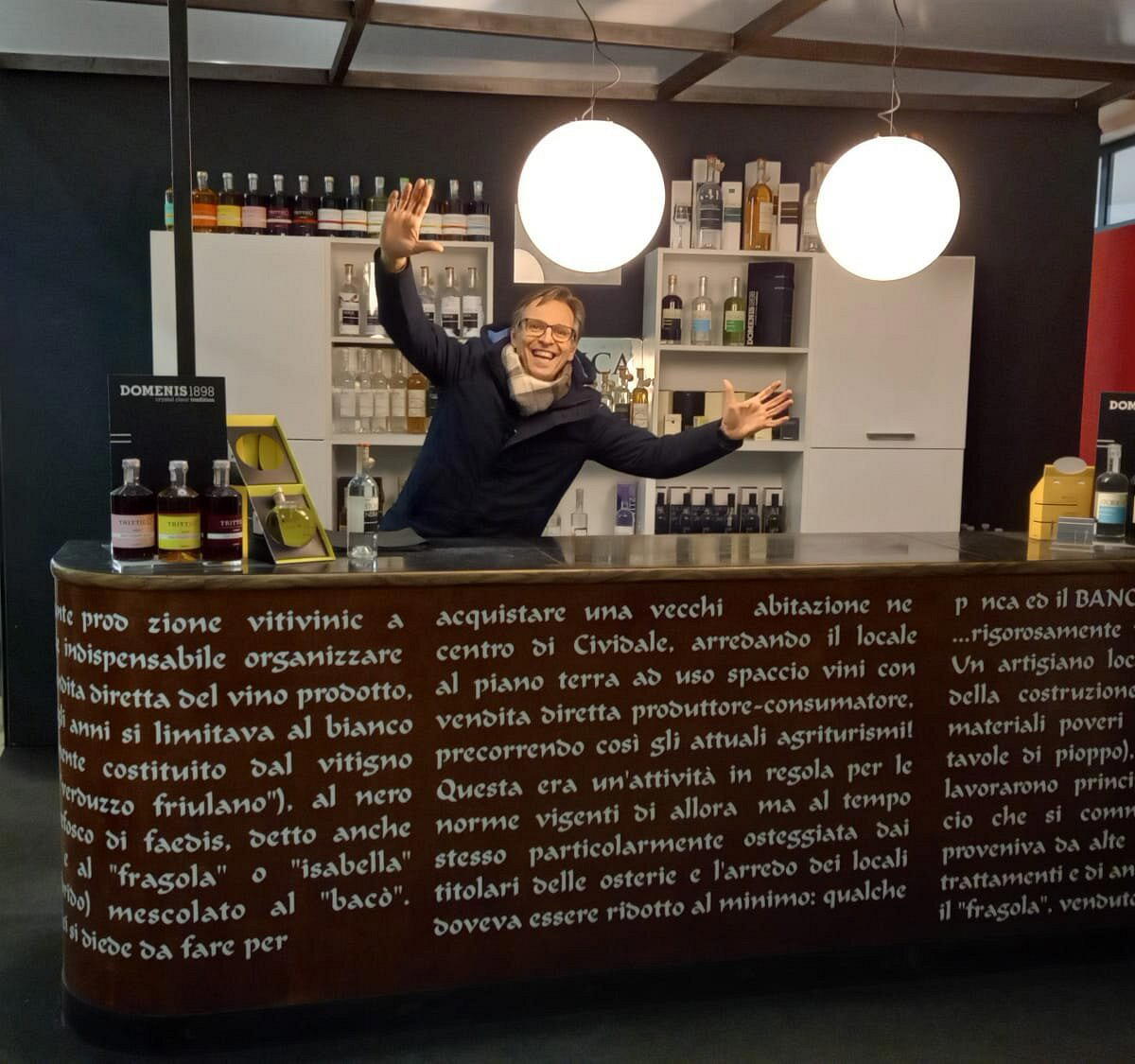
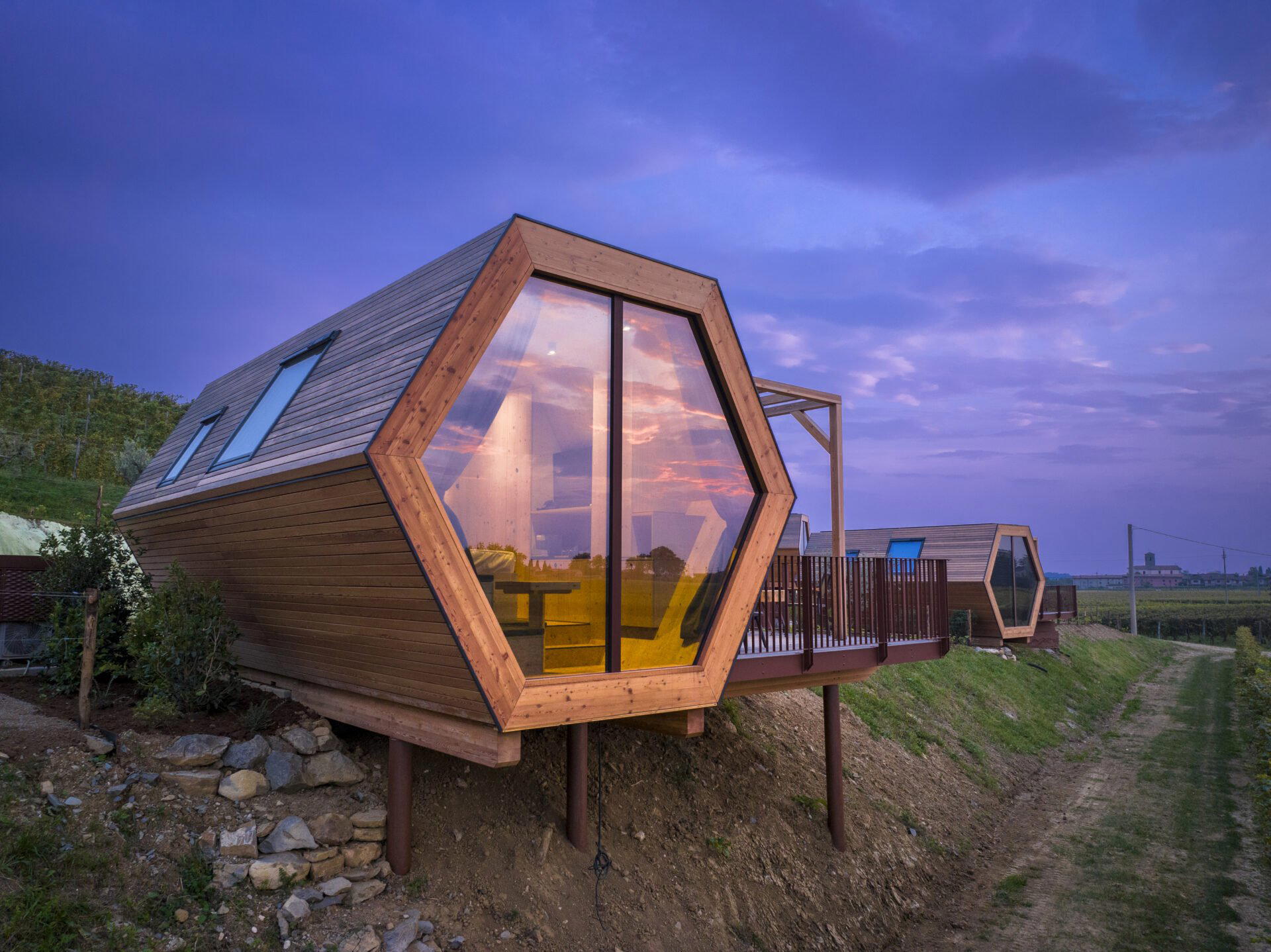
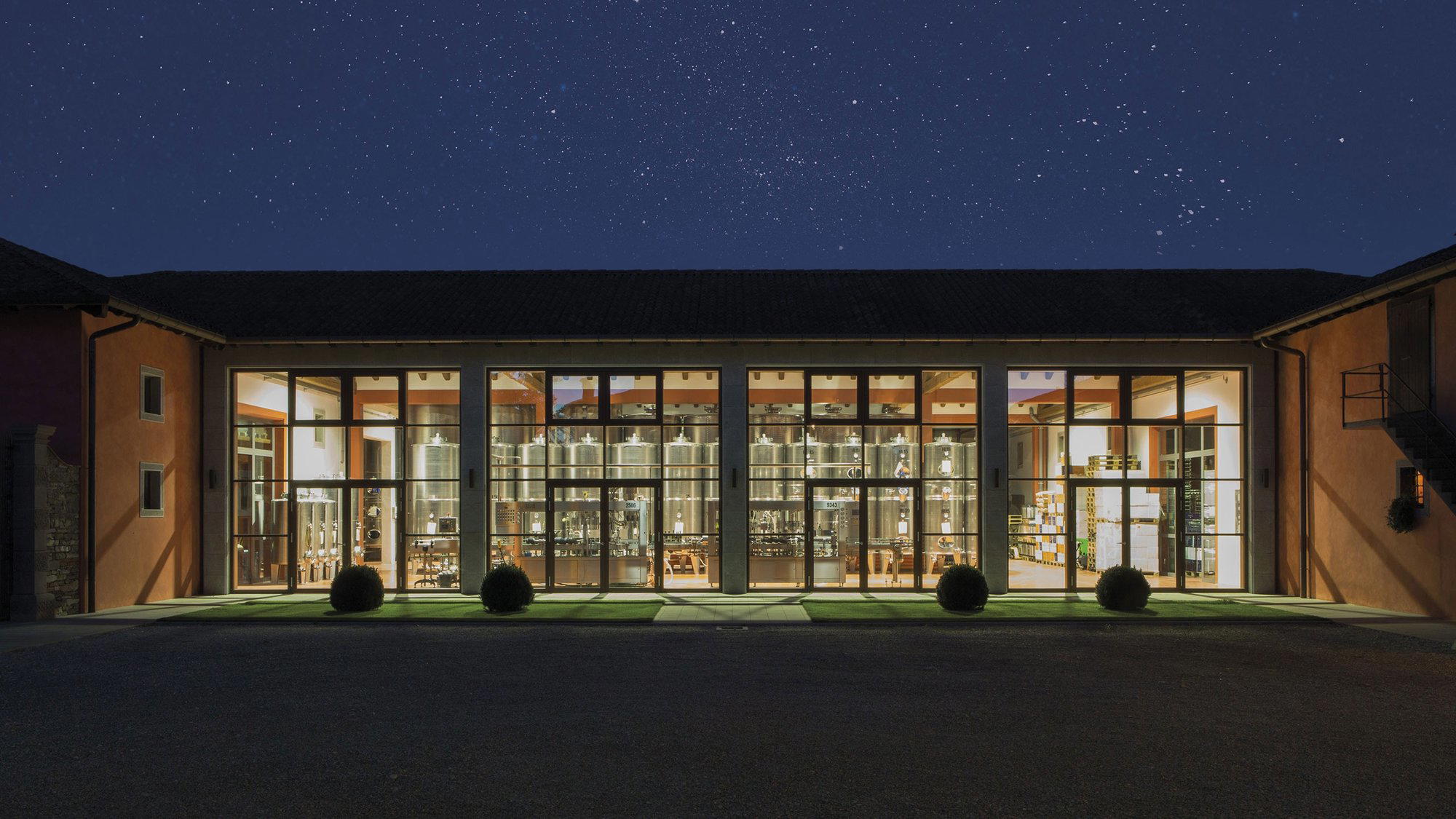
Bars in Cividale del Friuli
Browse all →
Restaurants in Cividale del Friuli
All restaurants in Cividale del Friuli →
Details
- Scenic
- Rustic
- Elegant
- Classic
- Wine Education
- Group Outing
- Special Occasion
- Vineyard Tour
- Estate Grounds
- Barrel Room
- Cave Tasting
- Sustainable
- Vineyard
- Garden
- Mountain
- Friulano
- Ribolla Gialla
- Refosco Dal Peduncolo Rosso
- Schioppettino
- Pinot Grigio
- Pinot Bianco
- Sauvignon Blanc
- Still White
- Still Red
- Sparkling
- Guided Tasting
- Wine Tasting With Tour
- Italian
- English
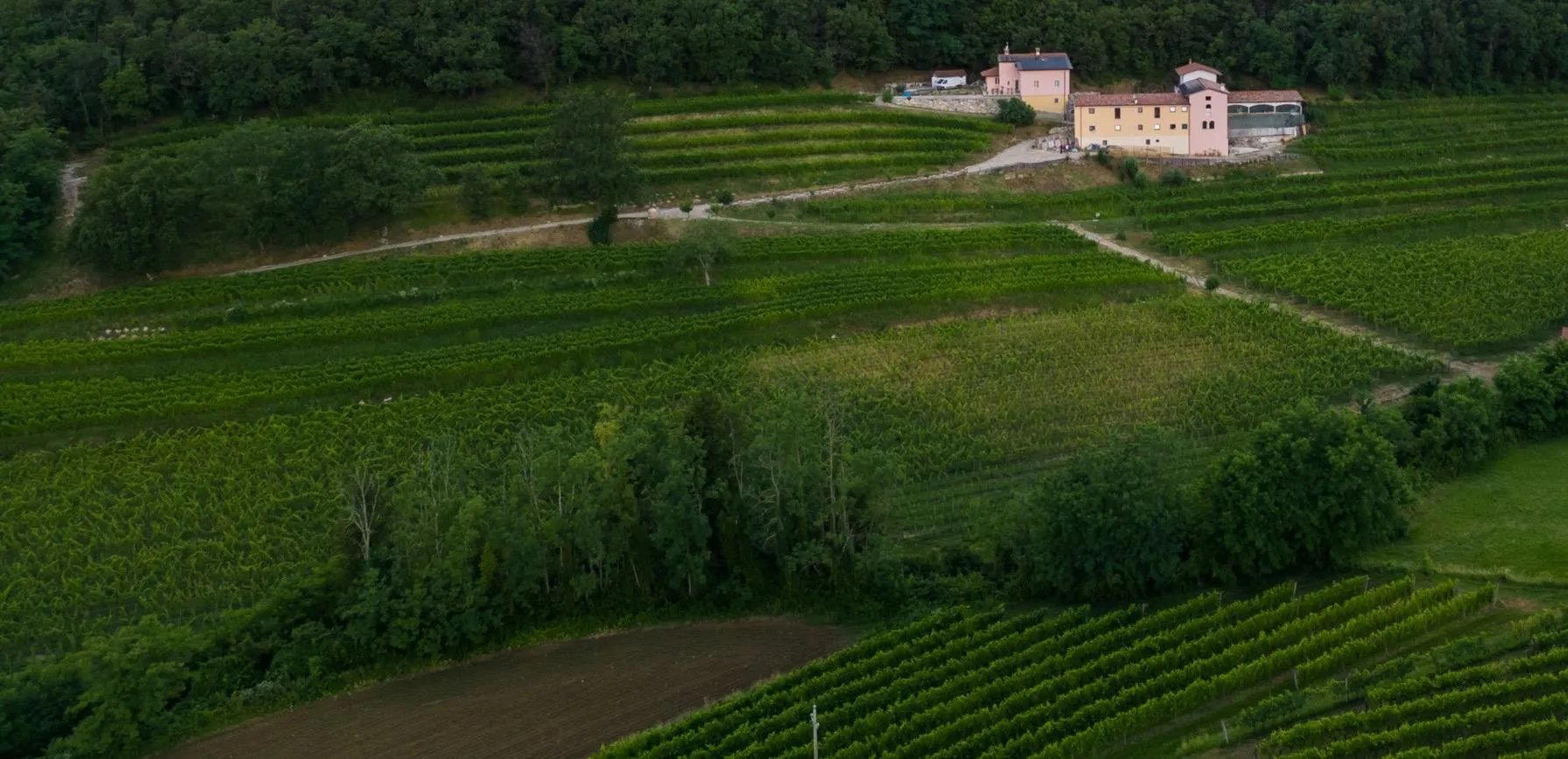
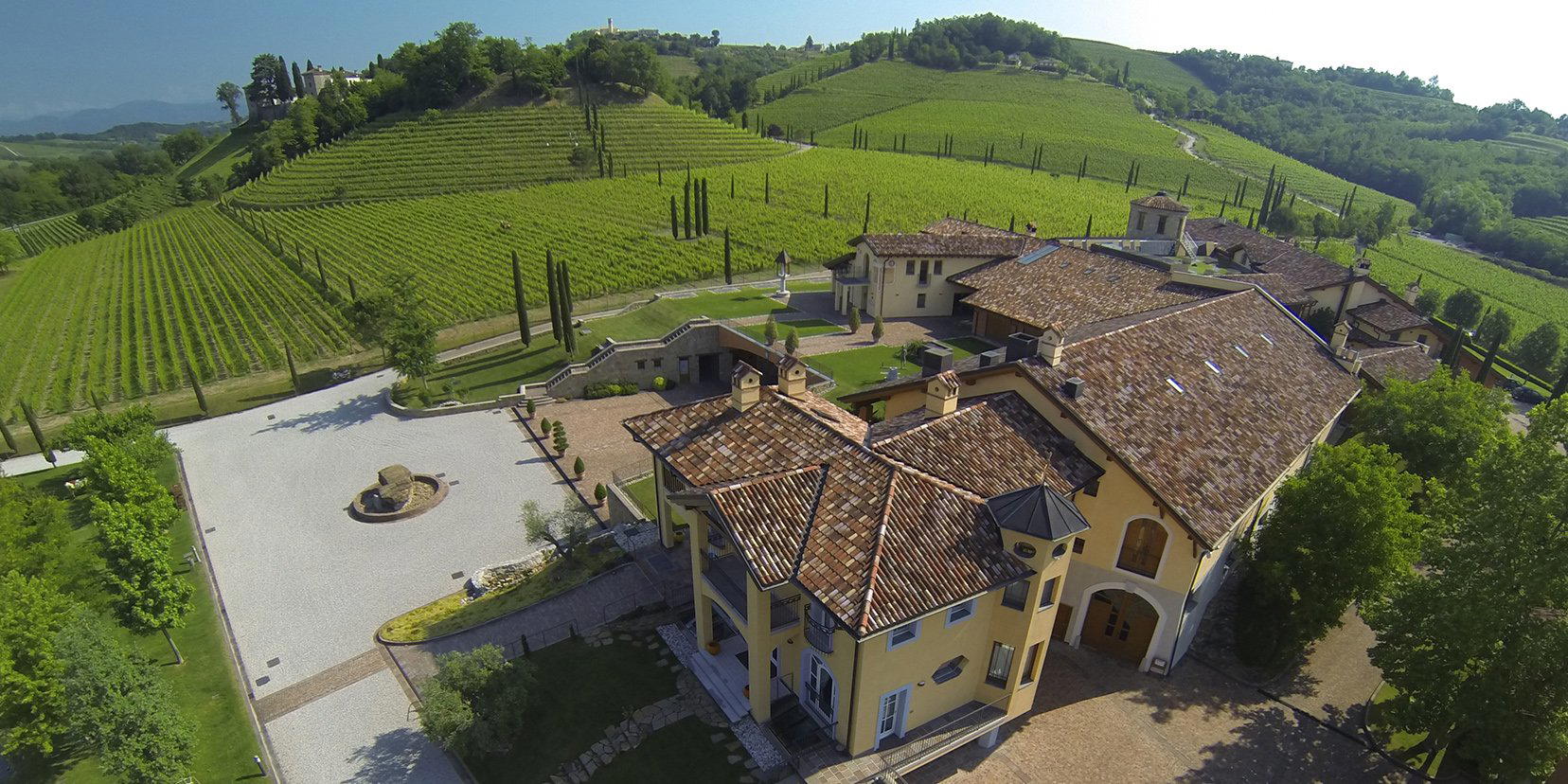
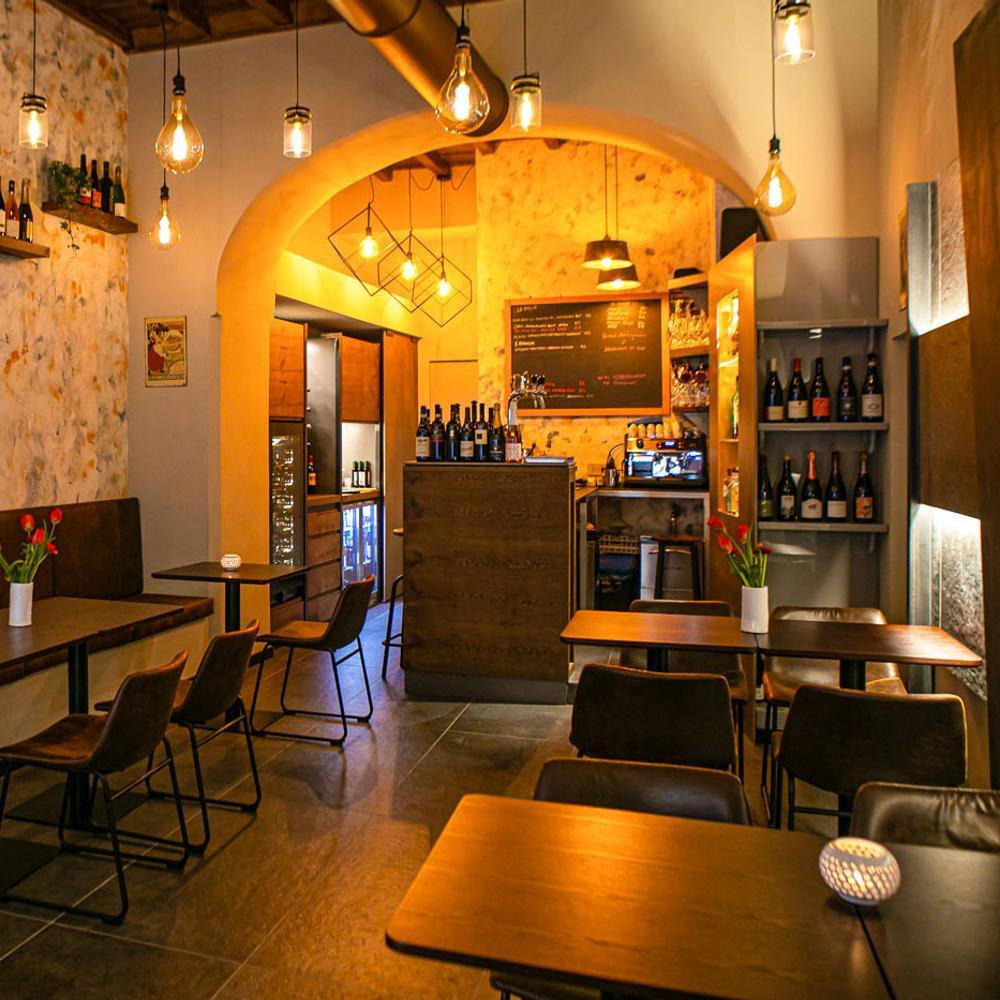
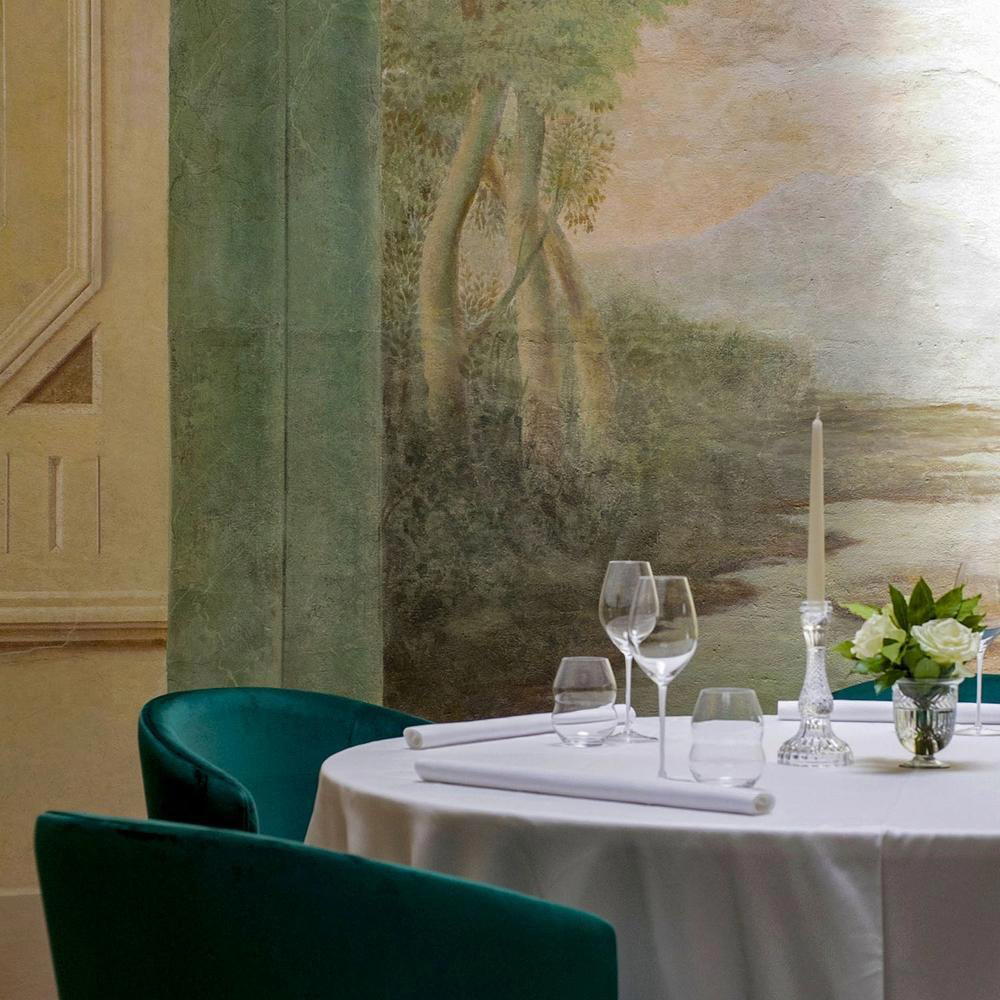
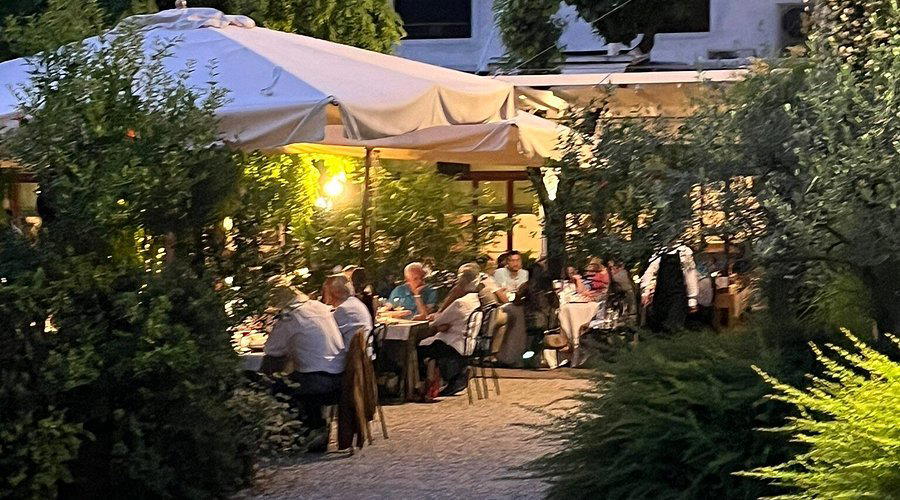
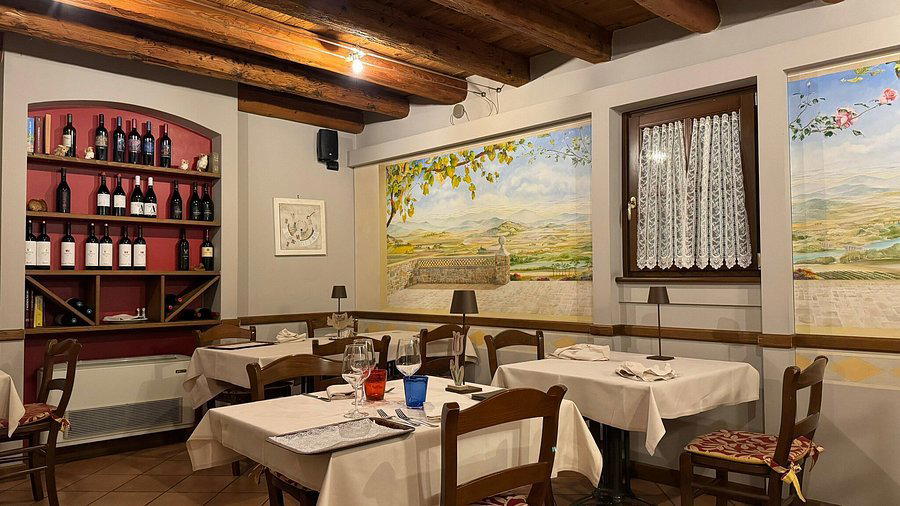
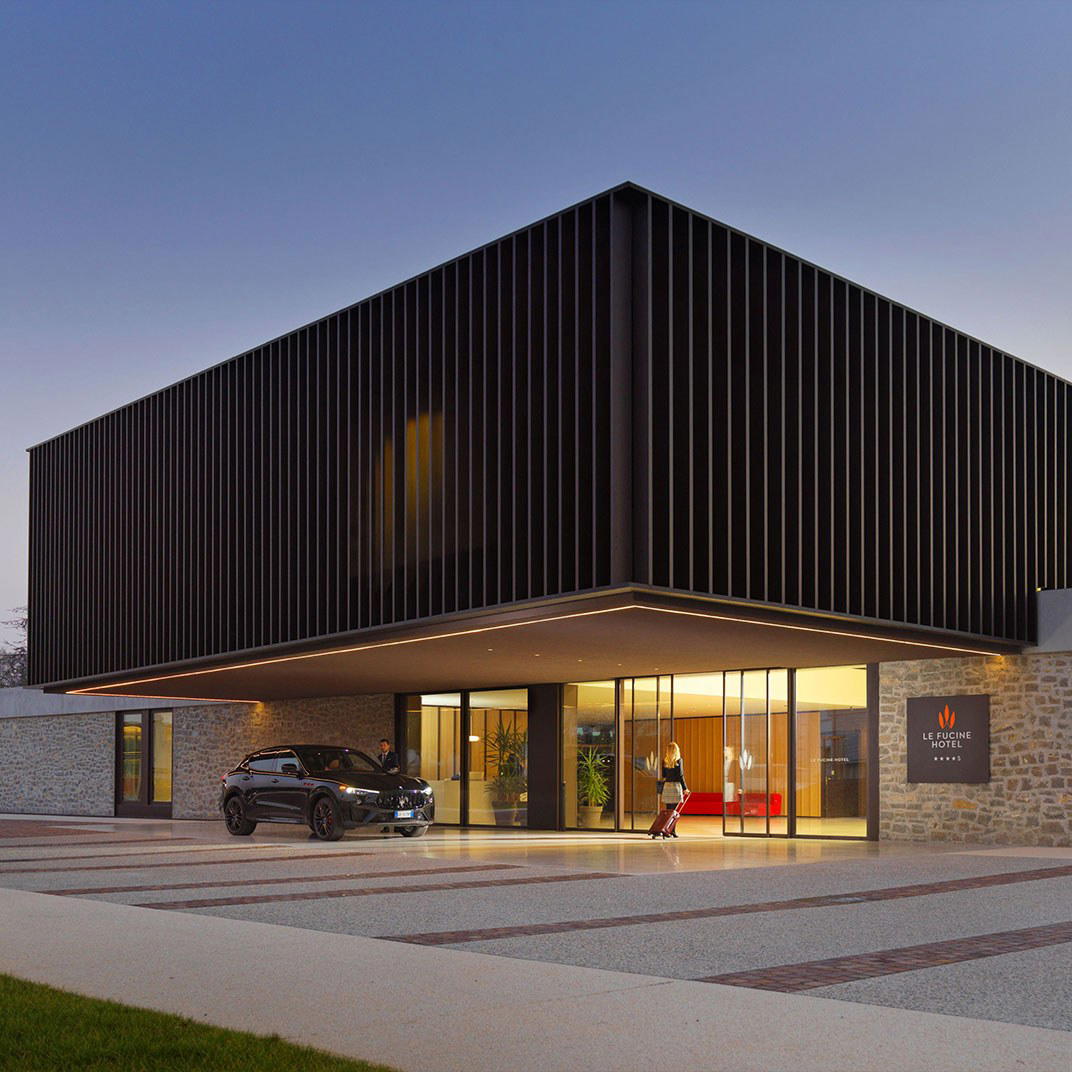
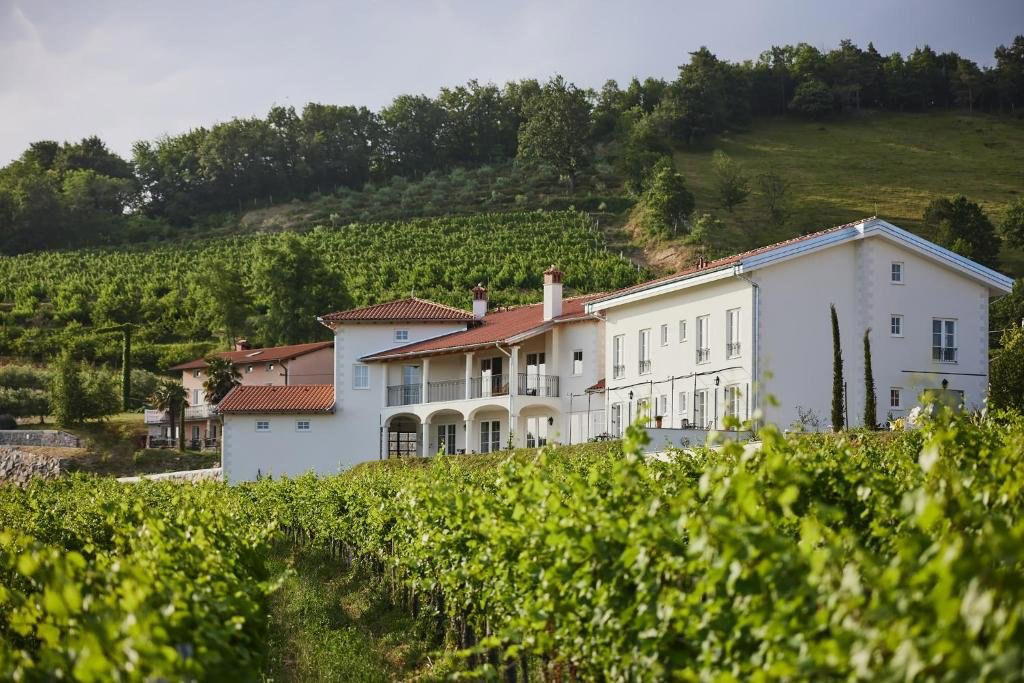
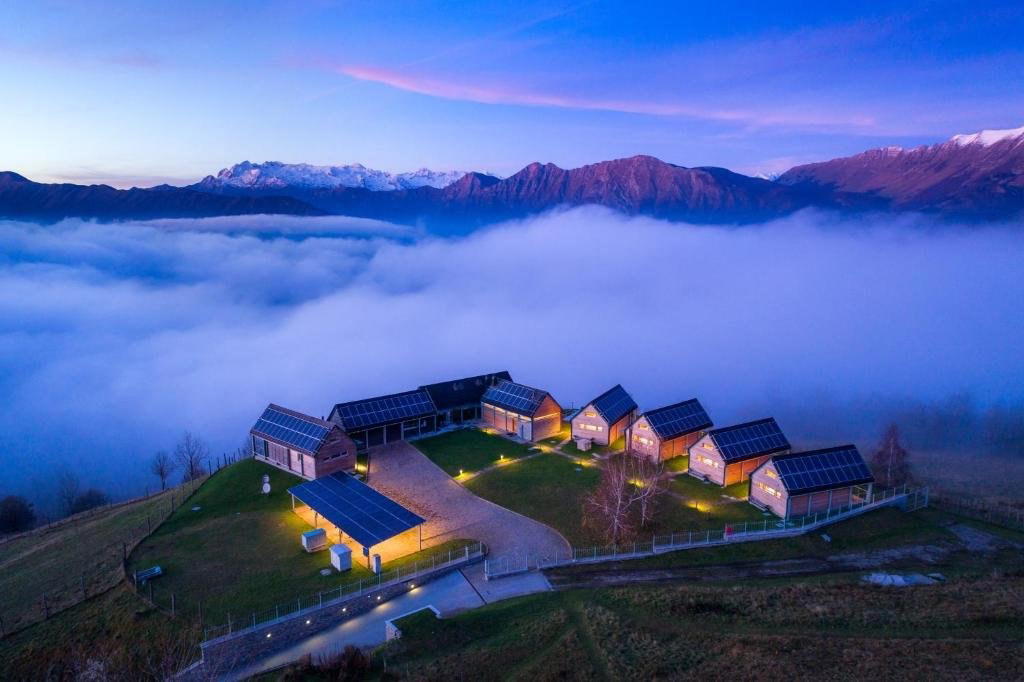
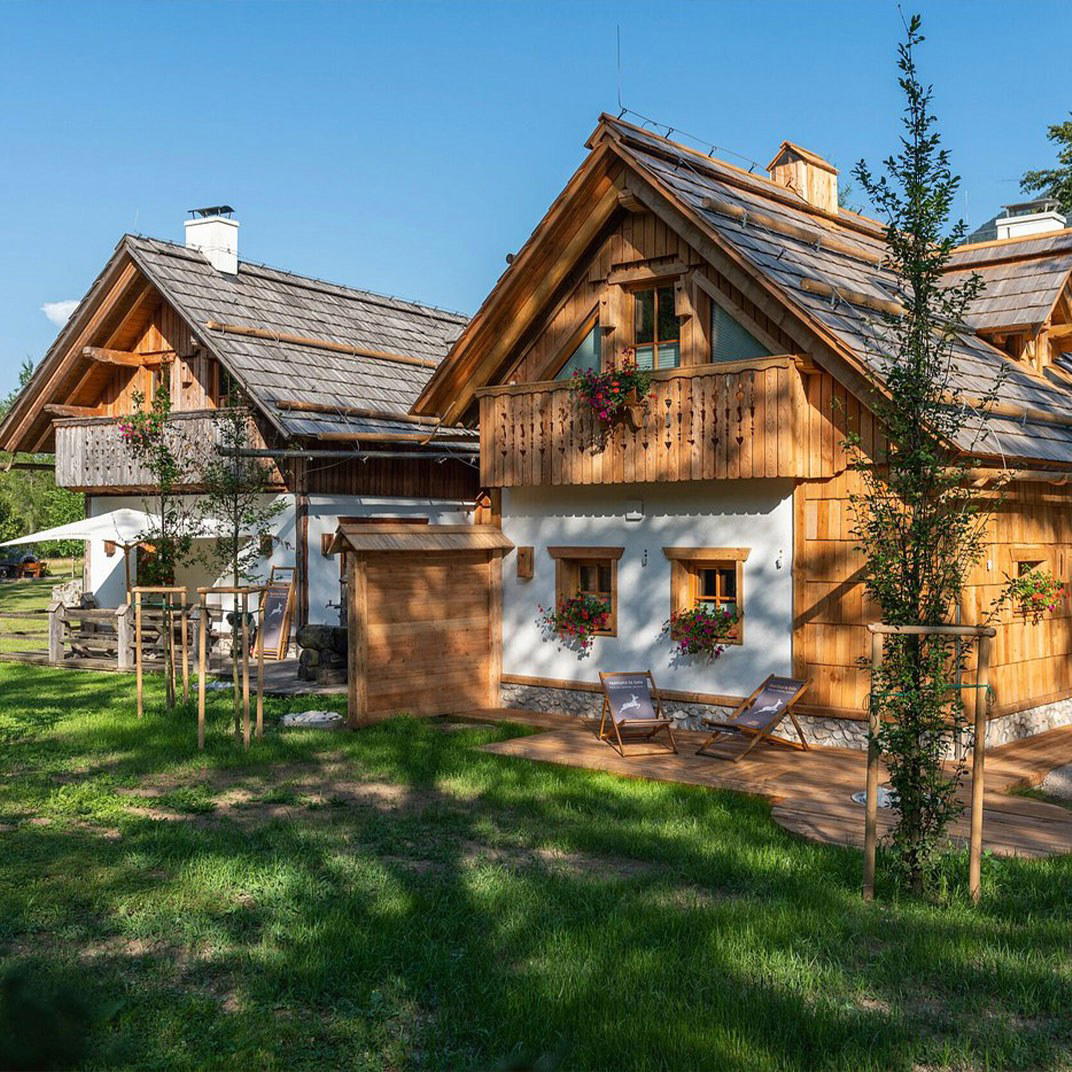
Warm and welcoming atmosphere with professional yet friendly staff; beautiful surrounding landscape of hills, vineyards, and roses; cellar setting with rustic charm and attention to detail in winemaking.