

A Michelin Key-awarded palace in Venice's Arsenale district, Ca' di Dio occupies a building with roots dating to 1272, thoroughly reimagined for contemporary luxury across 60 rooms. Three tranquil courtyards provide rare distance from the city's foot traffic, while the hotel's restaurants serve a Venetian culinary programme grounded in local tradition.
Pearl is the En Primeur Club membership app — saves, bookings, and concierge access live there. Same editors, same standards.
- Address
- Riva Ca' di Dio, 2183, 30122 Venezia VE
- Phone
- +39 041 098 0238
- Website
- vretreats.com
- Directions
- Get directions
 Saves & bookings on Pearl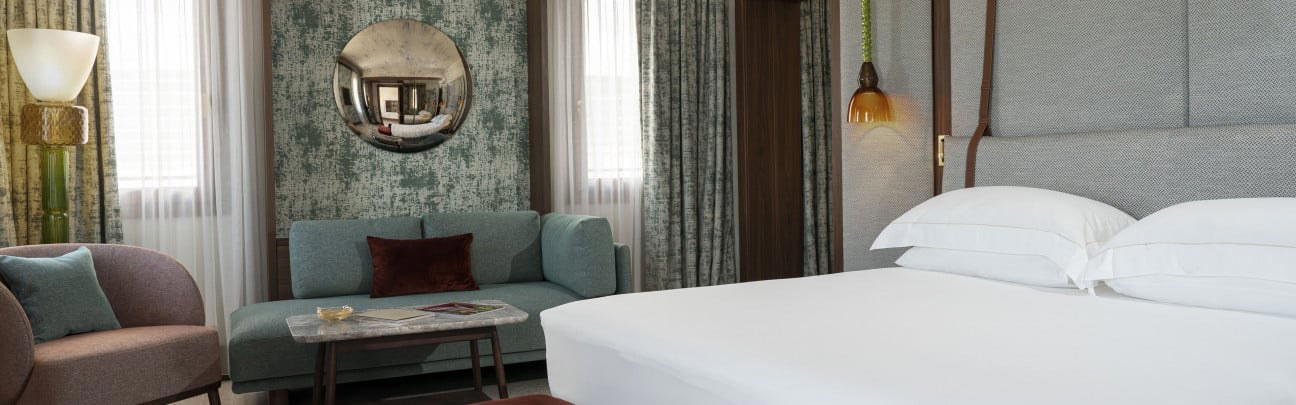
Approaching Ca' di Dio: The Arsenale Quarter and What It Signals
Venice's hotel geography divides, broadly, between the San Marco cluster, grand facades, tourist density, canal theatre, and a smaller set of properties positioned along the eastern waterfront, where the city's shipbuilding history gives the neighbourhood a different register altogether. The Arsenale district, where Ca' di Dio sits on the Riva Ca' di Dio facing the lagoon, belongs to that second category. The approach is calmer, the water broader, and the buildings heavier with industrial purpose. This is where Venice built its naval power for centuries, and the architecture still carries that weight.
Arriving at the hotel from the water, one logical approach in a city without roads, the building presents as a layered Venetian palace, its facade reflecting the kind of accumulated history that no single design era can fully claim. Parts of the structure date to 1272, which places its origins in an era well before Venice reached its Renaissance peak. The successive centuries have added to it, and the current iteration introduces a 21st-century design programme that, according to the hotel's recognised character, reads as stylish and historically aware without flattening what came before it. The 2024 Michelin Key recognition confirms that this balance is being taken seriously at an international level.
Inside the Building: Courtyards, Scale, and the Logic of Refuge
One coveted asset in Venetian hospitality is silence. The city's pedestrian density is relentless through most of the year, and the narrow calli funnel noise in ways that even double-glazing struggles to address. Ca' di Dio counters this with a configuration that places three courtyards at the centre of the guest experience. In a city where outdoor space is architecturally scarce and genuinely priced, three functioning courtyards at one address represents a spatial generosity that places the property in a different register from canal-facing hotels relying purely on water views for their outdoor offering.
The 60-room count keeps the property at a scale where corridor encounters remain occasional rather than constant, a meaningful distinction in Venice, where the difference between a 60-room and a 200-room hotel is felt immediately in pace and service rhythm. That room count also positions Ca' di Dio in a mid-luxury tier by Venetian standards: larger than particularly intimate design-led properties like Corte di Gabriela, but considerably smaller than the grand-hotel operations that define the San Marco waterfront. The Aman Venice operates with fewer rooms in a palazzo setting; the Cipriani, A Belmond Hotel sits on Giudecca with its own island logic. Ca' di Dio's position on the Arsenale waterfront gives it a distinct peer niche.
The Design Programme: Contemporary Italian Craft in a Medieval Shell
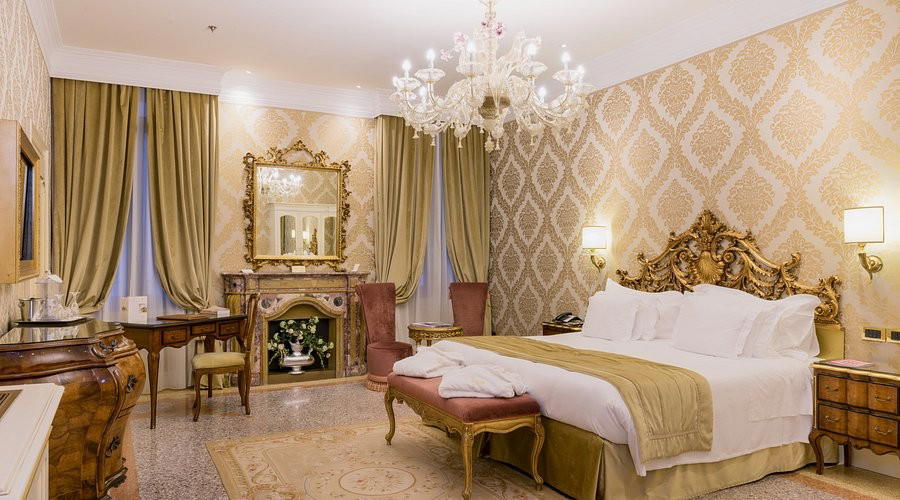
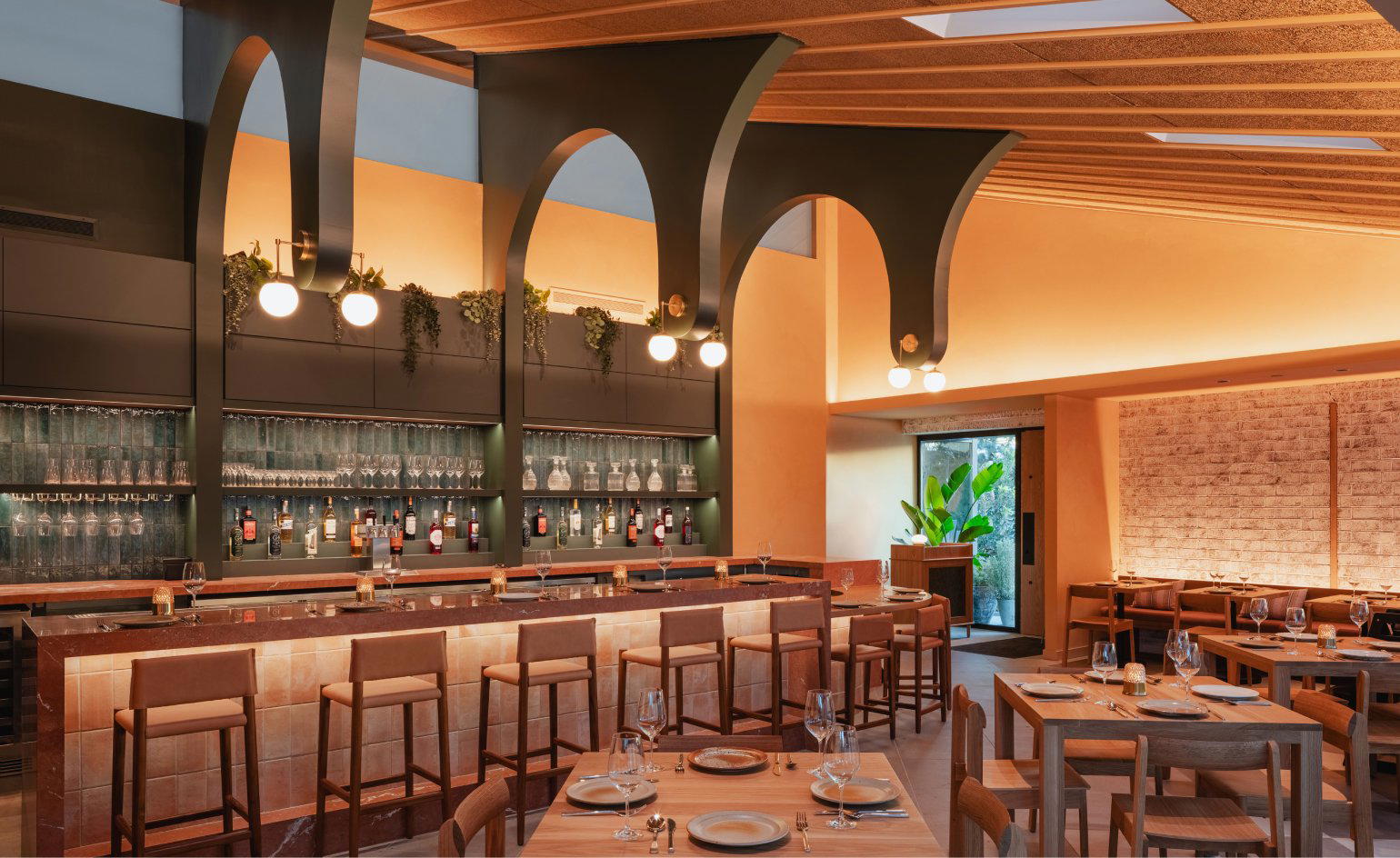
Contemporary Italian design applied to a medieval Venetian structure is a brief with obvious tension points. The history of high-end Italian hotel restoration in the past two decades has produced results across a wide spectrum, from sympathetic renovation that reads as coherent to jarring modernisation that treats the original fabric as a backdrop. Ca' di Dio's approach, as described by those who have assessed it formally, sits at the more considered end: the emphasis is on high-end contemporary Italian design that reflects the surroundings in its material and tonal choices rather than working against them.
That approach connects Ca' di Dio to a broader trend in Italian luxury accommodation, where properties like Castello di Reschio in Lisciano Niccone and Borgo Santandrea on the Amalfi Coast have made local-materials design and historical sensitivity part of their positioning. In Venice specifically, where the visual environment is itself a form of competition, a hotel's interior design either amplifies or fights the context outside. The reported character here, hip yet historically aware, suggests an atmosphere that reads younger in sensibility than the traditional grand-hotel mode represented by the Hotel Gritti Palace, without abandoning the craft standards the city's architectural context demands.
Restaurants: Venetian Culinary Tradition Without Concession
Venice's restaurant scene has long carried a reputation for tourist-facing mediocrity in the areas of highest foot traffic, making the city's genuinely good restaurants, most of which require some navigation away from the Rialto-to-San Marco corridor, more valuable for being harder to find by accident. A hotel that commits to an authentic Venetian culinary programme is making a specific editorial statement: that it serves guests who are curious about the city rather than merely occupying it.
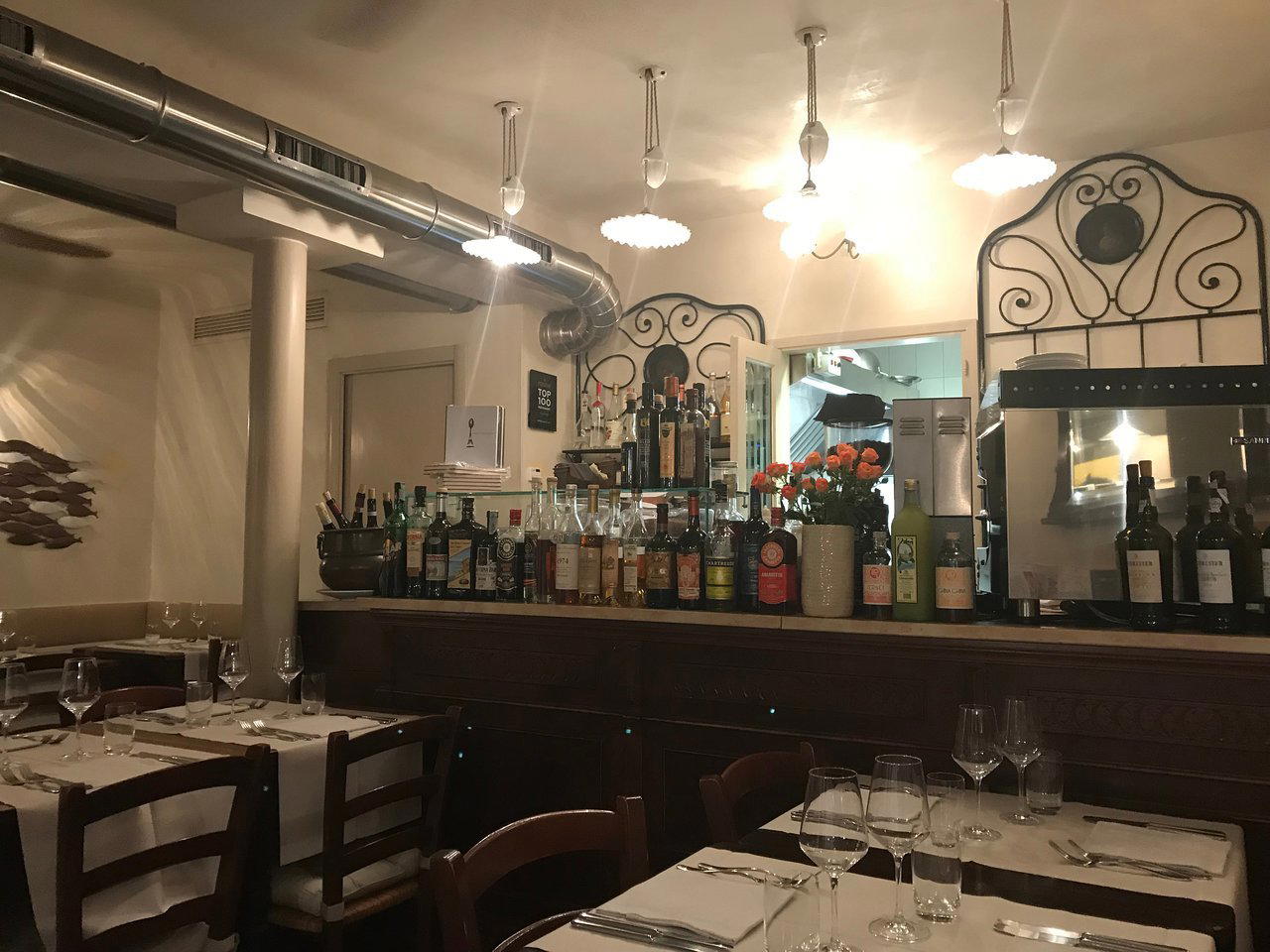
The food and beverage offering at Ca' di Dio is described as a remarkably authentic take on Venetian culinary traditions, a framing that signals cicchetti culture, lagoon-sourced seafood, and the kind of ingredient-led restraint that characterises stronger examples from the Veneto kitchen. Venice's traditional larder includes cuttlefish, spider crab, scallops from the lagoon, polenta from the mainland, and a wine culture anchored in Soave and Valpolicella from the surrounding hills. A hotel dining programme rooted in these materials, rather than defaulting to international luxury-hotel cooking, is relatively uncommon and worth noting for guests who plan to use the restaurant seriously. For a broader read on where Ca' di Dio fits in the city's dining picture, see our full Venice restaurants guide.
The Arsenale Context: Biennale Timing and the Hotel's Position in It
Ca' di Dio's location in the Arsenale district is not merely a neighbourhood detail, it is a logistical fact that shapes the guest profile and the booking calendar significantly. The Venice Biennale, which alternates between art and architecture editions and draws a globally concentrated audience of collectors, curators, architects, and cultural practitioners, takes place largely in and around the Arsenale. A hotel within walking distance of the main Biennale venues during peak event periods occupies a position of genuine convenience that no amount of renovation can replicate at other addresses.
This also means that Ca' di Dio's rates and availability during Biennale openings behave differently from its standard calendar. Guests planning to attend the Biennale should treat booking as a priority-tier exercise: the combination of a Michelin Key property at this address, a 60-room count, and the event's compressed attendance windows makes availability scarce. Outside Biennale periods, the Arsenale district functions as one of the calmer approaches to the city's eastern half, with the Giardini and the waterfront promenade providing genuinely less-crowded walking than the tourist-dense centre.
Planning Your Stay
Ca' di Dio is at Riva Ca' di Dio, 2183, in the Castello sestiere, within the Arsenale quarter. The nearest vaporetto stop connects to the broader water-bus network, and water taxi access from Marco Polo airport delivers guests directly to the Riva. The hotel's 66 rooms span a solidly premium price tier. Guests attending the Biennale should book with maximum lead time. For those coming to Venice outside peak cultural programming, the Arsenale location provides an address that keeps the crowds at one remove without sacrificing proximity to the city's core attractions.
Across Italy more broadly, properties that share Ca' di Dio's emphasis on historically grounded contemporary design include Casa Maria Luigia in Modena, Four Seasons Hotel Firenze, Portrait Milano, Rosewood Castiglion Del Bosco in Montalcino, Borgo Egnazia in Savelletri di Fasano, Bulgari Hotel Roma, Il Pellicano in Porto Ercole, Passalacqua in Moltrasio, Corte della Maestà in Civita di Bagnoregio, and JK Place Capri. For those extending an Italy trip further, Il San Pietro di Positano offers a complementary register on the southern coast. Internationally, the design-led palazzo approach has parallels in properties like The Fifth Avenue Hotel in New York City, Aman New York, and Amangiri in Canyon Point, each occupying a position where architecture and setting carry as much weight as the service programme.
Budget Reality Check
Comparable venues nearby, for context on price, style, and recognition.
| Venue | Price | Awards | Notes |
|---|---|---|---|
| Ca’ di DioThis venue — the venue you are viewing | $$$$ | Michelin 1 Key | Not listed |
| Corte di Gabriela | $$$$ | Michelin 1 Key | San Marco, 19th-century pale pink building with exposed beams, terrazzo floors, and original frescoes juxtaposed against modern design elements. |
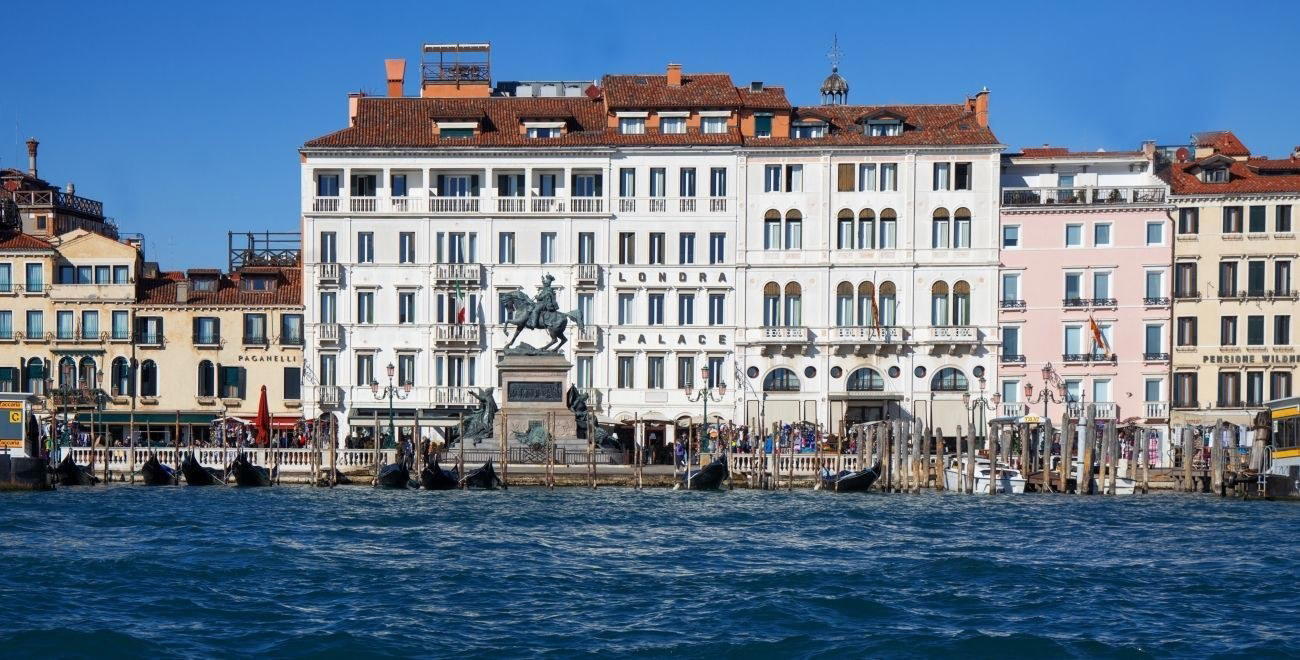
| Londra Palace Venezia | $$$$ | Michelin 1 Key | Castello, Historic Venetian palace blending tradition with modern touches |
| Palazzo Venart Luxury Hotel | $$$$ | Michelin 1 Key | Santa Croce, Restored 16th-century Venetian palazzo blending historic grandeur with modern luxury |
| Il Palazzo Experimental | $$$$ | Michelin 1 Key | Dorsoduro, Historic Renaissance palazzo reimagined as a modern boutique hideaway |
| Hotel Metropole Venice | $$$$ | Michelin 1 Key | Castello, Family-run historic boutique hotel with eclectic antique decor |
Recognition history
Dated appearances from independent guides and award organizations, with the underlying list record or original source where available.
Mr & Mrs Smith Smith Seal of Approval
Mr & Mrs Smith
Michelin 1 Key
Michelin
Small Luxury Hotels of the World Member
Small Luxury Hotels of the World
Michelin 1 Key
Michelin
Continue exploring
More in Venice
Hotels in Venice
Browse all →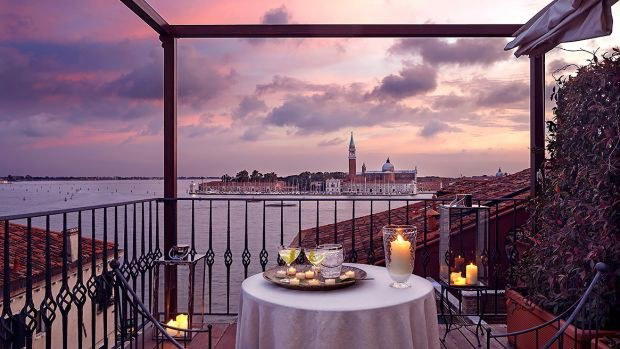
Bars in Venice
Browse all →
Restaurants in Venice
Browse all →


At a Glance
- Romantic
- Elegant
- Quiet
- Classic
- Scenic
- Sophisticated
- Romantic Getaway
- Honeymoon
- Anniversary
- Weekend Escape
- Waterfront
- Historic Building
- Design Destination
- Panoramic View
- Terrace
- Garden
- Wi Fi
- Spa
- Fitness Center
- Restaurant
- Bar
- Concierge
- Room Service
- Garden
- Waterfront
- Garden
- Wi Fi
- Spa
- Fitness Center
- Restaurant
- Bar
- Concierge
- Room Service
- Garden
Serene and refined with luminous travertino in common areas, preserved frescoes, Murano glass details, and warm natural light creating a peaceful retreat away from Venice's bustling tourist areas.