Café Čokl occupies a corner of Krekov trg, one of Ljubljana's most animated market squares, where the morning coffee crowd gives way to afternoon wine drinkers without the atmosphere shifting gears. It sits in the mid-range of the city's café-bar scene, less formal than Dvorni Bar's wine-forward room, more rooted than the transient terrace spots along the Ljubljanica. For visitors arriving via the central market, it reads as a natural first stop.
Pearl is the En Primeur Club membership app — saves, bookings, and concierge access live there. Same editors, same standards.
- Address
- Krekov trg 9, 1000 Ljubljana, Slovenia
- Phone
- +386 30 789 173
- Website
- buna.si
- Directions
- Get directions
 Saves & bookings on Pearl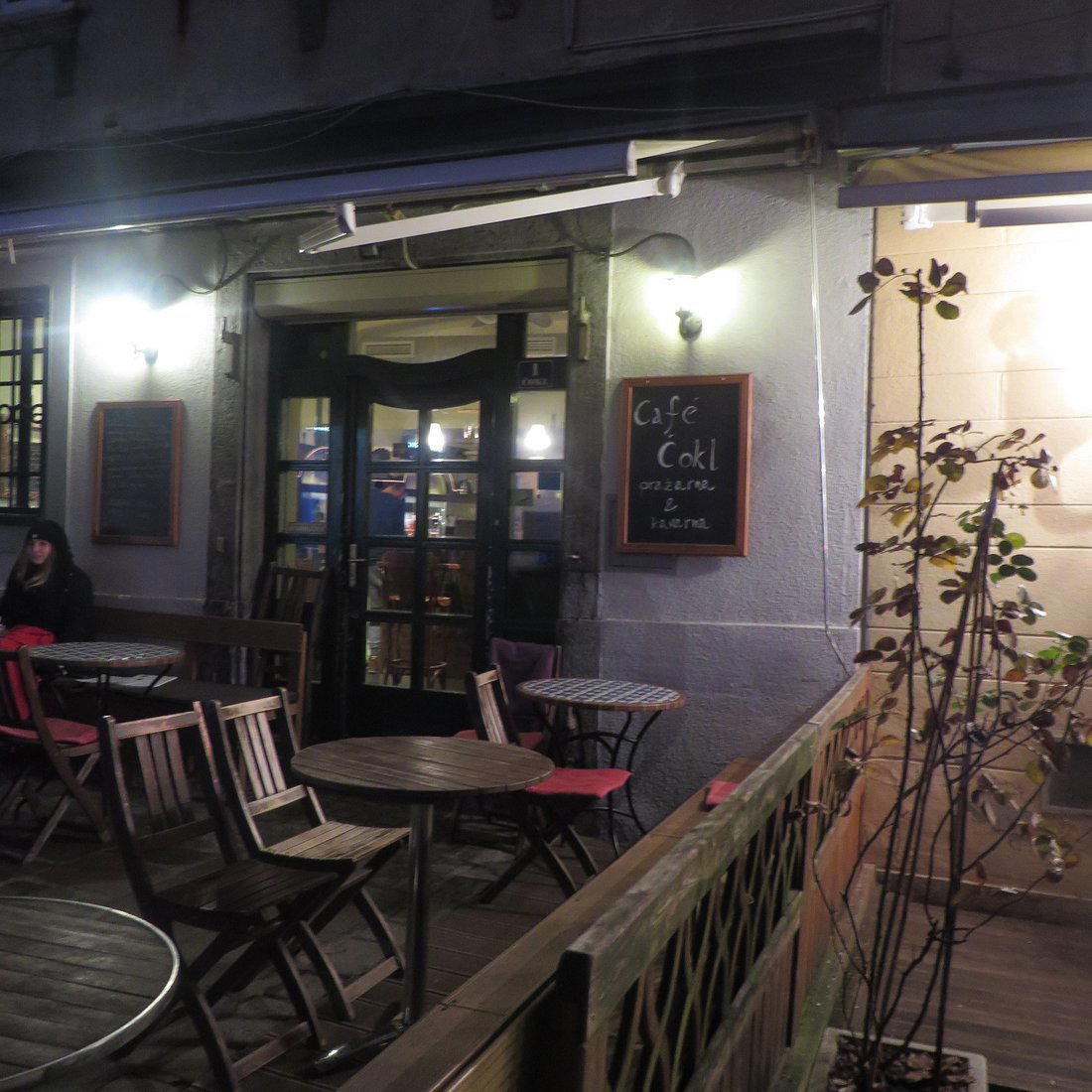
Krekov trg and the Ljubljana Café Tradition
Ljubljana's café culture does not perform. Unlike cities where the café is a stage set for being seen, the squares around the central market operate on a different logic: they are working spaces for working mornings, where the espresso comes fast, the tables fill early, and the crowd is as likely to include market vendors and local commuters as tourists comparing guidebooks. Krekov trg, where Café Čokl holds its address at number nine, sits at the eastern edge of the market district, close enough to the covered halls to catch the foot traffic, far enough from the main Prešeren Square circuit to hold its own character.
That positioning matters more than it might first appear. The bars and cafés along Mestni trg and the riverbank tend to attract visitors moving along a well-worn sightseeing route. Krekov trg draws a more mixed crowd, shaped partly by the open-air market that runs through the square on weekday mornings. The result is a street-level energy that feels less curated than the Ljubljanica embankment and more connected to how the city actually functions day-to-day.
The Physical Space and What It Signals
Café culture in Central European cities tends to resolve into two modes: the grand interior with marble and mirror, and the stripped-back neighbourhood room that relies on density of regulars rather than architecture. Ljubljana has examples of both, but the café-bars around the market district generally fall into a third category, somewhere between, with outdoor terrace space that carries most of the atmosphere in warmer months and interiors that function as fallback rather than destination.
Café Čokl fits that pattern. The address on Krekov trg places it in a square with immediate visual interest, the market architecture, the proximity to the Dragon Bridge a short walk north, but the draw is situational rather than designed. You come because you are there, because the square invites a pause, because the rhythm of the market district makes sitting down feel like the logical next move. This is not a criticism. In cities with strong café cultures, the venues that sustain themselves on neighbourhood logic often outlast the ones built around a single design moment.
Dvorni Bar is the reference point for serious Slovenian wine served with depth of knowledge. eVino occupies a similar natural wine-focused niche. Daktari and Cutty Sark Pub serve different ends of the casual drinking market. Café Čokl does not position itself as a specialist in any of those directions, it operates in the generalist café-bar register that forms the backbone of the city's social infrastructure, where coffee, wine, and light food coexist without a declared hierarchy.
Ljubljana's Café-Bar Middle Ground
In cities with strong hospitality scenes, there is a tendency to focus attention on the specialist venues, the awarded restaurants, the natural wine bars with allocations, the cocktail programs with named bartenders. The editorial energy follows the credentialing systems. But the majority of actual drinking and eating in any city happens in exactly the kind of space that Café Čokl represents: mid-tier, neighborhood-anchored, reliant on location and regularity rather than reputation.
Slovenia's café culture draws on both the Austro-Hungarian tradition of the standing coffee bar, where espresso is consumed quickly and without ceremony, and a more relaxed Balkan approach to sitting, talking, and extending a single drink across an afternoon. Ljubljana has absorbed both. The result is a café scene where the difference between a coffee stop and a social anchor is often just a matter of what time you arrive and how long you stay.
Polek in Maribor and along the Slovenian coast at Koželj in Portorož. For wine-focused stops in the Slovenian countryside, Konvin in Kojsko offers a more rural interpretation of the same hospitality instinct. The through-line across all of them is a lack of ceremony, the idea that good drinking does not require a formal frame.
How to Approach a Visit
The market district on weekday mornings is a different place than it is on weekend afternoons. The covered market runs Tuesday through Saturday, and the square around Krekov trg is busiest during those windows, when vendors, residents, and commuters keep the pace brisk. Arriving at that hour makes Café Čokl's address work well: it is a pause in a moving day rather than a destination requiring its own itinerary.
In the afternoon and evening, the area shifts. The market quiets, the tourist-to-local ratio adjusts, and the square becomes a calmer place to sit. Ljubljana's café terraces operate roughly from spring through early autumn; once temperatures drop, the logic of outdoor sitting dissolves and the city's indoor bar culture reasserts itself. Krekov trg is most compelling in the warmer half of the year, when the terrace dynamic that defines it is actually available.
For international reference points in the same broadly accessible, neighbourhood-anchor category, Jewel of the South in New Orleans, Julep in Houston, and Kumiko in Chicago each show how a strong sense of place can drive a bar program without requiring a specialist niche. Bar Leather Apron in Honolulu is another example of location intelligence, a venue whose address does significant work in shaping the experience before anything is ordered.
Planning Notes
Café Čokl is at Krekov trg 9, within easy walking distance of Ljubljana's central market, the Dragon Bridge, and the old town. Walk-ins are the norm. Pricing is approachable, at about $10 per person. The relevant decision is less about whether to go and more about when, and the market morning answer is one defensible one.
Cuisine and Recognition
Comparable venues nearby, for context on price, style, and recognition.
| Venue | Cuisine | Price | Notes |
|---|---|---|---|
| Cafe ČoklThis venue — the venue you are viewing | Bar | $$ | Not listed |
| Dvorni Bar | wine_bar | $$ | Old Town |
| Klub K4 | lounge | $$ | city center |
| Vinoteka Movia | wine_bar | $$$ | Mestni trg |
| Cutty Sark Pub | pub | $$ | Center |
| eVino | wine_bar | $$ | Jarse District |
Continue exploring
More in Ljubljana
Bars in Ljubljana
Browse all →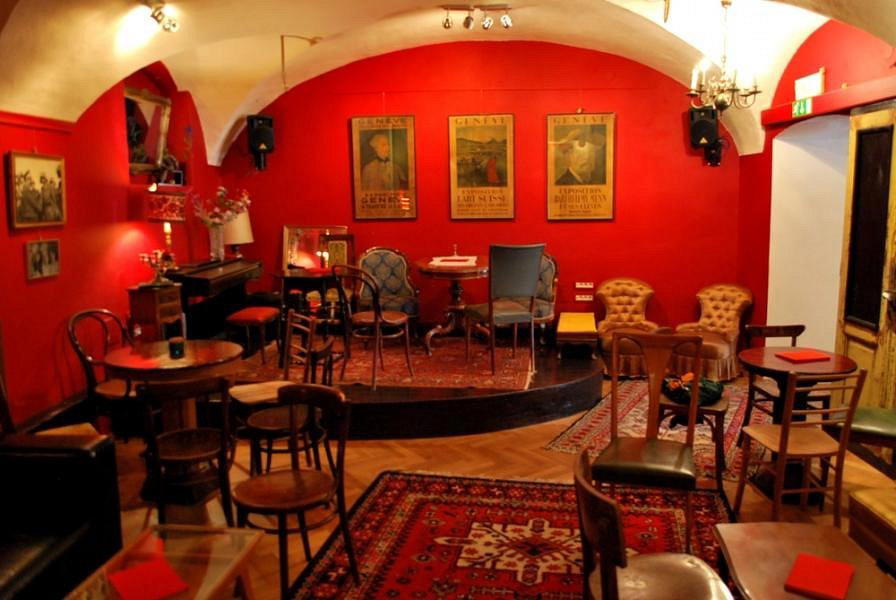
Restaurants in Ljubljana
Browse all →
Hotels in Ljubljana
Browse all →
Wineries in Ljubljana
Browse all →
At a Glance
- Cozy
- Intimate
- Trendy
- Casual Hangout
- Standalone
- Seated Bar
- Outdoor Terrace
- Street Scene
Current opening hours
- Monday
- 7 AM–7 PM
- Tuesday
- 7 AM–7 PM
- Wednesday
- 7 AM–7 PM
- Thursday
- 7 AM–7 PM
- Friday
- 7 AM–7 PM
- Saturday
- 7 AM–6 PM
- Sunday
- 9 AM–5 PM
Hours can change for holidays and private events. Last verified .
Cozy wood-paneled interior with light jazz music at low volume, comfortable non-rushed busy atmosphere, and worn wooden high tables.