L'Argine a Vencò





1 Michelin Star · La Liste Top Restaurants · Falstaff Restaurant - 94 Falstaff Points
Our verdict
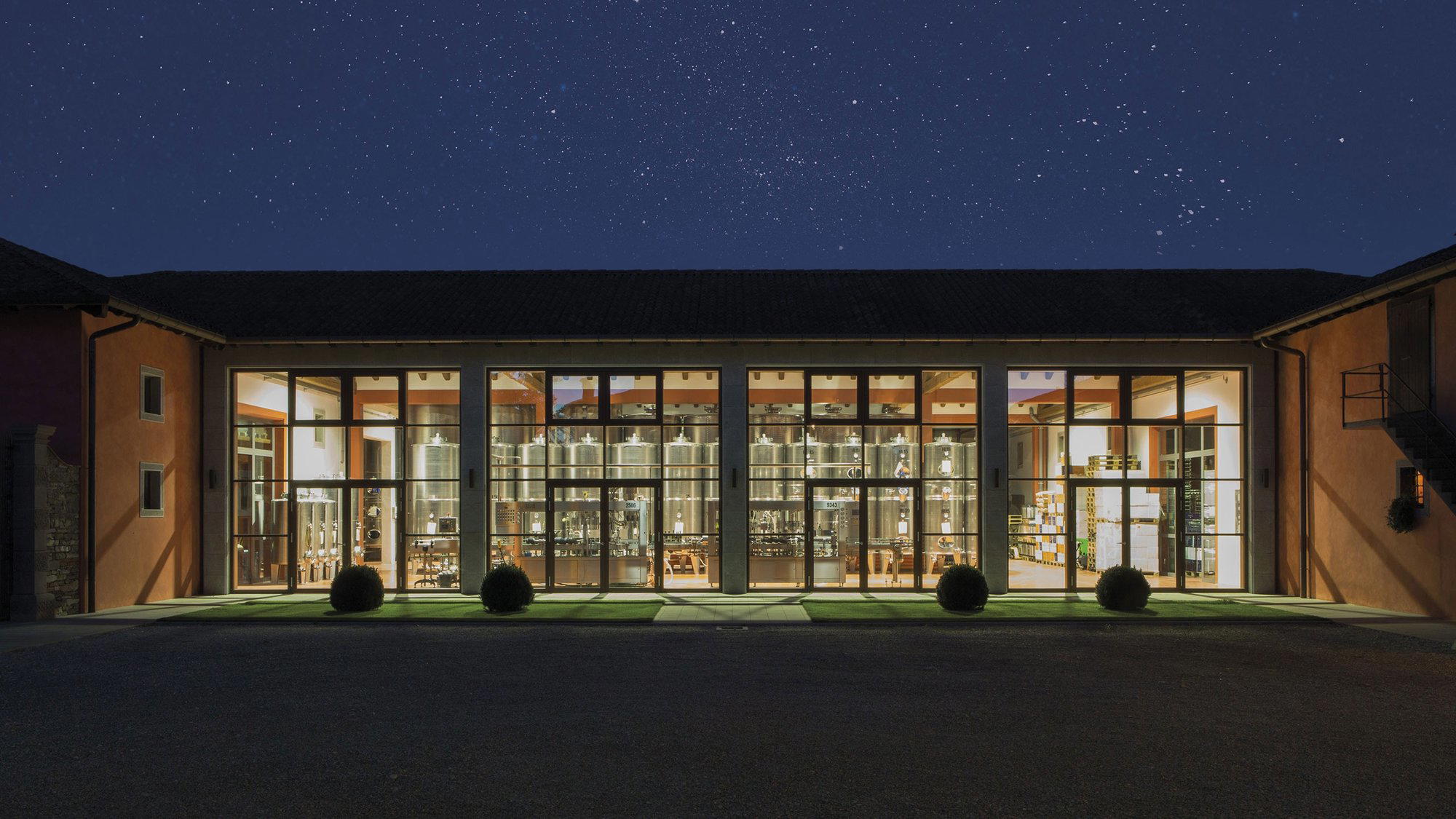
In the hills above Dolegna del Collio, where Friuli meets Slovenia, L'Argine a Vencò operates from a restored mill surrounded by its own kitchen garden. Chef Antonia Klugmann holds a Michelin star and ranks #113 in Opinionated About Dining's Europe list for 2025. The cooking draws directly from the borderland terroir, with aromatic herbs from the garden appearing across a menu that sits at the intersection of precision and place.

Pearl is the En Primeur Club membership app — saves, bookings, and concierge access live there. Same editors, same standards.
- Address
- Località Vencò, 34070 Dolegna del Collio GO, Italy
- Phone
- +39 350 521 2804
- Hours
- Mon–Tue ClosedWed 7:45 PM–12 AMThu–Sun 12:45–4 PM, 7:45 PM–12 AM
- Website
- largineavenco.it
- Directions
- Get directions
- Booking
- Book on the venue's website
The menu
What to order
- Fragole in umido
- Collo d’agnello al siero di latte con pomodoro crudo e tartufo
- Capellini ai fichi
Where the Collio Ends and the Kitchen Begins
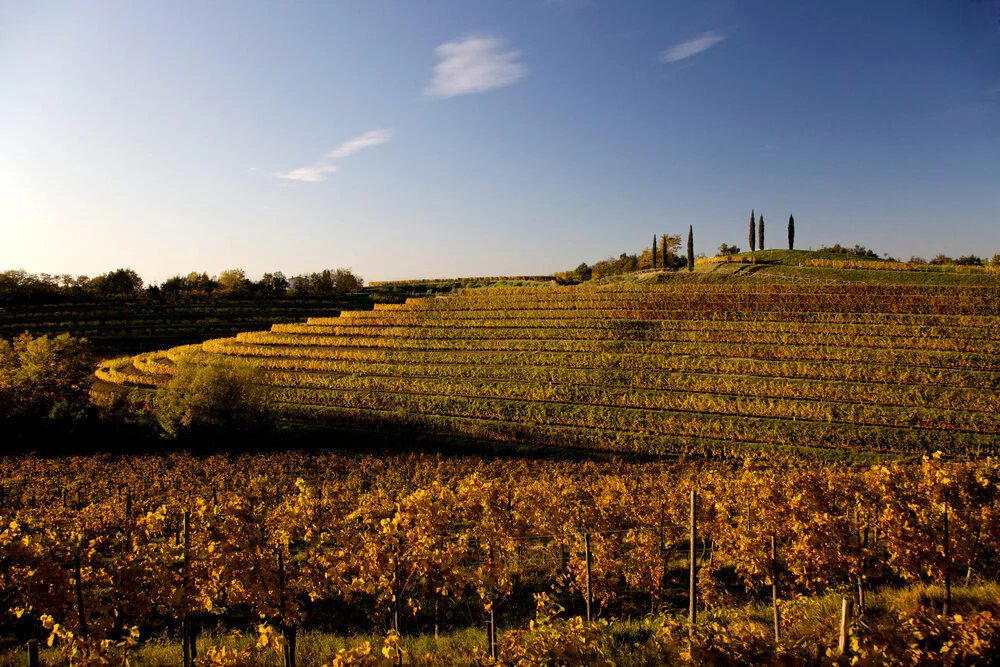
The northeastern corner of Friuli Venezia Giulia sits at a crossroads that has shaped its food and wine for centuries. The Collio DOC and Colli Orientali del Friuli run almost parallel here, separated by ridgelines rather than administrative lines, and both wine zones share a geology, the Eocene flysch known locally as ponca, that produces white wines of unusual mineral precision. The village of Dolegna del Collio sits at the edge of this territory, a few kilometres from the Slovenian border, and it is in that liminal geography that L'Argine a Vencò has established its particular character.
Friuli's regional cooking does not follow the templates that define Italian food further south. There is no Roman emphasis on offal and cured pork, no Neapolitan devotion to tomato and dried pasta, no Milanese luxury of butter and saffron. What Friuli has instead is an alpine-meets-Mediterranean logic: wild herbs, cured fish, game, legumes, and a proximity to Central European flavour sensibilities that never quite disappeared. L'Argine a Vencò works within this tradition but pushes it toward something more deliberately composed, earning recognition across multiple independent sources, including a Michelin star held since 2024, an 88-point score in La Liste's 2025 ranking, and a position of #83 in Opinionated About Dining's Europe list for the same year, rising to #113 in the 2025 edition. These are not scores generated by volume or visibility. They reflect a consistent critical assessment of a restaurant operating at a remove from any major urban market.
The Kitchen Garden as Structural Logic
At the higher end of Italian creative cooking, the relationship between a restaurant and its immediate landscape tends to be framed as philosophy. What distinguishes several of the country's more serious destination restaurants is when that relationship becomes structural rather than decorative. At Venissa in Mazzorbo, the walled vineyard is both agricultural reality and dining context. At Reale in Castel di Sangro, the surrounding Apennine highlands define what the kitchen is even attempting. L'Argine a Vencò belongs to the same category: the kitchen garden is not a garnish to the concept but its operating centre.
Chef Antonia Klugmann's cooking is anchored in the aromatic herb work that grows directly on site. La Liste's assessment notes that these herbs are a characteristic feature across many dishes, and that the garden is a daily source of inspiration. This is a practical, ingredient-driven account of a menu that changes as the land changes. For a restaurant at the €€€€ price point, that level of botanical specificity is rare without the support of a much larger institutional infrastructure. The fact that L'Argine a Vencò achieves it in Dolegna del Collio rather than in Milan or Florence says something important about how Italian progressive cooking has evolved geographically over the past decade.
Klugmann's approach connects to a broader shift in Italian fine dining away from French-influenced plating orthodoxy and toward something more rooted and less legible from a distance. The trajectory is visible across several peer restaurants at this tier: Dalla Gioconda in Gabicce Monte works a similar territory on the Adriatic side, while Atelier Moessmer Norbert Niederkofler in Brunico has made alpine regionalism the entire brief. These are not restaurants that present Italy as a unified culinary identity. They present a specific place at a specific time, which is a harder task.
The Borderland Wine List
The Collio is among Italy's most credentialled white wine zones, and the wine list at L'Argine a Vencò reflects both its immediate geography and its ambitions. La Liste's notes specifically reference the presence of both Colli Orientali del Friuli and Collio producers on an extensive list, which at this level of recognition implies depth and selection rather than a curated minimal format. The borderland context matters here: producers on the Slovenian side of the same ridge, working with the same ponca soils, appear in the region's serious wine conversations alongside their Italian counterparts, and a list drawing on both sides would represent a genuinely distinctive editorial position for a restaurant this far from a major city.
For guests whose primary interest is the wine programme, the Thursday to Sunday lunch and dinner format provides sufficient time to build a meal around the list. The restaurant operates Wednesday evenings from 7:45 PM, with Thursday through Sunday offering both lunch from 12:45 PM and dinner from 7:45 PM. Monday and Tuesday are closed. At €€€€ pricing, a serious wine commitment is factored into the evening budget, and the kitchen's herb-forward, produce-led menu is built for wine pairing rather than against it. Guests travelling specifically for the wine region should consider coordinating a visit with the wineries of Dolegna del Collio and building L'Argine a Vencò around a longer stay.
Destination Dining at Latitude
Restaurants at the level of L'Argine a Vencò tend to concentrate in cities or in well-established destination zones: the Langhe around Piazza Duomo in Alba, the Adriatic strip around Uliassi in Senigallia, the Mantova countryside around Dal Pescatore in Runate. Friuli Venezia Giulia has historically been underrepresented in that top tier relative to the quality of its food and wine culture. The emergence of L'Argine a Vencò as a recognised name in European fine dining, listed alongside peers that include Osteria Francescana in Modena and Le Calandre in Rubano in the broader Italian creative tier, marks a shift in how the region registers internationally.
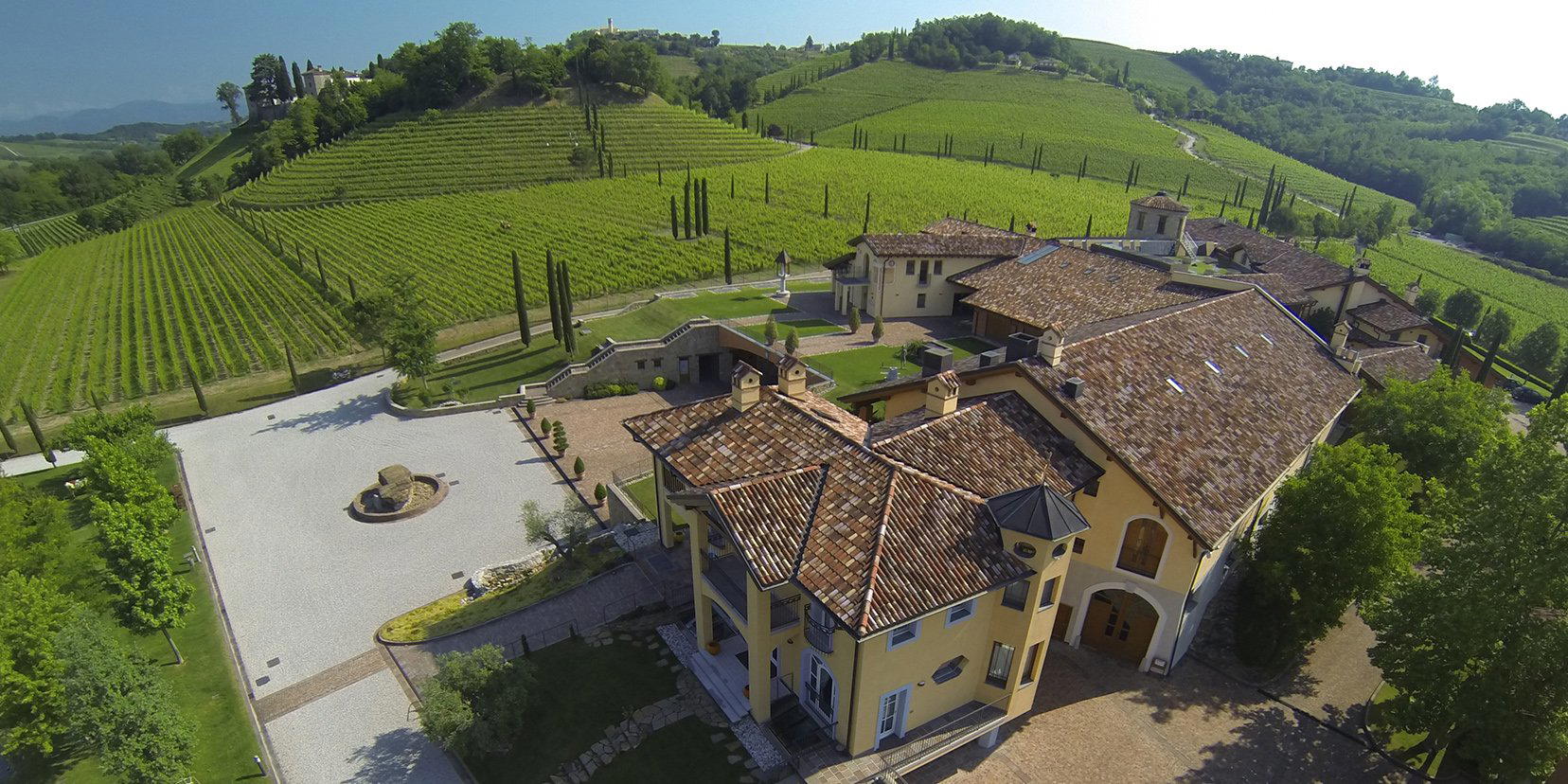
The physical setting reinforces its position as a destination rather than a local dining option. A restored old mill in unspoilt hill scenery near the Slovenian border is not a place you discover by accident. You plan a trip around it, or you extend a wine trip through the Collio to include it. That score, maintained at significant volume for a restaurant this remote, is a stronger reliability signal than most single-publication awards. Nearby, Ronchi Rò offers regional cooking at a different register for those building a fuller picture of local dining. Our full Dolegna del Collio restaurants guide covers the broader picture.
Planning a Visit
Dolegna del Collio sits in the province of Gorizia, roughly 40 kilometres northeast of Udine and accessible by car along the Collio wine road. There is no practical public transport option for a dinner reservation, and the rural setting means accommodation planning matters. Hotels in Dolegna del Collio include agriturismo options within the wine zone, and a multi-night stay built around the Collio harvest season would allow both a dinner and a lunch visit. The winter months of November and December represent a quieter window in the wine region, when the vineyards are stripped and the kitchen turns more fully toward preserved and root vegetable ingredients, a format that tends to suit the restaurant's cooking direction. Reservations at this level of recognition require advance planning; the combination of Michelin star status, limited rural seating, and a five-day operating week means availability compresses quickly during peak months. Bars and experiences in the area round out a longer visit.
For those building an Italian creative dining circuit that extends beyond the obvious northern cities, L'Argine a Vencò occupies a position that restaurants like Quattro Passi in Marina del Cantone, Enoteca Pinchiorri in Florence, and Enrico Bartolini in Milan cannot replicate: a single chef, a specific piece of land, and a cooking logic that would not survive translation to another postcode.
Frequently asked questions
What do people recommend at L'Argine a Vencò?
The consistent thread across independent assessments is the herb-driven cooking that draws directly from the restaurant's kitchen garden. La Liste, Michelin, and Opinionated About Dining all reference the same quality: dishes in which aromatic plants are not decorative but structurally central. Klugmann's approach to Friulian ingredients, framed through progressive technique, is what distinguishes the cooking from the regional average. Guests interested in wine should note the depth of the Collio and Colli Orientali list, which is cited by reviewers as a genuine complement to the food rather than a separate programme.
What's the vibe at L'Argine a Vencò?
The setting is a restored mill in rural hill scenery near the Slovenian border, which sets the register clearly. This is not urban fine dining with its attendant noise, pace, and theatre. The experience is quieter, more focused on the table and the view. At €€€€ pricing and with consistent recognition from Michelin, Opinionated About Dining (ranked #113 in Europe for 2025), and La Liste (88 points in 2025), the room operates at a serious level without performing seriousness. Guests who have visited comparable destination restaurants in remote Italian settings will recognise the format: the journey is part of the experience, and the simplicity of the physical environment amplifies rather than diminishes the cooking.
Is L'Argine a Vencò suitable for children?
At the €€€€ price point in a remote rural setting with dinner service running to midnight, the format is oriented toward adult guests with a specific interest in food and wine. Families with older teenagers interested in food culture would find more value in a lunch visit, when the pace is less extended. Check our full Dolegna del Collio dining guide for alternatives at other price points and formats.
How It Stacks Up
| Venue | Cuisine | Price | Awards | Notes |
|---|---|---|---|---|
| L'Argine a VencòThis venue — the venue you are viewing | Creative Italian Country Cooking | $150–200 | 1 Michelin Star · La Liste Top Restaurants | Not listed |
| Atelier Moessmer Norbert Niederkofler | Italian, Creative | Not listed | Michelin 3 Star | Not listed |
| Dal Pescatore | Italian, Italian Contemporary | Not listed | Michelin 3 Star | Not listed |
| Enoteca Pinchiorri | Contemporary Italian Fine Dining | $200–300 | 3 Michelin Stars · World's 50 Best #32 | Italian - French, Italian Contemporary |
| Enrico Bartolini | Creative | Not listed | Michelin 3 Star | Not listed |
| Osteria Francescana | Avant-Garde Italian Contemporary | $300–500 | 3 Michelin Stars · World's 50 Best #1 | Progressive Italian, Creative |
Recognition history
Dated appearances from independent guides and award organizations, with the underlying list record or original source where available.
Michelin 1 Star
Michelin
La Liste Top Restaurants
La Liste
Falstaff Restaurant - 94 Falstaff Points
Falstaff
Opinionated About Dining Top Restaurants in Europe Ranked #106
Opinionated About Dining
We're Smart World 4 Radishes
We're Smart World
Full recognition history (11 entries)
La Liste Top Restaurants
La Liste
Michelin 1 Star
Michelin
Opinionated About Dining Top Restaurants in Europe Ranked #113
Opinionated About Dining
Michelin 1 Star
Michelin
Opinionated About Dining Top Restaurants in Europe Ranked #83
Opinionated About Dining
Opinionated About Dining Top New Restaurants in Europe Ranked #127
Opinionated About Dining
Continue exploring
More in Dolegna del Collio
Restaurants in Dolegna del Collio
Browse all →
Bars in Dolegna del Collio
Browse all →
Hotels in Dolegna del Collio
Browse all →
Details
- Intimate
- Elegant
- Rustic
- Scenic
- Sophisticated
- Special Occasion
- Date Night
- Celebration
- Open Kitchen
- Garden
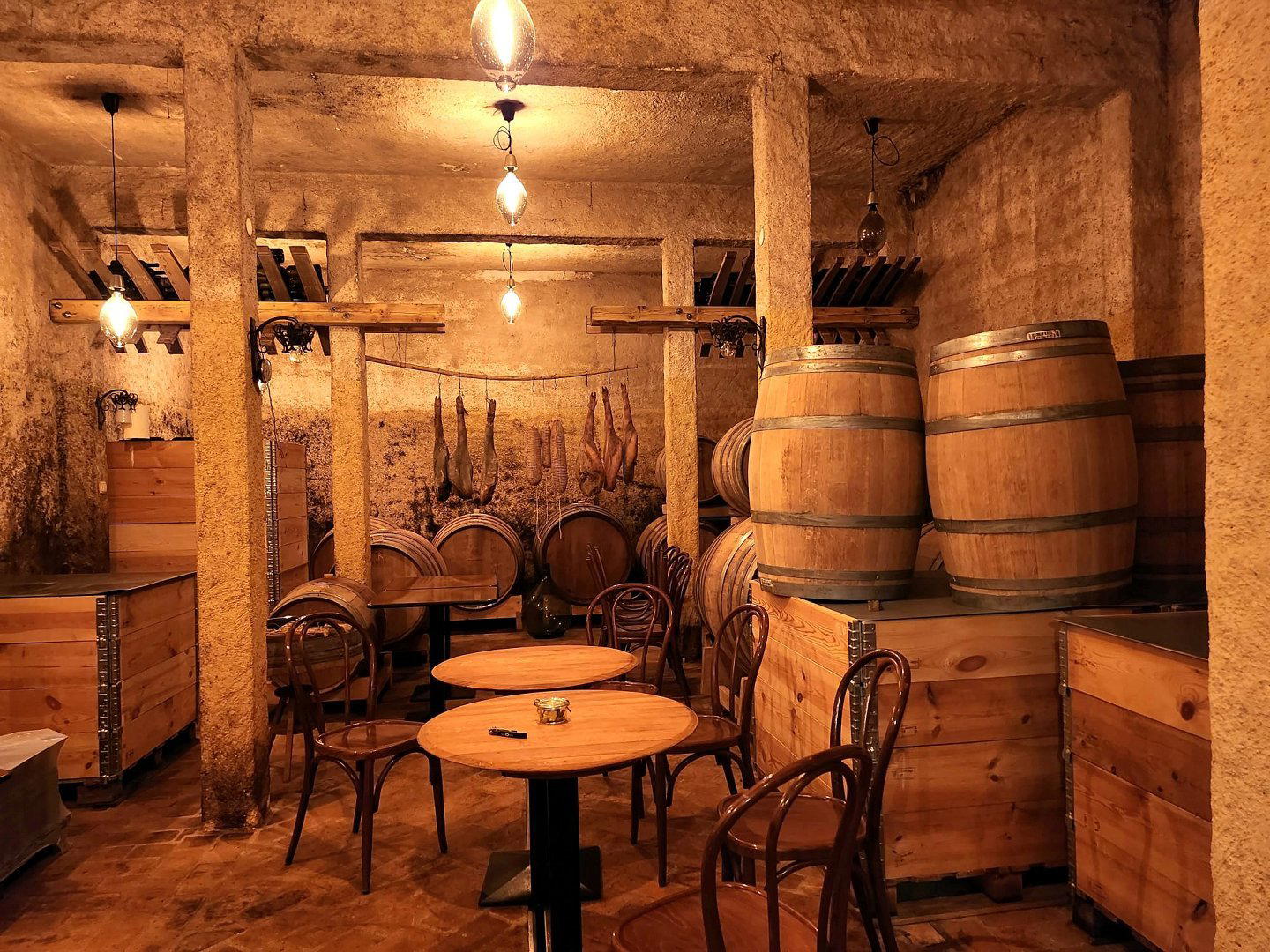
- Wine Cellar
- Extensive Wine List
- Sommelier Led
- Farm To Table
- Local Sourcing
- Vineyard
- Garden
- Tasting Menu
- Vegetarian Friendly
- Vegan Options
- Gluten Free Options
Current opening hours
- Monday
- Closed
- Tuesday
- Closed
- Wednesday
- 7:45 PM–12 AM
- Thursday
- 12:45–4 PM, 7:45 PM–12 AM
- Friday
- 12:45–4 PM, 7:45 PM–12 AM
- Saturday
- 12:45–4 PM, 7:45 PM–12 AM
- Sunday
- 12:45–4 PM, 7:45 PM–12 AM
Hours can change for holidays and private events. Last verified .
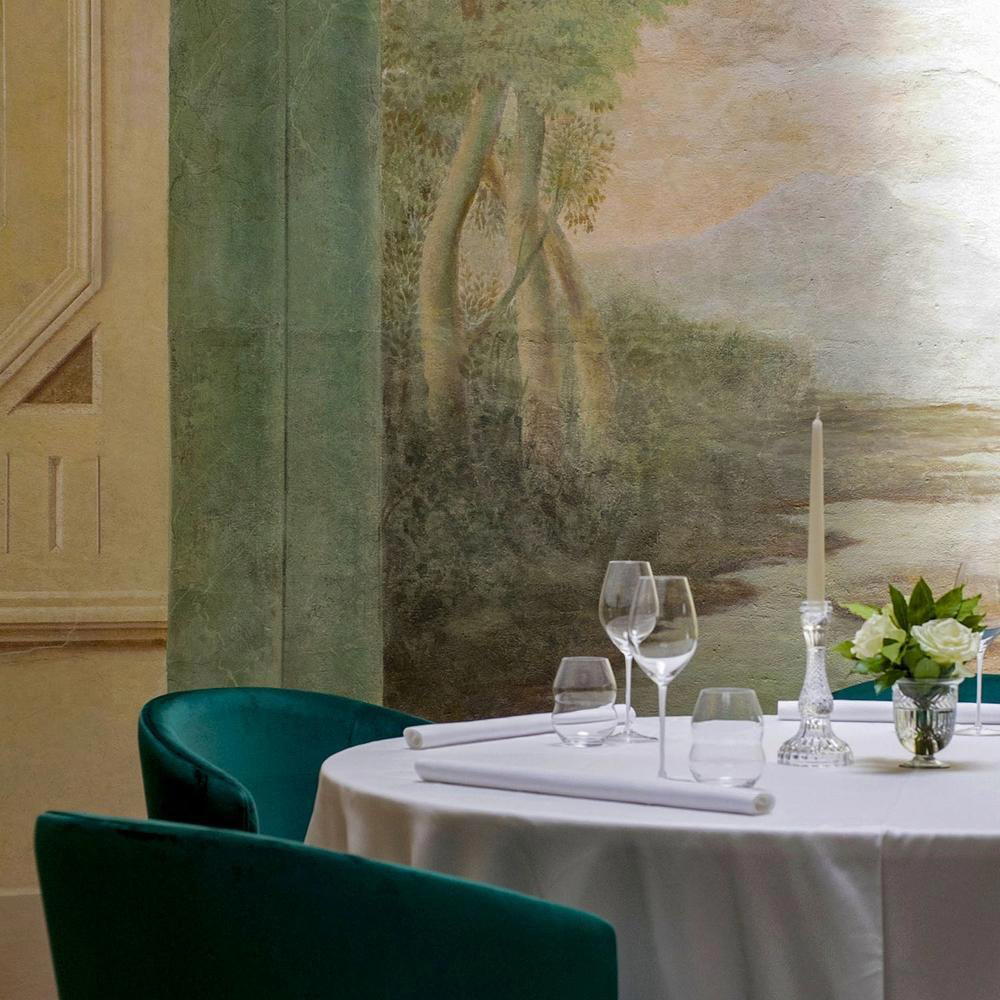
Intimate and warm atmosphere in a modern space adjacent to a historic mill, with views of the garden, orchard, and vineyards, creating a peaceful countryside oasis.