



1 Michelin Star · Star Wine List · Falstaff Restaurant - 94 Falstaff Points
Our verdict
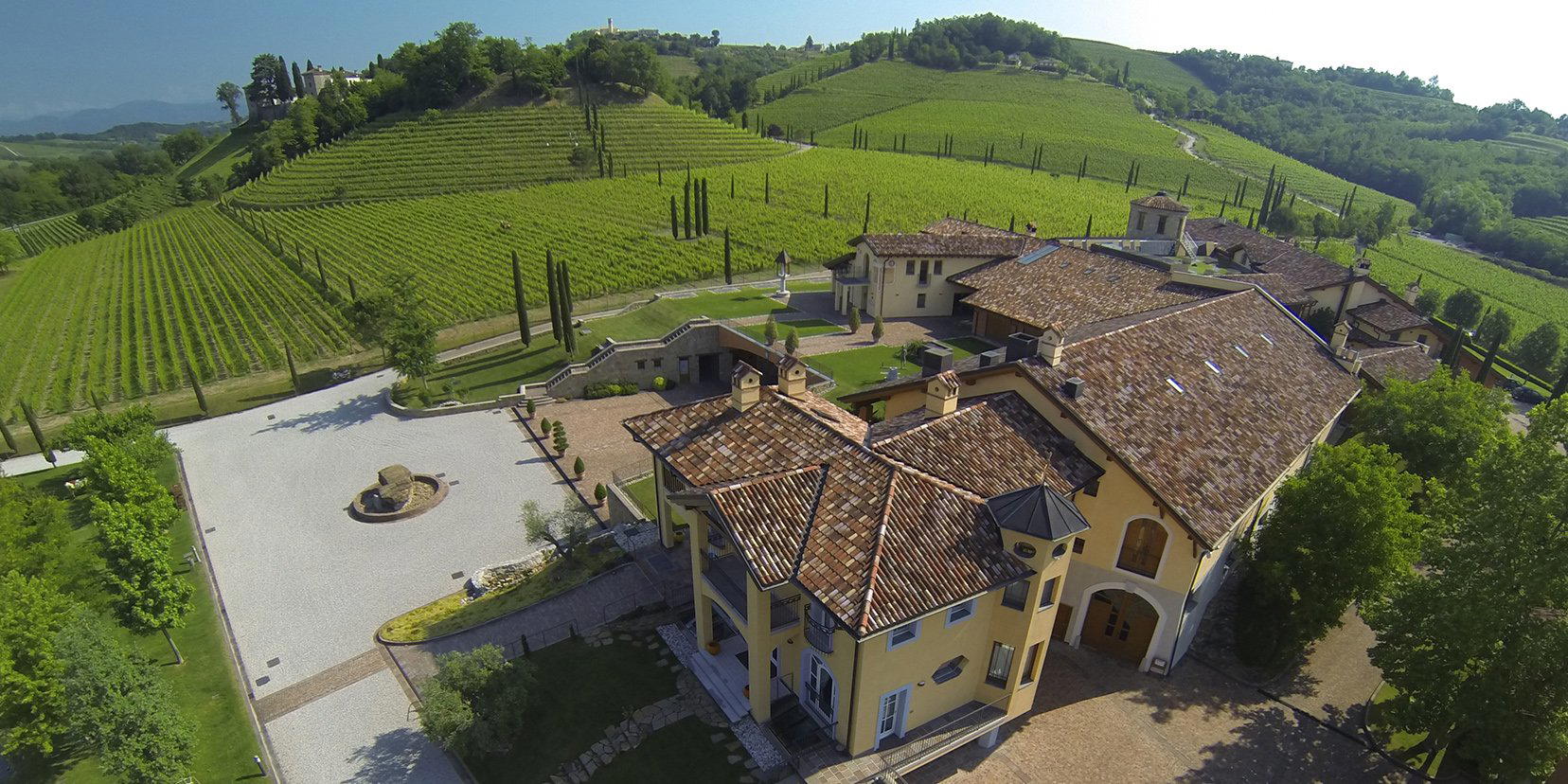
Tucked amid the vine-striped hills of Collio, Trattoria al Cacciatore – La Subida distills Friuli’s borderland soul into an elegant, heartfelt culinary experience. The family-run house cherishes time-honored recipes shaped by Slovenia’s proximity and echoes of Imperial Austria, elevating pristine regional ingredients—wild herbs, river fish, mushrooms, radicchio, polenta, game—into deeply comforting, beautifully composed plates. Signature tableside moments, like the bread-oven veal shank carved in the dining room, create a sense of ceremony, while the estate’s own wine and vinegar lend a polished, personal touch; for a more casual midday interlude, Osteria della Subida extends the tradition with daily service.

Pearl is the En Primeur Club membership app — saves, bookings, and concierge access live there. Same editors, same standards.
- Address
- Via Subida, 52, 34071 Cormons GO, Italy
- Phone
- +39 0481 60531
- Website
- lasubida.it
- Directions
- Get directions
Where the Collio Hills Meet the Slovenian Border
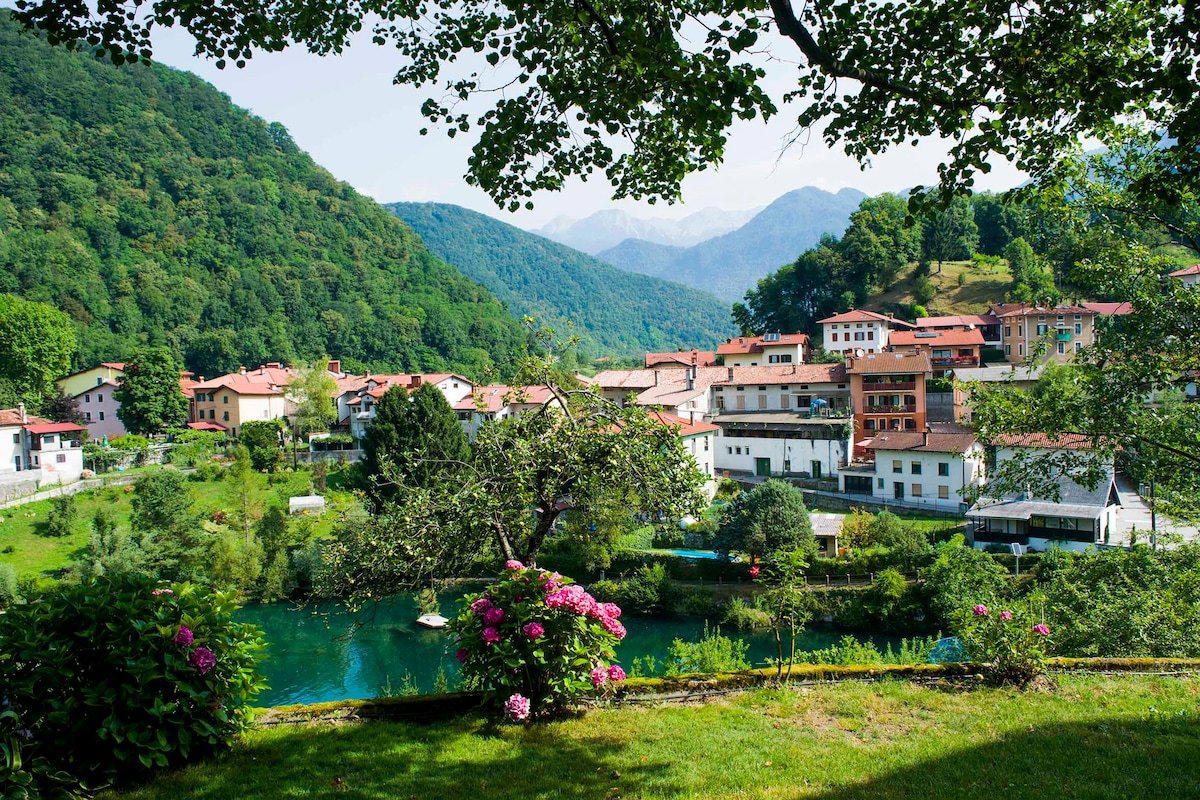
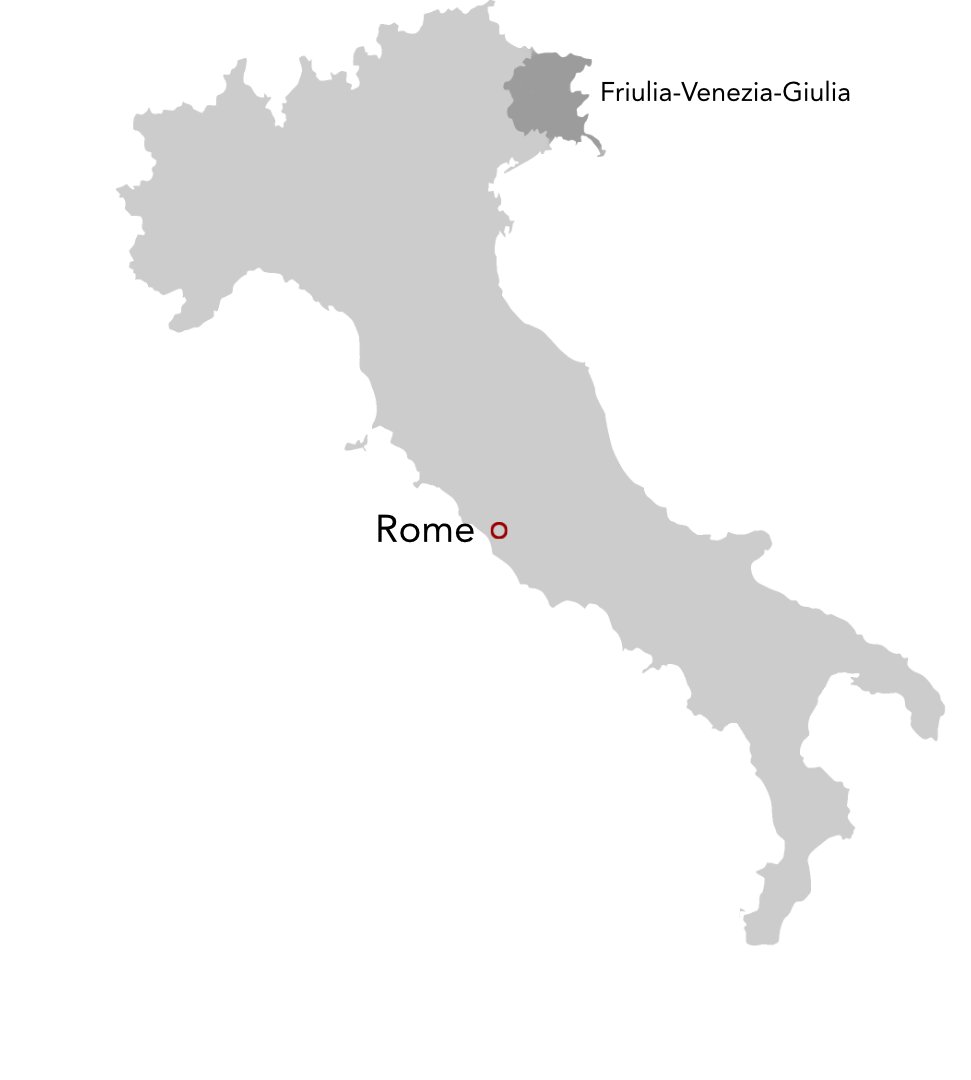
The road to La Subida rises through vineyards that straddle two countries. This corner of Friuli Venezia Giulia, the Collio DOC zone east of Cormons, sits so close to the Slovenian border that the local cuisine carries the cadence of both cultures — the slow braises and cured meats of rural Friuli alongside the sour notes and foraged ingredients that define the Brda hills just over the ridge. Arriving at Via Subida 52, the estate announces itself as something unhurried: stone walls, wood, a sense that the property has grown organically over decades rather than been designed for effect.
That unhurried quality is not incidental. The Collio-Brda region has long operated outside Italy's mainstream fine-dining circuit, which means the restaurants here tend to answer to their landscape and their larder before they answer to trend cycles. La Subida, which began as a small osteria in the 1960s and expanded under the Sirk family into a full estate, is the clearest expression of that regional logic.
The Source of the Food Is the Story
In most of northern Italy's starred restaurants, ingredient provenance appears as a footnote in the menu copy. At a place like La Subida, it functions as the architecture of the whole operation. The Collio is a compact wine-growing zone, but its agricultural character extends well beyond the vine: the hills produce game, freshwater fish from the Isonzo river system, mountain herbs, and vegetables from small producers whose names rarely appear on export labels. What reaches the kitchen here does not travel far.
The menu reflects that geography with unusual precision. Tortelli filled with red Cavasso onion, served in a Montrasio cheese sauce, draws on two hyper-local ingredients: the Cavasso onion is a Friulian variety with PDO recognition, and Montrasio is the aged cow's-milk cheese produced across the broader Friuli-Venezia Giulia zone, with its own protected designation. Neither ingredient would appear on a menu in Milan or Florence without becoming a curated import. Here, they arrive as the obvious choice because they are the obvious choice, grown and produced within reach of the kitchen.
The game element reinforces the same point. Grilled venison loin served with trout roe and pistachio represents the more contemporary register of the menu, but the underlying ingredients follow the same sourcing logic: venison from the surrounding hills, freshwater trout from the Isonzo valley. The pairing of mountain meat with river fish roe is not a stylistic experiment imported from elsewhere; it is a compression of the immediate landscape onto a single plate. This is the kind of cooking that Italian regional restaurants describe in theory but rarely achieve with this degree of specificity.
For context, the broader category of Italian €€€ regional restaurants frequently resolves into generic trattoria fare dressed up for tourists, or into modernist cooking that treats regional identity as aesthetic rather than sourcing commitment. La Subida sits in a narrower group alongside places like Gannerhof in Innervillgraten and Fahr in Künten-Sulz, where the regional frame is literal rather than decorative and the kitchen's relationship to its suppliers is the primary creative constraint.
The Wine Cellar as a Document of Place
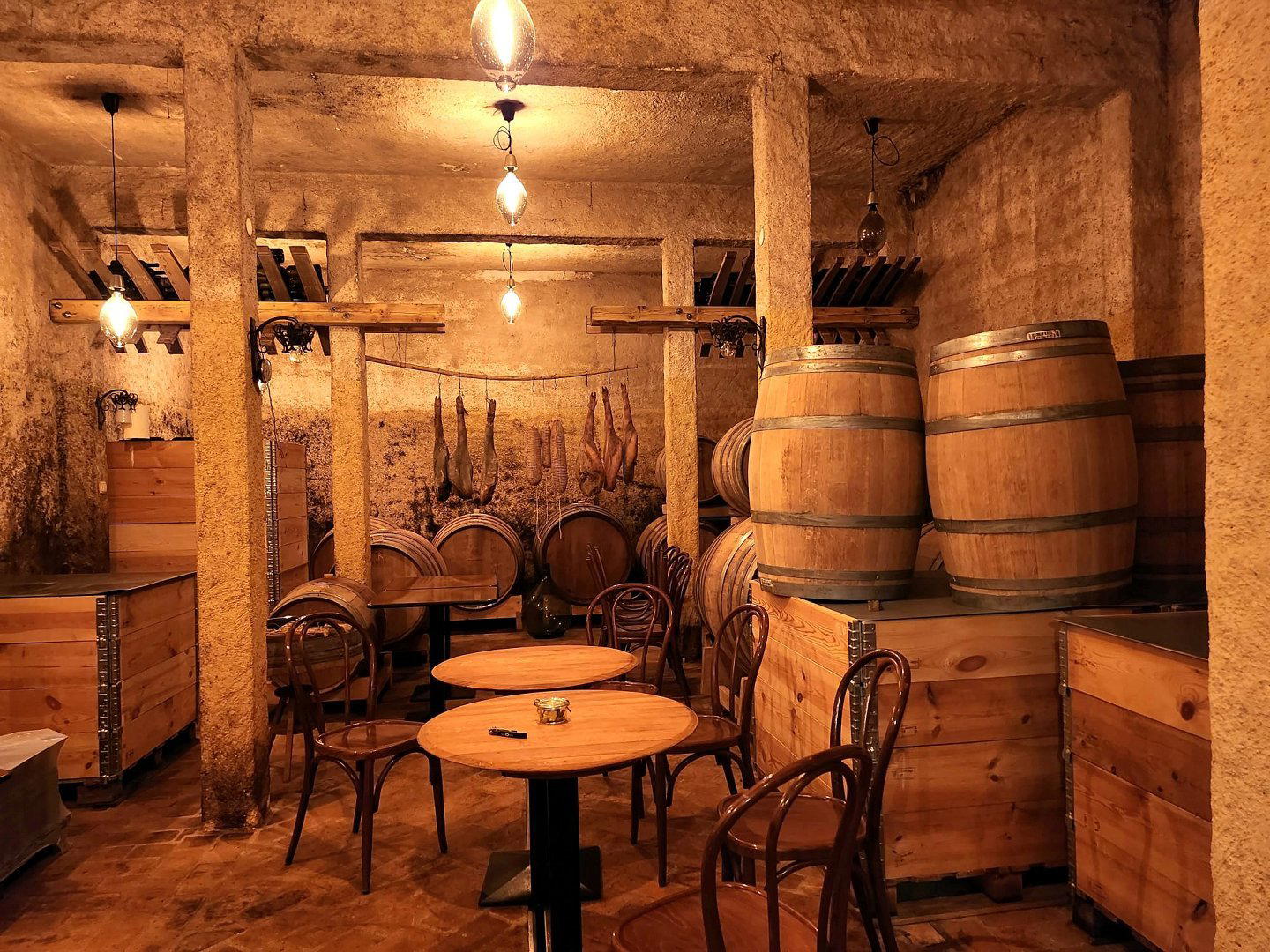
A Michelin star in Italy without a serious wine program is unusual, and La Subida's cellar has received independent recognition. Two Star Wine List designations for 2026, including the leading ranking in its category, position it among Italy's most carefully considered wine programs. The cellar is organized by climatic zones within the Collio-Brda area, which is not a standard classification approach. Most Italian restaurant wine lists organize by grape or appellation; structuring by microclimate reflects a level of engagement with viticulture that is more common in Burgundy-influenced contexts than in northeast Italian restaurants.
The Collio DOC is home to some of Italy's most serious white wine production: Friulano, Malvasia Istriana, Ribolla Gialla, and Pinot Grigio at an altitude and density of planting that produces wines of genuine structure. The Brda zone across the border in Slovenia produces wines under different regulatory frameworks but from the same geological substrate, the Eocene flysch known locally as Ponca. A cellar that maps these two zones together, treating the border as irrelevant to the wine's character, makes an argument about terroir that the political boundary does not. For visitors whose Italian wine knowledge runs to Tuscany and Piedmont, the Collio list here functions as an education in a category that international markets have consistently undervalued.
Italy's most celebrated wine restaurants, from Enoteca Pinchiorri in Florence to Osteria Francescana in Modena, operate with cellars of enormous breadth and international scope. La Subida's wine program answers a different question: not how wide a cellar can reach, but how deeply it can document one small zone.
Format and Context Within Italy's Starred Scene
Italy's Michelin-starred restaurants span a wide register, from the multi-starred creative cooking of Le Calandre in Rubano, Piazza Duomo in Alba, and Reale in Castel di Sangro to the more intimate regional focus of places like Dal Pescatore in Runate and Casa Perbellini 12 Apostoli in Verona. La Subida at the €€€ price point sits below the leading creative tier but in the same conversation as regionally anchored, one-star institutions with long operating histories. The Opinionated About Dining Casual Europe (2025) listing is a meaningful signal here: that list tends to favor places where the cooking is serious but the experience does not demand ceremony, which aligns with what the Sirk estate has built over six decades.
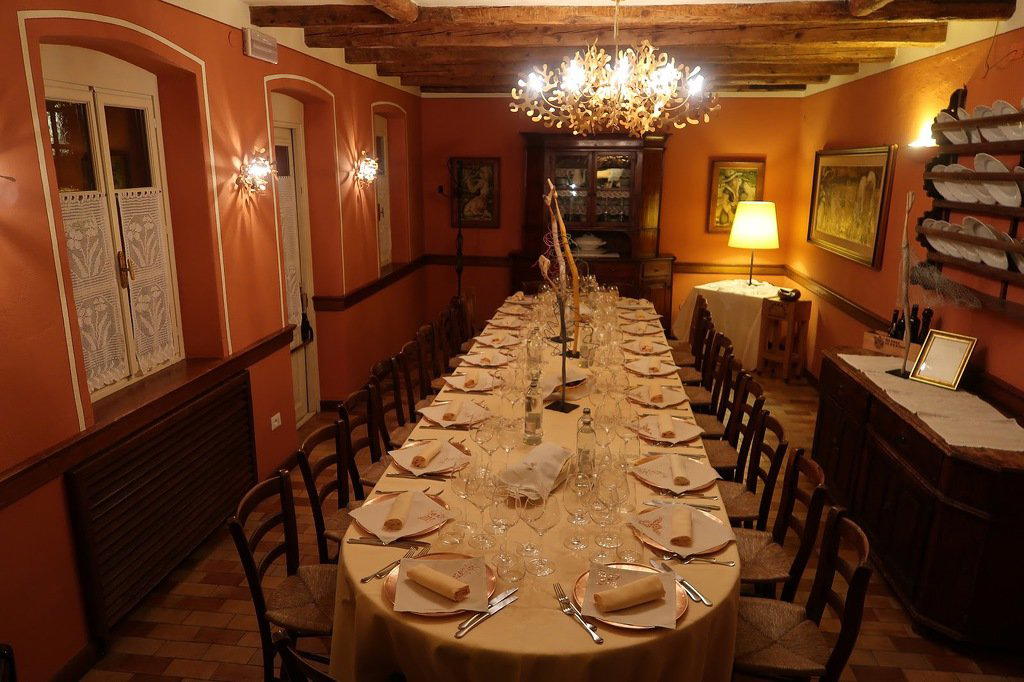
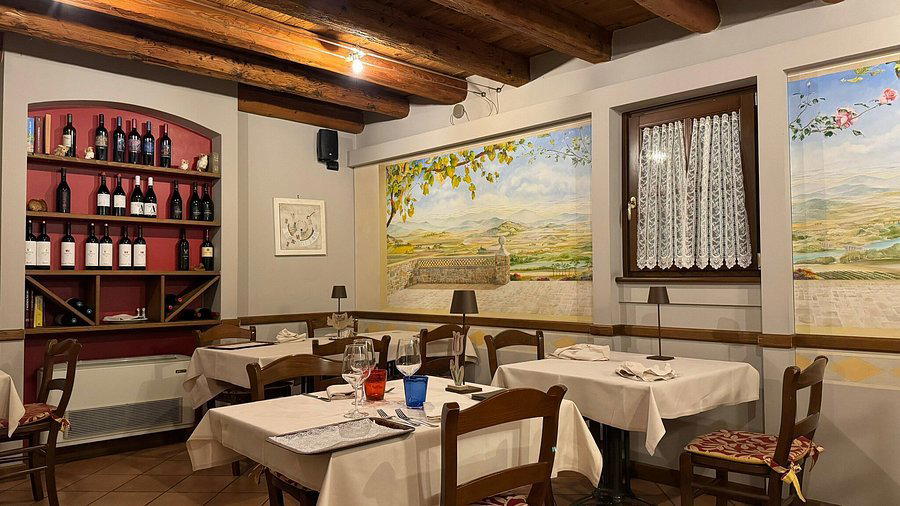
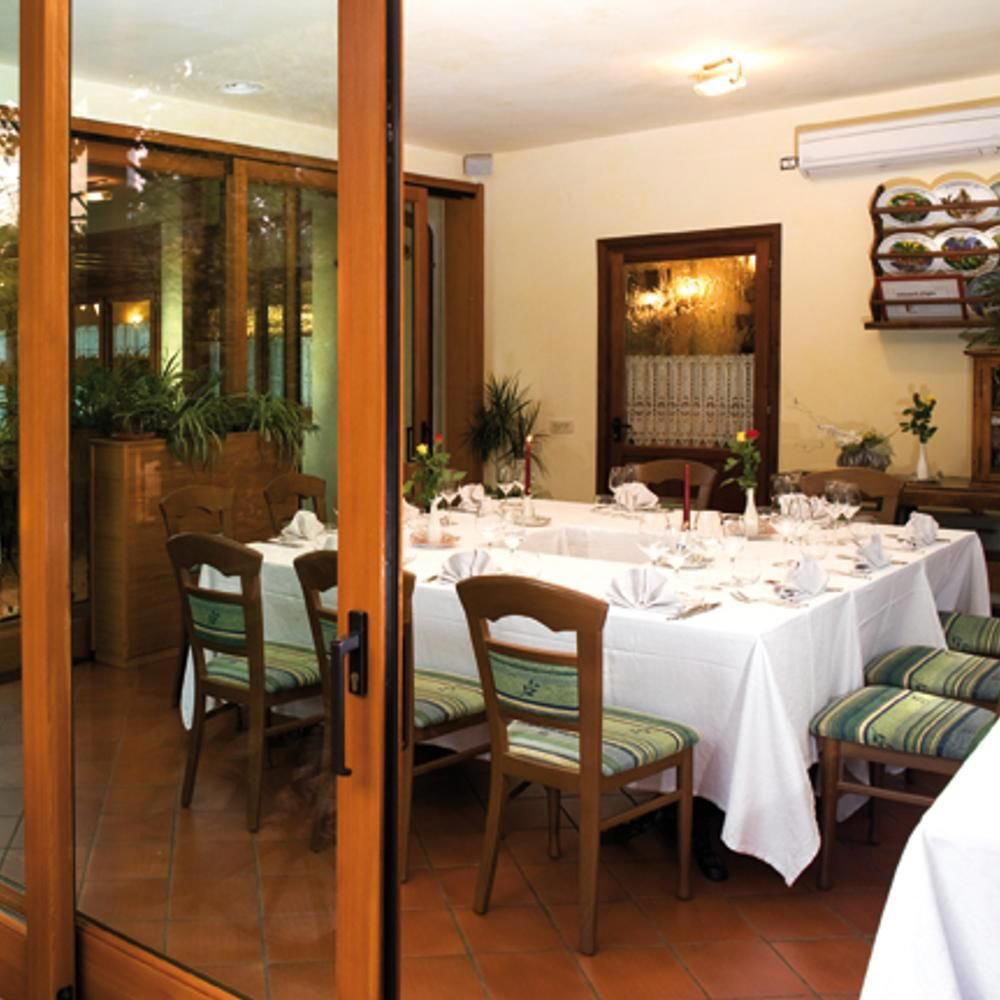
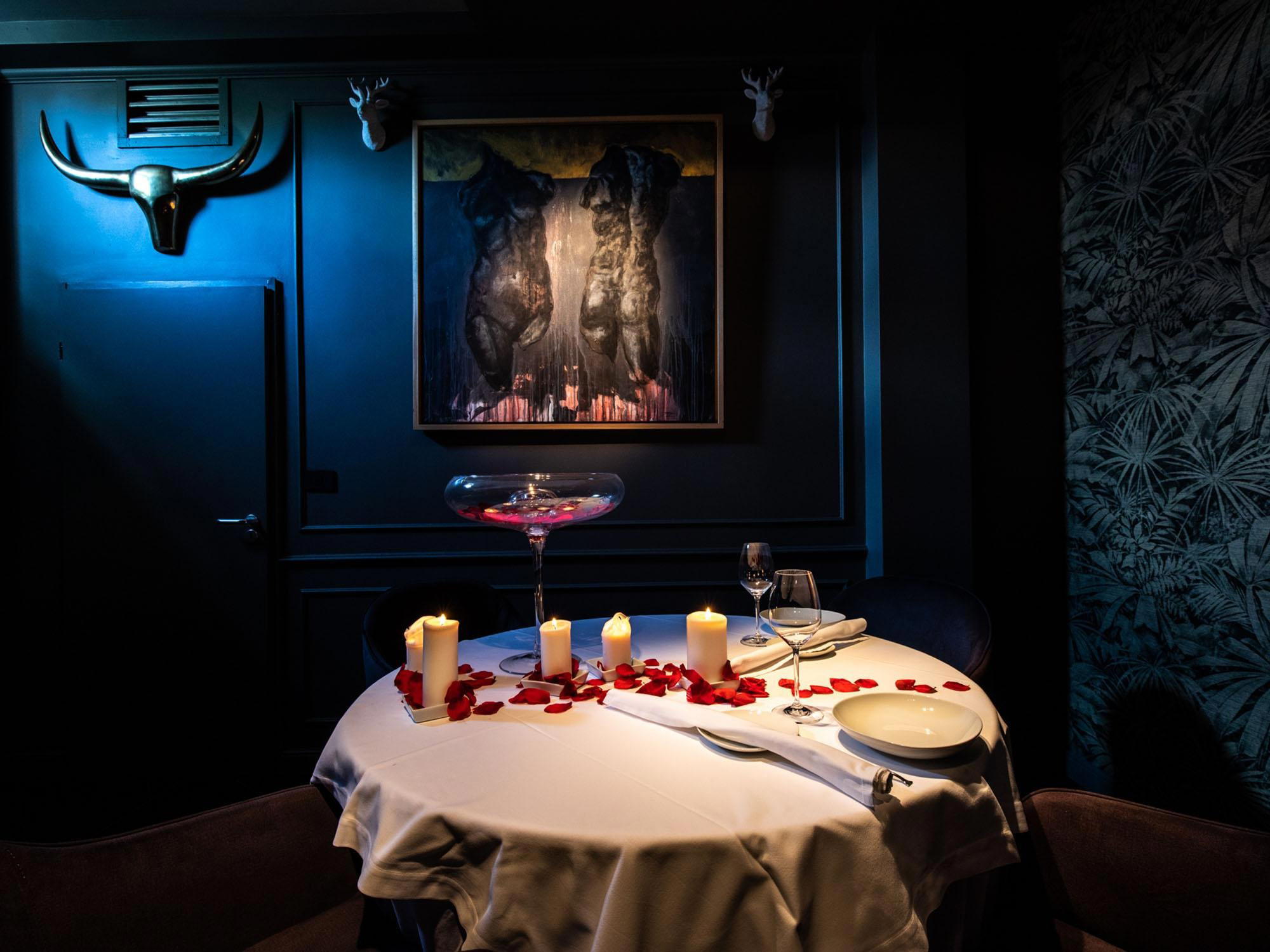
The dining rooms are described consistently as warm and relaxed, with a family hospitality register that makes the estate format feel grounded rather than manicured. For a Michelin-starred property, this is a specific positioning choice. Many one-star restaurants in Italy move toward formal service as a signal of seriousness; La Subida appears to hold the trattoria warmth as a core value alongside the technical kitchen work.
Meat anchors the menu, with game appearing prominently across the main courses. Vegetarian options appear among the starters and first courses, making this more accessible to mixed-diet groups than many game-focused regional restaurants, though the kitchen's clear focus is the proteins of the surrounding hills and rivers.
Planning a Visit
Cormons sits in the eastern corner of Friuli Venezia Giulia, roughly 35 kilometres from Trieste and close to the Slovenian border, making it a logical stop for anyone moving between northeast Italy and Ljubljana. The estate operates Thursday through Monday for dinner, with lunch service added on Saturdays and Sundays; the kitchen is closed Tuesday and Wednesday. The €€€ price positioning places it within reach of serious food travelers who are not at the very best of the fine-dining budget, and the combination of starred cooking with a relaxed format means the investment does not require treating the meal as a formal event.
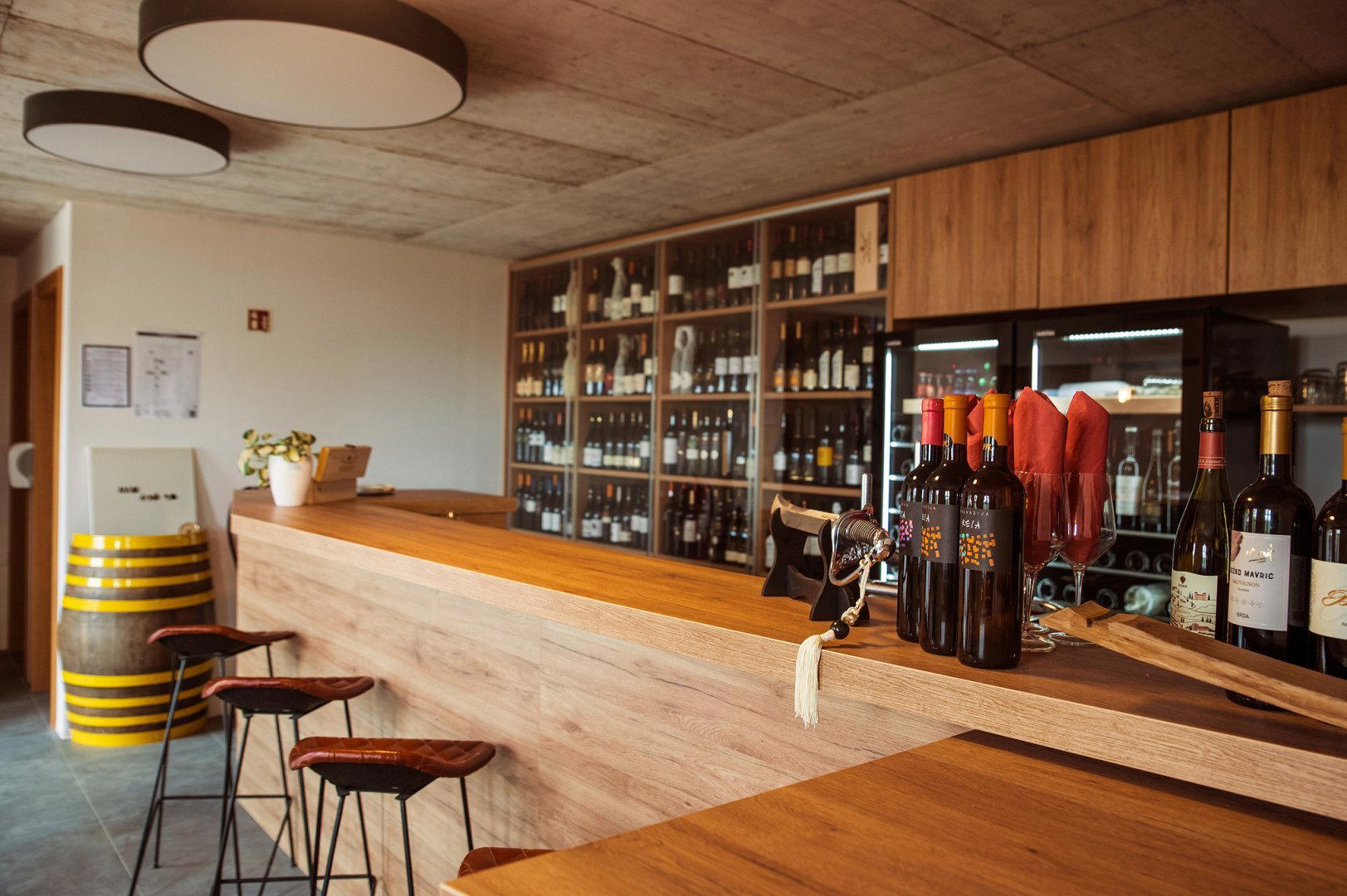
Given the Collio's position as a wine-touring destination in its own right, pairing a meal here with visits to the area's producers makes structural sense. For broader context on what else the town offers, see our full Cormons restaurants guide, our Cormons hotels guide, bars in Cormons, Cormons wineries, and experiences in the area.
Reservations are recommended, particularly for weekend lunch, when the combination of the wine-touring crowd and the relaxed two-and-a-half hour service window creates higher demand than the weekday dinner slots. Arrive with time to move slowly: the estate, the setting, and the pacing of the kitchen are all built for a meal that extends past the food itself into the specific quiet of the Collio hills.
Frequently asked questions
Is Trattoria al Cacciatore - La Subida more mid-range or high-end?
Pricing at Trattoria al Cacciatore - La Subida is listed as €€€.
What are Trattoria al Cacciatore - La Subida's hours?
Hours at Trattoria al Cacciatore - La Subida: Monday 7 PM-10 PM Tuesday closed Wednesday closed Thursday 7 PM-10 PM Friday 7 PM-10 PM Saturday 12 PM-2:30 PM 7 PM-10 PM Sunday 12 PM-2:30 PM 7 PM-10 PM.
A Quick Peer Check
| Venue | Cuisine | Price | Awards | Notes |
|---|---|---|---|---|
| Trattoria al Cacciatore - La SubidaThis venue — the venue you are viewing | Traditional Friulian Trattoria | $50–100 | 1 Michelin Star · Star Wine List | Not listed |
| Atelier Moessmer Norbert Niederkofler | Italian, Creative | Not listed | Michelin 3 Star | Not listed |
| Dal Pescatore | Italian, Italian Contemporary | Not listed | Michelin 3 Star | Not listed |
| Enoteca Pinchiorri | Contemporary Italian Fine Dining | $200–300 | 3 Michelin Stars · World's 50 Best #32 | Italian - French, Italian Contemporary |
| Enrico Bartolini | Creative | Not listed | Michelin 3 Star | Not listed |
| Osteria Francescana | Avant-Garde Italian Contemporary | $300–500 | 3 Michelin Stars · World's 50 Best #1 | Progressive Italian, Creative |
Recognition history
Dated appearances from independent guides and award organizations, with the underlying list record or original source where available.
Michelin 1 Star
Michelin
Star Wine List
Star Wine List
Falstaff Restaurant - 94 Falstaff Points
Falstaff
Opinionated About Dining Casual in Europe Recommended
Opinionated About Dining
Full recognition history (7 entries)
Michelin 1 Star
Michelin
Opinionated About Dining Casual in Europe
Opinionated About Dining
Michelin 1 Star
Michelin
Continue exploring
More in Cormons
Restaurants in Cormons
Browse all →
Bars in Cormons
Browse all →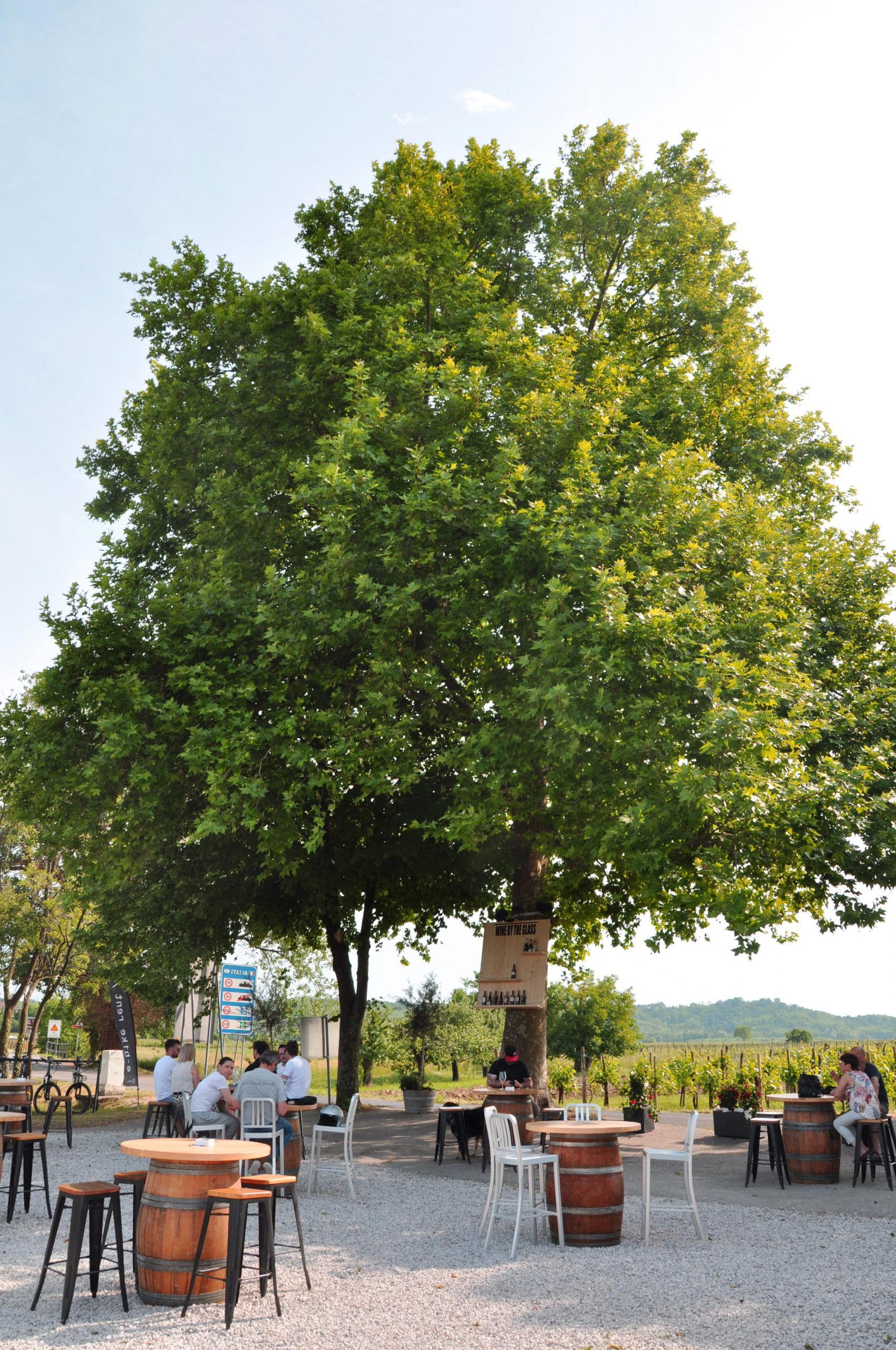
Hotels in Cormons
Browse all →
Details
- Rustic
- Cozy
- Classic
- Special Occasion
- Date Night
- Historic Building
- Extensive Wine List
- Local Sourcing
- Vineyard
- Tasting Menu
- A La Carte
- Regional Wine
- Vegetarian Friendly
Attractive relaxed dining rooms with warm, welcoming family hospitality amid rolling vineyard hills.