Dam





Dam holds a Michelin star and a place in the Opinionated About Dining European rankings, operating out of Nova Gorica four evenings a week. Chef Uroš Fakuc works within a Mediterranean and modern framework in a city that sits at the intersection of Slovenian and Italian culinary traditions. For the Goriška Brda wine country, this is the fine-dining reference point.
Pearl is the En Primeur Club membership app — saves, bookings, and concierge access live there. Same editors, same standards.
- Address
- Ulica Vinka Vodopivca 24, 5000 Nova Gorica, Slovenia
- Phone
- +386 5 333 11 47
- Website
- damhotel.si
- Directions
- Get directions
 Saves & bookings on Pearl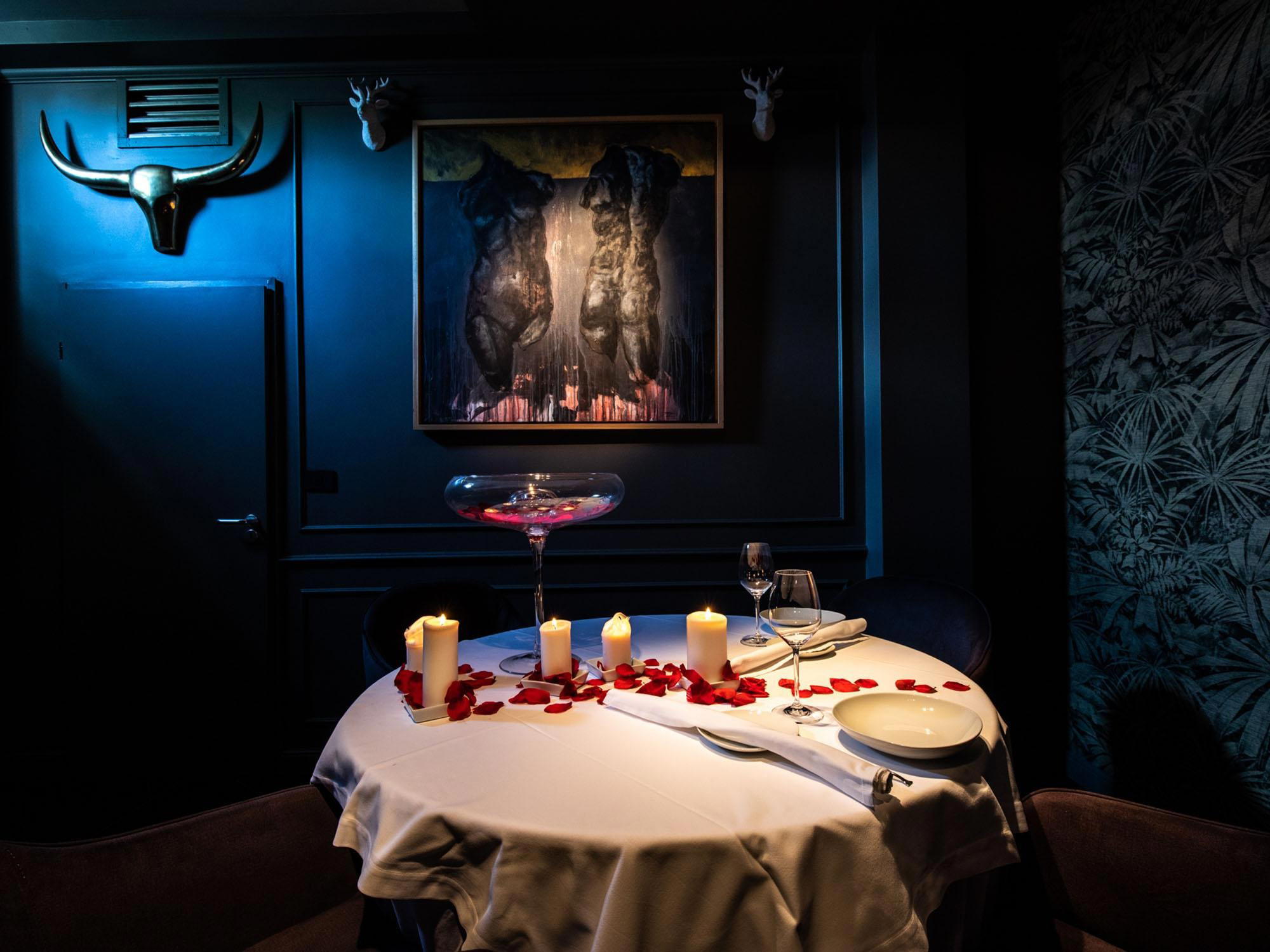
Where the Karst Plateau Meets the Mediterranean Table
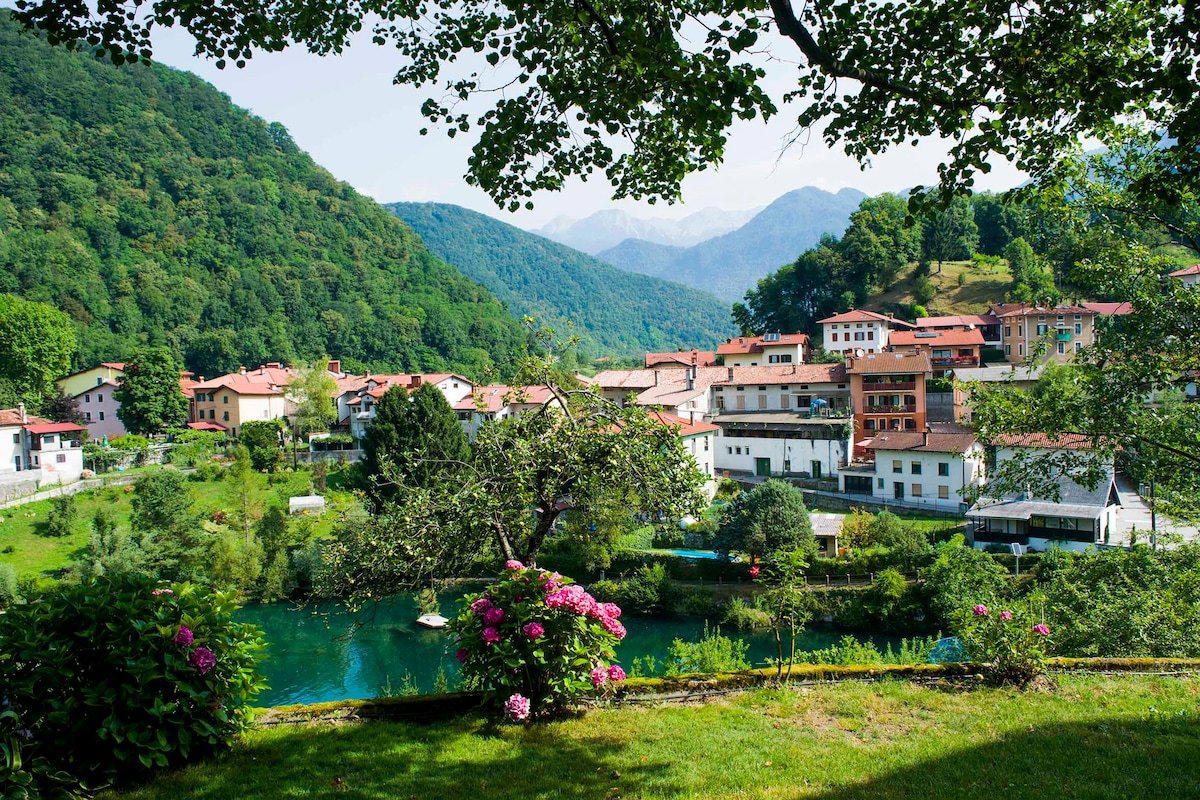
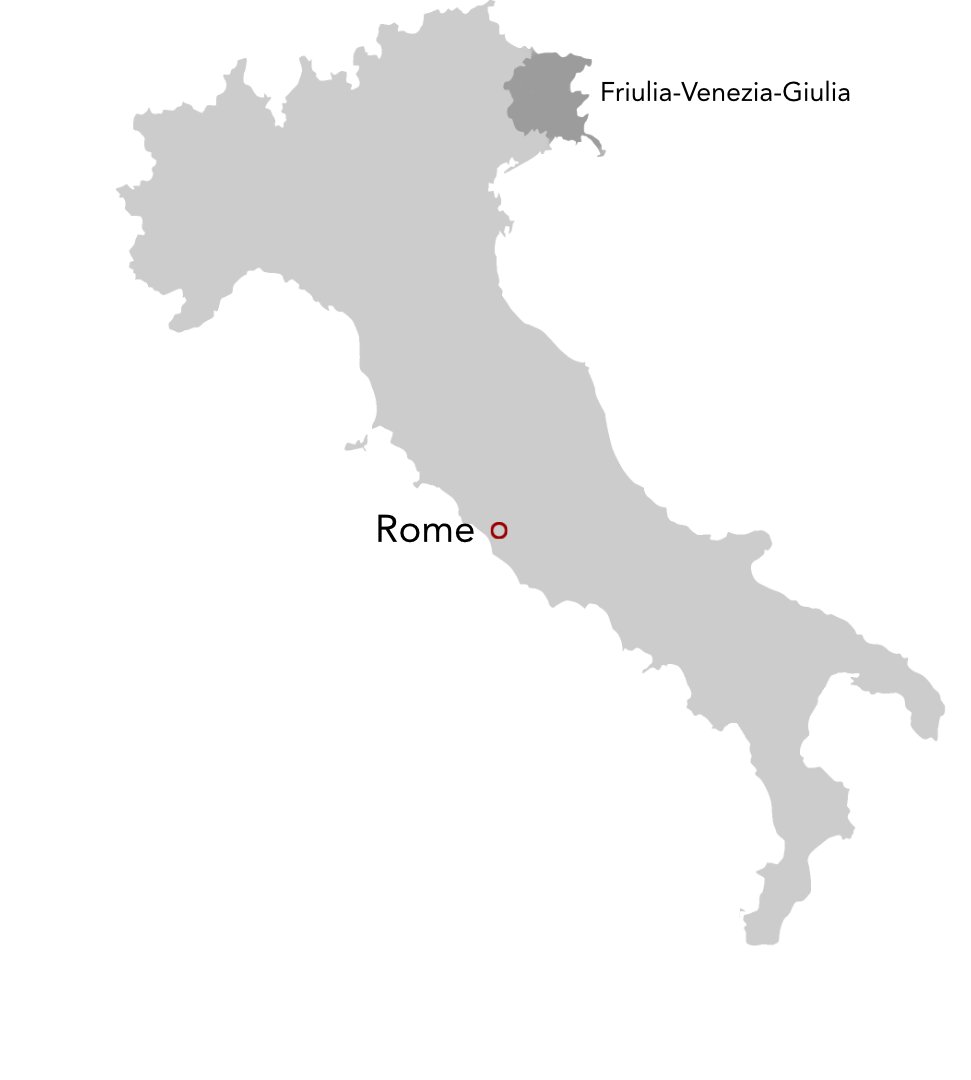
Nova Gorica occupies an unusual position in European geography. The city borders Gorizia, Italy, and the surrounding region draws agricultural influence from both the Karst limestone plateau and the warmer Adriatic basin to the south. That dual identity shapes how serious kitchens here approach ingredients: the olive groves of the Slovenian Littoral produce oils with enough acidity and herbaceous sharpness to distinguish themselves from the more familiar Tuscan or Ligurian benchmarks, and the proximity to the Adriatic means fish and salt-cured traditions run alongside the forest-and-game repertoire more typical of inland Slovenia. Dam, at Ulica Vinka Vodopivca 24, operates within this culinary overlap, holding a Michelin star since 2024 and a position as the fine-dining anchor in Nova Gorica's restaurant scene.
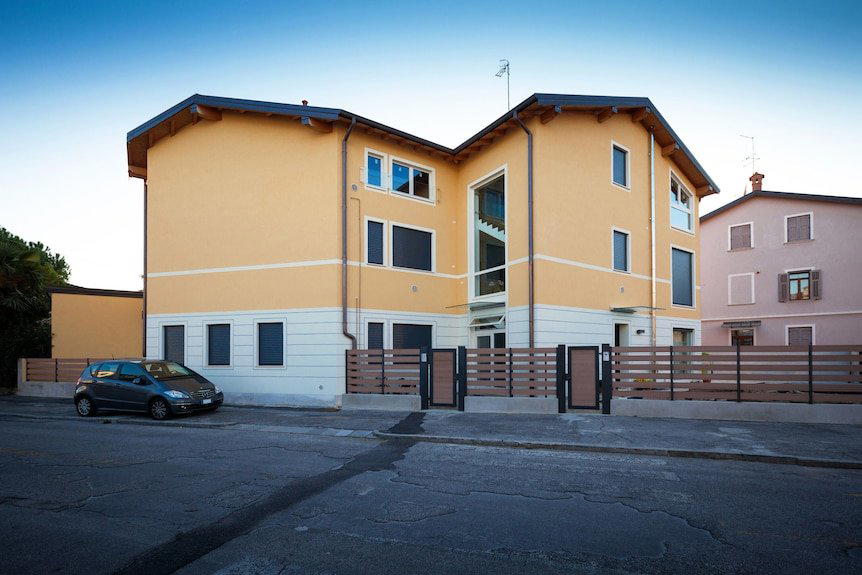
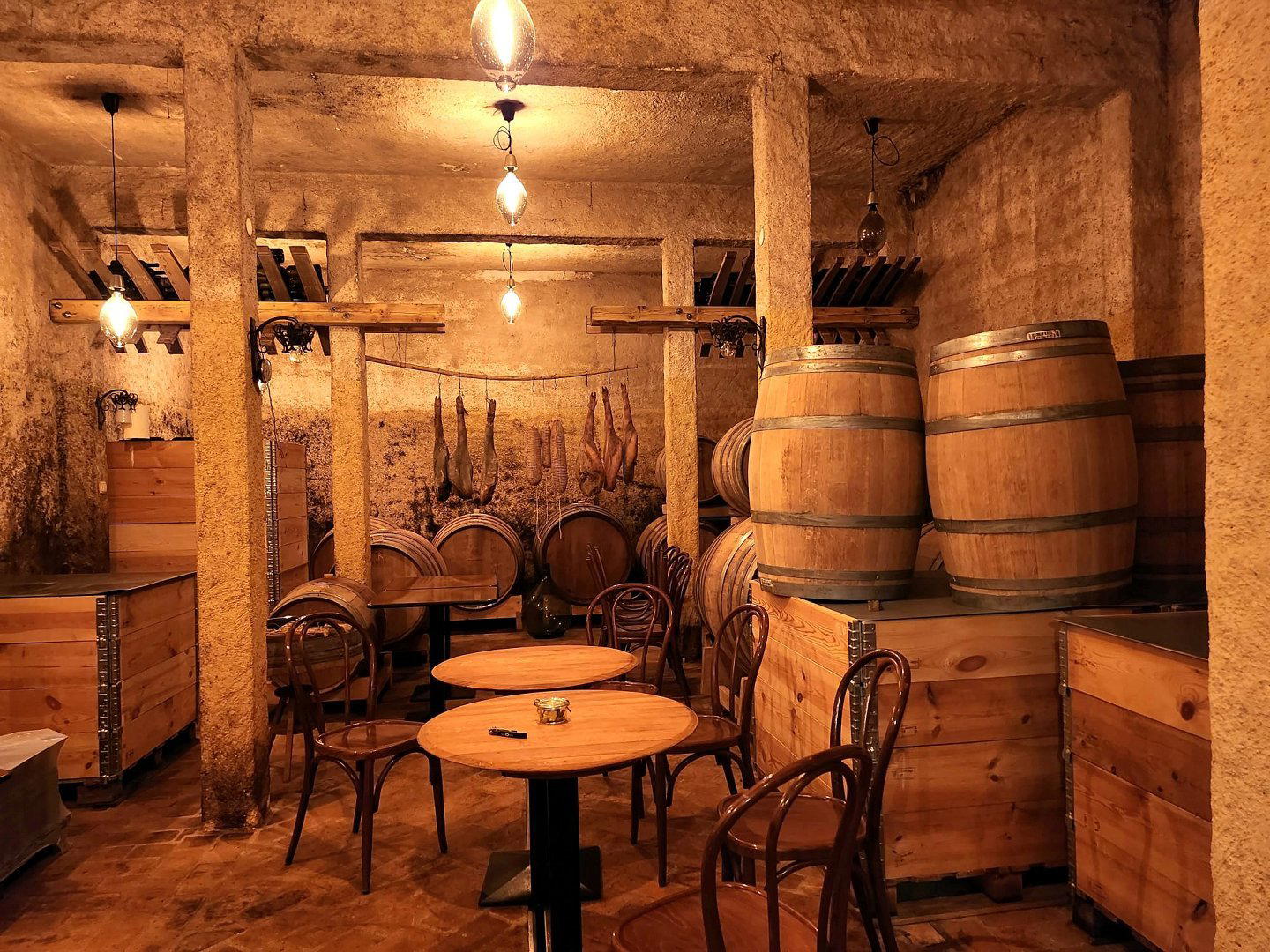
The Physical Environment
Approaching a restaurant that opens only four evenings a week, from Wednesday through Saturday, signals something about the kitchen's priorities before a guest has sat down. The compressed schedule, 7 to 11 pm on those evenings, supports labour-intensive preparation. The format places Dam in the same operational category as Hiša Linhart in Radovljica, where similarly constrained opening hours reflect the commitment to service quality over volume. Monday, Tuesday, and Sunday are closed, so forward planning is necessary. Reservations are essential given the limited weekly capacity.
Mediterranean as a Framework, Not a Geography
The Mediterranean cuisine designation carries different weight depending on where you encounter it. In a tourist-facing coastal restaurant it can mean little more than grilled fish and olive oil drizzled over everything. In the context of a Michelin-starred kitchen working in the Goriška Brda sub-region, it functions as a culinary framework: an emphasis on plant-forward preparations, acid-driven balance, and the kind of fat that comes from quality olive oil rather than butter-heavy French technique. Slovenia's Littoral region produces olive oil under the Ekstra Deviško Olivno Olje Slovenija designation, with the harvest concentrated around Koper and the coastal belt, and stronger examples from it carries grassy, peppery characteristics that anchor a dish rather than recede into the background. A kitchen working in this tradition uses oil as a structural element, not a finishing touch. Dam's Modern Mediterranean with Slovenian-Italian Influences classification, combined with its Michelin recognition, suggests a kitchen that treats those oils and the broader Adriatic ingredient palette with the same seriousness applied to technique.
The modern cuisine element adds the second layer. Slovenia's most decorated kitchens, including Hiša Franko in Kobarid at three Michelin stars and Milka in Kranjska Gora at two, have established a national cooking identity that draws on foraged and regional produce without romanticising rusticity. The approach prioritises what grows close rather than what reads well on a menu. Dam sits within that tradition while orienting its flavour profile further south and west toward the Mediterranean basin rather than northward into Alpine or Central European conventions.
Awards Context and Peer Positioning
Dam's award trajectory is worth reading carefully. The restaurant received an Opinionated About Dining recommendation for leading new restaurants in Europe in 2023, before earning its first Michelin star in 2024, when it also entered OAD's European rankings at position 461. In 2025 the star was retained and the OAD ranking moved to 546, a shift that reflects the continued expansion of the OAD list rather than a declining reputation. La Liste scored the restaurant at 90 points in 2025 and 89 in 2026, indicating stable critical standing across different methodologies.8 from 244 reviews adds a ground-level data point that aligns with the critical consensus.
Within Slovenia's starred tier, Dam sits at the €€€€ price point alongside Hiša Linhart and below the €€€€ bracket that includes Hiša Franko, Milka, Gostilna Pri Lojzetu in Vipava, and Grič in Šentjošt nad Horjulom. That positioning makes Dam one of the more accessible entry points into Slovenia's Michelin-starred dining, which matters in a region where the starred kitchen density is high relative to the population. The Goriška Brda area alone sits alongside several serious culinary destinations within a short drive.
Internationally, the Mediterranean and modern cuisine combination connects Dam to a broader Adriatic and Mediterranean fine-dining conversation. Pelegrini in Sibenik operates in a comparable register across the Adriatic in Croatia, and Côte by Mauro Colagreco in Bangkok demonstrates how Mediterranean frameworks travel. Dam's regional specificity, its grounding in Slovenian Littoral produce and the particular terroir of this border zone, is what separates it from those comparisons and anchors its critical standing in a way that a purely technical approach would not.
Chef Uroš Fakuc and the Kitchen's Position
Chef Uroš Fakuc leads the kitchen at Dam. The broader point here is less about biographical arc and more about what a Michelin-starred, La Liste-recognised kitchen in a city of this size represents for Slovenia's northwest. Nova Gorica is not Kobarid or Ljubljana; it does not carry the established fine-dining associations of those locations. A starred kitchen here operates as a marker for the region's culinary ambitions, placing the city in conversations that previously centred further north or east. For context, Restavracija Strelec in Ljubljana and City Terasa in Maribor represent Slovenia's urban fine-dining anchors; Dam gives the Goriška Brda and Nova Gorica area its own reference point within that national conversation.
The Wine Region Dimension
Wine matters in this part of Slovenia. The Goriška Brda sub-region produces some of Slovenia's most export-recognised wines, with a proximity to Collio across the Italian border that means the vineyards here share geological and climatic conditions with some of northeastern Italy's most respected white wine producers. Rebula, the local grape, produces structured whites with oxidative potential that pair naturally with the kind of oil-forward, Mediterranean-inflected cooking that Dam's classification signals. A Michelin-starred kitchen in this location is almost inevitably in dialogue with the winemakers of Brda, even if the specifics of the wine list are not available here. For visitors planning around both food and wine, our Nova Gorica wineries guide maps the region's producers in detail.
Planning a Visit
Dam operates Thursday through Saturday, 7 to 11 pm, with no lunch service and no weekend Sunday trading. The four-night-per-week schedule means demand is concentrated, and at a €€€ price point with Michelin and La Liste recognition driving awareness, booking ahead is the only sensible approach. The address, Ulica Vinka Vodopivca 24 in 5000 Nova Gorica, is the practical starting point for directions. Reservations are essential. Nova Gorica itself pairs well with an extended regional itinerary: Restavracija Calypso offers a contrast in register within the city, and the broader Nova Gorica restaurants guide covers the full range of options. For accommodation, the Nova Gorica hotels guide maps the available tiers. Those extending into the region for bars and experiences will find relevant coverage in our bars guide and experiences guide respectively.
For visitors assembling a broader Slovenian fine-dining itinerary, A3 in Brestanica, Pavus in Lasko, and Hiša Denk in Zgornja Kungota each represent distinct expressions of the country's current fine-dining range and reward the kind of multi-stop planning that Dam's western position on the map naturally invites.
Quick Comparison
Comparable venues nearby, for context on price, style, and recognition.
| Venue | Cuisine | Price | Awards | Notes |
|---|---|---|---|---|
| DamThis venue — the venue you are viewing | Modern Mediterranean with Slovenian-Italian Influences | $$$$ | Michelin 1 Star | Not listed |
| Restavracija Grad Kromberk | Contemporary Slovenian & Mediterranean Fine Dining | $$$ | Not listed | Nova Gorica |
| Restavracija Calypso | Mediterranean Seafood Fine Dining | $$$ | Michelin Plate | Nova Gorica |
| Pikol | Modern Mediterranean Seafood | $$$$ | Not listed | Vipava Valley |
| Tiffany Restaurant | Modern Mediterranean Seafood | $$$ | Not listed | Nova Gorica |
| Gostilna Termika | Slovenian Regional with Goriška Gnocchi | $$ | Not listed | Sempas |
Recognition history
Dated appearances from independent guides and award organizations, with the underlying list record or original source where available.
Falstaff Restaurant - 94 Falstaff Points
Falstaff
La Liste Top Restaurants
La Liste
Michelin 1 Star
Michelin
Opinionated About Dining Top Restaurants in Europe Recommended
Opinionated About Dining
La Liste Top Restaurants
La Liste
Michelin 1 Star
Michelin
Opinionated About Dining Top Restaurants in Europe Ranked #546
Opinionated About Dining
World Culinary Awards Slovenia's Best Restaurant 2025 #1
World Culinary Awards
Michelin 1 Star
Michelin
Opinionated About Dining Top Restaurants in Europe Ranked #461
Opinionated About Dining
Opinionated About Dining Top New Restaurants in Europe Recommended
Opinionated About Dining
Continue exploring
More in Nova Gorica
Restaurants in Nova Gorica
Browse all →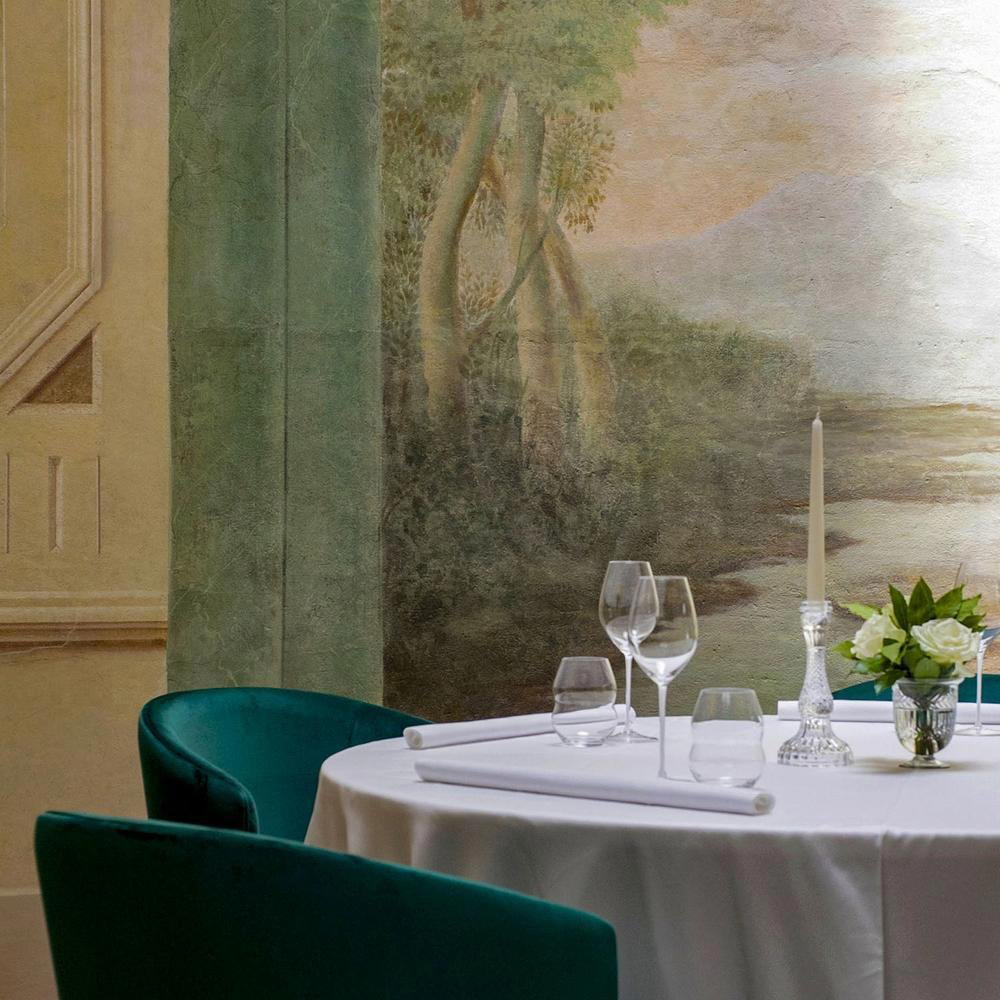
Bars in Nova Gorica
Browse all →
Hotels in Nova Gorica
Browse all →
At a Glance
- Modern
- Elegant
- Sophisticated
- Intimate
- Date Night
- Special Occasion
- Solo
- Hotel Restaurant
- Extensive Wine List
- Local Sourcing
Current opening hours
- Monday
- Closed
- Tuesday
- Closed
- Wednesday
- 7–11 PM
- Thursday
- 7–11 PM
- Friday
- 7–11 PM
- Saturday
- 7–11 PM
- Sunday
- Closed
Hours can change for holidays and private events. Last verified .
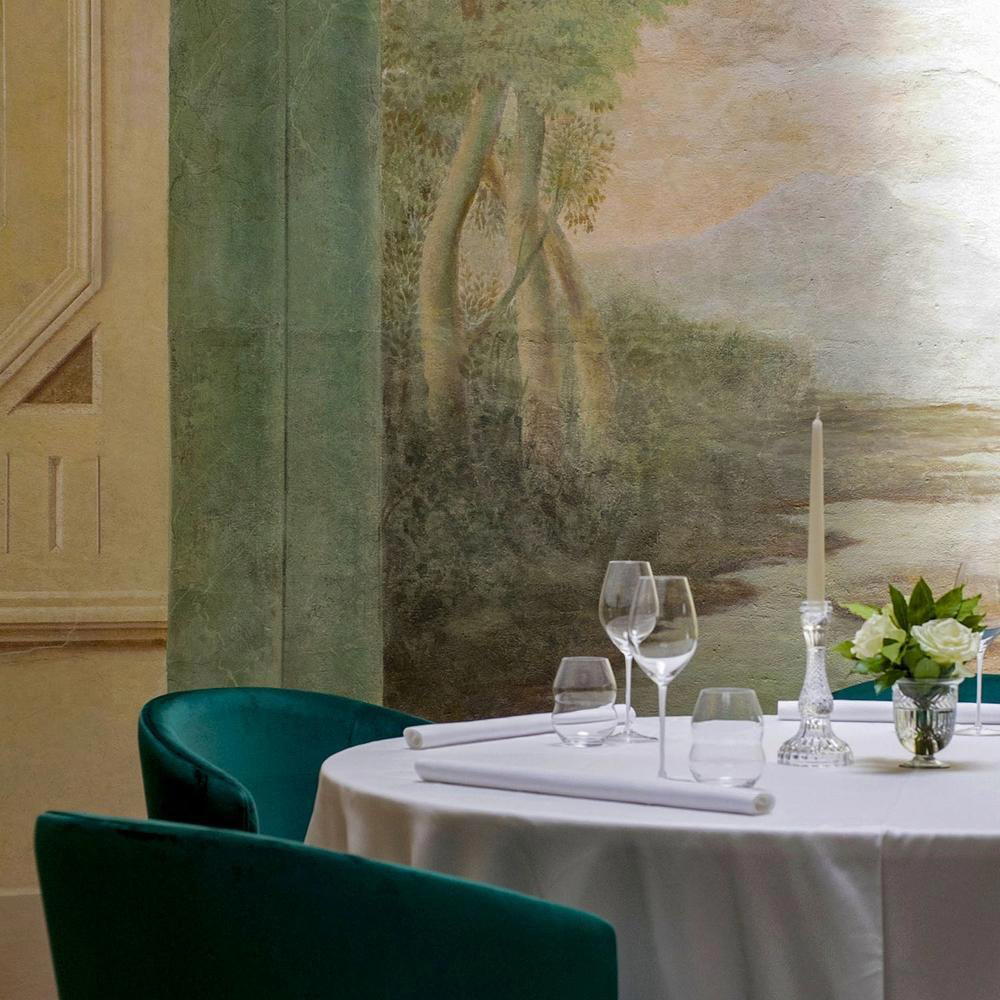
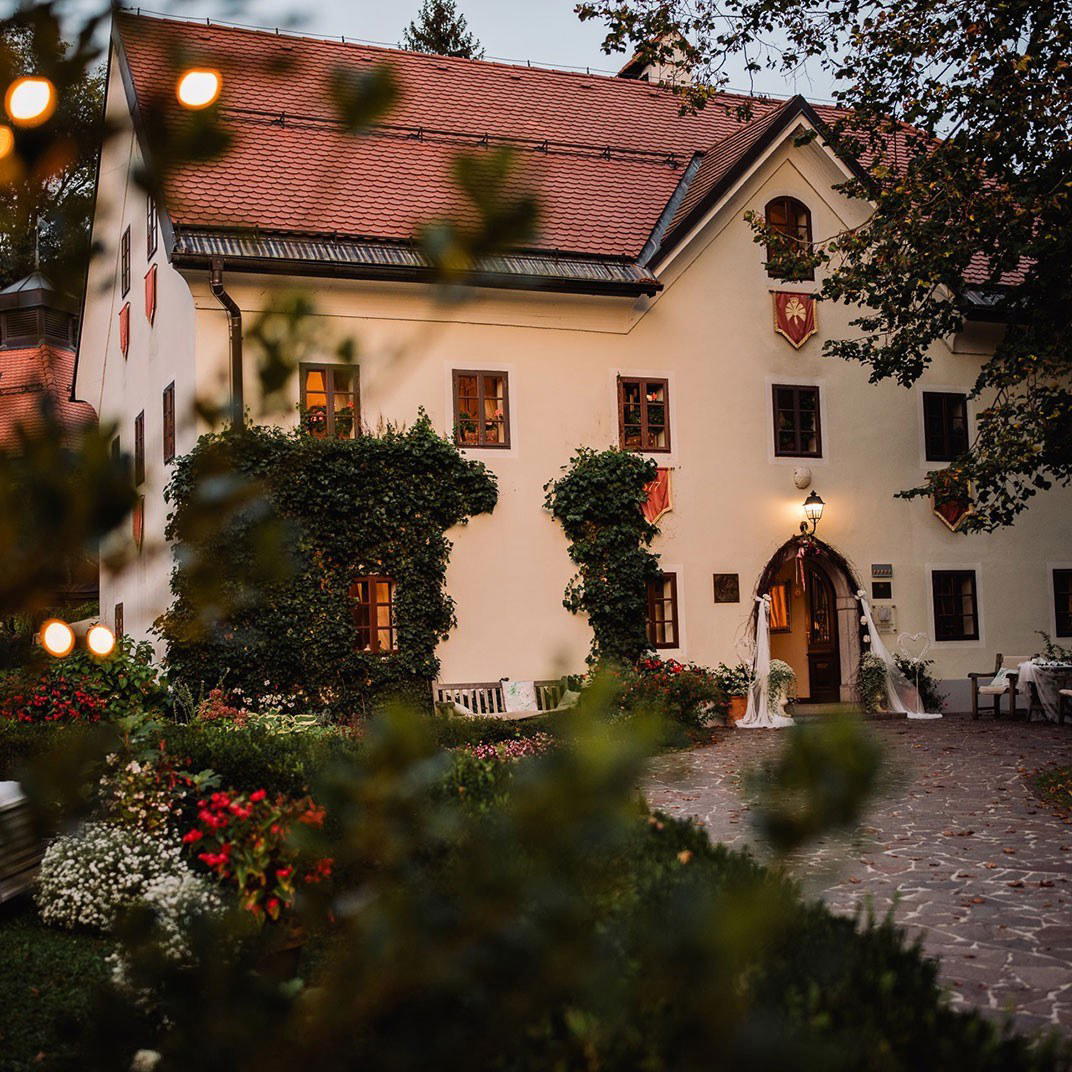
Urban-chic interior decor with a focus on sensory experiences evoking powerful emotions through taste, smell, touch, sight, and sound.