Real Matlatl
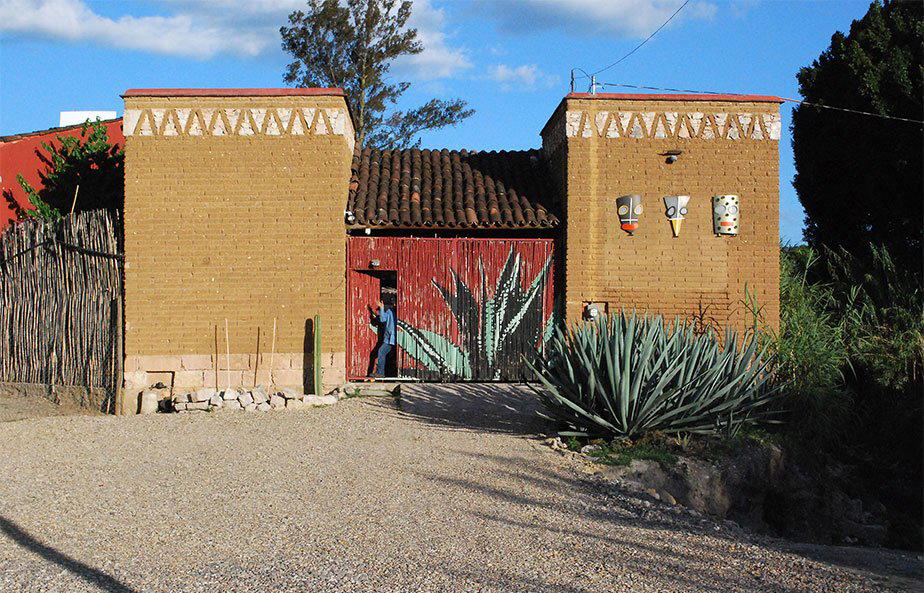
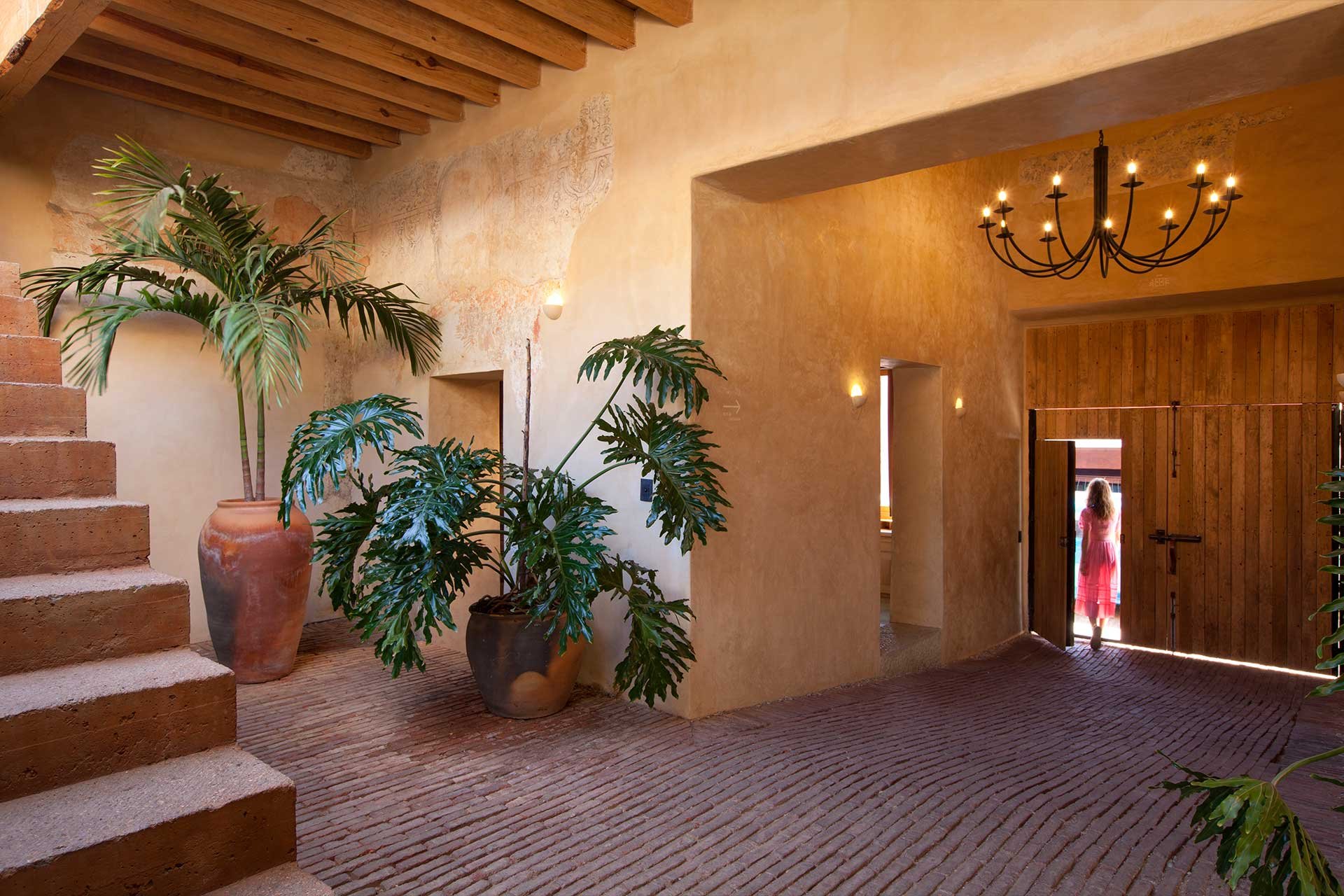
Real Matlatl sits along the Carretera Internacional in Santiago Matatlán, the Oaxacan valley town that produces more mezcal than anywhere else in Mexico.

Pearl is the En Primeur Club membership app — saves, bookings, and concierge access live there. Same editors, same standards.
- Address
- Carr. Internacional, 70430 San Pablo Villa de Mitla, Oax.
- Phone
- +52 951 188 6986
- Website
- instagram.com
- Directions
- Get directions
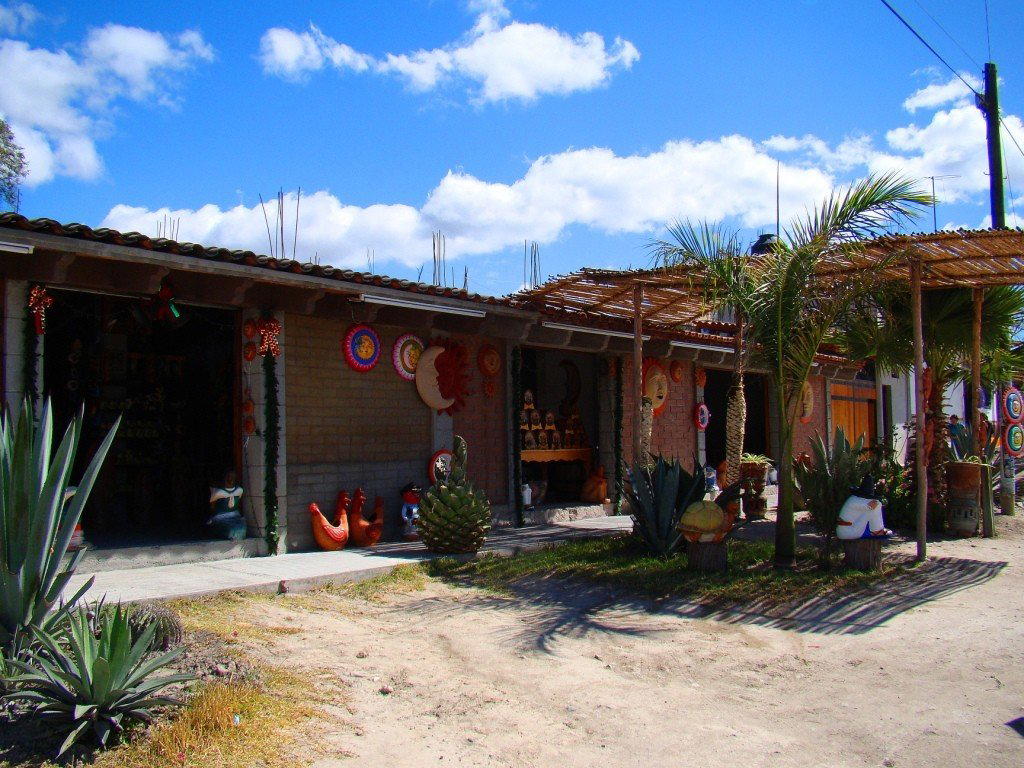
The Capital of Agave
Santiago Matatlán carries a designation that few towns of its size can match: it is formally recognized as the world capital of mezcal, a title grounded not in tourism copy but in production volume, producer density, and the depth of Zapotec agave cultivation traditions that predate the Spanish colonial period. The valley floor south of Oaxaca City concentrates more licensed mezcaleros and palenques per square kilometer than any comparable territory in Mexico, and the category of producers working along and off the Carretera Internacional has grown sharply over the past decade as international demand for artisanal and ancestral mezcal has pulled the region into global spirits conversations previously dominated by tequila's Jalisco heartland.
A Region That Defines the Category
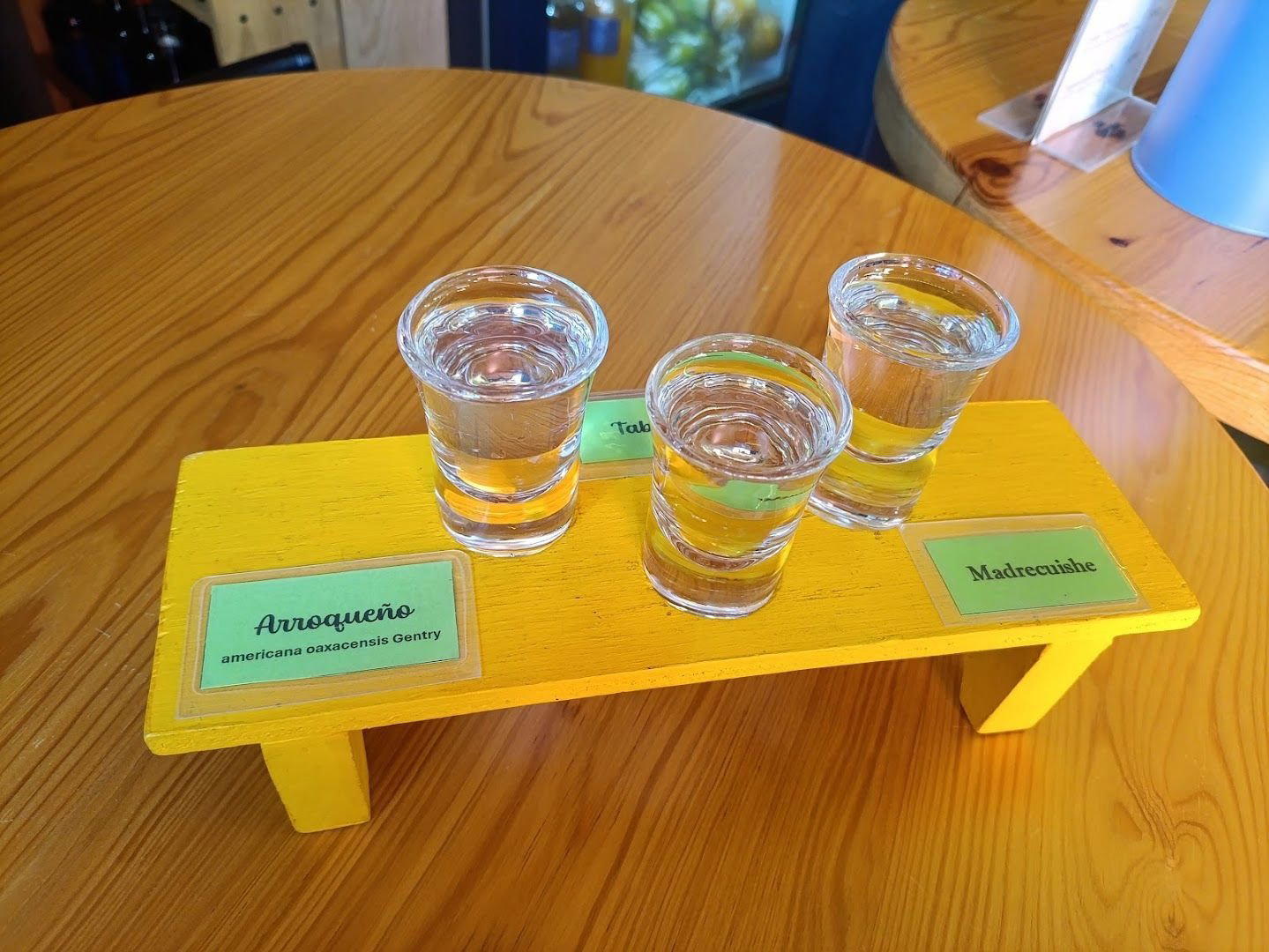
To understand where Real Matlatl sits, it helps to understand how Santiago Matatlán's production culture differs from the broader mezcal appellation. Oaxaca accounts for roughly 85 percent of certified mezcal production in Mexico, and Matatlán is the densest node within that system. The agave varieties grown in the surrounding valleys — Espadín dominates, but Tobalá, Mexicano, Madrecuixe, and Tepeztate appear across producer portfolios, reflect both the accessibility of cultivated plants and the longer maturation cycles of wild or semi-wild agaves that drive the premium tier. Producers here are not operating in isolation: they exist inside a web of generational knowledge, shared terroir, and a local market that has become increasingly sophisticated about how mezcal is classified and priced for export.
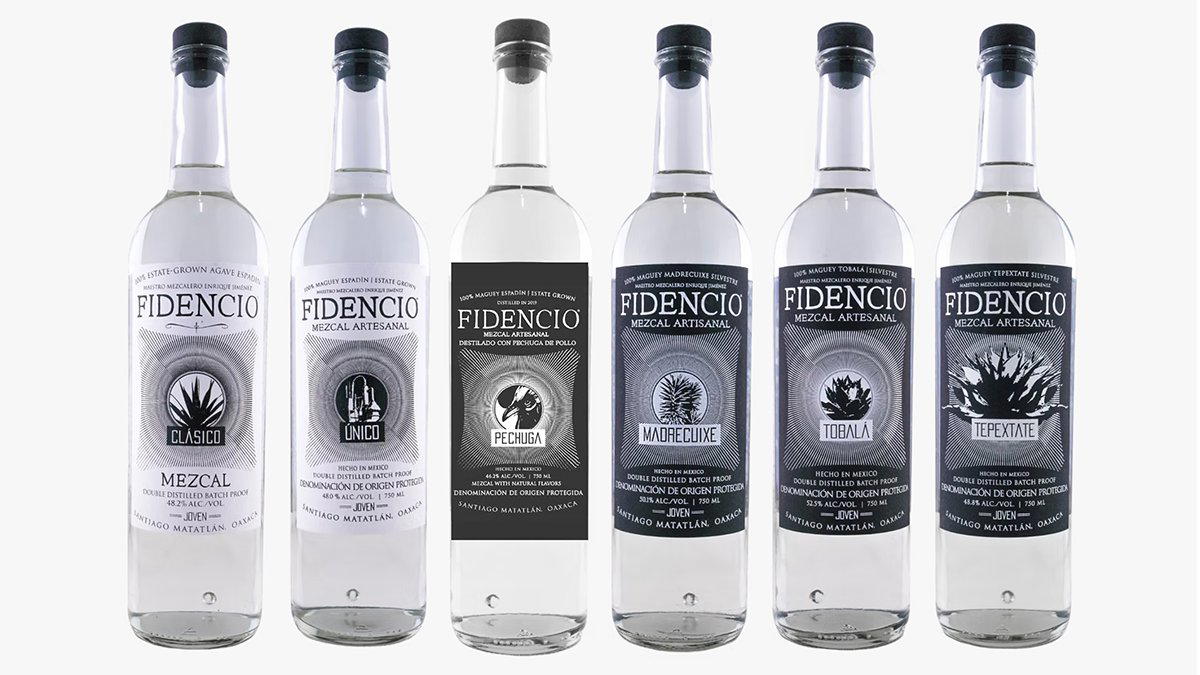
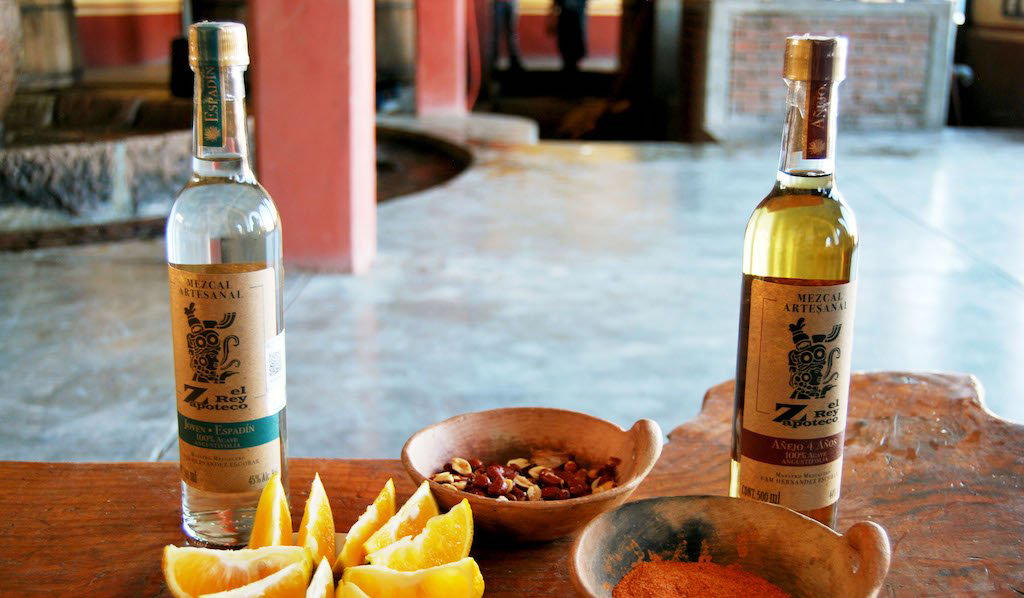
For comparative context, other producers working in and around Matatlán include Los Danzantes, one of the longer-established names in the premium segment, and El Cortijo (palenque), which represents the palenque-format production model that remains central to Matatlán's identity. El Rey Zapoteco, Fidencio, and Gracias a Dios each occupy distinct positions within the same corridor, together they illustrate the range from heritage family production to export-oriented brands with international distribution.
Agave Spirits in a National Context
The conversation around Mexican spirits has expanded considerably beyond tequila in recent years. While the Jalisco producers, from the historic Jose Cuervo (La Rojeña) in Tequila to the La Primavera (Don Julio) operation in Atotonilco El Alto and the Casa Herradura estate in Amatitán, continue to define the volume tier of Mexican agave spirits globally, the mezcal category has carved out a distinct identity built on varietal diversity, smaller batch sizes, and visible production provenance. That shift has benefited Oaxacan producers disproportionately, and Santiago Matatlán has functioned as the geographic and symbolic center of that repositioning.
Elsewhere in Oaxaca, the diversification continues. The Banhez (UPADEC cooperative) in San Miguel Ejutla works with ensemble agave blends including bacanora-adjacent varieties, while Casa Cortés – La Soledad Palenque in La Compañía (Ejutla) and Don Amado (Arellanes family) in Santa Catarina Minas extend the Oaxacan production map beyond Matatlán itself. The Cazadores Distillery in Arandas represents a different tradition entirely, highland Jalisco tequila, but its scale and category weight are a useful reminder of how different the Matatlán model is in terms of batch size and market orientation. For a producer like Real Matlatl, operating at the intersection of Oaxacan tradition and growing international recognition, those distinctions matter.
What the 2025 Award Signals
In a spirits category where marketing claims about artisanal production and heritage methods have proliferated faster than verifiable quality benchmarks, third-party recognition provides a concrete anchor. A two-star prestige placement indicates that the producer has cleared a quality threshold above the baseline recognition tier, it is not the highest possible designation, but it is a meaningful position in a structured hierarchy, and for a producer in a market as crowded as Matatlán's, it represents differentiation from the field. The year of the award is also relevant: 2025 recognition reflects current production standards rather than historical reputation, which in a fast-moving category like artisanal mezcal is the more useful data point.
For context, the award places Real Matlatl in a tier that requires both product quality and a degree of market visibility. Producers at this level in Matatlán typically have established distribution relationships, consistent production standards across batches, and a profile that has been assessed against peers rather than evaluated in isolation. That peer assessment is the point: the Matatlán corridor is dense enough that quality claims are tested against real competition, and recognition within that field carries more weight than it might in a region with fewer reference points.
Planning a Visit
Real Matlatl operates from an address on the Carretera Internacional in San Pablo Villa de Mitla, the main highway that threads through the Tlacolula valley and connects Oaxaca City with the Mitla archaeological zone. The road is the primary artery for visitors moving through the mezcal-producing towns southeast of the city, and most palenque visits in the region are organized as a self-directed drive or through a guided tour that strings multiple producers together. Santiago Matatlán itself is roughly 45 kilometers from Oaxaca City, accessible by private vehicle or colectivo from the second-class bus terminal. Visit times are typically concentrated in the morning hours, before the valley heat peaks in early afternoon. No phone, website, or advance booking information is currently listed for Real Matlatl in available data, so direct confirmation of opening hours before traveling is advisable; the producer's local presence along the highway makes it identifiable on the road itself. Visitors with broader itinerary interests can consult our full Santiago Matatlán guide for producer and context coverage across the corridor.
For readers whose spirits interests extend beyond mezcal, the distance from Matatlán to other recognized production territories is considerable, Aberlour in Scotland's Speyside or Accendo Cellars in St. Helena represent entirely different traditions of terroir-driven production, but the underlying logic of place-specific craft is a thread that connects producers across categories and continents. In Matatlán, that logic is expressed in smoke, agave fiber, and volcanic soil, and Real Matlatl's 2025 recognition suggests it is among the producers making the case most clearly.
Frequently Asked Questions
- What is the signature bottle at Real Matlatl? Within the Santiago Matatlán corridor, Espadín-based mezcal remains the category foundation for most producers, with single-varietal wild agave releases, Tobalá, Madrecuixe, Tepeztate, representing the premium tier.
- What is Real Matlatl renowned for? Its address on the Carretera Internacional in San Pablo Villa de Mitla situates it within the main palenque corridor, and its award signals production quality that stands above the baseline in a competitive local field.
- Is Real Matlatl reservation-only? Visits to palenques along the Matatlán highway corridor are typically walk-in or arranged through local tour operators in Oaxaca City. Given the absence of confirmed contact information, arriving during standard daytime hours on a non-holiday weekday is the most practical approach, or inquiring with a Santiago Matatlán-based guide who maintains current producer relationships. See our Santiago Matatlán guide for broader planning context.
Price Lens
Comparable venues nearby, for context on price, style, and recognition.
| Venue | Cuisine | Price | Notes |
|---|---|---|---|
| Real MatlatlThis venue — the venue you are viewing | Santiago Matatlán, Agave angustifolia | Not listed | Not listed |
| El Cortijo (palenque) | Santiago Matatlán, Espadín, Tobalá | $10–20 | Not listed |
| Macurichos | Winery | Not listed | Not listed |
| Gracias a Dios | Santiago Matatlán, Espadín, Tobalá | Not listed | Not listed |
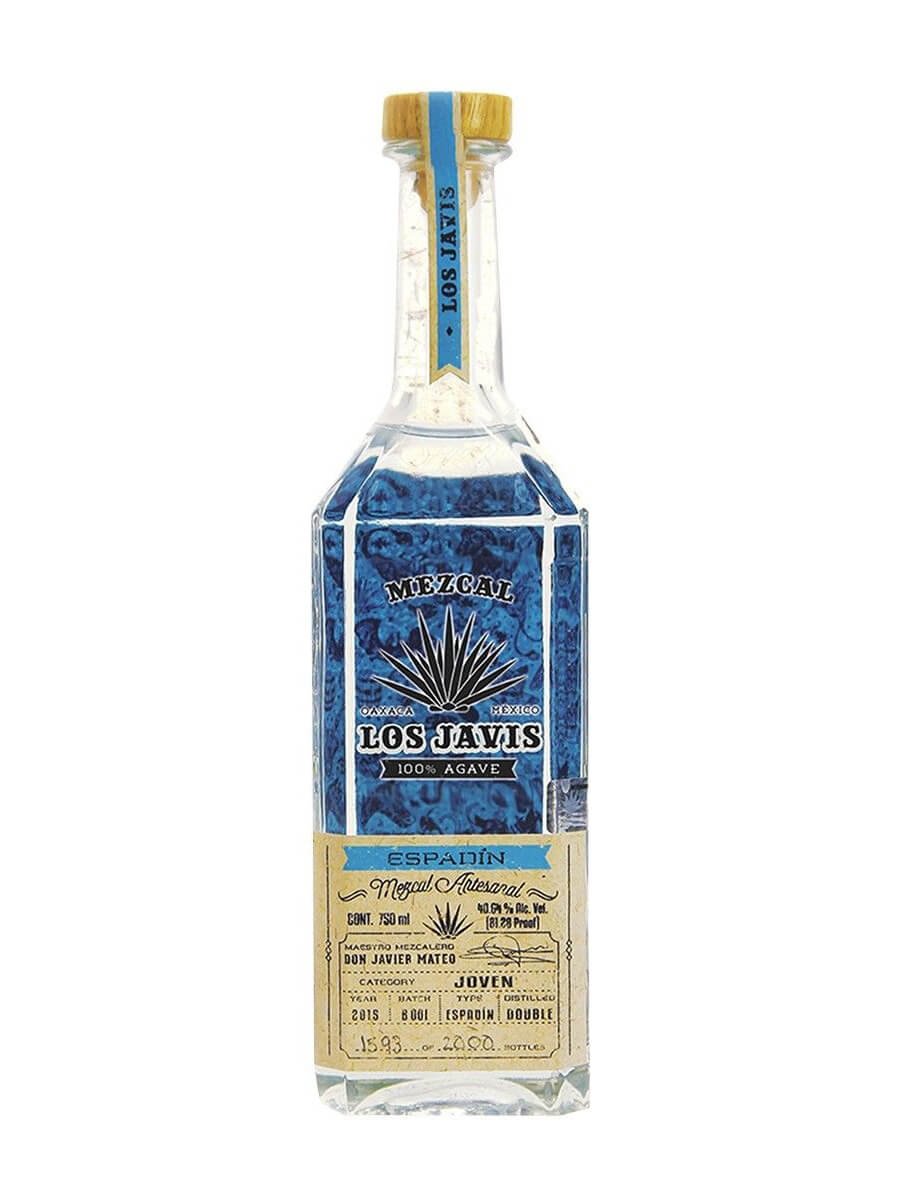
| Los Javis | Santiago Matatlán, Espadin, Arroqueño | Not listed | Not listed |
| Fidencio | Not listed | $30–50 | Santiago Matatlán, Espadín, Maguey Mexicano |
Continue exploring
More in Santiago Matatlán
Wineries in Santiago Matatlán
Browse all →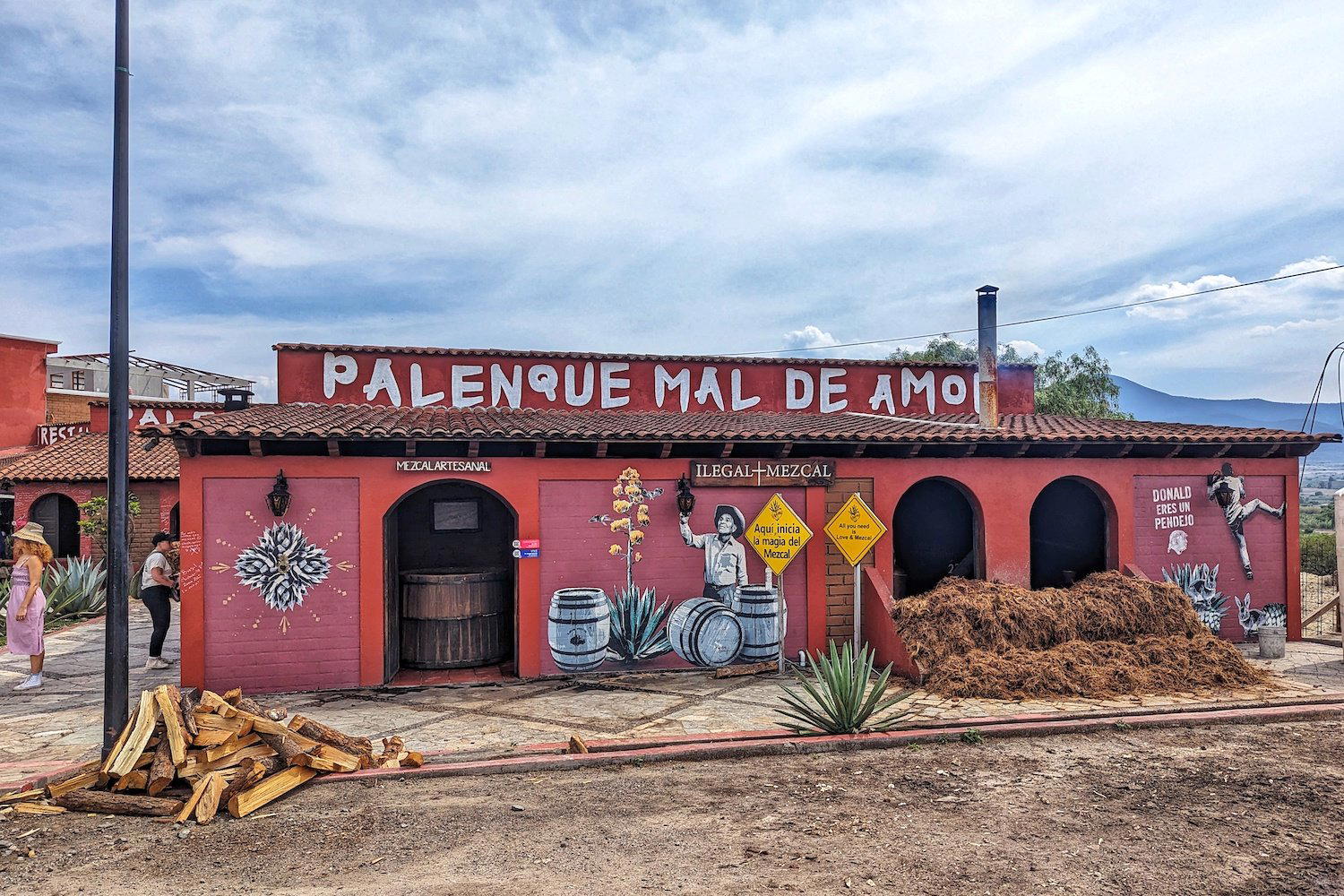
Bars in Santiago Matatlán
Browse all →

Restaurants in Santiago Matatlán
Browse all →
Details
- Wine Education
- Vineyard Tour
- Agave Angustifolia
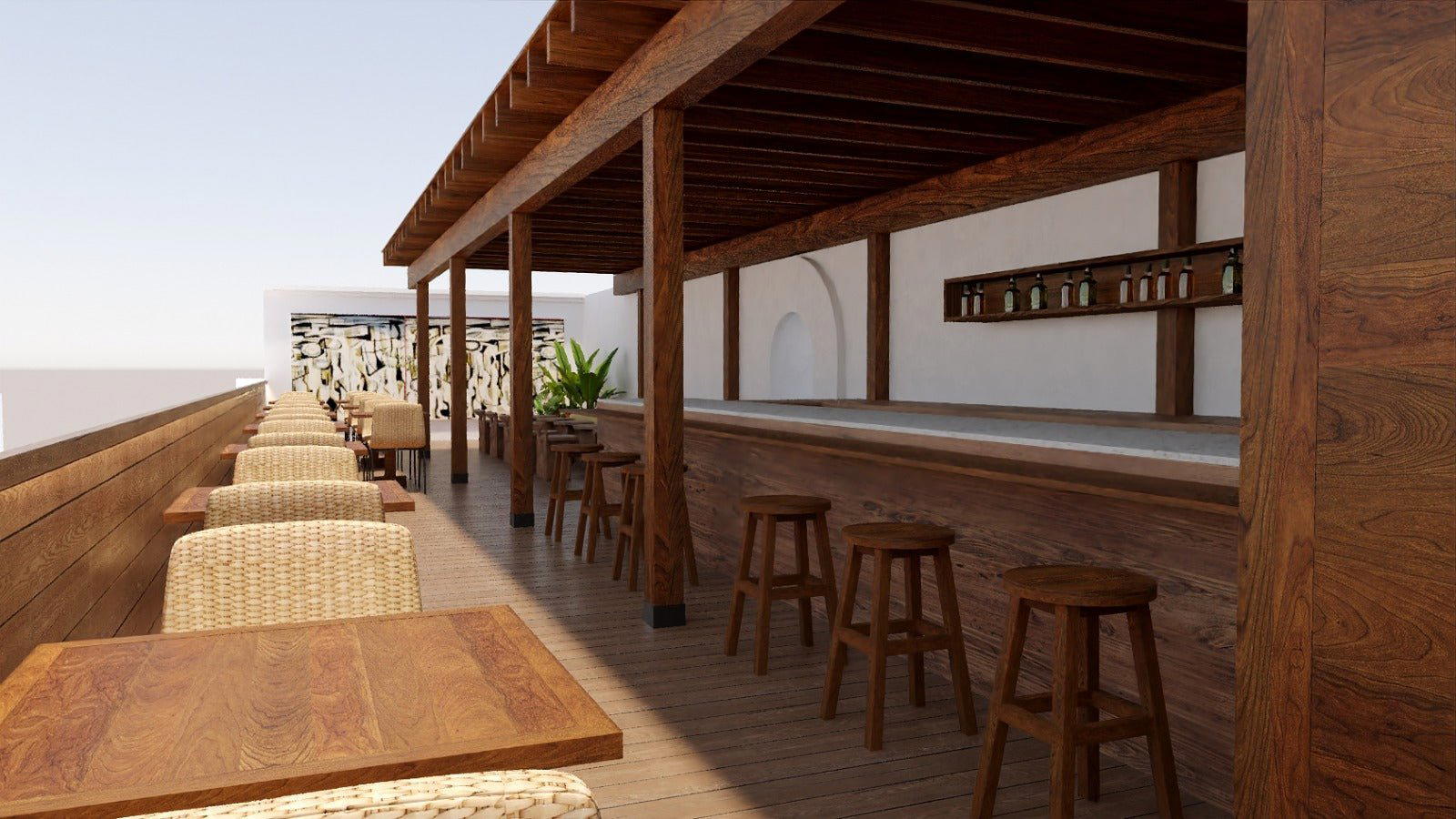
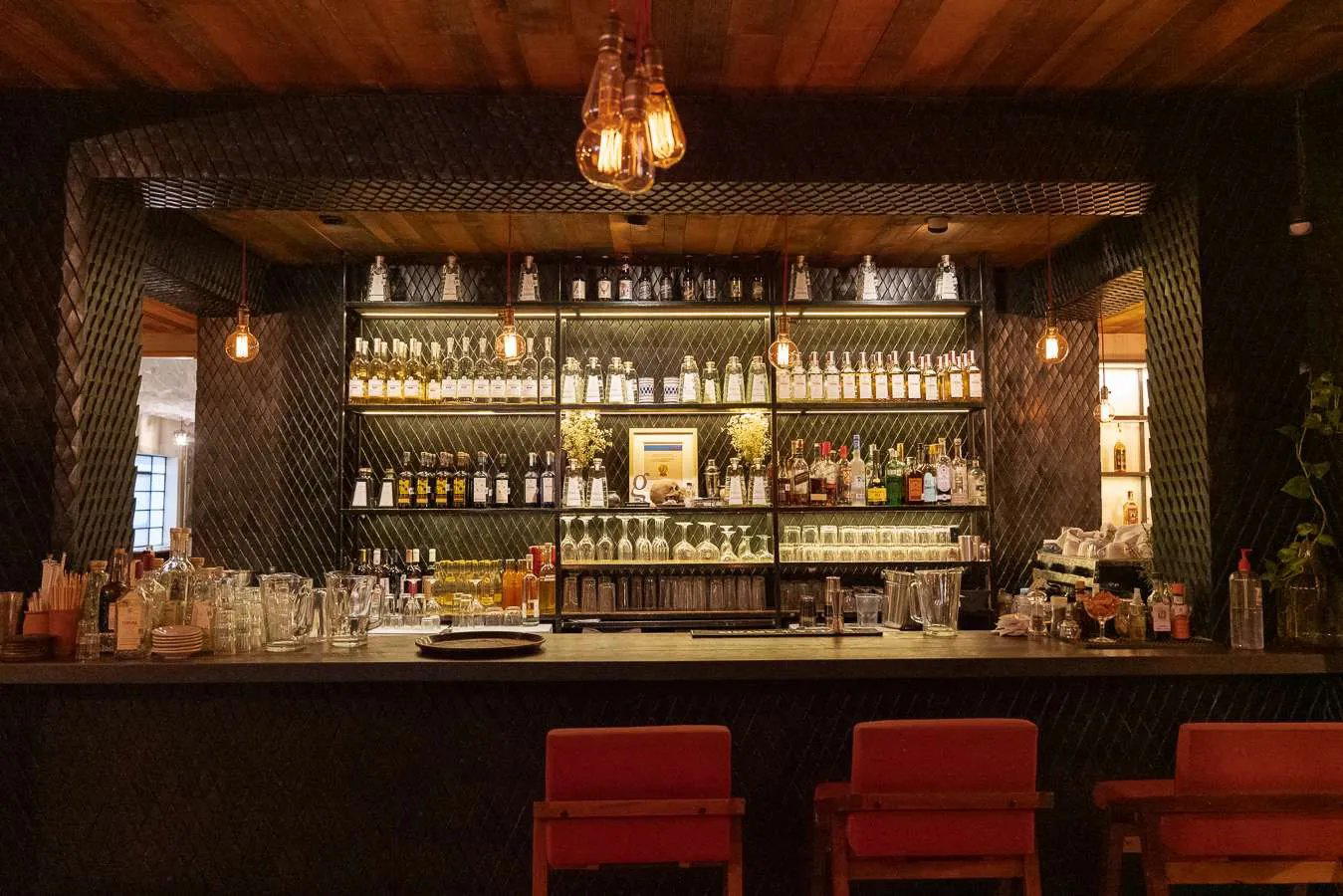
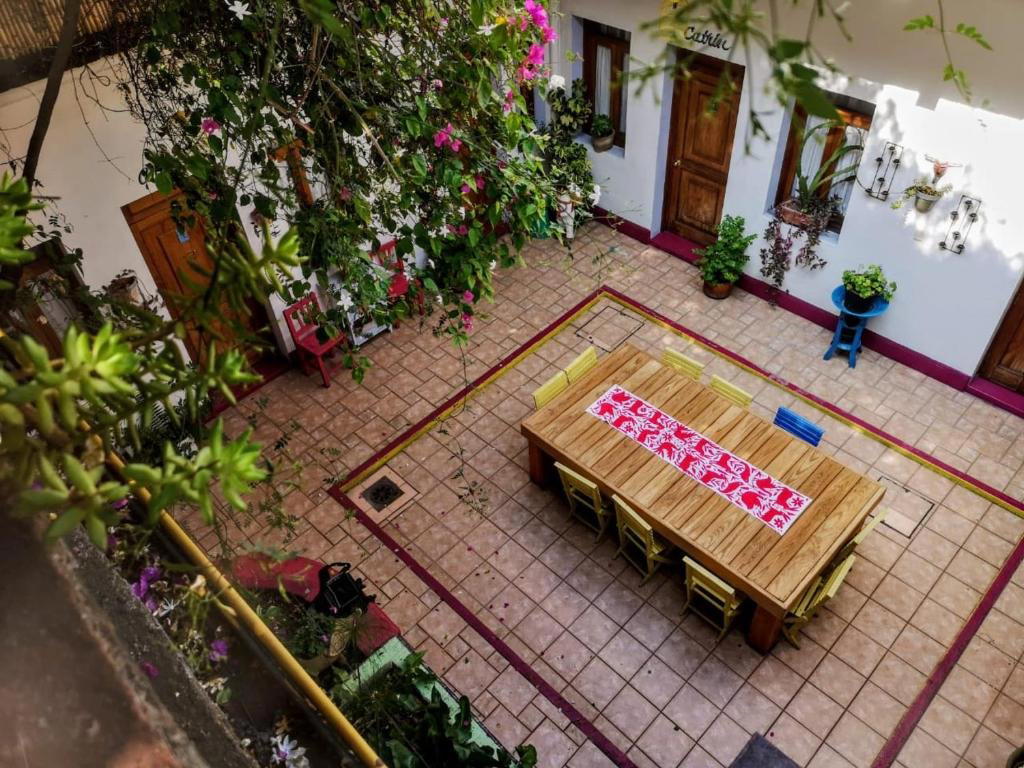
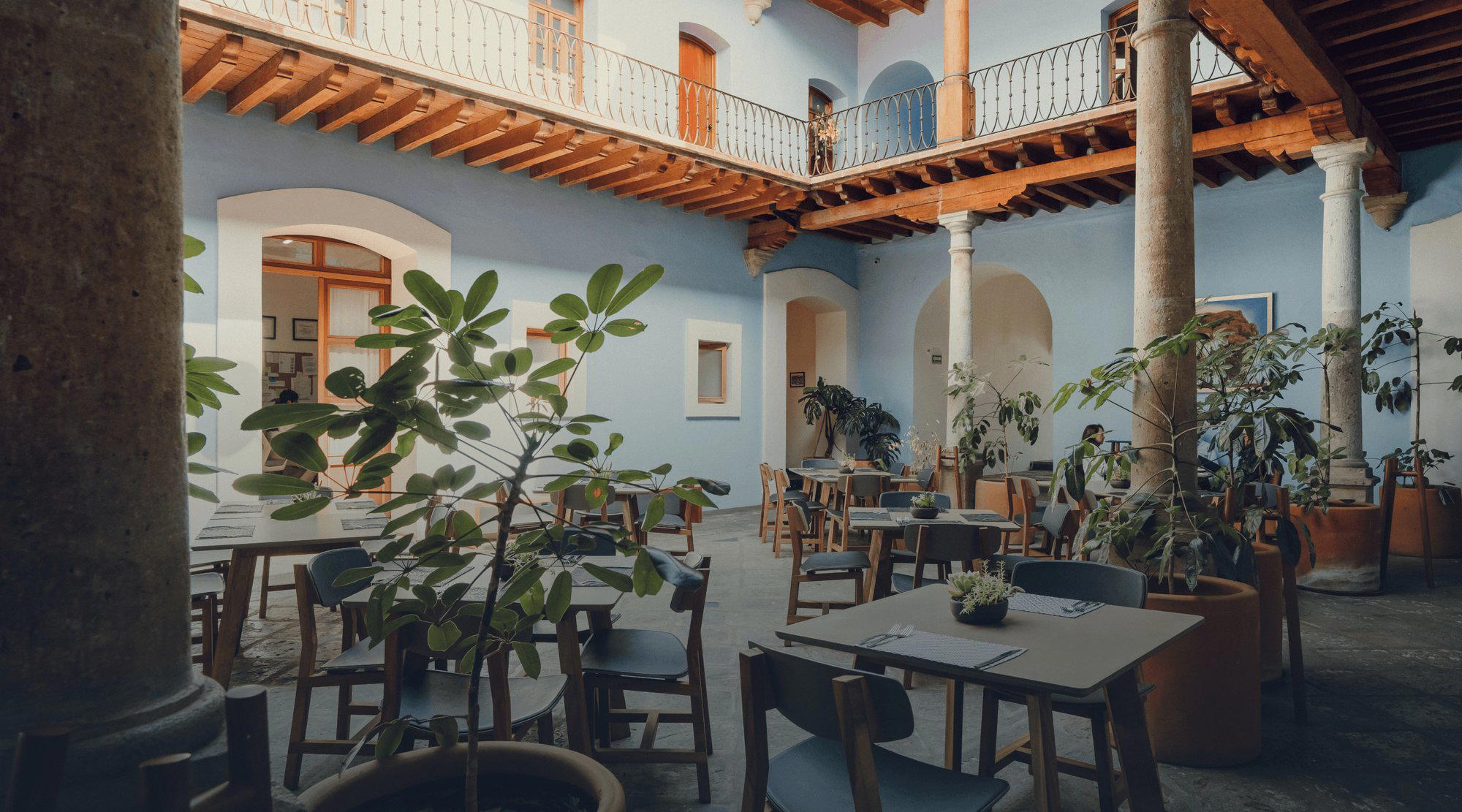
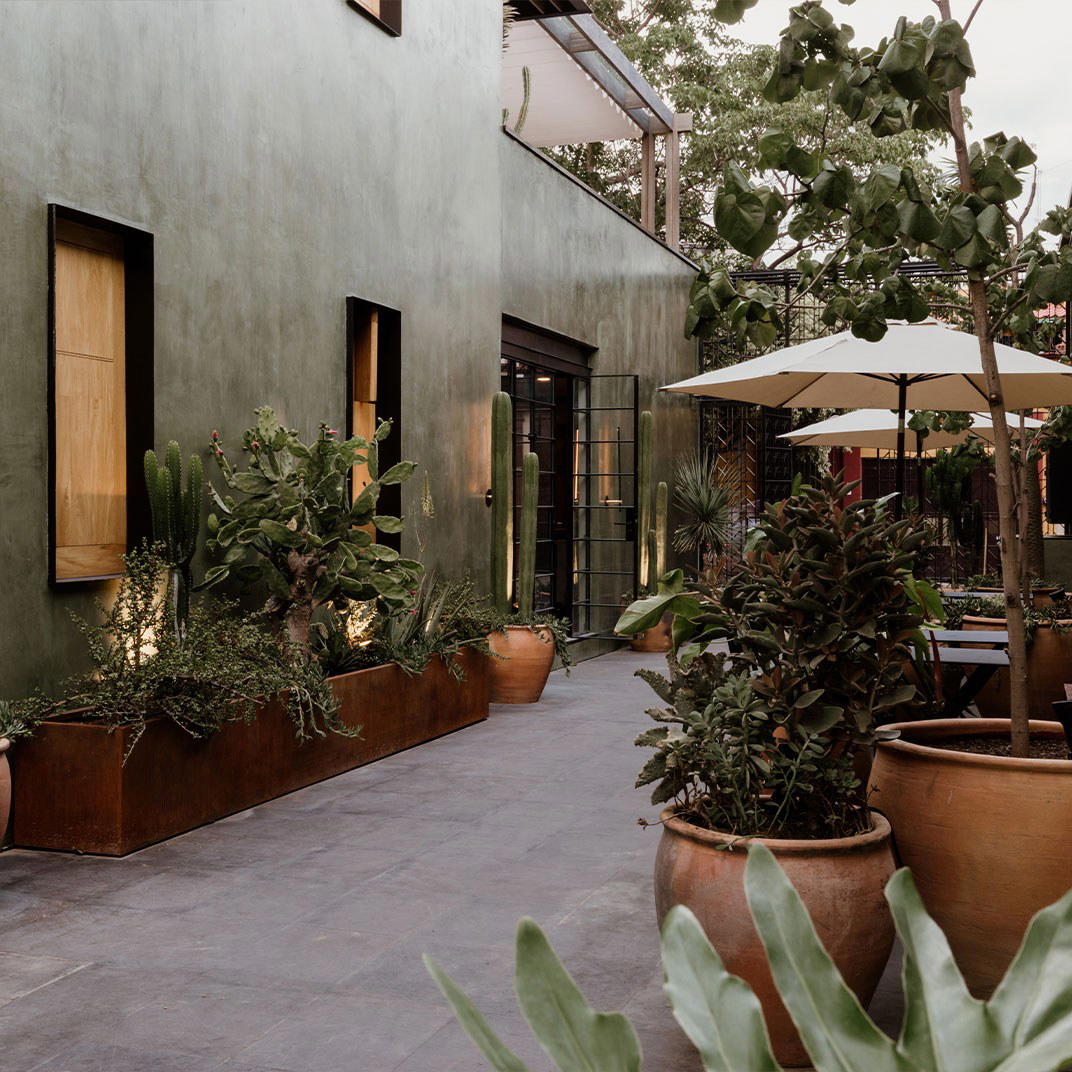
rustic palenque atmosphere