
Cazadores Distillery sits along the southern bypass of Arandas, Jalisco, in the highland agave country that defines Los Altos tequila. Holder of a Pearl 2 Star Prestige rating in 2025, the operation represents the large-scale industrial tier of highland production, where volcanic red clay soils and consistent elevation shape agave character across millions of plants. Arandas remains one of the key addresses for understanding how terroir translates into tequila at commercial depth.
Pearl is the En Primeur Club membership app — saves, bookings, and concierge access live there. Same editors, same standards.
- Address
- Carretera Km. 3 Libramiento Sur S/N, 47180 Arandas, Jalisco, Mexico
- Website
- cazadores.com
 Saves & bookings on Pearl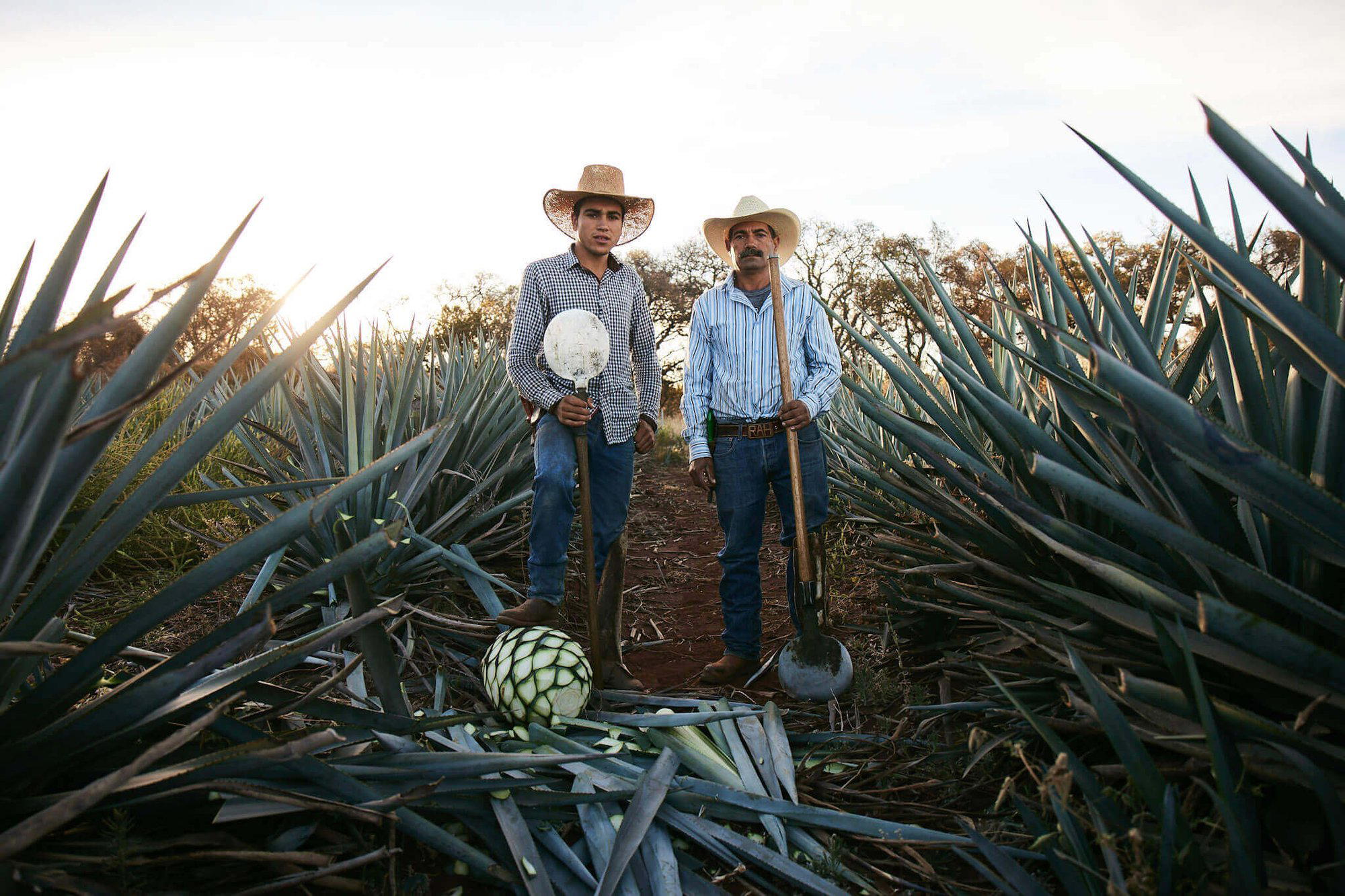
Los Altos Tequila Country and the Arandas Baseline
Drive south out of Arandas on the Libramiento Sur and the pattern of the highland tequila industry becomes legible through the windshield. Red clay fields stretch in every direction, planted in blue agave at varying stages of maturity, with the older plants already showing the broad, spiky silhouette that signals proximity to harvest. At around 2,100 metres above sea level, Los Altos de Jalisco operates at a different register than the lowland Tequila Valley: cooler nights, more intense sun exposure, and that characteristically iron-rich volcanic soil conspire to push the agave toward higher sugar content and, in the finished spirit, a fruitier, rounder profile than the more herbaceous lowland style. Cazadores Distillery sits along this corridor, at Carretera Km. 3, and its placement is less incidental than definitional. The distillery belongs to a tradition of large-scale Los Altos production.
Arandas is a major production hub, and several of the region's most referenced operations are headquartered within a short radius. Feliciano Vivanco y Asociados and La Alteña both operate in the same municipality, each representing a different tier of the local production spectrum. Understanding where Cazadores sits within that local comparable set requires some context about how Los Altos production stratifies.
Terroir in Industrial Scale: What the Highlands Contribute
The terroir argument for Los Altos tequila rests on measurable factors. Agave cultivated at altitude in red clay soil tends to accumulate higher Brix readings at maturity, meaning more fermentable sugars available to the distiller. The result, across the highland category, is a spirit that reads fruitier and somewhat sweeter than Tequila Valley production, with less of the green, peppery edge associated with lowland agave. Distillers in this region are working with a raw material that the land has already shaped in a particular direction before a single decision is made in the fermentation room.
Cazadores, as a large-volume highland operation, expresses this regional identity at scale. The distillery's 2025 Pearl 2 Star Prestige recognition from EP Club signals that its production sits within a credentialed tier, operating above baseline but within a category framework that includes multiple strong regional competitors. For a visitor or trade buyer trying to map the highlands, the award functions as a positioning marker.
Compare this to how lowland production addresses terroir. Operations like Jose Cuervo (La Rojeña) in Tequila or Casa Herradura (Hacienda San José del Refugio) in Amatitán work from volcanic lowland soil at lower elevations, which alters the raw agave profile fundamentally. The highlands-lowlands divide is not a matter of prestige so much as character: two distinct terroir expressions within a single denomination, and Cazadores sits firmly in one camp. Even within the wider agave spirits world, the geographic identity of a distillery carries interpretive weight. The mezcal tradition offers its own examples of terroir specificity: Don Amado (Arellanes family) in Santa Catarina Minas and Los Danzantes in Santiago Matatlán operate in Oaxacan valleys with entirely different soil profiles and agave species, demonstrating how geography continues to define agave spirits well beyond Jalisco's boundaries.
The Arandas Production Tier and the Regional Context
Los Altos has developed a two-track production identity over the past generation. On one track sit artisanal and semi-artisanal operations, often using traditional tahona or roller mill extraction and maintaining smaller batch sizes. On the other sits larger, technically sophisticated production, where consistency across high volumes is the primary engineering challenge. Cazadores operates in the latter category, alongside other large Highland brands that have built international distribution while maintaining the regional agave character that differentiates them from Jalisco lowland production.
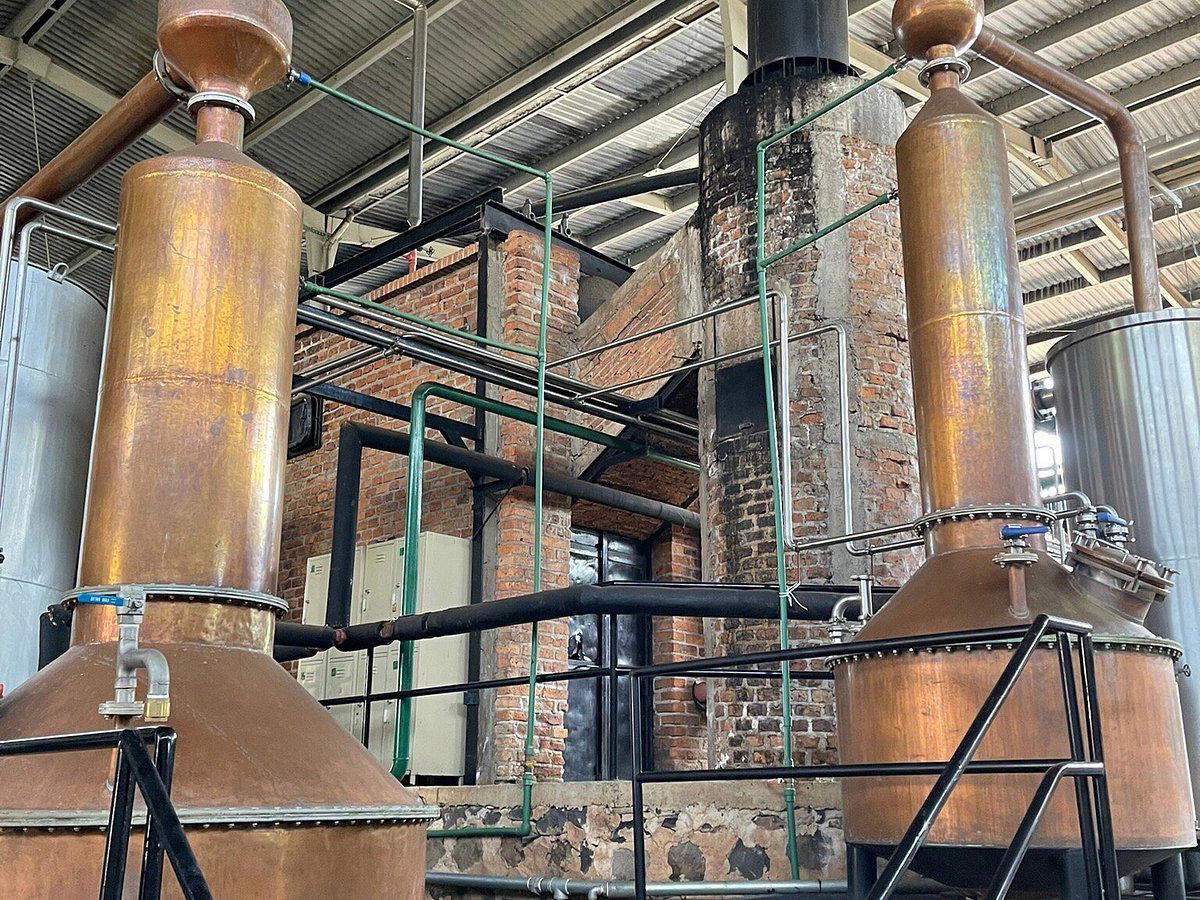
This scale distinction matters when visiting. The distillery at Km. 3 Libramiento Sur is a working industrial facility, and the experience of visiting differs meaningfully from a small family operation like those represented by producers in the mezcal regions of Oaxaca. For comparison, cooperative structures such as Banhez (UPADEC cooperative) in San Miguel Ejutla or village-scale palenques like Casa Cortés – La Soledad Palenque in La Compañía (Ejutla) offer a fundamentally different encounter with agave spirits production. At Cazadores, the story is one of highland terroir expressed through industrial discipline, which is its own legitimate narrative in the tequila world.
Elsewhere in the broader Mexican spirits map, large-footprint distilleries such as Hacienda Corralejo in Pénjamo have built comparable profiles at scale in the tequila denomination, while El Pandillo (G4) in Jesús María and La Primavera (Don Julio) in Atotonilco El Alto represent the highlands-adjacent premium category where terroir and brand investment converge. Cazadores fits into this regional conversation as a producer with documented prestige-tier recognition operating from the same distinctive geological and climatic platform.
What a Visit to This Corridor Involves
Arandas sits in the northeastern section of Jalisco, accessible from Guadalajara via the highway northeast through Los Altos.The drive from the capital takes roughly two hours depending on the route, and the surrounding landscape during the approach gives context that no tasting room can replicate: the shift from lowland vegetation to highland agave fields is visible long before the town appears.Visiting the distillery at Km. 3 on the southern bypass is best approached with prior contact.No public booking method or phone number is recorded in public sources for this location, so direct inquiry via official brand channels is the practical first step for any visit.
The broader Arandas district rewards a full day rather than a single-stop detour. Combining a visit to Cazadores with time at other local producers builds a more complete picture of how Los Altos tequila operates across different scales and ownership models. The full Arandas guide from EP Club maps the relevant distilleries and provides context for structuring a day in the highlands. For readers whose interest extends to spirits produced under different denominations or traditions, the contrast with Scotch malt whisky operations such as Aberlour in Aberlour or the Napa wine tier represented by Accendo Cellars in St. Helena illustrates how terroir claims function across different premium spirits and wine categories, each using geography as a primary credential.
The El Rey de Matatlán in Tlacolula de Matamoros provides a further reference point for how Oaxacan production culture handles terroir at a different scale, rounding out any comparative reading of Mexican agave spirits beyond the tequila denomination.
Planning Your Visit
Cazadores Distillery is located at Carretera Km. 3 Libramiento Sur S/N, 47180 Arandas, Jalisco.The distillery holds a Pearl 2 Star Prestige rating from EP Club for 2025, placing it within the credentialed tier of Los Altos tequila production.No website, phone number, admission price, or public booking interface is recorded in current public sources; visitors should approach contact through official brand channels before arrival.The highland climate means the Arandas region is most comfortable for travel between October and April, when the rainy season has passed and the fields are at their most visually coherent for understanding agave at different growth stages.
A Quick Peer Check
Comparable venues nearby, for context on price, style, and recognition.
| Venue | Cuisine | Price | Notes |
|---|---|---|---|
| Cazadores DistilleryThis venue — the venue you are viewing | 100% blue weber agave | $$ | |
| Feliciano Vivanco y Asociados | blue_agave | $$ | Arandas |
| La Alteña | agave azul | $$$ | Arandas |
| Mezcal Unión (bottled of origin) | Winery | , | San Baltazar Guelavila |
| Hacienda Corralejo | Blue Weber Agave | $$ | Pénjamo |
| La Cofradía | Agave tequilana Weber azul | $$ | Tequila |
Continue exploring
More in Arandas
At a Glance
- Rustic
- Industrial
- Group Outing
- Wine Education
- Estate Grounds
- Sustainable
- Zero Waste
- Mountain
Industrial yet eco-conscious atmosphere amid rolling agave fields and Arandas hills.