Google: 4.4 · 1,070 reviews
Muss Café occupies a corner of Oaxaca City's Centro that rewards slowing down. The address on Miguel Hidalgo 911 places it within walking distance of the city's main plazas, yet the café operates at a register distinct from the tourist-facing terraces that dominate the neighbourhood. It belongs to a quieter current in Oaxacan café culture: places where the room itself sets the terms of engagement.
 Discover on Pearl
Pearl is the En Primeur Club membership app — saves, bookings, and concierge access live there. Same editors, same standards.
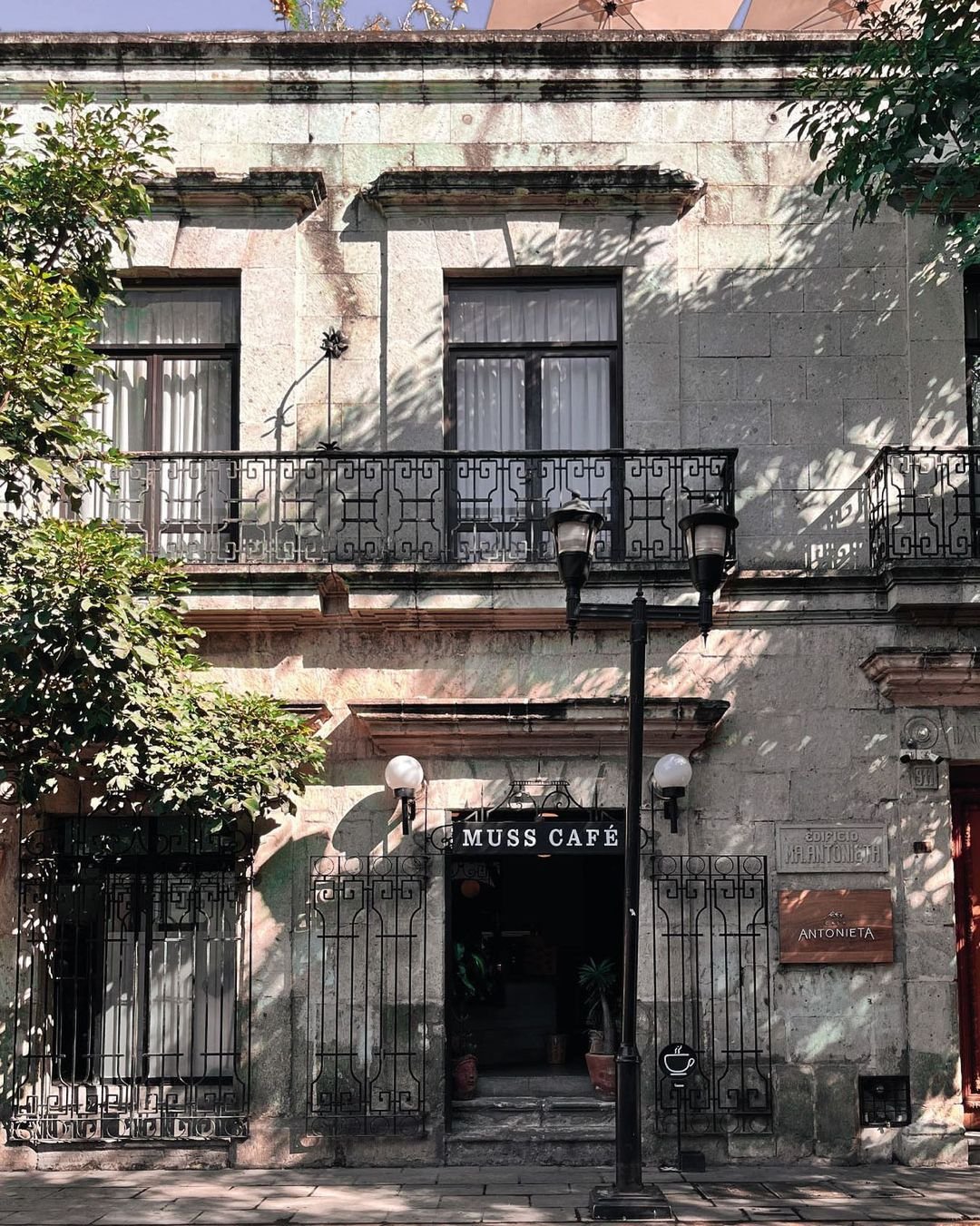
A Room That Sets Its Own Pace
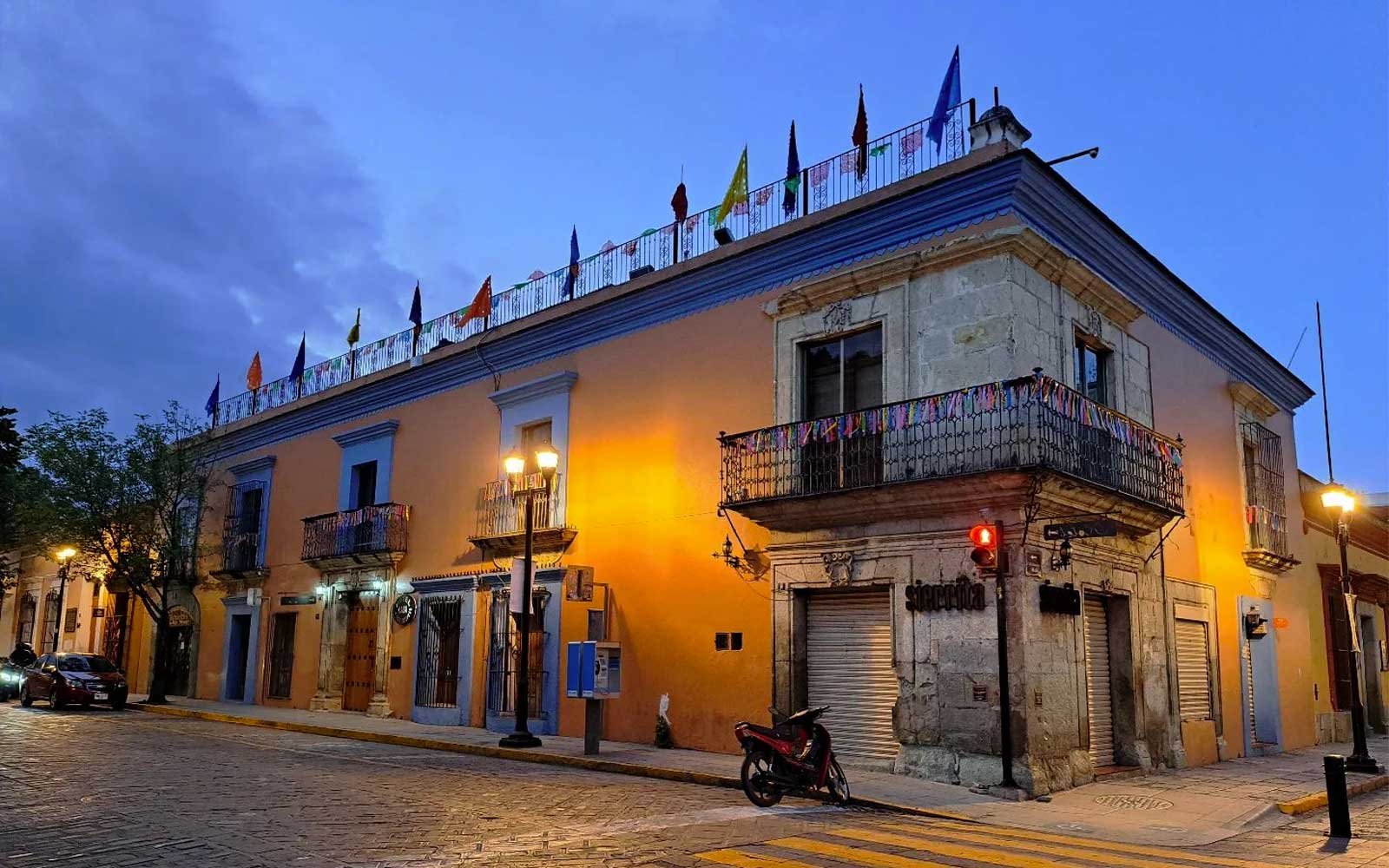
Oaxaca City's Centro is dense with places that perform hospitality loudly, with menus translated into four languages and staff positioned at doorways to intercept passing foot traffic. Muss Café, at Miguel Hidalgo 911, operates on different logic. The address sits within the colonial grid that defines the historic centre, close enough to the main plazas to be genuinely convenient, far enough from the primary tourist corridors that the clientele skews local. That geographic specificity is not incidental. In a city where café culture has developed in parallel with a serious food scene, the physical position of a room shapes who walks through the door and, by extension, what kind of experience becomes possible inside.
The café sits within a broader Oaxacan dining shift that has seen smaller, more considered operations emerge alongside the destination restaurants drawing international attention. Venues like Boulenc and Cafe Los Cuiles have helped define what an independent Oaxacan café can be: specific in sourcing, unhurried in pacing, and rooted in the city rather than performing for visitors. Muss Café enters that conversation from its own angle, occupying a Centro address that connects it to the neighbourhood's daily rhythms rather than its weekend tourism surge.
The Character of the Space
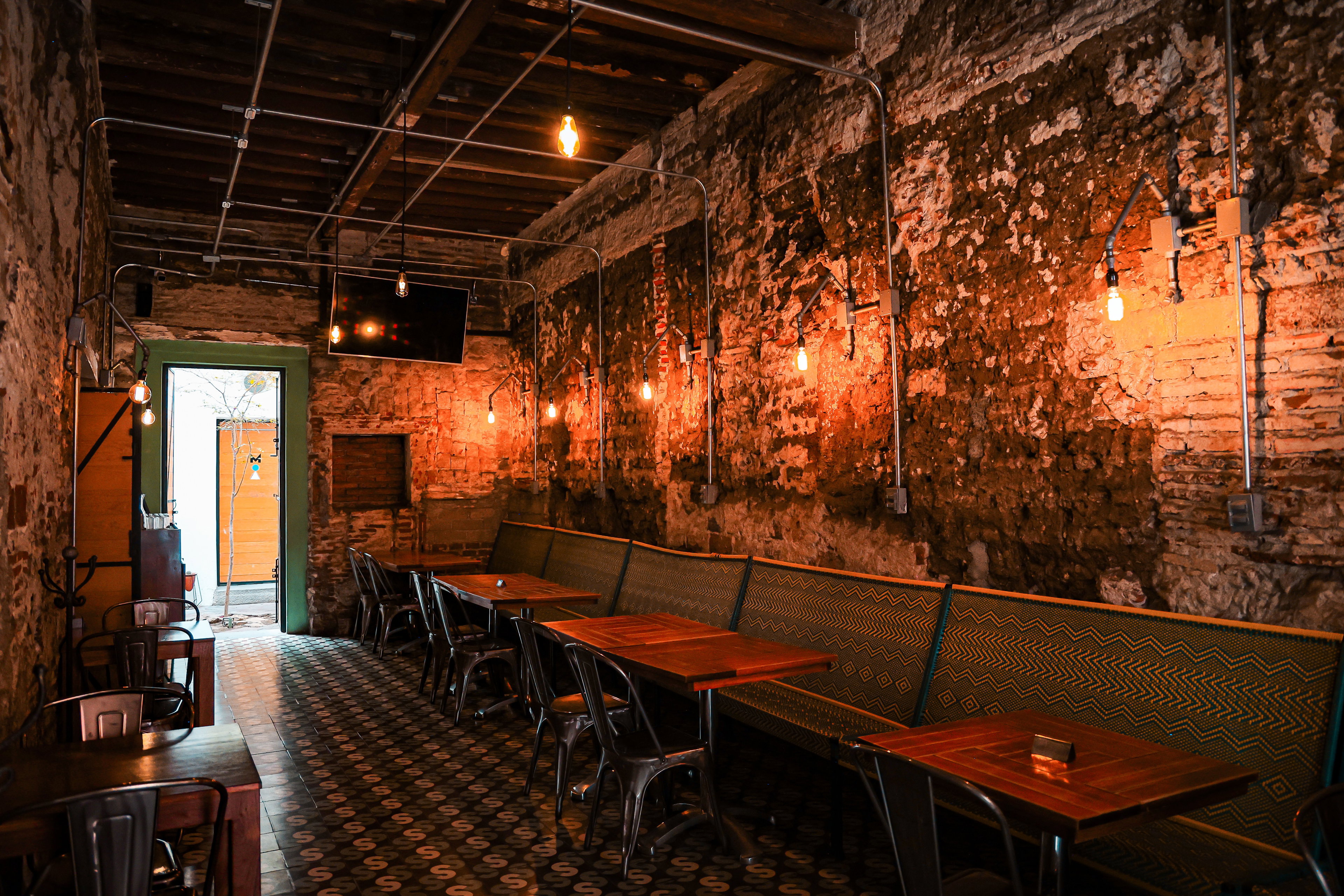
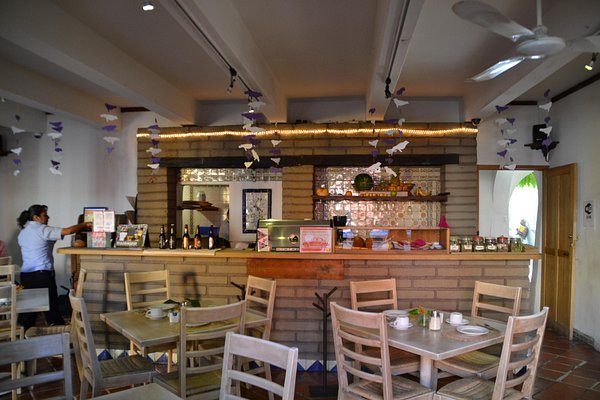
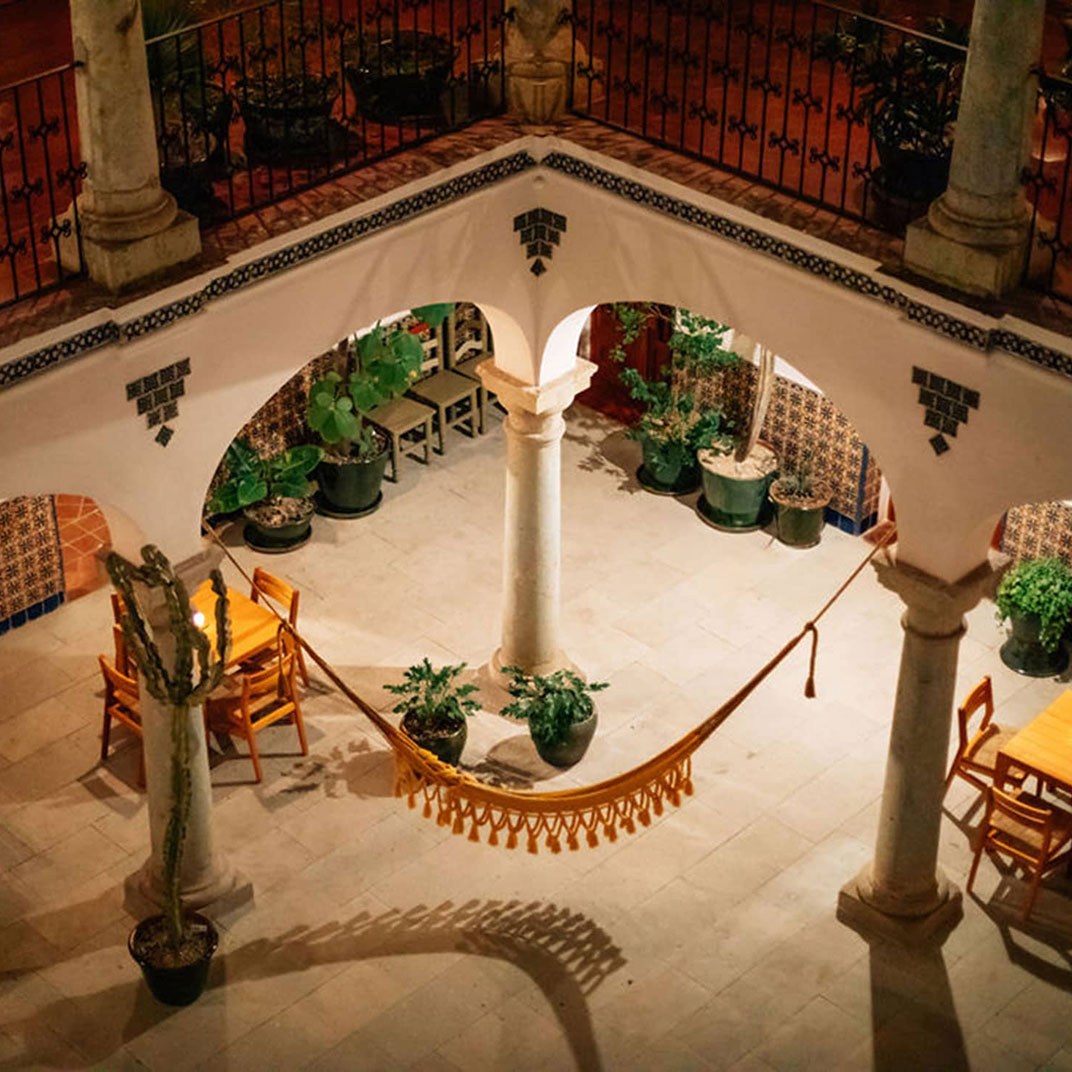
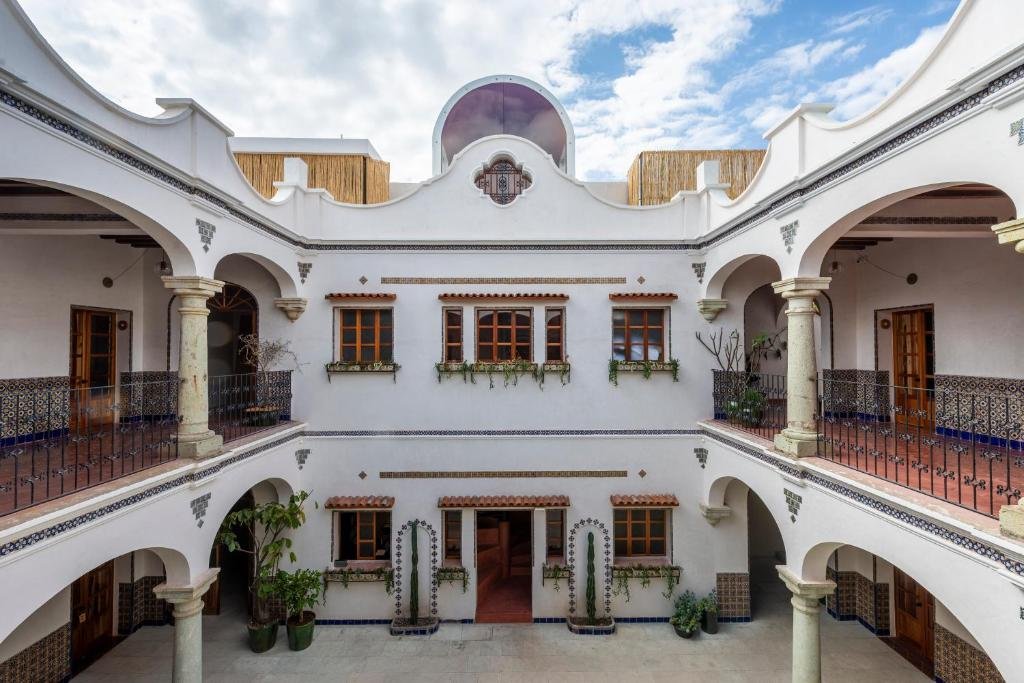
In café culture terms, the physical environment is not decoration. It is the primary communication. How light moves through a room, how tables relate to one another, whether the ambient noise level permits conversation or demands it — these details determine whether a space functions as a place to linger or a place to pass through. Oaxaca's better cafés have generally understood this. The city's colonial architecture, with its high ceilings, thick walls, and interior courtyards, creates an inherent acoustic and thermal environment that serious operators tend to preserve rather than override with aggressive renovation.
Muss Café's location within the Centro places it in the tradition of spaces that occupy historic buildings not as aesthetic statement but as practical inheritance. The Centro's streetscape is one of the more coherent examples of colonial urban planning in southern Mexico, and a café that sits within it is automatically in dialogue with that fabric. The question, always, is whether a particular operation uses that context intelligently or simply benefits from it passively. From its position at Miguel Hidalgo 911, Muss Café draws on a neighbourhood that has retained more of its residential texture than the blocks immediately surrounding the Zócalo, which means the surrounding environment reinforces a slower register rather than competing against it.
For reference points across Mexico's café scene, the distinction between atmospherically coherent spaces and those that have bolted aesthetic choices onto commercial frames is increasingly legible to travelled visitors. Baltra Bar in Mexico City and Bekeb in San Miguel de Allende both represent the more curated end of that spectrum in their respective cities. Muss Café belongs to the Oaxacan expression of the same impulse: a space where the room's character is not an accident.
Oaxaca's Café Scene in Context
The café category in Oaxaca City has matured considerably over the past decade. The city's reputation in food circles — anchored by a native cuisine that has attracted serious international interest , has filtered into its café culture in the form of operations that take sourcing seriously, particularly coffee from Oaxacan highlands producers. The Sierra Juárez and Cañada regions produce coffee that now appears explicitly credited on menus across the better Centro establishments. That transparency of origin is a reasonable proxy for operational seriousness: a café that can name its producer is a café that has done the work upstream.
Muss Café enters that context as part of a peer group of Centro addresses that serve a local clientele alongside visiting travellers who have moved past the main tourist circuit. Amá Terraza represents the terrace-format end of Centro drinking and eating. Elotes y Esquites El Llano anchors the street-food register of the same neighbourhood. Muss Café occupies a position between those poles, operating as a sit-down destination without the formality of a full restaurant. That positioning is increasingly common in Mexican cities that have developed genuine café scenes, and Oaxaca is among the more interesting examples of the format finding local expression.
Across Mexico, the café-as-serious-address model has taken different forms in different cities. El Gallo Altanero in Guadalajara and Aruba Day Drink in Tijuana both illustrate how regional café identity diverges from the Mexico City template. Oaxaca's version is shaped by the city's particular combination of indigenous food culture, artisan production infrastructure, and a visitor economy that has gradually educated its own clientele.
Planning a Visit
Miguel Hidalgo 911 is a Centro address that sits within comfortable walking distance of Oaxaca's main points of reference. The neighbourhood is navigable on foot, and the café's position on the street grid makes it accessible without requiring navigation beyond the city's main corridors. For visitors approaching from the Zócalo or the Andador Turístico, the walk is a matter of a few blocks through streets that are worth the time on their own terms.
Current contact details and hours are not confirmed in available records, so arriving in person or checking locally upon arrival remains the most reliable approach for up-to-date operational information. This is not unusual for the more low-key segment of Oaxaca's café scene, where social media presence is often the more current source of hours and closures than phone listings. Visitors planning a morning visit should note that Centro cafés in this register typically run to early afternoon, with the midday window being the most active period for local clientele. For a broader orientation to the city's food and drink options, our full Oaxaca City restaurants guide maps the scene by neighbourhood and format.
Travellers with an interest in how café culture develops in cities with serious food identities more broadly may also find useful comparison in Arca in Tulum, which represents a different Mexican context for the same question of how atmosphere and sourcing combine into a coherent hospitality position. Coco Bongo in Cancun and Bar Leather Apron in Honolulu illustrate the range of registers available within the broader category of considered hospitality spaces, from the high-volume spectacle end to the technically precise cocktail bar format.
Cuisine-First Comparison
Comparable options at a glance, pulled from our tracked venues.
| Venue | Cuisine | Awards | Notes |
|---|---|---|---|
| Muss Café | This venue | ||
| Boulenc | |||
| La Mezcaloteca | |||
| Cafe Los Cuiles | |||
| La Organización & Organic Coffee - Sucursal Heroica | |||
| LIA Café |
Continue exploring
More in Oaxaca
Bars in Oaxaca
Browse all →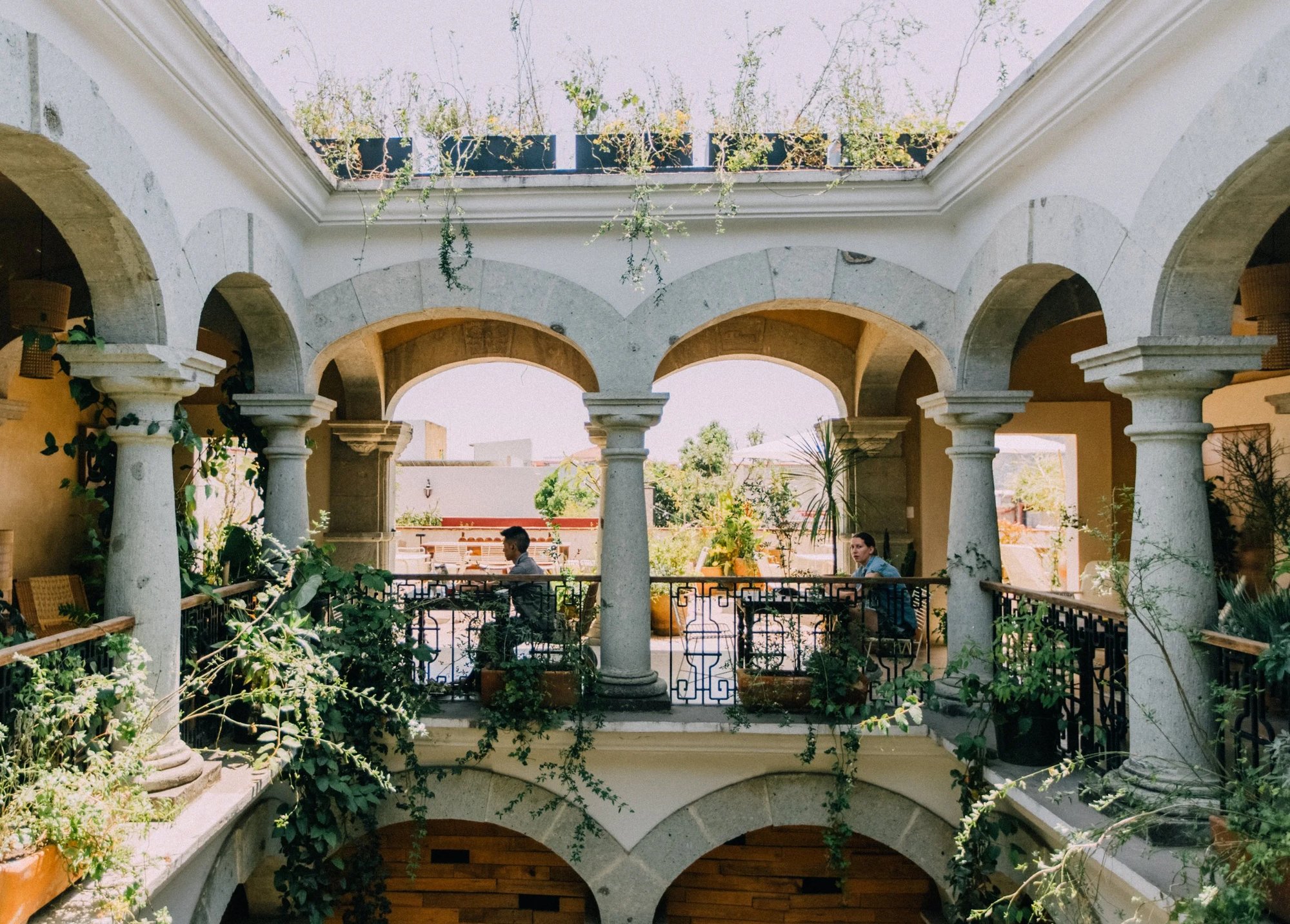
Restaurants in Oaxaca
Browse all →
Hotels in Oaxaca
Browse all →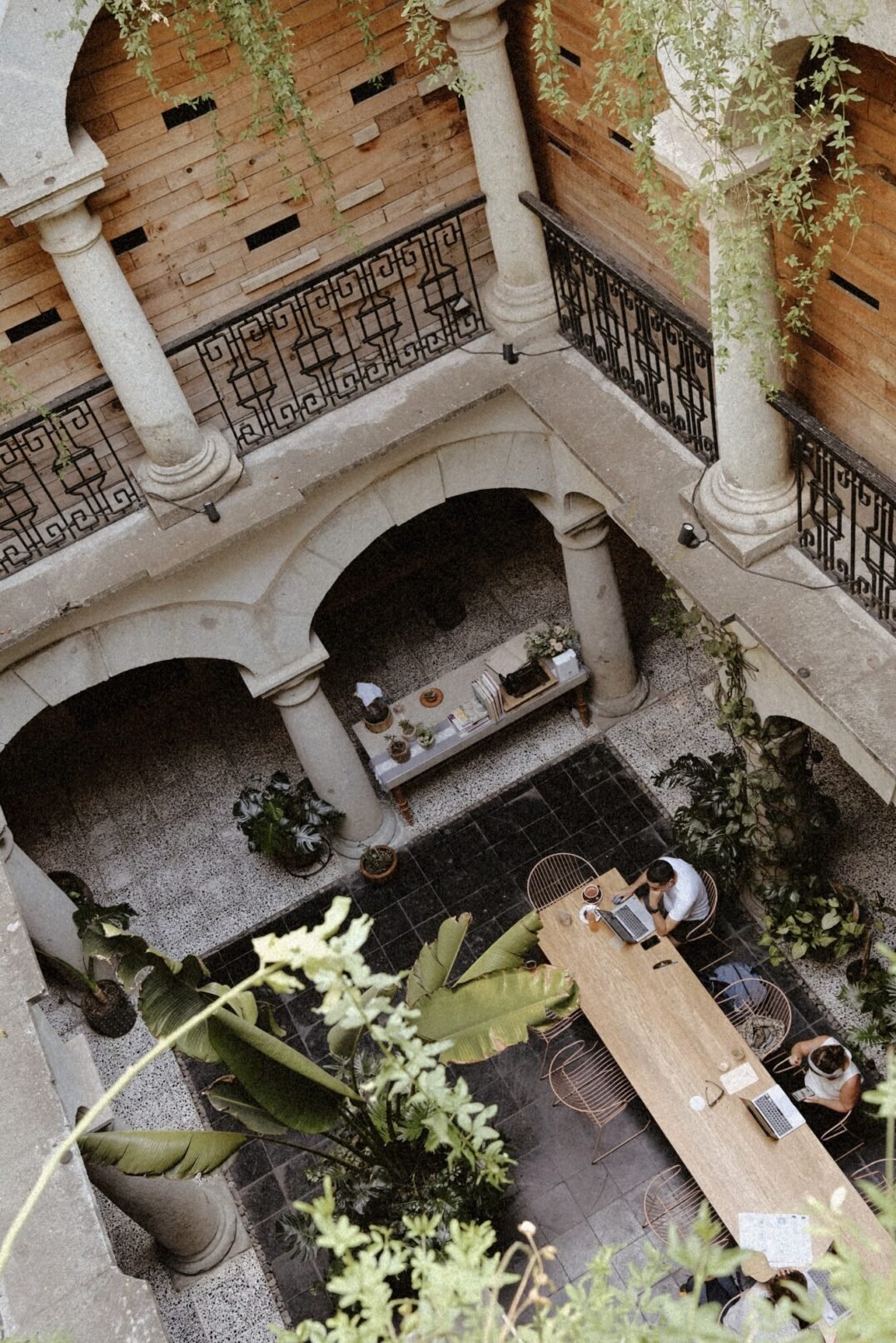
At a Glance
- Modern
- Cozy
- Trendy
- Casual Hangout
- Brunch
- Courtyard
- Rooftop
- Lounge Seating
- Mezcal
- Street Scene
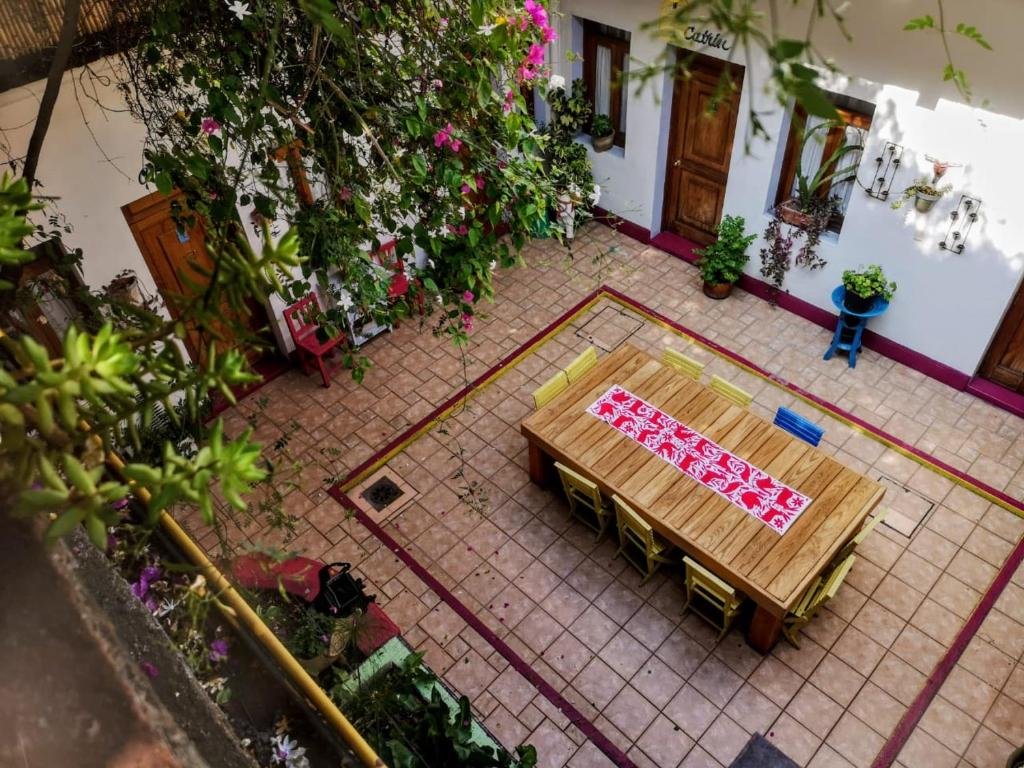
Bright, airy, and modern courtyard oasis with lush greenery, sleek interiors, and peaceful atmosphere.