

Michelin Plate
Our verdict
A Michelin Plate–recognised corn specialist in Oaxaca's Reforma neighbourhood, Itanoní has appeared on Opinionated About Dining's North America Cheap Eats list every year from 2023 to 2025. Open from early morning through mid-afternoon, it focuses on heirloom maize varieties and traditional masa preparations at prices that place it firmly in the city's most accessible tier.

Pearl is the En Primeur Club membership app — saves, bookings, and concierge access live there. Same editors, same standards.
- Address
- Av Belisario Domínguez 513, Reforma, 68050 Oaxaca de Juárez, Oax., Mexico
- Phone
- +52 951 205 2282
- Hours
- Mon–Sat 7 AM–4 PMSun 7 AM–2 PM
- Website
- itanoni.website
- Directions
- Get directions
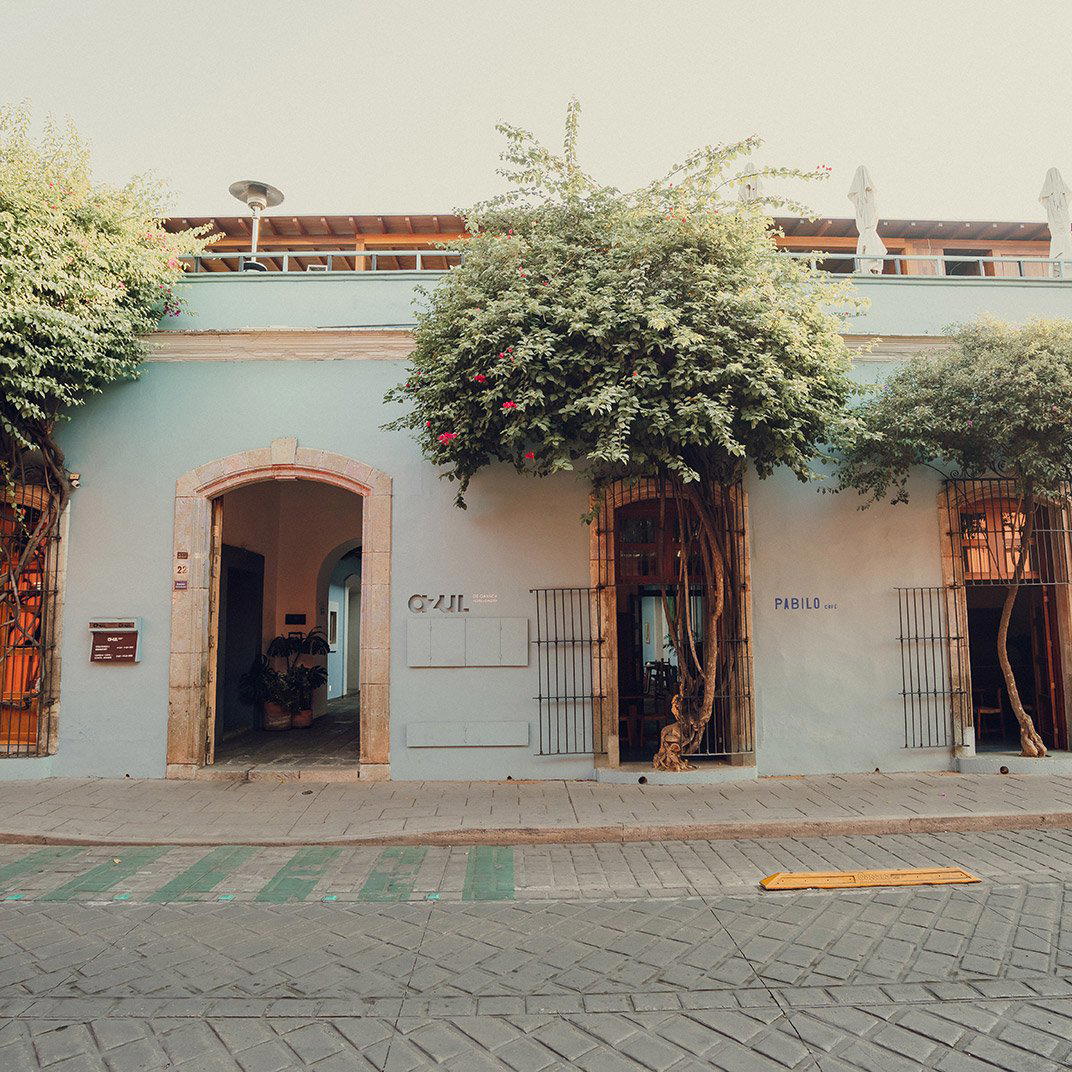
The menu
What to order
- Tetela de Hongos
- Memelita Clásica
- Tetela Espirituosa
Corn as Argument: What Itanoní Says About Oaxacan Ingredient Culture
Oaxaca's food scene operates on two registers that rarely overlap. One is the modernist restaurant circuit, where chefs with international training apply technique to regional ingredients and earn the kind of press coverage that reaches beyond Mexico. The other is older, quieter, and more specific: small operations built around a single ingredient or preparation tradition, where the sourcing logic drives every decision on the plate. Itanoní belongs entirely to the second category. On Avenida Belisario Domínguez in the Reforma neighbourhood, it opens before most of the city's serious restaurants have turned on their stoves and closes by early afternoon, operating on the schedule of the market rather than the dining room.
That calendar matters. Morning and midday are when corn-based preparations are eaten in Oaxaca, and Itanoní structures itself accordingly, serving the tlayudas, memelas, and atoles that function as daily staples rather than special-occasion food in the communities that surround the city. The operation sits at the opposite end of the price spectrum from neighbours like Alfonsina or Levadura de Olla Restaurante, where tasting menus and natural wine programs reflect a different set of priorities. At the $ price tier, Itanoní prices against market stalls and street-food stops, which makes its sustained critical recognition all the more pointed.
Heirloom Maize and the Supply Chain Behind the Masa
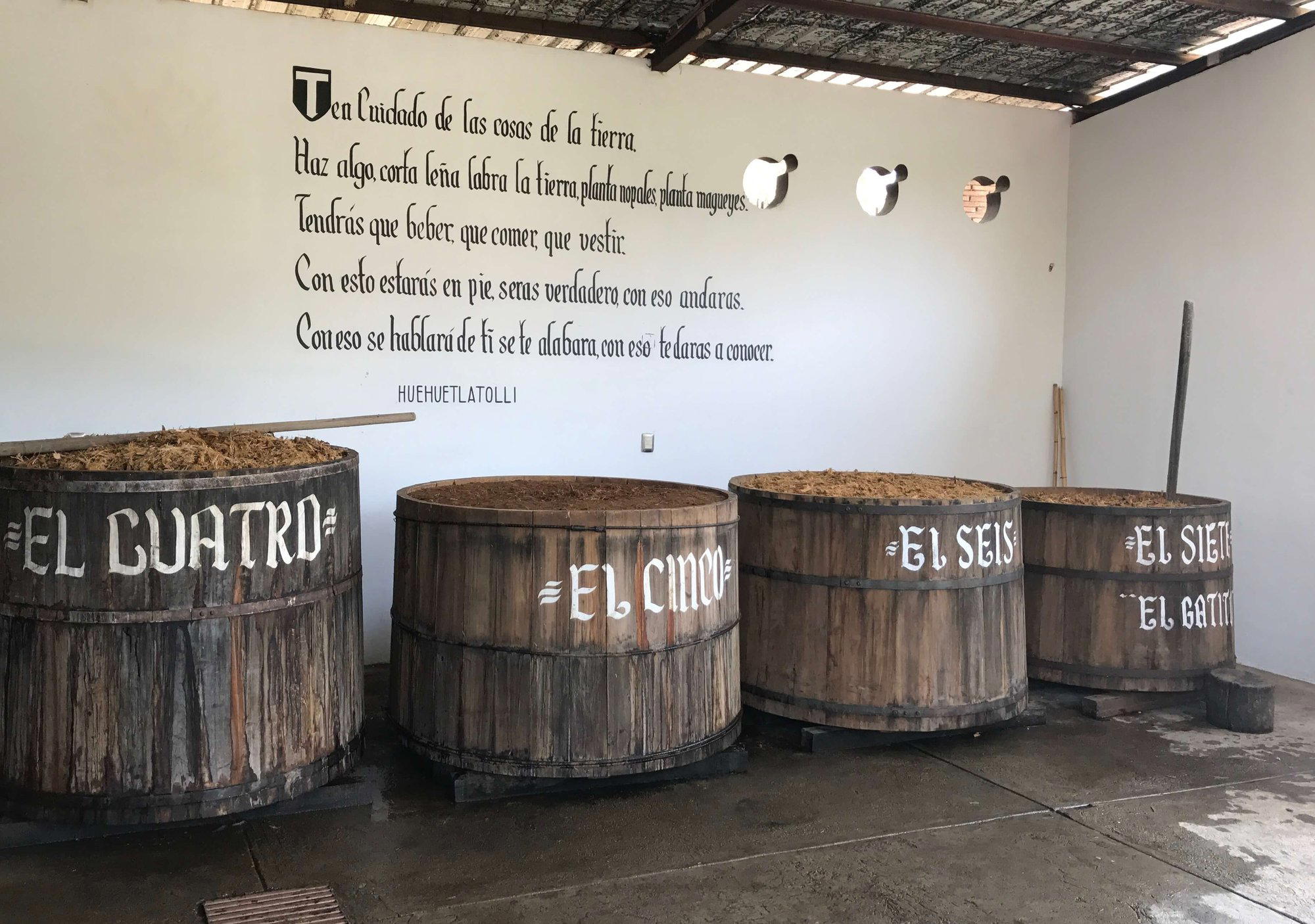
The ingredient sourcing argument at Itanoní centres on maize diversity. Mexico has over 60 documented native corn varieties, and Oaxaca's highland terrain supports a significant share of them, including criollo types that have been selected and saved by farming communities across the Sierra Juárez and the Cañada region for generations. The distinction between commodity masa flour, which dominates even in Mexican cities, and fresh masa ground from heirloom dried corn is not subtle. The flavour range is wider, the texture is denser, and the connection to specific agricultural terroir is traceable in a way that processed flour cannot replicate.
Operations that commit to sourcing from traditional milpa farmers rather than commercial distributors take on a logistics burden that most low-price-point food businesses cannot sustain. The corn must be dried and stored correctly, the nixtamalisation process requires time and attention, and the resulting masa has a shorter working life than dough made from commercial masa harina. That Itanoní has built a consistent enough operation to earn Michelin recognition and sustained Opinionated About Dining placement suggests the sourcing infrastructure is real rather than aspirational.
This places Itanoní within a broader pattern visible across Mexican food culture in cities like Oaxaca, where a generation of producers and cooks have worked to reconstruct supply chains that were partially broken by industrialisation in the mid-twentieth century. Restaurants at much higher price points, including Pujol in Mexico City, have made heirloom corn sourcing central to their identity. Itanoní makes the same argument at street-food prices, which shifts the editorial point: this is not a luxury proposition about heritage ingredients but a daily-use proposition about what corn-based food should taste like when the sourcing is right.
What the Awards Record Signals
Itanoní has accumulated an unusually consistent recognition trail for a cheap-eats operation. The Michelin Plate in 2024 and again in 2025 places it in a tier that Michelin defines as representing good cooking without the star criteria; across Oaxaca, that recognition is shared with operations at much higher price points. More telling is the Opinionated About Dining trajectory: ranked 39th on the North America Cheap Eats list in 2023, moving to 46th in 2024, and sitting at 139th in 2025. OAD rankings are generated by surveyor votes from a community of experienced diners and food professionals, making them a reasonable proxy for sustained quality perception among people who eat widely and critically.
The movement in OAD rank does not necessarily indicate quality decline; list composition and surveyor participation change year to year, and a restaurant at this price point and format has limited ability to expand or chase rankings. The consistency of appearance across three consecutive years is the more meaningful signal. For context, the OAD North America Cheap Eats list runs well into the hundreds, and sustained placement in the top 150 represents a category of recognition that most food operations at any price point never reach.
Across Mexico's wider dining recognition circuit, Itanoní sits in a different competitive register from high-investment Michelin candidates like Le Chique in Puerto Morelos, KOLI Cocina de Origen in Monterrey, or Animalón in Valle de Guadalupe.
Neighbourhood and Timing
The Reforma neighbourhood sits outside the colonial centro historico that anchors most visitor itineraries in Oaxaca. That geography is part of what keeps Itanoní operating as a local institution rather than a tourist circuit stop, though the OAD and Michelin recognition has clearly brought an international audience. The address on Avenida Belisario Domínguez is direct to reach on foot or by taxi from the centre, and the morning-to-early-afternoon window aligns naturally with a visit to the nearby markets before the midday heat settles in.
Hours run Monday through Saturday from 7am to 4pm, with Sunday service ending an hour earlier at 3pm. Arriving early on weekdays gives the leading chance of a quieter experience and the widest selection of preparations. By late morning on weekends, the operation draws a mixed crowd of locals and visitors, which reflects the kind of crossover recognition that sustained awards attention produces.
Visitors who want to build a broader picture of Oaxaca's corn-centred food culture should also consider Ancestral Cocina Tradicional and Almú, both of which approach traditional ingredients from different angles and price tiers. The full range of the city's dining options, from market stalls to tasting menus, is mapped in our full Oaxaca restaurants guide. For planning the rest of a trip, the Oaxaca hotels guide, bars guide, wineries guide, and experiences guide cover the wider picture. Mexican restaurants operating in the diaspora context, including Alma Fonda Fina in Denver and Cariño in Chicago, offer a useful point of comparison for how Oaxacan ingredient traditions travel and transform outside the state. For those visiting the Yucatán, HA' in Playa del Carmen works with similarly specific sourcing commitments in a different regional corn tradition. Los Danzantes Oaxaca rounds out the higher-price bracket for those wanting to compare what Oaxacan ingredients look like across the full price spectrum in a single city.
Frequently asked questions
Is Itanoní more mid-range or high-end?
Pricing at Itanoní is listed as $.
Is Itanoní award-winning?
Itanoní has received recognition including: Opinionated About Dining Cheap Eats in North America Ranked #139 (2025); Michelin Plate (2025); Opinionated About Dining Cheap Eats in North America Ranked #46 (2024); Michelin Plate (2024); Opinionated About Dining Cheap Eats in North Amer….
What's the must-try dish at Itanoní?
The tlayuda is the preparation most directly tied to Itanoní's recognition, including its Michelin Plate in both 2024 and 2025 and its OAD Cheap Eats ranking of #139 in North America for 2025. It's a large, partially dried corn flatbread characteristic of Oaxacan food culture, and Itanoní's version draws specifically on heirloom maize varieties sourced from the region's highlands. The price range sits at the budget end of the scale, making it one of the more accessible entry points into serious Oaxacan corn cookery.
City Peers
| Venue | Cuisine | Price | Awards | Notes |
|---|---|---|---|---|
| ItanoníThis venue — the venue you are viewing | Traditional Oaxacan Corn Antojitos | $10–20 | Michelin Plate | Not listed |
| Casa Oaxaca | Modern Oaxacan | $50–100 | Michelin Plate · La Liste Top Restaurants | Oaxacan |
| Criollo | Modern Oaxacan Tasting Menu | $100–150 | Michelin Plate · La Liste Top Restaurants | Mexican |
| Levadura de Olla Restaurante | Traditional Oaxacan | $10–20 | 1 Michelin Star | Mexican |
| Adamá | Authentic Middle Eastern | $20–30 | Michelin Plate | Middle Eastern |
| Crudo | Mexican-Japanese Omakase | $50–100 | Michelin Plate | Fusion |
Recognition history
Dated appearances from independent guides and award organizations, with the underlying list record or original source where available.
Michelin Plate
Michelin
Opinionated About Dining Cheap Eats in North America Ranked #81
Opinionated About Dining
Full recognition history (7 entries)
Michelin Plate
Michelin
Opinionated About Dining Cheap Eats in North America Ranked #139
Opinionated About Dining
Michelin Plate
Michelin
Opinionated About Dining Cheap Eats in North America Ranked #46
Opinionated About Dining
Opinionated About Dining Cheap Eats in North America in Ranked #39
Opinionated About Dining
Continue exploring
More in Oaxaca
Restaurants in Oaxaca
Browse all →

Bars in Oaxaca
Browse all →



Hotels in Oaxaca
Browse all →


Details
- Rustic
- Cozy
- Lively
- Casual Hangout
- Family
- Open Kitchen
- Local Sourcing
- A La Carte
- Small Plates
- Vegetarian Friendly
- Vegan Options
- Gluten Free Options
Current opening hours
- Monday
- 7 AM–4 PM
- Tuesday
- 7 AM–4 PM
- Wednesday
- 7 AM–4 PM
- Thursday
- 7 AM–4 PM
- Friday
- 7 AM–4 PM
- Saturday
- 7 AM–4 PM
- Sunday
- 7 AM–2 PM
Hours can change for holidays and private events. Last verified .
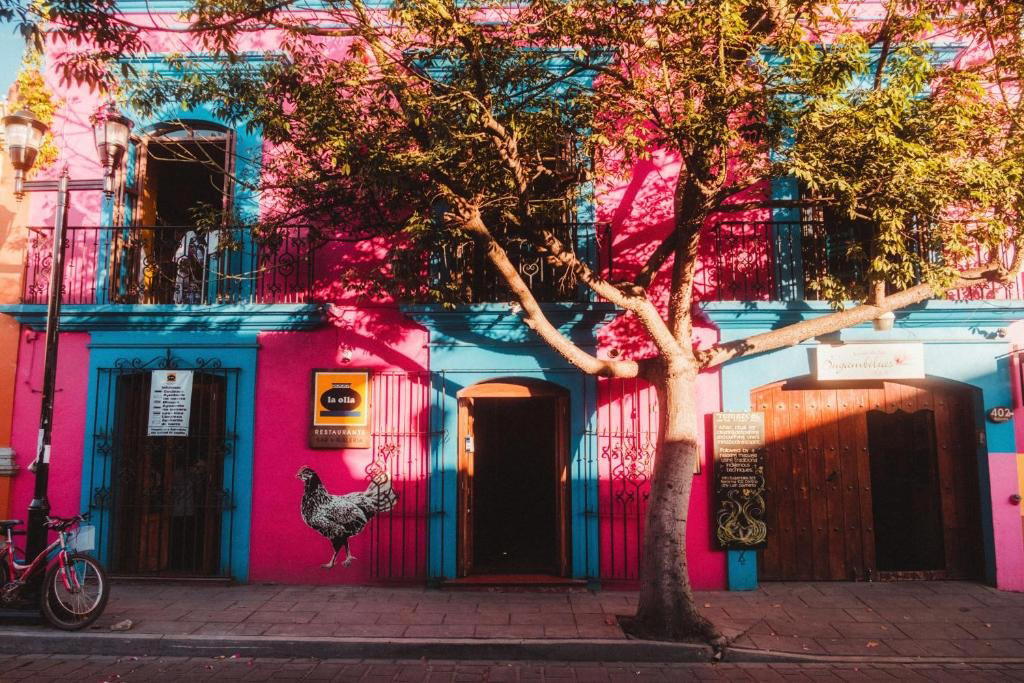
Airy, colorful cantina with local art, open kitchen featuring wood-burning comal for watching tortilla-making, and garden-style seating area.