Fidencio
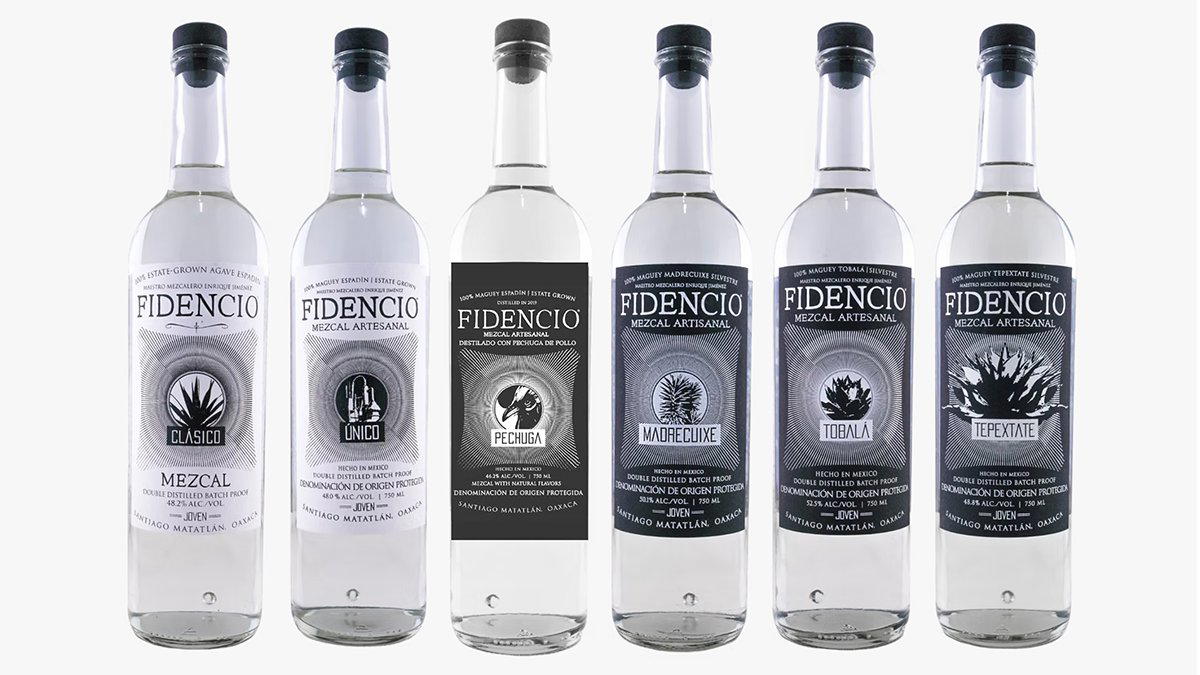
Fidencio sits on Carretera Internacional km 48 in Santiago Matatlán, the Oaxacan valley town that produces more mezcal than anywhere else in Mexico. For anyone tracing the origins of artisanal mezcal, this address is a primary source.

Pearl is the En Primeur Club membership app — saves, bookings, and concierge access live there. Same editors, same standards.
- Address
- Carr. Internacional km 48, 70440 Santiago Matatlán, Oax.
- Phone
- +52 951 188 1162
- Website
- delamigofidencio.com
- Directions
- Get directions
Where the Maguey Rows Meet the Road
The drive along Carretera Internacional through the Central Valleys of Oaxaca is its own education. Roadside fields of agave stretch in every direction, blue-green rosettes ripening over years or decades depending on the variety, and the air carries a faint smoke signal from the earthen pit ovens that define how this region cooks its spirit. Santiago Matatlán sits at around 1,600 metres above sea level, and the altitude shapes both the maguey and the character of what eventually comes off the still. Fidencio is located at km 48 on that road, embedded in a corridor of small-scale producers that collectively make Santiago Matatlán the gravitational centre of Oaxacan mezcal production.
The town's identity as a mezcal-producing village predates the international market's recent attention by generations. What has changed is the level of outside scrutiny applied to who is doing it well. In a region where dozens of operations occupy the same valley floor and compete for the same category of buyer, that distinction matters as a navigation tool for the serious visitor.
The Physical Logic of This Place
Understanding what Fidencio produces requires understanding what Santiago Matatlán looks like from the ground. The valley is broad and dry, with the Sierra Norte rising to the north and the Sierras Sur visible to the south on a clear day. Maguey does not grow quickly here; Espadín, the dominant variety in the region, takes between seven and twelve years to reach maturity, while rarer endemic species can take twice that. The visual effect of a mature agave field is one of deep patience rendered in plant form, each rosette a slow accumulation of sugar that will eventually feed a single distillation run.
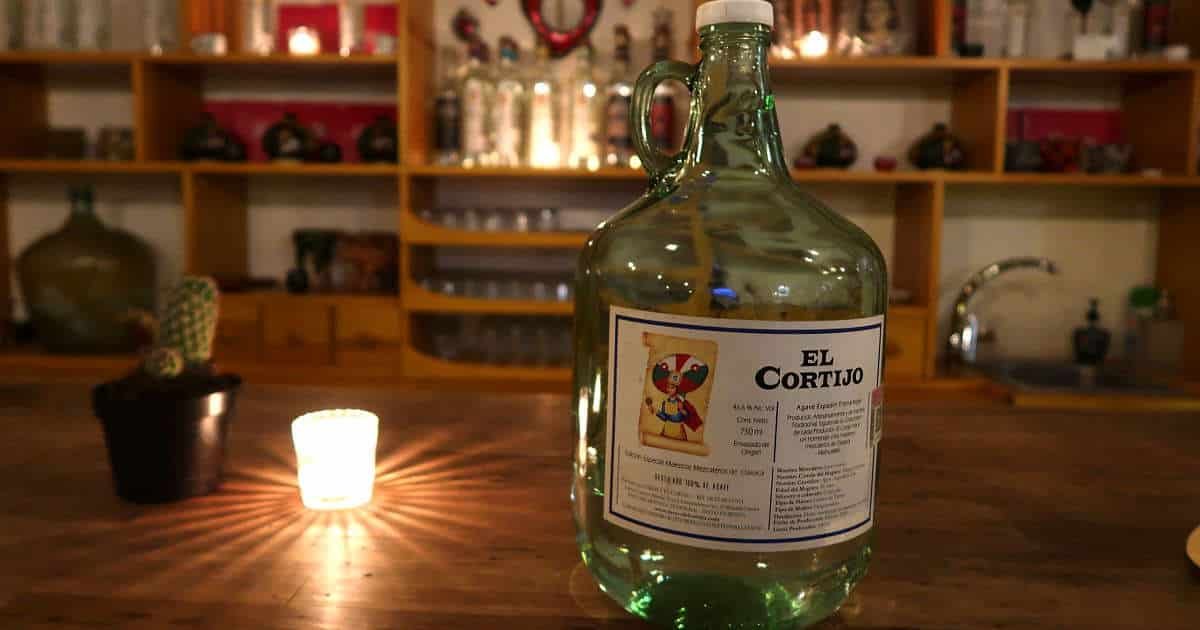
Palenques in this part of Oaxaca tend to operate close to the fields, which keeps the logic of the process visible. Pit roasting, milling, open-air fermentation, and distillation in clay or copper happen in proximity to where the raw material grew. That geographic compression is part of what makes a visit to the Santiago Matatlán corridor different from visiting a centralised industrial operation. The process is readable in the landscape, not hidden in a facility. Producers like Los Danzantes, El Cortijo, El Rey Zapoteco, and Gracias a Dios are positioned along the same corridor, and a day moving between them builds a comparative vocabulary that a single visit cannot.
The Santiago Matatlán corridor has developed a clear internal hierarchy over the last decade as international buyers, importers, and specialist publications have applied more rigorous criteria to Oaxacan mezcal. At the upper end sit producers whose work is characterised by traceable sourcing, documented production methods, and consistent sensory standards across batches.
Comparison with the broader Mexican spirits category is instructive. The large-scale tequila model, represented by operations like Jose Cuervo (La Rojeña) in Tequila and La Primavera (Don Julio) in Atotonilco El Alto, operates at a scale and with a production logic that has almost nothing in common with what happens in a Matatlán palenque. Closer in spirit, if not in geography, are small-batch agave producers like Banhez (UPADEC cooperative) in San Miguel Ejutla and Casa Cortés in La Compañía (Ejutla), producers whose identity is rooted in indigenous variety, specific terroir, and family-scale production. Don Amado (Arellanes family) in Santa Catarina Minas represents yet another reference point, operating at a similar tier of craft focus from a different village in the Oaxacan system.
The comparison becomes more pointed when set against the Ilegal (Palenque Mal de Amor) operation, which has pursued international brand-building at a pace that separates it from purely local-scale producers. That positioning appeals to a specific buyer, one who approaches mezcal the way a serious wine drinker approaches grower Champagne or single-estate Burgundy.
Reading the Award
Mezcal's complexity, the number of agave varieties, production methods, altitudes, and regional traditions involved, creates conditions where marketing language and genuine quality can be hard to separate without a reliable external reference. A structured prestige designation provides that reference point.
At 2 Star within that tier, Fidencio signals a step beyond entry-level craft certification, placing it in company with operations whose production quality and sourcing standards have been evaluated with some rigour. For the visitor arriving without prior knowledge of the producer, that credential provides a working hypothesis: this is a palenque worth treating as a primary destination rather than a roadside stop.
How to Approach a Visit
Santiago Matatlán is approximately 45 kilometres southeast of Oaxaca City along the Carretera Internacional, a drive that takes under an hour in normal conditions and passes through the full visual context of Central Valley maguey cultivation. Fidencio's address at km 48 places it within the main cluster of palenques accessible from that road. The practical pattern for most visitors is to base in Oaxaca City and make a half-day or full-day circuit along the mezcal corridor, treating Santiago Matatlán as the central node. Booking ahead is advisable given the limited capacity that characterises serious craft producers in this area; arriving without prior contact is a reasonable approach for larger commercial operations, but smaller palenques benefit from advance communication. No phone number or website for Fidencio is currently confirmed in EP Club's verified data, so initial contact is leading attempted through specialist tour operators based in Oaxaca City who maintain direct relationships with valley producers.
The broader Santiago Matatlán guide covers the full range of producers, logistics, and what to prioritise across a visit to the corridor. For travellers who want to extend comparison across the agave spirits category beyond Oaxaca, the Cazadores Distillery in Arandas and Casa Herradura in Amatitán represent the highland Jalisco reference points that sharpen appreciation of what makes Oaxacan production distinct. For those drawn to tradition-rooted distillation in an entirely different category, Aberlour in Aberlour and Accendo Cellars in St. Helena illustrate how terroir-led credentials translate across spirits and wine categories globally.
A Lean Comparison
Comparable venues nearby, for context on price, style, and recognition.
| Venue | Cuisine | Price |
|---|---|---|
| FidencioThis venue — the venue you are viewing | Not listed | $30–50 |
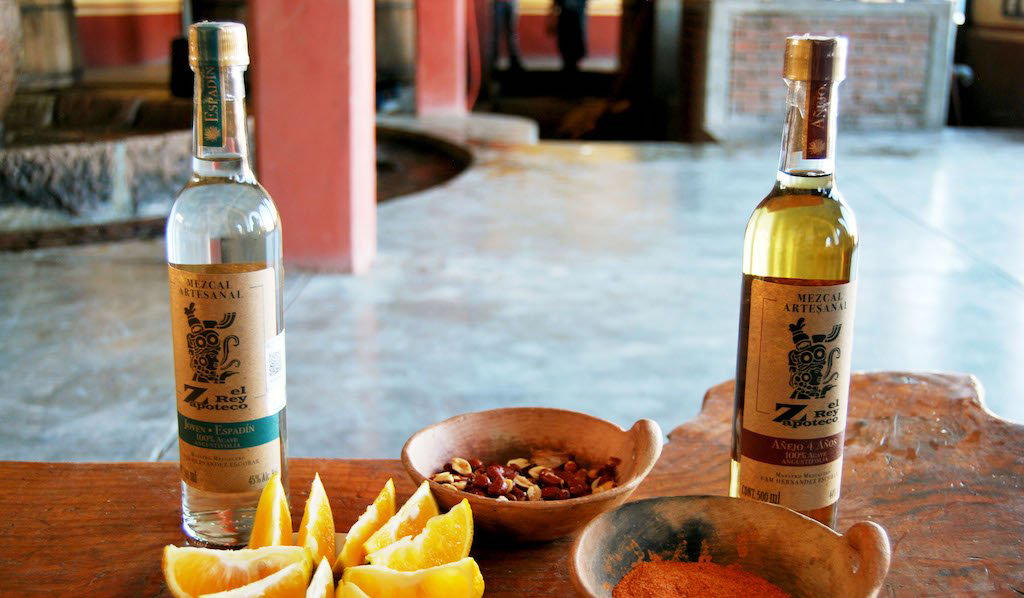
| El Rey Zapoteco | Santiago Matatlán, espadín, tobalá | Not listed |
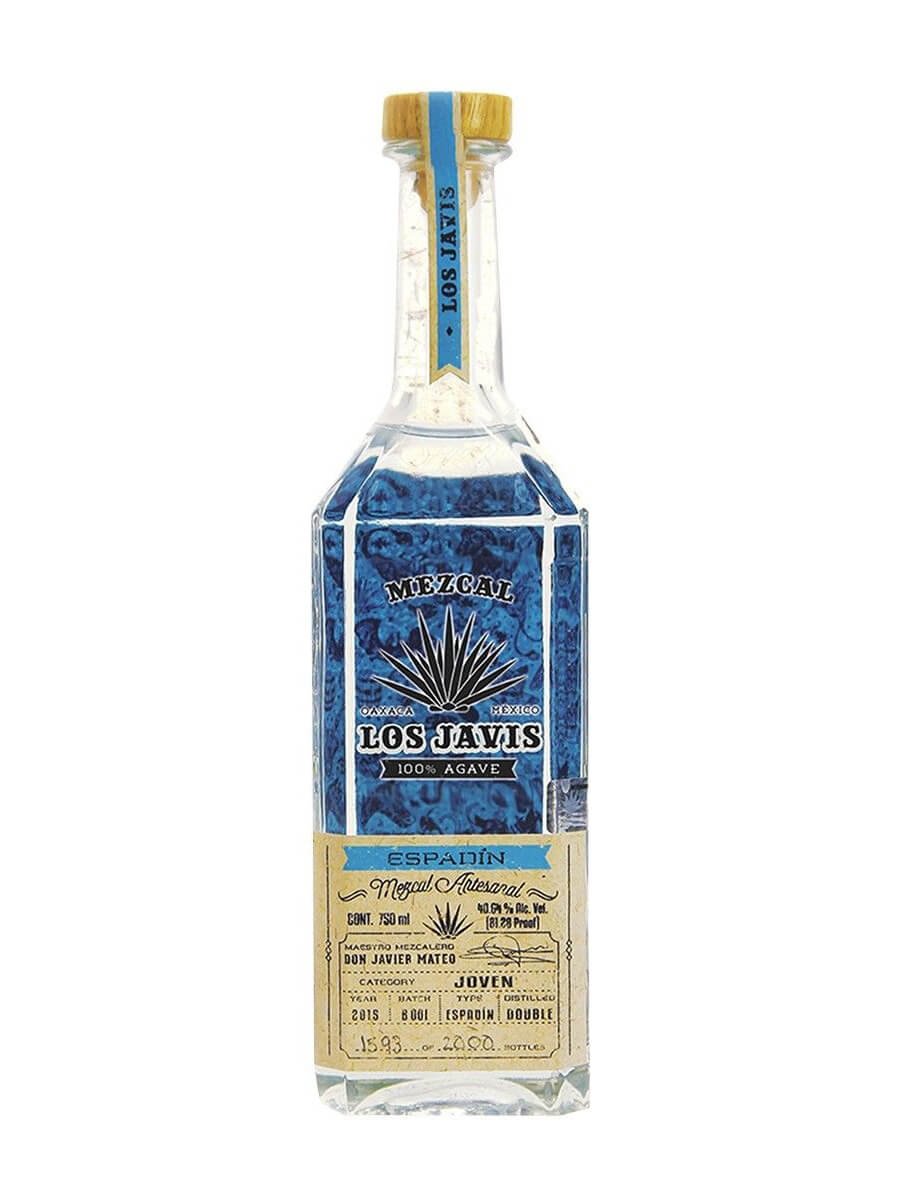
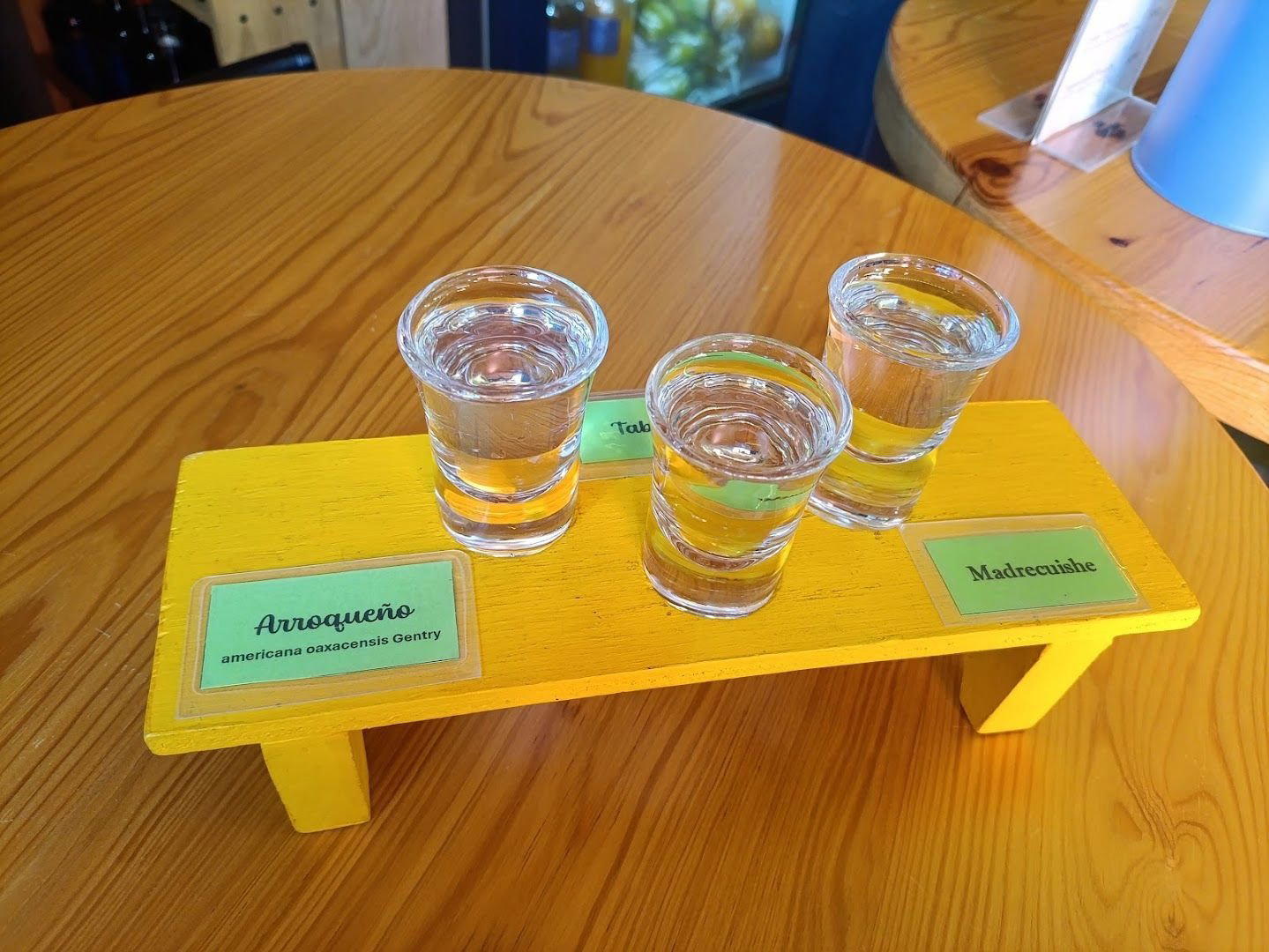
| Los Javis | Santiago Matatlán, Espadin, Arroqueño | Not listed |
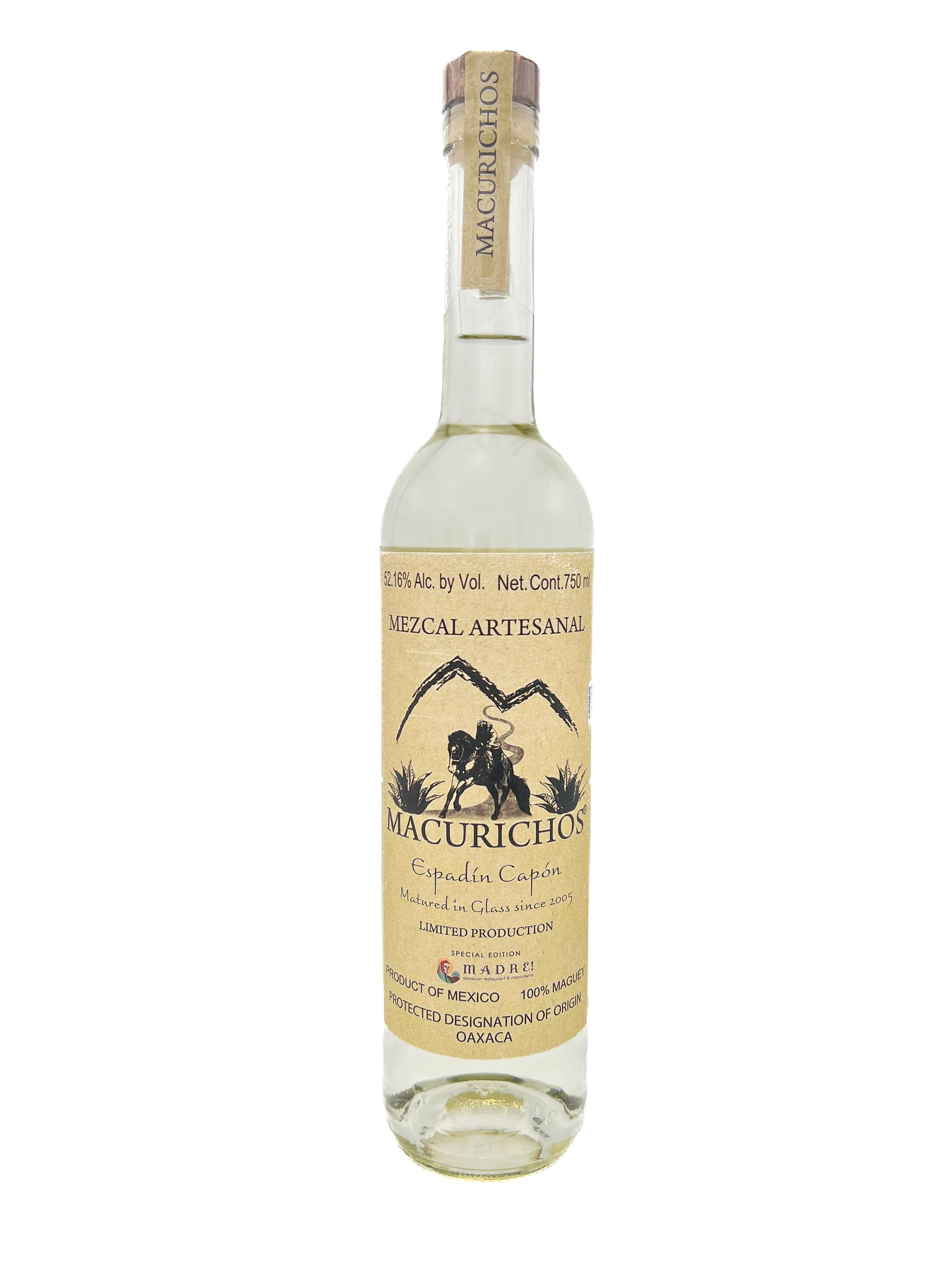
| Macurichos | Winery | Not listed |
| Ilegal (Palenque Mal de Amor) | Santiago Matatlán, cuishe, tepextate | Not listed |
| Real Matlatl | Santiago Matatlán, Agave angustifolia | Not listed |
Continue exploring
More in Santiago Matatlán
Wineries in Santiago Matatlán
Browse all →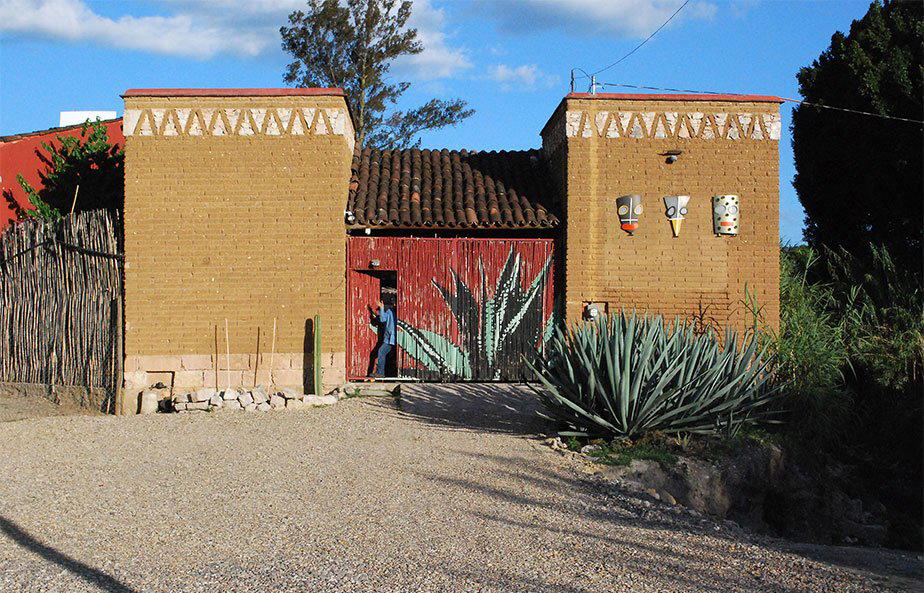
Bars in Santiago Matatlán
Browse all →
Restaurants in Santiago Matatlán
Browse all →
Details
- Rustic
- Classic
- Bohemian
- Wine Education
- Solo Exploration
- Barrel Room
- Estate Grounds
- Biodynamic
- Organic
- Espadín
- Maguey Mexicano
- Madrecuixe
- Tobala
- Mezcal Tasting
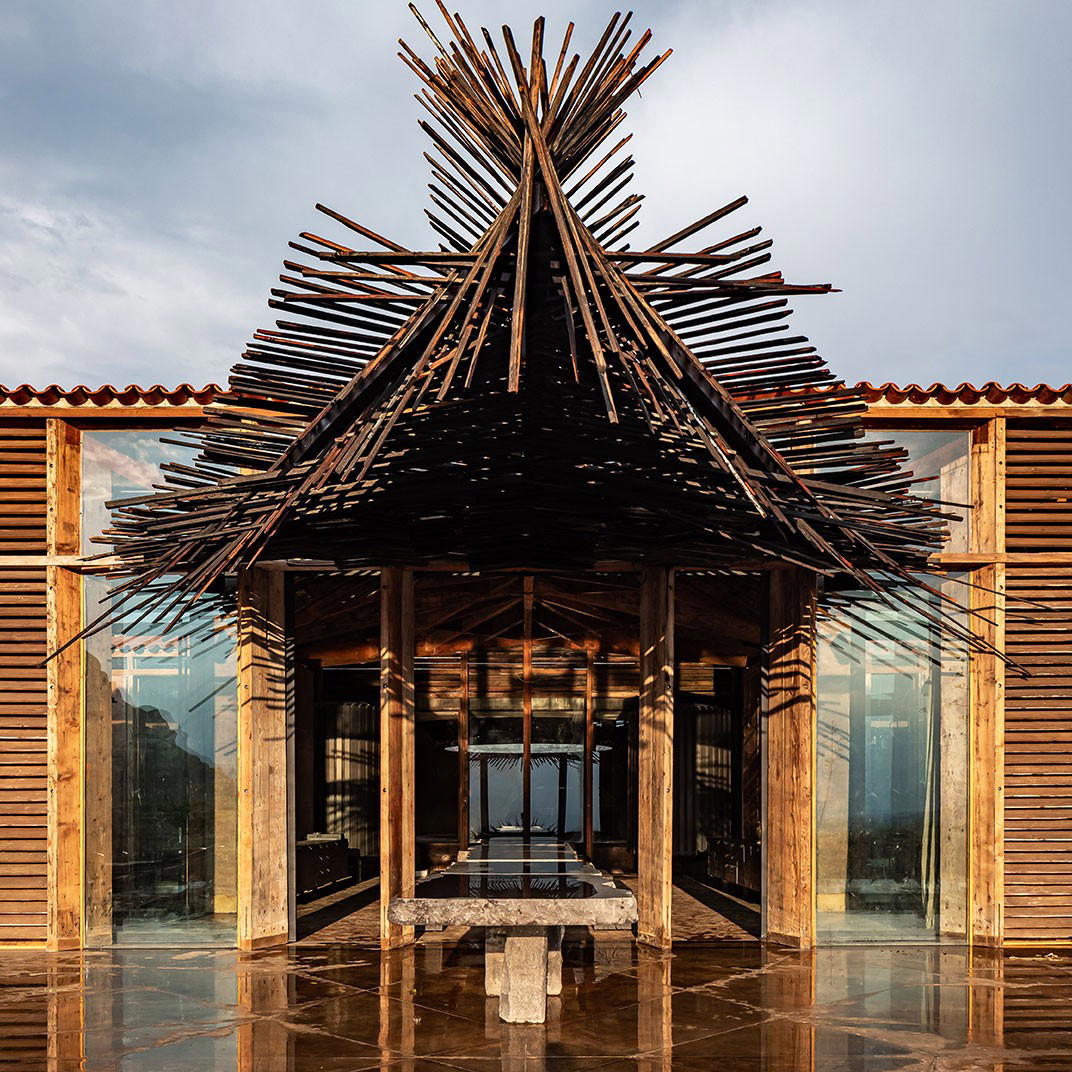
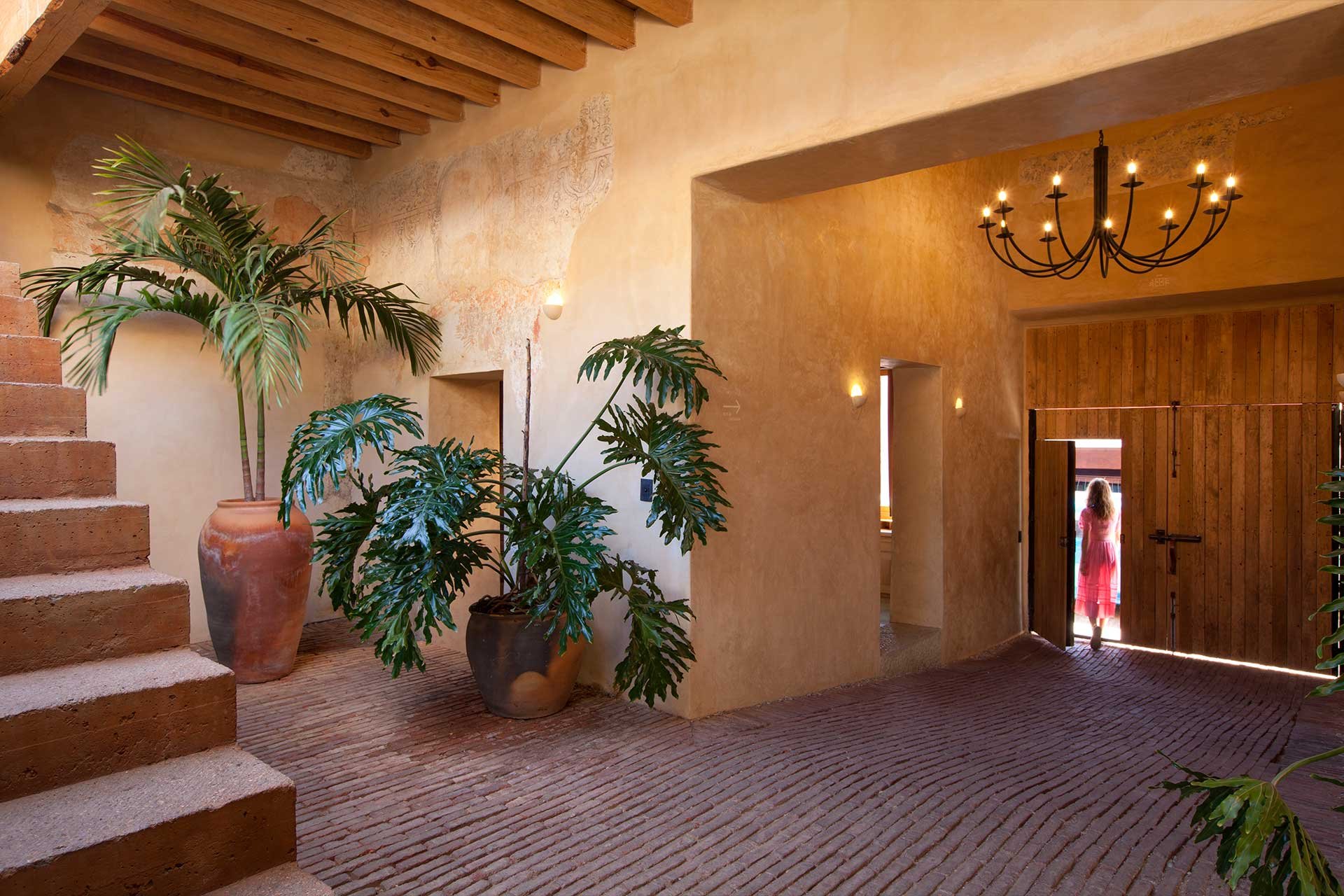
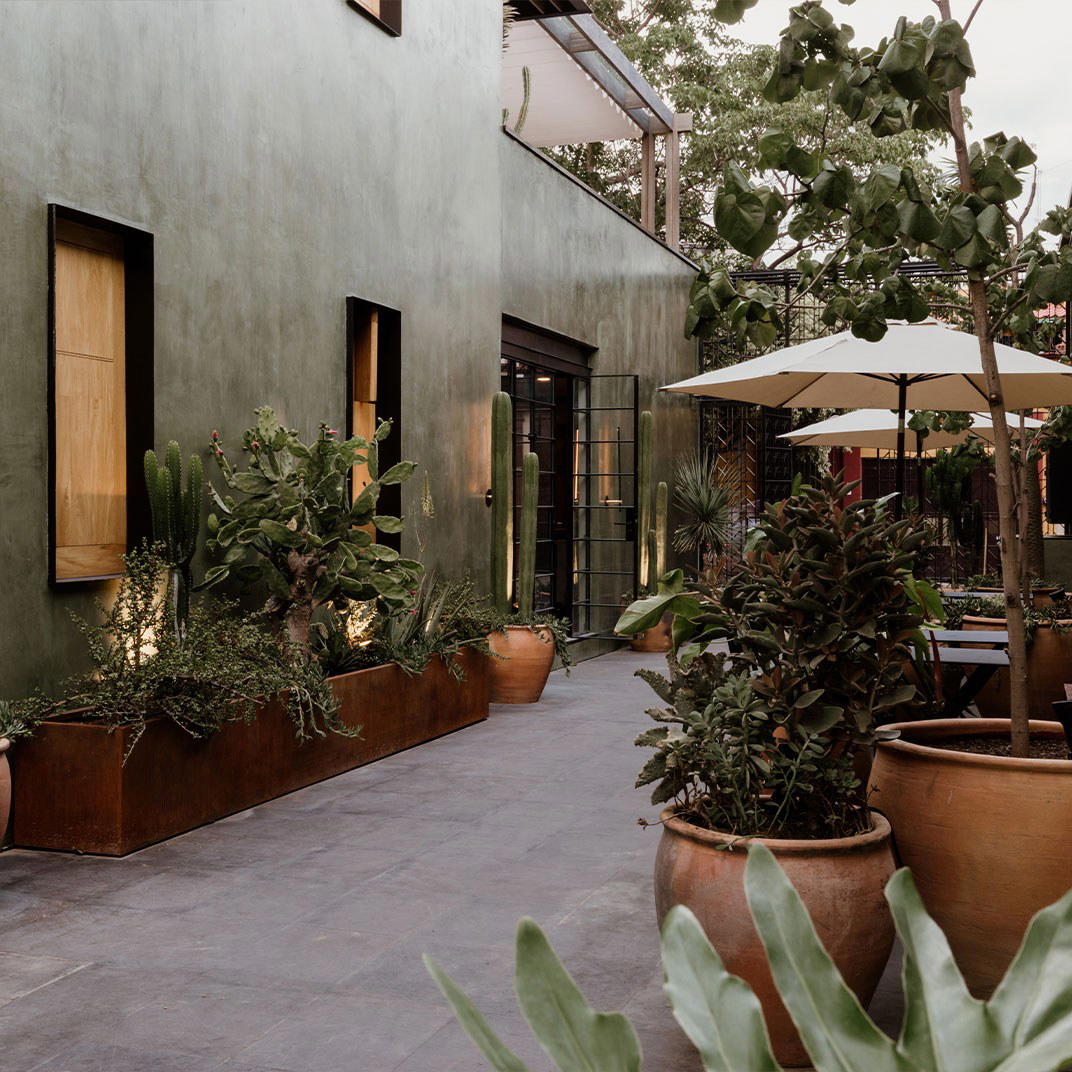
Artisanal distillery environment with traditional production methods using clay pots, copper stills, and wood-fired alembic equipment reflecting over 100 years of family heritage.