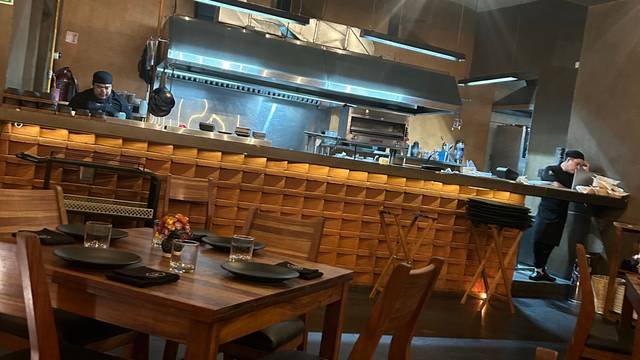
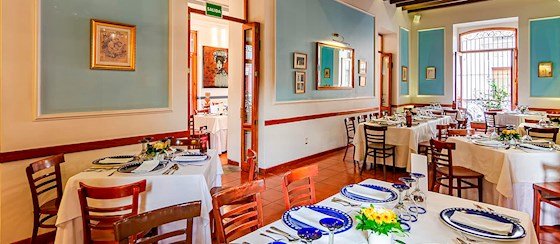
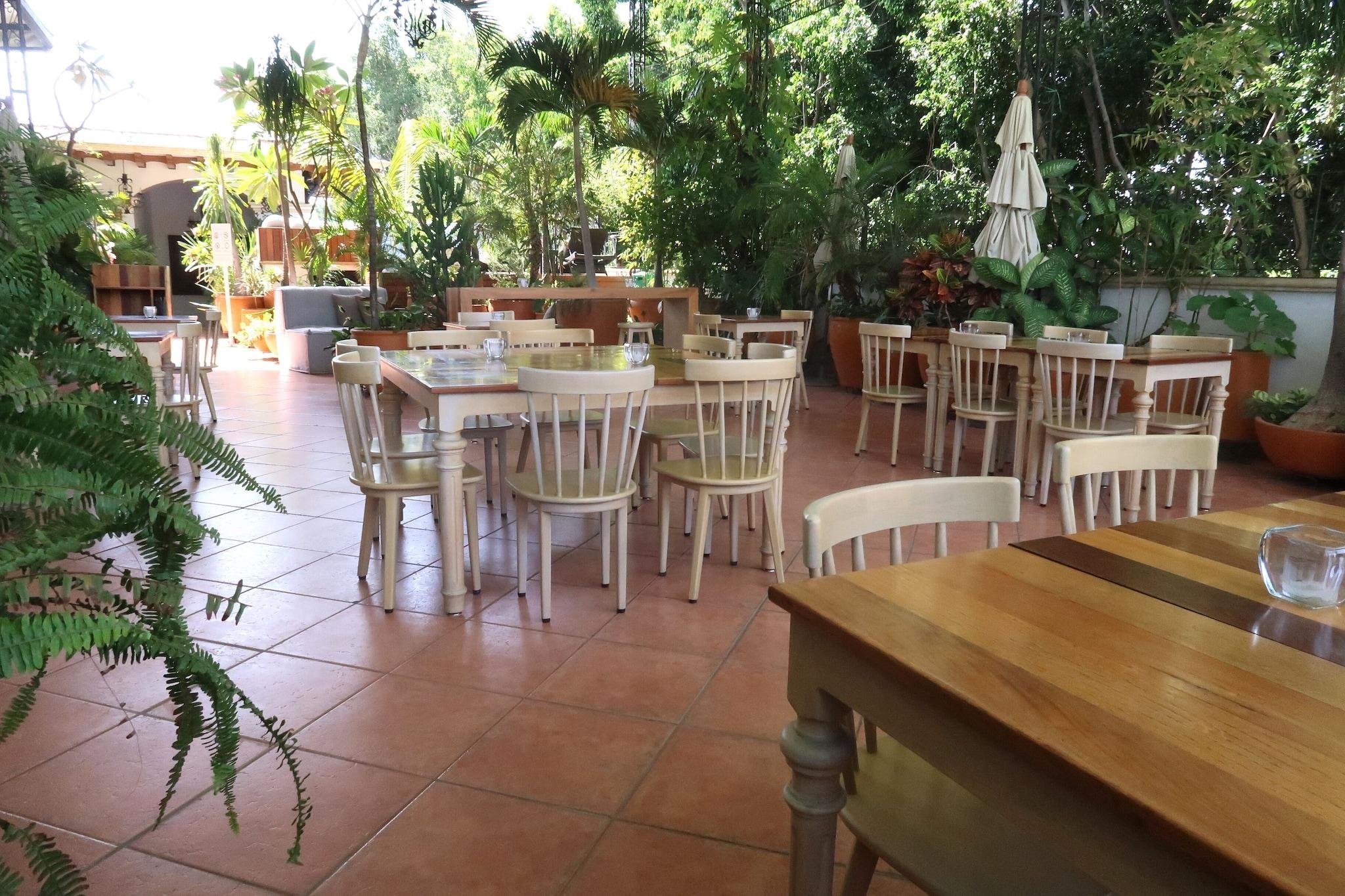
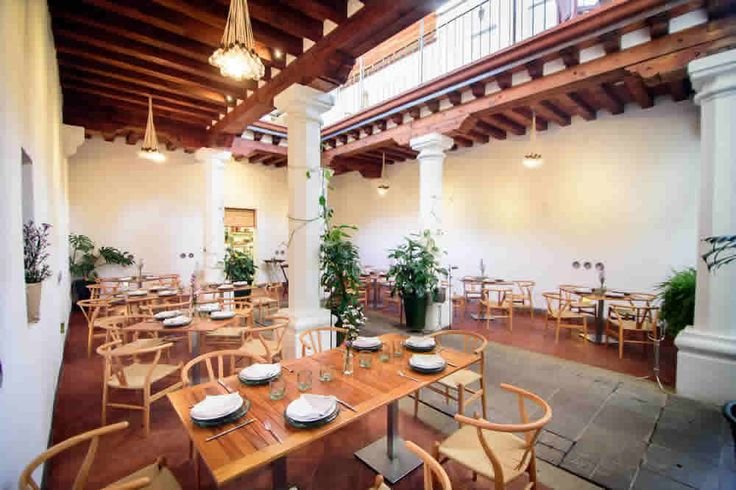
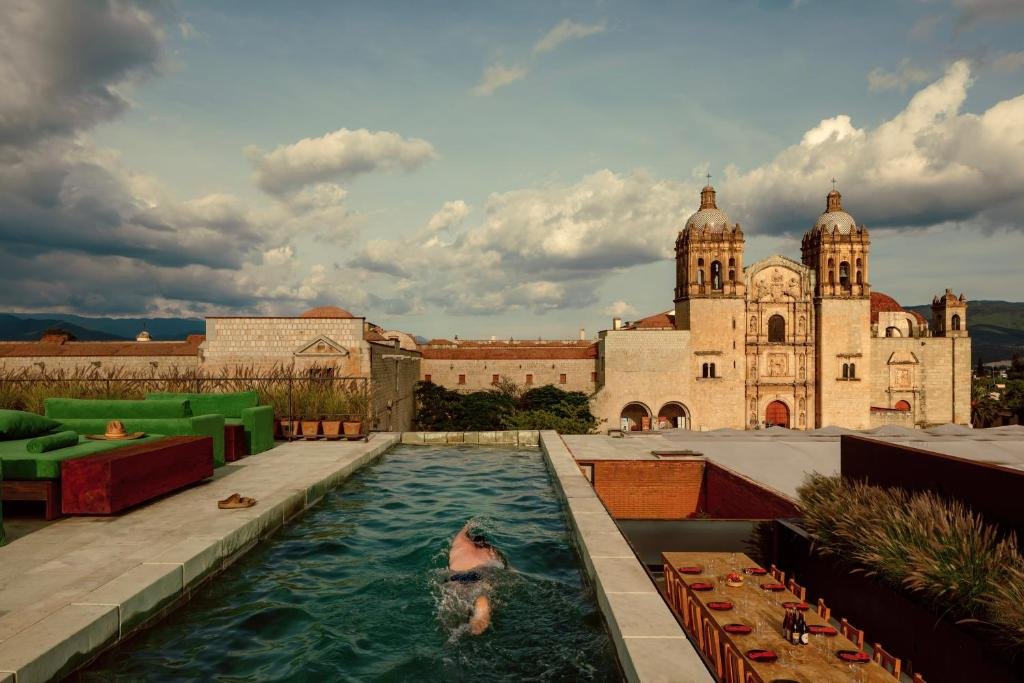
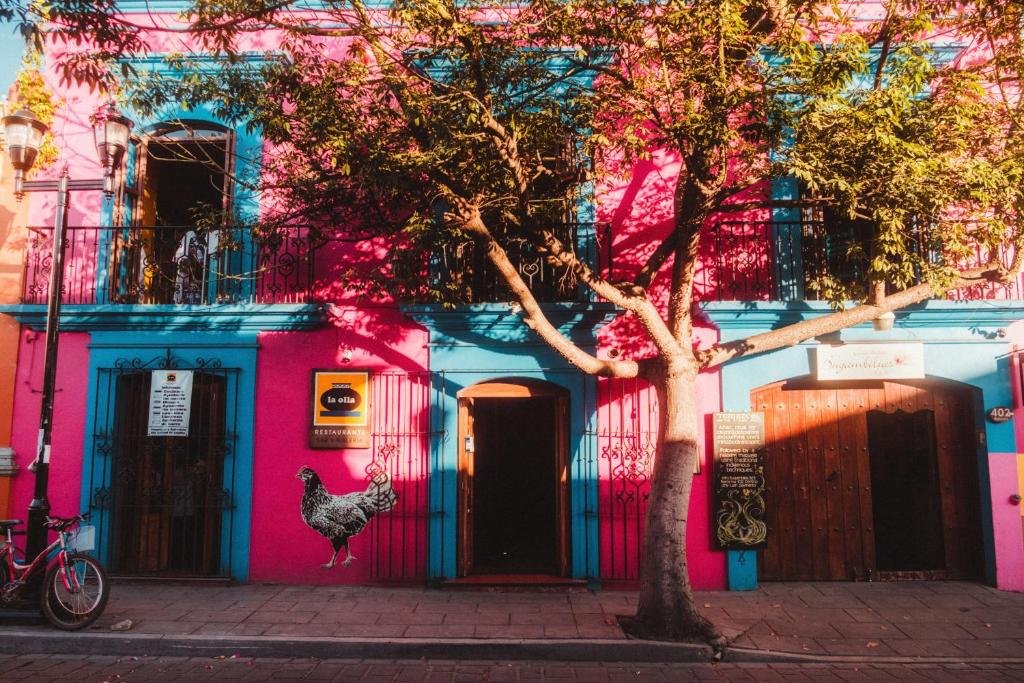
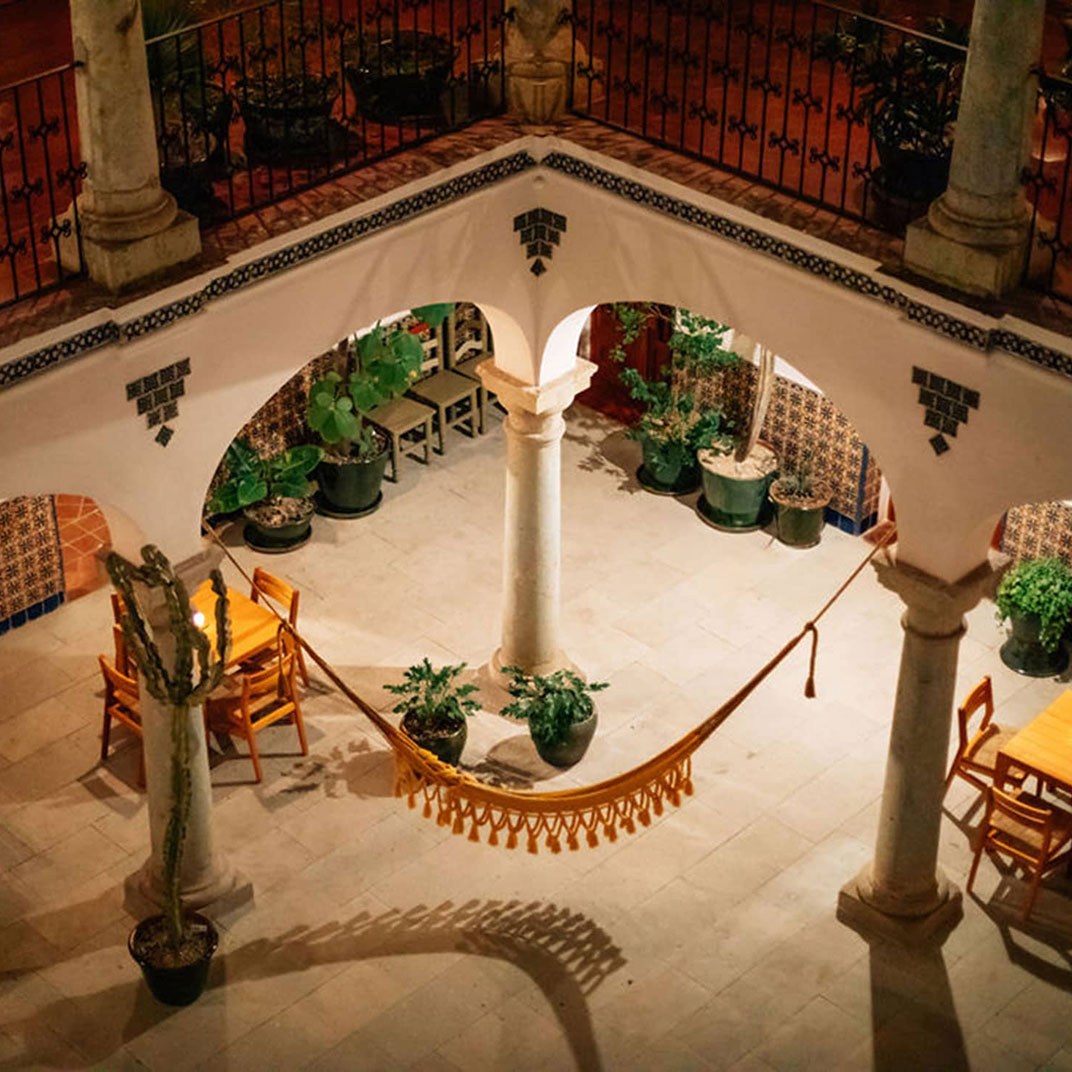
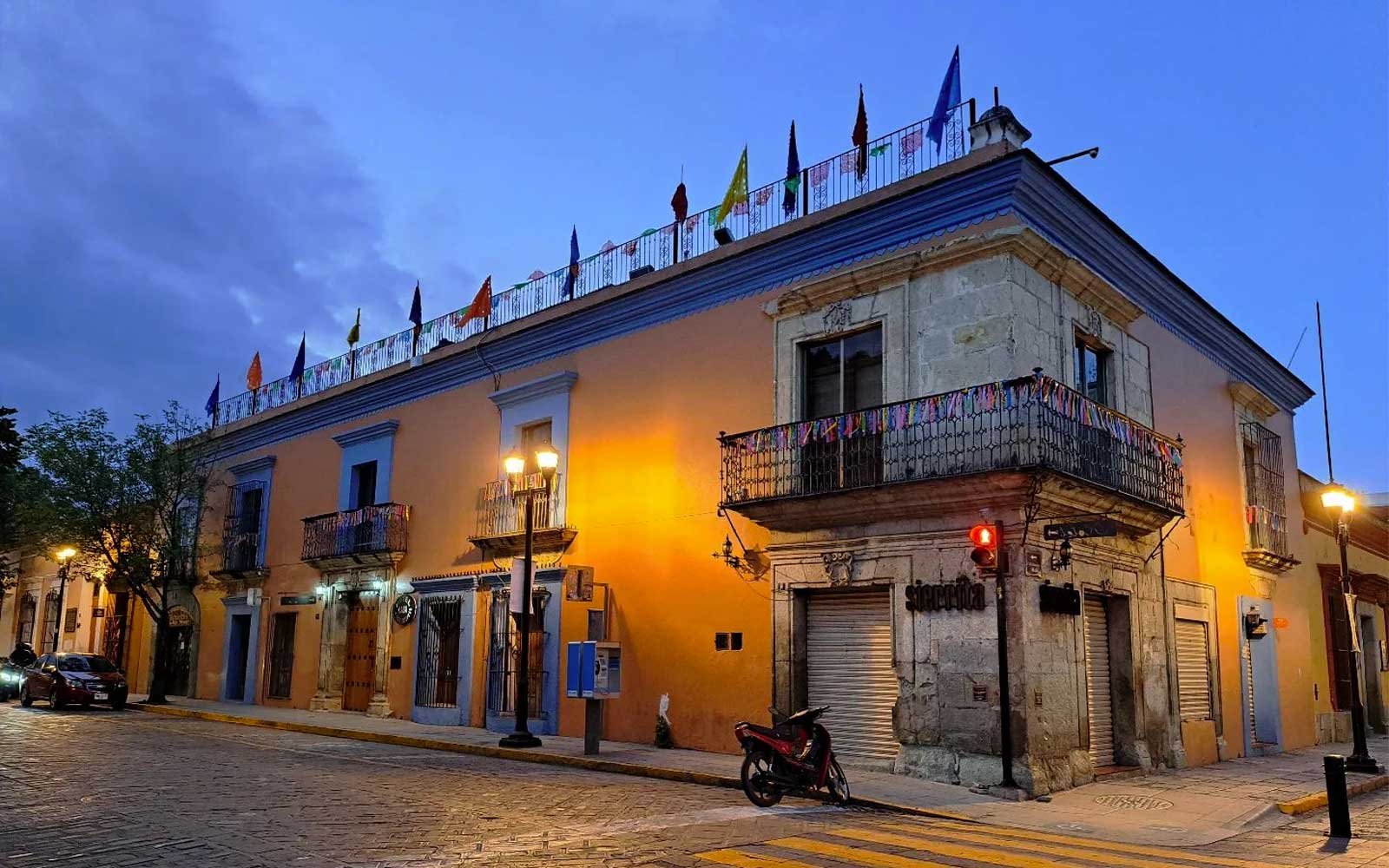
A neighborhood anchor in Oaxaca City's Reforma district, La Organización & Organic Coffee draws a cross-section of locals, students, and slow-moving mornings around organic coffee sourced from the region's highlands. The Heroica Escuela Naval Militar address puts it slightly off the colonial-center circuit, which is precisely the point: this is where Oaxacans actually drink coffee, not where tourists are directed.
 Discover on Pearl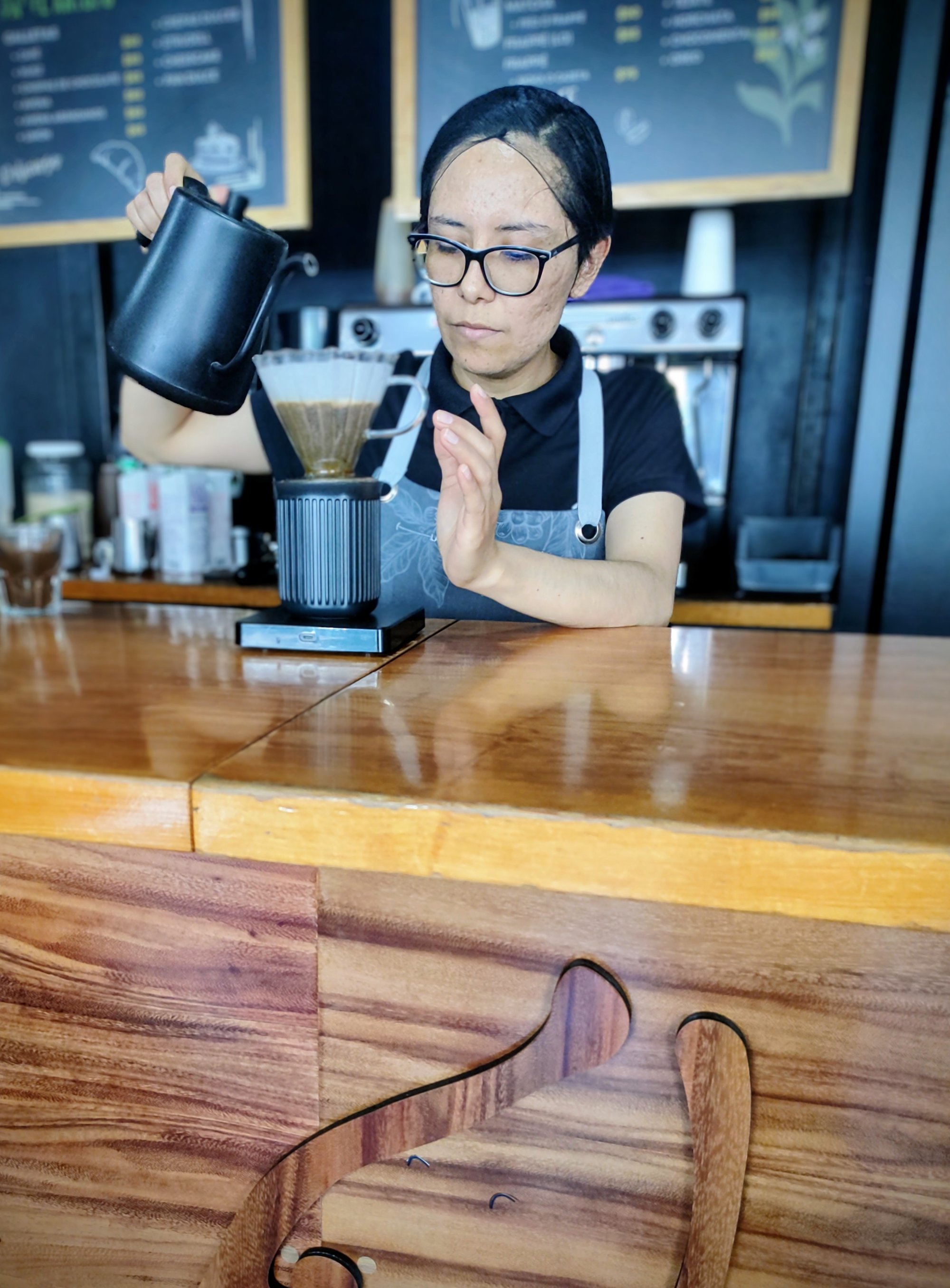
Coffee as Community Infrastructure
In Oaxaca City, the relationship between a neighborhood and its coffee counter is not incidental. The city's café culture has developed along two distinct tracks: tourist-facing spots clustered around the zócalo and Santo Domingo corridor, and a quieter, more functional tier of places that serve the city's own rhythms. La Organización & Organic Coffee, operating out of Heroica Escuela Naval Militar 708 in the Reforma district, belongs firmly to the second track. Its role in the neighborhood is less about destination dining and more about daily infrastructure, the kind of place that anchors a morning routine the way a good mercado stall does.
That positioning matters in a city where coffee culture is often reduced to the tourist shorthand of mezcal-spiked drinks and Instagram-ready ceramics. The Reforma district sits at a remove from the colonial center's more performative café scene, and that distance shapes who shows up and why. Regulars here are more likely to be locals with somewhere to be than visitors with nowhere to be.
The Organic Coffee Argument in Oaxaca
Oaxaca State produces some of Mexico's most considered coffee, primarily from the highlands of the Sierra Norte and Sierra Sur, where Zapotec farming communities have cultivated shade-grown arabica for generations. The organic designation carried by La Organización is not incidental branding: it aligns the café with a broader movement in the region to shorten the chain between highland growers and urban consumers. That movement has gained real traction in Oaxacan specialty coffee over the past decade, with roasters and cafés increasingly naming their source communities and harvest cycles rather than speaking in generic regional terms.
How La Organización executes on that sourcing, specifically which communities or cooperatives it works with, is not confirmed in available data. But the organic framing, combined with the café's name, suggests an alignment with the cooperative and organizational structures that have defined ethical coffee trade in Oaxacan highland communities. For context, cooperatives like CEPCO (Coordinadora Estatal de Productores de Café de Oaxaca) have represented tens of thousands of small-scale farmers across the state, and cafés operating under organic or organizational frameworks often source within that ecosystem. That is the tradition La Organización situates itself within, whether or not the specific partnerships are publicly documented.
Across the city's café circuit, this sourcing-forward approach is becoming a baseline expectation rather than a differentiator. Places like Boulenc and Cafe Los Cuiles have helped establish the expectation that a serious Oaxacan café knows where its coffee comes from. La Organización operates in that same register, though its Reforma address gives it a different neighborhood role than those more centrally located spots.
The Reforma District and Who Uses It
Reforma is a residential and commercial district without the concentrated foot traffic of the historic center. That means the cafés that survive there do so on repeat business: students, professionals, families, and local tradespeople who return because the coffee is reliable and the setting comfortable, not because a travel app pointed them there. The neighborhood-watering-hole dynamic is particularly legible in Oaxaca, where the city's walkable scale means that local regulars rarely need to leave their colonia to find quality.
This is the community role La Organización fills in Reforma. It is a place where the transaction is incidental to the gathering. A well-run neighborhood café in Oaxaca functions less like a commercial venue and more like a shared civic space, particularly in the mornings, when the distinction between a coffee stop and a social appointment blurs. That character is harder to find in the historic center, where most cafés are calibrated for throughput and visitor orientation rather than lingering familiarity.
For travelers who want to observe Oaxacan daily life rather than its curated presentation, the Reforma address is itself useful information. The café sits at a latitude and longitude that places it a walkable distance from the center but decisively outside its tourist circuit, making it a reasonable stop on a wider exploration of the city's residential character. Those planning a broader sweep of the city would do well to consult our full Oaxaca City restaurants guide for district-by-district orientation.
Planning Your Visit
Specific hours, booking requirements, and pricing for La Organización are not confirmed in available data. As a neighborhood café rather than a reservation-driven dining destination, it almost certainly operates on a walk-in basis, consistent with the informal character of its district and format. Morning visits are likely to reflect the venue's community role most clearly: that is when Oaxacan café culture concentrates its social weight, before the day's other obligations disperse the regulars. Visiting mid-morning on a weekday, rather than on a weekend when foot traffic from the wider city increases, is likely to produce the most genuinely local atmosphere.
Those building a broader Oaxaca City coffee itinerary will find useful comparisons in Cafe Los Cuiles and Boulenc for more central, design-conscious café experiences, and in Amá Terraza for a bar-forward alternative in the evenings. Street food context comes from Elotes y Esquites El Llano, a different kind of neighborhood anchor operating in the same local-serving spirit.
Mexico's café culture more broadly has been moving toward this neighborhood-first model in several cities simultaneously. Baltra Bar in Mexico City and Bekeb in San Miguel de Allende each illustrate how local gathering spots maintain their character against the pull of destination-venue formatting, while El Gallo Altanero in Guadalajara shows a similar dynamic in a larger urban context. Further afield, Arca in Tulum, Aruba Day Drink in Tijuana, Coco Bongo in Cancun, and Bar Leather Apron in Honolulu represent the range of formats a traveler might encounter across different drinking cultures.
Awards and Standing
A compact peer snapshot based on similar venues we track.
| Venue | Awards | Cuisine | Notes |
|---|---|---|---|
| La Organización & Organic Coffee - Sucursal Heroica | This venue | ||
| Boulenc | |||
| La Mezcaloteca | |||
| Muss Café | |||
| Cafe Los Cuiles | |||
| LIA Café |
Continue exploring