A street-level elotes and esquites counter on Pino Suárez in Oaxaca City's Centro, this is where corn-based antojitos are prepared in the Oaxacan tradition, heavily customised, unhurried, and priced for daily visitors rather than tourists. The stall draws a local cross-section and operates as an informal but reliable fixture in a neighbourhood dense with food culture.

Pearl is the En Primeur Club membership app, where members save venues, book tables and use the concierge.

Corn at Street Level: A Centro Tradition
Elotes y Esquites El Llano is a casual bar in Oaxaca de Juárez, priced at about $5 per person and known for street corn served without ceremony. Elotes y Esquites El Llano occupies a modest position on a pedestrian stretch of Centro, but it sits inside one of Mexico's most consequential food cultures. Oaxaca has long operated as a reference point for corn-based cooking, not as a marketing claim but as a documented culinary reality, rooted in pre-Hispanic agricultural systems that treated maize as a civic and sacred material, not merely a foodstuff.
This is the context in which a stall serving elotes (grilled or boiled corn on the cob) and esquites (the same corn stripped from the cob and served in a cup with broth, lime, chilli, and cheese) should be read. The format is simple. The cultural weight behind it is not.
What Elotes and Esquites Actually Are
Outside Mexico, corn on the cob is often treated as a side dish or seasonal novelty. Within Oaxacan food culture, elotes and esquites belong to a different register entirely, one of the oldest food formats in Mesoamerica, adapted continuously across centuries and now served from carts, stalls, and dedicated counters across the country. The elote arrives either roasted over coals or boiled, then dressed with a combination that varies by region: mayonnaise, crema, cotija or queso fresco, chilli powder, and lime are the common components, but the ratios and additions shift depending on the vendor and the customer's instruction.
Esquites extend that logic further. The corn is cut from the cob, cooked in epazote-seasoned broth, and served warm in a cup. The toppings are the same family of ingredients, but the eating experience shifts from tactile and immediate to something closer to a composed small dish. In Oaxaca, the local cheese tradition adds another layer of regional specificity, the use of quesillo (Oaxacan string cheese) or aged varieties moves the esquite away from the generic street-food category and into something that reflects the specific dairy culture of the Valles Centrales.
El Llano is one of several counters in Centro that serve this format. Its address on Pino Suárez places it within a neighbourhood that functions as Oaxaca's informal food corridor, where street vendors, market stalls, and sit-down restaurants coexist within a few blocks.
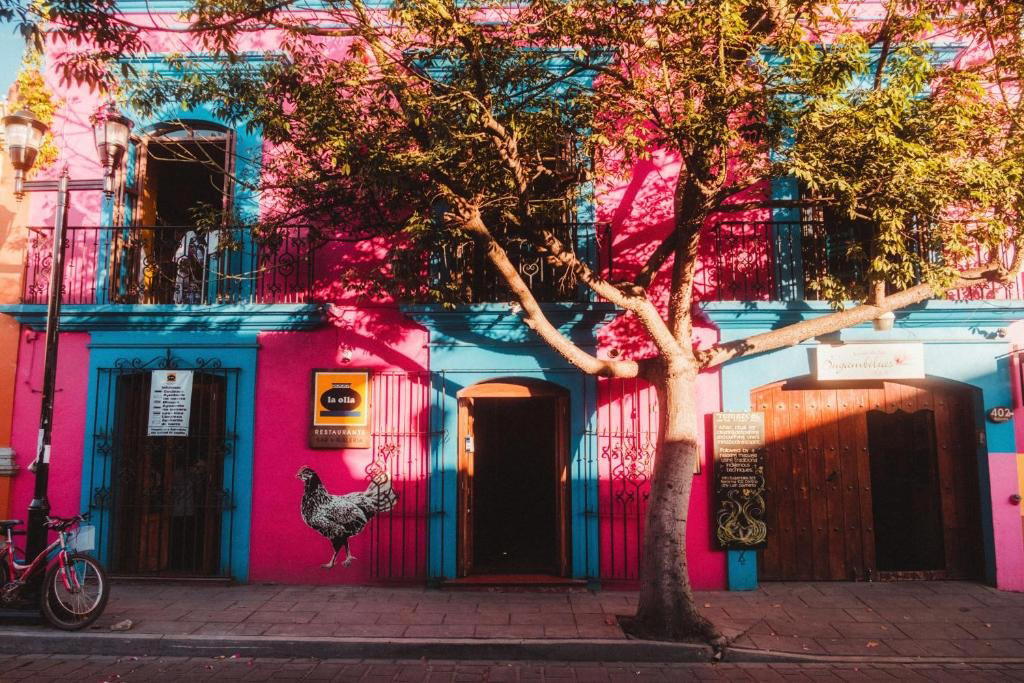
The Scene on Pino Suárez
Centro in Oaxaca City operates on foot. The streets around the Zócalo and the Mercado Benito Juárez draw a mix of residents running daily errands, students, and visitors, and street food vendors calibrate to that mixed audience. El Llano draws the local cross-section that defines a working stall rather than a tourist-facing operation. Transactions are quick, customisation is the norm, and the price point sits firmly within reach for the workers and families who form its weekday core.
This demographic reality is part of what distinguishes street-level corn formats from the more composed corn preparations now appearing on tasting menus at higher-end Oaxacan restaurants. The same ingredient, Oaxacan maize, grown in varieties that include local landraces unavailable elsewhere, appears across price tiers. At El Llano, the preparation is direct and untheorised. The corn speaks in its original register.
Corn Culture Across Mexico: Where Oaxaca Sits
Street corn formats exist across Mexico, but their preparation and cultural meaning vary considerably by region. Mexico City's esquite vendors tend toward heavier dressings and faster service. In Puebla, the corn preparations lean toward specific chilli varieties that reflect that state's agricultural identity. In Oaxaca, the distinguishing factors are the quality of the local corn itself, the region maintains a higher concentration of native maize varieties than most of Mexico, and the cheese culture that elevates the toppings beyond generic categories.
This is why a stall like El Llano, unremarkable in its physical presentation, sits inside a genuinely differentiated food tradition. The product it serves cannot be replicated in the same way outside this geography. That is not a romantic claim; it is an agricultural fact. The maize landraces of the Oaxacan valleys, combined with local dairy production and the specific chilli varieties grown in the Sierra Juárez and Cañada regions, produce a corn-based street food that is materially different from what you find in Cancun, Guadalajara, or Tijuana. For reference, the EP Club also covers food and drink across Mexico's other cities, from Baltra Bar in Mexico City to El Gallo Altanero in Guadalajara and Aruba Day Drink in Tijuana, which together illustrate how differently Mexican food and drink culture manifests by region. Further afield, Bekeb in San Miguel de Allende, Arca in Tulum, Coco Bongo in Cancun, and Bar Leather Apron in Honolulu round out a picture of how different markets and formats serve their own distinct communities.
Planning Your Visit
El Llano is a street stall on Calle de José María Pino Suárez 707 in Centro, Oaxaca de Juárez. No reservation is needed, and the price sits around $5 per person. It is open Monday, Tuesday, Thursday, Friday, Saturday, and Sunday from 5 to 10 PM, with Wednesday closed.
Cost Snapshot
Comparable venues nearby, for context on price, style, and recognition.
| Venue | Price | Notes |
|---|---|---|
| Elotes y Esquites El LlanoThis venue (the venue you are viewing) | $1–10 | Not listed |
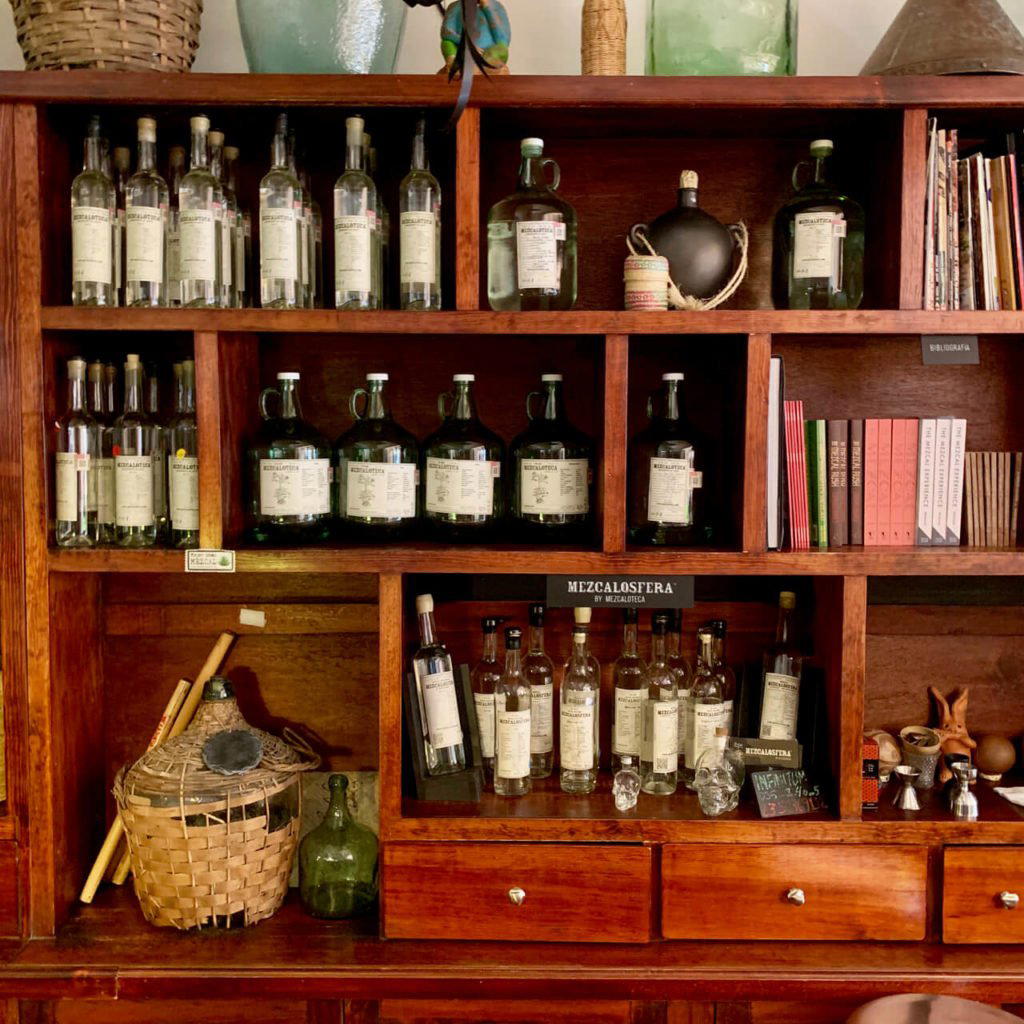
| La Mezcaloteca | $20–30 | 2006700010897, mezcaleria |
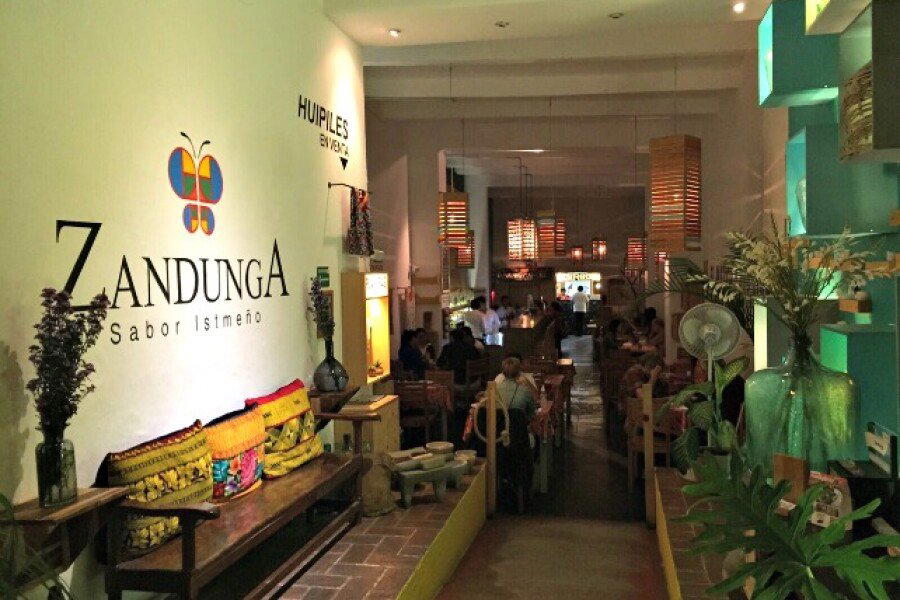
| Zandunga Cocktail | $20–30 | 2006700010929, mezcaleria |
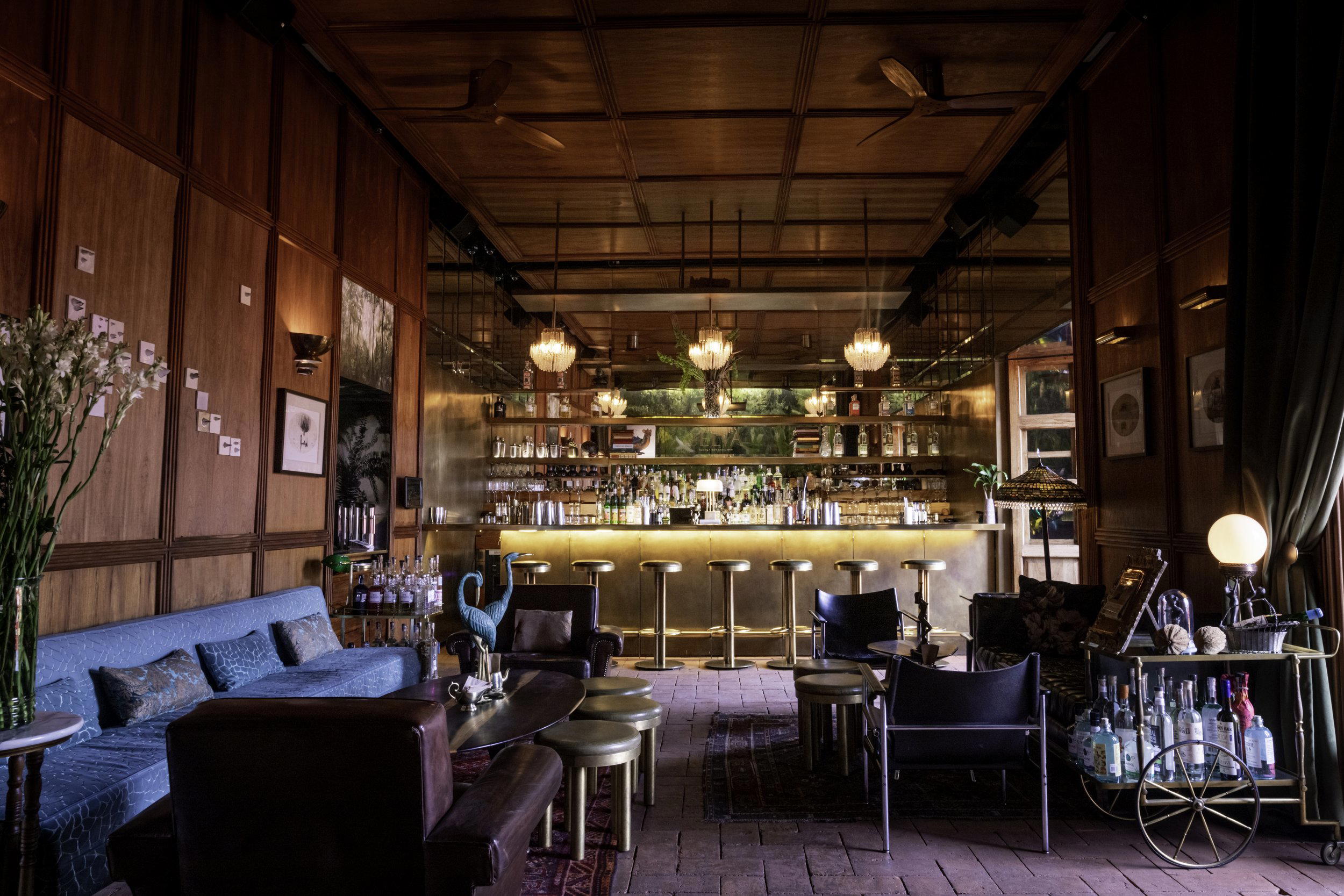
| Amá Terraza | $20–30 | 2006700010204, rooftop_bar |
| Muss Café | Not listed | 2006700010204, wine_bar |
| Expendio Cuish Díaz Ordaz | $1–10 | 200670001101A, mezcaleria |
Continue exploring
More in Oaxaca
Bars in Oaxaca
All bars in Oaxaca →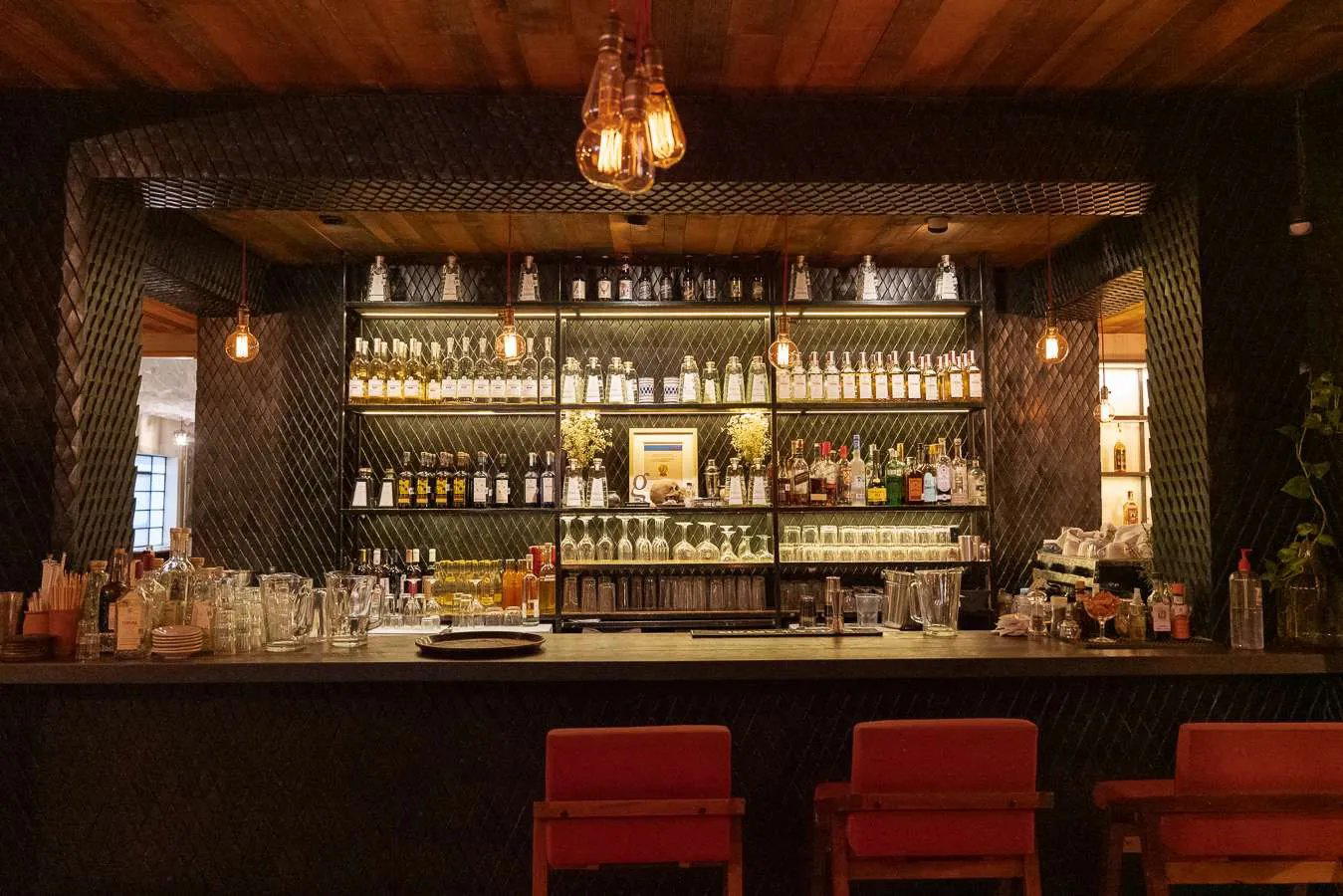
Restaurants in Oaxaca
All restaurants in Oaxaca →


Details
- Street Scene
- Casual Hangout
- Standing Room
- Counter Only
- Street Scene
Current opening hours
- Monday
- 5–10 PM
- Tuesday
- 5–10 PM
- Wednesday
- Closed
- Thursday
- 5–10 PM
- Friday
- 5–10 PM
- Saturday
- 5–10 PM
- Sunday
- 5–10 PM
Hours can change for holidays and private events. Last verified .
Casual street stand in Oaxaca's Centro Historico, well-suited for snacking amid the evening street scene.