A rooftop address in Oaxaca City's historic centro, Amá Terraza places itself at the intersection of open-air dining and the region's deep agricultural traditions. The terrace format and central location make it a reference point for understanding how Oaxacan ingredients move from valley floor to plate, with the Sierra Juárez and the Cañada as a permanent backdrop to the meal.

Pearl is the En Primeur Club membership app, where members save venues, book tables and use the concierge.
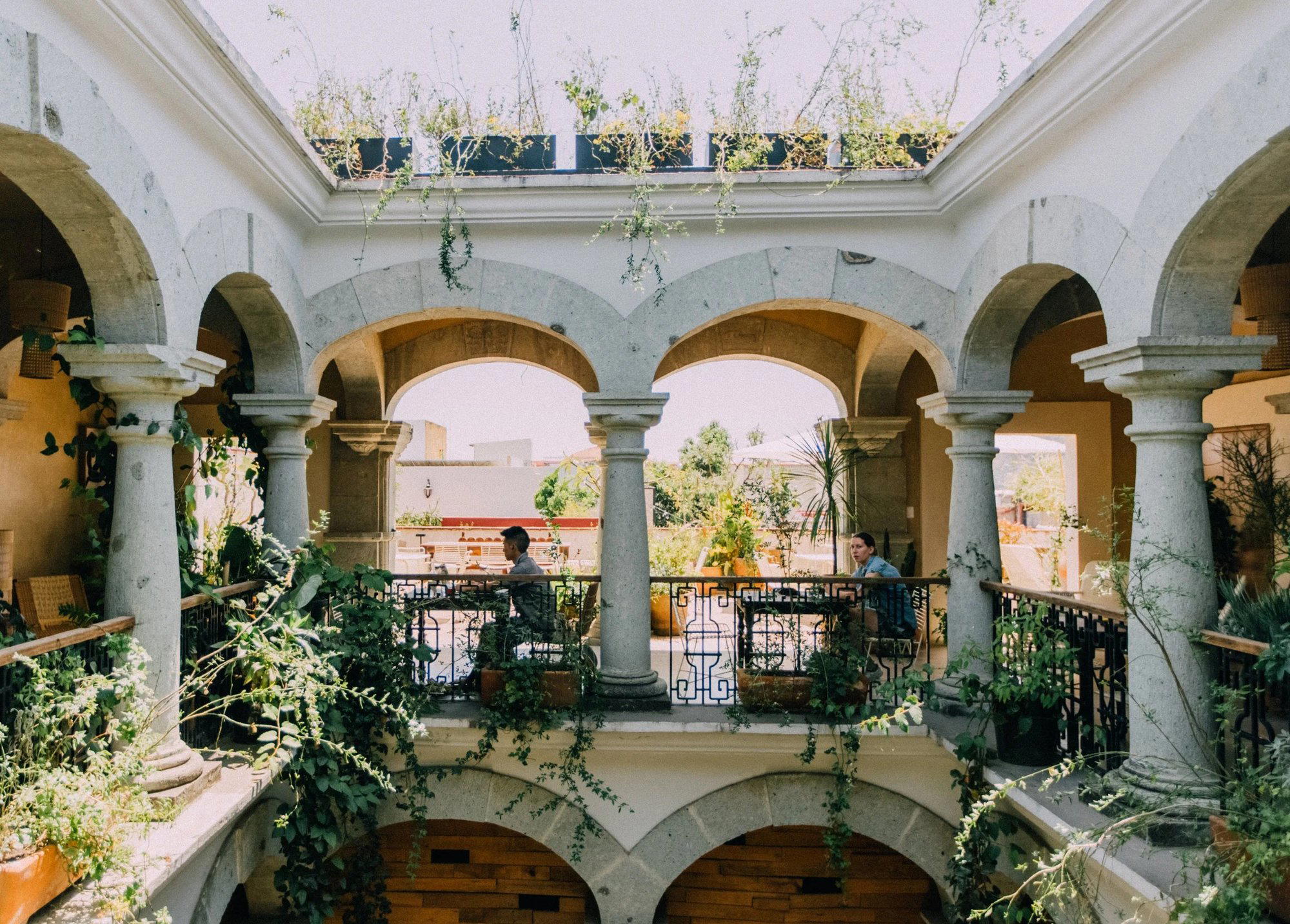
Eating Above the Centro: What Rooftop Dining Means in Oaxaca
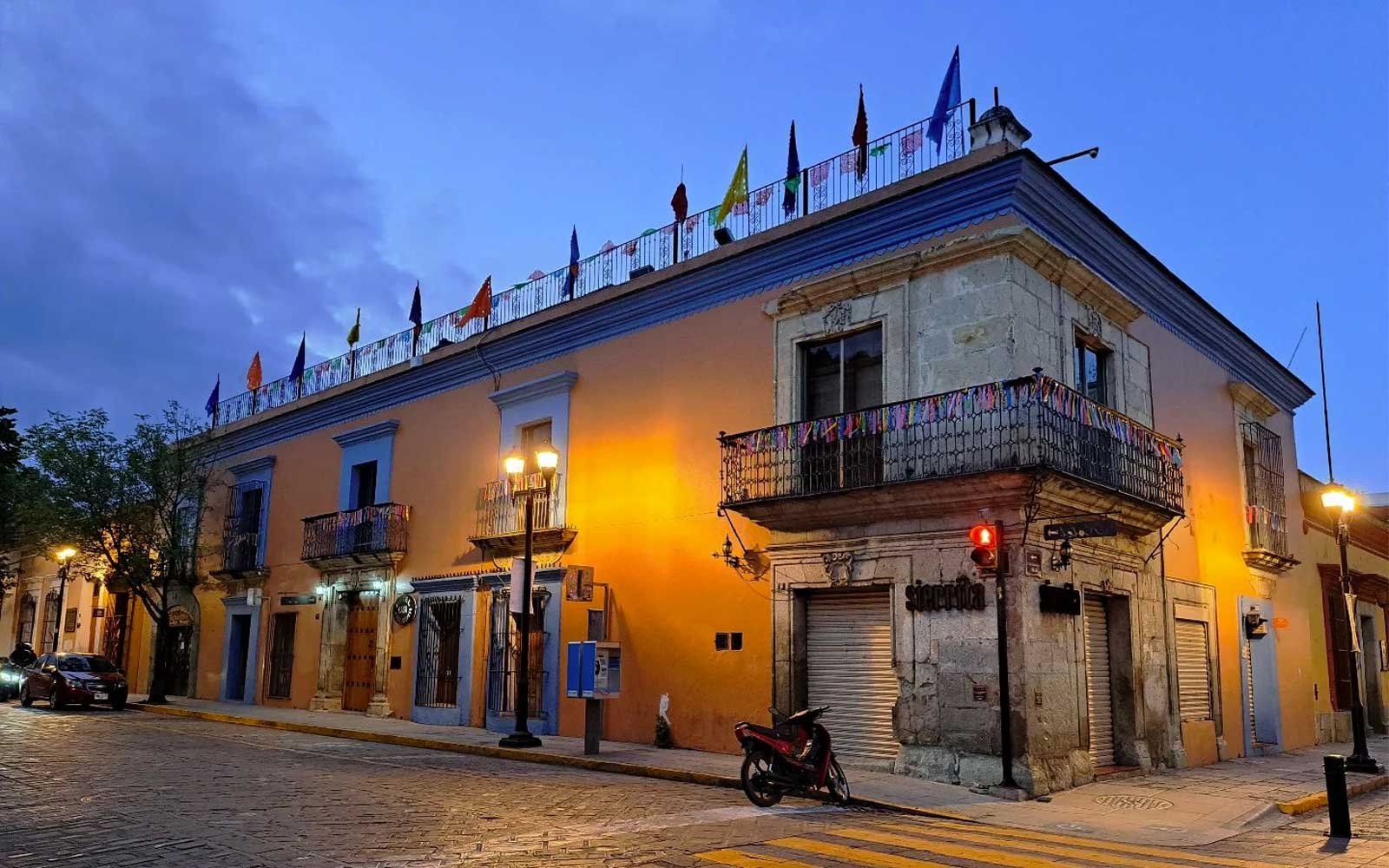
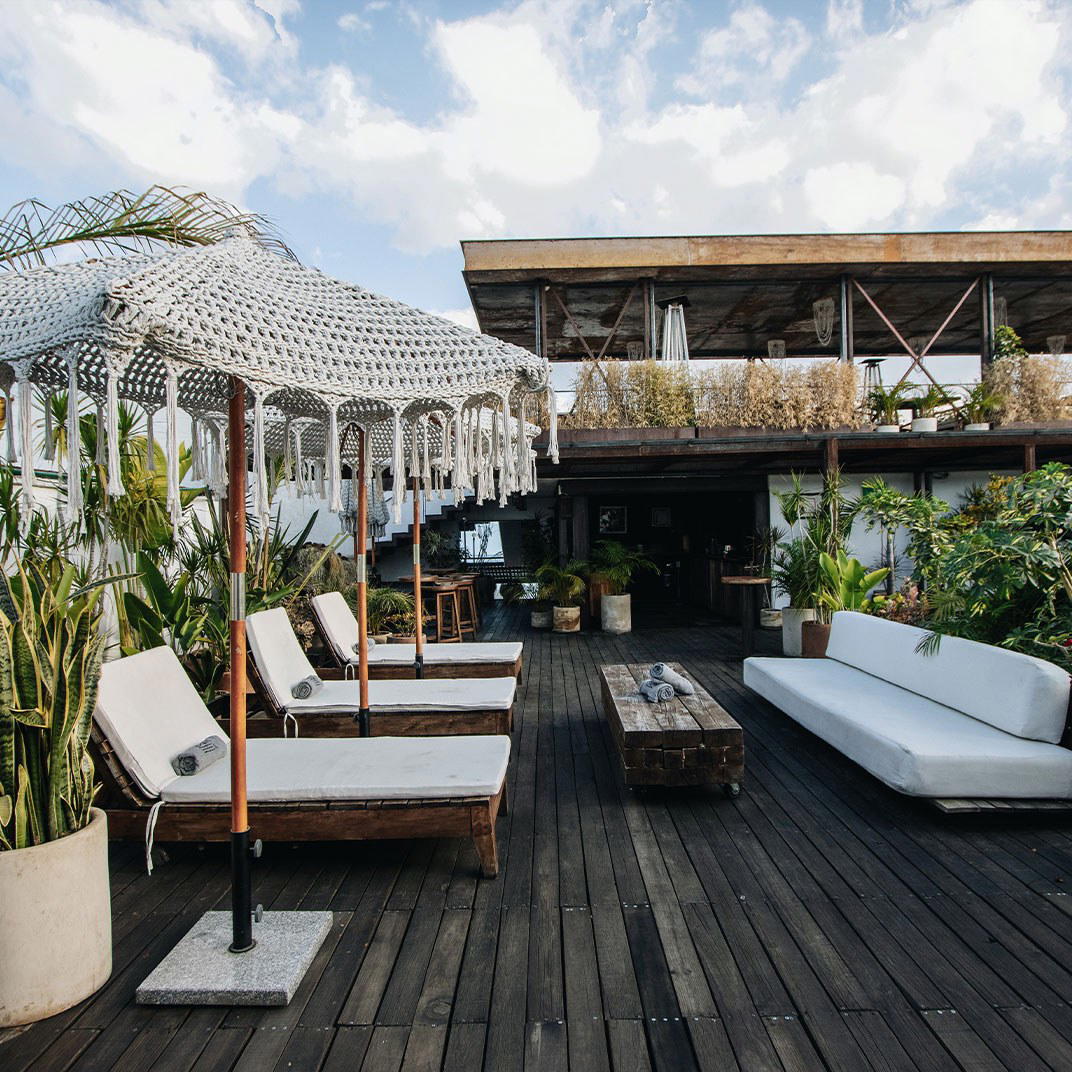
Oaxaca City's centro histórico rewards height. From street level, the colonial facades of Miguel Hidalgo read as flat geometry; from a terrace one or two storeys up, the city opens into a grid of church towers, terracotta rooflines, and the blue-green hills of the Sierra Juárez pressing in from the north. Amá Terraza is a bar at Miguel Hidalgo 911, Centro, 68000 Oaxaca de Juárez, Oax. Mexico, with a casual dress code and walk-in-friendly service. It is a format that has become increasingly common in Mexican cities where the climate cooperates, think of how Arca in Tulum uses open-structure architecture to dissolve the boundary between kitchen and forest, but Oaxaca's particular combination of altitude, dry air, and afternoon light makes the terrace format feel less like a design choice and more like a geographic argument.
The city sits at roughly 1,550 metres above sea level, which keeps daytime temperatures moderate even in summer and turns evenings cool enough to require a layer. Hours run Monday through Saturday from 7:30 AM to 9:30 PM, with Sunday service from 8 AM to 9:30 PM. Midday service on a rooftop terrace in July or August operates in a different register than the same format in coastal Mexico: less heady, more focused. That mild altitude climate has shaped Oaxacan agriculture for centuries, and it continues to define what arrives on any serious plate in the city.
The Ingredient Question: Why Oaxaca's Food Geography Matters
No city in Mexico makes the sourcing argument more concretely than Oaxaca. The state encompasses multiple distinct agricultural zones within a few hours of the capital: the Central Valleys grow the bulk of the maize, squash, and chiles that form the base of the cuisine; the Sierra Juárez produces wild mushrooms, quelites (foraged greens), and smallholder coffee at altitude; the Cañada and Mixteca regions contribute their own chile varieties and dried beans. This is not diversity for diversity's sake, it is the product of topographic compression, where dramatic elevation changes over short distances create microclimates that support different crops side by side.
The consequence for any restaurant operating in Oaxaca's centro is that the supply chain is unusually short and unusually varied. The Mercado de Abastos, one of the largest traditional markets in southern Mexico, sits less than two kilometres from the historic centre and aggregates produce from across these zones. Smaller tianguis and neighbourhood markets do the same at finer resolution. A kitchen sourcing seriously in Oaxaca has access to ingredients that a comparable kitchen in Mexico City would need to import and plan around weeks in advance. That structural advantage is what separates Oaxacan cooking from its reputation: the flavour depth is not primarily technique, it is supply chain.
Amá Terraza's address on Miguel Hidalgo places it squarely within walking distance of the centro's leading produce infrastructure. The practical implications for the menu are direct. What the location implies is access: to the small-batch mezcal producers who bring product to market in the centro, to the cheese vendors from Etla and Zaachila who appear in markets a short drive away, to the chocolate producers clustered around the Mercado 20 de Noviembre. This is the ecosystem that any serious Oaxacan kitchen plugs into, and a terrace address in the centro puts a restaurant at the centre of it.
Situating Amá Within Oaxaca's Dining Conversation
Oaxaca City has developed a tiered dining scene over the past decade that runs from deeply traditional to consciously contemporary, with the more interesting venues often operating at the intersection. Boulenc, a few blocks away, built its identity around wood-fired baking and natural wine before either was standard in Mexican cities. Cafe Los Cuiles approaches Oaxacan coffee with the kind of single-origin specificity that the Sierra Juárez crop warrants. Expendio Cuish Díaz Ordaz anchors the mezcal-forward end of the spectrum, where the drink is the primary editorial statement and food plays a supporting role. And for a quick read on how the city eats at street level, Elotes y Esquites El Llano in the Parque El Llano demonstrates the same maize-centricity that defines the formal kitchens, stripped back to its most elemental form.
Within this map, a rooftop terrace in the centro occupies a distinct tier: it combines the ingredient access of the traditional market system with a format designed for deliberate, seated dining rather than quick comida. That combination attracts a mix of travellers with some culinary context and locals using the terrace as a break from the city's more utilitarian midday options. It sits in between, where setting does a significant portion of the work alongside the food.
Comparisons elsewhere in Mexico are instructive. Baltra Bar in Mexico City shows how a well-defined format and consistent execution build long-term recognition in a competitive city. Bekeb in San Miguel de Allende demonstrates what happens when a regional ingredient story is told with enough precision to travel beyond its home city. Amá Terraza's opportunity is similar: the Oaxacan ingredient narrative is strong enough to carry a room, provided the kitchen uses it with specificity rather than as ambient branding.
Planning Your Visit: Timing, Booking, and the Practicalities
Oaxaca City is busiest during Día de Muertos in late October and early November, the Guelaguetza festival in July, and Semana Santa in spring. During these windows, rooftop tables in the centro book quickly and walk-in availability at any venue with outdoor seating shrinks considerably. Outside these peak periods, the centro is navigable and the best-regarded addresses remain accessible without weeks of advance planning, though arriving with a reservation for dinner service is always the cleaner approach. The city's dry season, roughly November through April, produces the clearest skies and the most comfortable terrace conditions, the trade-off being that December and January evenings can turn cold after sunset. Afternoon lunch service tends to offer better light and milder temperatures across most of the year.
In Context: Similar Options
Comparable venues nearby, for context on price, style, and recognition.
| Venue | Cuisine | Price | Notes |
|---|---|---|---|
| Amá TerrazaThis venue (the venue you are viewing) | rooftop_bar | $20–30 | Not listed |
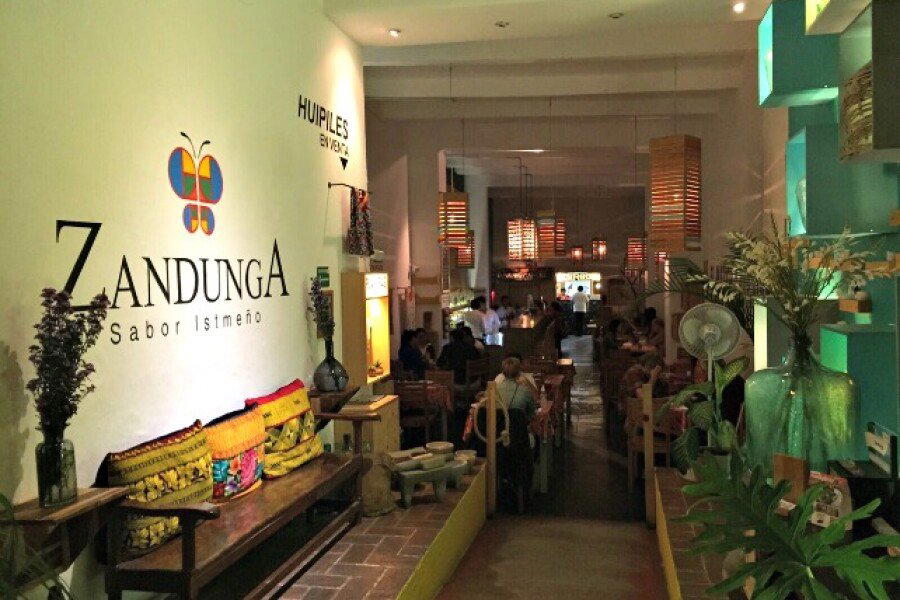
| Zandunga Cocktail | mezcaleria | $20–30 | 2006700010929 |
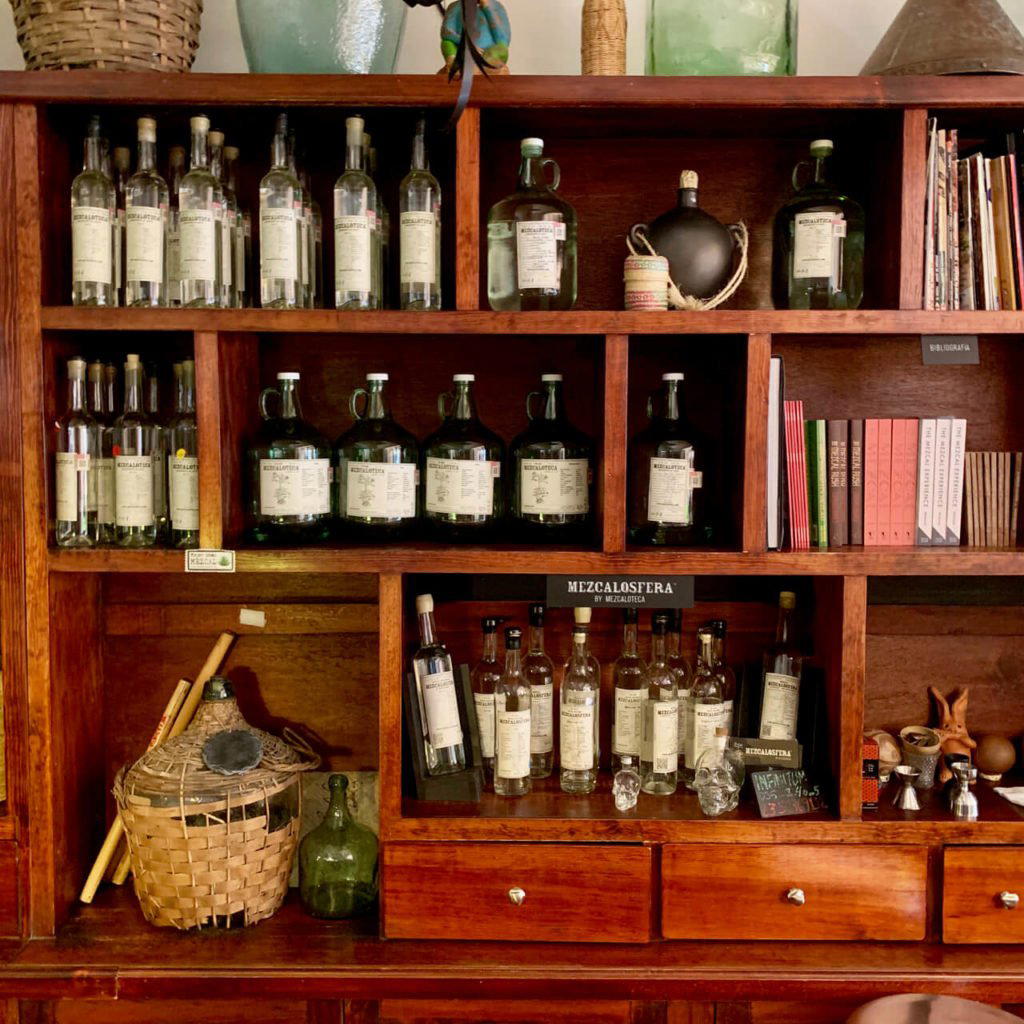
| La Mezcaloteca | mezcaleria | $20–30 | 2006700010897 |
| Muss Café | wine_bar | Not listed | 2006700010204 |
| Expendio Cuish Díaz Ordaz | mezcaleria | $1–10 | 200670001101A |
| Elotes y Esquites El Llano | Bar | $1–10 | 2006700010897 |
Continue exploring
More in Oaxaca
Bars in Oaxaca
All bars in Oaxaca →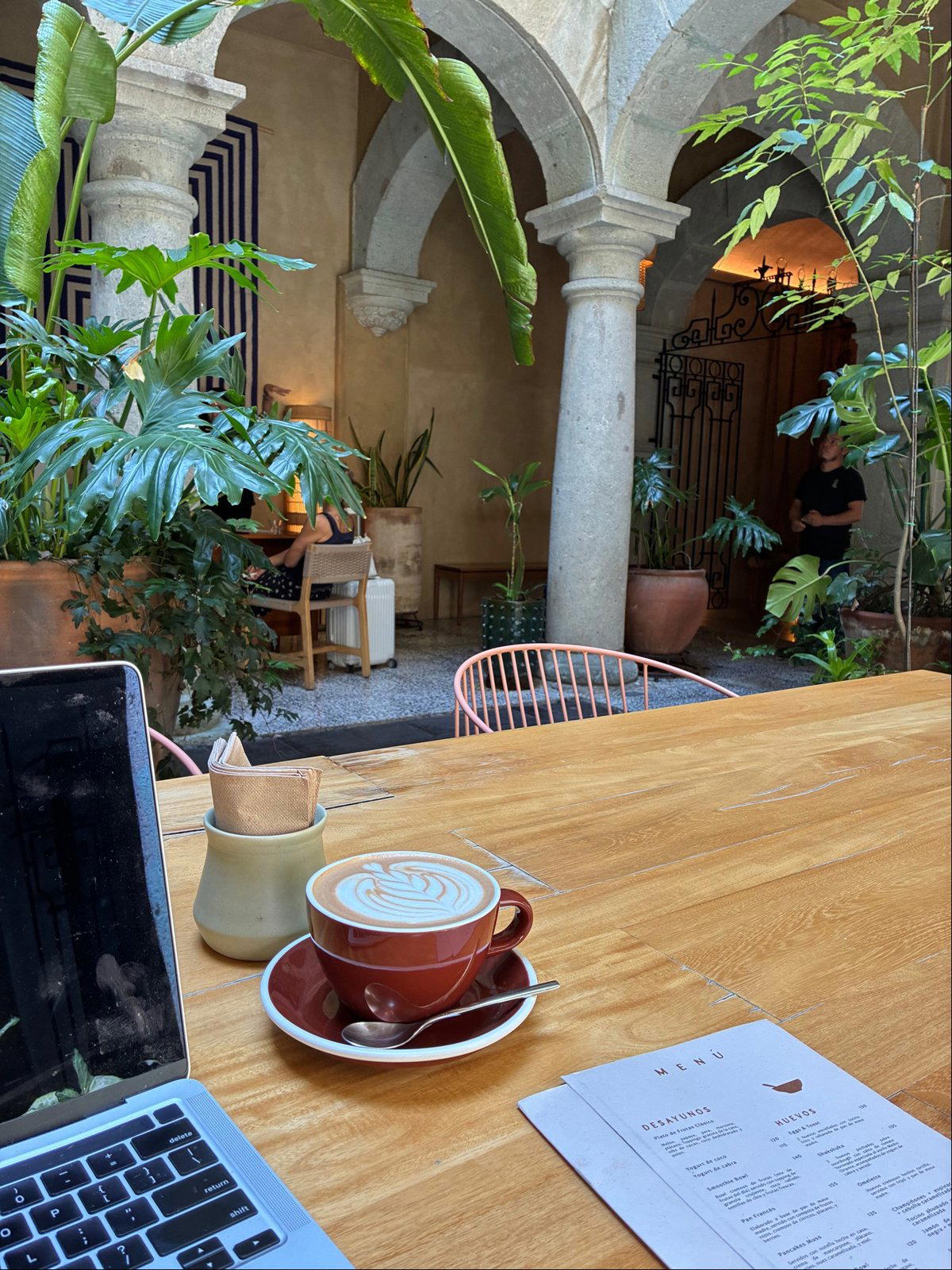
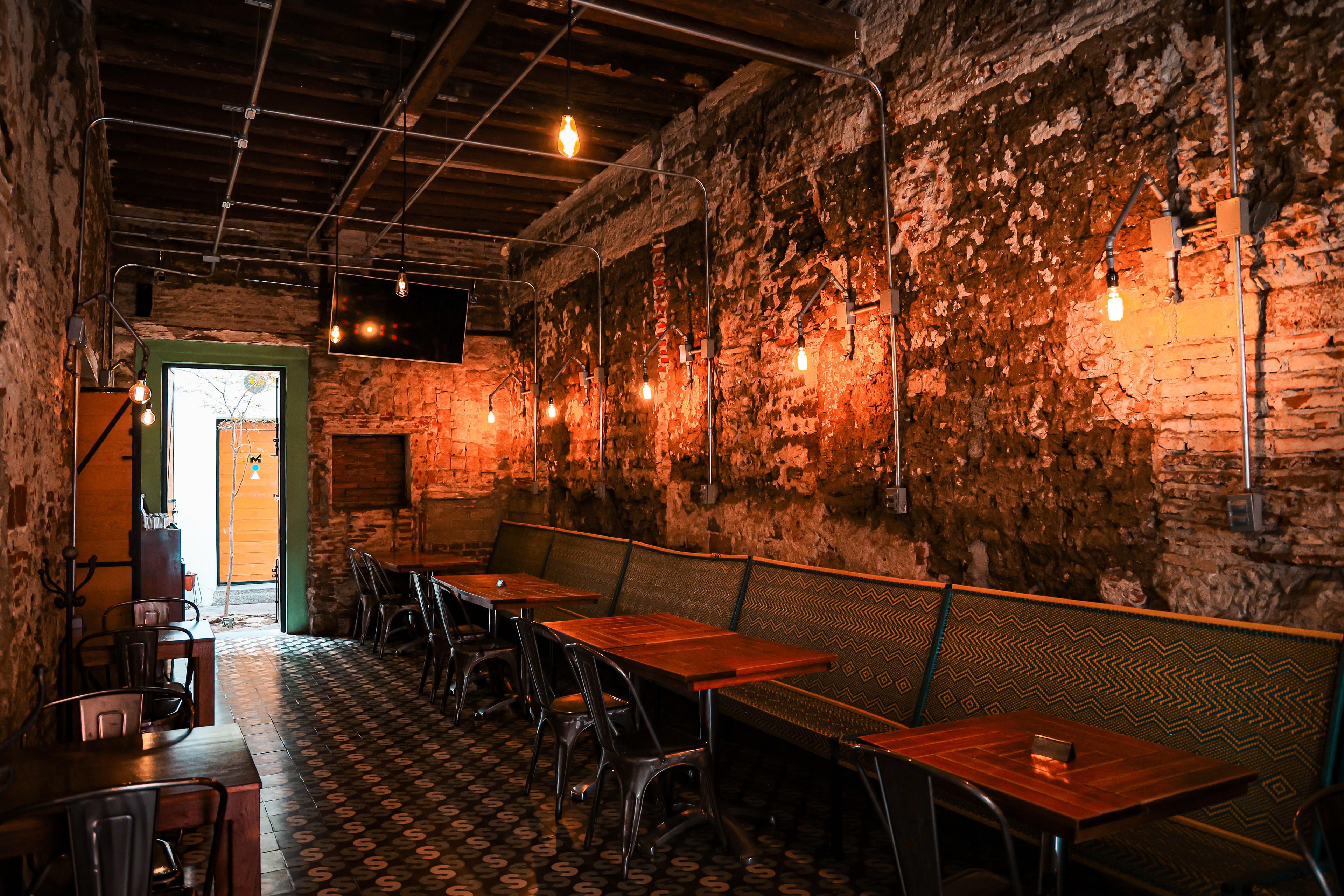
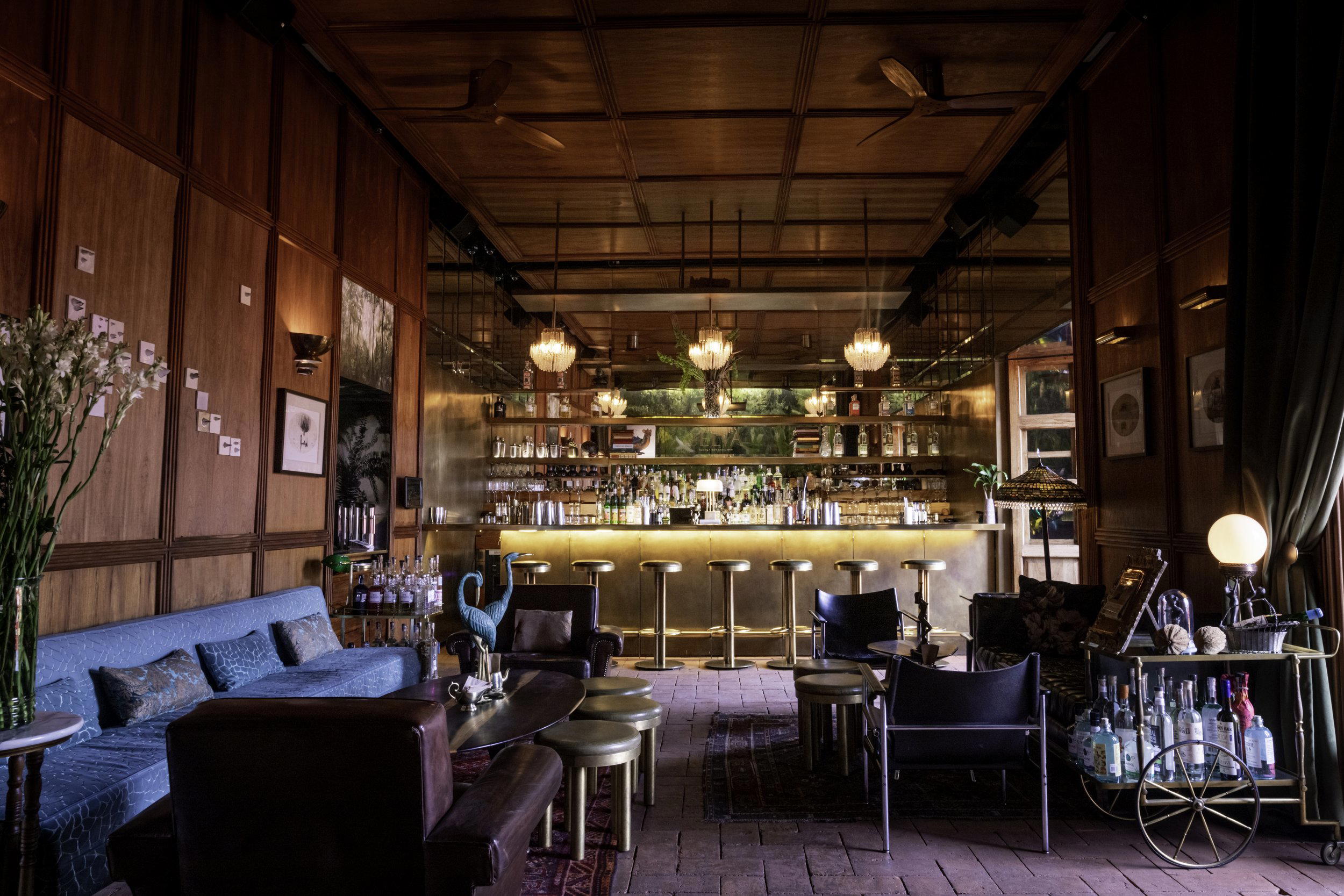
Restaurants in Oaxaca
All restaurants in Oaxaca →
Hotels in Oaxaca
All hotels in Oaxaca →
Details
- Cozy
- Scenic
- Elegant
- Relaxed
- Date Night
- Casual Hangout
- Rooftop
- Terrace
- Panoramic View
- Outdoor Terrace
- Lounge Seating
- Natural Wine
- Craft Cocktails
- Skyline
- Mountain
Current opening hours
- Monday
- 7:30 AM–9:30 PM
- Tuesday
- 7:30 AM–9:30 PM
- Wednesday
- 7:30 AM–9:30 PM
- Thursday
- 7:30 AM–9:30 PM
- Friday
- 7:30 AM–9:30 PM
- Saturday
- 7:30 AM–9:30 PM
- Sunday
- 8 AM–9:30 PM
Hours can change for holidays and private events. Last verified .
Peaceful and cozy with lush greenery, string lights, leafy trees, local art statues, and mellow chill music.