
Our verdict
A suckling pig specialist operating out of Santa Lucía del Camino on the outskirts of Oaxaca city, El Lechoncito de Oro draws a loyal following that returns for one thing: lechón cooked with the kind of focused repetition that comes from doing one dish, day after day. Recognised by Opinionated About Dining's 2025 Cheap Eats list and Pearl's 2025 Recommended Restaurant guide, it sits in the tier of Oaxacan institutions that locals trust more than tourists discover.

Pearl is the En Primeur Club membership app — saves, bookings, and concierge access live there. Same editors, same standards.
- Address
- Av. Ferrocarril 806, FERROCARRIL, Cabecera Municipal Sta Lucia del Camino, 71228 Santa Lucía del Camino, Oax., Mexico
- Phone
- +52 951 251 4570
- Hours
- Mon–Sat 1:30–10 PMSun Closed
- Directions
- Get directions
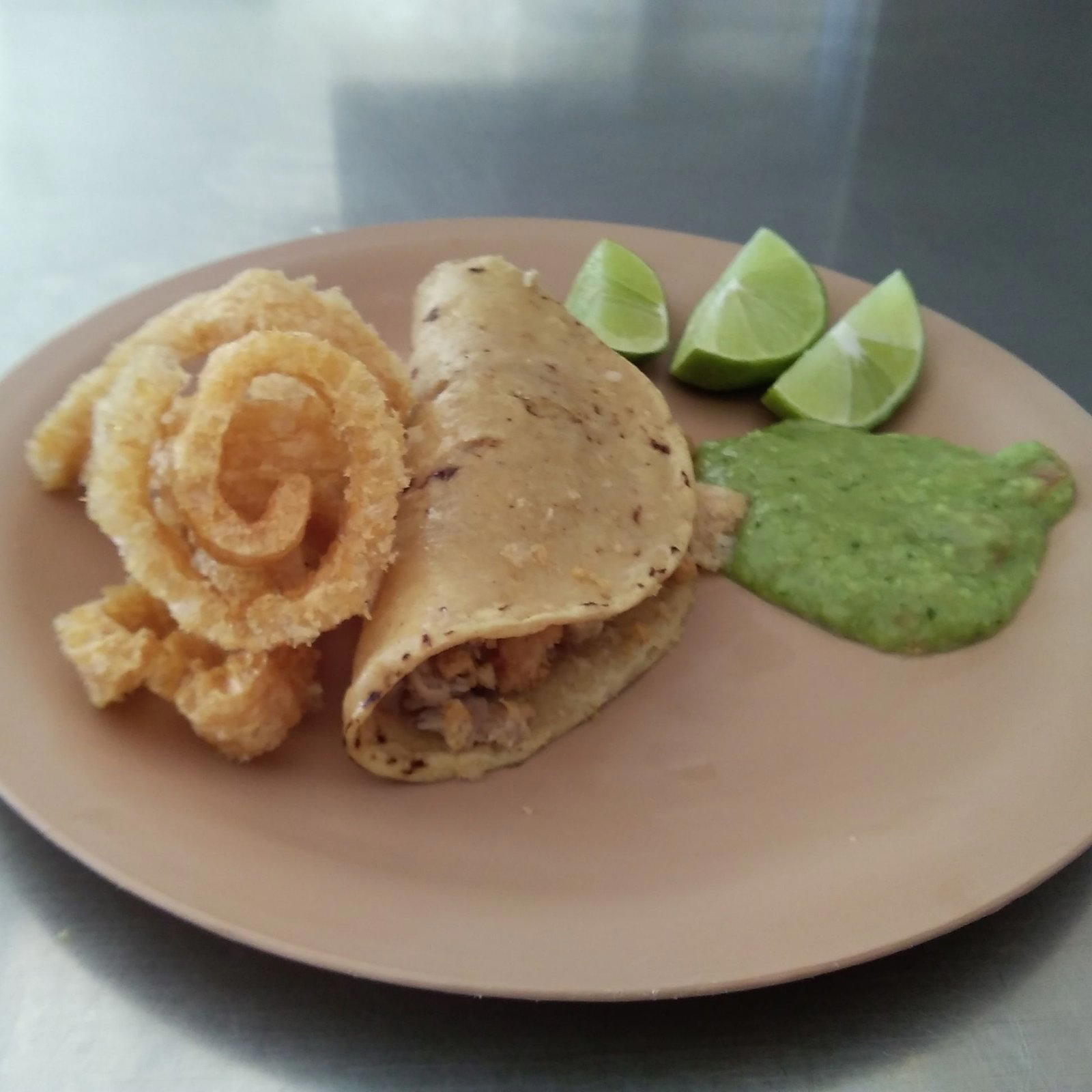
The menu
What to order
- Taco lechon/chicharron
- Taco lechon/pierna
- Tostada de Lechón con chicharrón
The address alone tells you something. Santa Lucía del Camino is not the centro histórico of Oaxaca. There are no colonial archways here, no mezcal bars with curated agave lists, no slow tourists consulting maps. Avenida Ferrocarril runs through a working neighbourhood where the clientele arrives by car or colectivo, parks without ceremony, and already knows what they are ordering before they reach the counter. That knowledge, passed between regulars over years, is the real currency at El Lechoncito de Oro.
The Case for Periphery Dining in Oaxaca
Oaxacan dining has long operated on a two-track system. The centro and surrounding neighbourhoods hold the tasting-menu operations, the mezcal-focused rooms, and the restaurants that have earned a place on international itineraries. Then there is the second track: peripheral specialists, often family-run, built on a single product and a clientele that has no reason to explain itself to outsiders. El Lechoncito de Oro belongs firmly to that second category. Its recognition by Opinionated About Dining's 2025 Cheap Eats in North America list and Pearl's 2025 Recommended Restaurant guide marks it as something the broader food-critical community has taken seriously, but the regulars already knew what OAD confirmed.
For context on the wider Oaxacan scene, our full Oaxaca restaurants guide covers the range from neighbourhood specialists to tasting-menu rooms. If mezcal bars or hotels are part of your planning, our Oaxaca bars guide and hotels guide run in parallel.
What the Regulars Come For
Single-product restaurants carry a particular logic. When a kitchen concentrates its identity on one animal, one preparation, one act of repetition perfected over time, the relationship between the kitchen and its regulars becomes unusually direct. There is no seasonal menu refresh to discuss, no new chef de partie experimenting with technique. There is lechón, and the question is only whether today's is as good as last week's. At places like this, that consistency is the whole point. Regulars are, in effect, the quality-control mechanism: their continued presence signals that the standard has held.
Suckling pig in the Oaxacan context arrives with its own regional logic, distinct from the cochinita pibil tradition of the Yucatán or the carnitas approach of Michoacán. The animal is typically younger and smaller, the skin given priority, the fat rendered slowly so that what arrives at the table has textural contrast that a larger, older pig cannot replicate. The regulars at El Lechoncito de Oro understand this distinction intuitively. They are not eating lechón because it is on-trend. They are eating it because this is where Oaxaca's version of the dish, at this price level, is executed with the discipline that only high-volume repetition produces.
Where This Sits in Oaxaca's Eating Hierarchy
The price tier matters here. Oaxaca's recognised restaurant scene spans a wide range. At one end, a single tasting menu at a room like Levadura de Olla, which holds a Michelin star, operates in a different register entirely. Los Danzantes and Alfonsina occupy mid-to-upper price points where the editorial context and chef credentials are part of what you are paying for. Adamá and Almú sit closer to the accessible end without sacrificing seriousness of purpose.
El Lechoncito de Oro operates below all of them on price, which is precisely why the OAD Cheap Eats recognition carries weight in this context. That list does not recognise accessibility for its own sake. It identifies places where the cooking justifies attention regardless of price, where the gap between cost and quality is wide enough to constitute a critical argument.
For comparison, the same critical attention that produced OAD recognition is applied to venues across Mexico's major dining cities. Pujol in Mexico City, Animalón in Valle de Guadalupe, and KOLI Cocina de Origen in Monterrey anchor the top end of that national conversation. El Lechoncito de Oro is not competing in that register, but it is being evaluated by critics who move between those registers fluently, which makes its recognition more meaningful, not less.
Getting There and What to Expect
The practical reality of eating at El Lechoncito de Oro is that it requires a deliberate trip from Oaxaca's centre. Santa Lucía del Camino is a separate municipality, not a barrio you pass through on the way to something else. That distance functions as a natural filter: the people eating here made a specific decision to come. Taxis and ride-share apps from the centro cover the distance without difficulty, and the address on Avenida Ferrocarril 806 is findable. Arriving with no reservation expectation and no dress code consideration is the correct posture. This is a neighbourhood operation, and the regulars dress accordingly.
The product is finite: when it runs out, service is done. That rhythm is part of what makes regulars plan around the kitchen rather than the other way around.
For broader planning in Oaxaca, our Oaxaca experiences guide and wineries guide cover the surrounding region. Further afield, Le Chique in Puerto Morelos, HA' in Playa del Carmen, and Lunario in El Porvenir represent the range of serious eating across Mexico's coasts and northern wine country. For reference points outside Mexico, Le Bernardin in New York City and Atomix in New York City anchor the kind of critical framework within which OAD's evaluators operate when they move between cheap-eats lists and tasting-room coverage.
What Regulars Order
The answer to this question at a suckling pig specialist is structurally simple and practically important: they order the lechón, and they make decisions about portion and accompaniment based on what the kitchen is running that day. At operations of this type, the cut matters. Skin-on portions with crackling intact represent the kitchen's fullest statement of intent; interior cuts offer different fat-to-meat ratios. Regulars know which cuts run out first, and they order accordingly. Tortillas, salsas, and simple sides are standard accompaniments in this format. The meal is not built around a menu of options. It is built around a product, and the regulars' expertise lies in knowing how to receive it.
Frequently asked questions
What part of town is El Lechoncito de Oro in?
El Lechoncito de Oro is located at Av. Ferrocarril 806, FERROCARRIL, Cabecera Municipal Sta Lucia del Camino, 71228 Santa Lucía del Camino, Oax. Mexico, Oaxaca.
What do regulars order at El Lechoncito de Oro?
The kitchen is built around lechón, so the ordering logic is essentially a series of decisions about how you want it: cut, portion size, and accompaniments. Regulars arrive knowing what they want rather than treating the menu as a discovery exercise. El Lechoncito de Oro earned its OAD Cheap Eats North America recognition in 2025 on the strength of that singular focus, not breadth of menu.
Who's behind the kitchen at El Lechoncito de Oro?
The chef associated with El Lechoncito de Oro is Various.
Credentials Lens
| Venue | Cuisine | Price | Awards | Notes |
|---|---|---|---|---|
| El Lechoncito de OroThis venue — the venue you are viewing | Oaxacan Lechón Tacos | $1–10 | Not listed | Not listed |
| Casa Oaxaca | Modern Oaxacan | $50–100 | Michelin Plate · La Liste Top Restaurants | Not listed |
| Criollo | Modern Oaxacan Tasting Menu | $100–150 | Michelin Plate · La Liste Top Restaurants | Not listed |
| Itanoní | Traditional Oaxacan Corn Antojitos | $10–20 | Michelin Plate | Not listed |
| Levadura de Olla Restaurante | Traditional Oaxacan | $10–20 | 1 Michelin Star | Mexican |
| Adamá | Authentic Middle Eastern | $20–30 | Michelin Plate | Not listed |
Recognition history
Dated appearances from independent guides and award organizations, with the underlying list record or original source where available.
Opinionated About Dining Cheap Eats in North America
Opinionated About Dining
Continue exploring
More in Oaxaca
Restaurants in Oaxaca
Browse all →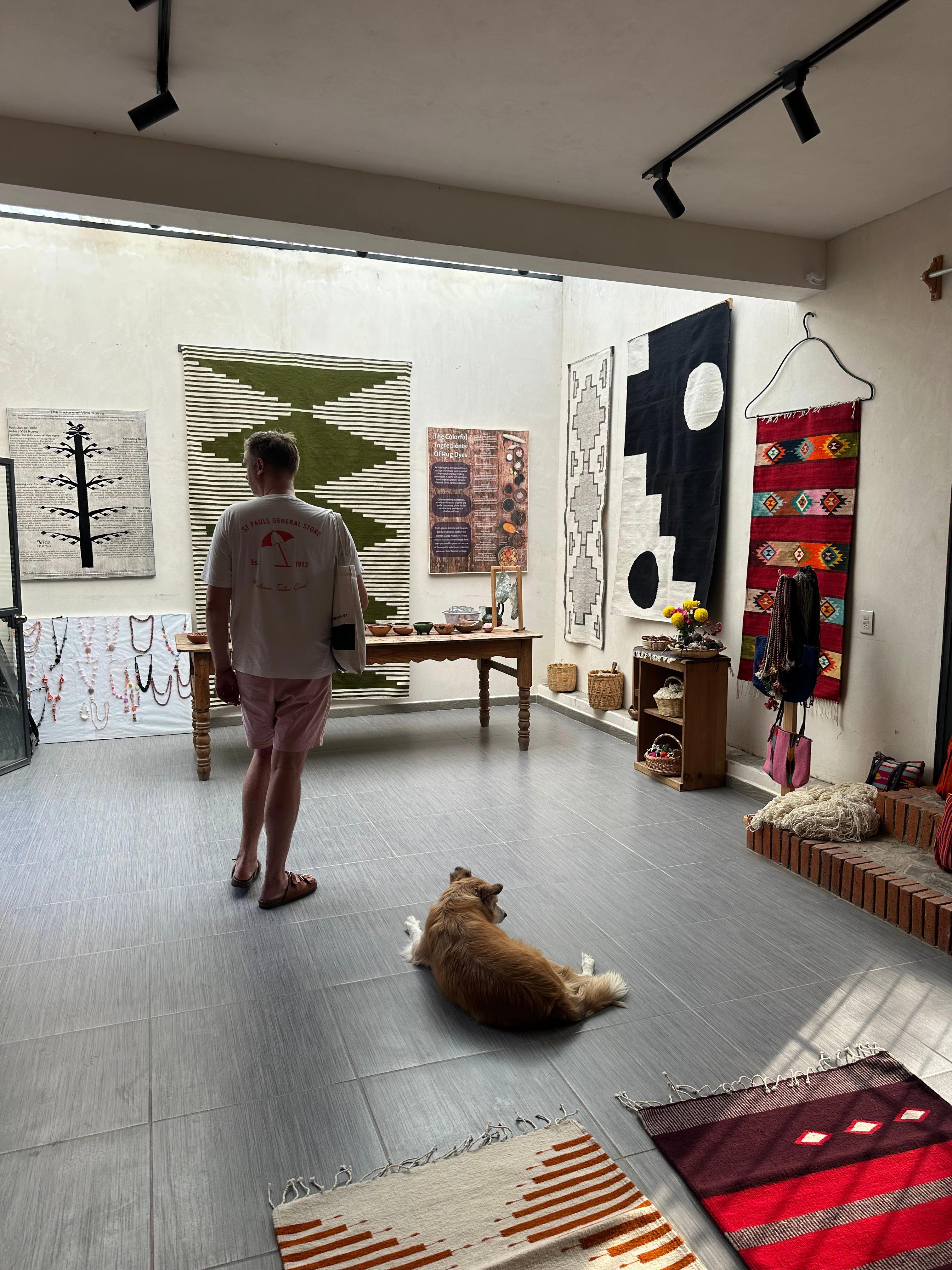
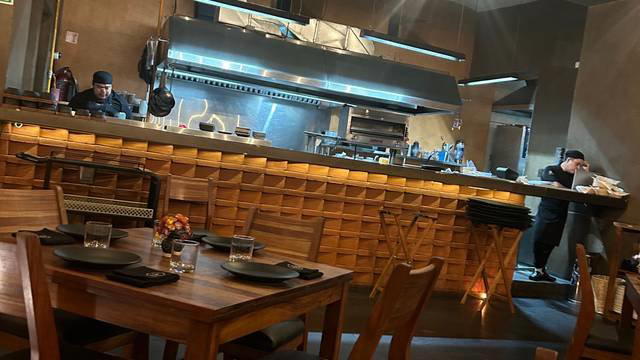
Bars in Oaxaca
Browse all →


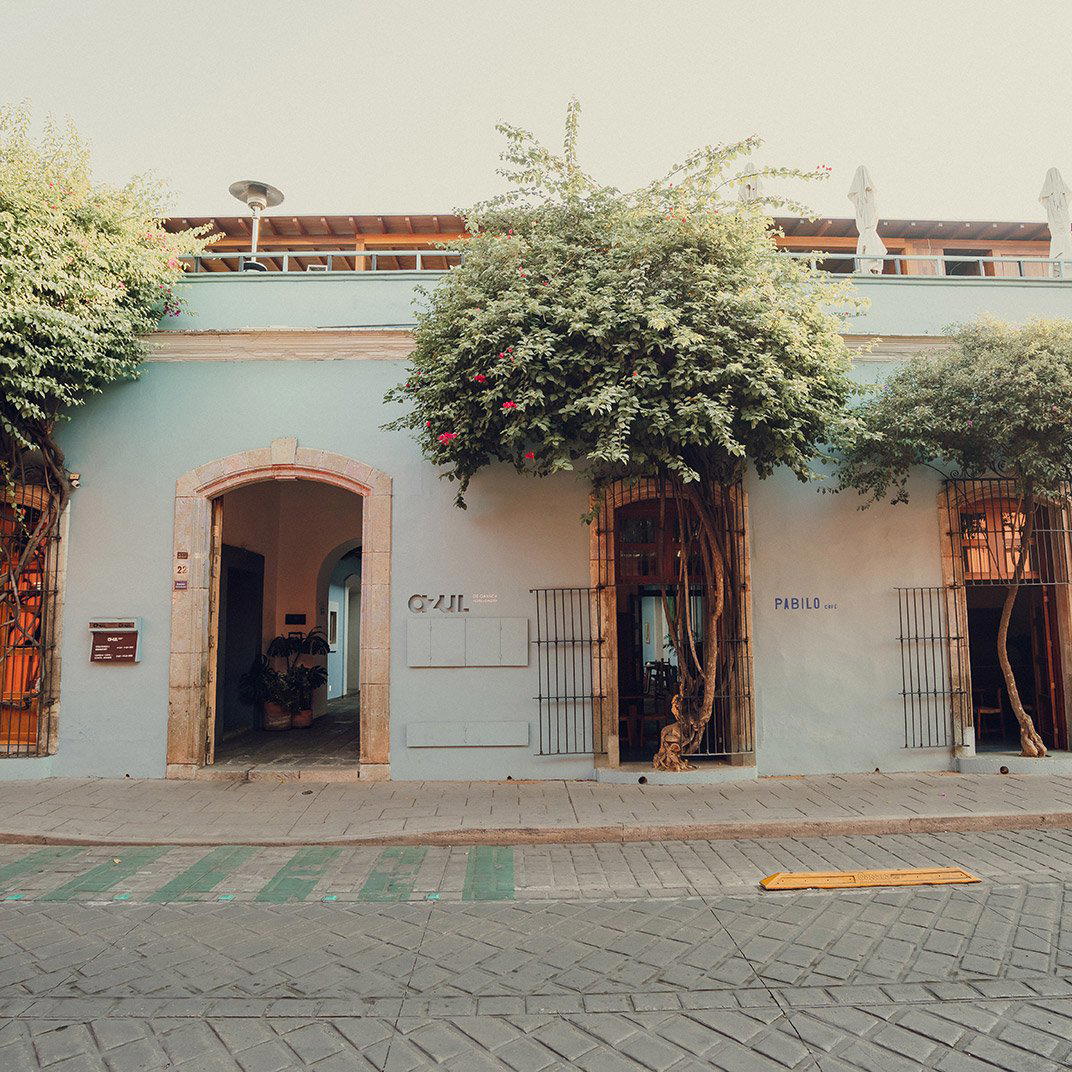
Hotels in Oaxaca
Browse all →

Details
- Lively
- Rustic
- Late Night
- Casual Hangout
- Standalone
- A La Carte
- Small Plates
Current opening hours
- Monday
- 1:30–10 PM
- Tuesday
- 1:30–10 PM
- Wednesday
- 1:30–10 PM
- Thursday
- 1:30–10 PM
- Friday
- 1:30–10 PM
- Saturday
- 1:30–10 PM
- Sunday
- Closed
Hours can change for holidays and private events. Last verified .
Bustling roadside taco stand with a fun, crowded street atmosphere well-suited for late-night snacking.