El Rey Zapoteco
El Rey Zapoteco sits along the Carretera Internacional in Santiago Matatlán, the Oaxacan valley town that produces more mezcal than anywhere else in Mexico.

Pearl is the En Primeur Club membership app — saves, bookings, and concierge access live there. Same editors, same standards.
- Address
- Carretera Internacional Km 49 s/n, 70440 Santiago Matatlán, Oax.
- Phone
- +52 951 272 3998
- Website
- elreyzapoteco.com
- Directions
- Get directions
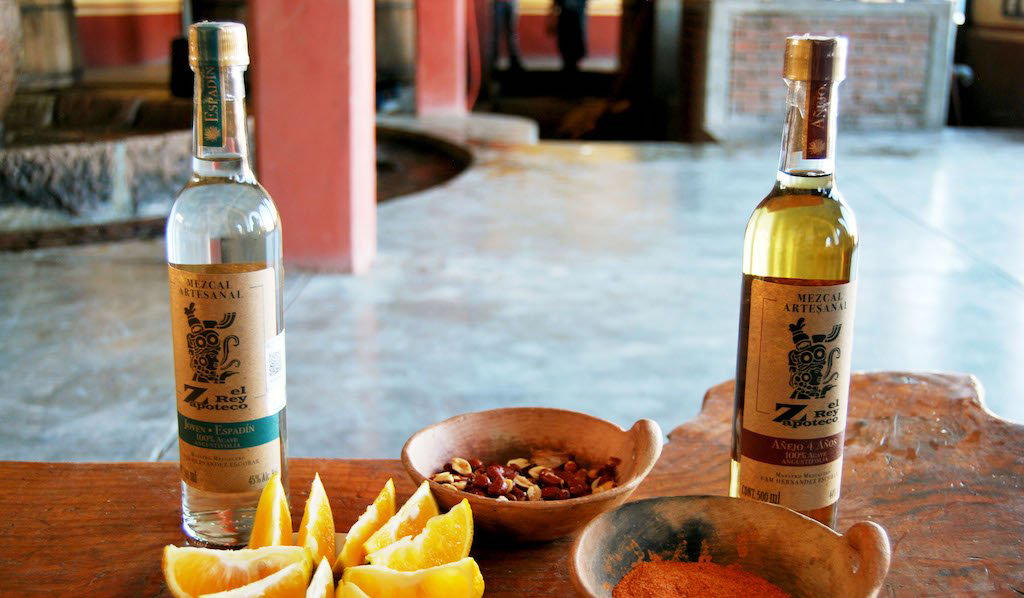
Where Mezcal Country Announces Itself
The drive south from Oaxaca City along Highway 190 makes the transition unmistakable. By the time the road reaches Santiago Matatlán, around 49 kilometres in, the roadside shifts from generic Oaxacan countryside to a near-continuous procession of distillery signs, agave fields, and the faint, smoke-edged air that defines this corridor. El Rey Zapoteco occupies a position on that Carretera Internacional at kilometre 49, planted in the middle of the town that Mexico's spirits industry officially recognises as the world capital of mezcal production. Arriving here is less about finding a single producer and more about understanding what that designation actually means at ground level.
Santiago Matatlán and the Mezcal Tier It Represents
Santiago Matatlán's claim to mezcal primacy is not marketing language. The municipality accounts for a disproportionate share of certified mezcal output from the state of Oaxaca, which itself produces the majority of all mezcal sold under Denominación de Origen Mezcal (DOM) certification. Within that output, producers range from industrial-scale operations targeting export volume to small palenques working single-variety agave in batches measured in litres rather than thousands of cases. Each of these operations speaks to a different point on the spectrum between artisanal production and commercial scale, and understanding where El Rey Zapoteco sits within that range is part of what a visit here is for.
The broader Mexican spirits geography offers useful contrast. Tequila's flagship producers, including operations like Jose Cuervo (La Rojeña) in Tequila and La Primavera (Don Julio) in Atotonilco El Alto, operate under a different denomination and a markedly different industrial model. Mezcal, by contrast, carries legal requirements around production method and agave sourcing that formally separate it from tequila's more permissive framework. The category's premium tier has been defined by adherence to those distinctions, and Matatlán's most recognised producers have largely built their reputations on exactly that differentiation. Compared to cooperative models like the Banhez (UPADEC cooperative) in San Miguel Ejutla or family operations further south like Casa Cortés in La Compañía, the highway-facing producers of Matatlán occupy a more visitor-accessible register, built in part around the town's identity as an entry point for mezcal tourism from Oaxaca City.
What a Visit Looks and Feels Like
The palenque format that defines mezcal production in Oaxaca is fundamentally a working distillery, not a tasting room designed for throughput. At operations like El Rey Zapoteco, the encounter with the spirit happens in proximity to the equipment that made it: the in-ground roasting pit for agave piñas, the tahona stone or wooden mallet used for crushing, the open fermentation vats where wild yeasts do their work, and the clay or copper stills depending on the producer's method. This is the physical sequence that gives mezcal its categorical identity and that distinguishes a visit here from a tasting at a finished-product bar in Oaxaca City.
For visitors, the value of that sequence is largely contextual. Mezcal's smoke character, the reason the spirit reads so differently from other agave distillates, comes directly from the roasting step, and seeing the pit in operation or smelling the residual char around it converts an abstract tasting note into something traceable. The fermentation and distillation stages that follow are where producer decisions about agave variety, water source, and still type generate the flavour distinctions that separate one operation's output from another. That context is harder to communicate through a bottle label alone and is, in practice, the primary reason to visit a production site in Matatlán rather than simply purchasing the output in a Oaxaca City mezcalería.
The town's position on Highway 190 means El Rey Zapoteco is accessible without specialist logistics. The route from Oaxaca City is a direct highway drive, and the kilometre-marker address format used throughout Matatlán makes navigation reliable without requiring pre-loaded coordinates. For visitors making a circuit of multiple Matatlán producers in a single day, the concentration of recognised operations along this road reduces transit time to minutes between stops, which is a practical argument for treating the town as a half-day excursion rather than an isolated destination visit. Our full Santiago Matatlán guide covers the broader circuit in detail.
Agave Spirits in Global Context
The recognition El Rey Zapoteco has received in 2025 places it in a moment when mezcal's premium tier is attracting a different category of attention than it did a decade ago. The spirit's crossover from regional Oaxacan staple to internationally collected category has created a two-speed market: volume-driven expressions positioned for cocktail-bar usage at one end, and single-variety, single-batch productions from named palenques attracting collector interest at the other. Matatlán's recognised producers sit closer to the latter, though the range within even a single town is wide enough that the designation alone tells only part of the story.
That evolution mirrors patterns visible in other artisan spirit categories globally. The premium Scotch tier, including operations like Aberlour in Speyside, and high-allocation wine producers such as Accendo Cellars in St. Helena, have navigated similar transitions between regional identity and international market positioning. For mezcal, the Oaxacan valley producers have held that tension more visibly than most, partly because the production scale remains small enough that international demand has material consequences for availability. Similarly, family-rooted operations like Don Amado in Santa Catarina Minas and Casa Herradura in Amatitán illustrate how Jalisco and Oaxaca's agave traditions have developed along divergent commercial lines even as both now court a similar international audience. For context on what industrial-scale agave distillation looks like by contrast, Cazadores Distillery in Arandas provides a useful reference point from Jalisco's highland production zone.
Planning a Visit
El Rey Zapoteco's address at Carretera Internacional Km 49 s/n, Santiago Matatlán, Oaxaca (postal code 70440) is the primary navigation anchor. The most reliable approach is to arrive during daylight hours on a weekday, when production activity is more likely to be visible and staff available to contextualise the tasting format.
Style and Standing
Comparable venues nearby, for context on price, style, and recognition.
| Venue | Cuisine | Price | Notes |
|---|---|---|---|
| El Rey ZapotecoThis venue — the venue you are viewing | espadín, tobalá | Not listed | Not listed |
| El Cortijo (palenque) | Espadín, Tobalá | $10–20 | Santiago Matatlán |
| El Buho | Winery | Not listed | Santiago Matatlán |
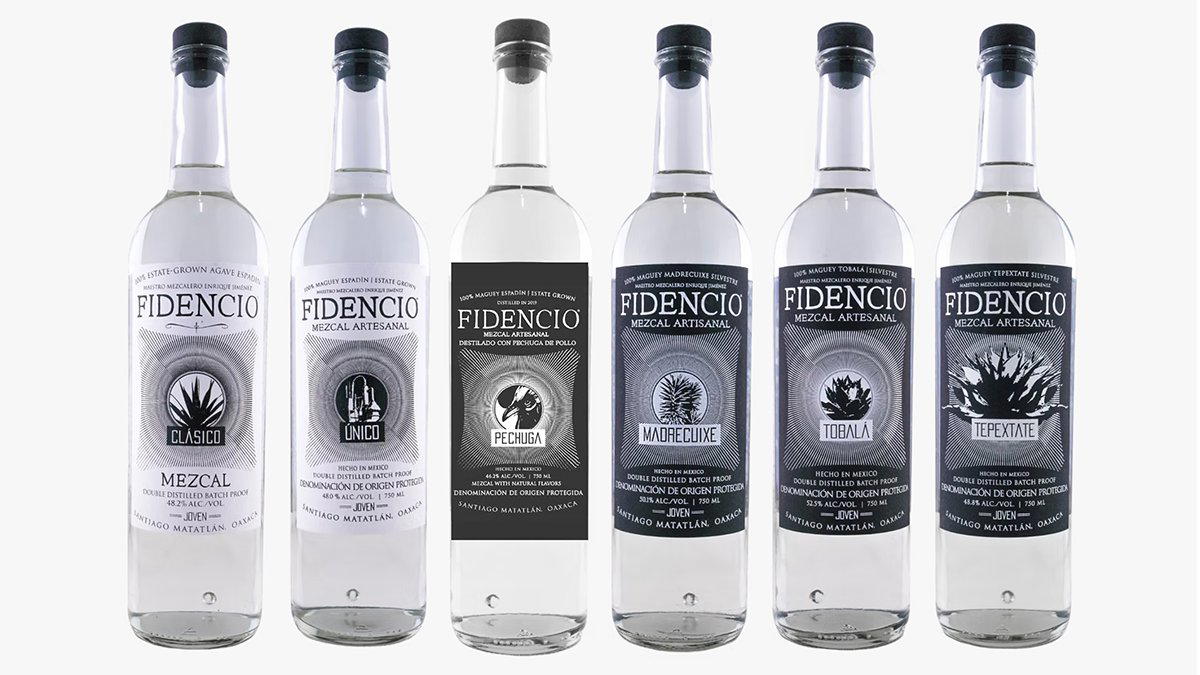
| Fidencio | Espadín, Maguey Mexicano | $30–50 | Santiago Matatlán |
| Macurichos | Winery | Not listed | Santiago Matatlán |
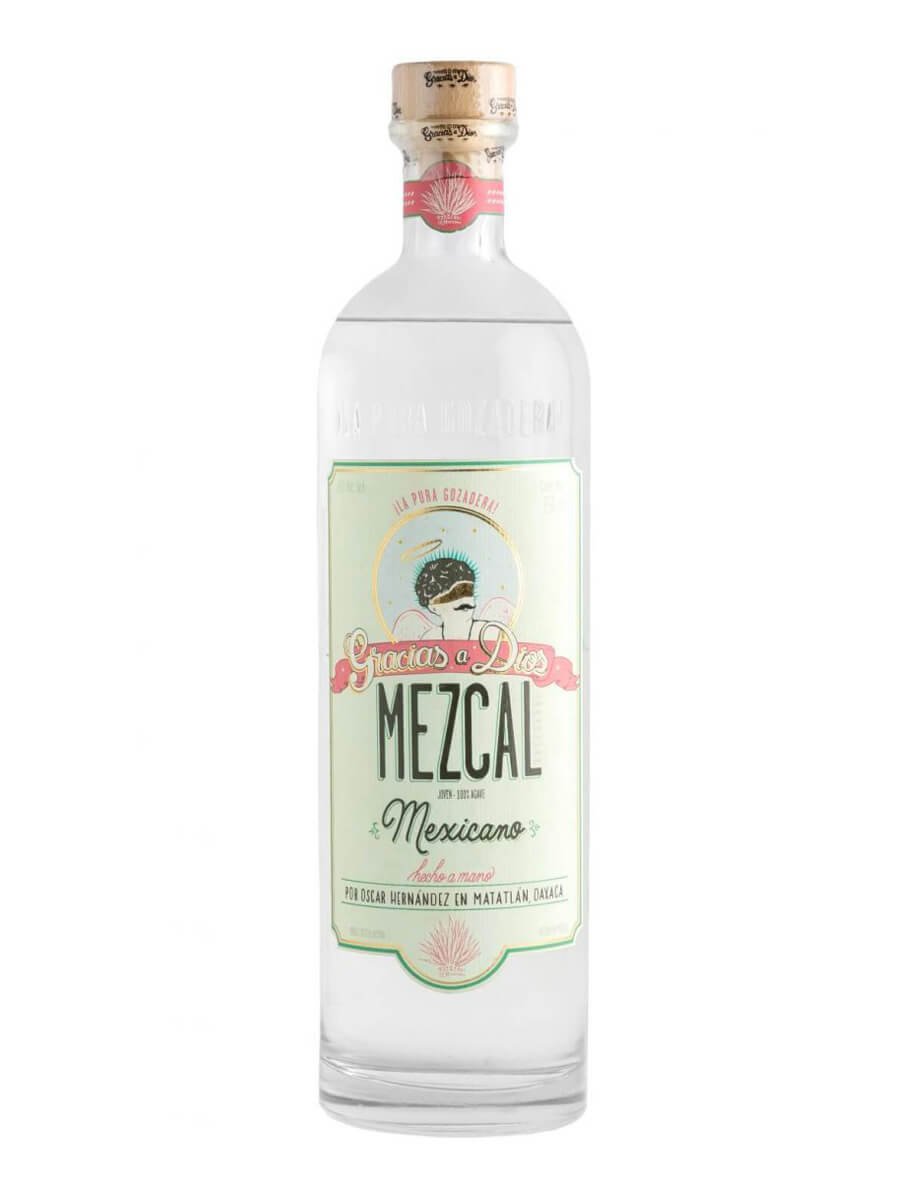
| Gracias a Dios | Espadín, Tobalá | Not listed | Santiago Matatlán |
Continue exploring
More in Santiago Matatlán
Wineries in Santiago Matatlán
Browse all →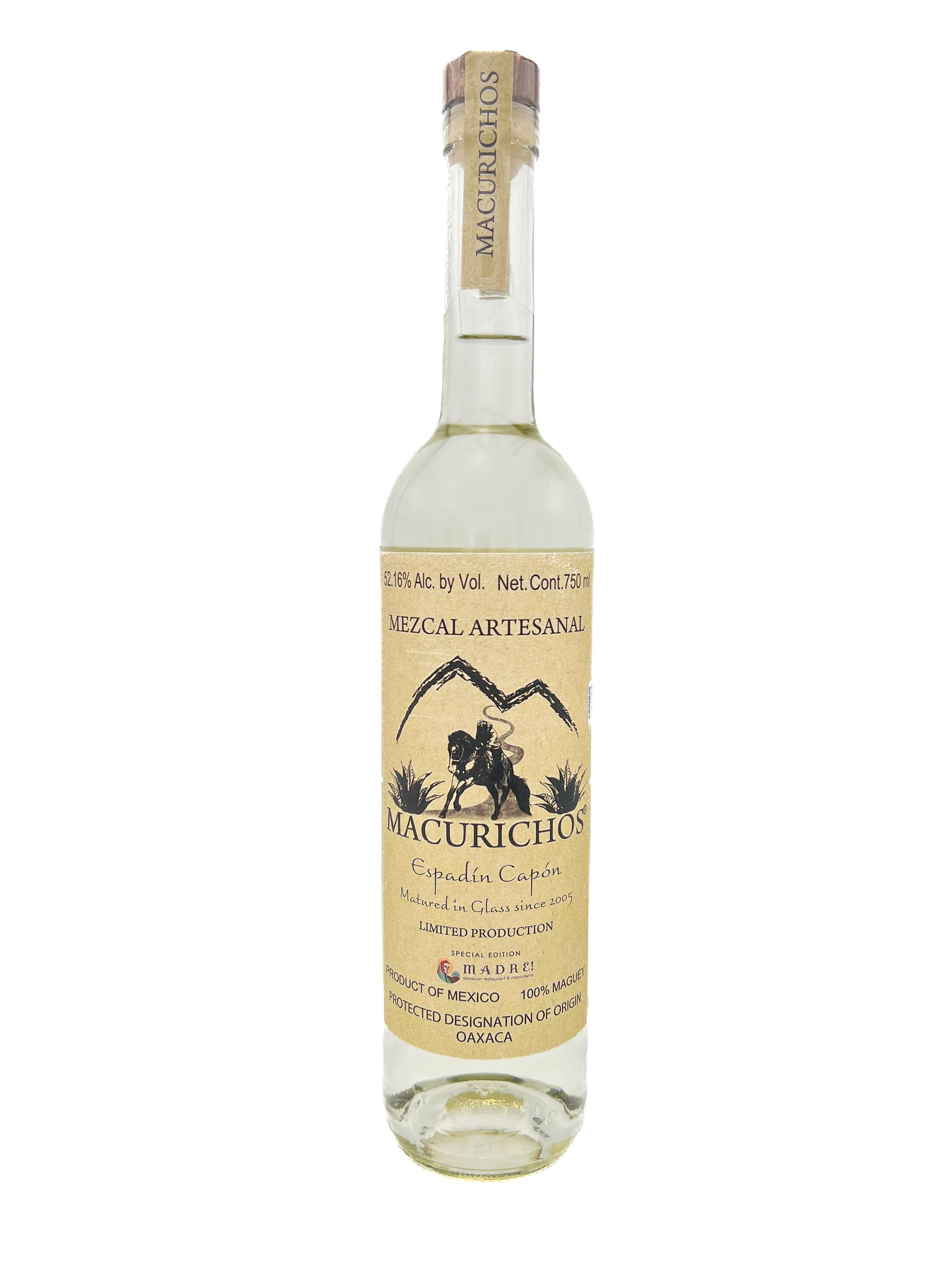
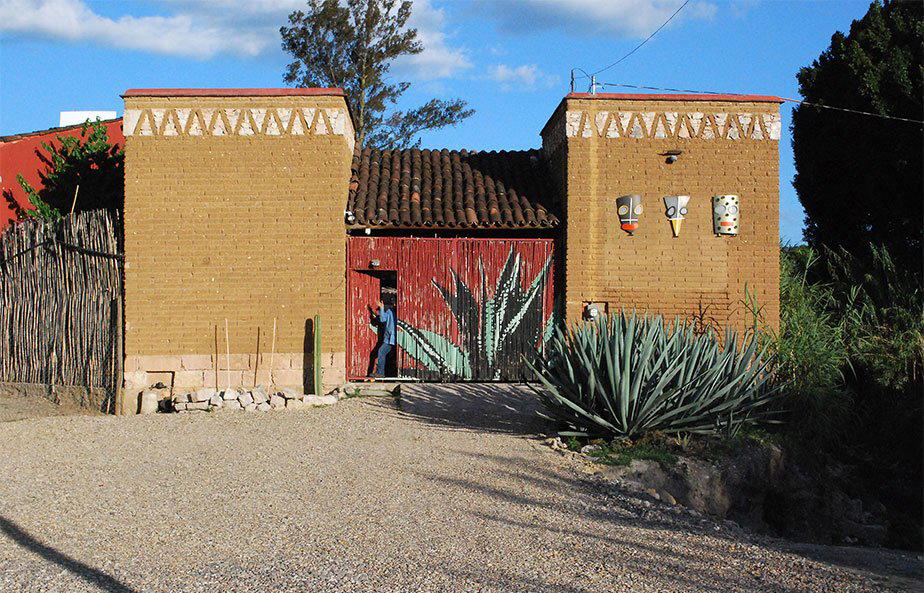
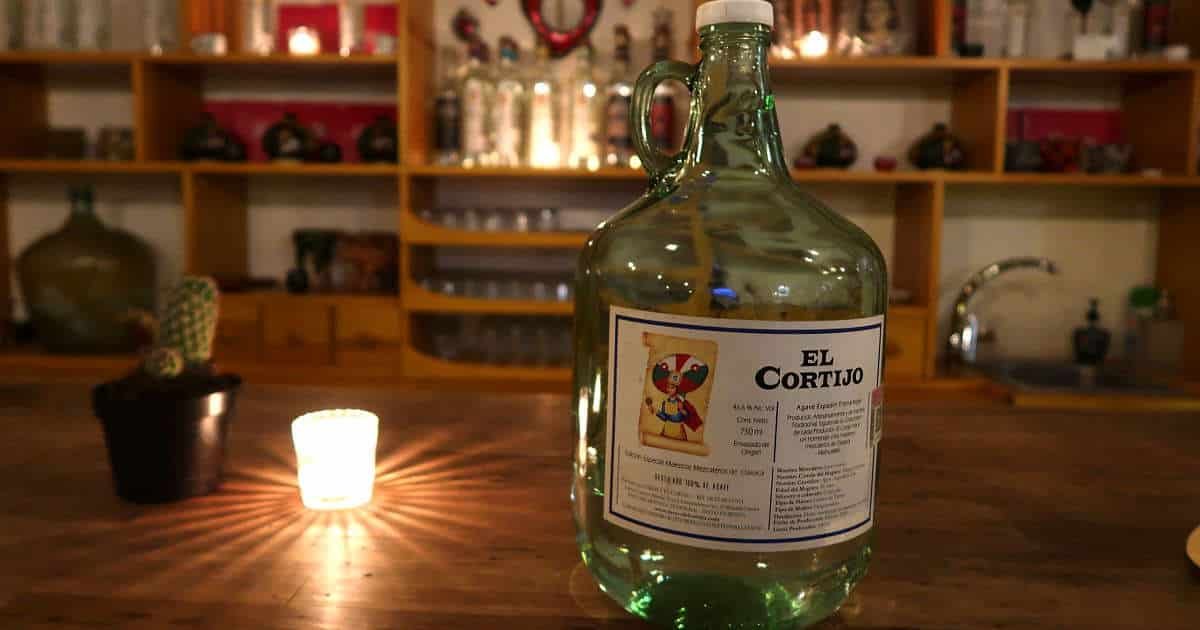
Bars in Santiago Matatlán
Browse all →
Restaurants in Santiago Matatlán
Browse all →
Details
- Rustic
- Classic
- Wine Education
- Vineyard Tour
- Estate Grounds
- Vineyard
- Espadín
- Tobalá
- Cuishe
- Pechuga
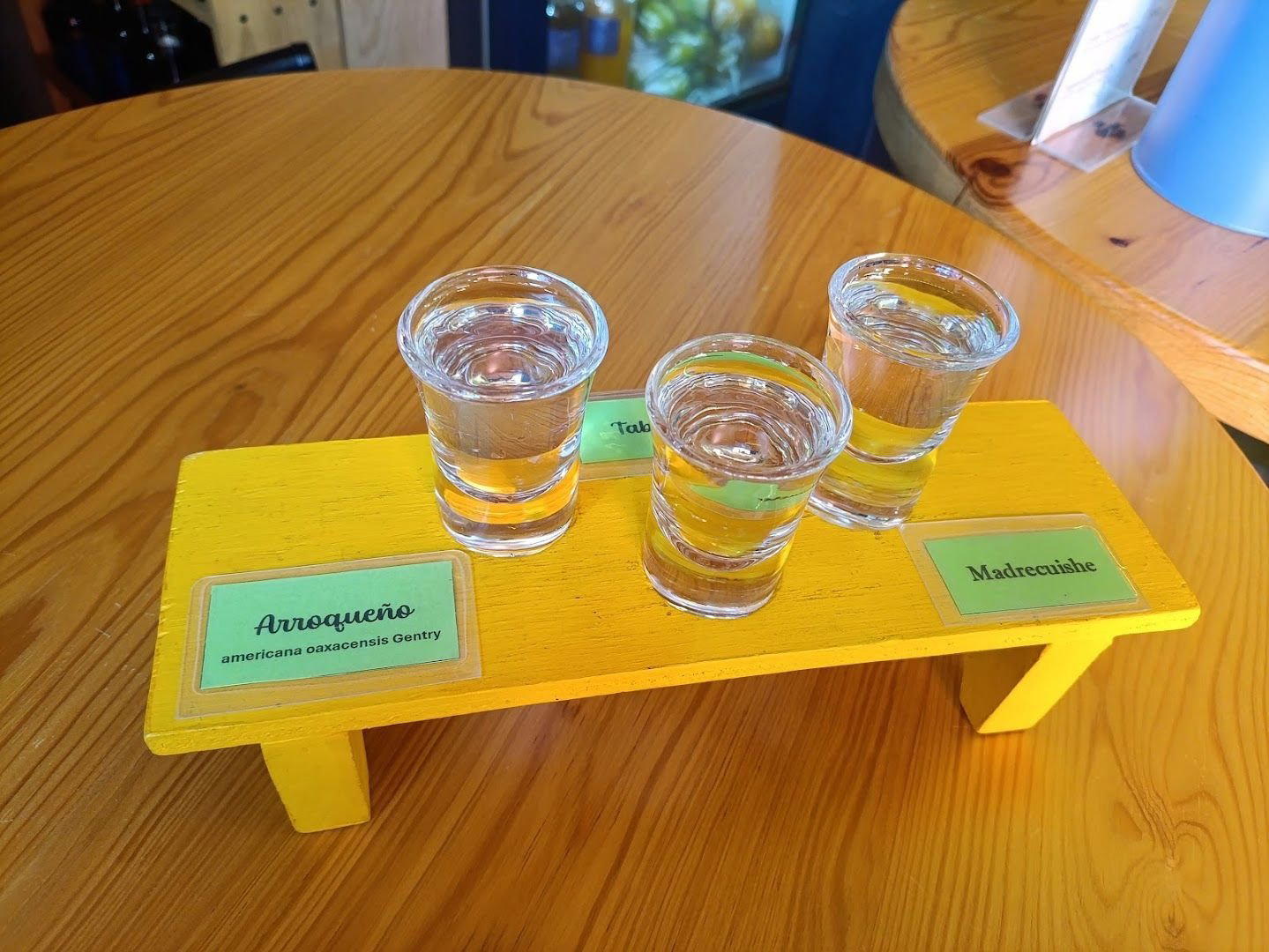
- Mezcal Tasting
- Spanish
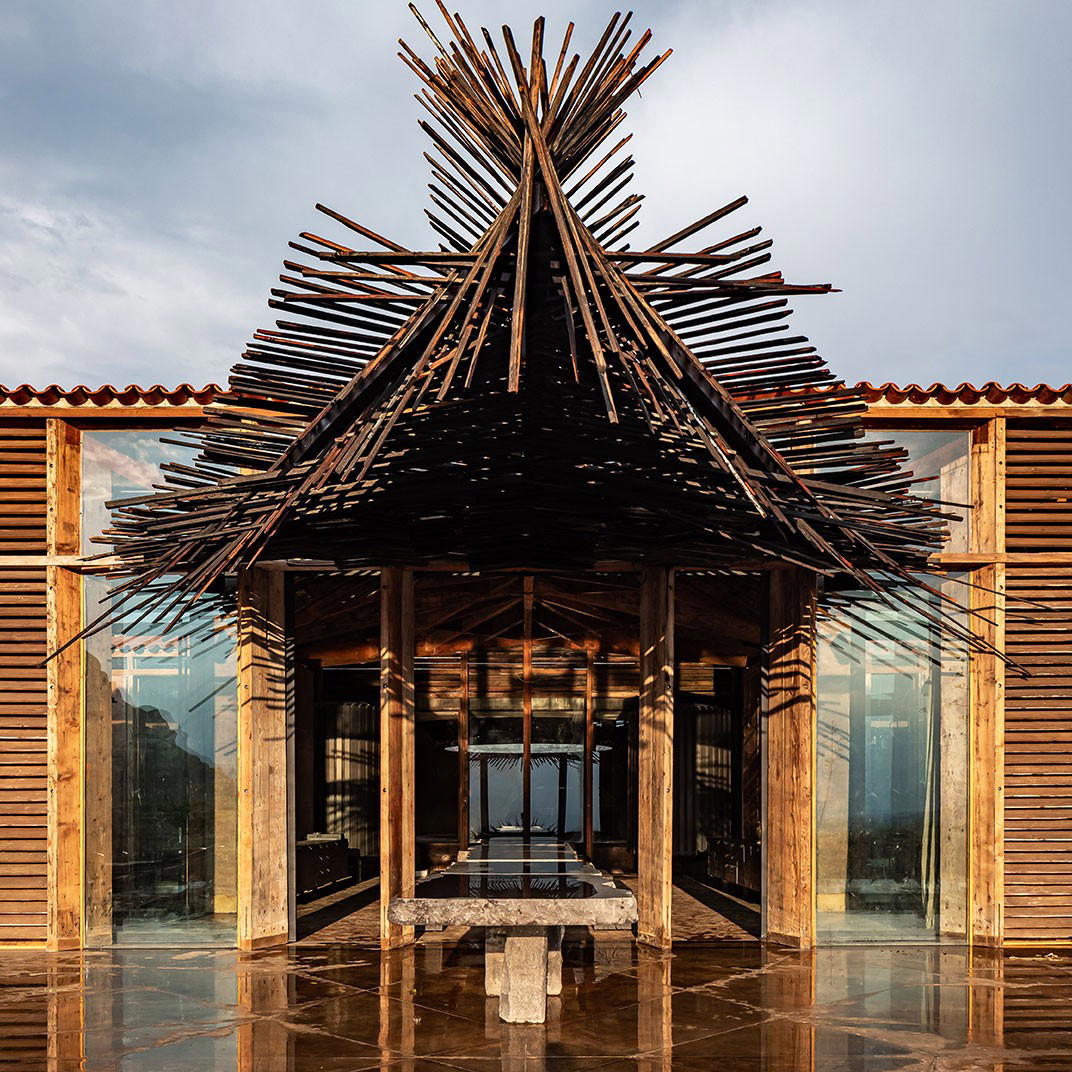
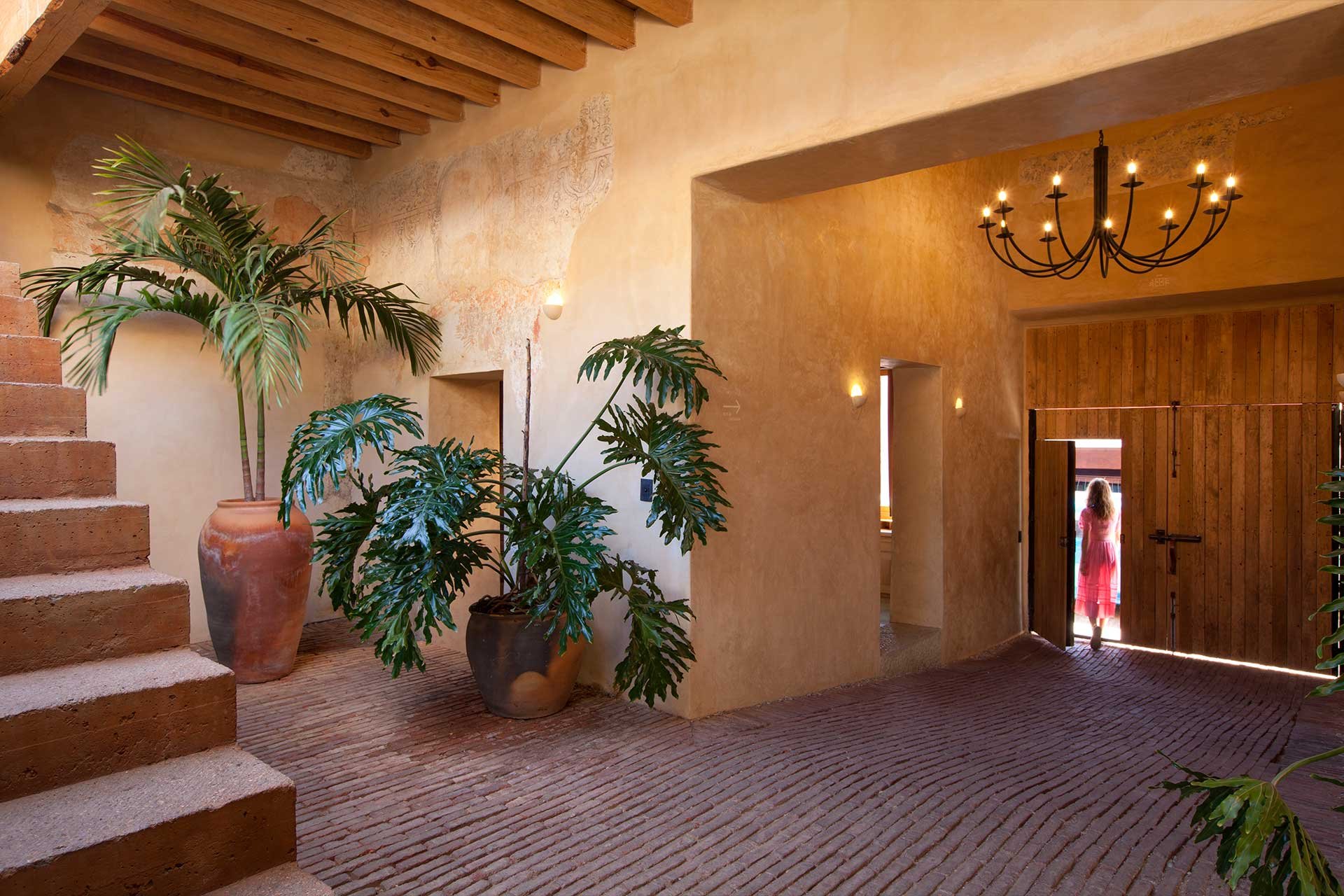
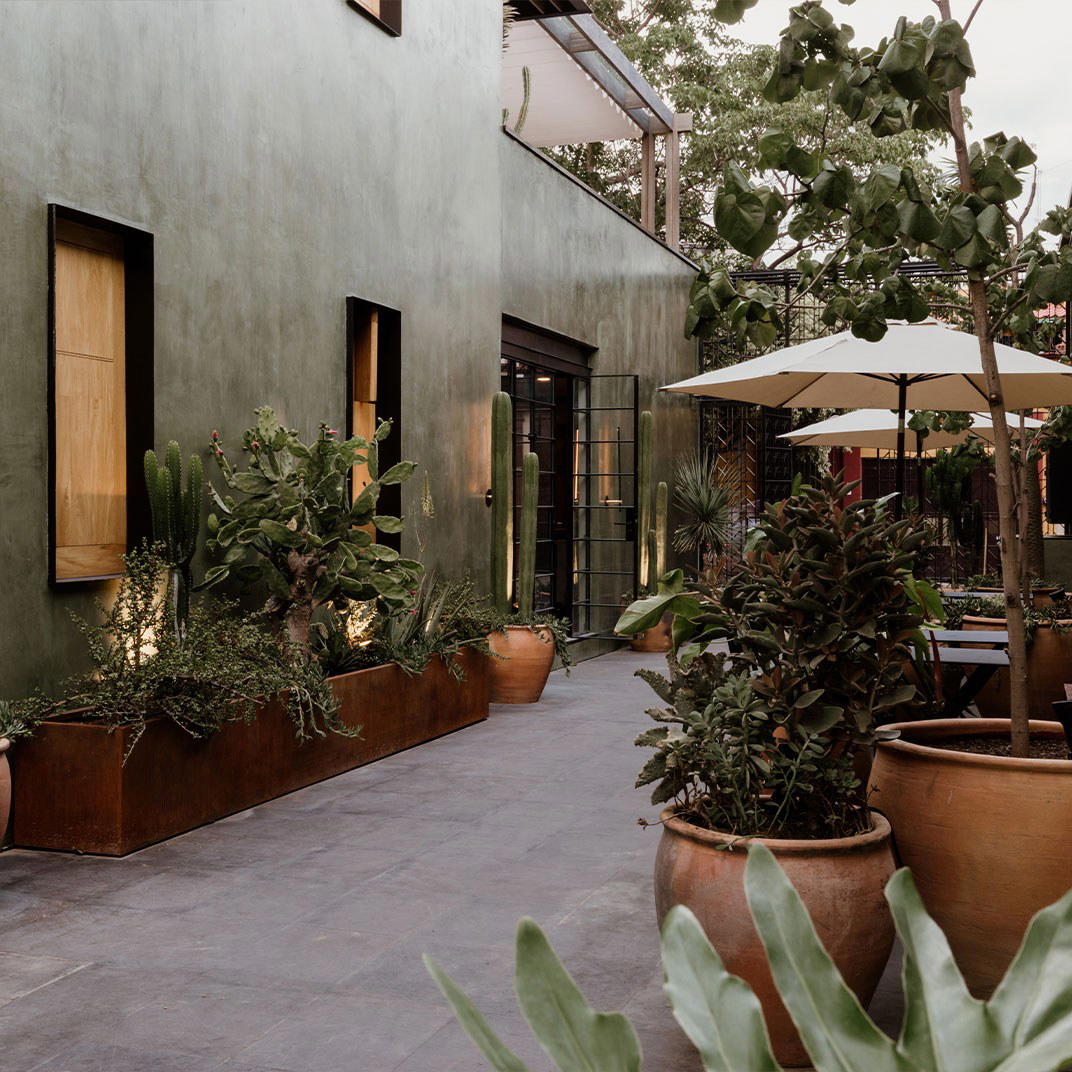
Rustic family-run distillery with a traditional, earthy atmosphere centered around the palenque and artisanal production.