
Casa Antonieta occupies a colonial address on Miguel Hidalgo 911 in Oaxaca City's Centro, where the architecture of the historic district sets the terms for how the property presents itself. For travelers drawn to the city's concentration of design-conscious boutique properties, it sits within a comparable set defined by spatial restraint and local craft rather than amenity volume. A considered base for those treating Oaxaca's built heritage as part of the stay itself.
Pearl is the En Primeur Club membership app — saves, bookings, and concierge access live there. Same editors, same standards.
- Address
- Miguel Hidalgo 911, Centro, 68000 Oaxaca de Juárez, Oax., Mexico
- Phone
- +52 951 688 8517
- Website
- casaantonieta.com
- Directions
- Get directions
 Saves & bookings on Pearl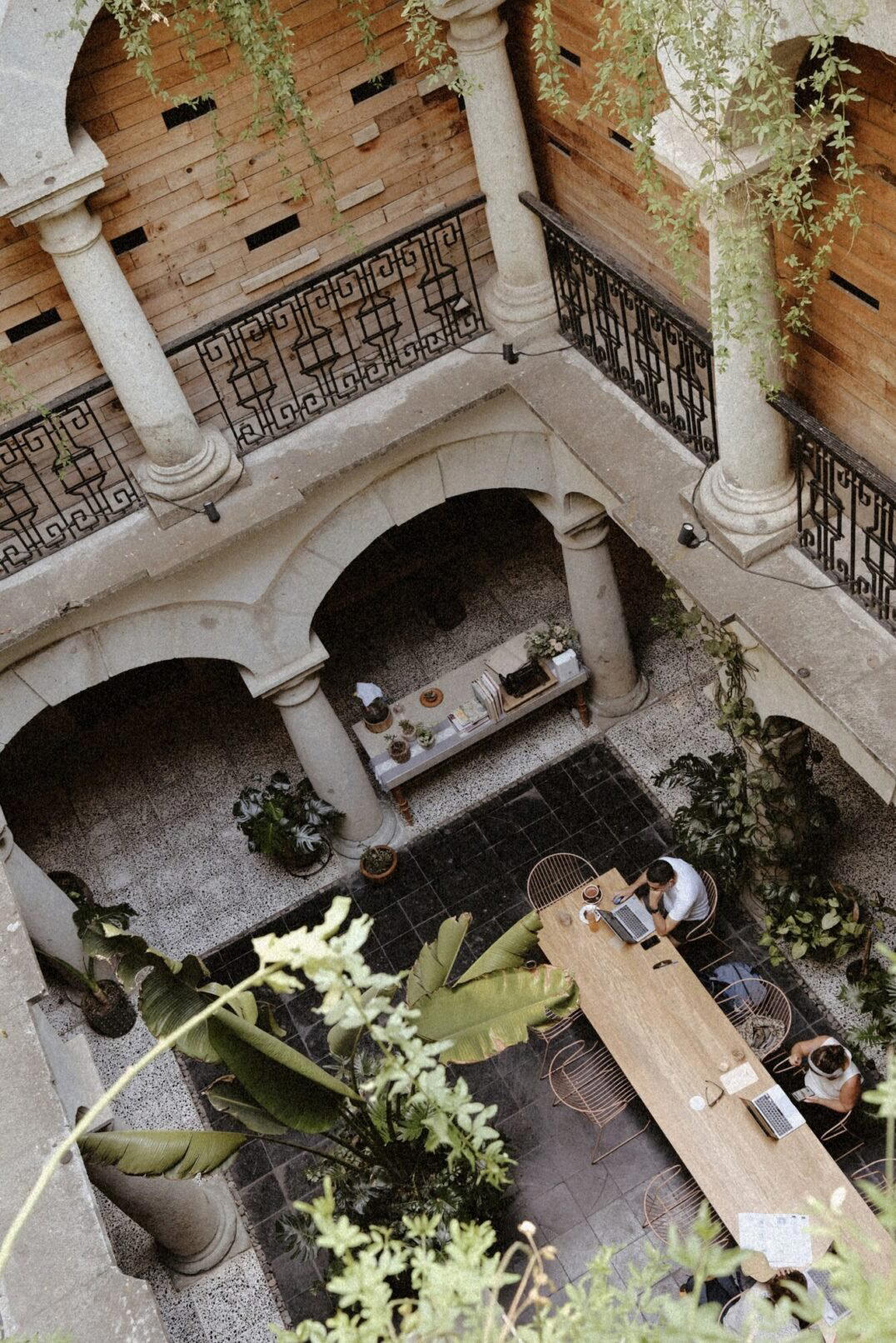
Stone, Light, and the Grammar of Oaxacan Colonial Space
Oaxaca City's Centro Histórico is one of Mexico's most coherent surviving examples of Spanish colonial urbanism, and the streets radiating from the Zócalo reward close attention to how buildings hold space rather than fill it. The address at Miguel Hidalgo 911 sits inside this fabric, where green cantera stone facades, interior courtyards, and thick load-bearing walls define the architectural vernacular more insistently than any designer intervention could. Casa Antonieta draws its identity from that inherited grammar. In a city where the built environment itself is the primary attraction, a property's relationship to colonial structure is the first editorial question worth asking.
Oaxaca's boutique accommodation sector has split over the past decade into two recognizable tendencies: properties that import a generic design-hotel language and apply it to colonial shells, and those that allow the existing spatial logic, the proportions of doorways, the depth of archways, the rhythm of courtyard columns, to remain the dominant aesthetic voice. The second approach is harder to execute and increasingly rare. It demands restraint in material selection and an understanding that a whitewashed wall with good light does more work than a gallery of decorative objects. Casa Antonieta's Centro address places it in territory where this tension is most legible; the surrounding blocks offer constant reference points for how well or badly colonial fabric can be absorbed into contemporary hospitality.
The Courtyard as Organizational Logic
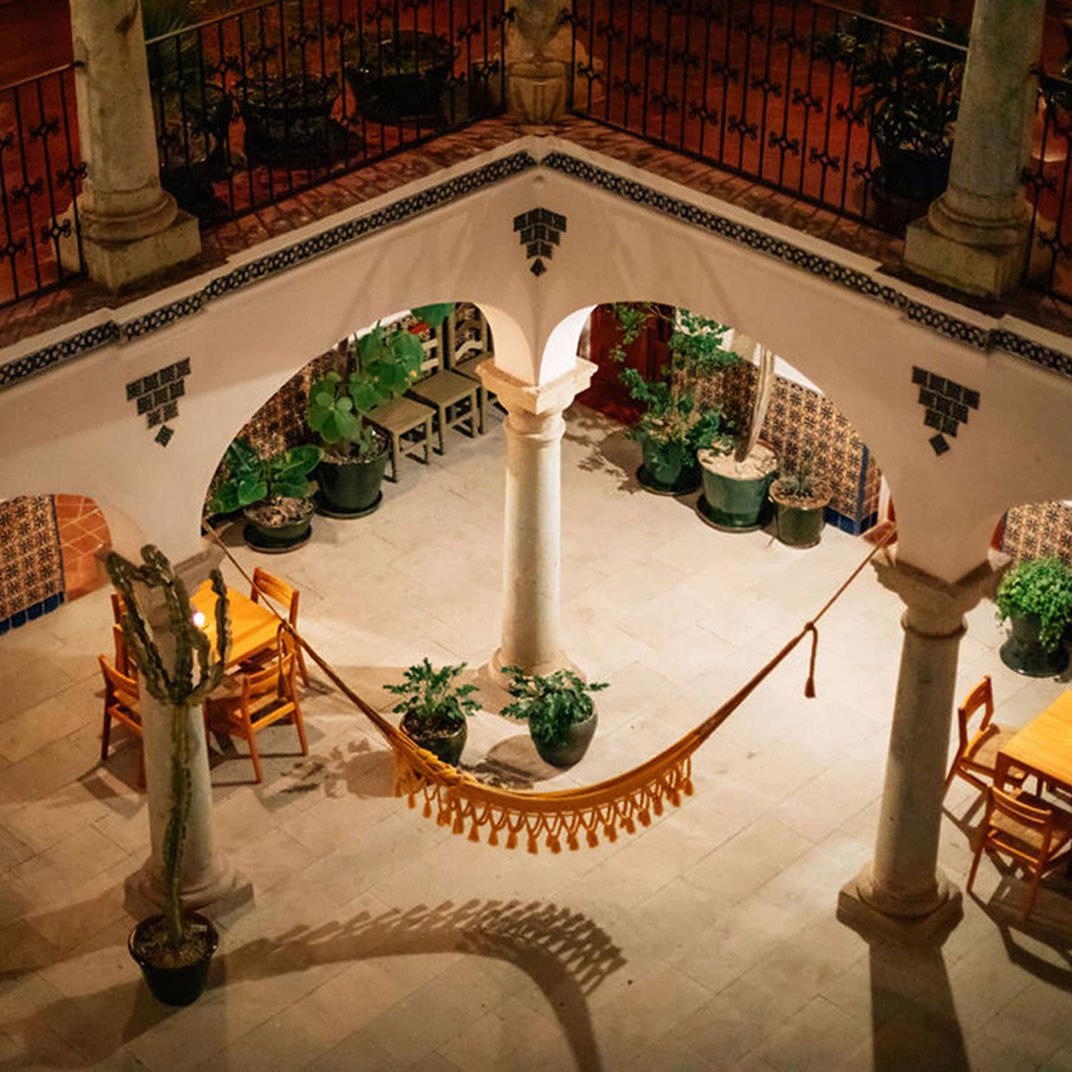
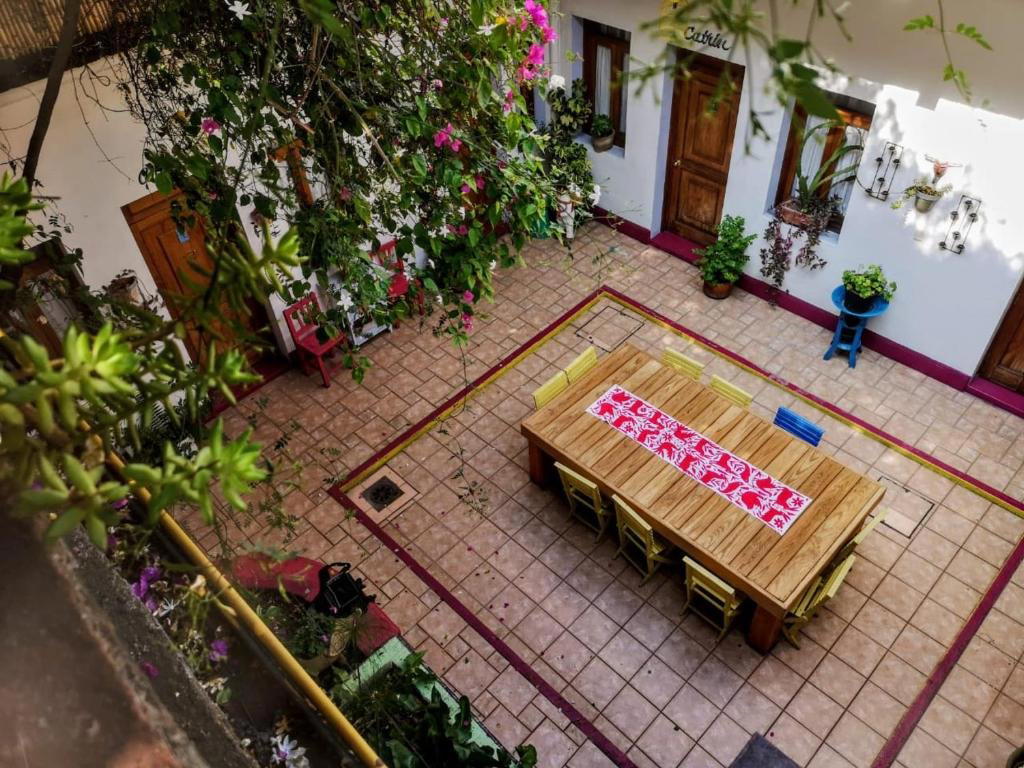
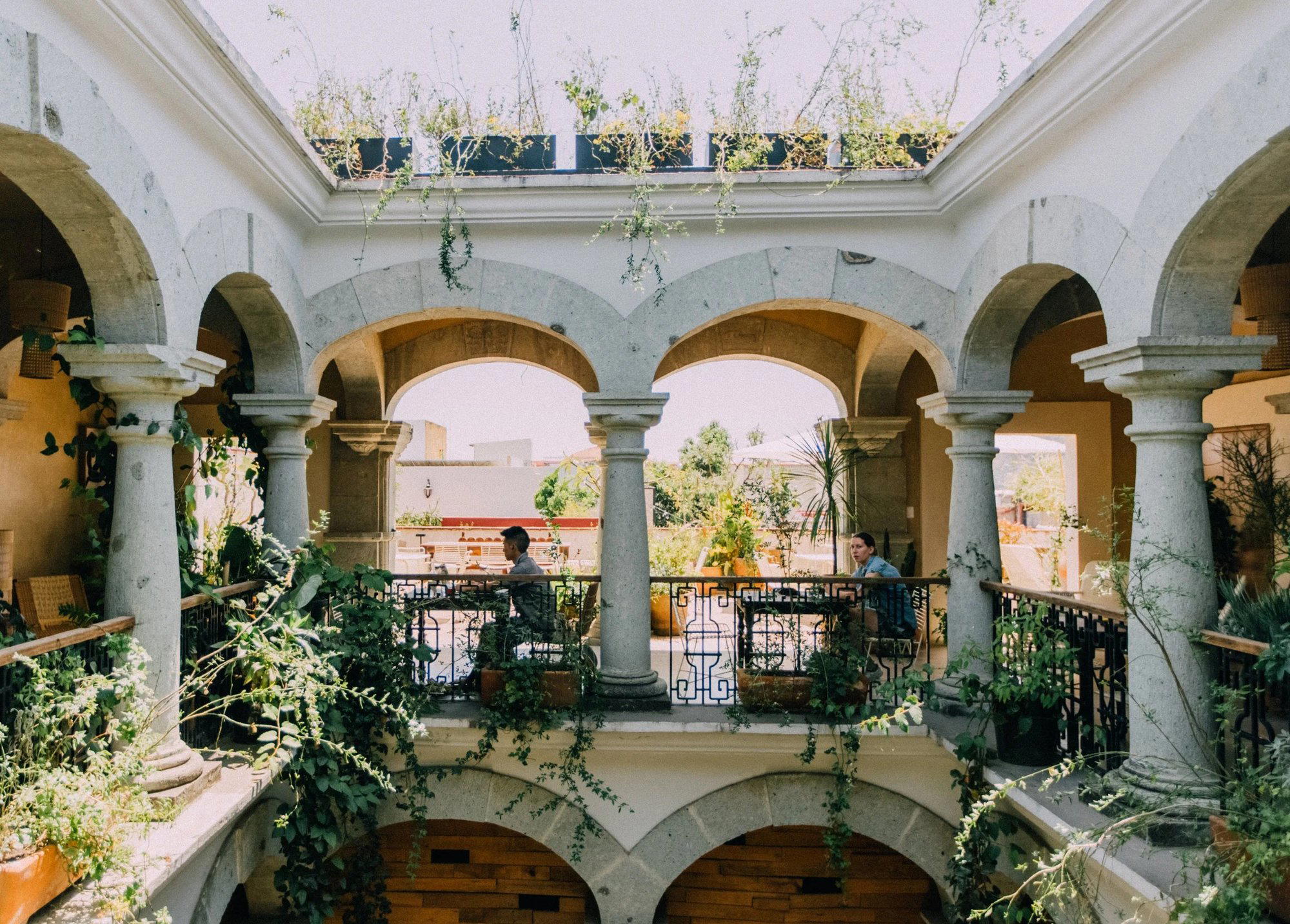
The courtyard is the central organizing device of Oaxacan domestic architecture, a spatial type inherited from Andalusian precedent and adapted over centuries to the high-altitude climate of the Central Valleys. At its most effective, the courtyard functions as a pressure-release valve between the noise of the street and the stillness of interior rooms, with a planted centre and shaded perimeter walkways that regulate temperature through mass rather than mechanical systems. Properties that preserve this logic intact offer a qualitatively different experience from those that have converted courtyards into lobby bars or glazed them over to create year-round event space.
In Oaxaca City, where daytime temperatures in the dry season frequently reach the low-to-mid twenties Celsius before dropping sharply after sunset, the thermal mass of colonial construction is not merely aesthetic, it is functional in a way that modern construction cannot easily replicate. The thickness of cantera walls and the orientation of interior rooms around a shaded court mean that the building itself mediates comfort. This is architecture as environmental system, and it is one reason why stays in genuinely preserved colonial properties in cities like Oaxaca feel substantively different from stays in purpose-built hotels, regardless of amenity count.
Miguel Hidalgo and the Centro's Accommodation Character
The streets immediately around the Zócalo and extending toward the Basilica de la Soledad concentrate Oaxaca's highest density of historically significant buildings alongside its most active cultural programming. For travelers whose primary interest is the city's food markets, textile workshops, mezcal culture, and ceramic traditions, a Centro address collapses walking distances to near zero. The Mercado Benito Juárez, the 20 de Noviembre market, and the main concentration of mezcalerías are all reachable on foot from Miguel Hidalgo 911 without crossing major arterials. This matters in a city where the texture of movement between neighborhoods is itself part of the experience.
The Centro's boutique properties share a competitive context defined by architectural pedigree and location rather than pool decks or spa facilities. Properties like Casa Oaxaca Hotel and Casa de Siete Balcones Hotel Boutique have established a comparable set in which spatial quality and cultural integration carry more weight than brand recognition. Casa de las Bugambilias B&B; occupies a similar register at a more accessible price point. Outside the Centro proper, options like Hotel Hacienda Los Laureles Spa and Hotel Escondido offer more expansive grounds and facilities at the cost of walkability, while El Diablo y la Sandia, Libres and Hotel Azul occupy different character niches within the broader Oaxaca accommodation picture.
Oaxaca in the Broader Frame of Mexican Design Hospitality
Oaxaca occupies a distinctive position within Mexico's premium hospitality geography. Where coastal properties like Hotel Esencia in Tulum, One&Only; Mandarina in Riviera Nayarit, or Maroma in Riviera Maya compete on landscape and amenity, and heritage cities like San Miguel de Allende anchor properties such as Casa de Sierra Nevada, A Belmond Hotel in colonial grandeur with international-brand backing, Oaxaca's boutique sector has remained largely independent and architecturally intimate. The city's UNESCO recognition for its historic center and pre-Hispanic archaeological zone at Monte Albán signals the preservation framework that shapes what properties can and cannot do to their inherited structures. That constraint has, in practice, acted as a quality filter: it limits the kind of disruptive renovation that produces generic results and keeps the emphasis on spatial quality over added amenity layers.
Mexico City's design-led boutique tier, represented by properties like Casa Polanco, operates in a different register, competing on neighborhood cachet and contemporary programming. In Los Cabos, Zadun, A Ritz-Carlton Reserve, Las Ventanas al Paraíso, A Rosewood Resort, and Montage Los Cabos compete on resort scale. Oaxaca's boutique properties, by contrast, compete on cultural density and architectural authenticity, which makes the comparison set genuinely different from any other Mexican destination.
Planning a Stay
Oaxaca City sits at approximately 1,550 meters above sea level, which moderates temperatures year-round but produces cold evenings even in the dry season months of November through April. Travelers with flexibility will find March, April, and November outside the Day of the Dead spike to offer the clearest access and most reasonable lead times for bookings across Centro properties.
Comparable Venues
Comparable venues nearby, for context on price, style, and recognition.
| Venue | Cuisine | Price | Awards | Notes |
|---|---|---|---|---|
| Casa AntonietaThis venue — the venue you are viewing | Historic colonial mansion with contemporary boutique hospitality. | $$$ | 4-Star | Not listed |
| Casa de Siete Balcones Hotel Boutique | Colonial-era boutique hotel with traditional Oaxacan design and modern amenities, positioned as a romantic and intimate retreat in the historic center. | $$$ | 4-Star | 2006700010204 |
| Majagua Hotel Boutique | Adults-only boutique hotel in a restored midcentury Art Deco mansion in Oaxaca’s historic center. | $$$ | 4-Star | Centro Histórico |
| Casa de las Bugambilias B&B | Contemporary minimalist design honoring traditional Oaxacan colonial architecture with modern artistic sensibility. | $$ | 4-Star | 2006700010897 |
| Grana B&B | Historic 18th-century residence with modern updates | $$$ | 3-Star | 2006700010204 |
| Flavia Hotel | Brutalist boutique hotel harmonizing with natural surroundings on mountain slopes. | $$$ | 5-Star | 2006700010331 |
Recognition history
Dated appearances from independent guides and award organizations, with the underlying list record or original source where available.
Michelin Selected
Michelin
Continue exploring
More in Oaxaca
Hotels in Oaxaca
Browse all →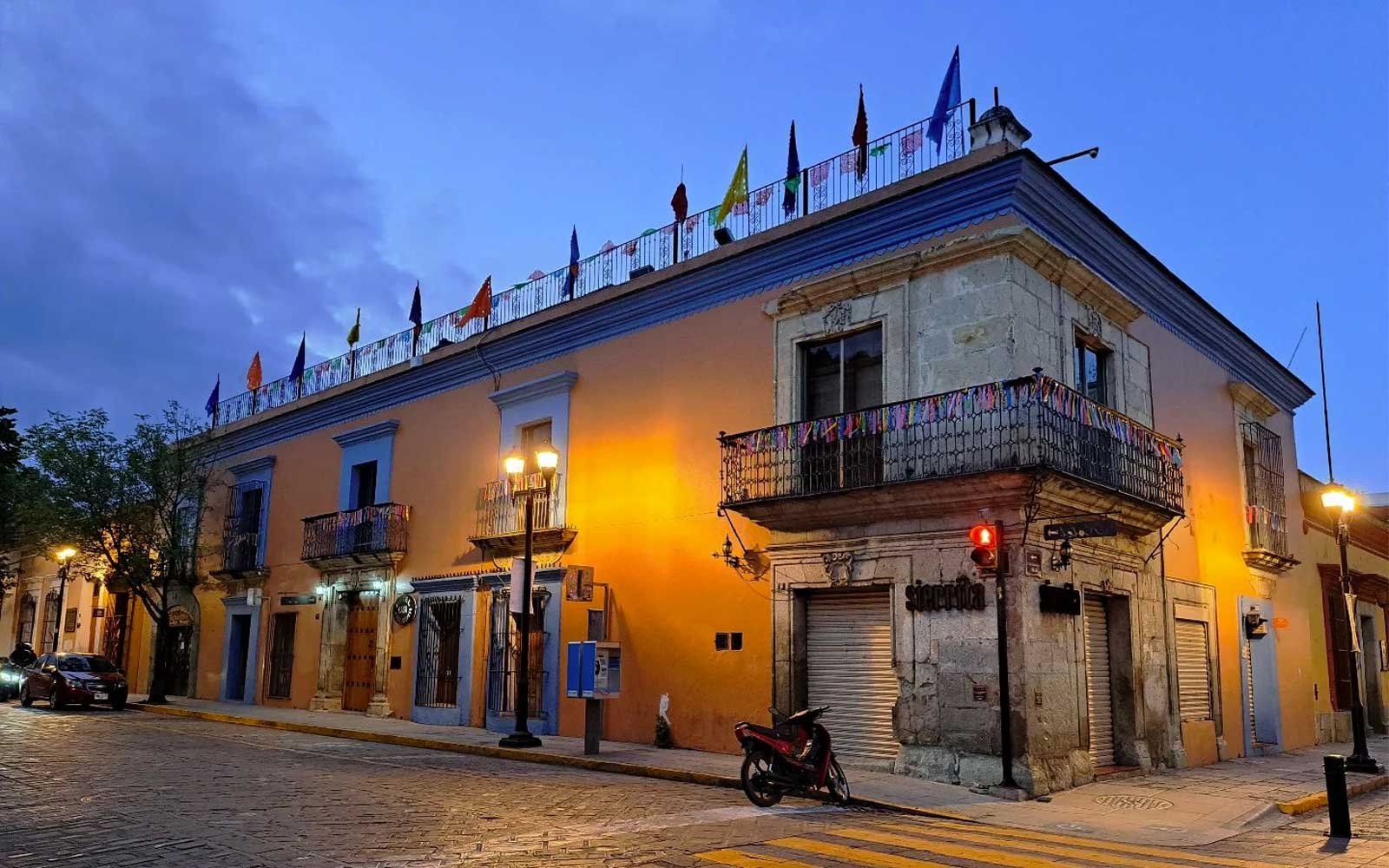
Bars in Oaxaca
Browse all →
Restaurants in Oaxaca
Browse all →
At a Glance
- Quiet
- Elegant
- Cozy
- Intimate
- Rustic
- Scenic
- Romantic Getaway
- Weekend Escape
- Terrace
- Historic Building
- Wi Fi
- Air Conditioning
- Room Service
- Concierge
- Laundry Service
- Wi Fi
- Air Conditioning
- Room Service
- Concierge
- Laundry Service
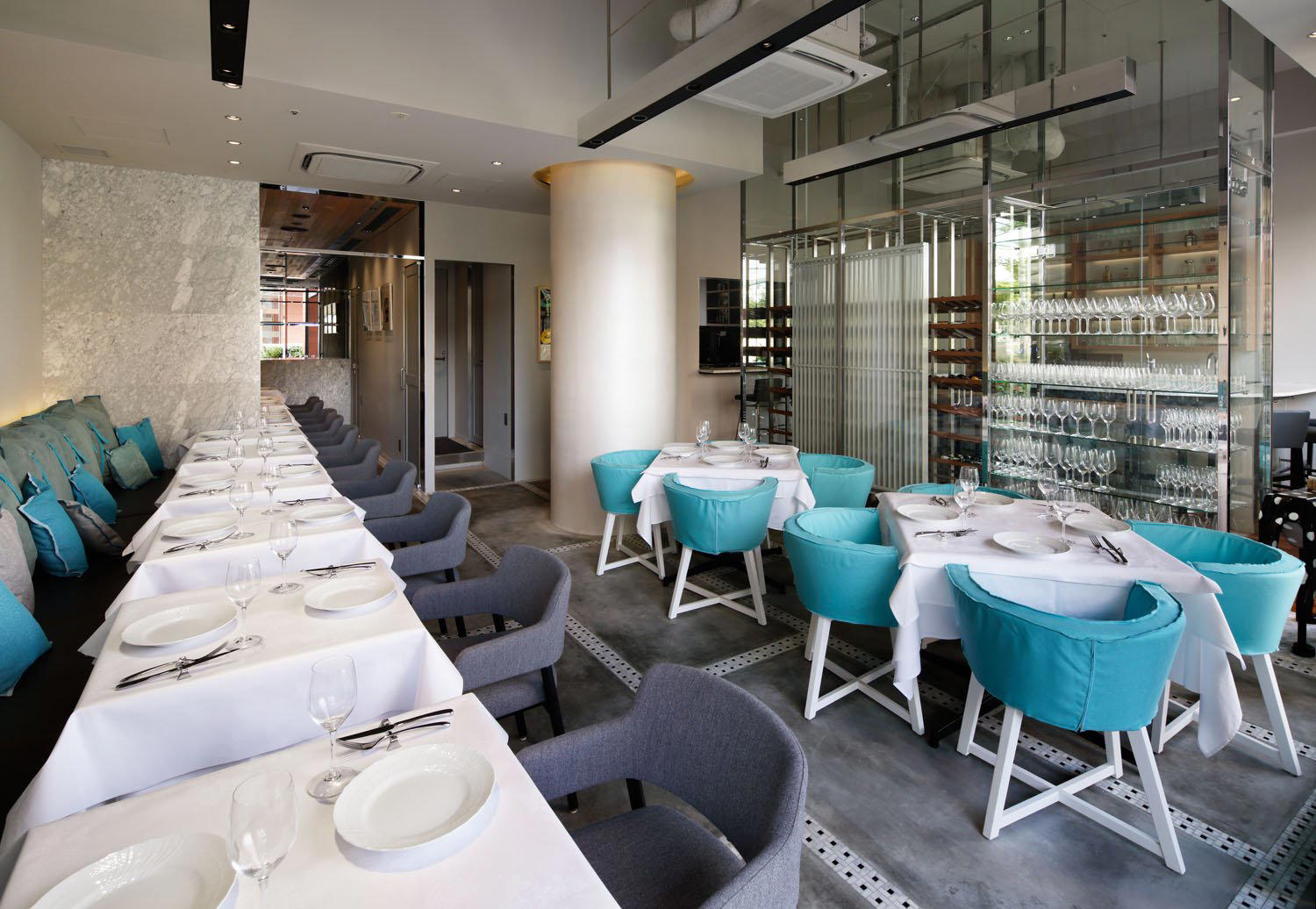
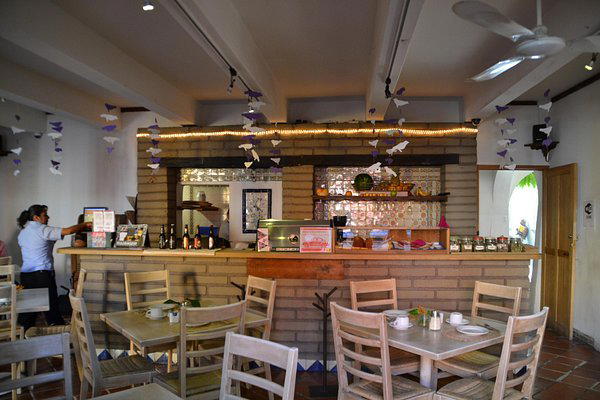
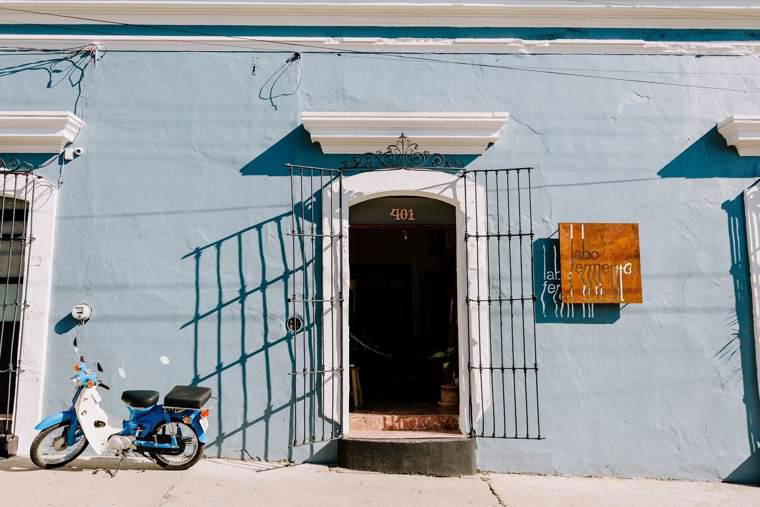
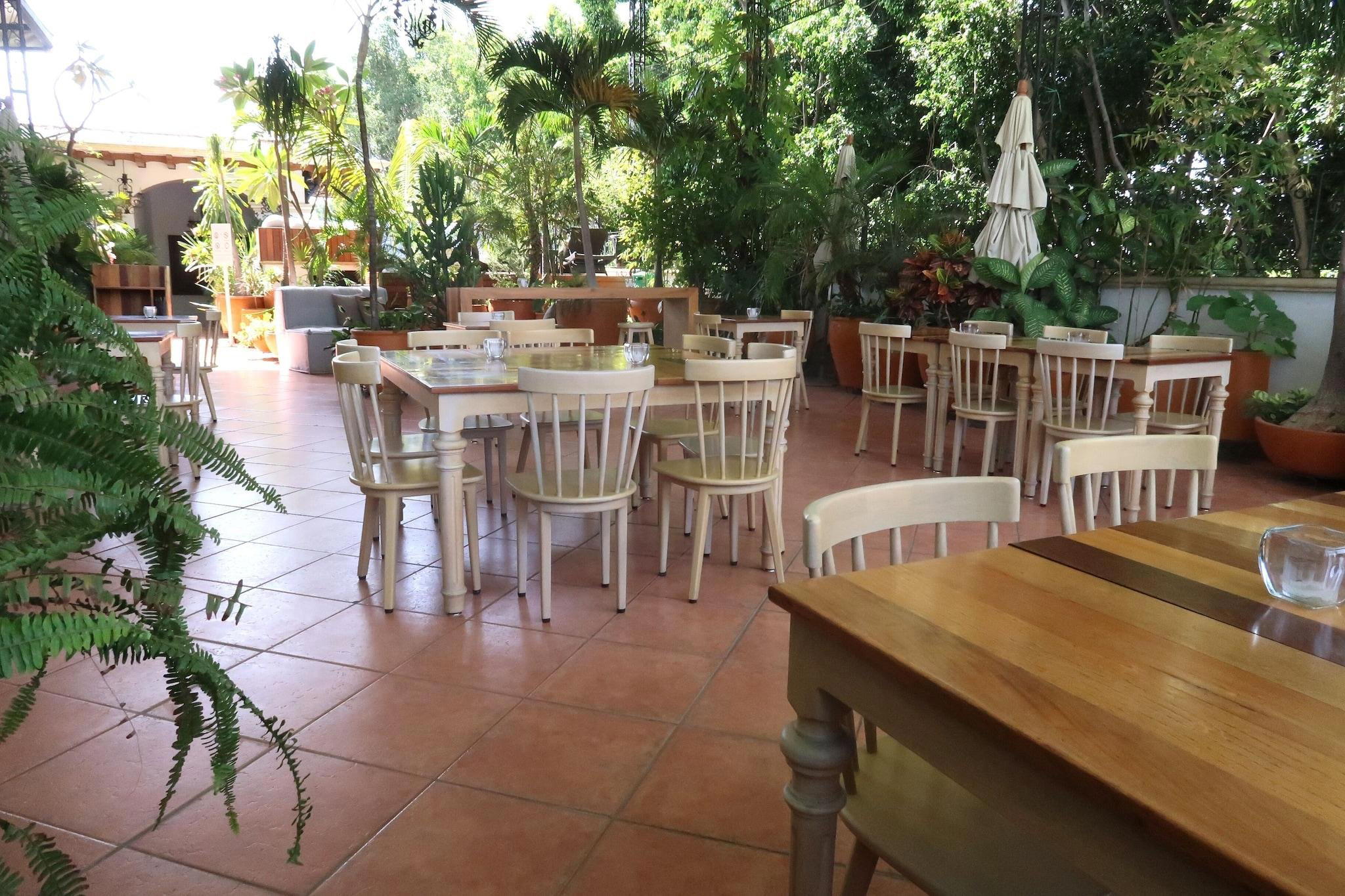
Tranquil oasis with light-filled marble courtyard, lush greenery, graceful arches, and a restful atmosphere away from city noise.