Gracias a Dios
Gracias a Dios sits at the heart of Santiago Matatlán, the Oaxacan valley town that produces more mezcal by volume than anywhere else in Mexico..

Pearl is the En Primeur Club membership app — saves, bookings, and concierge access live there. Same editors, same standards.
- Address
- Independencia S/N, 70440 Santiago Matatlán, Oax.
- Phone
- +52 442 789 9924
- Website
- thankgad.com
- Directions
- Get directions
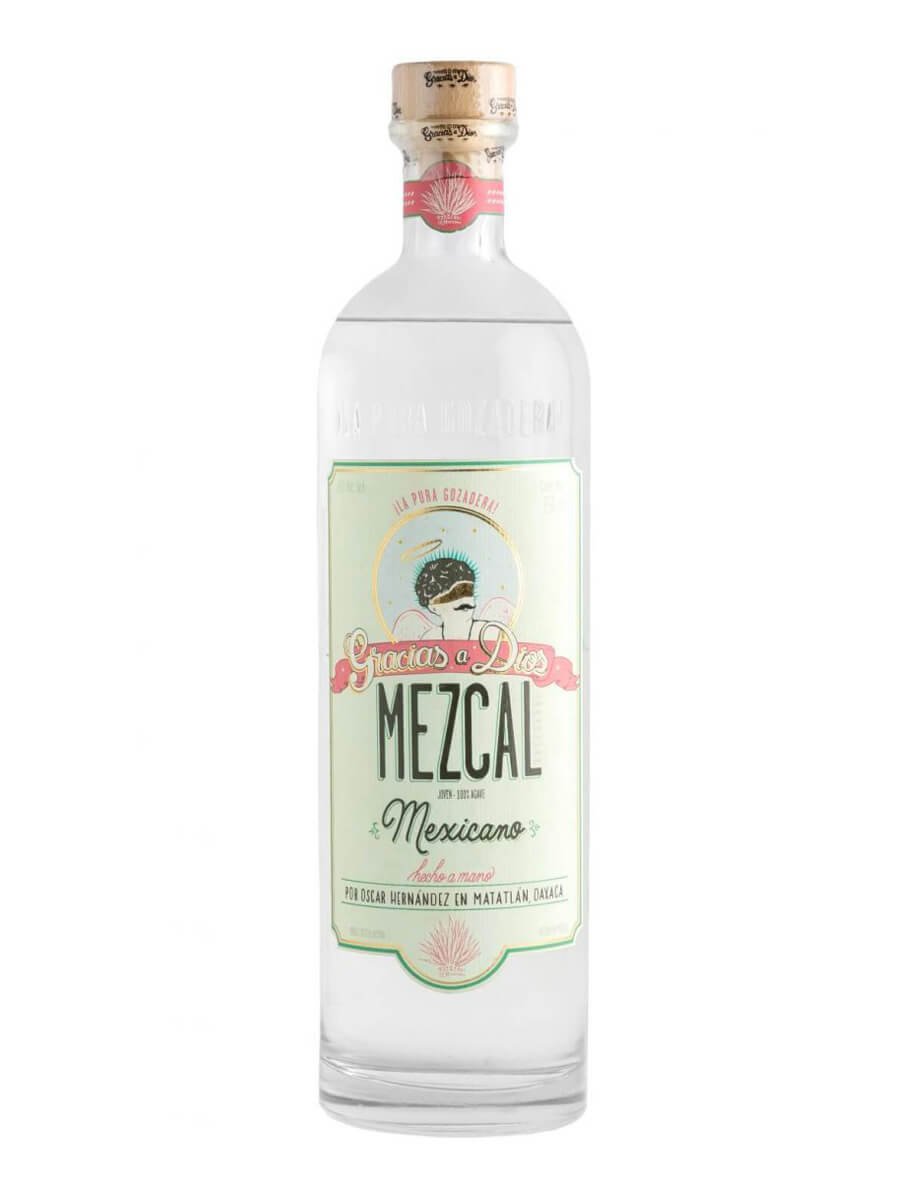
The Ground Mezcal Comes From
Santiago Matatlán carries a designation that few small towns anywhere hold: it is formally recognised as the world's mezcal capital, a title backed by the concentration of palenques, the density of agave fields across the surrounding valley, and the generations of Zapotec families whose production knowledge predates the category's current international profile by centuries. The road into town passes agave plots at every angle, the spiky rosettes of espadín crowding the roadsides while older, slower-maturing varieties occupy higher ground. This is the physical context in which Gracias a Dios operates, and it matters: the terroir argument in mezcal begins with soil and elevation, and Matatlán's valley floor, sitting at roughly 1,500 metres, gives a base character distinct from the higher palenques of San Luis del Río or the coastal humidity of Miahuatlán.
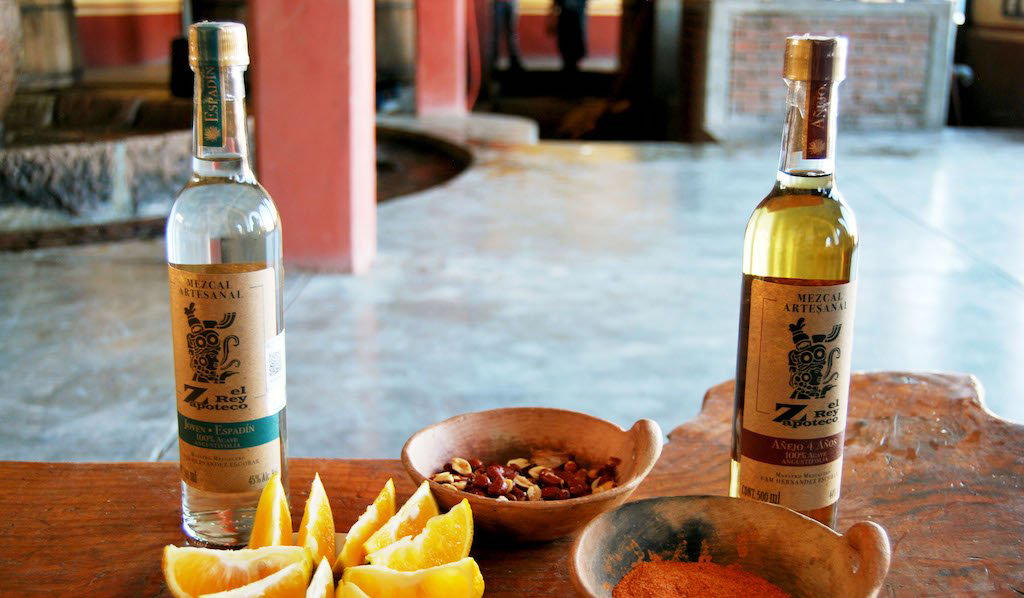
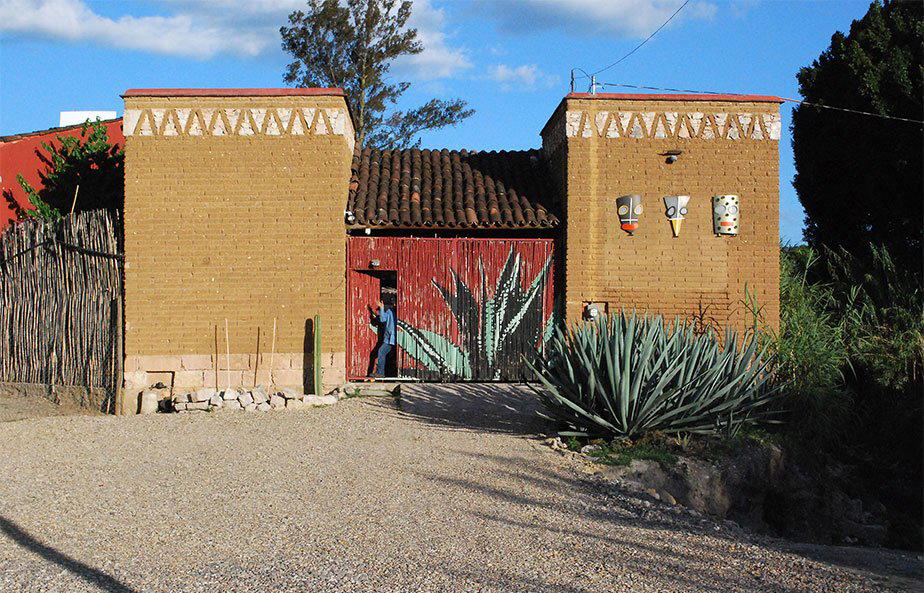
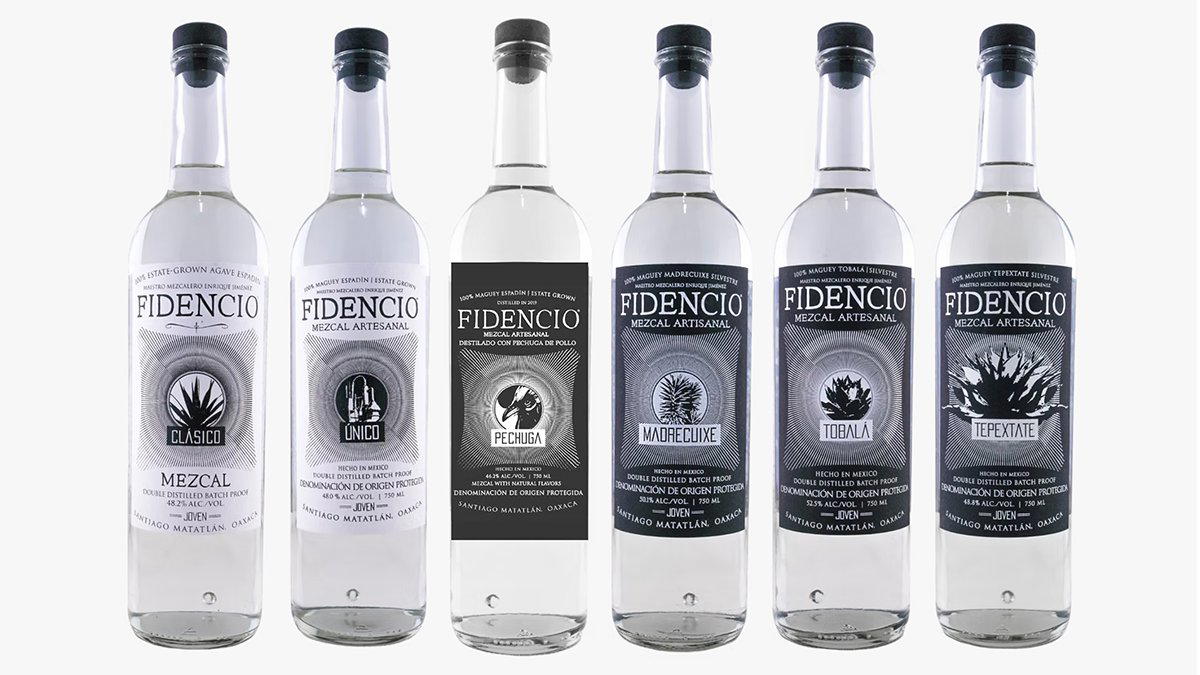
The mezcal producers along Calle Independencia, the address where Gracias a Dios is found, operate in close proximity to one another. Los Danzantes and El Rey Zapoteco have built visible, internationally recognised presences nearby, and Fidencio and El Cortijo (palenque) represent the range of production philosophies operating within the same postcode.
Agave as Agriculture, Not Ingredient
The sustainability argument in mezcal is more pressing than in almost any other spirits category, and the reason is biological. Agave plants used for mezcal are monocarpic: they flower once and die, meaning distillation ends the plant's reproductive cycle. Traditional production, at its most responsible, builds replanting and wild seedling preservation into the process from the outset rather than treating them as optional environmental credits applied after the fact.
Espadín, the variety that dominates Matatlán production, can be cultivated with a four-to-eight year maturation window and managed as a crop with responsible yield rotations. The rarer varieties — tobalá, tepeztate, sierra negra, require twelve to thirty-five years to reach maturity and cannot be cultivated at scale without generational commitment. Producers who work with these varieties are making claims not just about flavour but about land stewardship, because the cost of depleting wild populations is measured in decades, not seasons. Across the valley, the better-regarded palenques have moved toward in-house agave nurseries, seed bank programmes, and explicit replanting ratios as a standard part of their identity rather than a premium add-on. Ilegal (Palenque Mal de Amor) represents another variant of this local production model, demonstrating how differently the same geographic base can be interpreted when prioritisation shifts.
For the visitor arriving at a Matatlán palenque, the sustainability of any given producer is visible in physical form: the state of the agave nursery, whether mature plants are left to flower and seed before cutting, the volume of wild versus cultivated stock going into the pit. These are observable signals, not documents to request. A palenque with rows of young agave starts in propagation beds is making a statement about its time horizon that goes well beyond the current vintage.
The Production Logic of the Palenque
The physical sequence of mezcal production is most legible when seen in a working palenque rather than described abstractly. The pit oven, typically two to three metres deep and lined with volcanic rock, is where harvested piñas spend three to five days roasting over hardwood coals. This is where the smoky character that defines Oaxacan mezcal originates, not added, not approximated, but the chemical result of slow underground roasting in rock-held heat. The specific wood used, the depth of the pit, and the cooling time all influence the final character of the spirit in ways that laboratory analysis can approximate but that experienced tasters still read intuitively.
After roasting, the piñas are crushed, traditionally by a tahona, a large stone wheel pulled by horse or mule, though some producers use mechanical crushing. Fermentation happens in open wooden or animal-hide vats, exposed to ambient wild yeasts that differ from one palenque to the next and from one season to another. The distillation, typically double-distilled in clay or copper pot stills, completes a process in which human decision-making intersects with environmental variables at every stage. The resulting spirit is site-specific in a sense that industrial spirits cannot replicate by definition.
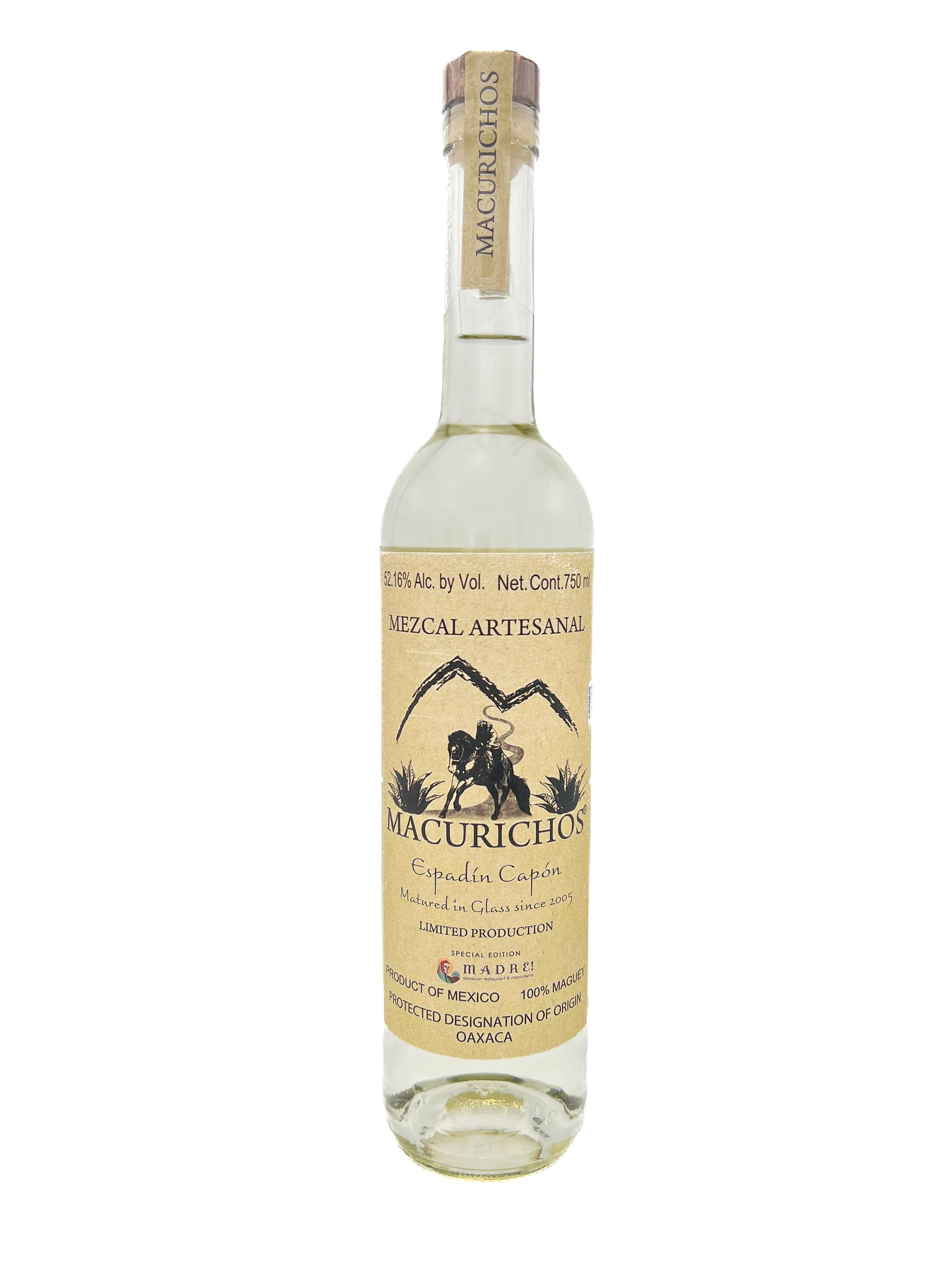
Gracias a Dios occupies this same production tradition. The comparison tier includes not just local producers like those linked above, but the wider Mexican spirits industry: operations like Jose Cuervo (La Rojeña) in Tequila and La Primavera (Don Julio) in Atotonilco El Alto represent the industrial-scale agave spirits model against which artisanal Oaxacan mezcal defines its identity.
Matatlán in the Broader Mezcal Region
Santiago Matatlán sits within a production ecosystem that extends across Oaxaca's central valleys and into neighbouring regions. Banhez (UPADEC cooperative) in San Miguel Ejutla and Casa Cortés – La Soledad Palenque in La Compañía (Ejutla) show how production character shifts even within a short geographical range, with different agave species compositions and elevation profiles shaping the spirit in distinct directions. Further out, Don Amado (Arellanes family) in Santa Catarina Minas produces from a highland location where the production tradition diverges further, incorporating clay pot distillation techniques that result in a recognisably different spirit structure.
For visitors constructing a serious Oaxacan mezcal itinerary, Matatlán functions as the geographic anchor, the place where the category's agricultural and industrial logic is most densely visible and most accessible to compare across producers. Our full Santiago Matatlán guide covers the broader context, including how to sequence palenque visits to make the most of a day in the valley.
The conversation about mezcal's sustainability extends beyond Oaxaca. Agave-based spirits in other formats, from the cooperative model of Cazadores Distillery in Arandas to highland Jalisco operations like Casa Herradura (Hacienda San José del Refugio) in Amatitán, each address the agave lifecycle differently. The contrast between those models and Matatlán's artisanal palenque format is one of the more instructive exercises available to anyone trying to understand what Mexican spirits actually represent across their full range. Internationally, the distance from Oaxacan pit roasting to, say, the malting traditions at Aberlour in Aberlour or the estate viticulture at Accendo Cellars in St. Helena is less about category difference and more about the shared question of how a raw material's agricultural provenance shapes a finished spirit or wine.
Planning a Visit
Santiago Matatlán lies approximately 50 kilometres southeast of Oaxaca City on Highway 190, accessible by car or colectivo in under two hours. Most palenques in the village, including those on and around Calle Independencia, receive visitors during daylight hours, though booking ahead where possible ensures that production staff are available for a guided walk-through rather than just a tasting. No website or phone number is currently listed for Gracias a Dios, which reflects the small-scale, direct-access model common to many Matatlán producers; arriving in person during morning or early afternoon gives the leading likelihood of an open reception. Palenques in the area typically do not charge formal admission, though purchases are the expected transaction, and the range of expressions available at the source, across agave varieties and maturation stages, is broader than what reaches export markets.
Reputation Context
Comparable venues nearby, for context on price, style, and recognition.
| Venue | Cuisine | Notes |
|---|---|---|
| Gracias a DiosThis venue — the venue you are viewing | Espadín, Tobalá | Not listed |
| El Buho | Winery | Santiago Matatlán |
| Real Matlatl | Agave angustifolia | Santiago Matatlán |
| Los Danzantes | Espadín, Arroqueño | Santiago Matatlán |
| Ilegal (Palenque Mal de Amor) | cuishe, tepextate | Santiago Matatlán |
| Los Javis | Espadin, Arroqueño | Santiago Matatlán |
Continue exploring
More in Santiago Matatlán
Wineries in Santiago Matatlán
Browse all →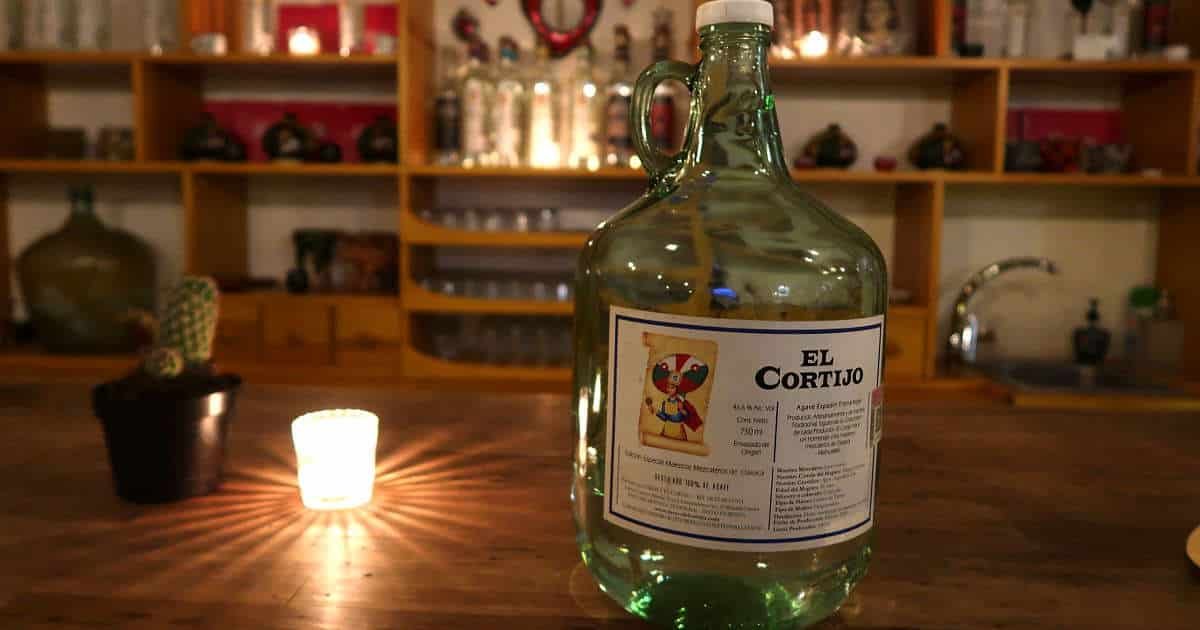
Bars in Santiago Matatlán
Browse all →
Restaurants in Santiago Matatlán
Browse all →
Details
- Rustic
- Scenic
- Wine Education
- Group Outing
- Solo Exploration
- Vineyard Tour
- Estate Grounds
- Panoramic View
- Sustainable
- Mountain
- Vineyard
- Espadín
- Tobalá
- Tepeztate
- Cuishe
- Mango
- Mezcal Tasting
- Agave Gin Tasting
- Spanish
- English
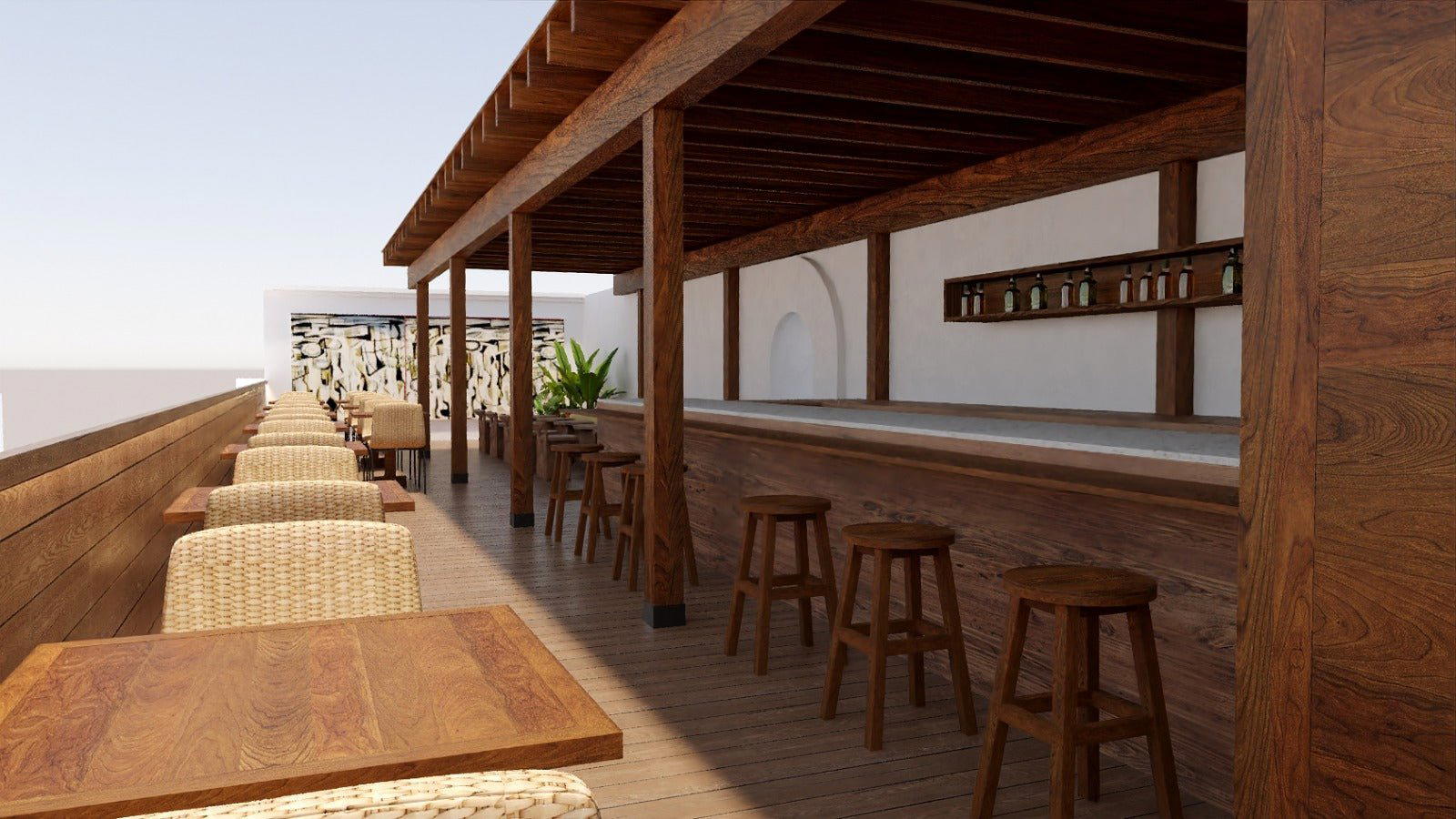
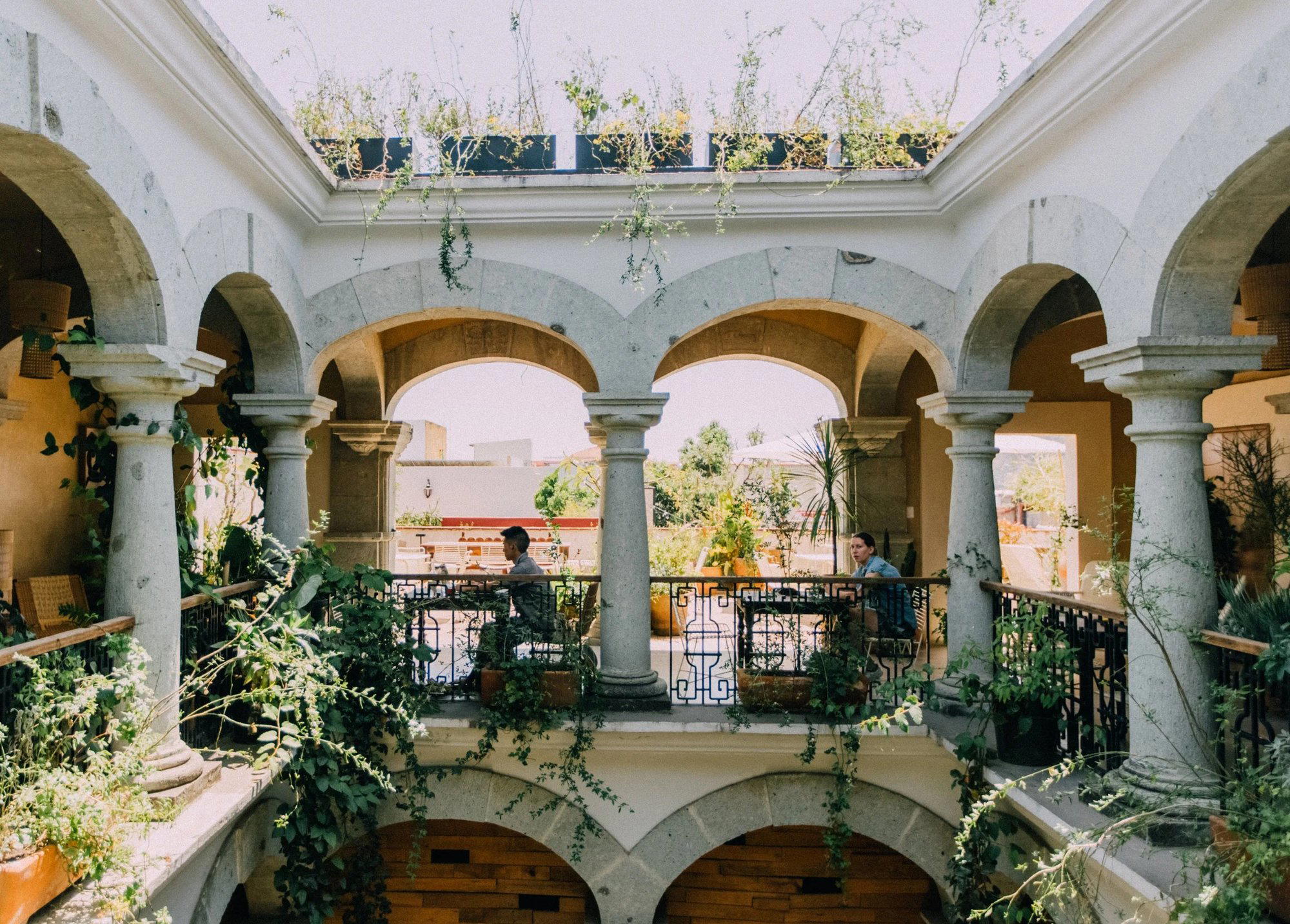
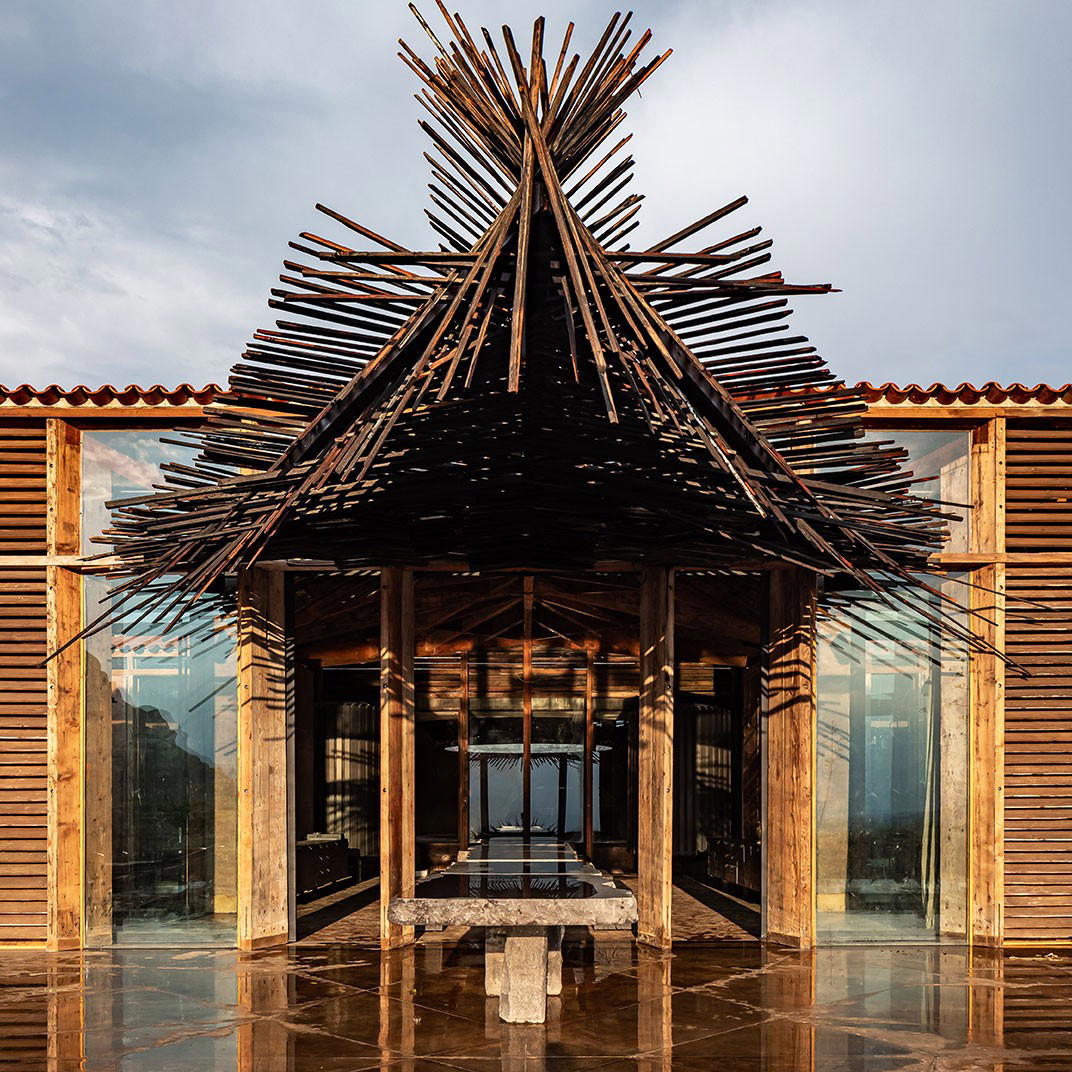
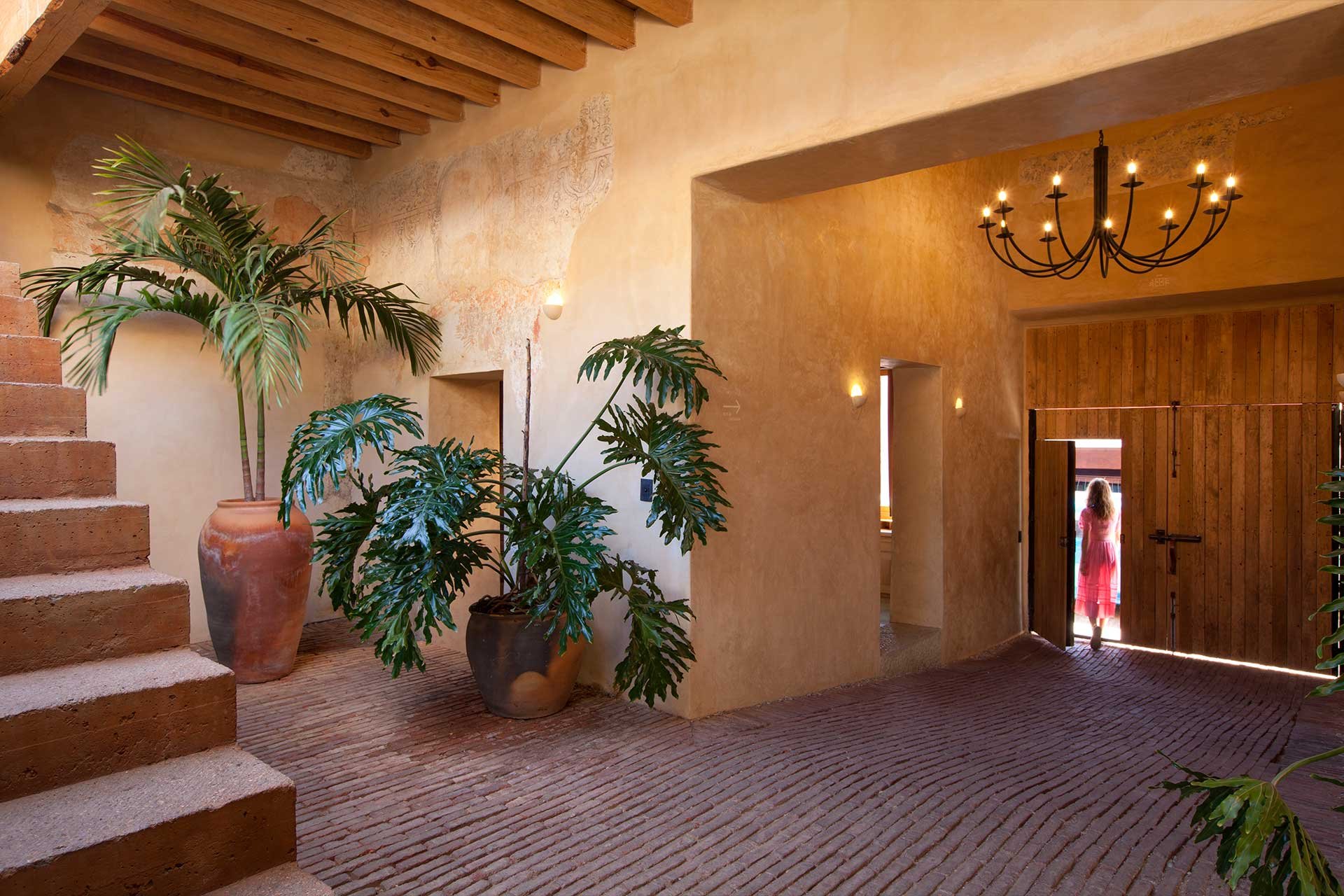
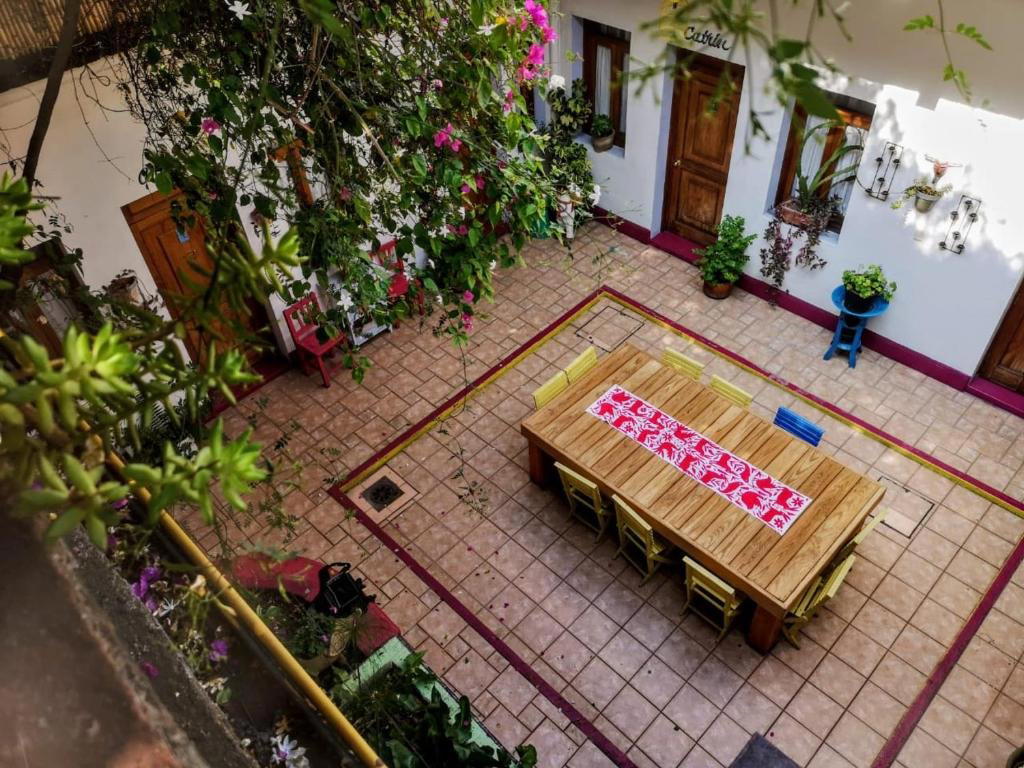
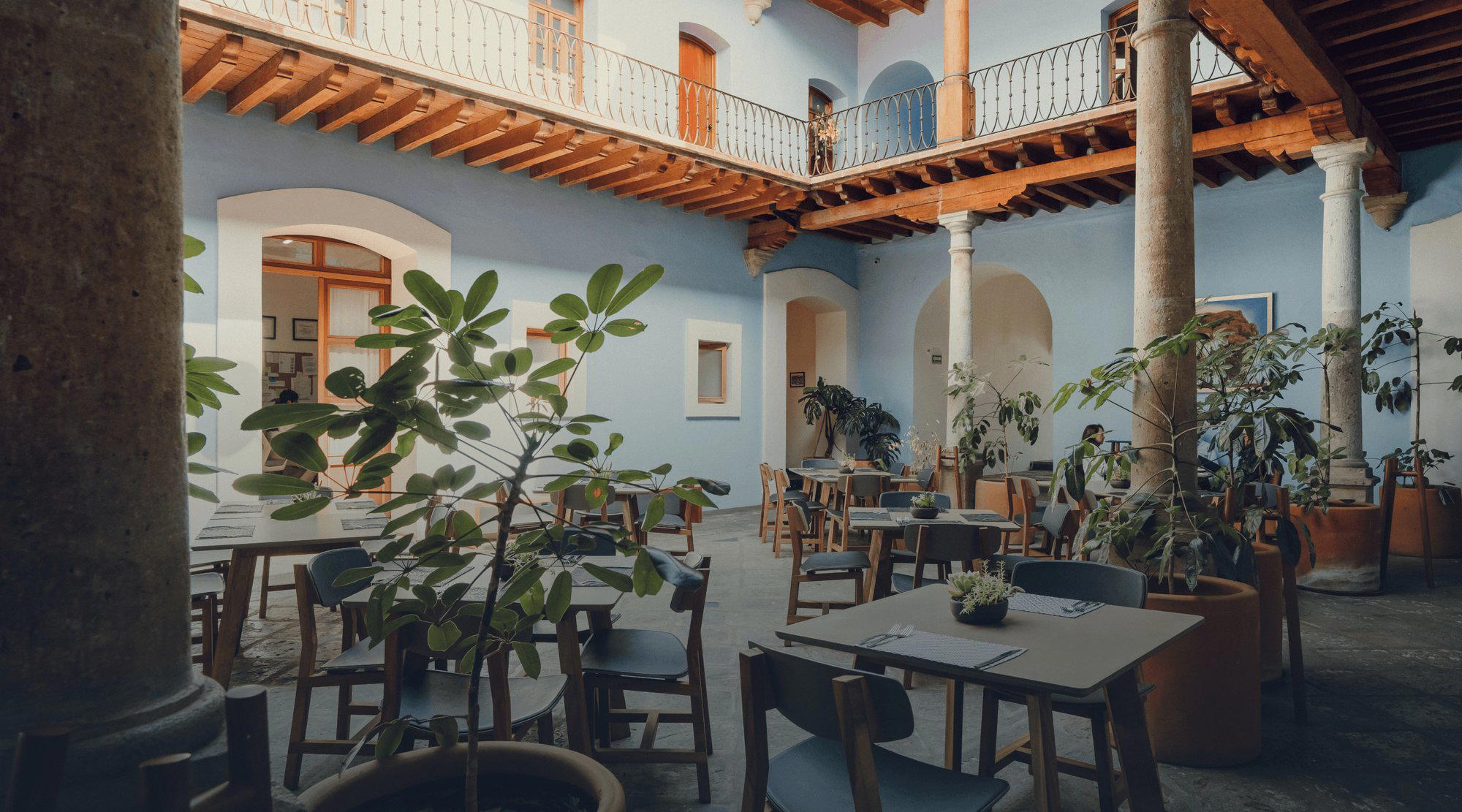
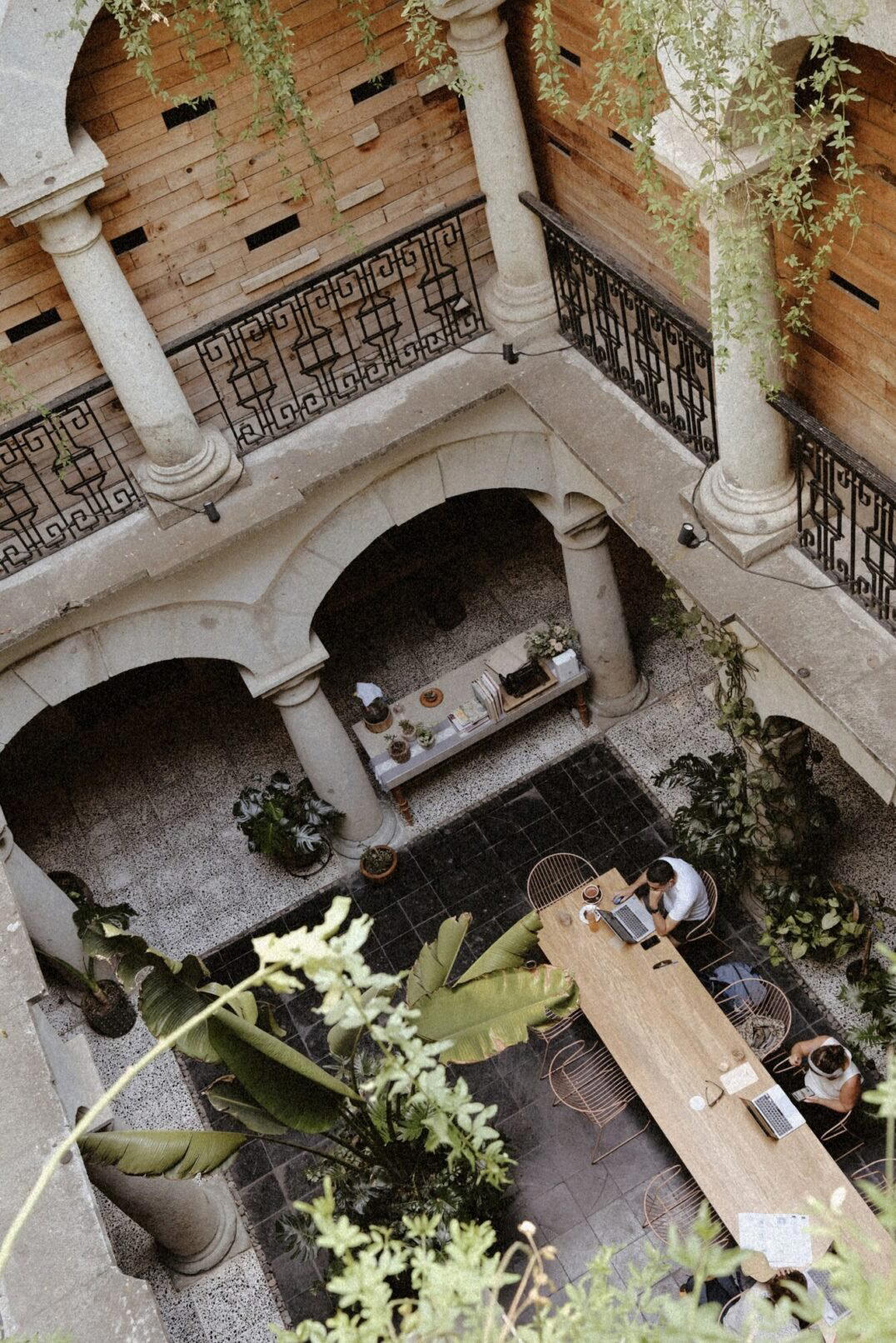
Open-air rustic setting with welcoming family atmosphere and dramatic mountain and valley views.