Ilegal (Palenque Mal de Amor)
Positioned at km 46.2 on the Carretera Oaxaca-Istmo, it sits within a village where agave cultivation and artisanal distillation are inseparable from daily life. The recognition places it firmly in Santiago Matatlán's upper tier of producer destinations.

Pearl is the En Primeur Club membership app — saves, bookings, and concierge access live there. Same editors, same standards.
- Address
- Carretera Oaxaca-Istmo, km 46.2, 70440 Santiago Matatlán, Oax.
- Phone
- +52 951 653 8445
- Website
- maldeamor.com
- Directions
- Get directions
Where the Agave Grows, the Mezcal Follows
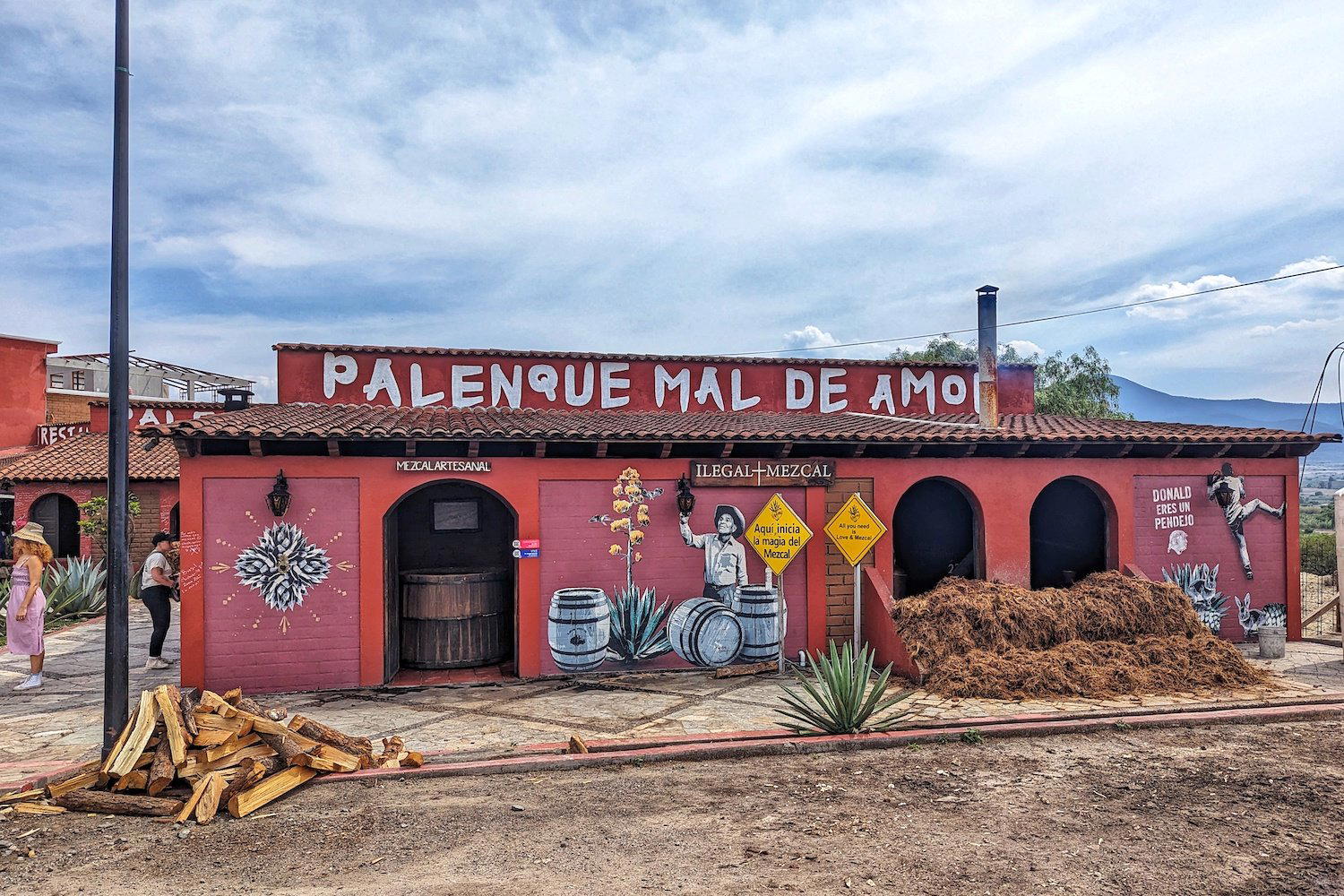
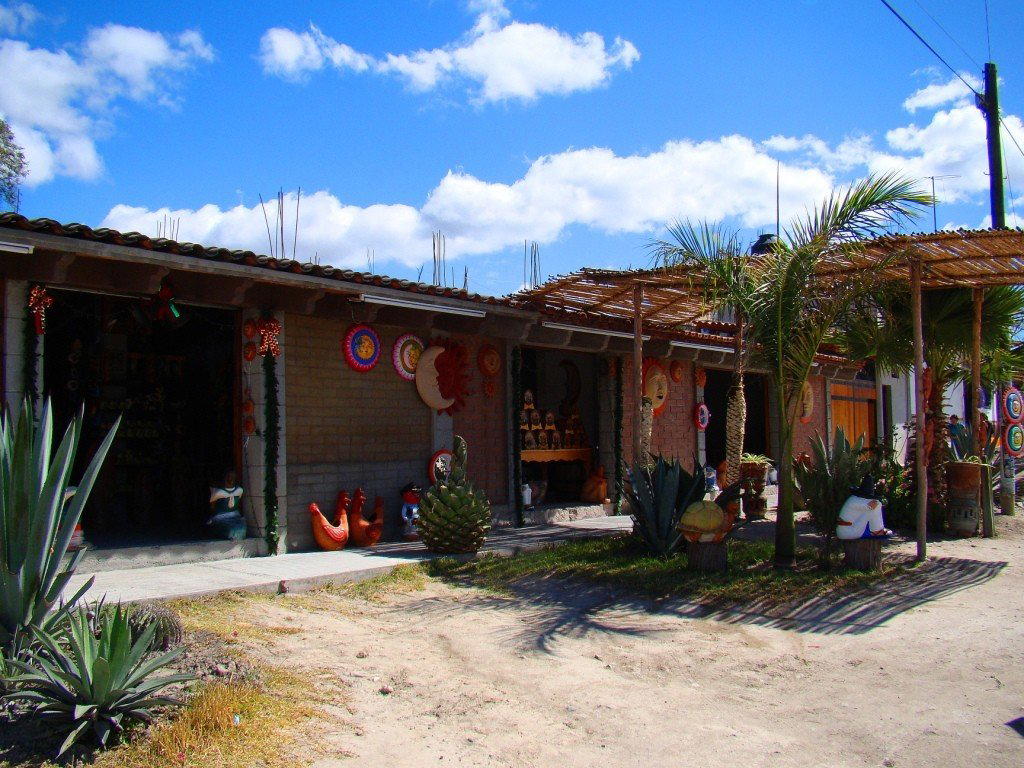
The road from Oaxaca City toward the Isthmus of Tehuantepec passes through a valley that makes the origins of mezcal difficult to romanticize — because there is nothing to embellish. At km 46.2 on the Carretera Oaxaca-Istmo, the agave fields are not a backdrop. They are the operation. Santiago Matatlán, the municipality that clusters around this stretch of highway, produces more mezcal per square kilometre than any comparable zone in Mexico, and the palenques here — the traditional open-air distilleries that define artisanal production, are working facilities first and visitor destinations second.
That recognition matters because Santiago Matatlán is not a place where prestige is distributed casually. The village has been producing mezcal for generations, and the producers who earn sustained attention do so through consistency in sourcing, process discipline, and the specific character of what they put in the bottle. Ilegal sits within that framework, not apart from it.
Agave as the Central Argument
The editorial angle on any serious palenque in the Oaxacan valley is, ultimately, an agave-sourcing argument. Unlike the large commercial mezcal brands that purchase bulk distillate or source from contracted growers across multiple states, the palenque model is built around proximity. The agave plants used in production are typically grown within reach of the distillery, which shapes everything from harvest timing to the flavour profile that ends up in a finished batch.
Santiago Matatlán's particular advantage is the Espadin agave (Agave angustifolia), which thrives in the semi-arid valley conditions here and reaches maturity after eight to twelve years, a timeline that imposes natural limits on production volume and creates a traceable relationship between land and liquid. The palenques in town, including Ilegal, operate within this constraint rather than around it. That is not a marketing position; it is an agricultural reality that separates Oaxacan artisanal production from the industrialised tequila corridor to the northwest. For reference, producers such as Jose Cuervo (La Rojeña) in Tequila and La Primavera (Don Julio) in Atotonilco El Alto operate at industrial scales that make the Matatlán palenque model structurally distinct in approach and output.
Within Oaxaca itself, comparisons are more granular. Don Amado (Arellanes family) in Santa Catarina Minas and Casa Cortés – La Soledad Palenque in La Compañía (Ejutla) represent the adjacent tradition of palenque production in neighbouring municipalities, each with their own terroir conditions and varietal emphases. Cooperative models, such as Banhez (UPADEC cooperative) in San Miguel Ejutla, introduce a different production logic again. Ilegal operates within Santiago Matatlán's specific geographic and cultural parameters, which gives it a different competitive set from these Ejutla-area producers.
The Palenque Setting
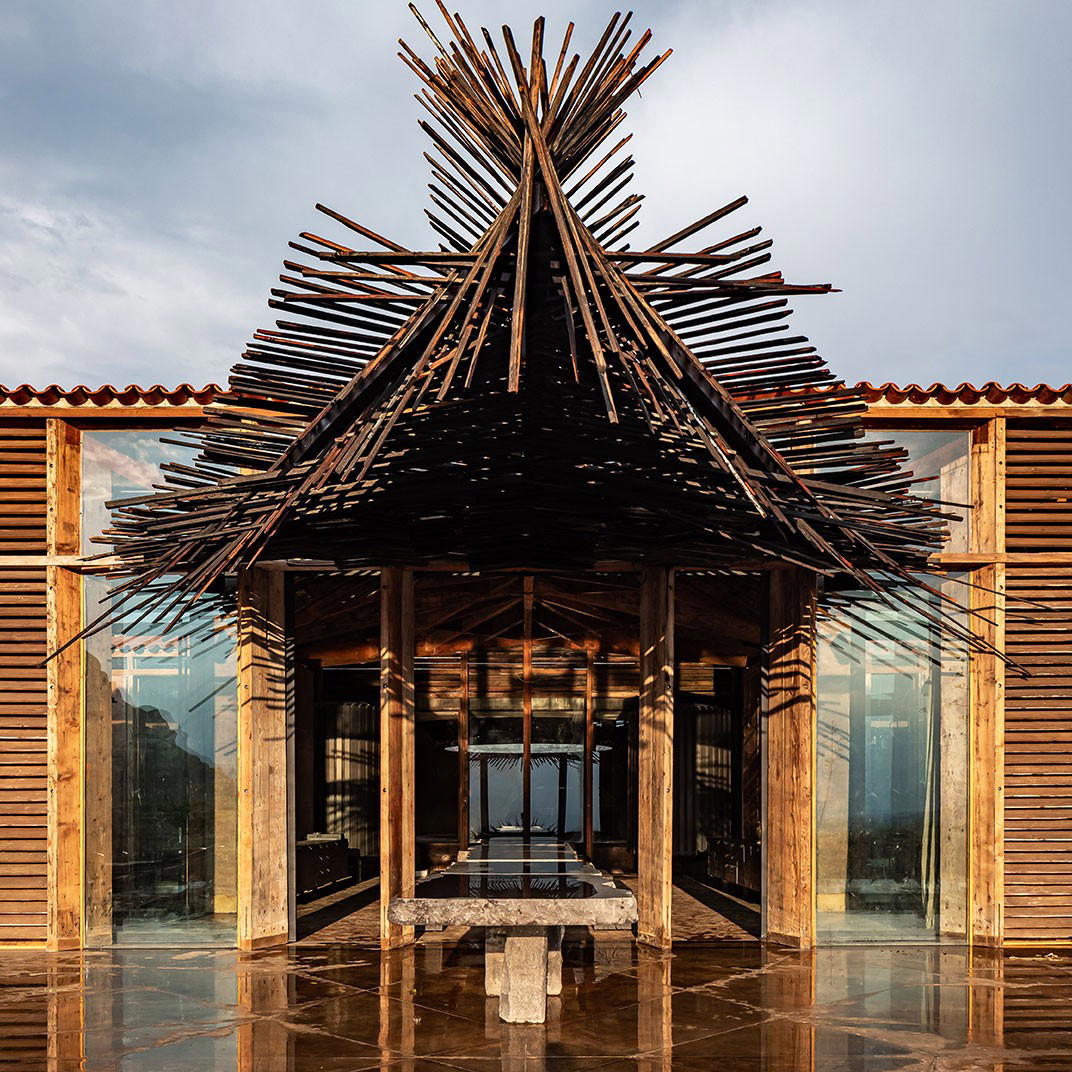
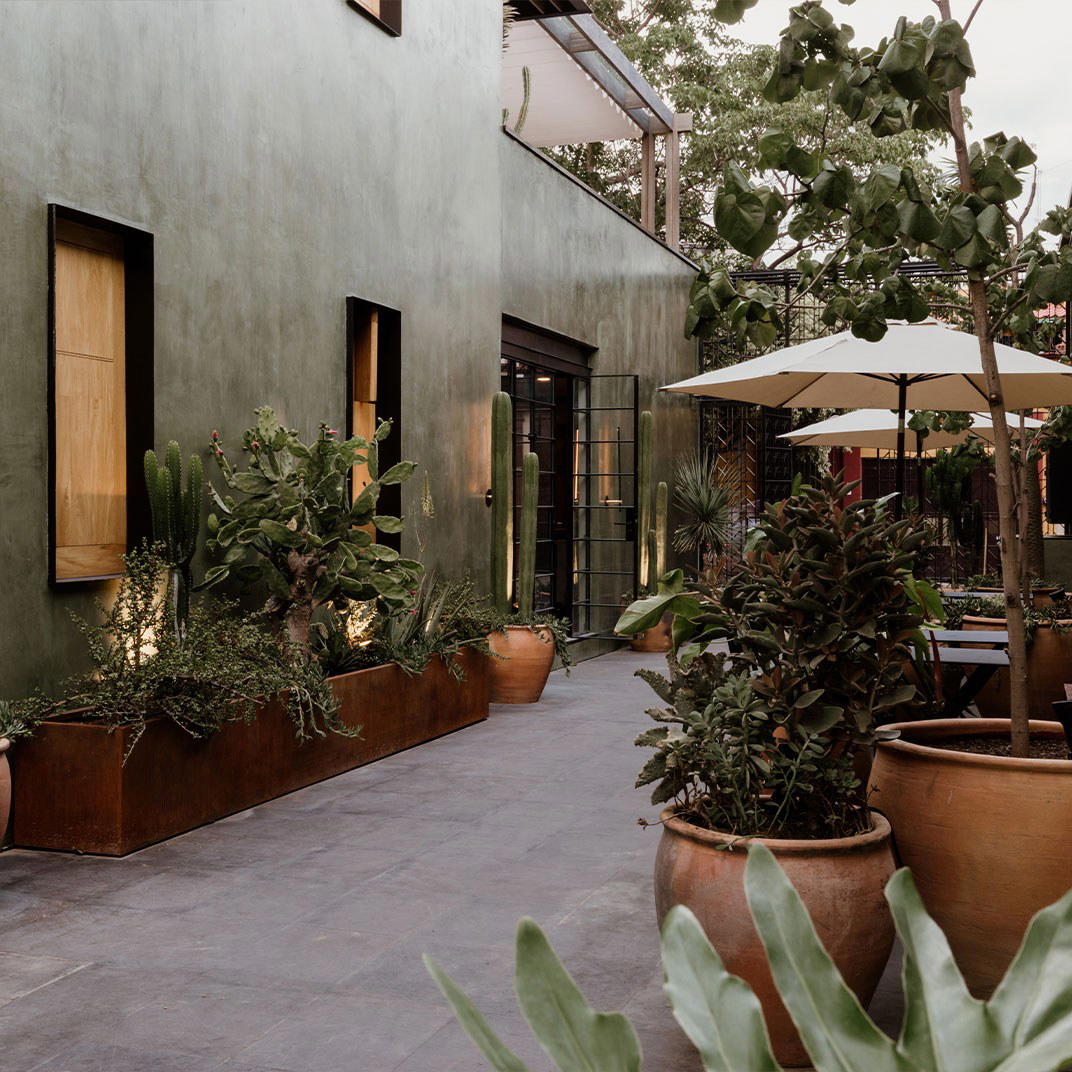
The physical environment at a traditional Oaxacan palenque is defined by the tools of production: clay or copper pot stills, earthen pit roasting ovens, wooden fermentation vats, and the tahona, a large stone wheel used in some operations to crush the roasted agave piñas. Not every palenque in Matatlán uses every piece of this traditional equipment, and the specific methods in use at any given facility shape the sensory character of the mezcal produced there. The palenque format is a working distillery, not a tasting room built around hospitality infrastructure, though visits are generally possible given the town's orientation toward producer tourism.
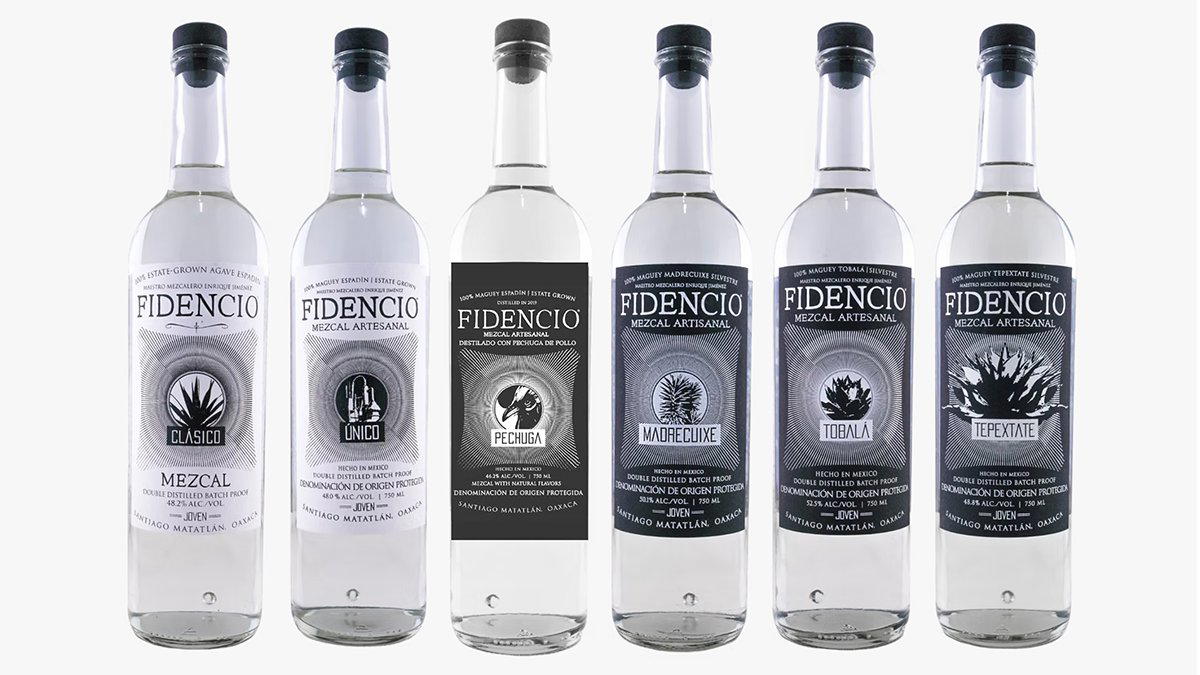
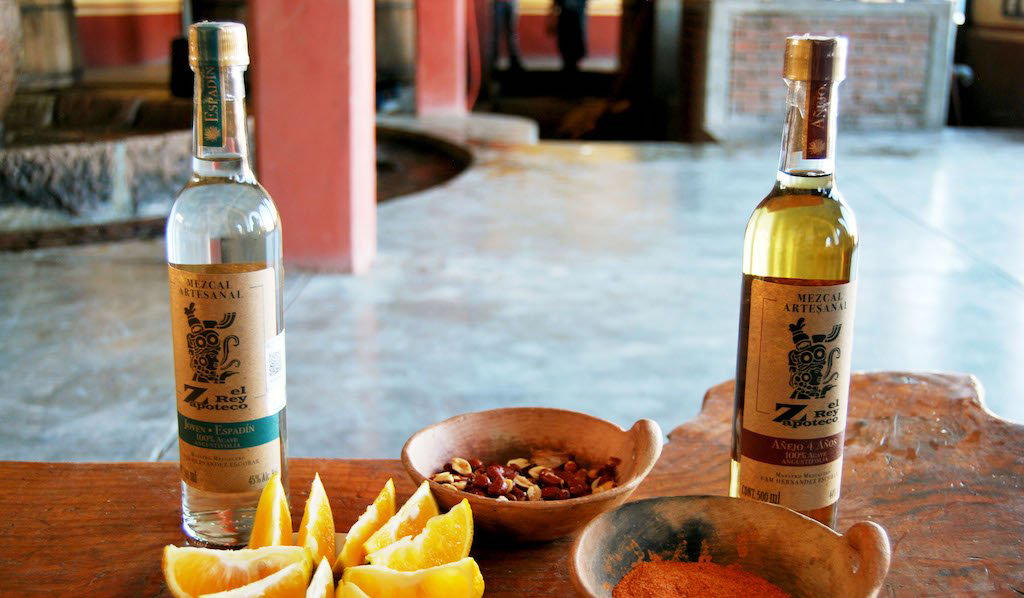
At km 46.2 on the main highway, Ilegal (Palenque Mal de Amor) sits in the geographic heart of a municipality where palenques are spaced along the roadside at intervals that make comparison visits direct on a single day. Nearby producers including Los Danzantes, El Cortijo (palenque), El Rey Zapoteco, Fidencio, and Gracias a Dios all sit within the same municipality, which creates a natural circuit for anyone serious about understanding how small differences in elevation, water source, agave variety, and roasting technique translate to flavour variation across producers working within essentially the same tradition.
Prestige Recognition in Context
It does not place Ilegal in a rarefied global tier reserved for a handful of operations, mezcal's recognition ecosystem is still considerably less formalised than, say, the Michelin structure for fine dining or the appellation hierarchy of established wine regions like those around Aberlour in Speyside or the Napa sub-zones where Accendo Cellars in St.
For comparison, the larger and more export-oriented distilleries in the broader Mexican spirits sector, such as Cazadores Distillery in Arandas and Casa Herradura (Hacienda San José del Refugio) in Amatitán, operate in a different segment entirely, one defined by consistent brand scale rather than batch-level artisanal variation.
Planning a Visit
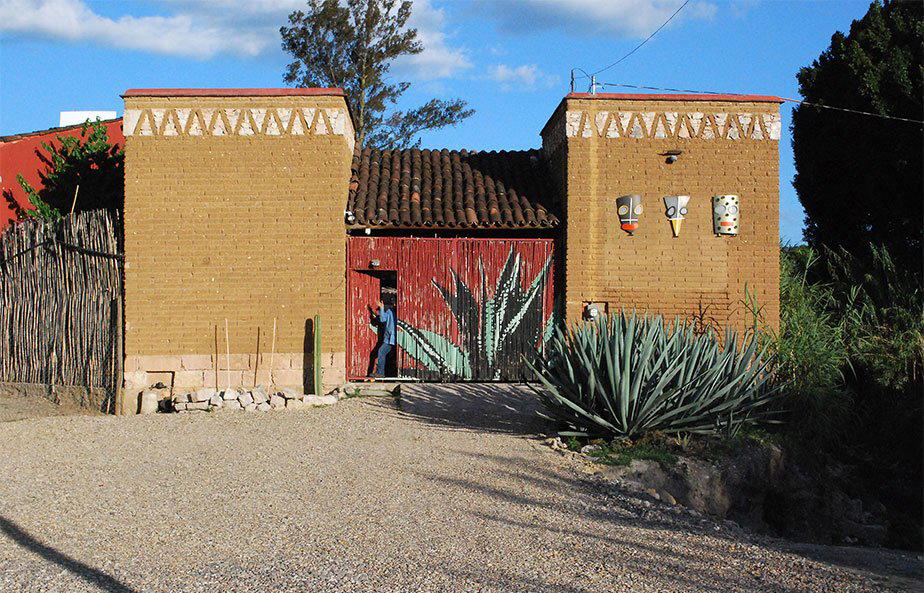
Santiago Matatlán sits approximately 46 kilometres southeast of Oaxaca City on the main highway toward Tehuantepec, making it a practical half-day or full-day excursion from the state capital. The town sees a steady flow of mezcal-focused visitors, particularly since artisanal mezcal's international profile expanded through the 2010s, and most palenques along the highway receive walk-in visitors during daylight hours, though formal booking infrastructure varies widely. The address at Carretera Oaxaca-Istmo, km 46.2, 70440, is the reliable navigation anchor. For a fuller picture of the producer ecosystem in the town, the full Santiago Matatlán guide maps the circuit across multiple palenques and contextualises the differences between them.
Style and Standing
Comparable venues nearby, for context on price, style, and recognition.
| Venue | Cuisine | Notes |
|---|---|---|
| Ilegal (Palenque Mal de Amor)This venue — the venue you are viewing | cuishe, tepextate | Not listed |
| El Rey Zapoteco | espadín, tobalá | Santiago Matatlán |
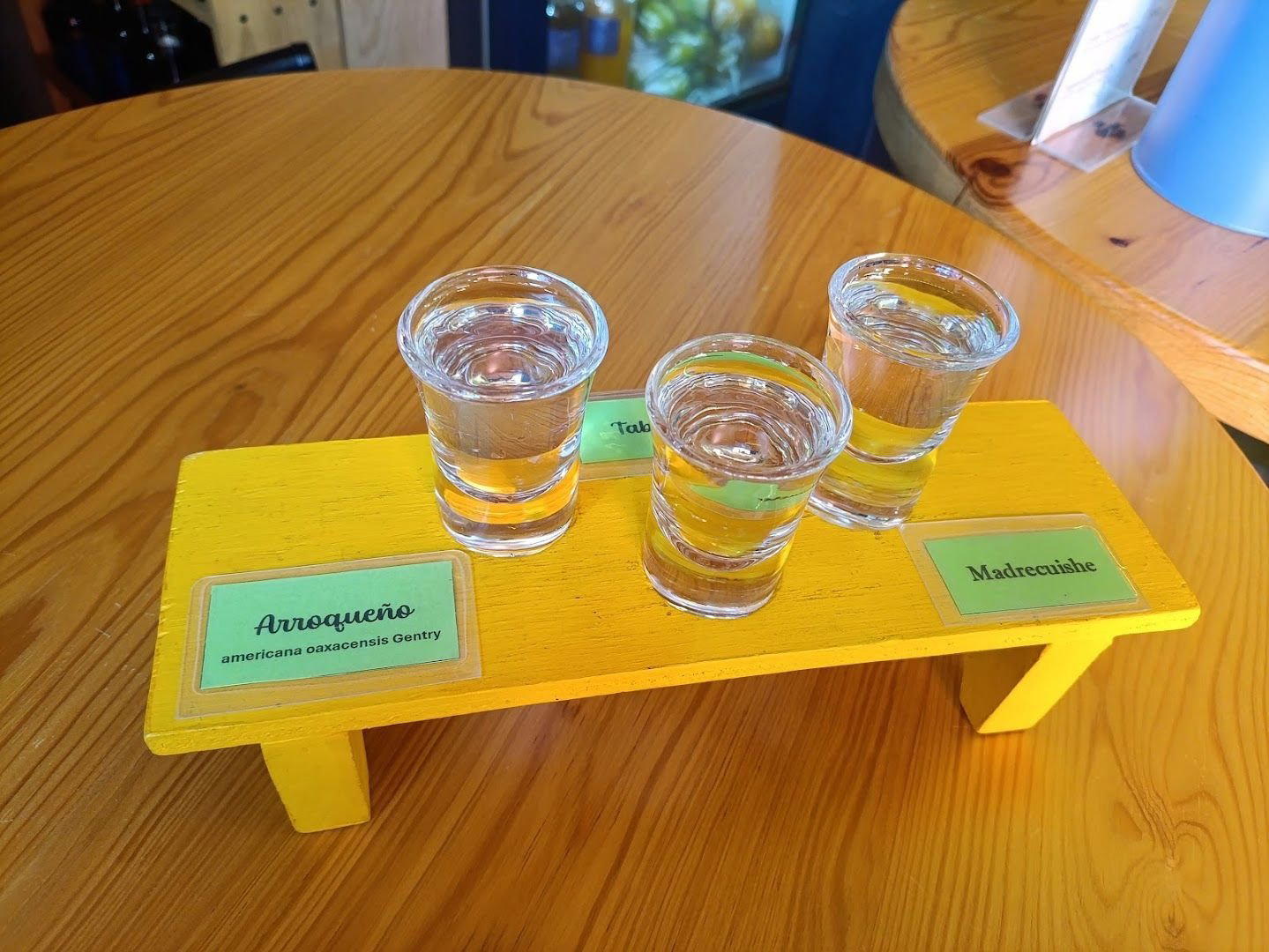
| Los Danzantes | Espadín, Arroqueño | Santiago Matatlán |
| Los Javis | Espadin, Arroqueño | Santiago Matatlán |
| El Buho | Winery | Santiago Matatlán |
| Gracias a Dios | Espadín, Tobalá | Santiago Matatlán |
Continue exploring
More in Santiago Matatlán
Wineries in Santiago Matatlán
Browse all →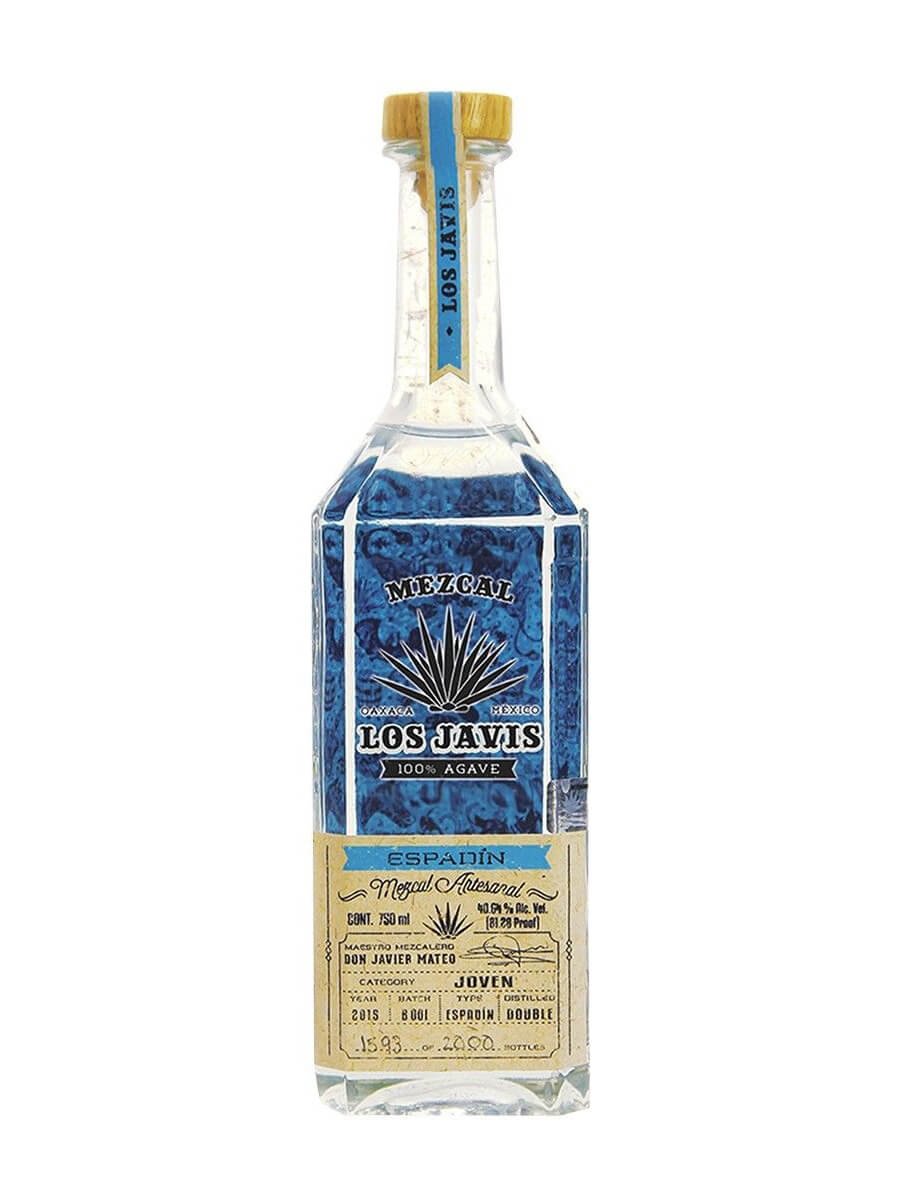
Bars in Santiago Matatlán
Browse all →
Restaurants in Santiago Matatlán
Browse all →
Details
- Rustic
- Intimate
- Wine Education
- Solo Exploration
- Group Outing
- Vineyard Tour
- Estate Grounds
- Sustainable
- Vineyard
- Cuishe
- Tepextate
- Jabali
- Americana
- Barril
- Sierrudo
- Tobala
- Guided Tasting
- Spanish
- English
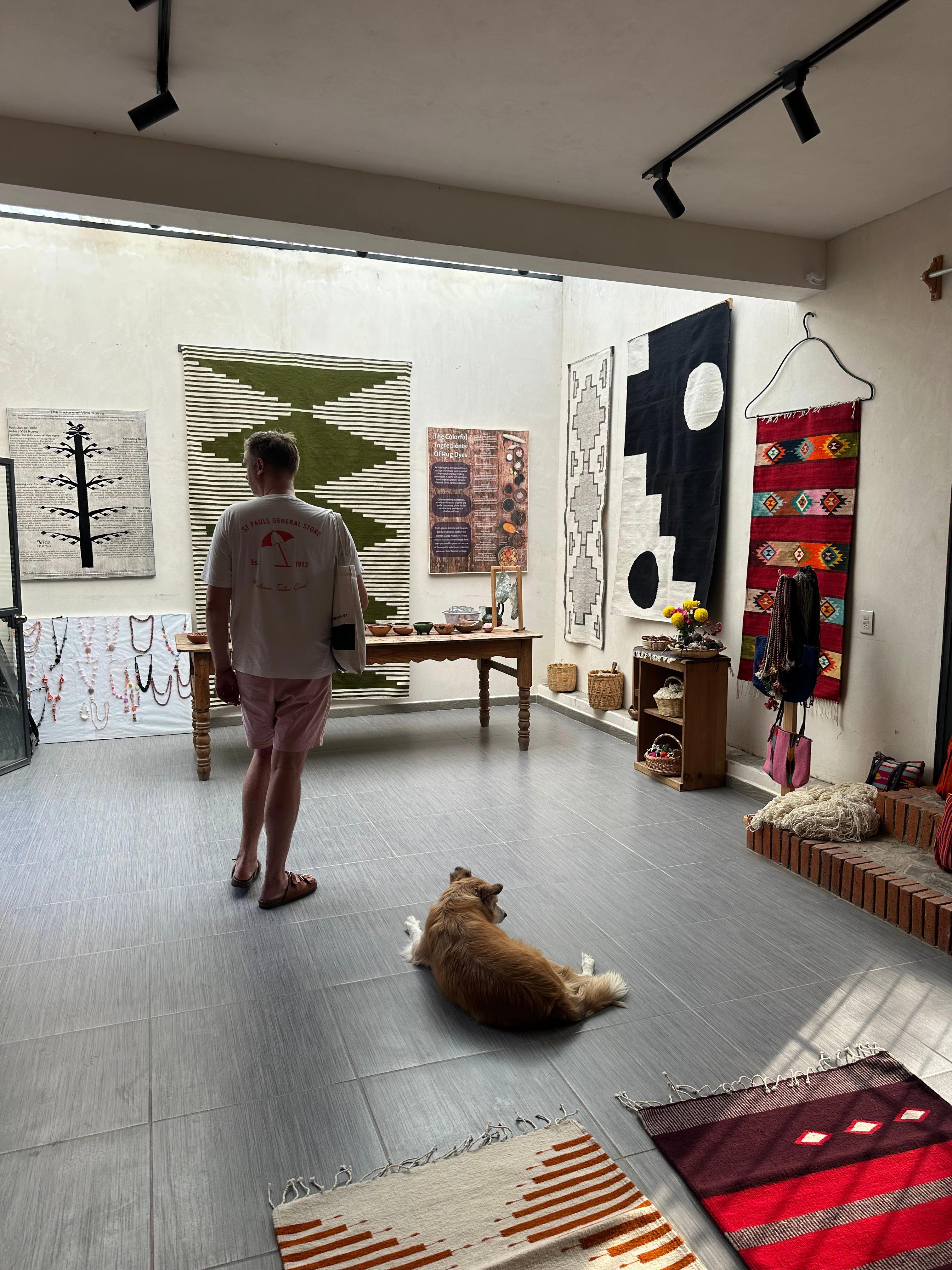
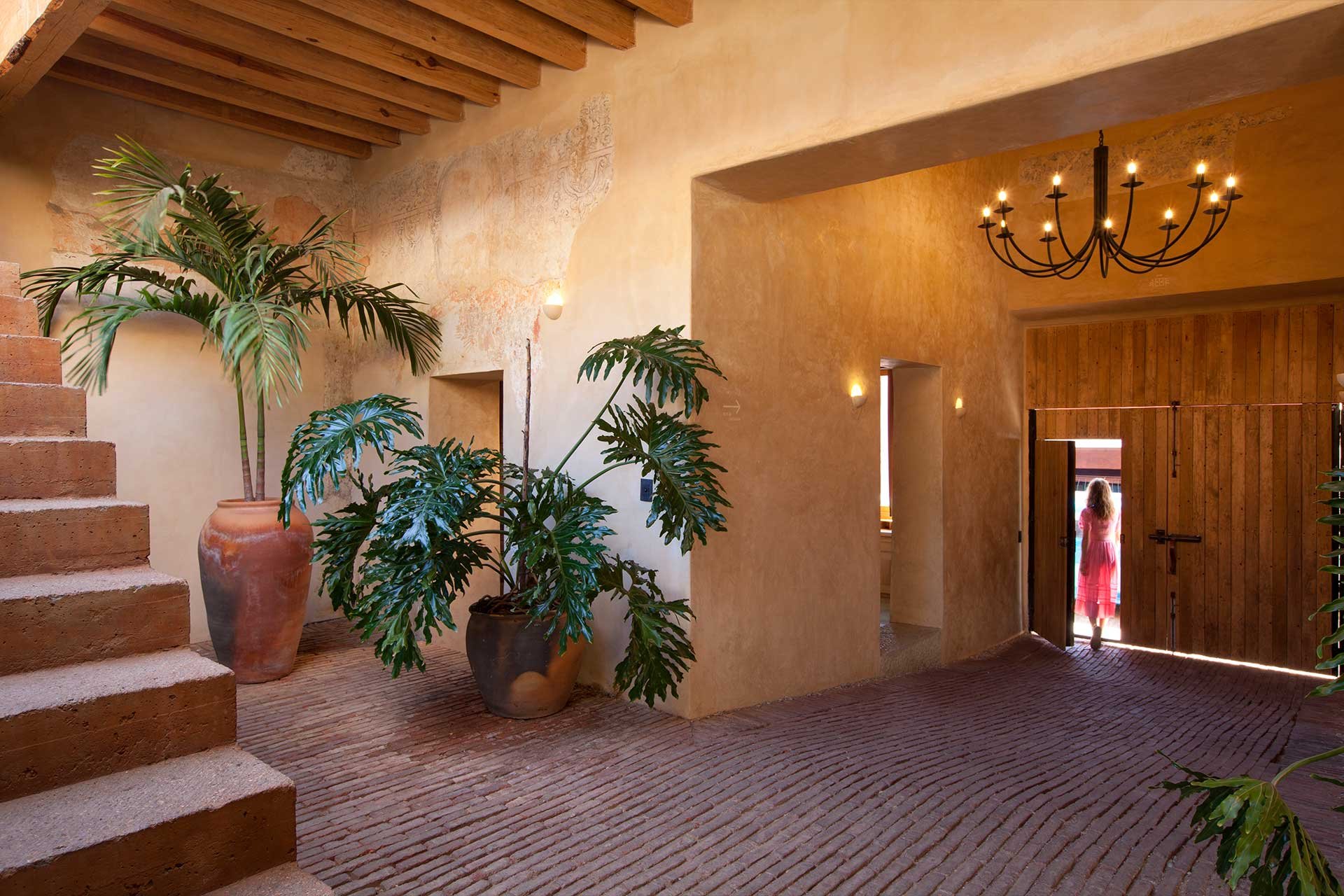
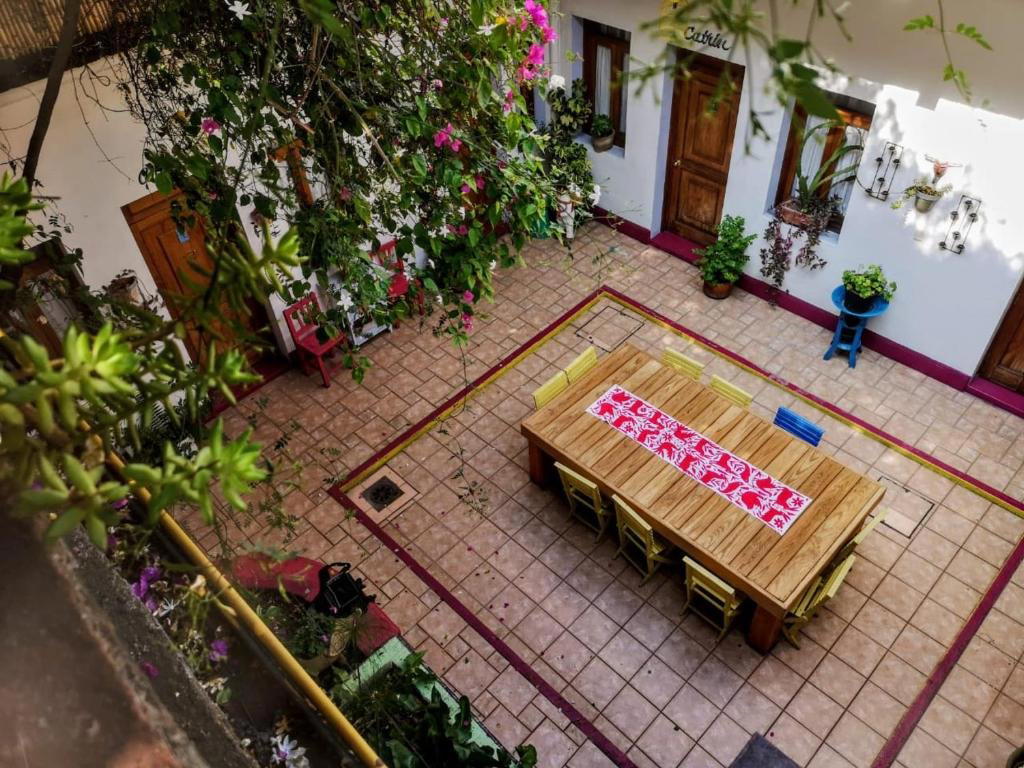
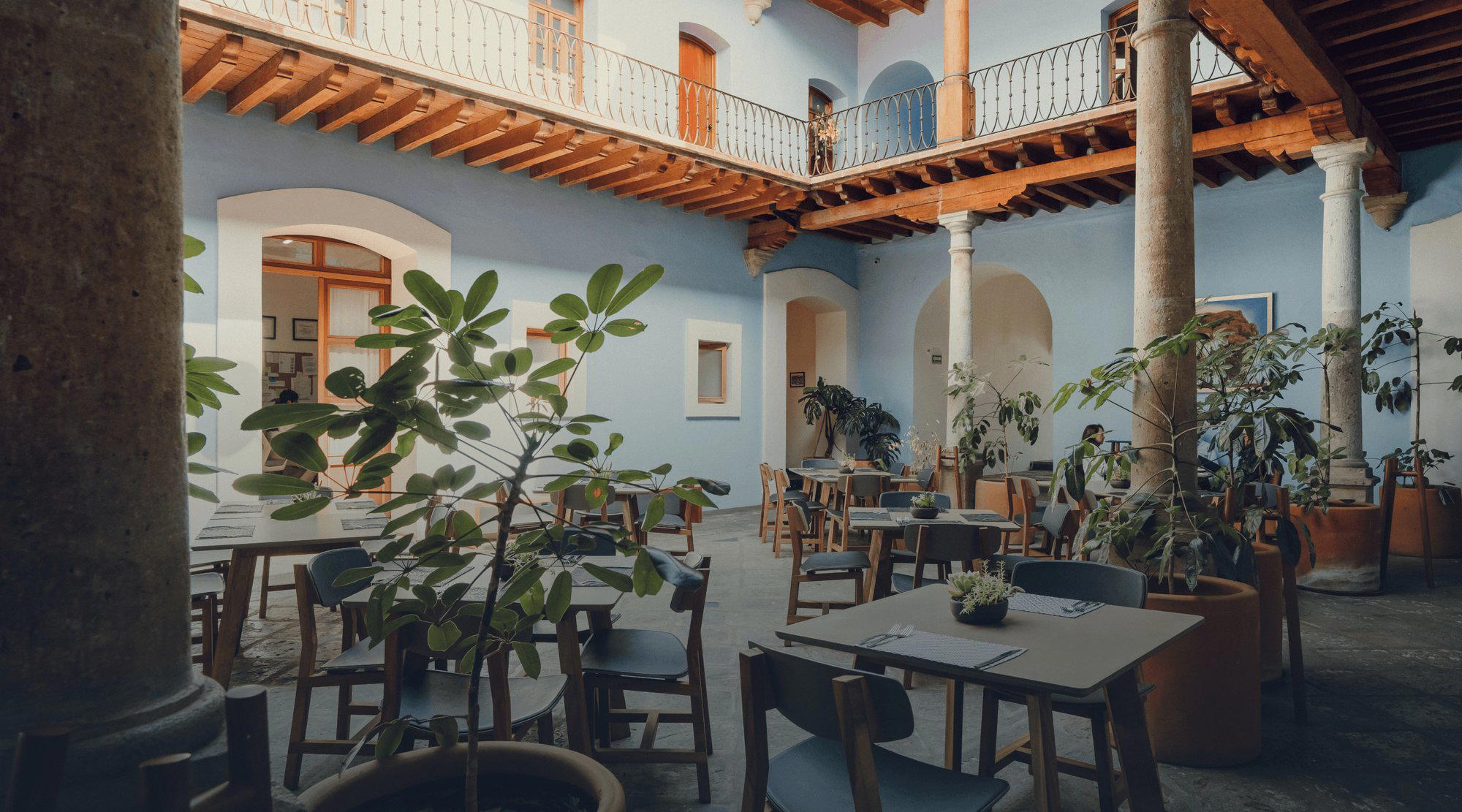
Authentic, rustic Oaxacan atmosphere with clean production facilities and welcoming family hospitality.